Le Clocher des Pères

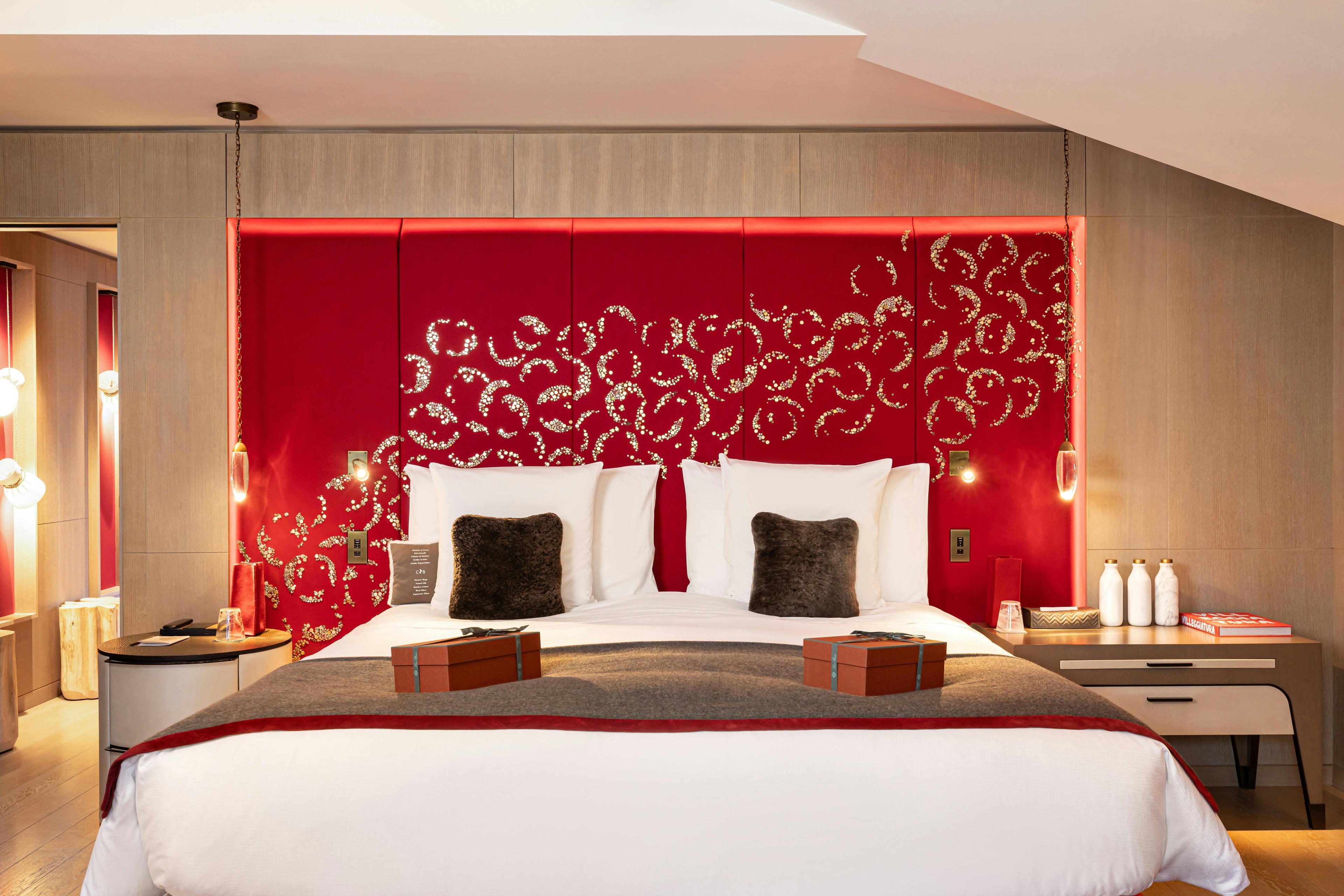
A Michelin-starred table in a 15th-century stronghold at 600 metres above the Maurienne valley, Le Clocher des Pères earns its star through a kitchen that threads garden herbs, Savoyard staples, and carefully chosen imported ingredients into a menu of genuine invention. Five round tables, mountain views through picture windows, and guestrooms for overnight stays make it a credible destination in its own right.
Pearl is the En Primeur Club membership app — saves, bookings, and concierge access live there. Same editors, same standards.
- Address
- 80 Imp. du Four, 73130 Saint-Martin-sur-la-Chambre, France
- Phone
- +33 4 79 59 98 06
- Directions
- Get directions
 Saves & bookings on Pearl
Stone Walls, Mountain Light, and a Kitchen That Takes Its Surroundings Seriously
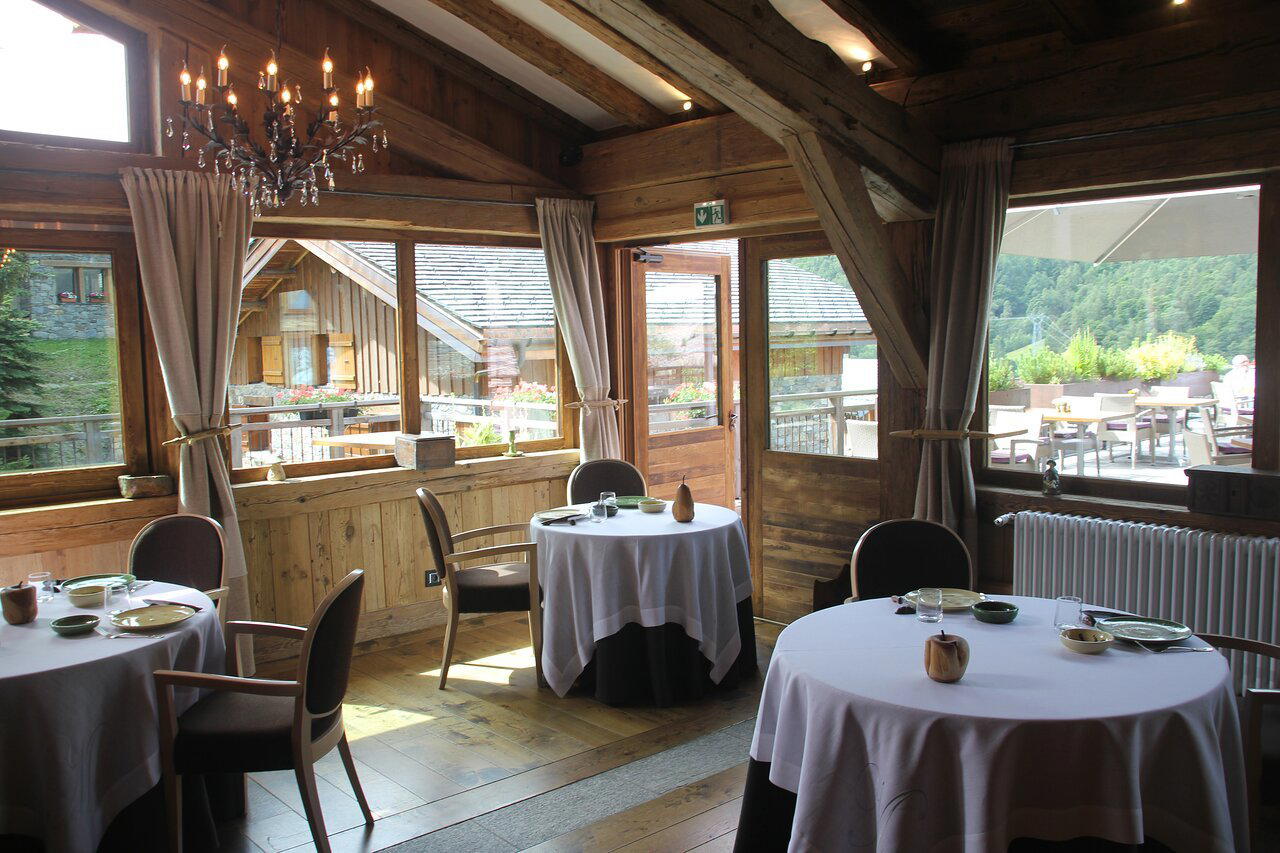
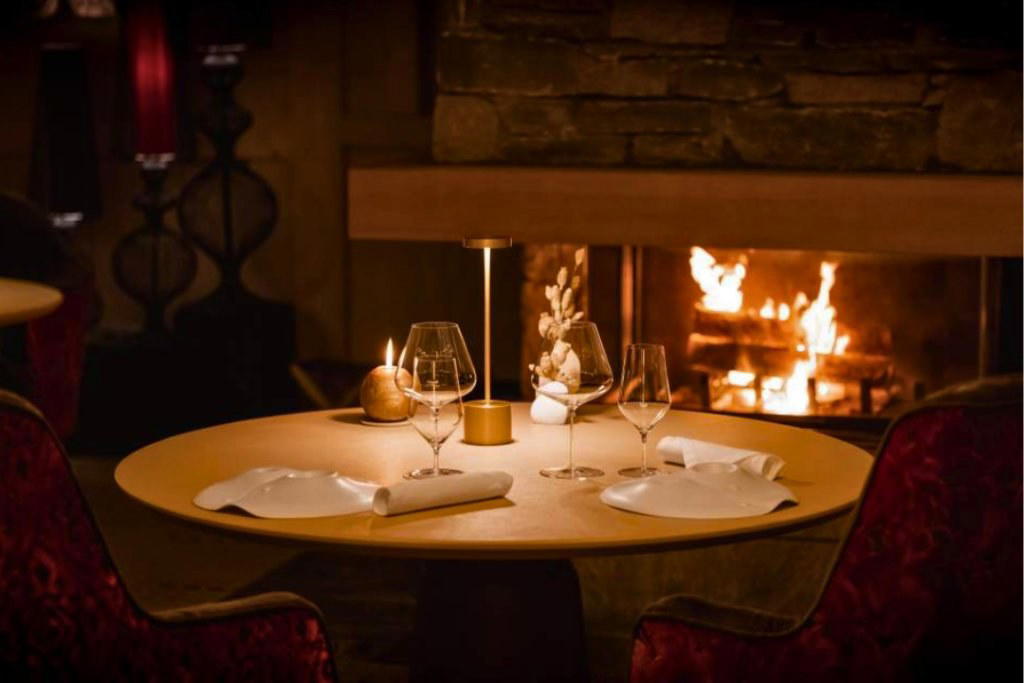
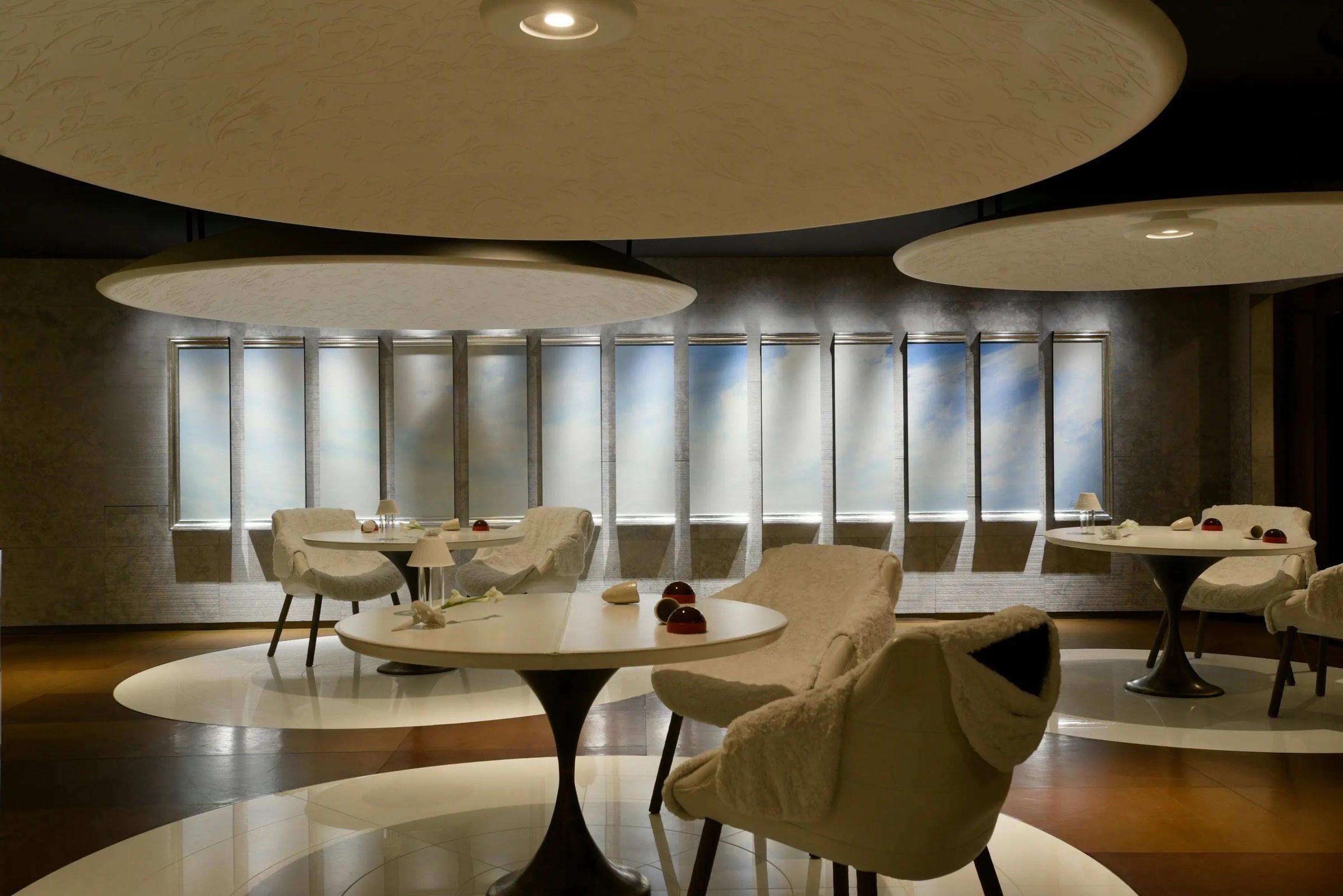
The road into Saint-Martin-sur-la-Chambre climbs away from the Maurienne valley floor with the kind of quiet purpose that signals you are leaving one world for another. At 600 metres, the hamlet settles into the foothills of the Belledonne range, and the former 15th-century stronghold that houses Le Clocher des Pères announces itself through thick stone walls rather than signage. Step inside and the room is small, composed, and almost disproportionately luminous: five round tables, each immaculately laid, sit in a space where picture windows frame the mountain panorama as deliberately as a painting. The architecture does the first editorial work before a dish arrives.
That context matters for understanding what kind of restaurant this is. France has a long tradition of destination tables in rural or mountain settings, where the remove from urban supply chains either limits a kitchen or forces it to develop a more focused relationship with what grows and grazes nearby. Le Clocher des Pères belongs firmly to the second category, and its Michelin one-star recognition reflects a kitchen operating with clear intent rather than compensating for its address.
Where the Ingredients Come From and Why That Shapes the Menu
The creative menu at Le Clocher des Pères is built around a logic of proximity first, supplemented with precision. Aromatic herbs come from the restaurant's own garden, a detail that in mountain cooking is less a marketing gesture and more a practical answer to the shortness of the growing season: what you can control directly, you grow yourself. That immediacy carries through to the regional produce that anchors the menu, including caïon, the traditional Savoyard preparation of pork, served here with wild garlic in a treatment that keeps the dish recognisably local while sharpening its seasonal edge.
Mountain kitchens across the French Alps have historically operated within a fairly tight palette: dairy, cured meats, root vegetables, freshwater fish. The more interesting question for any chef working at altitude is how far to stretch beyond that palette without losing the thread that connects the food to its setting. The approach here, as reflected in the Michelin citation, introduces what the guide describes as "well-chosen exotic notes" alongside the regional core. The specific example is instructive: blue lobster alongside an espuma of Beaufort cheese and confit tomatoes. Beaufort, produced in the Tarentaise and Beaufortain valleys a short distance from this table, is one of the great alpine cheeses, with a nutty depth that can anchor a sauce as effectively as it stands alone. Pairing it with blue lobster is a decision that says the kitchen is not afraid of contrast, but the anchoring ingredient is still local and the combination is disciplined rather than eclectic for its own sake.
This approach places Le Clocher des Pères in a broader French tradition of sourcing-led creativity that has produced some of the country's most distinctive starred tables. Bras in Laguiole built its identity around the volcanic plateau of the Aubrac and the wild plants that grow there. Flocons de Sel in Megève occupies a comparable altitude-and-locality position in the northern Alps. The common thread is not that these kitchens refuse outside ingredients, but that the local raw material sets the register and outside elements are introduced as accent rather than foundation. That discipline is harder to sustain in a small operation than in a larger one with more purchasing power, which makes its presence here worth noting.
The Scale of the Room and What It Demands
Five tables is a meaningful constraint. At that capacity, a kitchen can control the pace and precision of service in ways that larger rooms cannot, but it also means the restaurant depends entirely on the quality of each element, with no room to average out a weak course across a longer menu or distract with spectacle. The Michelin inspector's phrase "encounter between nature and good food" reads like a description of a room where the surroundings and the plate are expected to hold the same weight, and the format enforces that expectation.
French creative cooking at the starred level spans an enormous range of formats, from grand rooms like Alléno Paris au Pavillon Ledoyen and Assiette Champenoise in Reims to intimate rural addresses like Auberge du Vieux Puits in Fontjoncouse. The smaller operations share a particular quality: when they work, the concentration of attention produces a more intense experience than scale allows. Five tables in a room lit by mountain light, with a host whose presence is described in the Michelin guide as warm and seamless, is a format that bets on intimacy and delivers it when the kitchen performs.
For creative cooking at a comparable price point and scale, international parallels are worth considering. Enrico Bartolini in Milan and JAN in Munich both occupy the creative-starred tier in their respective cities, but operate within urban supply contexts that make the sourcing logic different. The rural alpine setting of the restaurant is not incidental: it is the condition that makes this particular version of creative cooking coherent.
Planning Your Visit
The restaurant operates a narrow weekly schedule: service runs Thursday through Saturday for both lunch, from noon to 1 PM, and dinner, from 7:30 PM to 9 PM. Monday, Tuesday, Wednesday, and Sunday are closed. Arriving without a reservation is not a viable approach at five tables. The address is 80 Impasse du Four, 73130 Saint-Martin-sur-la-Chambre, and the hamlet is reachable from the Maurienne valley via the D78, which means the drive itself, through the lower alpine slopes, is worth building time around rather than rushing.
Guestrooms are available on-site, which transforms the calculus for anyone considering an evening meal with wine at altitude. The overnight option removes the need to drive down into the valley the same night and turns the dinner into the kind of extended stay that a destination table at this level is designed to support.
The price tier sits at €€€, which places it above casual regional dining but below the full €€€€ bracket occupied by Paris flagship rooms such as Paul Bocuse in Collonges-au-Mont-d'Or or Auberge de l'Ill in Illhaeusern. For a Michelin-starred creative menu at altitude with an overnight option, the value proposition is clear. Savoie has produced a distinctive set of starred addresses over the past two decades, and this sits among the more interesting of them: a kitchen where the sourcing logic and the setting are genuinely aligned rather than coincidentally proximate.
Frequently Asked Questions
- Does the restaurant work for a family meal?
- At €€€ in a five-table Michelin-starred room in Saint-Martin-sur-la-Chambre, it is designed for focused dining rather than a casual family lunch.
- Is the restaurant formal or casual?
- Starred restaurants in rural French settings, particularly at the €€€ level, tend to occupy a middle register: the table is properly laid and the service is attentive, as the Michelin citation for Saint-Martin confirms, but the mountain context and small room size soften the formality you would find in a Paris three-star. Smart-casual is a reasonable working assumption for most guests.
- What's the leading thing to order at the restaurant?
- Order whatever the kitchen presents as its current creative menu. The 2024 Michelin star was awarded to a kitchen signing inventive, sourcing-led cooking: blue lobster with Beaufort espuma and the regional caïon with wild garlic are cited in the guide as representative of that vision. The format here rewards trusting the chef's current score rather than arriving with a fixed preference.
Quick Comparison
Comparable venues nearby, for context on price, style, and recognition.
| Venue | Cuisine | Price | Awards | Notes |
|---|---|---|---|---|
| Le Clocher des PèresThis venue — the venue you are viewing | Modern French Creative Fine Dining | $$$$ | Michelin 1 Star | Not listed |
| Alpage | Modern French with Savoyard and Japanese influences | $$$$ | Michelin 1 Star | Courchevel (Commune Non Irisée) |
| La Table de l'Alpaga | Modern French Fine Dining with Vegetable Focus | $$$$ | Michelin 1 Star | Le Jaillet |
| La Marande | Modern French Fine Dining | $$$$ | Michelin 1 Star | Montbellet |
| Faventia | Modern French Mediterranean Fine Dining | $$$$ | Michelin 1 Star | Terre Blanche |
| La Bonne Étape | Provençal Fine Dining | $$$$ | Michelin 1 Star | Château-Arnoux-Saint-Auban |
Recognition history
Dated appearances from independent guides and award organizations, with the underlying list record or original source where available.
Michelin 1 Star
Michelin
Michelin 1 Star
Michelin
Michelin 1 Star
Michelin
Continue exploring
More in Saint-Martin-sur-la-Chambre
Restaurants in Saint-Martin-sur-la-Chambre
Browse all →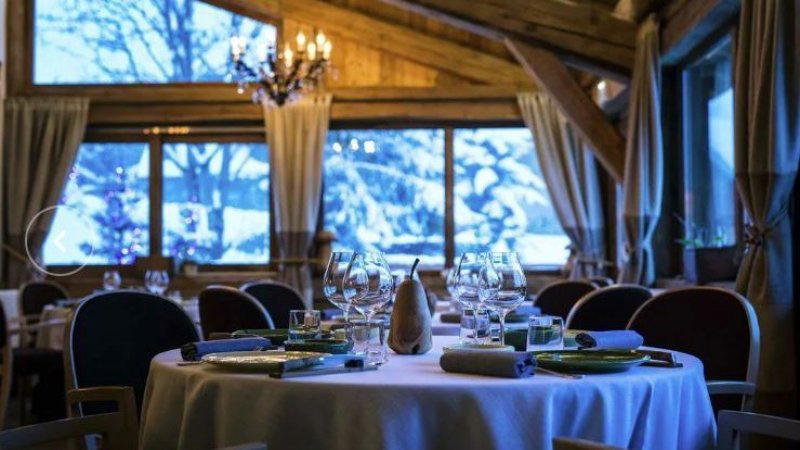
Bars in Saint-Martin-sur-la-Chambre
Browse all →
At a Glance
- Intimate
- Cozy
- Elegant
- Rustic
- Sophisticated
- Date Night
- Special Occasion
- Historic Building
- Panoramic View
- Extensive Wine List
- Local Sourcing
- Mountain
Current opening hours
- Monday
- Closed
- Tuesday
- Closed
- Wednesday
- Closed
- Thursday
- 12–1 p.m., 7:30–9 p.m.
- Friday
- 12–1 p.m., 7:30–9 p.m.
- Saturday
- 12–1 p.m., 7:30–9 p.m.
- Sunday
- Closed
Hours can change for holidays and private events. Last verified .
Cozy warm interior with stone walls, picture windows flooding the intimate space with light, and views of the Belledonne mountains.