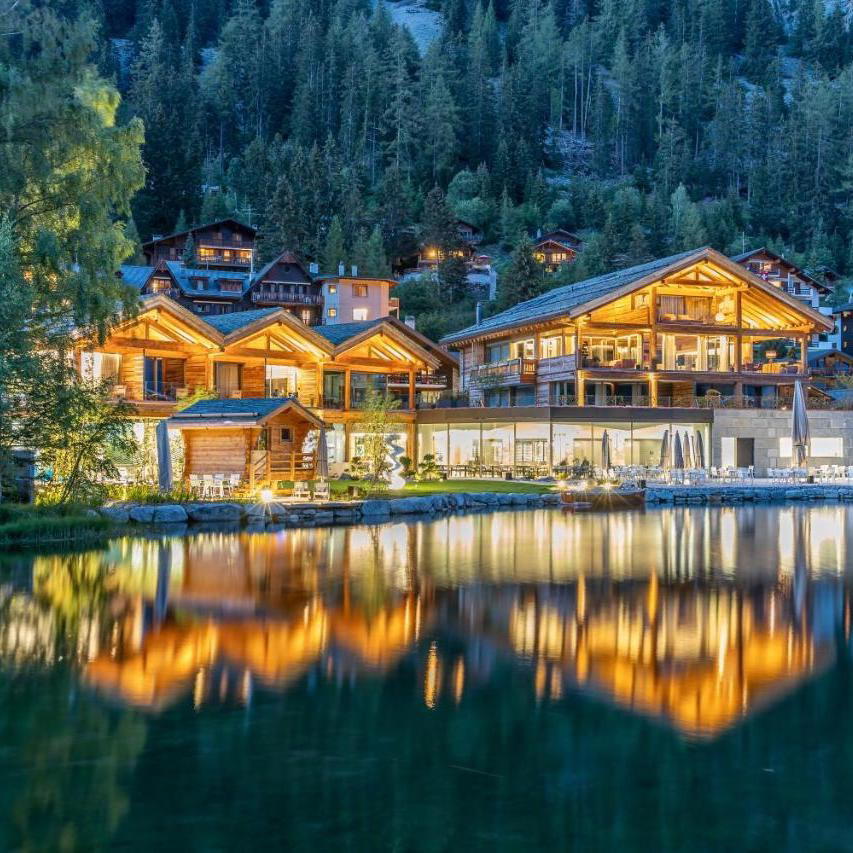
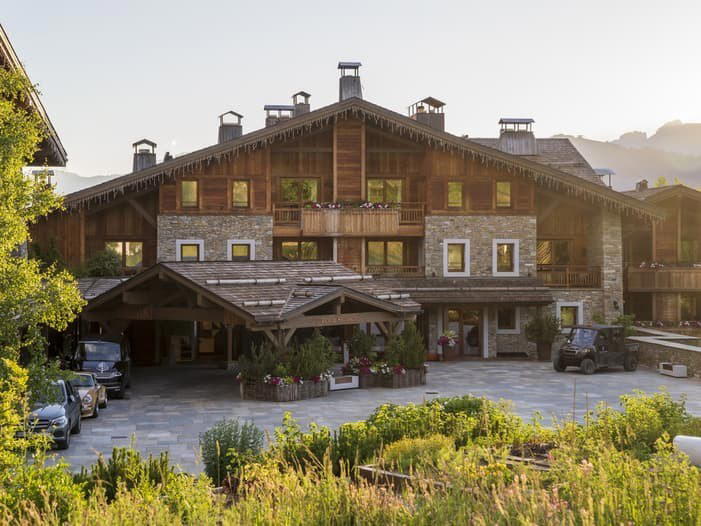
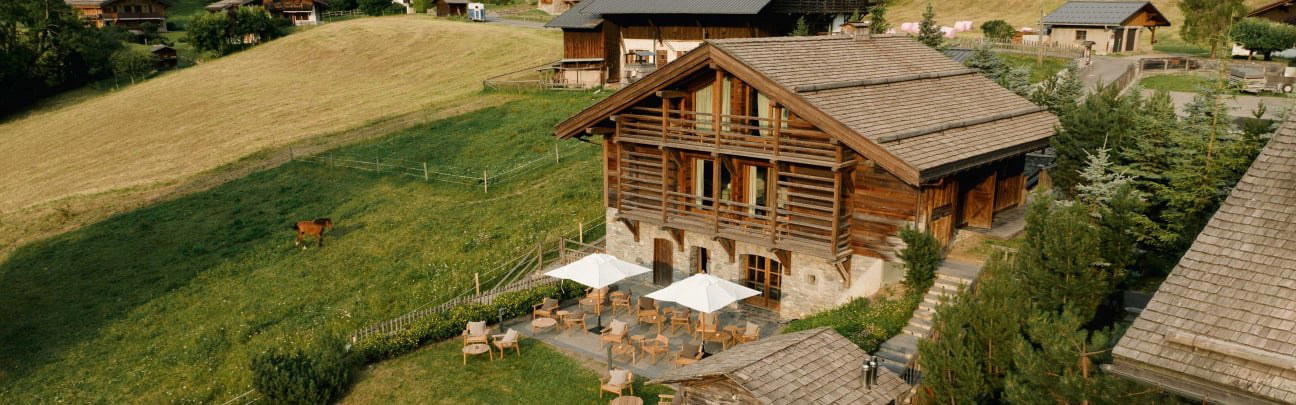
La Cabane Des Praz sits at 23 Route du Golf in Chamonix-Mont-Blanc, occupying the quieter Praz-de-Chamonix quarter away from the valley's central tourist circuit. The address places it closer to the golf course and Les Praz chairlift than the main pedestrian drag, which shapes both its clientele and its atmosphere. For visitors working through the broader Chamonix dining scene, it represents the mountain-cabin register of Savoyard hospitality.
Pearl is the En Primeur Club membership app — saves, bookings, and concierge access live there. Same editors, same standards.
- Address
- 23 Rte du Golf, 74400 Chamonix-Mont-Blanc, France
- Phone
- +33 4 50 53 23 27
- Directions
- Get directions
 Saves & bookings on Pearl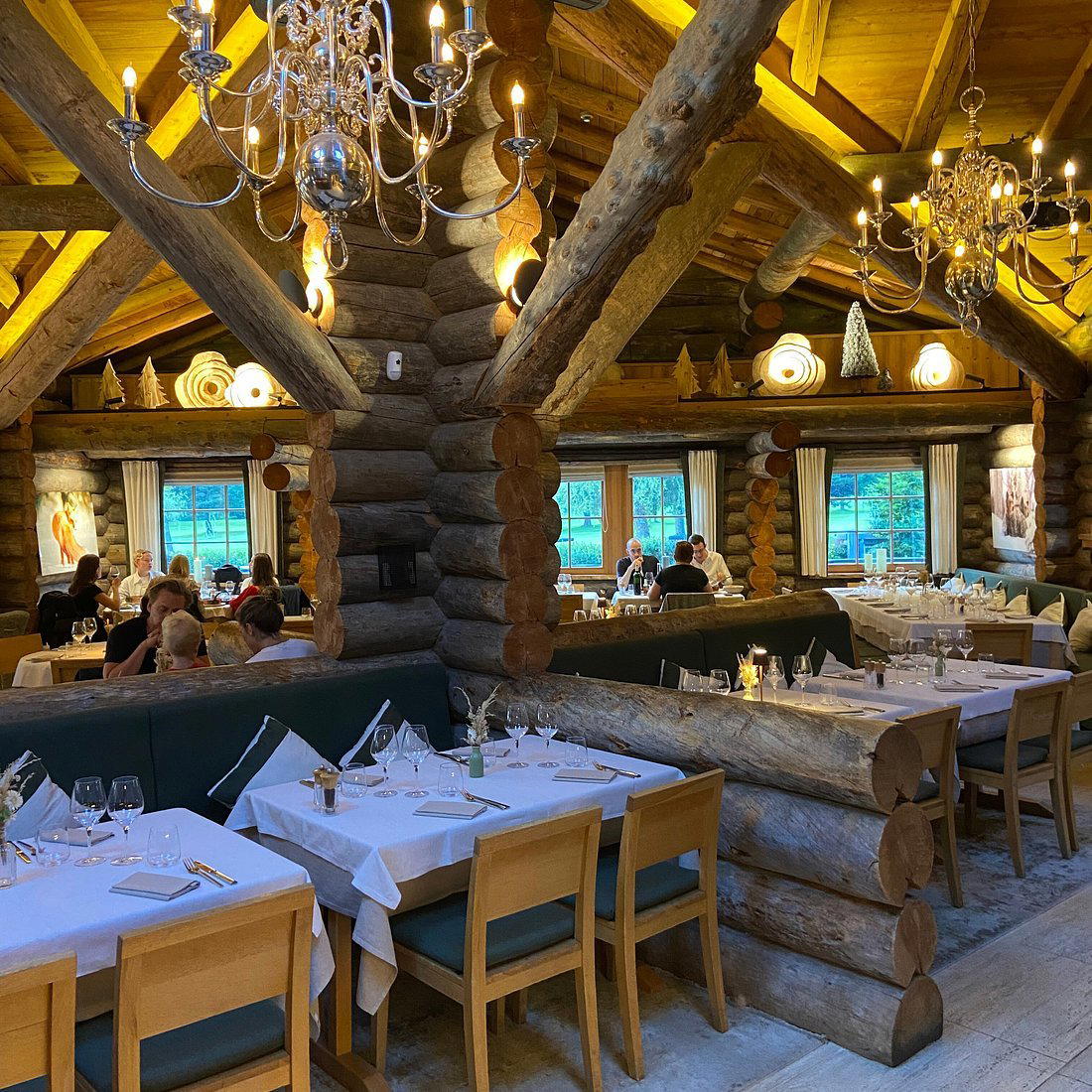
The Mountain-Cabin Tradition in the French Alps
Chamonix sits at a crossroads in French Alpine dining. On one side, there is the resort-town pragmatism of burgers, fondue, and après-ski fuel, the kind of offer you find at venues like Burger "Poco Loco" or the crowd-serving stations at Le 3842 at altitude. On the other, there is the slower tradition of the mountain cabin: a format rooted in Haute-Savoie's pastoral history, where a building's relationship to the surrounding terrain is as deliberate as its menu. La Cabane Des Praz, at 23 Route du Golf in the Les Praz quarter of Chamonix-Mont-Blanc, belongs to that second register.
The cabin format in the French Alps carries specific cultural weight. These are not romantic inventions for tourism but continuations of agricultural buildings that once housed summer livestock and the families tending them. The term cabane signals a particular kind of material honesty: exposed timber, low ceilings, proximity to the pasture. In Haute-Savoie, that architectural vernacular has been absorbed into the hospitality economy without always losing its character. The better examples hold the tension between function and welcome without resolving it into mere decoration.
What the Praz Quarter Offers That Central Chamonix Does Not
The Les Praz neighbourhood sits to the north of the main Chamonix pedestrian zone, closer to the Flégère gondola base and the valley golf course than to the Place Balmat crowds. The Route du Golf address is telling: this is a quieter corridor, one that attracts a mix of longer-stay visitors, local residents, and those deliberately stepping away from the resort's commercial centre. Dining in this part of the valley tends to have less turnover pressure than venues near the main cable car stations, and the rhythm of a meal here can follow a different pace.
That neighbourhood character matters when assessing what La Cabane Des Praz offers against the wider Chamonix dining field. Venues like Crémerie du Glacier and La Calèche occupy different positions in the local matrix, each with their own relationship to the Savoyard table. Le Sérac operates at a more refined pitch. La Cabane Des Praz, by its address and format, sits in the cabin-style category, a tier that prizes informal warmth over formal progression.
Savoyard Cuisine and Its Cultural Roots
Haute-Savoie's cuisine emerged from the logic of altitude and season. Dairy herds that could not be moved in winter produced cheeses that needed to last: Reblochon, Beaufort, Abondance, Tomme de Savoie. Those same cheeses became the base for the region's most recognised dishes, tartiflette, gratin savoyard, fondue, raclette, all dishes built to deliver calories and warmth in conditions where both mattered. The cuisine is, at its core, a cold-weather survival grammar that has been absorbed into the restaurant economy without losing its essential character.
What distinguishes the better mountain-cabin restaurants in this tradition from mere nostalgia is the quality of ingredient sourcing. The Savoyard table at its most credible relies on local dairy and charcuterie supply chains that have remained largely intact across the region: farms in the Arve Valley, cheese caves in the surrounding communes, butchers with long-standing relationships to alpine producers. France's broader gastronomic tradition, which runs from the Paul Bocuse legacy in Collonges-au-Mont-d'Or through to the mountain-focused precision of Flocons de Sel in Megève, has always found room for regional registers alongside haute cuisine. The cabin format is one of those registers, and it holds value precisely because it does not try to be something else.
Internationally, French cuisine in its regional forms has defined reference points well beyond the country's borders. Tables like Mirazur in Menton or Alléno Paris au Pavillon Ledoyen occupy the global fine-dining conversation, as do multi-generational houses such as Troisgros in Ouches, Auberge de l'Ill in Illhaeusern, Les Prés d'Eugénie in Eugénie-les-Bains, Bras in Laguiole, and Georges Blanc in Vonnas. That same national tradition sustains the regional registers at every level, from three-star progressions to the honest mountain cabin. The two are not competing projects. They are the same culture operating at different scales and intensities.
French dining culture has also influenced international kitchens from New York's Le Bernardin to San Francisco's Lazy Bear. The La Table du Castellet in Le Castellet represents another regional French expression that takes its terroir seriously. In this context, a cabin-format address in Chamonix is not peripheral to French dining culture but continuous with it.
Planning a Visit to La Cabane Des Praz
The address at 23 Route du Golf, Chamonix-Mont-Blanc 74400 places the restaurant in the Les Praz quarter, reachable from central Chamonix either on foot along the valley floor (roughly fifteen to twenty minutes from the main Place Balmat area) or by the local Chamonix Mont Blanc bus network, which connects the Les Praz zone to the town centre on a regular schedule. Visitors arriving by train into Chamonix-Mont-Blanc station will need to continue by bus or taxi. Given the Route du Golf setting, driving is also practical, with parking available in the surrounding area.
Booking details, hours, and pricing are not published in the venue's current data, so confirming reservations directly or through local accommodation concierge services is advisable before arriving, particularly during peak winter ski season and the busy summer hiking months of July and August, when demand across the Chamonix valley dining scene tightens considerably across all categories. For a broader orientation to the dining options in the area, the full Chamonix restaurants guide provides context across price tiers and cuisine types.
How La Cabane Des Praz Chamonix compares with similar nearby venues.
| Venue | Cuisine | Price |
|---|---|---|
| La Maison Carrier | Traditional Cuisine | €€€ |
| Albert 1er | Modern Cuisine | €€€€ |
Continue exploring
More in Chamonix
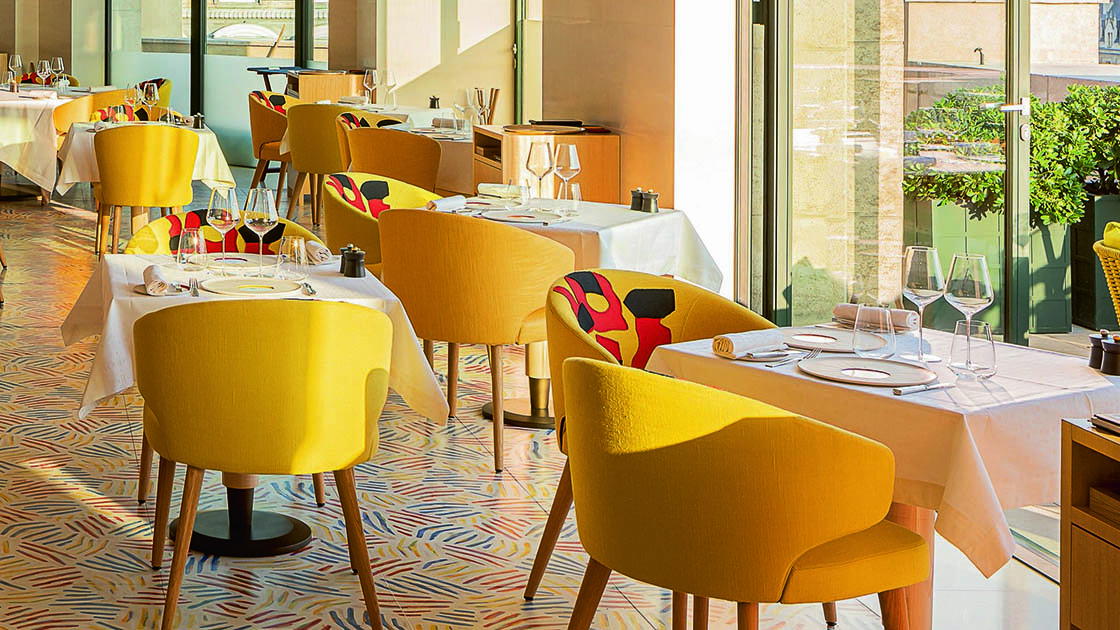
Restaurants in Chamonix
Browse all →
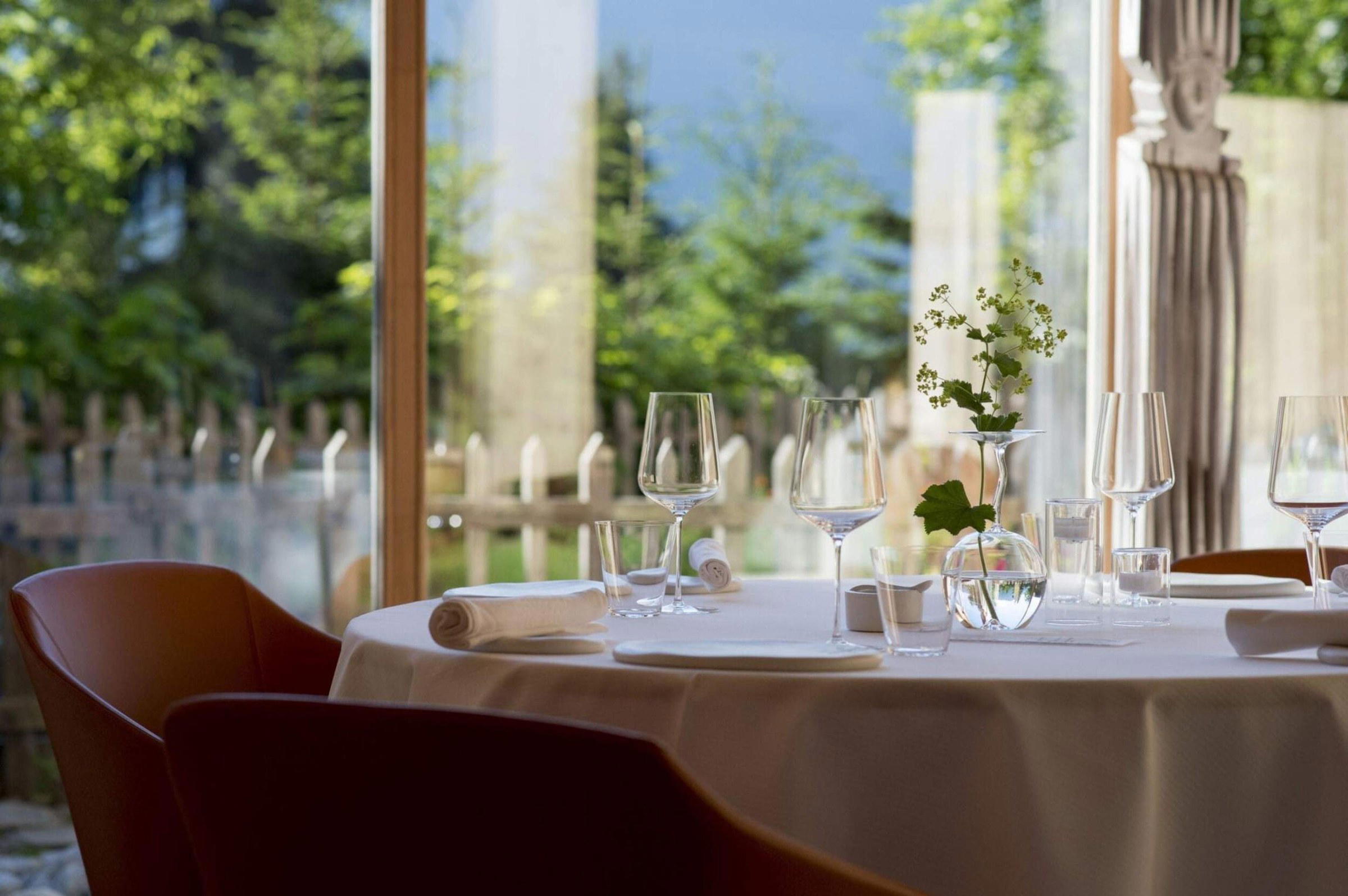
Bars in Chamonix
Browse all →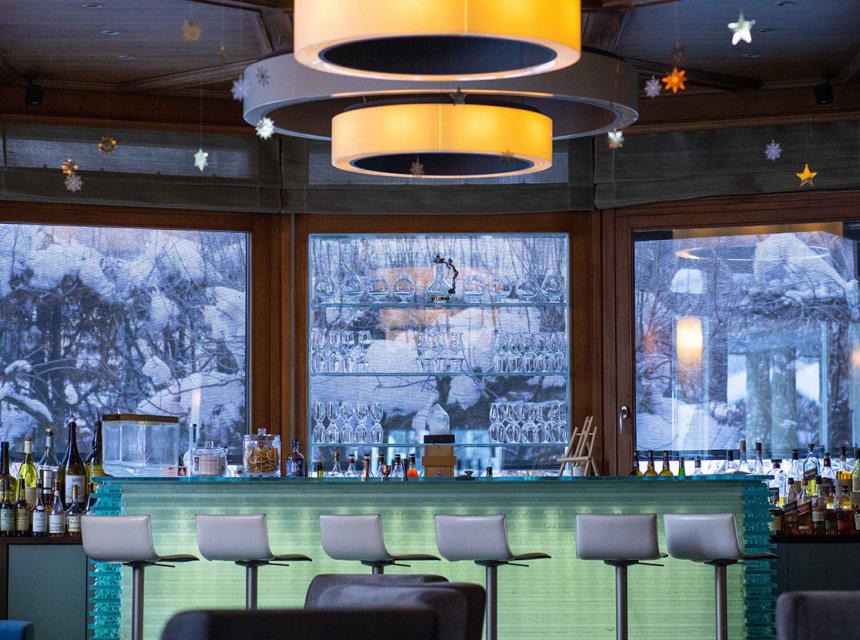
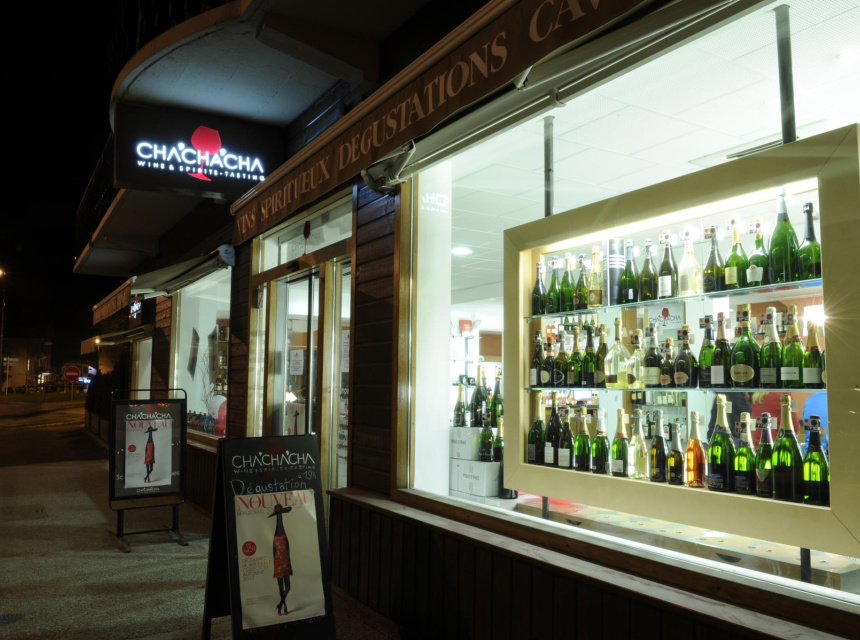
Hotels in Chamonix
Browse all →

At a Glance
- Rustic
- Cozy
- Scenic
- Elegant
- Date Night
- Group Dining
- Family
- Celebration
- Terrace
- Panoramic View
- Extensive Wine List
- Local Sourcing
- Mountain
Current opening hours
- Monday
- 12–9:30 PM
- Tuesday
- 12–9:30 PM
- Wednesday
- 12–9:30 PM
- Thursday
- 12–9:30 PM
- Friday
- 12–9:30 PM
- Saturday
- 12–9:30 PM
- Sunday
- 12–9:30 PM
Hours can change for holidays and private events. Last verified .
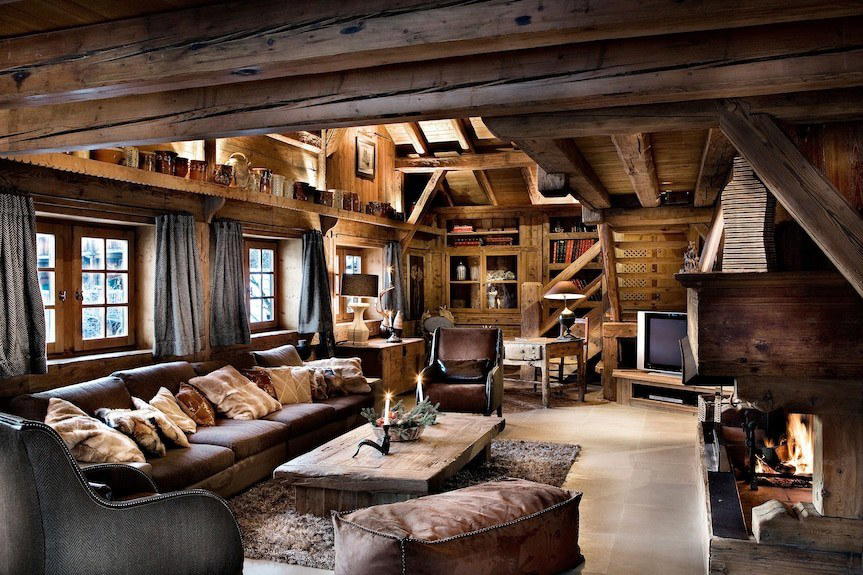
Rustic yet modern interior with open fire, natural light from skylights, cozy snugs, and warm welcoming atmosphere.