Chopstix serves Authentic Chinese Noodle Bar dishes, including Old Beijing Noodles and Dumplings, with a quick bite pace that suits lunch or dinner.
Pearl is the En Primeur Club membership app — saves, bookings, and concierge access live there. Same editors, same standards.
- Address
- Kortrijksepoortstraat 148, 9000 Gent, Belgium
- Phone
- +32469486448
- Website
- chopstix.be
- Directions
- Get directions
 Saves & bookings on Pearl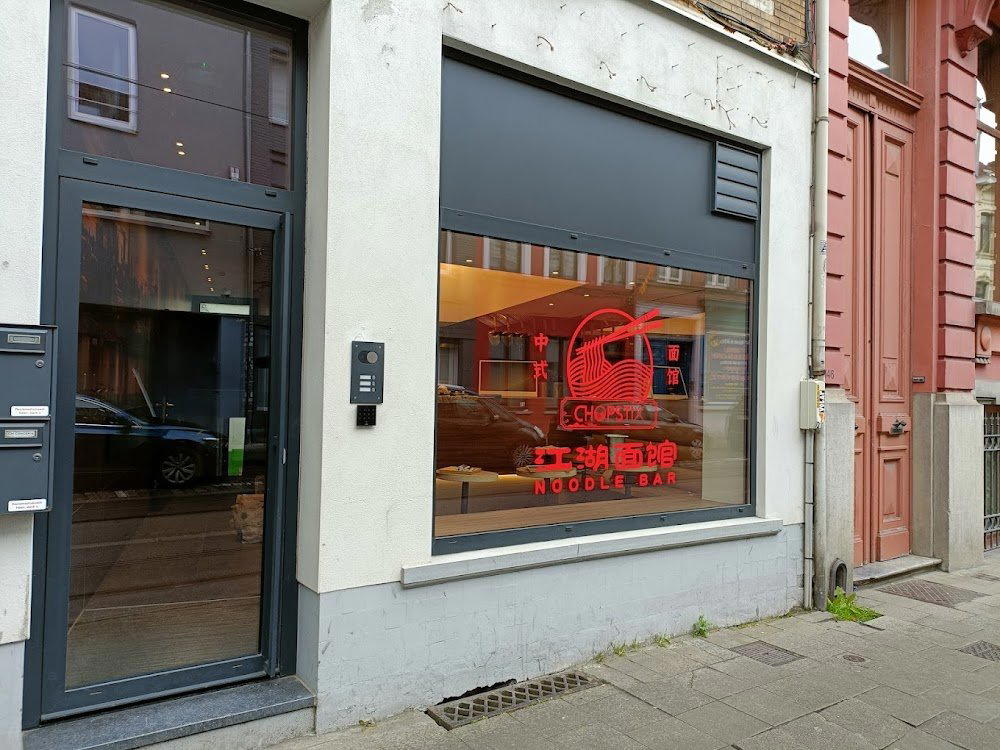
Where Kortrijksepoortstraat Meets the Question of Global Technique
Kortrijksepoortstraat runs south from Ghent's medieval core toward the Stationsbuurt, threading through a residential stretch that the city's dining scene has steadily colonised over the past decade. It is the kind of street where a restaurant name can carry more conceptual weight than its frontage suggests. Chopstix, at number 148, occupies that ambiguous register: a name that signals Asian culinary reference without specifying which tradition, in a city whose restaurant culture has grown increasingly comfortable with that sort of productive ambiguity.
Ghent has positioned itself as one of Belgium's more adventurous mid-sized dining cities, partly through institutional commitments like its long-standing vegetarian Thursday campaign, and partly through the organic accumulation of independent operators willing to work across culinary borders. That context matters when considering what a name like Chopstix might mean in practice. Across Belgium, the most interesting restaurants in the pan-Asian or East-meets-West register tend to be those that treat imported technique as a precision tool applied to locally sourced material, rather than as an exercise in replica cuisine. Whether Chopstix operates in that mode or closer to the neighbourhood staple end of the spectrum is a question the sparse public record does not fully resolve, but the address and the city's current trajectory both suggest something worth tracking.
The Intersection of Imported Method and Belgian Larder
The editorial angle that makes this category of restaurant genuinely interesting is not the food itself but the logic behind the combinations. Techniques developed in contexts where specific ingredients, climates, and cultural expectations shaped their evolution do not simply transfer. When a kitchen applies wok technique, fermentation traditions borrowed from Korean or Japanese practice, or the umami-construction logic common to several East Asian cuisines to Belgian ingredients, something either clicks or it doesn't. The Belgian larder is, by any comparative measure, a serious one: North Sea flatfish and shellfish, Ardennes game, East Flanders asparagus in spring, endive through winter, and a dairy and charcuterie tradition that runs deep. The question any global-technique restaurant in this region has to answer is whether the imported method genuinely serves those ingredients or merely reframes them for novelty.
Ghent's peer restaurants in this space occupy different positions on that spectrum. Astro Boy works in a Japanese-inflected direction with a clear point of view on local sourcing. BABÚ and Beiruti each demonstrate how Middle Eastern and Levantine reference frames can be made to feel locally grounded. Vrijmoed operates in a more explicitly fine-dining register while maintaining a commitment to regional produce. The broader Belgian scene, from Zilte in Antwerp to Hof van Cleve in Kruishoutem, demonstrates what Belgian ingredients can achieve at the highest technical level. Chopstix sits somewhere in that wider conversation, though its specific position within it remains to be mapped by anyone who has eaten there recently.
Ghent's Neighbourhood Restaurant Culture in 2024
The Kortrijksepoortstraat corridor functions, culinarily speaking, as a testing ground for restaurants that serve local regulars rather than tourist flows. The main tourist concentration in Ghent clusters around the Graslei, Korenlei, and the Patershol neighbourhood, where older, more established names draw visitors on short stays. The streets south of the ring carry a different demographic: students from the university, residents of the surrounding neighbourhoods, and the kind of repeat customer who builds a restaurant's mid-week revenue. For a restaurant with an Asian-inflected name in this location, that audience implies a different set of expectations than the same concept would face on a more tourist-facing strip.
Comparison restaurants in Ghent's broader independent scene, including Arbane, Bij den Wijzen en den Zot, and Epiphany's Kitchen, have all found their audiences by serving that resident demographic with some degree of culinary seriousness. The city's dining culture rewards consistency and specificity over spectacle, which is partly why Ghent has produced a relatively stable independent restaurant scene compared to the higher-turnover dynamics visible in Brussels or Antwerp. For any newcomer or infrequent visitor considering Chopstix, the practical approach is the same as with most Kortrijksepoortstraat addresses: check current status directly, since the street's restaurant ecology shifts on a roughly seasonal basis.
Seasonal Timing and Planning Notes
Spring is the point in the year when Ghent's restaurant scene tends to recalibrate most visibly. The East Flanders asparagus season, which runs roughly from April through June, functions as a benchmark ingredient that kitchens across the city incorporate into menus as a signal of their sourcing orientation. Restaurants working with East Asian technique find white asparagus particularly adaptable: it responds well to the kind of clean, high-heat preparation common in Japanese and Chinese cooking, and its mild bitterness pairs with fermented and umami-forward sauces in ways that feel coherent rather than forced. If Chopstix follows the pattern of ingredient-conscious restaurants in this part of Belgium, spring would be the logical time to assess what the kitchen is doing at its most seasonally expressive.
Autumn brings a second recalibration, when game and mushroom availability shifts menus toward heavier, earthier registers. Belgian kitchens with East Asian technical references sometimes use this period to apply slow-braise or lacquering techniques to game birds and venison, producing results that sit comfortably within both reference frames. The winter endive season, running from November through March, offers a third seasonal marker: endive's bitter, slightly mineral character is one of the few Belgian staple ingredients that genuinely benefits from the acid-and-salt balance logic common across several East Asian cooking traditions.
For planning purposes, Ghent is accessible by direct train from Brussels in under forty minutes and from Antwerp in a similar window, making it a viable day-trip destination from either city. The Kortrijksepoortstraat address is roughly a fifteen-minute walk from Gent-Sint-Pieters station, or a short tram ride on the lines serving the southern approach to the city centre. Reservations for neighbourhood restaurants in this part of Ghent are generally advisable for weekend evenings, less critical mid-week, though specific booking policy for Chopstix should be confirmed through current local listings given the absence of direct contact information in the public record.
For a broader survey of where Chopstix sits within the city's independent dining ecosystem, the EP Club Ghent restaurants guide maps the full range of options across neighbourhoods and price tiers. Readers tracking Belgium's wider fine-dining scene can cross-reference with Boury in Roeselare, Bozar Restaurant in Brussels, Willem Hiele in Oudenburg, and La Durée in Izegem for a sense of the technical range operating across the region. Internationally, the model of applying precision technique to local product has been articulated at scale by restaurants like Le Bernardin in New York City and, in a more informal register, Lazy Bear in San Francisco, both of which demonstrate how imported method and indigenous ingredient can produce something coherent and distinctly located. Ralf Berendsen in Neerharen, Cuchara in Lommel, and d'Eugénie à Emilie in Baudour round out the Belgian regional picture for readers building a longer itinerary.



At a Glance
- Cozy
- Trendy
- Casual Hangout
- Group Dining
- Open Kitchen
- Courtyard
- Garden
Current opening hours
- Monday
- Closed
- Tuesday
- 5:30–9 PM
- Wednesday
- 5:30–9 PM
- Thursday
- 12–2 PM, 5:30–9 PM
- Friday
- 12–2 PM, 5:30–9 PM
- Saturday
- 12–2 PM, 5:30–9 PM
- Sunday
- 12–2 PM, 5:30–9 PM
Hours can change for holidays and private events. Last verified .
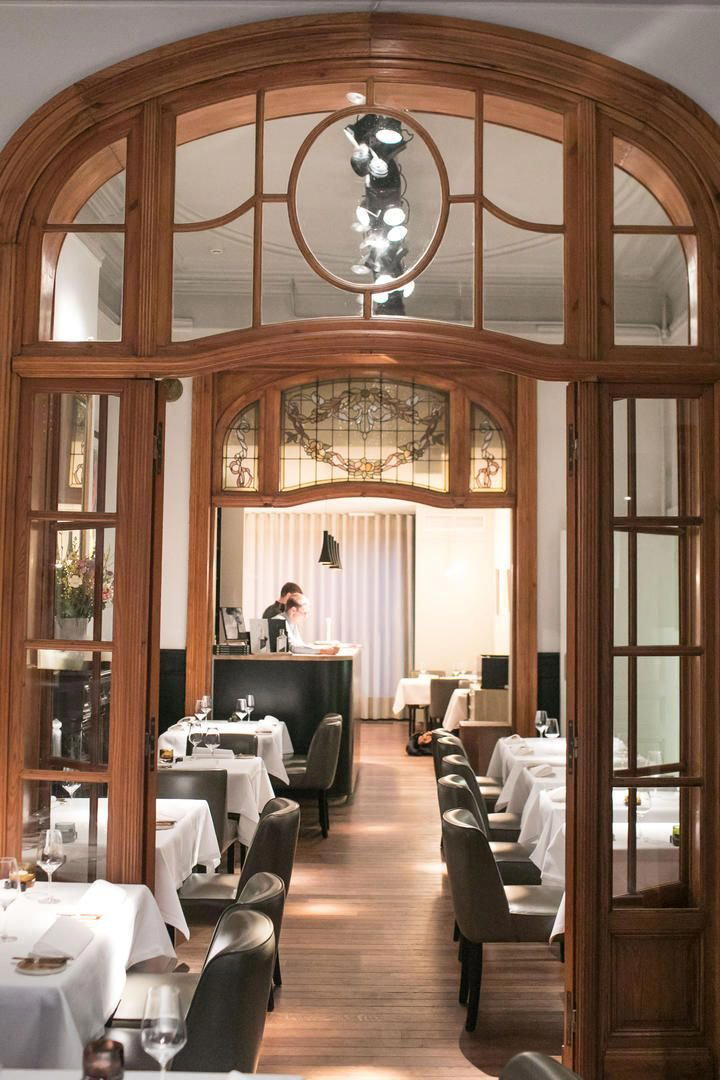
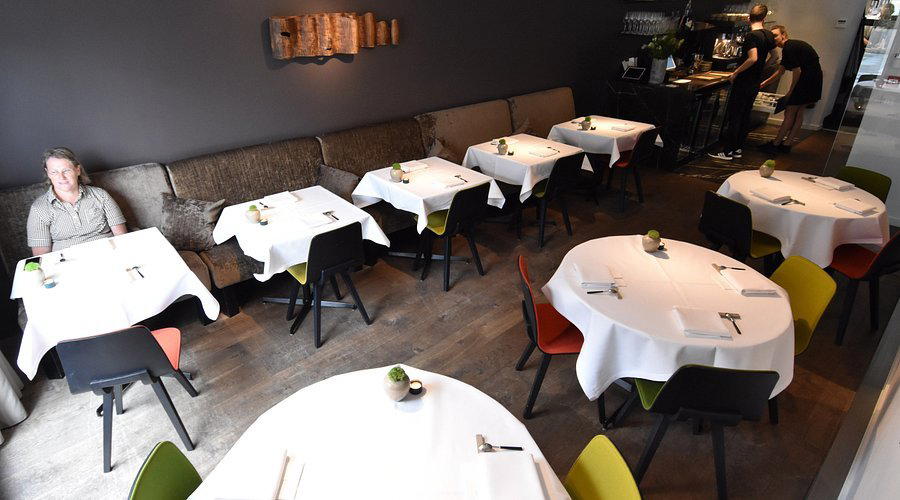
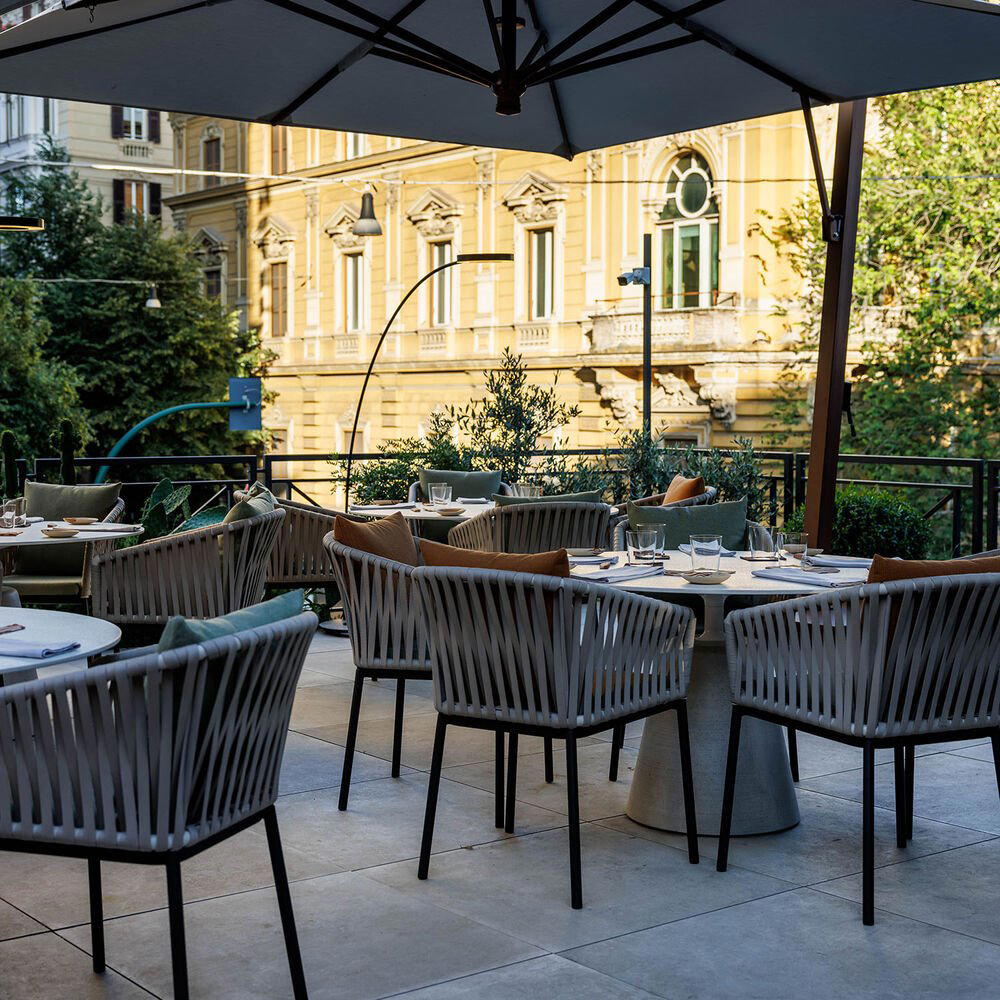
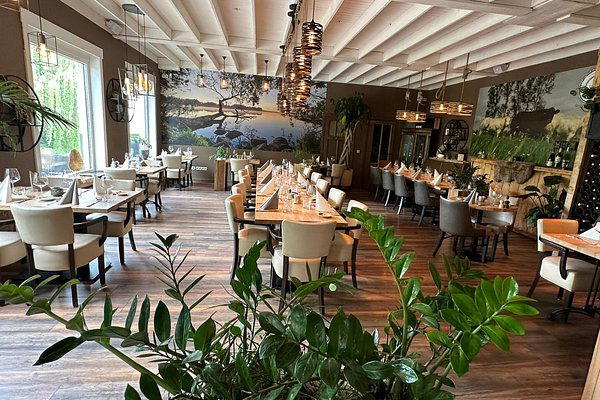
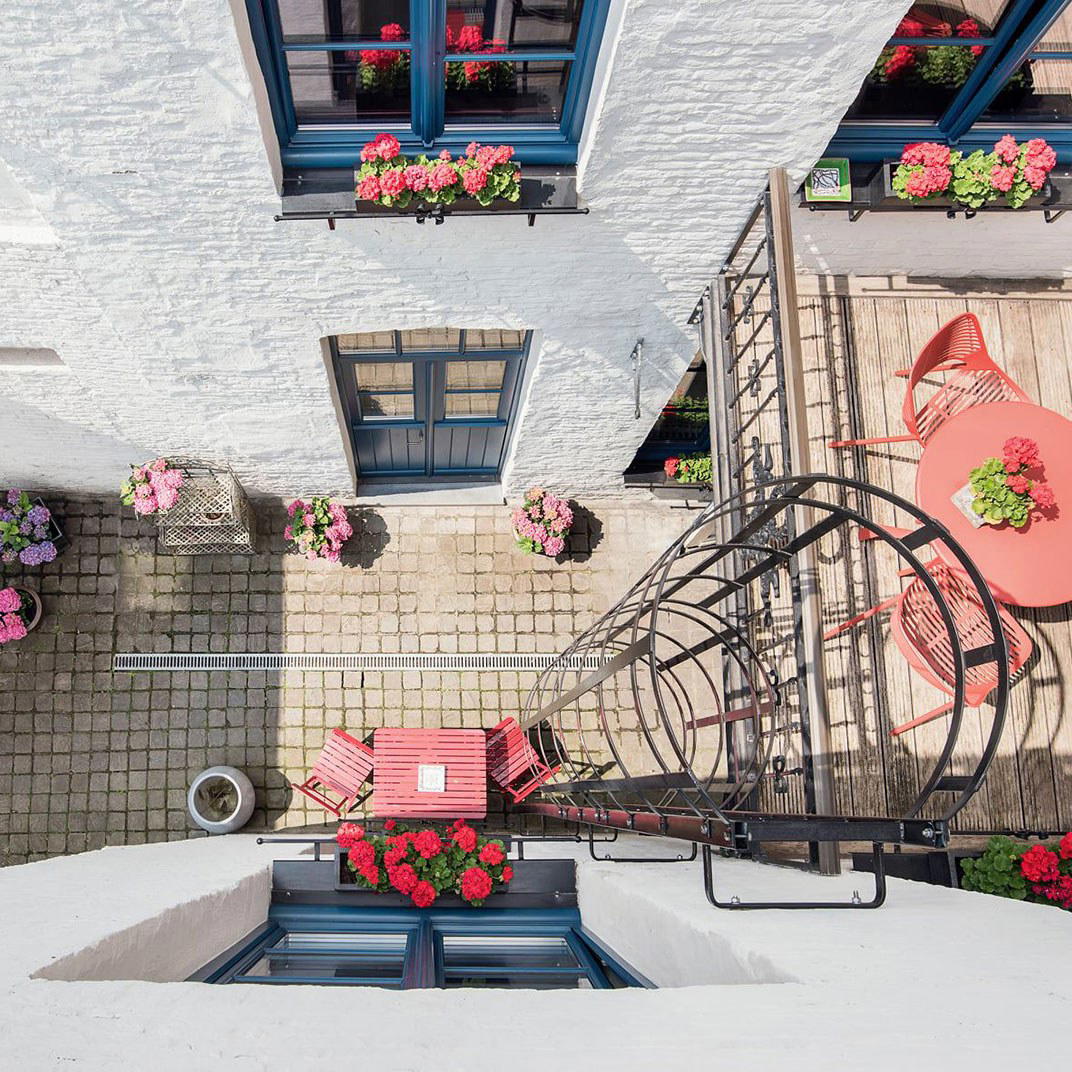
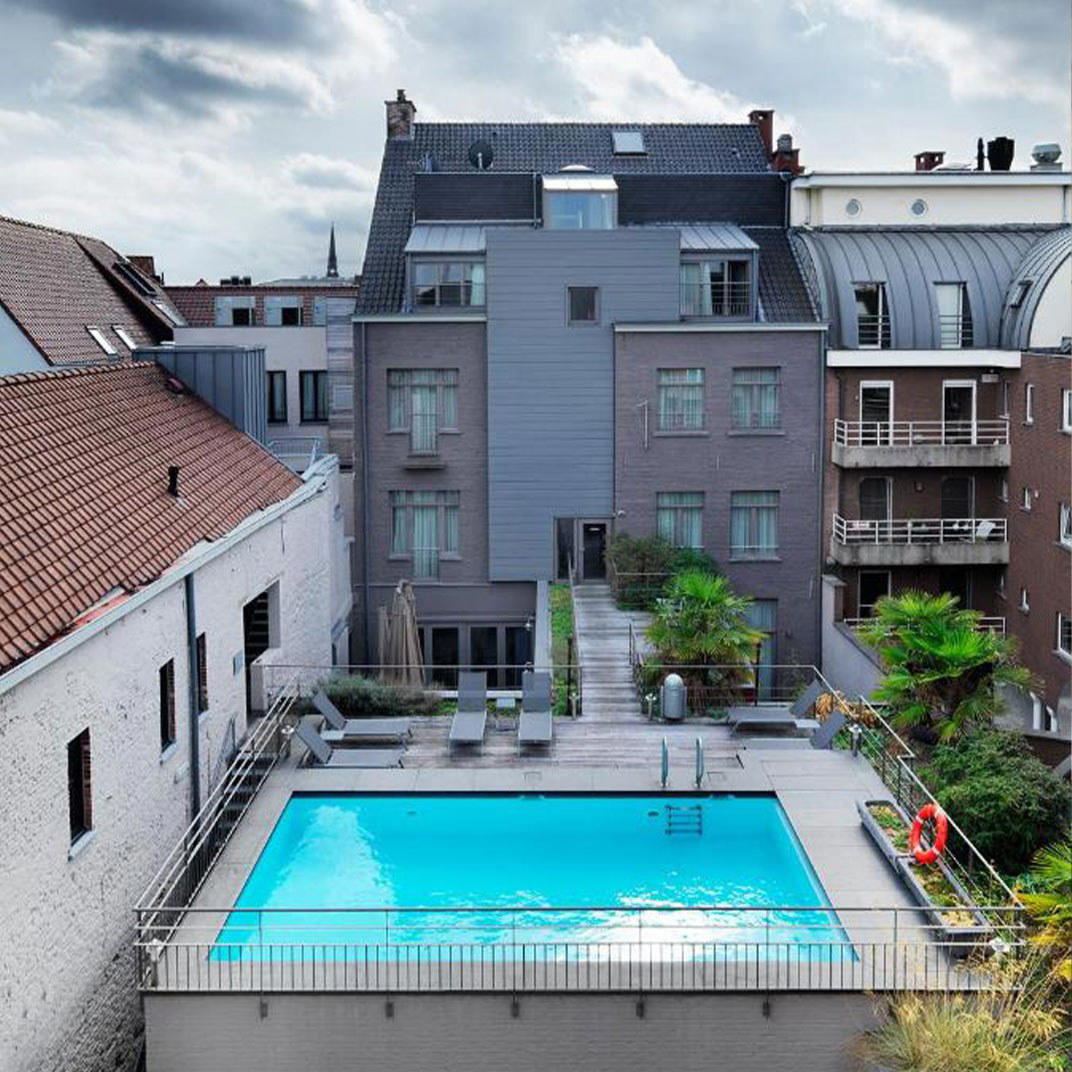
Cozy and chill atmosphere with a lovely garden area at the back for outdoor dining.
Know Before You Go
- Getting there
- Kortrijksepoortstraat 148, 9000 Gent, Belgium