Chinese Empire
Our verdict
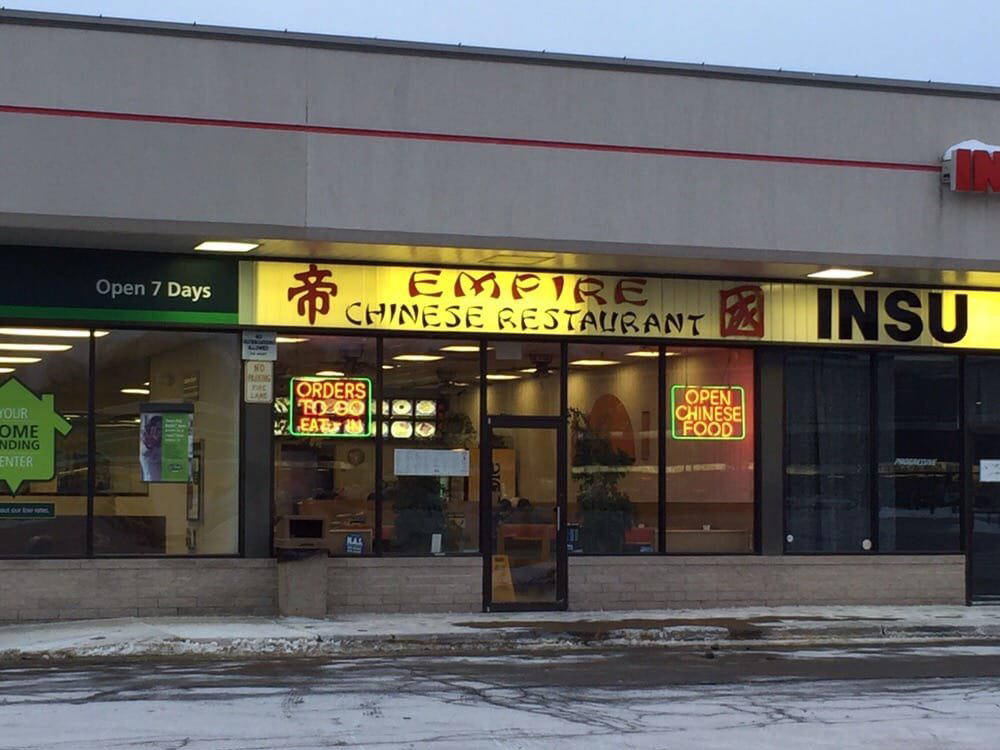
Chinese Empire at 2642 Broadway occupies a stretch of the Upper West Side where neighborhood Chinese restaurants have long served as anchors for local dining life. The kitchen works within a tradition that predates the city's current wave of regional-Chinese fine dining, making it a reference point for everyday Cantonese and Chinese-American cooking rather than a tasting-menu destination.

Pearl is the En Primeur Club membership app, where members save venues, book tables and use the concierge.
The menu
What to order
- Spicy cumin lamb noodles
- Hand-pulled noodles
Broadway and the Rhythm of the Neighborhood Table
Upper West Side Broadway, between the low 90s and the mid-100s, has functioned for decades as one of Manhattan's most consistent corridors for neighborhood dining. The blocks are lined with long-running establishments that serve residents rather than tourists, and the pace of a meal here tends to reflect that: unhurried, familiar, built around repetition rather than revelation. Chinese Empire, at 2642 Broadway, fits squarely into that tradition. The address puts it in the heart of a stretch where the dining ritual is less about occasion and more about the reliable return visit, the standing order, the table that feels like yours by the third time you sit down.
In New York City, Chinese restaurants occupy an unusually wide spectrum. At one end, a new generation of regional specialists, including Sichuan, Shanghainese, and Hunanese kitchens, has drawn serious critical attention. At the other, the neighborhood Chinese restaurant remains one of the city's most democratic dining institutions: accessible in price, consistent in format, and embedded in the social fabric of its block. Chinese Empire belongs to the latter category, positioned for the community it serves rather than the reservation-list crowd that queues for tasting menus.
The Ritual of the Neighborhood Chinese Meal
The customs of a meal at this type of restaurant are distinct from those that govern, say, a counter at Masa or a progression of courses at Per Se. There is no pacing enforced by kitchen timing, no single dish that anchors the menu above all others. The ritual is one of collective decision-making: dishes ordered for the table, shared without ceremony, augmented mid-meal if something runs out. Tea arrives before conversation, and the check arrives when you ask for it rather than when the kitchen is ready for you to leave. This format, common across Chinese-American restaurants of this type, is fundamentally communal and reader-paced rather than chef-paced.
That distinction matters more than it might appear. In a city where ambitious restaurants across the board, from Le Bernardin to Atomix to Jungsik, have moved toward tighter sequencing, longer set menus, and kitchen-controlled pacing, the neighborhood Chinese format operates on an entirely different logic. The diner holds more of the editorial control. You build the meal, sequence it yourself, and the kitchen executes on your terms. For many diners, that autonomy is the point.
Upper West Side Context: A Dining Neighborhood That Rewards Repetition
The Upper West Side has historically skewed toward residents over destination diners. The neighborhood's restaurant culture rewards reliability over novelty. A place that serves the same dish the same way for ten or fifteen years accrues a kind of social capital that a newer opening, however technically ambitious, cannot immediately match. Chinese restaurants along this corridor have benefited from exactly that dynamic: they become reference points in a neighborhood's food memory, the answer to "what do you feel like tonight" rather than "what should we do for a special occasion."
Its competition is not the Blue Hill at Stone Barns tier or the destination-dining circuit that includes venues like Alinea in Chicago or The French Laundry in Napa. Its competition is the other reliable neighborhood tables within walking distance, measured in consistency and familiarity rather than critical recognition.
What to Expect and How to Order
What we can say is that restaurants of this format and neighborhood position typically organize their menus around a mix of Cantonese-influenced standards and Chinese-American staples: roasted proteins, stir-fries built on high-heat wok technique, rice and noodle dishes that anchor a shared table. The ordering logic rewards breadth over depth. Two or three people sharing four dishes will eat better than two people ordering individually.
For current hours, pricing, and menu specifics, the restaurant is located at 2642 Broadway, New York, NY 10025. For a broader view of where Chinese Empire fits within New York's dining scene, our full New York City restaurants guide maps the city's dining categories with more context.
How It Compares: A Planning Reference
| Venue | Cuisine | Price Tier | Format | Booking Lead Time |
|---|---|---|---|---|
| Chinese Empire | Chinese / Chinese-American | Not confirmed | Neighborhood table-share | Not confirmed |
| Le Bernardin | French, Seafood | $$$$ | Set / tasting | Weeks to months |
| Atomix | Modern Korean | $$$$ | Counter / tasting | Weeks to months |
| Masa | Sushi, Japanese | $$$$ | Omakase counter | Months |
| Per Se | French, Contemporary | $$$$ | Tasting menu | Weeks to months |
Frequently asked questions
How does Chinese Empire fit into the broader story of Chinese restaurants on the Upper West Side?
Broadway between the 90s and the 110s has supported Chinese restaurants for several decades, with some addresses changing hands while others have remained anchored to the same block across generations. Chinese Empire at 2642 Broadway sits within that long-running neighborhood pattern, where longevity on a single block carries its own form of credibility. For diners comparing this to New York's newer regional-Chinese openings, the distinction is less about cuisine category and more about dining function: neighborhood anchor versus destination restaurant. Both serve legitimate purposes, and the EP Club New York City guide covers the full spectrum.
Fast Comparison
A short peer table to compare basics side-by-side.
| Venue | Cuisine | Price | Awards | Notes |
|---|---|---|---|---|
| Chinese EmpireThis venue (the venue you are viewing) | Modern Szechuan & Taiwanese Chinese | $10–20 | Not listed | Not listed |
| Le Bernardin | French Seafood Fine Dining | $300–500 | 3 Michelin Stars · World's 50 Best #13 | French, Seafood |
| Atomix | Modern Korean Tasting Menu | $300–500 | 2 Michelin Stars · World's 50 Best #11 | Modern Korean, Korean |
| Masa | Traditional Japanese Omakase | $500+ | 2 Michelin Stars · World's 50 Best #27 | Sushi, Japanese |
| Per Se | French Fine Dining Tasting Menu | $300–500 | 3 Michelin Stars · World's 50 Best #40 | French, Contemporary |
| Jungsik New York | Modern Korean Fine Dining | $200–300 | 3 Michelin Stars · World's 50 Best #18 | Progressive Korean, Korean |
Continue exploring
More in New York City
Restaurants in New York City
All restaurants in New York City →
Bars in New York City
All bars in New York City →


Details
- Classic
- Well Known
- Casual Hangout
- Group Dining
- After Work
- Standalone
- Local Sourcing
- A La Carte
- Family Style
- Vegetarian Friendly
Casual neighborhood Chinese restaurant with a focus on authentic cuisine and quality ingredients.