Chimy's
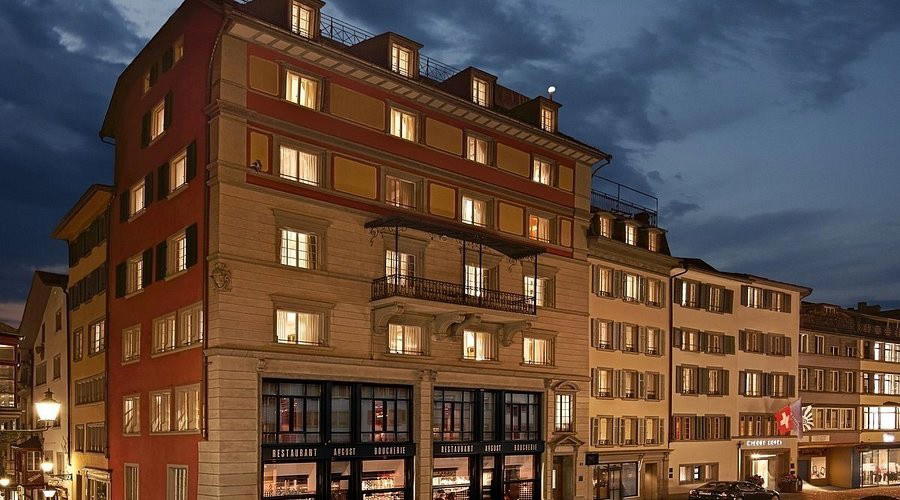
Chimy's at Neugasse 76 sits in Zürich's District 5, a neighbourhood that has shifted from industrial fringe to one of the city's more considered dining corridors. The address places it among a cohort of independently run spots that operate outside the formal fine-dining circuit, where the atmosphere and the hour you arrive tend to shape the experience as much as what's on the plate.
Pearl is the En Primeur Club membership app — saves, bookings, and concierge access live there. Same editors, same standards.
- Address
- Neugasse 76, 8005 Zürich, Switzerland
- Phone
- +41433668272
- Website
- chimys.ch
- Directions
- Get directions
 Saves & bookings on Pearl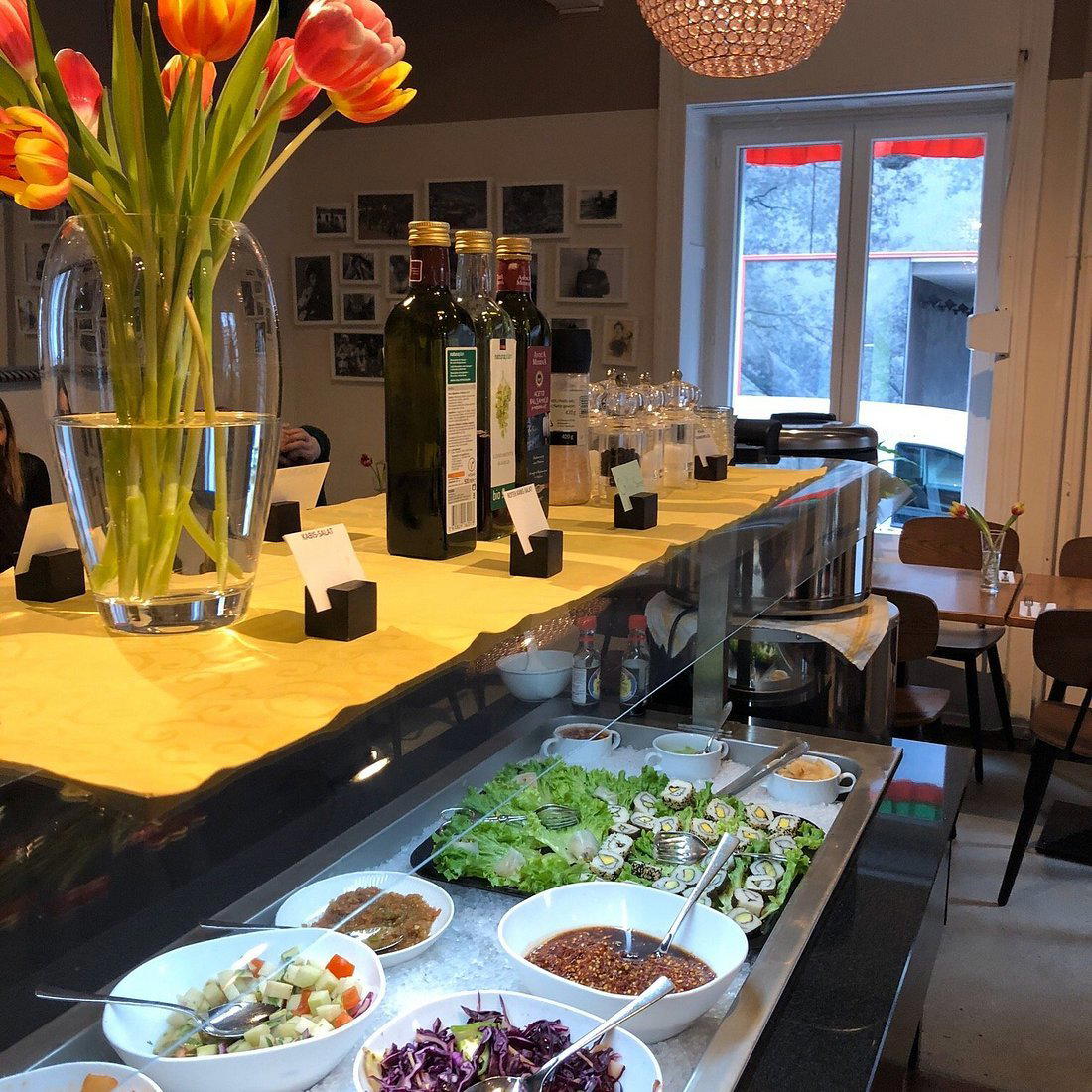
District 5 and the Independent Dining Corridor
Zürich's fifth district has followed a pattern common to post-industrial urban neighbourhoods across Northern Europe: former warehouses and workshop buildings gradually absorbed by studios, co-working spaces, and food operators that prize affordability over prestige addresses. Neugasse sits within that fabric, and the dining spots along this stretch operate on different logic than the white-tablecloth rooms clustered around the Bahnhofstrasse or the Michelin-tracked addresses further east. Where venues like IGNIV Zürich by Andreas Caminada or The Counter anchor the city's upper bracket, the Neugasse corridor is built around a different compact: lower formality, neighbourhood regulars, and a rhythm that changes noticeably between lunch and evening.
Chimy's at Neugasse 76 fits that pattern. It is not competing with The Restaurant or Eden Kitchen and Bar for the same diner. The address, the district, and the independent format point to a room that serves a local function, the kind of place a neighbourhood absorbs into its weekly routine rather than a destination that draws cross-city bookings.
The Lunch and Evening Split
In independently run neighbourhood spots across Swiss cities, the gap between daytime and evening service is often wider than the menu differences alone suggest. Lunchtime in a working district like Neugasse carries its own tempo: tables fill with people on a time constraint, the room is louder earlier, and the transactional quality of the midday meal shapes what operators offer and how staff calibrate their pace. Swiss lunch culture in city-centre districts leans practical, a set menu or a shorter offering that delivers value within a compressed window.
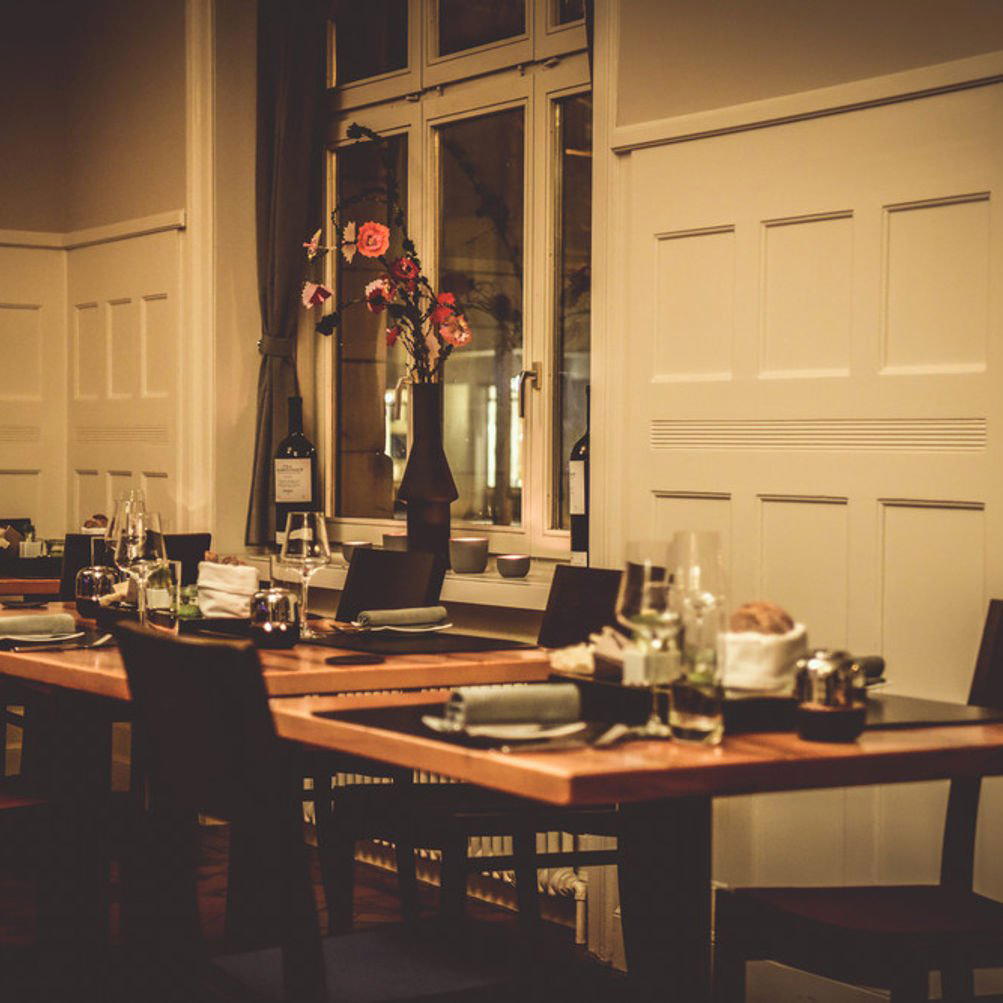
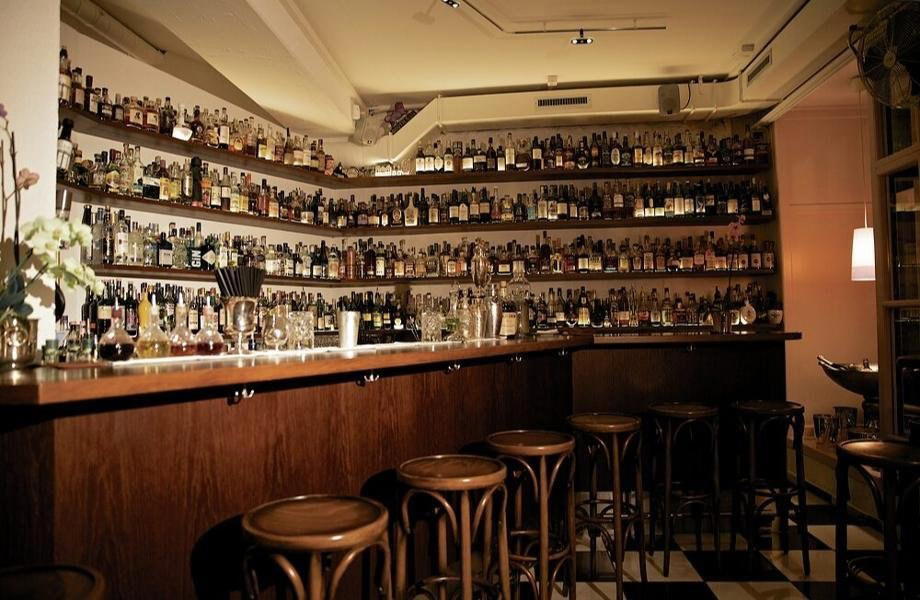
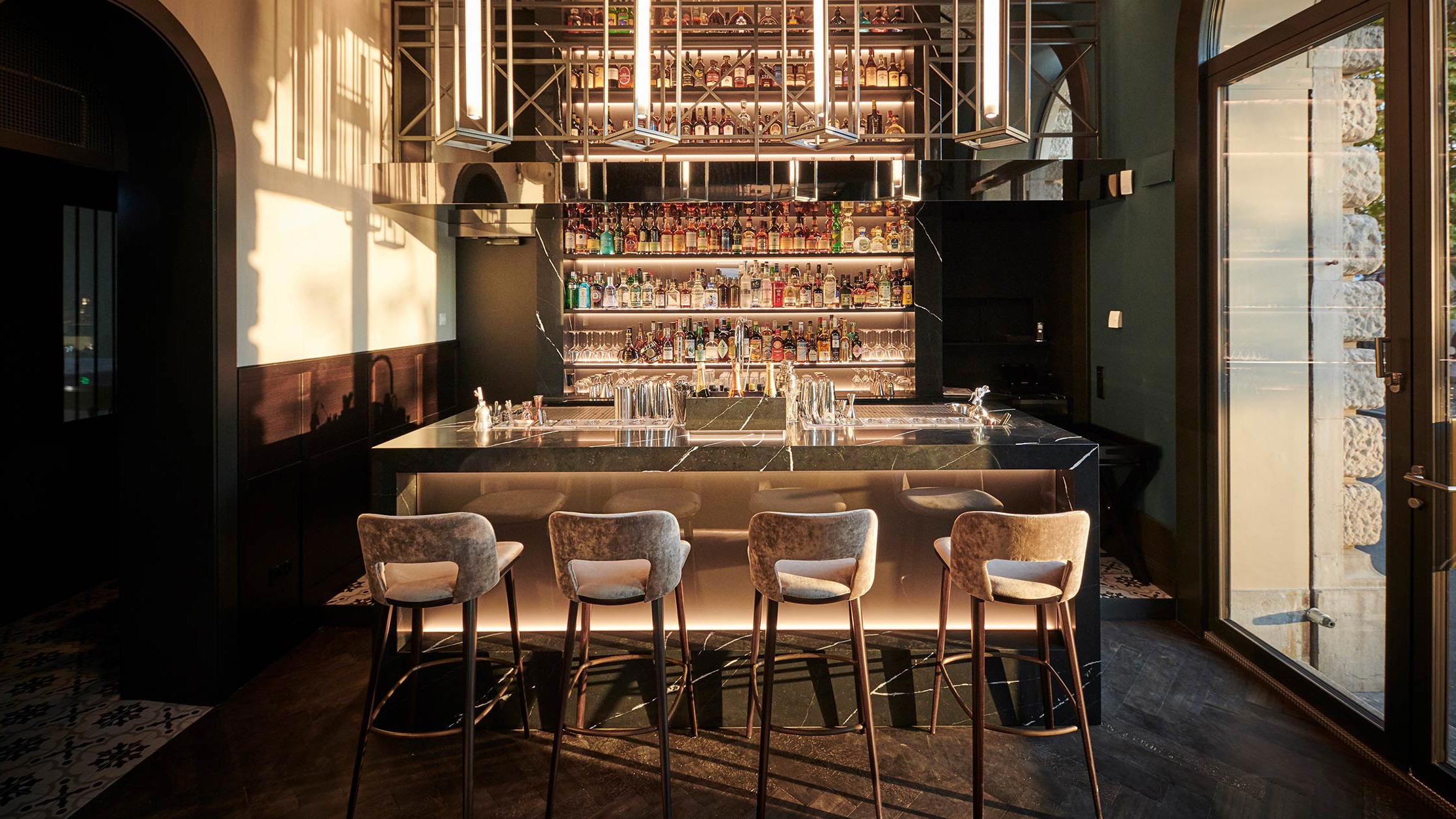
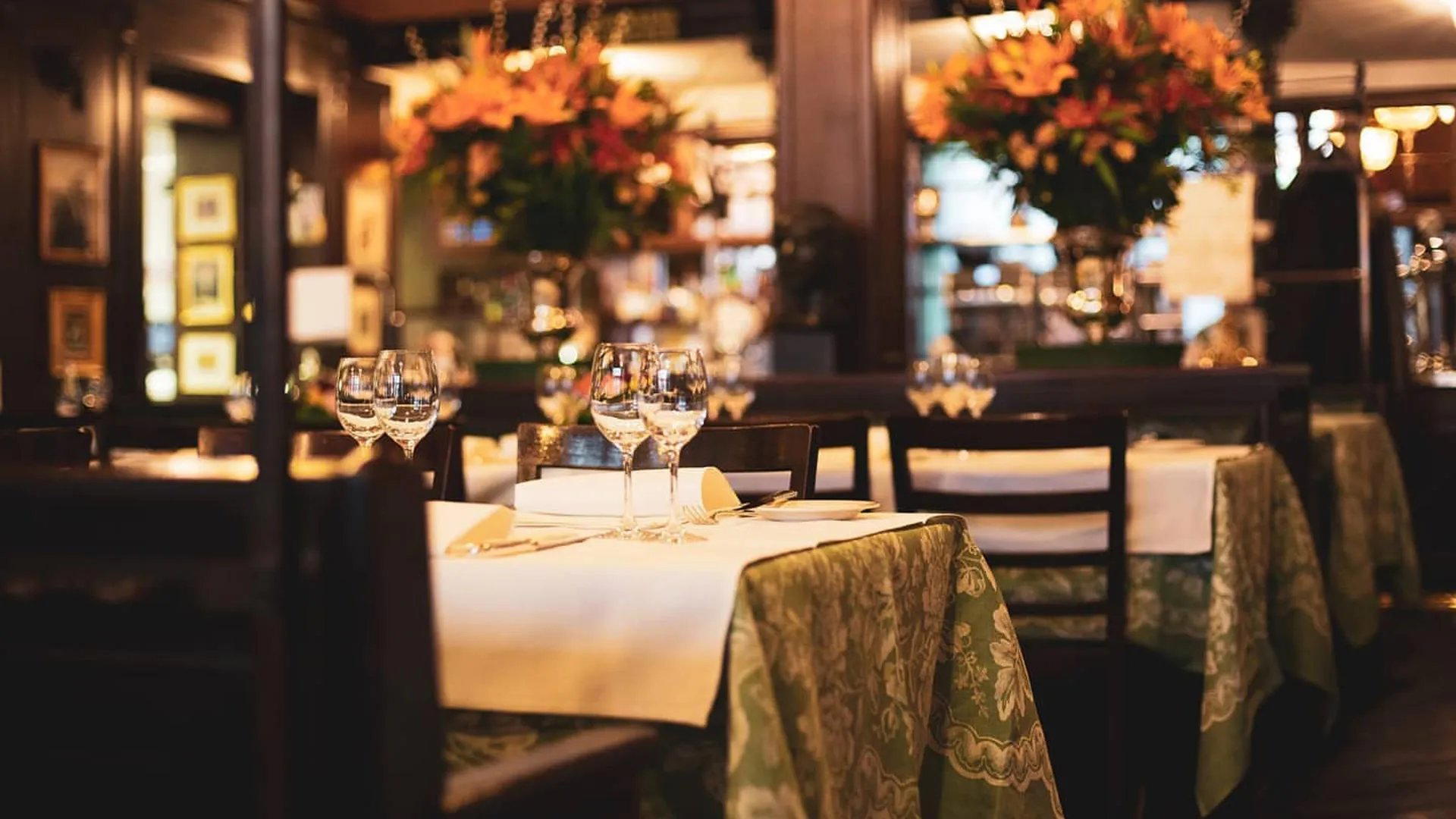
Evening service at an address like Chimy's typically shifts toward a longer visit. The district empties of office workers, the demographic skews younger and more residential, and the meal becomes less a logistical requirement and more a social occasion. This is the moment where atmosphere does more work. Lighting, noise level, and the sense of who else is in the room all carry more weight when the diner has chosen to be there rather than returned out of proximity and habit. For a venue without formal awards recognition or a high-profile kitchen, that evening atmosphere becomes the primary competitive variable.
This divide is worth holding in mind when deciding when to visit. A lunch visit to Chimy's will likely reflect the neighbourhood's working-week tempo. An evening visit should be assessed on its own terms: whether the room generates the kind of low-key energy that makes a District 5 independent worth returning to, rather than crossing town for a more produced experience at Widder or a formal tasting format elsewhere.
Where This Address Sits in the Zürich Dining Map
Zürich's dining options have diversified across price points without necessarily producing depth at every tier. The city's most documented restaurants, those with sustained Michelin recognition or consistent placement in Swiss fine-dining coverage, tend to cluster in specific neighbourhoods or operate within hotel structures. Switzerland's broader scene includes addresses like Hotel de Ville Crissier, Schloss Schauenstein in Fürstenau, and Memories in Bad Ragaz, all operating in a different register entirely from a neighbourhood independent in District 5.
Within Zürich itself, independently run spots on the city's western fringe occupy a gap in the market that formal venues don't fill: accessible, repeatable, and socially calibrated for locals rather than occasion-driven visitors. The comparison set for the restaurant is not the starred tables. It is the other independent rooms in Districts 4 and 5 that have built a loyal local following by being consistent rather than ambitious. That is a harder position to evaluate from the outside, because the signals, repeat visits, neighbourhood word of mouth, the feeling of a room that knows its regulars, don't translate into the kind of data points that make cross-city comparisons clean.
For travellers accustomed to using awards or price tier as proxies for quality, independently operated neighbourhood spots in Swiss cities require a different frame. The value proposition is contextual: the right kind of meal at the right hour for someone who wants to eat in the district rather than travel to a documented dining destination. If the occasion calls for something more formally tracked, the wider Zürich restaurant scene offers routes toward Michelin-recognised kitchens and higher-production dining formats.
Swiss Independent Dining in Context
Switzerland's restaurant culture has a strong tradition of neighbourhood-anchored independents that operate below the radar of international dining coverage. This is partly structural: Swiss urban neighbourhoods retain higher residential density close to city centres than comparable European cities, which sustains a market for local dining rooms that don't need destination traffic to survive. The result is a layer of the dining scene that carries local significance.
Internationally recognised formats from cities like New York, where venues like Le Bernardin represent one end of the spectrum, or San Francisco's community-oriented dining rooms such as Lazy Bear illustrate how different the independent neighbourhood model looks when compared to destination dining. Swiss independents in working districts operate closer to the neighbourhood-anchor model: moderate in ambition, consistent in execution, and sustained by return visits rather than first-time curiosity.
Other Swiss addresses worth benchmarking against the broader national scene include Cheval Blanc by Peter Knogl in Basel, Maison Wenger in Le Noirmont, Einstein Gourmet in Sankt Gallen, Da Vittorio St. Moritz, Mammertsberg in Freidorf, La Table du Valrose in Rougemont, and focus ATELIER in Vitznau, all operating at formally recognised levels, which clarifies just how wide the spectrum runs within a single country.
Know Before You Go
- Address: Neugasse 76, 8005 Zürich, Switzerland
- District: Zürich District 5 (Industrie/Langstrasse area)
- Price range: About $25 per person
- Reservations: Recommended
- Hours: Mon: Closed; Tue: 11:30 AM–2 PM, 6–11 PM; Wed: 11:30 AM–2 PM, 6–11 PM; Thu: 11:30 AM–2 PM, 6–11 PM; Fri: 11:30 AM–2 PM, 6–11 PM; Sat: 4–11 PM; Sun: 4–10 PM
- Contact: No phone or website confirmed
Reputation Context
Comparable venues nearby, for context on price, style, and recognition.
| Venue | Cuisine | Price | Notes |
|---|---|---|---|
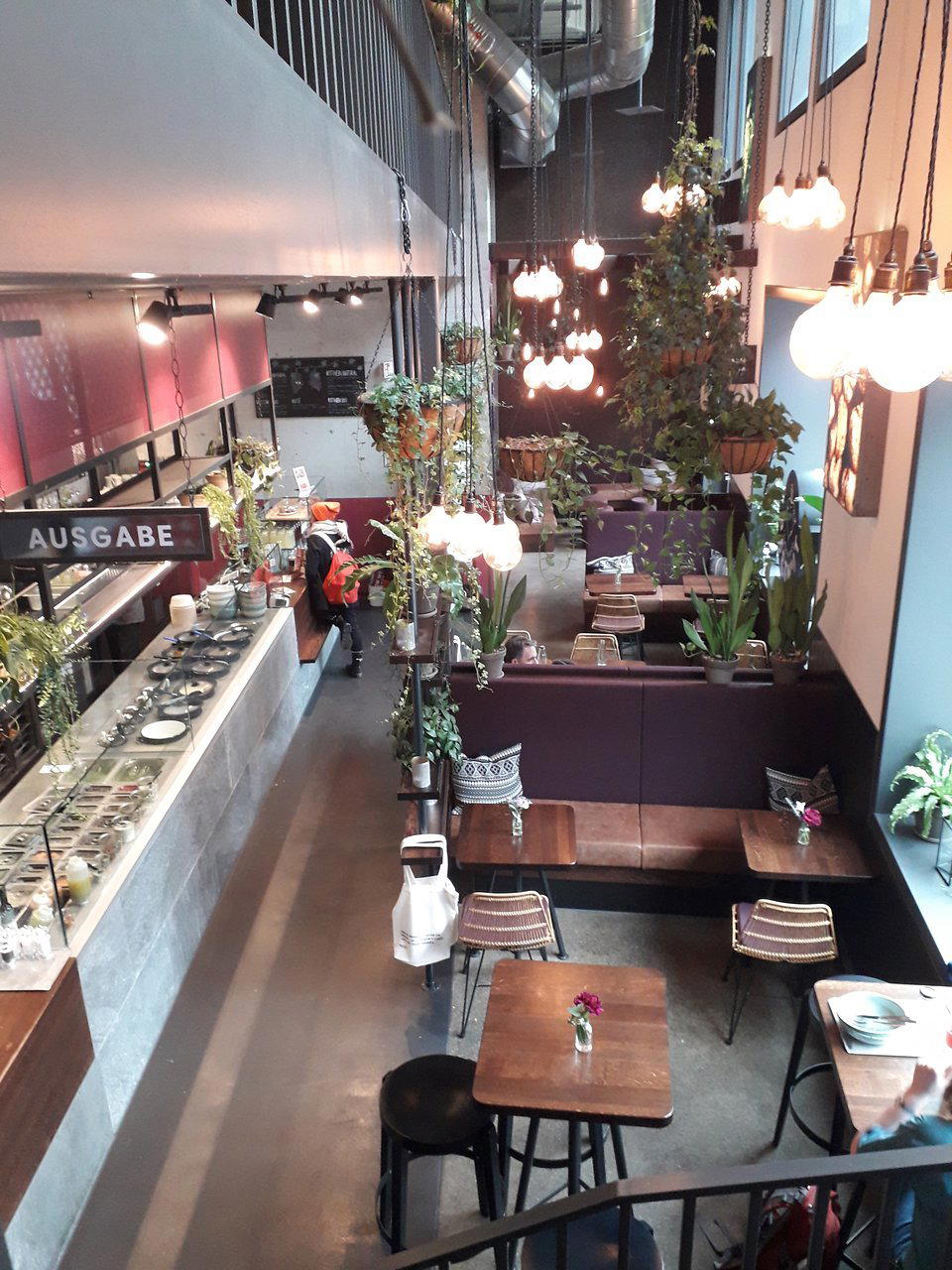
| Chimy'sThis venue — the venue you are viewing | Asian Vegetarian Buffet | $$ | Not listed |
| Kauz | Cocktail Bar & Club | $$ | Oberstrass |
| BUNZAI - Genuine Smash Burgers | Genuine Smash Burgers | $$ | Aussersihl |
| Restaurant Beke | Contemporary Swiss | $$ | Aussersihl |
| Vapiano Bellevue | Handmade Italian Pasta & Pizza | $$ | Fluntern |
| Azzurro | Neapolitan-Style Pizza | $$ | Industriequartier |
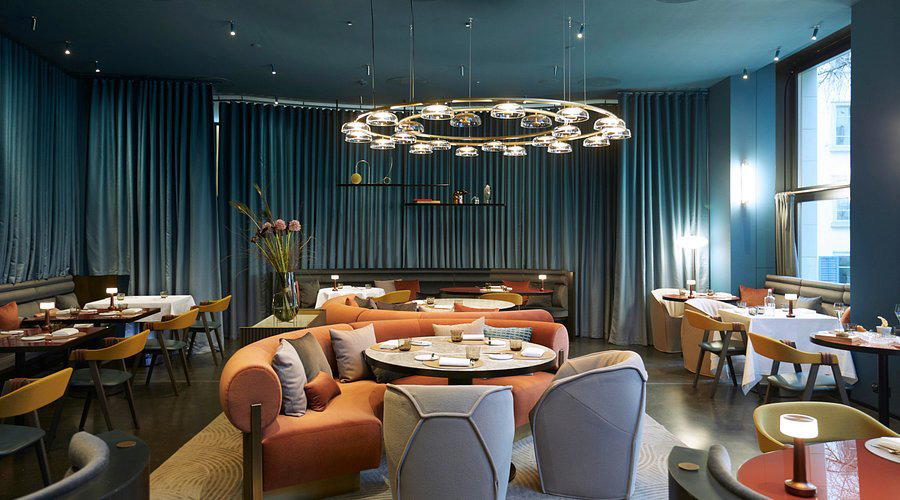
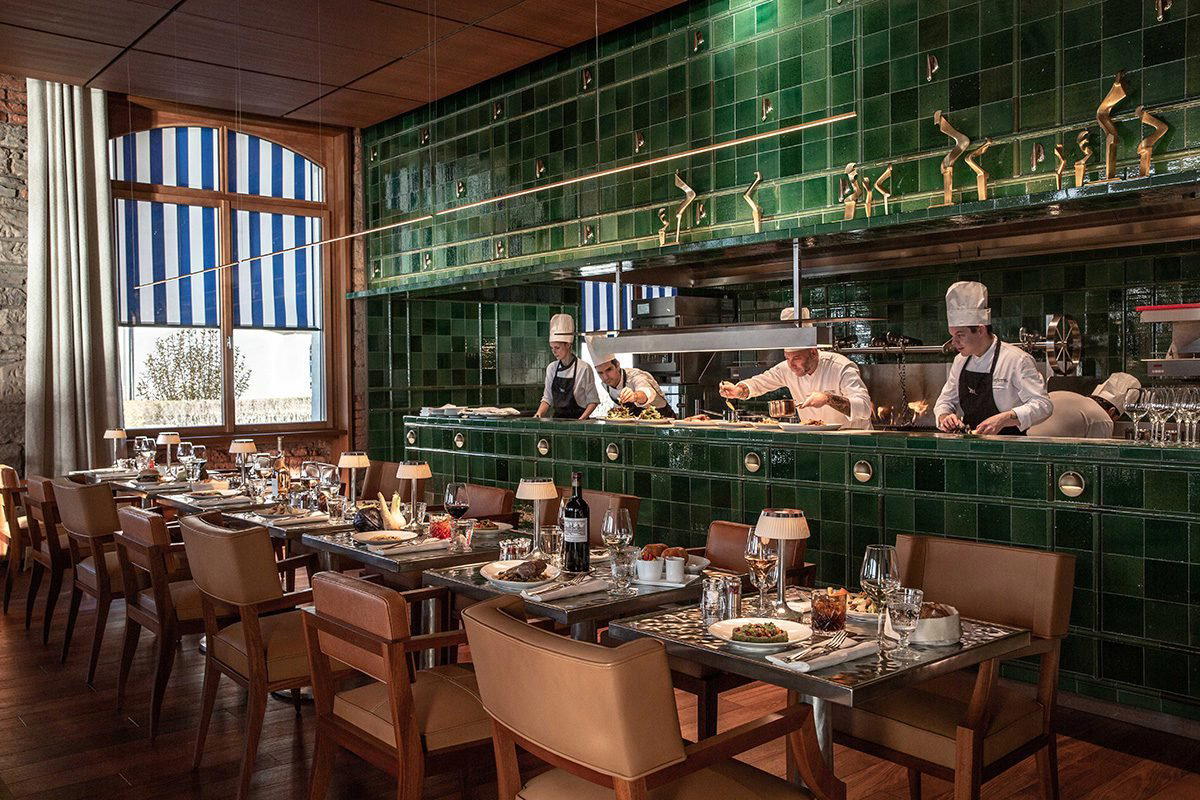
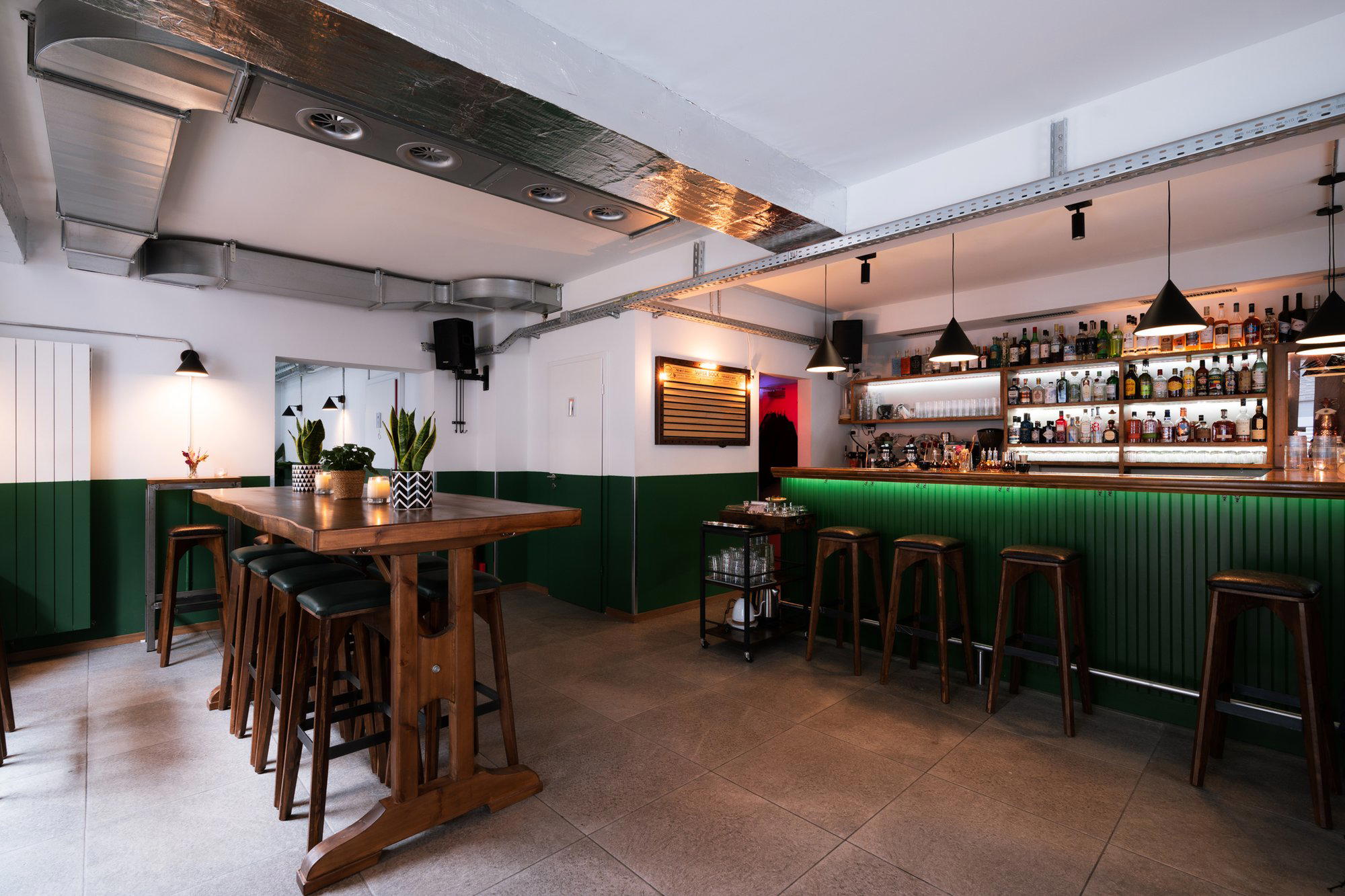
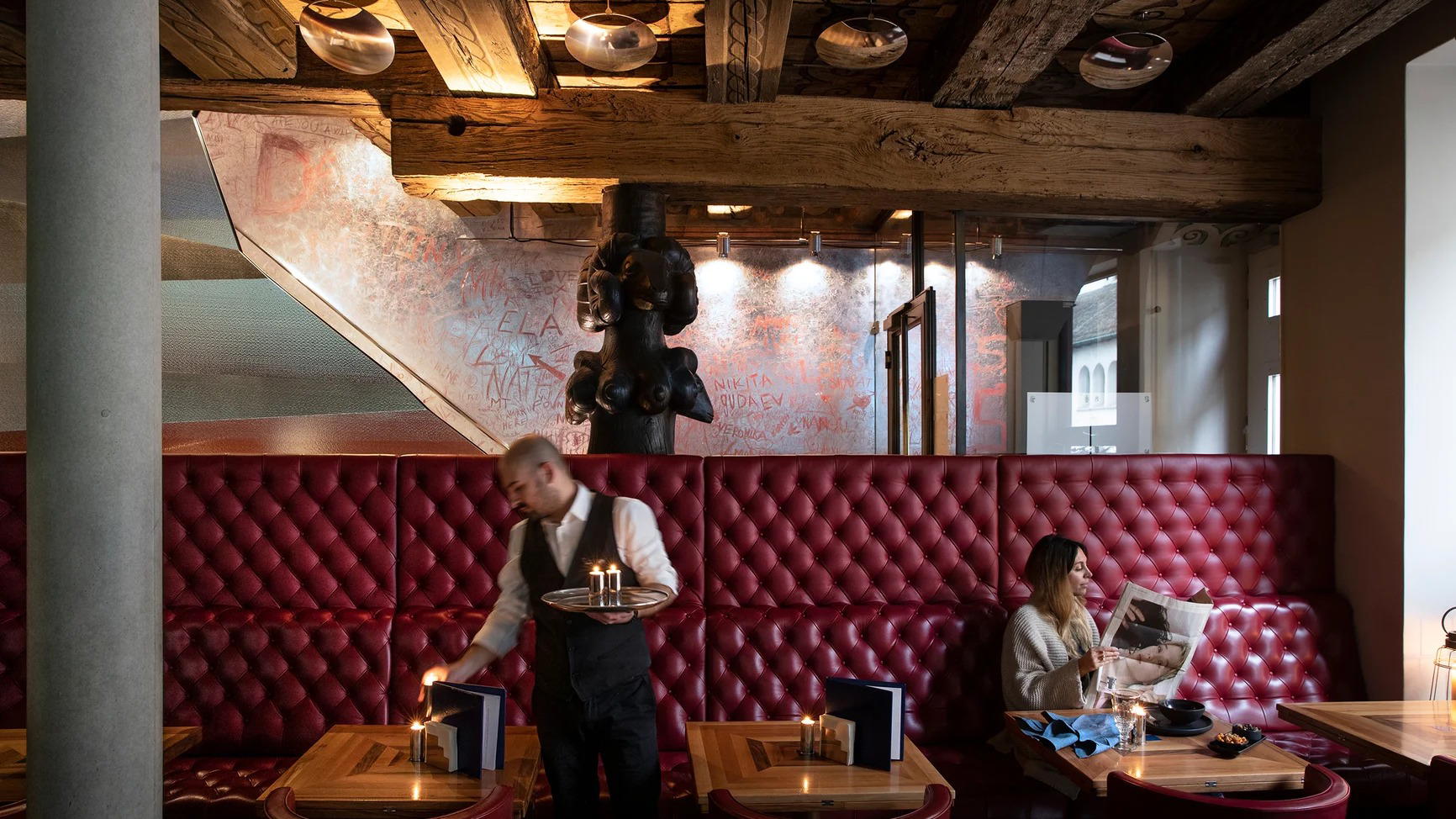
At a Glance
- Cozy
- Casual
- Casual Hangout
- Beer Program
Current opening hours
- Monday
- Closed
- Tuesday
- 11:30 AM–2 PM, 6–11 PM
- Wednesday
- 11:30 AM–2 PM, 6–11 PM
- Thursday
- 11:30 AM–2 PM, 6–11 PM
- Friday
- 11:30 AM–2 PM, 6–11 PM
- Saturday
- 4–11 PM
- Sunday
- 4–10 PM
Hours can change for holidays and private events. Last verified .
Small, cozy space that can get crowded and lively during peak times.