BUNZAI - Genuine Smash Burgers

BUNZAI brings the smash burger format to Zurich's Kreis 4 neighbourhood on Müllerstrasse, positioning itself within a city where casual American-style dining sits alongside some of Switzerland's most decorated fine-dining rooms. The format prioritises the smashed-patty technique, which maximises crust development and cuts cooking time, raising questions about sourcing and waste that define how seriously any burger operation takes its craft.
Pearl is the En Primeur Club membership app — saves, bookings, and concierge access live there. Same editors, same standards.
- Address
- Sihlfeldstrasse 89, 8004 Zürich, Switzerland
- Phone
- +41 44 516 66 00
- Website
- bunzai.ch
- Directions
- Get directions
 Saves & bookings on Pearl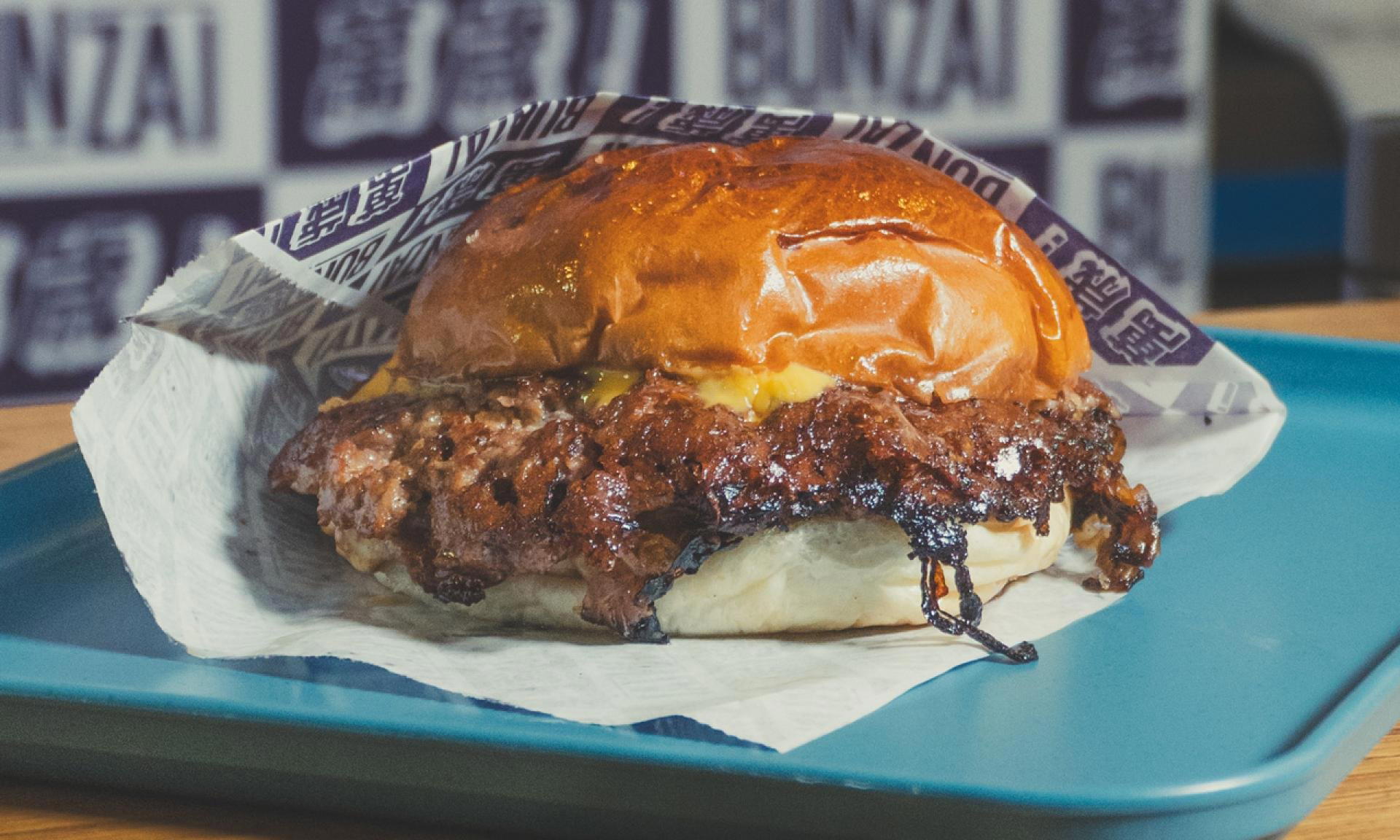
Smash Burgers in a Fine-Dining City
Zurich spends considerable energy on its upper tier. The city holds Michelin stars at addresses like The Restaurant and The Counter, and its sharing-format rooms such as IGNIV Zürich by Andreas Caminada draw international visitors. Against that backdrop, the smash burger occupies a different register entirely: fast execution, low overhead, and a format whose environmental story is harder to tell cleanly than a vegetable-led tasting menu. BUNZAI on Müllerstrasse, in the dense residential and commercial stretch of Kreis 4, sits in that honest, uncomplicating space.
The smash burger technique has spread across European cities for reasons that are partly practical and partly about flavour physics. Pressing a ball of ground beef onto a flat-leading griddle at high heat collapses the patty thin, creating a Maillard-reaction crust across a large surface area in roughly 90 seconds per side. The result is more crust per gram of meat than any thicker burger achieves. That efficiency matters from a sustainability perspective: thinner patties mean less total meat per serving is possible without sacrificing the flavour intensity that makes the format work. Whether that translates to smaller portions or simply more crust-forward taste depends on how an operator calibrates the format.
Kreis 4 and What the Neighbourhood Demands
Müllerstrasse runs through one of Zurich's most mixed-use districts. Kreis 4 holds late-night bars, immigrant-run groceries, independent restaurants, and a resident population that skews younger and more cost-conscious than the lakefront neighbourhoods to the east. In that context, a smash burger operation competes on speed, price accessibility, and consistency rather than on tablecloth hospitality. The area also has a visible food-waste culture: smaller operators in Kreis 4 tend to run leaner prep than hotel dining rooms, and the street-level transparency of a counter-service or compact sit-down format makes waste harder to hide.
For Swiss dining at the higher end of the spectrum, see Widder or Eden Kitchen & Bar within the city. Those looking to move beyond Zurich entirely can benchmark Switzerland's fine-dining range at Schloss Schauenstein in Fürstenau, Hotel de Ville Crissier, or Memories in Bad Ragaz. BUNZAI operates in a completely different tier, but that separation is the point: the city's dining breadth runs from Michelin three-star rooms to neighbourhood smash counters, and both serve real purposes.
The Sustainability Question Around Smash Format Operations
Any burger operation in 2024 faces a sustainability calculation that is more scrutinised than it was a decade ago. Beef carries a carbon footprint that no amount of compostable packaging fully offsets, and the smash format's reliance on high-heat griddle cooking requires consistent energy input. What the format can do well, however, is minimise waste on the production side. A smash burger operation with a tight menu uses fewer raw ingredients than a kitchen running a broad à la carte selection, which reduces spoilage. Short menus also allow operators to source from a smaller number of suppliers, making provenance tracking more realistic in practice rather than aspirational in marketing copy.
The question of sourcing quality matters here. Swiss beef supply chains are generally shorter than those serving comparable operations in larger markets: Switzerland's agricultural production is proximate, regulated under relatively strict welfare standards, and the distribution network between farm and urban kitchen is compact by European comparison. That structural advantage doesn't guarantee that any individual operator prioritises it, but the conditions for responsible sourcing are more accessible in Switzerland than in many cities where smash burger culture has taken hold.
For reference on how rigorous sourcing shows up at the high end of Swiss hospitality, Mammertsberg in Freidorf and La Table du Valrose in Rougemont represent operations where provenance is central to the editorial identity of the restaurant. At the casual end, the same principle applies differently: sourcing well in a smash burger context means consistent beef quality, reliable fat ratios, and a supply relationship stable enough to avoid substitution under pressure.
How the Format Compares Internationally
The smash burger wave that moved through London, Paris, and Amsterdam in the early 2020s has settled into a more stratified market. Early entrants competed on novelty; the format's second generation competes on execution consistency and, increasingly, on what the operation communicates about where its inputs come from. In cities like Zurich, where food costs are high and consumer expectations around quality are set partly by proximity to serious fine dining, a smash burger operation either delivers on the core technique or loses quickly to attrition. The format is unforgiving: there is nowhere to hide a poor-quality patty when the entire value proposition is the crust.
Internationally, the smash burger's ethical reputation has been shaped by operators who explicitly connect format efficiency to environmental arguments, and those who treat it as pure fast-food nostalgia. The strongest operations in this space, at venues ranging from counter-service spots in New York to restaurant-adjacent formats, make the case that a shorter, more focused menu with deliberate sourcing is a more defensible environmental position than a broad menu with token sustainability branding.
For readers interested in how ambition and sourcing ethics combine at the top of the American dining range, Lazy Bear in San Francisco and Le Bernardin in New York City represent contrasting approaches to ingredient responsibility at high price points. At the other end of the formality spectrum, BUNZAI addresses a different question: whether casual, fast-format beef dining can be done with equivalent seriousness at street level.
Switzerland's broader dining circuit, including Cheval Blanc by Peter Knogl in Basel, Einstein Gourmet in Sankt Gallen, Da Vittorio in St. Moritz, focus ATELIER in Vitznau, and Maison Wenger in Le Noirmont, sits at the opposite end of price and formality from a Kreis 4 smash counter. That contrast is part of what makes Zurich's food scene function: the range from neighbourhood casual to three-star formal is what sustains a city's dining culture across different budgets and occasions.
Know Before You Go
Neighbourhood: Kreis 4
Format: Smash burger, casual
Reservations: Not confirmed; walk-in format typical for this category
Phone / Website: Not publicly listed at time of writing
Nearby transit: Kreis 4 is well served by tram lines along Langstrasse and connecting routes; Müllerstrasse is walkable from multiple stops
Price tier: Casual / street-level; confirm current pricing on-site
How It Stacks Up
A small set of peers for context, based on recorded venue fields.
| Venue | Cuisine | Price | Awards |
|---|---|---|---|
| BUNZAI - Genuine Smash BurgersThis venue — the venue you are viewing | Not listed | Not listed | Not listed |
| IGNIV Zürich by Andreas Caminada | Sharing | €€€€ | Michelin 2 Star |
| KLE | Vegan | €€€ | Michelin 1 Star |
| Kronenhalle | Swiss, Traditional Cuisine | €€€ | World's 50 Best |
| The Counter | Creative | €€€€ | Michelin 2 Star |
| Eden Kitchen & Bar | Italian | €€€€ | Michelin 1 Star |
Recognition history
Dated appearances from independent guides and award organizations, with the underlying list record or original source where available.
World Best Burgers World's 101 Best Burgers #36
World Best Burgers
Continue exploring
More in Zürich
Restaurants in Zürich
Browse all →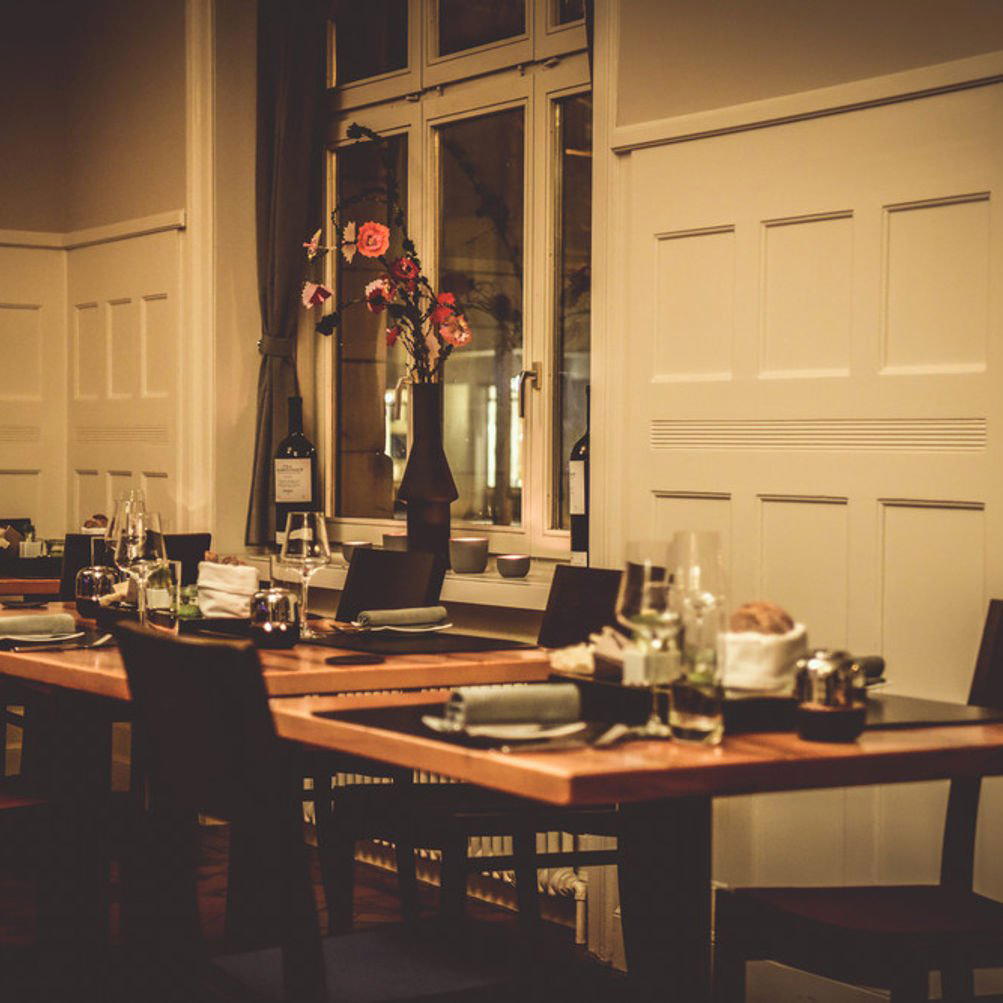
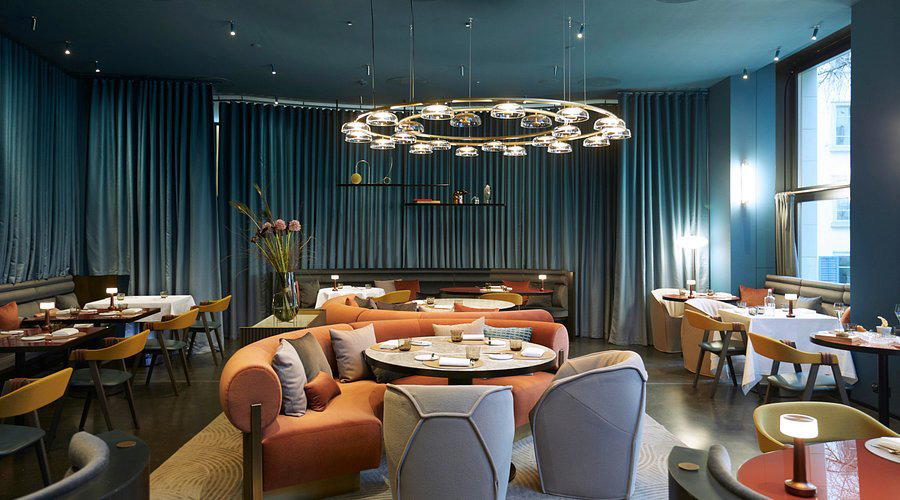
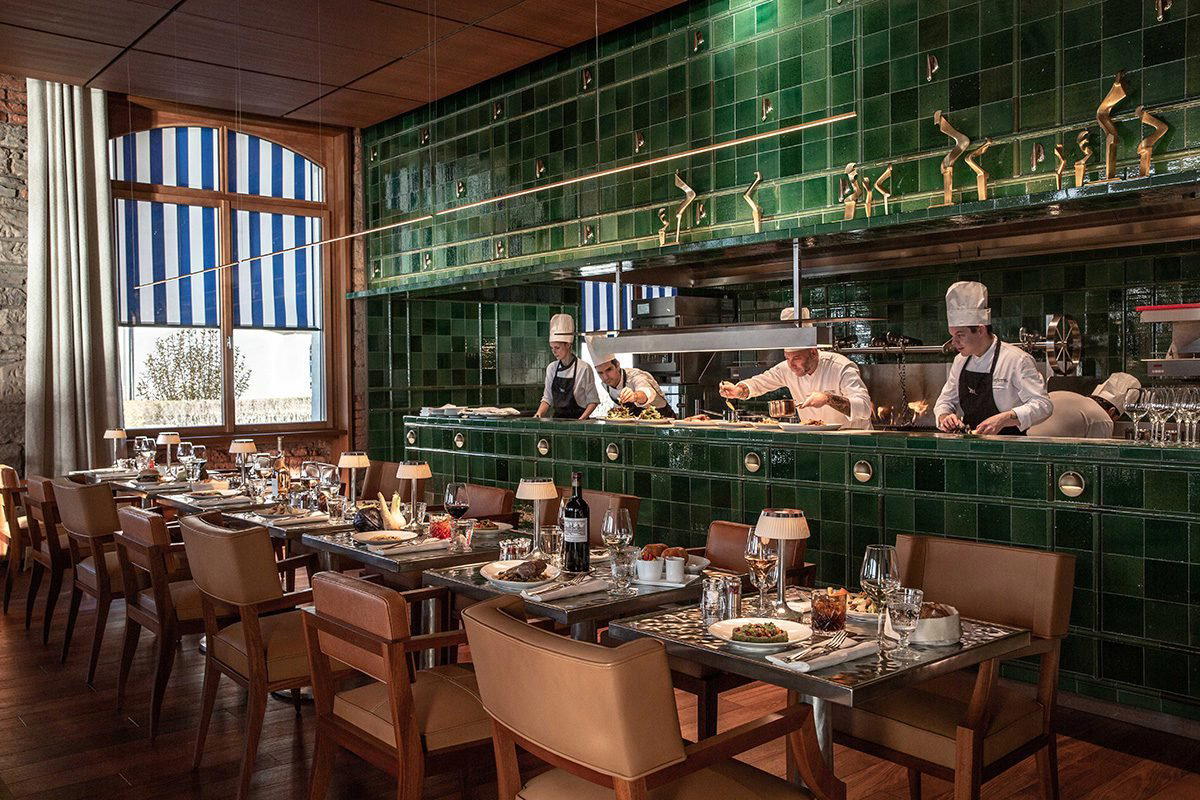
Bars in Zürich
Browse all →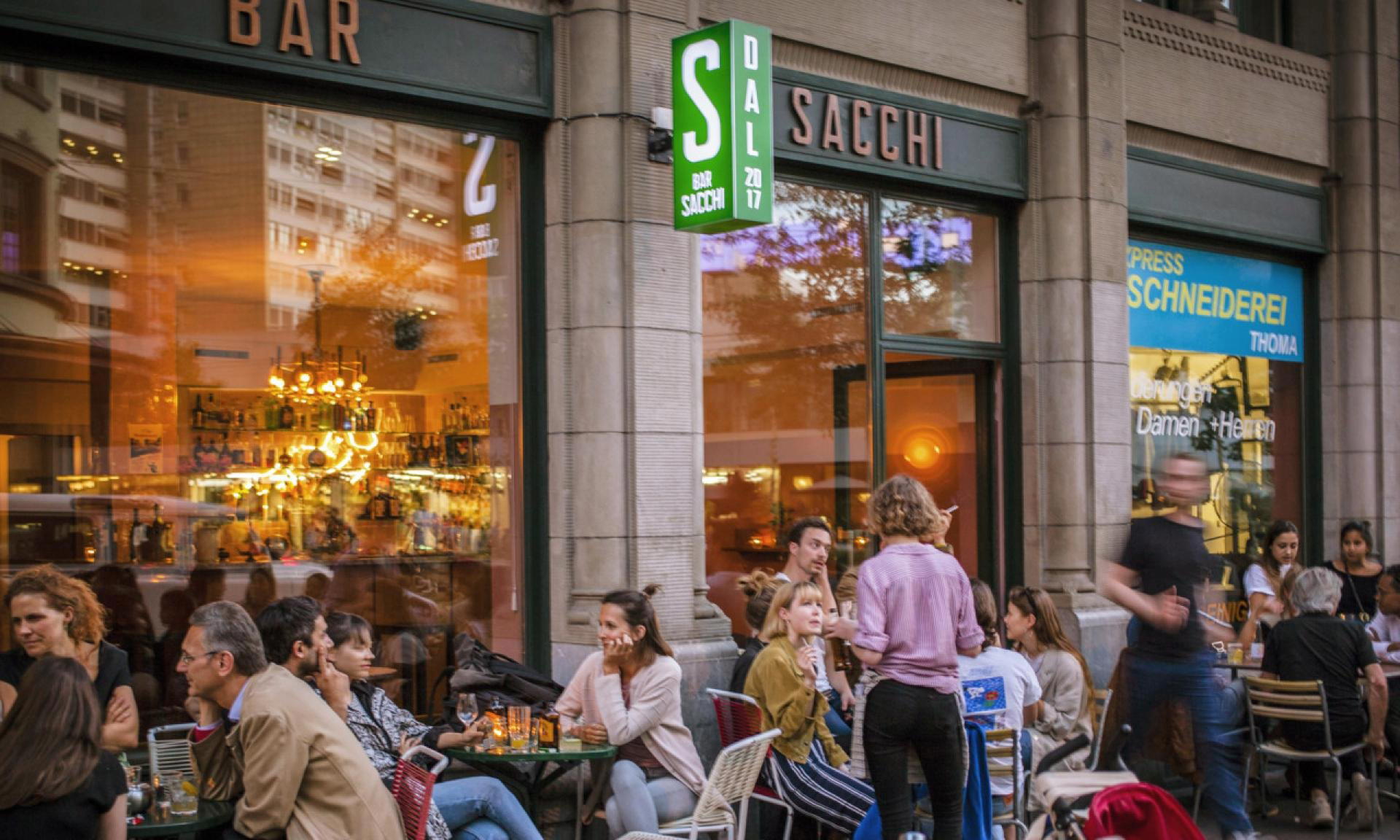
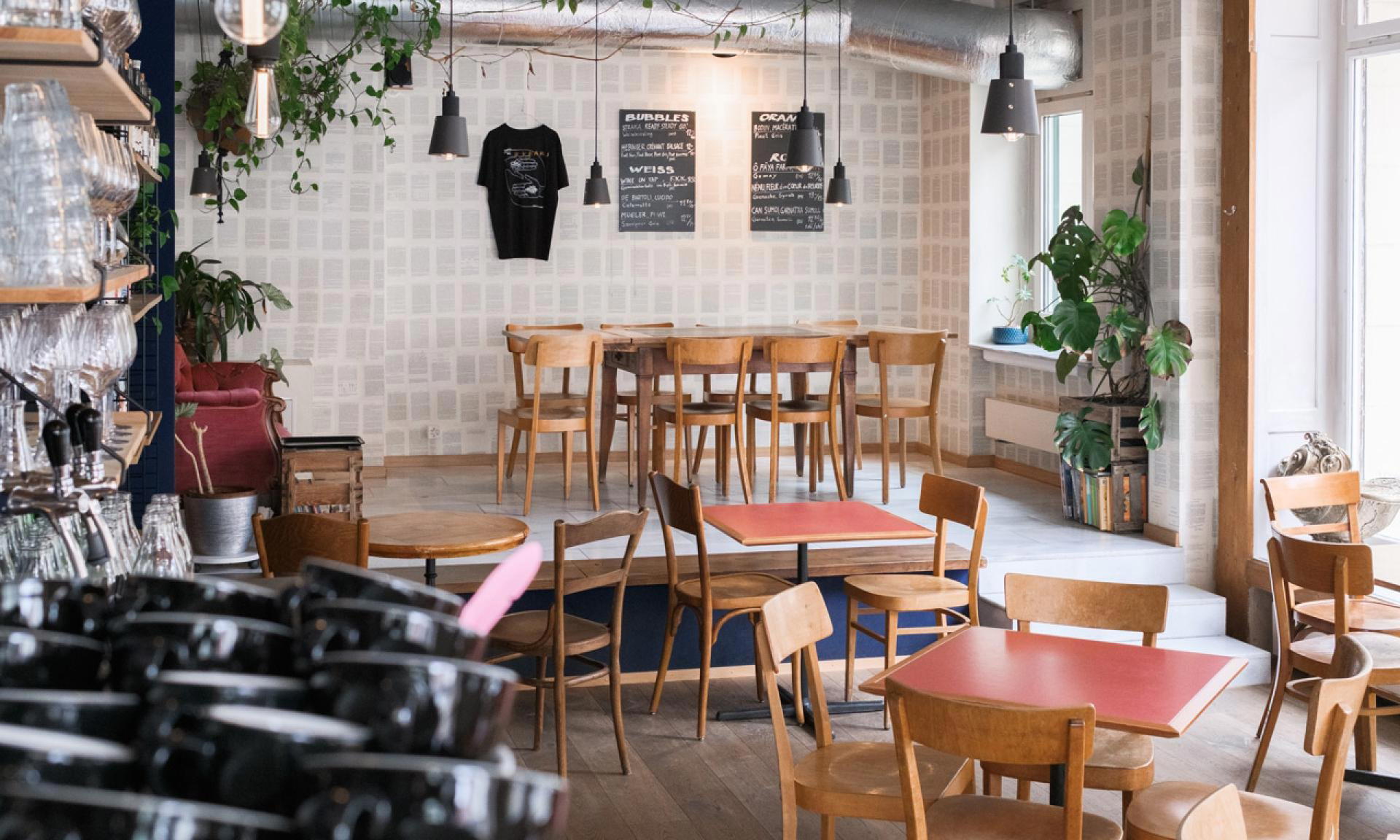

Hotels in Zürich
Browse all →

At a Glance
- Trendy
- Lively
- Casual Hangout
- Late Night
- Open Kitchen
- Local Sourcing
Current opening hours
- Monday
- Closed
- Tuesday
- 11:30 AM–2 PM, 5:30–10 PM
- Wednesday
- 11:30 AM–2 PM, 5:30–10 PM
- Thursday
- 11:30 AM–2 PM, 5:30–10 PM
- Friday
- 11:30 AM–2 PM, 5:30–10 PM
- Saturday
- 11:30 AM–10 PM
- Sunday
- 11:30 AM–9 PM
Hours can change for holidays and private events. Last verified .
Small, urban space with a cool, trendy vibe and friendly atmosphere.
Know Before You Go
- Getting there
- Sihlfeldstrasse 89, 8004 Zürich, Switzerland