
Osaka’s department-store food floors reward diners who understand speed, specialization, and craft in close quarters. CHIKICHIKI Hanshin umeda ten brings yakitori into that setting with Tabelog 100 Yakitori WEST selections in 2024 and 2025, a compact counter-led room, and a course format built around measured skewer counts rather than sprawling izakaya grazing.
Pearl is the En Primeur Club membership app — saves, bookings, and concierge access live there. Same editors, same standards.
- Address
- Japan, 〒530-8224 Osaka, Kita Ward, Umeda, 1 Chome−13−13 B2F
- Phone
- +81 80-9554-9799
- Website
- tabelog.com
 Saves & bookings on Pearl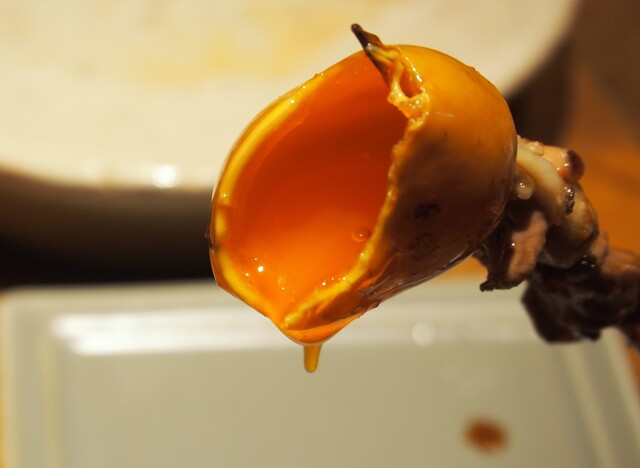
The basement level of Hanshin Umeda Main Store has Osaka eating’s particular rhythm: clipped footsteps, bright counters, quick decisions, and serious food compressed into a retail grid. In Umeda, this is no compromise. Department-store dining in Japan often works as an urban sorting system, gathering specialists near the railway core so office workers, shoppers, families, and travellers can eat with precision rather than ceremony.
Yakitori fits that setting better than outsiders might expect. The form depends on sequence, timing, and heat control, not lengthy explanation. CHIKICHIKI Hanshin umeda ten sits inside that practical Osaka logic: a 21-seat yakitori room in transport-heavy Kita Ward, recognised in Tabelog’s Yakitori WEST 100 selections for both 2024 and 2025. In western Japan’s deep, crowded, price-sensitive yakitori field, that signals consistency, not novelty.
Yakitori in Umeda, shaped for speed without abandoning craft
Osaka’s casual dining culture has always respected specialization: a narrow counter, bakery queue, dumpling line, or polished regional restaurant, provided the format is clear and the cooking purposeful. That is why a yakitori counter beneath a major department store belongs in the same neighbourhood conversation as 551 Horai (551蓬莱), 52CHO-ME BAKERY, .cafe, or formal addresses such as a canto (Italian). The common thread is efficiency: each asks diners to grasp the house format quickly.
Here, the format is bounded. Courses revolve around 5, 7, or 9 skewers, with drinks separate, placing the meal closer to a focused yakitori set than a free-form izakaya session. It also changes value. In a city where Naniwa Menjiro Zen sits in a lower noodle bracket, Umeda Mix Juice Honten occupies the sub-JPY 999 snack economy, and Raofu Tsai Hanshin umeda ten prices higher at dinner, CHIKICHIKI Hanshin umeda ten takes a middle lane: accessible for central Osaka, disciplined enough to be judged against dedicated yakitori specialists.
Yakitori’s cultural weight lies in restraint. The genre grew from everyday grilled chicken cookery, but serious counters turn the bird into a language of cuts, textures, and doneness. Diners are not meant to order everything at once and chase abundance; the pleasure is pacing, charcoal or grill management, seasoning decisions, and movement from leaner pieces toward richer ones. A short-course structure serves that tradition by preventing drift into excess.
A department-store counter with serious recognition
Tabelog’s Hyakumeiten lists are not Michelin-style stars, but in Japan they carry practical meaning for diners tracking genre-specific excellence. A Yakitori WEST 100 selection places a restaurant in a regional conversation, not a tourist trophy case. The 2024 and 2025 selections send a stronger signal than a single-year appearance, especially where repeat custom and execution across service matter.
The room’s scale reinforces this. With 21 seats and counter seating, the experience feels closer to a controlled specialist format than a sprawling food-hall stall. Private rooms and private use are absent, which suits the category. Yakitori is often clearest when guests can read the grill’s pace and staff can move through a tight sequence. The setting is non-smoking and wheelchair accessible, making it more usable than many old-school yakitori counters without becoming generic.
Drinks broaden the frame. Sake, shochu, wine, and cocktails all appear, reflecting a wider shift in Japanese casual dining: yakitori need not be locked into beer-and-shochu assumptions. This is not the mood of a sake bar such as Jōdo Saké Bar in Los Angeles, but several drink categories signal a counter built for different tempos, from lunch to a more deliberate evening sequence.
How to read it within Osaka's wider dining map
Umeda can be misread as convenience rather than character. Better: convenience is the character. The station area rewards restaurants that compress identity into a short visit: a defined skewer course, bakery run, noodle stop, or department-store meal before a train. For a broader Osaka itinerary, the area counterpoints destination dining elsewhere in the city. Use Our full Osaka restaurants guide for the wider food map, then treat Umeda as the place to understand everyday precision at scale.
The comparison clarifies what this address is not. Donostia Comeru. and LACERBA speak to Osaka’s appetite for European formats at different price points; 99 Pizza Napoletana Gourmet adds another imported grammar. Yakitori is a domestic craft with a direct relationship to postwar counter culture, salaryman dining, and the Japanese habit of turning narrow categories into serious specialisms. That context is more useful than treating the meal as generic grilled chicken.
Families also fit the public-facing room. Children are welcomed, with a kids menu and stroller access listed, less common at austere counter restaurants. That makes the restaurant a rare overlap of recognition, centrality, and family usability. Visitors planning beyond food can pair the area with Our full Osaka hotels guide, Our full Osaka bars guide, Our full Osaka wineries guide, and Our full Osaka experiences guide.
For a national lens on Japanese casual formats, the contrasts are instructive: beef sukiyaki in Kamakura at -Grilled beef Sukiyaki- KAMAKURA TANUKIAN 鎌倉 たぬき庵 in Kamakura, tuna and charcoal cooking at. 鮪と炭火焼き うお炭 秋葉原店 in Tokyo, curry specialization at [Curry Senmon Ten] Maruyama Kyoju. in Sapporo, and contemporary small-format dining at [ki:] in Kyoto. Even outside Japan, compact food traditions have their own logic, from Onigiri Time in Pasadena to (Shoku) Vietnam in Kawasaki and.know in Kumamoto. CHIKICHIKI Hanshin umeda ten belongs to that lesson: small formats carry cultural information when the category is respected and the sequence is tight.
The Minimal Set
Comparable venues side-by-side for orientation.
| Venue | Cuisine | Price | Notes |
|---|---|---|---|
| CHIKICHIKI Hanshin umeda tenThis venue — the venue you are viewing | Kita, Modern yakitori in Hanshin Umeda | $$ | Not listed |
| Manryo Minamimori machi ten | Not listed | $$ | Kita, Traditional Osaka Yakiniku & Horumon |
| Yakitori Shokudo | Kita, Yakitori & Izakaya | $$ | Not listed |
| yacipoci | Not listed | $$ | Chūō, Modern Japanese standing bar (izakaya-style) |
| Tapioca Shokudo | Tennōji, Okonomiyaki & Negiyaki | $$ | Not listed |
| Nakamura Shoten Takatsuki honten | Takatsuki, Ramen & Tsukemen Shop | $$ | Not listed |
Recognition history
Dated appearances from independent guides and award organizations, with the underlying list record or original source where available.
Tabelog 100 #61 · No. 61
Tabelog · Tabelog 100 - Yakitori - WEST - 2025
Continue exploring
More in Osaka
Restaurants in Osaka
Browse all →




Bars in Osaka
Browse all →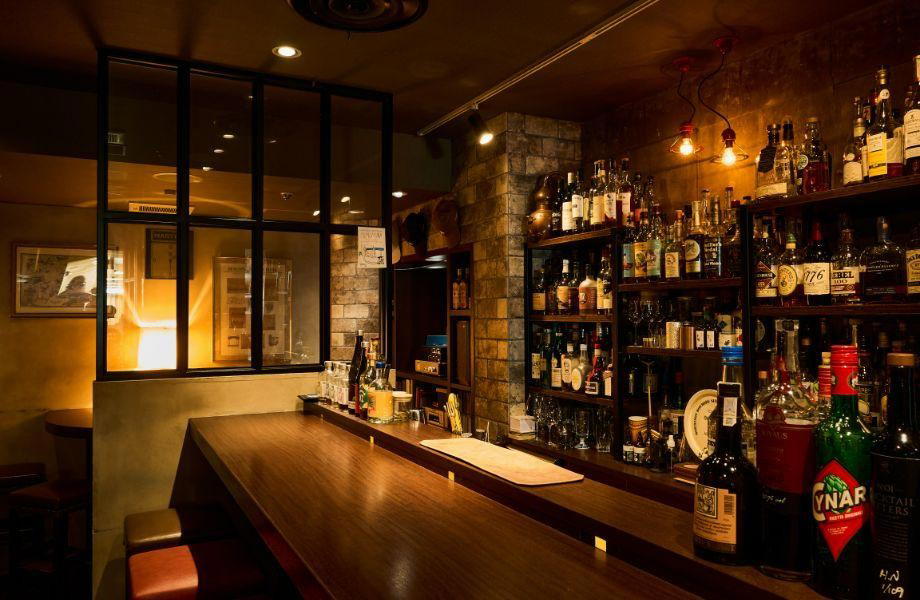
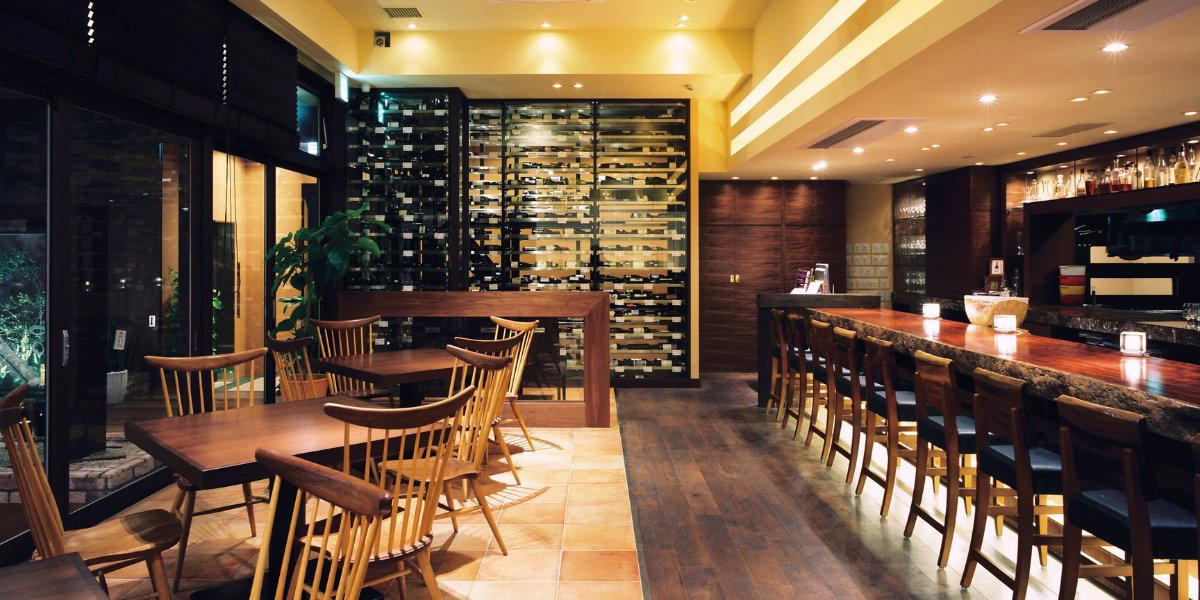

Hotels in Osaka
Browse all →



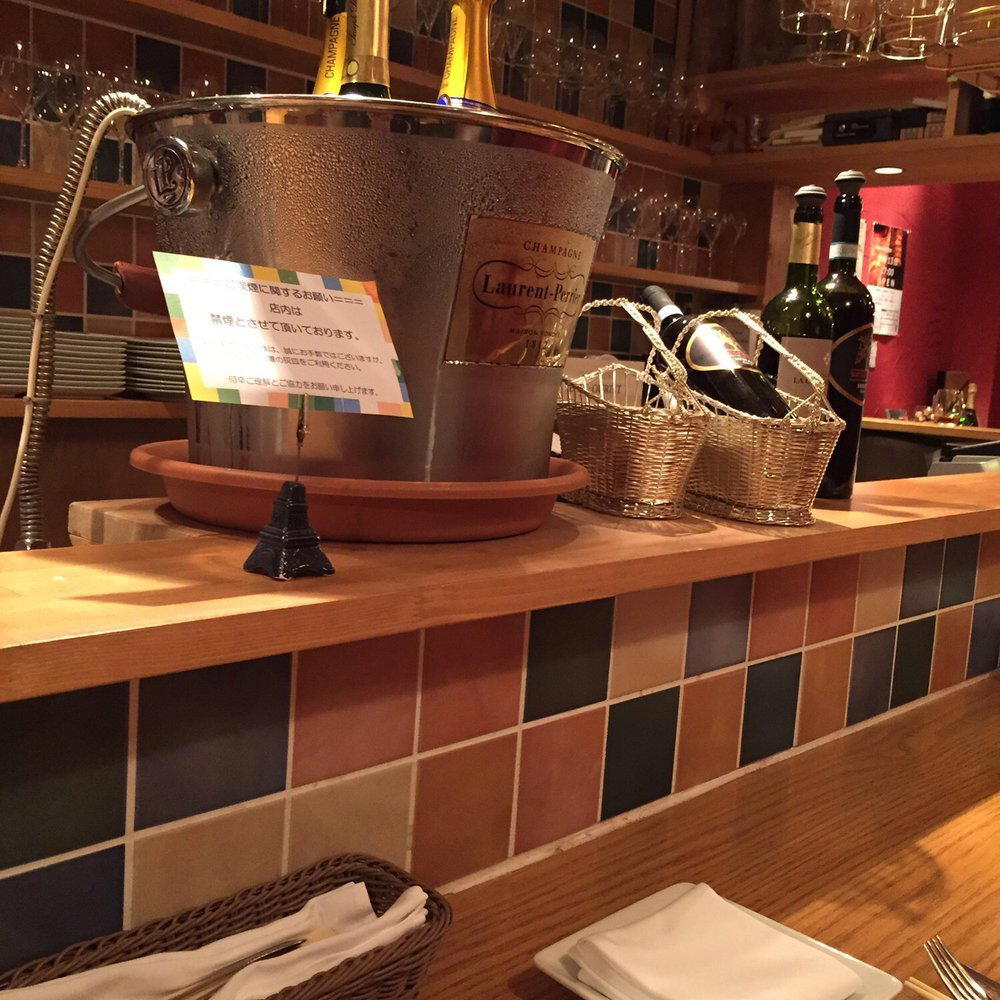
Wineries in Osaka
Browse all →
At a Glance
- Modern
- Lively
- Cozy
- Trendy
- After Work
- Casual Hangout
- Family
- Solo
- Group Dining
- Standalone
- Sake Program
- Beer Program
- Craft Cocktails
Current opening hours
- Monday
- 11 AM–11 PM
- Tuesday
- 11 AM–11 PM
- Wednesday
- 11 AM–11 PM
- Thursday
- 11 AM–11 PM
- Friday
- 11 AM–11 PM
- Saturday
- 11 AM–11 PM
- Sunday
- 11 AM–11 PM
Hours can change for holidays and private events. Last verified .
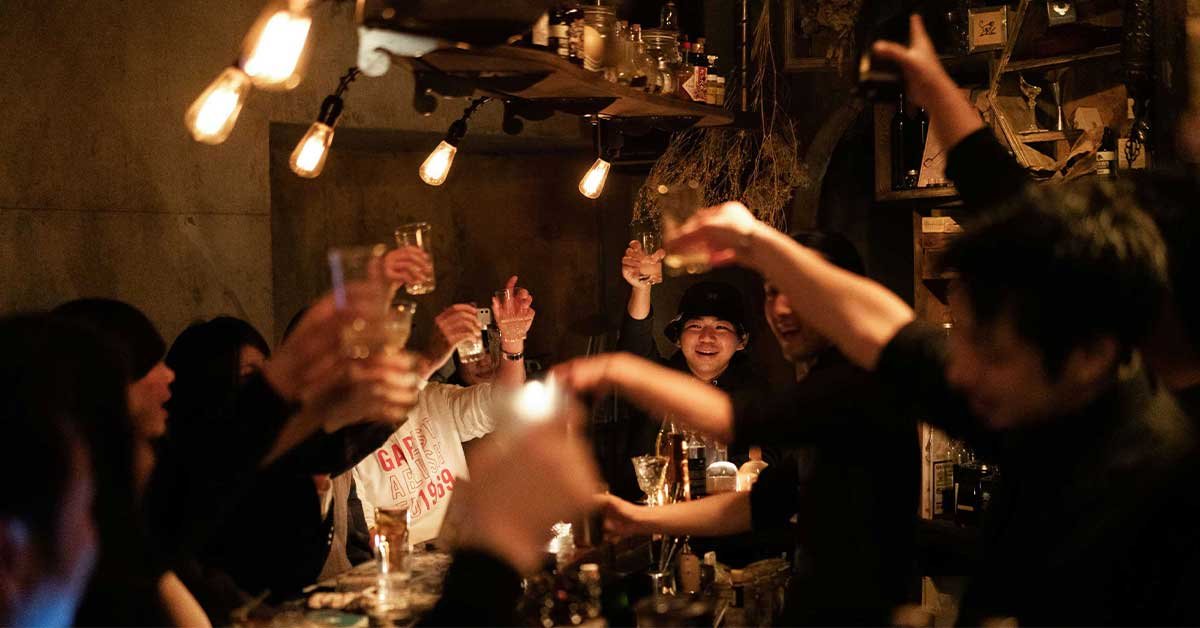
A small, stylish and modern counter-focused yakitori bar within a bustling department-store basement yokocho, with relaxed but energetic atmosphere that works for both casual lunches and evening drinks.