
Tapioca Shokudo puts Osaka’s okonomiyaki tradition in a small-format Tennoji setting, with an Italian category note that signals a broader, less formulaic approach to the griddle. Its Tabelog Okonomiyaki 100 selections in 2023, 2024, and 2025 place it among the city’s better-documented casual specialist rooms, without pushing it into luxury pricing.
Pearl is the En Primeur Club membership app — saves, bookings, and concierge access live there. Same editors, same standards.
- Address
- 大阪府大阪市天王寺区国分町9-14
- Phone
- +81667752331
- Website
- tabelog.com
 Saves & bookings on Pearl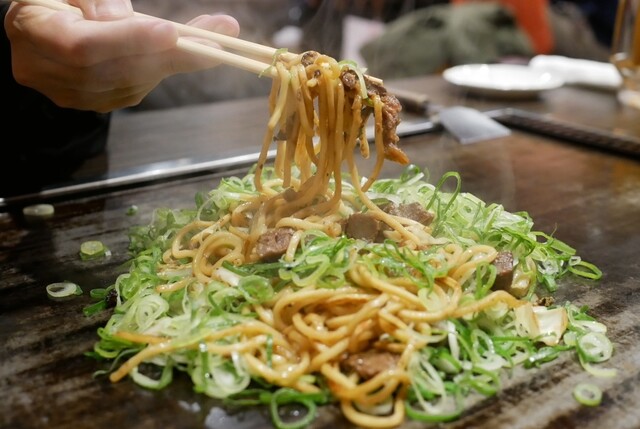
Approaching Tennoji from the Kokubucho side, Osaka’s restaurant rhythm shifts from station-front chains to smaller rooms where the griddle carries the evening. Okonomiyaki here is not ceremonial cuisine; it is local appetite made audible, cooked close enough that the room joins the meal. Tapioca Shokudo fits that Osaka register: compact, informal, and built around a genre where heat control, timing, and repeat local judgment matter more than theatrical service.
The address is best read through reputation, not spectacle. Osaka has countless okonomiyaki counters and family rooms, but Tabelog’s Okonomiyaki 100 narrows a crowded field to places with sustained public traction. Tapioca Shokudo was selected in 2023, 2024, and 2025, a meaningful run because casual flour-and-griddle restaurants are judged in a dense local market, not a tourist vacuum. Its Tabelog score of 3.65 adds another signal: a neighborhood-scale restaurant pulled into a wider critical conversation.
Okonomiyaki in Osaka, judged by repetition rather than ceremony
Osaka’s okonomiyaki culture resists fine-dining over-explanation. The form is familiar: batter, cabbage, heat, sauce, and the social cadence of sharing. Distinction lies in proportion, texture, and whether the kitchen keeps the food lively through service. Award recognition here reads differently from a Michelin-style tasting-menu accolade: less grandeur, more consistency under ordinary demand.
Tapioca Shokudo’s category listing pairs okonomiyaki with Italian, placing it slightly outside the strictest old-school frame. That does not make it fusion theater; in Osaka, cross-category casual cooking is often practical rather than ideological. The city borrows formats comfortably when prices stay accessible and the room keeps local tempo. The appeal is an everyday Osaka staple carrying enough personality to be recognized across multiple years without abandoning casual terms.
That matters for travelers with a famous-food checklist. Takoyaki, kushikatsu, udon, ramen, pork buns, and okonomiyaki all compete for limited meals, and the itinerary mistake is treating them as interchangeable snacks. Okonomiyaki deserves a seated slot because it is room-based food: timing, table pace, and the griddle shape the experience. For a broader map, Our full Osaka restaurants guide is the better starting point; for casual comparators in different registers, see 551 Horai (551蓬莱), 52CHO-ME BAKERY, .cafe, and 99 Pizza Napoletana Gourmet.
A compact room changes the stakes
The dining room is small enough that access and pacing matter. With 22 seats, including tatami seating with sunken kotatsu, a few table seats, and two counter seats, it feels more like a local dining room than a destination counter. That scale suits okonomiyaki: a large operation can flatten the genre into throughput, while a smaller room makes the cooking rhythm legible and restores intimacy often lost in heavily trafficked districts.
Tennoji matters too. The area is not a single-note tourist quarter, and Teradacho’s Osaka Loop Line position gives the restaurant a different feel from Namba’s canal-side energy or Umeda’s department-store polish. It is practical for travelers already moving through southern Osaka, but more convincingly a planned neighborhood meal than a walk-in between landmarks. A recognized okonomiyaki room with limited seating behaves differently from a high-volume street-food stop.
Within Osaka’s casual award economy, the restaurant occupies a useful middle tier. It is not priced like a polished Italian room such as Chiara, and it does not sit in the quick-turn noodle lane of Kamigata Rainbow, Gokuraku Udon Ah-Men, Yuiitsu Muni no Ramen Senmon Ten Ibukuro Washizukami, or Maguro Donya. The comparison is about itinerary function, not cuisine similarity: those restaurants answer speed, specialization, or spend differently. This is for travelers wanting a seated Osaka staple with enough recognition to justify planning.
The drinks list keeps the room in the casual Japanese dining idiom: sake, shochu, and wine appear, giving the meal more range than a soft-drink-only snack stop. Payment is equally grounded: credit cards and electronic money are not accepted, while QR code payment via PayPay is listed. Unglamorous details, but exactly the kind that separate a smooth Osaka dinner from avoidable inconvenience.
How to place it in an Osaka itinerary
The case for the restaurant is not that every visitor needs the same okonomiyaki address. It answers a specific brief: affordable, recognized, local-scale okonomiyaki in Tennoji, backed by repeat Tabelog Okonomiyaki 100 selections. It is especially useful for travelers who have already accounted for sushi, kappo, ramen, and market eating, and want one meal that remains firmly Osaka without becoming performance.
For a wider city plan, pair this dinner with a less food-focused day rather than stacking it after a long grazing route. Osaka rewards appetite management: a heavy lunch, department-store basement crawl, and okonomiyaki dinner can become fatigue, not pleasure. Visitors building a full trip should separate dining from stay decisions through Our full Osaka hotels guide, drinking plans through Our full Osaka bars guide, producer-focused browsing through Our full Osaka wineries guide, and cultural scheduling through Our full Osaka experiences guide.
Readers comparing Japan and overseas casual-specialist formats can follow a broader EP Club trail: a canto (Italian) for Osaka’s composed Italian lane, [ki:] in Kyoto for contrast, 鮪と炭火焼き うお炭 秋葉原店 in Tokyo for urban casual seafood, [Curry Senmon Ten] Maruyama Kyoju. in Sapporo for another specialist comfort-food lane.know in Kumamoto, (Shoku) Vietnam in Kawasaki, -Grilled beef Sukiyaki- KAMAKURA TANUKIAN 鎌倉 たぬき庵 in Kamakura, Jōdo Saké Bar in Los Angeles, and Onigiri Time in Pasadena. The through-line is not luxury; it is focus. The restaurant earns attention because Osaka’s everyday griddle tradition is strongest when the room stays small, the price accessible, and reputation is built over repeat meals rather than grand claims.
Budget Reality Check
Comparable venues by cuisine and price in the same metro.
| Venue | Cuisine | Price | Notes |
|---|---|---|---|
| Tapioca ShokudoThis venue — the venue you are viewing | Tennōji, Okonomiyaki & Negiyaki | $$ | Not listed |
| Lilo Coffee Kissa | Not listed | $$ | Chuo Ward, Shinsaibashi, Japanese Specialty Coffee Kissa |
| Rakuraku Udon | Katano, Handmade Udon | $$ | Not listed |
| Okonomiyaki Ajikuraya | Tennōji, Osaka okonomiyaki & teppanyaki | $$ | Not listed |
| Okonomiyaki Omoni Honten | Not listed | $$ | Ikuno, Osaka okonomiyaki house-restaurant |
| Stand Aida | Chūō, Standing yakitori & chicken dishes | $$ | Not listed |
Recognition history
Dated appearances from independent guides and award organizations, with the underlying list record or original source where available.
Tabelog 100 #34 · No. 34
Tabelog · Tabelog 100 - Okonomiyaki - 2025
Continue exploring
More in Osaka
Restaurants in Osaka
Browse all →




Bars in Osaka
Browse all →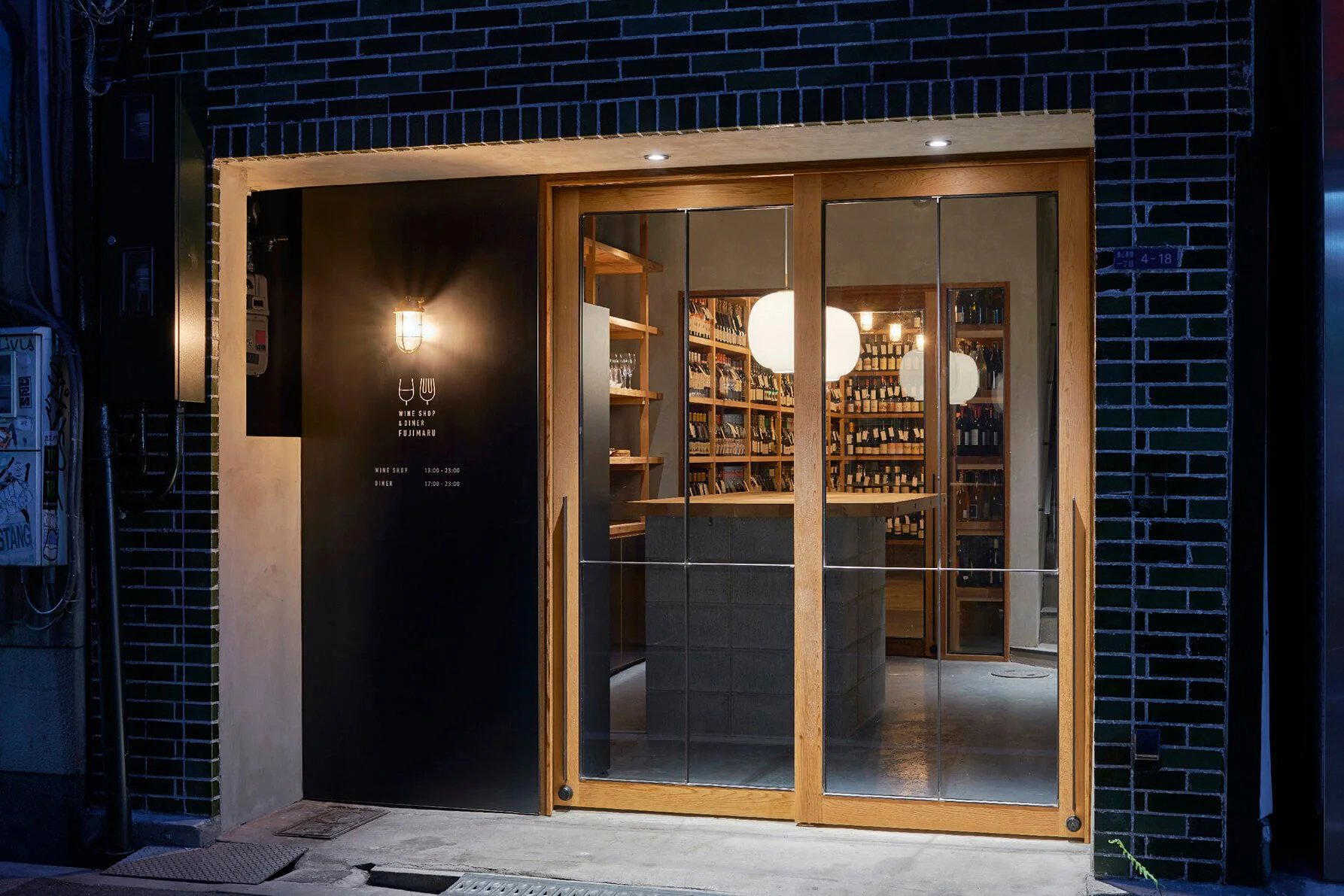
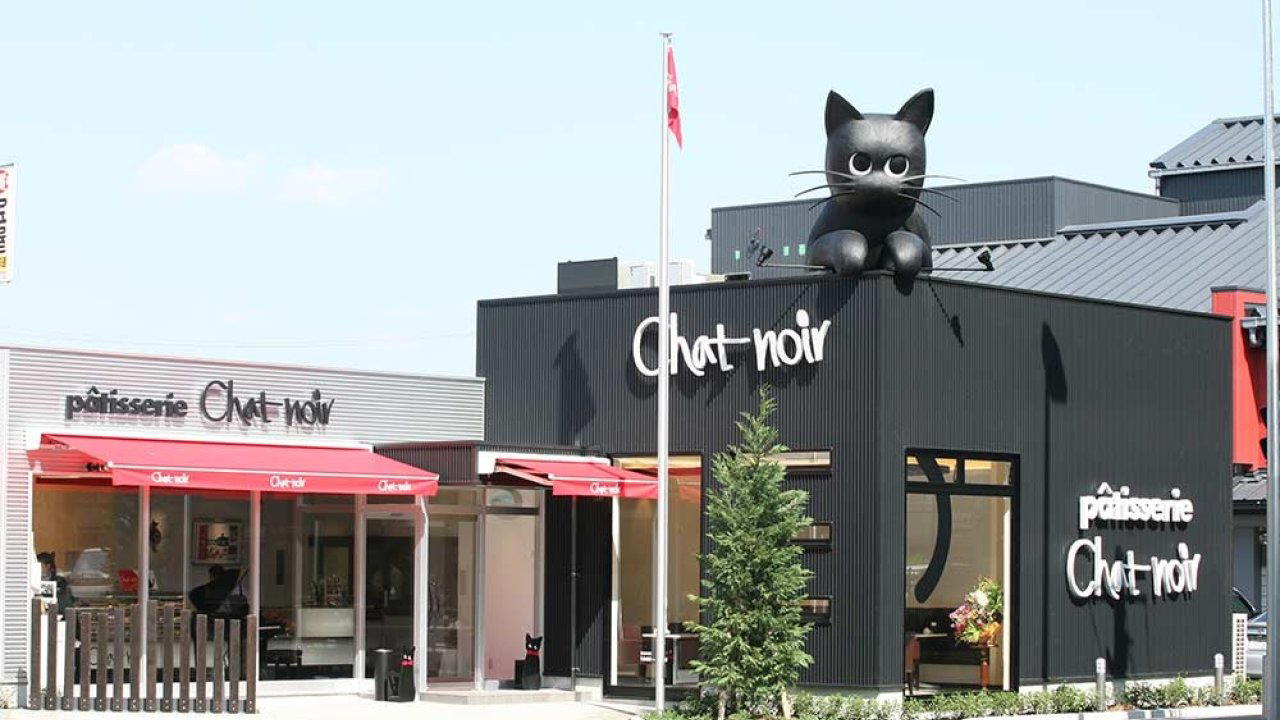


Hotels in Osaka
Browse all →



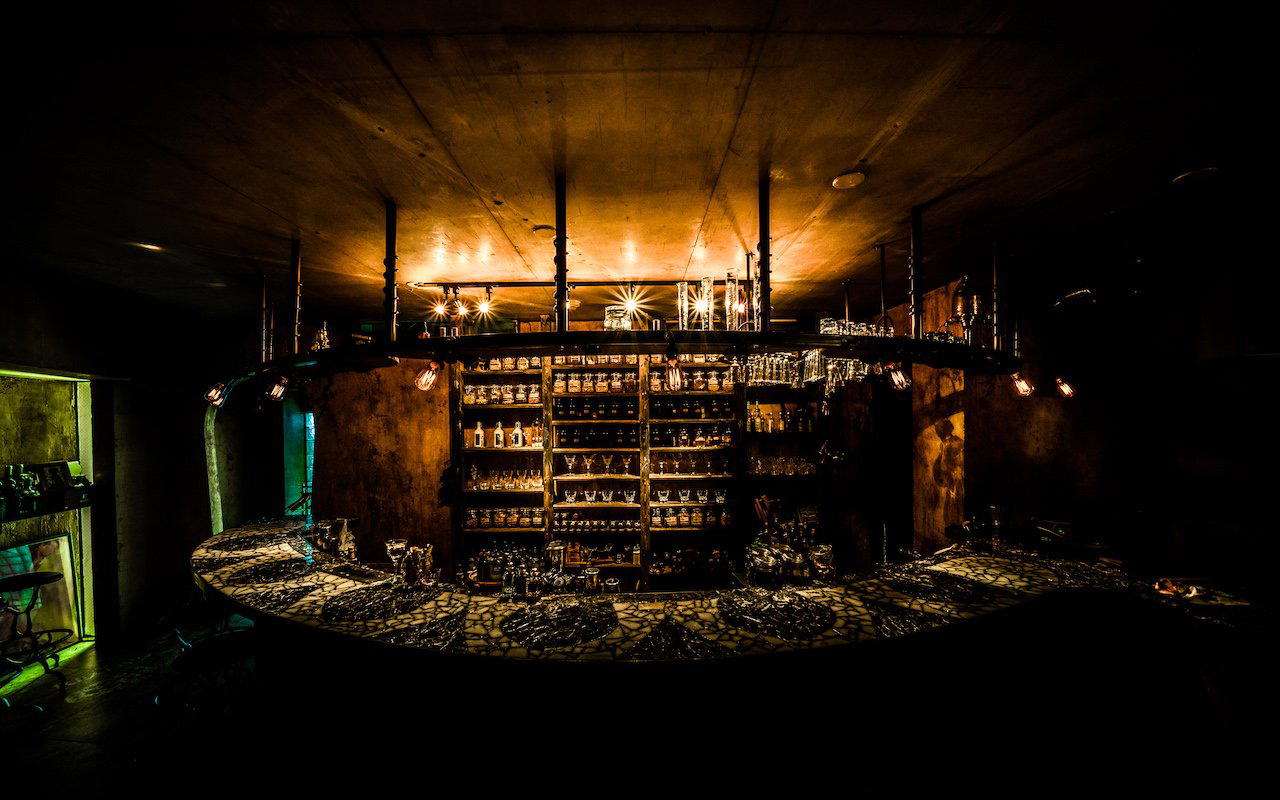
Wineries in Osaka
Browse all →
At a Glance
- Lively
- Cozy
- Classic
- Family
- Group Dining
- Casual Hangout
- Solo
- After Work
- Celebration
- Standalone
- Sake Program
Casual, cozy neighborhood eatery with sunken tatami seating and a lively, bustling atmosphere typical of popular Osaka okonomiyaki shops.