
Chifa TITI is Lima chifa seen through heat, timing, and Cantonese-Peruvian continuity rather than fusion shorthand. Its 2026 Opinionated About Dining ranking at No. 81 in South America gives it a useful marker in a city better known internationally for cevicherías, picanterías, and tasting-menu Peruvian restaurants.
Pearl is the En Primeur Club membership app — saves, bookings, and concierge access live there. Same editors, same standards.
- Address
- Av. Javier Prado Este 1212, Lima 15036, Peru, Lima, Lima, Peru
- Phone
- +51 952 770 672
- Website
- chifatiti.com
 Saves & bookings on Pearl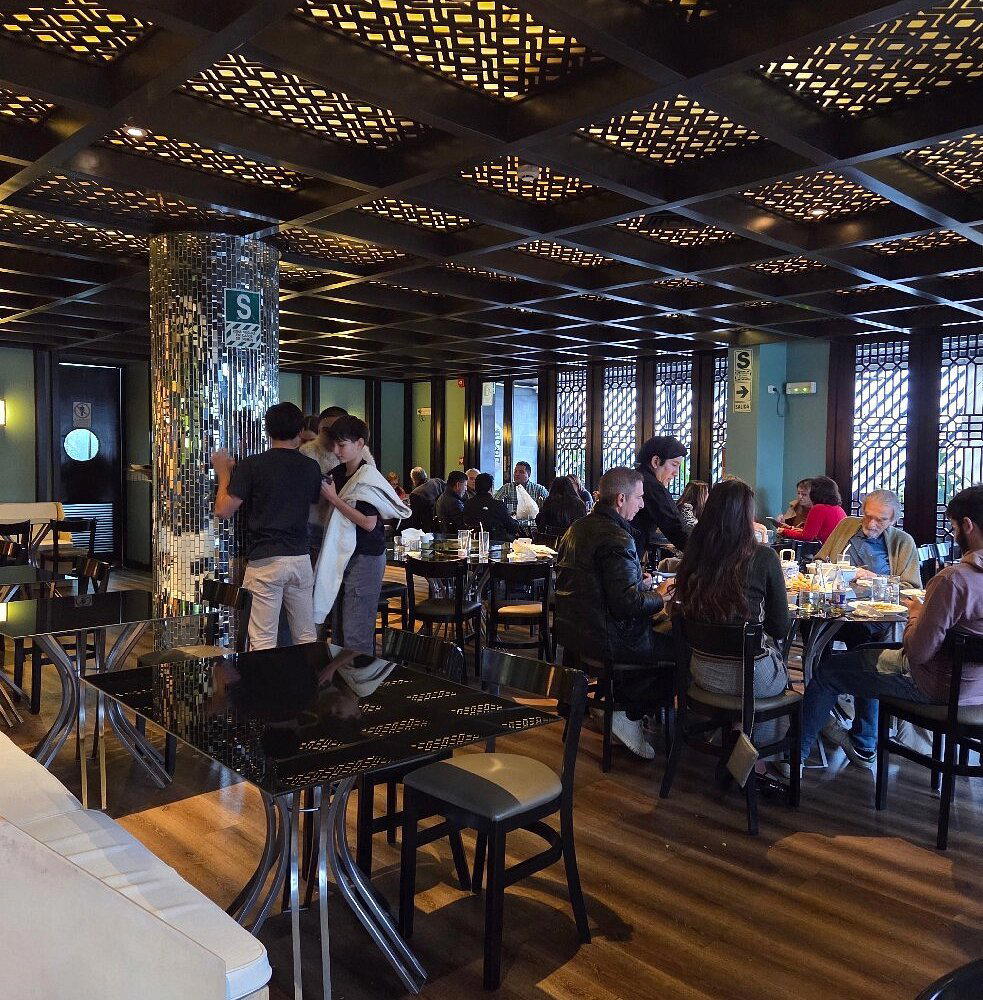
The first signal in a serious chifa room is not decoration but pace: plates moving fast, conversations rising over the scrape of serving spoons, and the kitchen working in short, hot bursts. Lima’s Chinese-Peruvian dining culture has always depended on that rhythm. Wok cooking rewards seconds rather than minutes, and the difference between a dish that feels alive and one that feels heavy often comes down to heat control, order of ingredients, and the cook’s confidence at the flame.
Chifa TITI belongs to that part of Lima dining where Chinese technique is not a novelty imported for contrast, but part of the city’s ordinary culinary grammar. Chifa grew out of Cantonese migration to Peru from the nineteenth century onward, then became local through ingredients, habits, portions, and the Peruvian appetite for shared tables. In a city often framed abroad through Nikkei polish, ceviche counters, and tasting menus, chifa explains another side of Lima: family dining with speed, generosity, and technical discipline hiding in plain sight.
Wok heat is the real test of Lima chifa
The editorial point here is not simply that the cuisine is Chinese. In Lima, the Chinese restaurant category covers everything from neighborhood lunch rooms to large-format family institutions, and the difference is usually felt in the wok. High-heat cooking has little tolerance for hesitation. Vegetables need snap without rawness, rice needs separation without dryness, sauces need to coat rather than drown, and proteins need to finish before steam takes over. Wok hei, often translated as the breath of the wok, is not a garnish; it is the fleeting smoky edge produced by high heat, oil, movement, and timing.
That makes chifa a useful counterpoint to Lima’s more internationally legible dining forms. A picantería may build authority through regional memory and long-simmered flavor, as seen in the northern focus of Alegrîa Picantería Piurana. Anticucho specialists such as Anticuchería Doña Pochita and Anticuchos Grimanesa rely on charcoal, marinade, and late-day appetite. Modern Peruvian dining, represented in another register by Astrid & Gastón, often turns national ingredients into a more formal narrative. Chifa works differently: it compresses skill into speed and makes a table read the kitchen’s timing almost immediately.
Chef Bruce Loo’s name gives the restaurant a clear authorship marker, but the stronger story is the category itself. Lima does not need chifa explained as fusion; the city has already absorbed it. The better question is which rooms preserve the muscular, high-temperature character of the tradition rather than softening it into generic pan-Asian comfort. Recognition from Opinionated About Dining, which placed Chifa TITI at No. 81 on its 2026 South America Top Restaurants list, matters because it identifies chifa within a regional ranking field that often tilts toward tasting-menu ambition and chef-driven Peruvian formats.
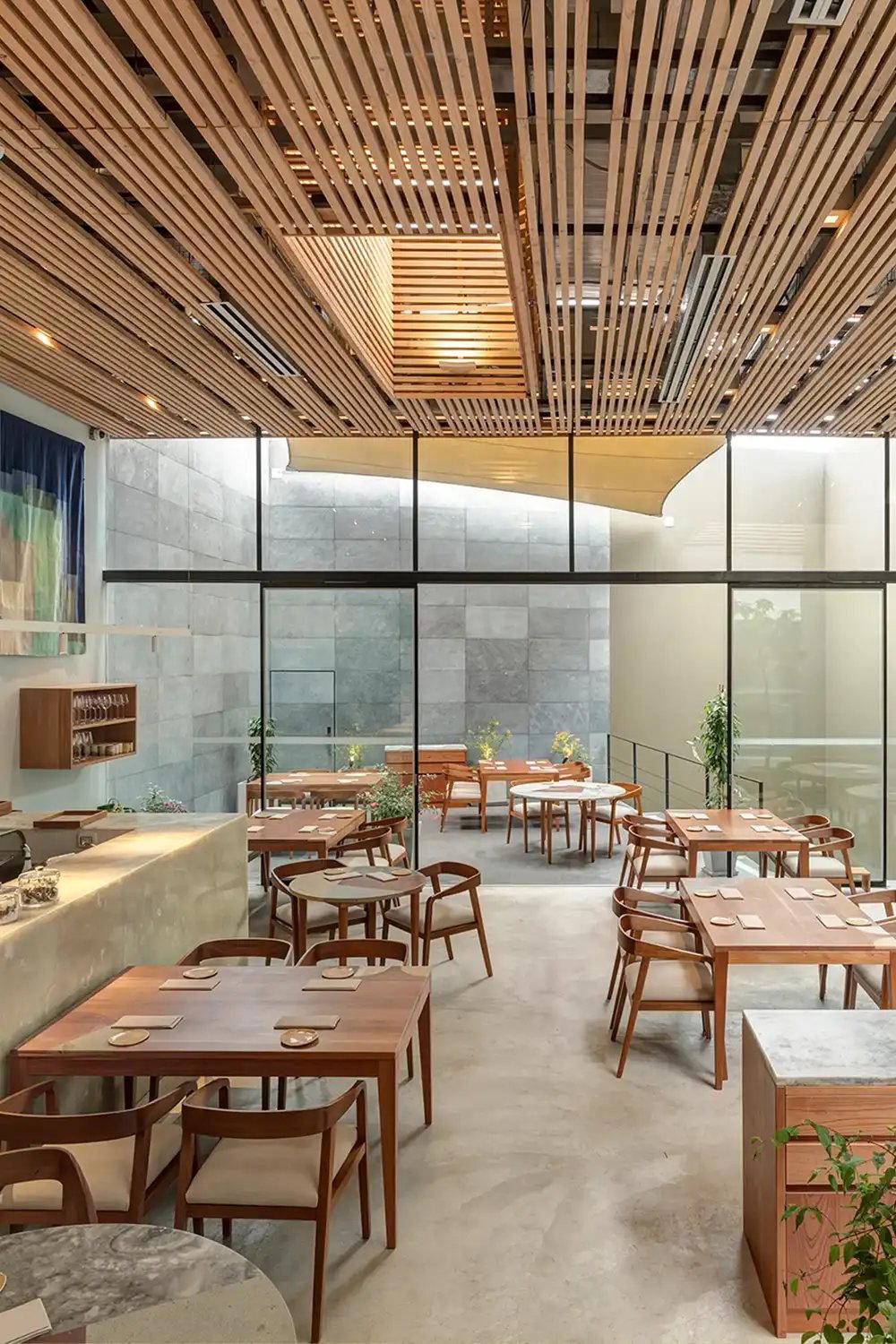
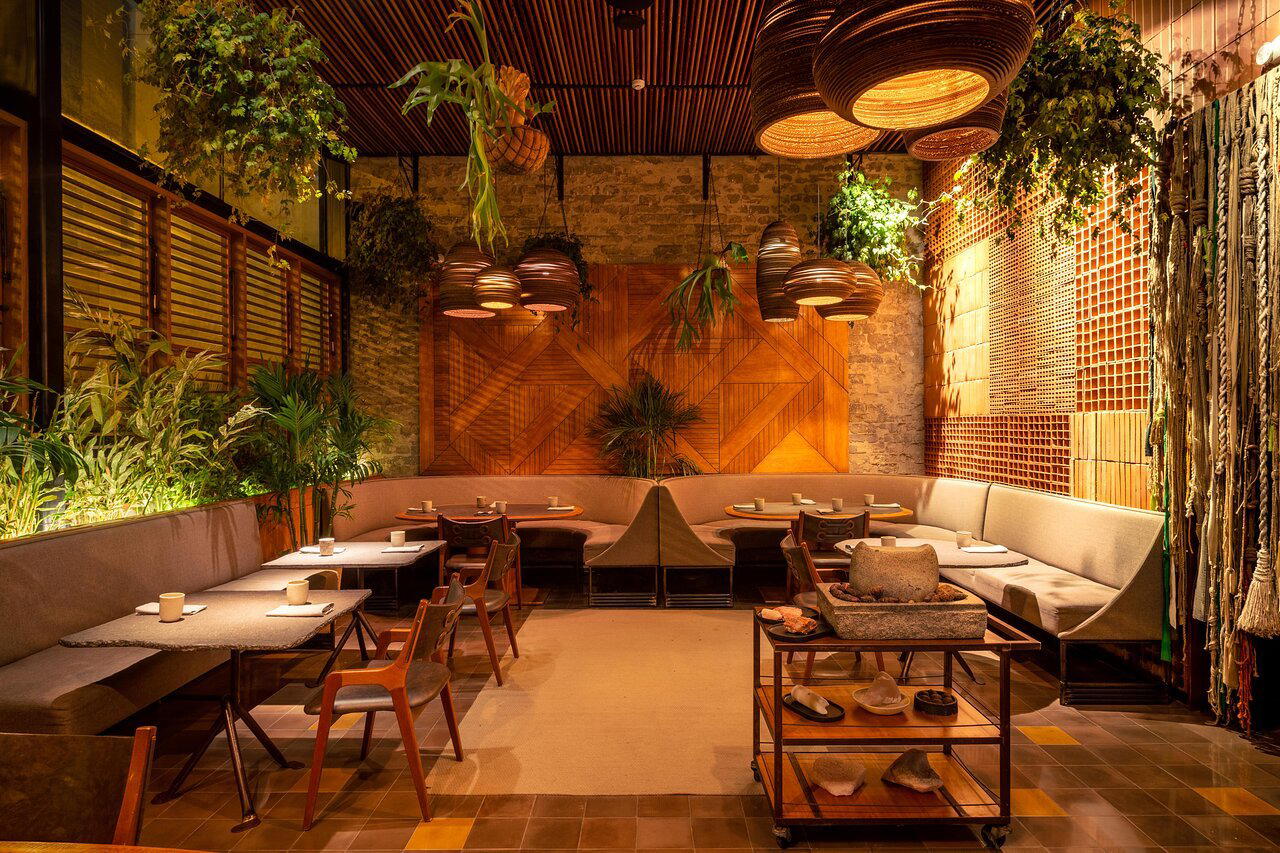
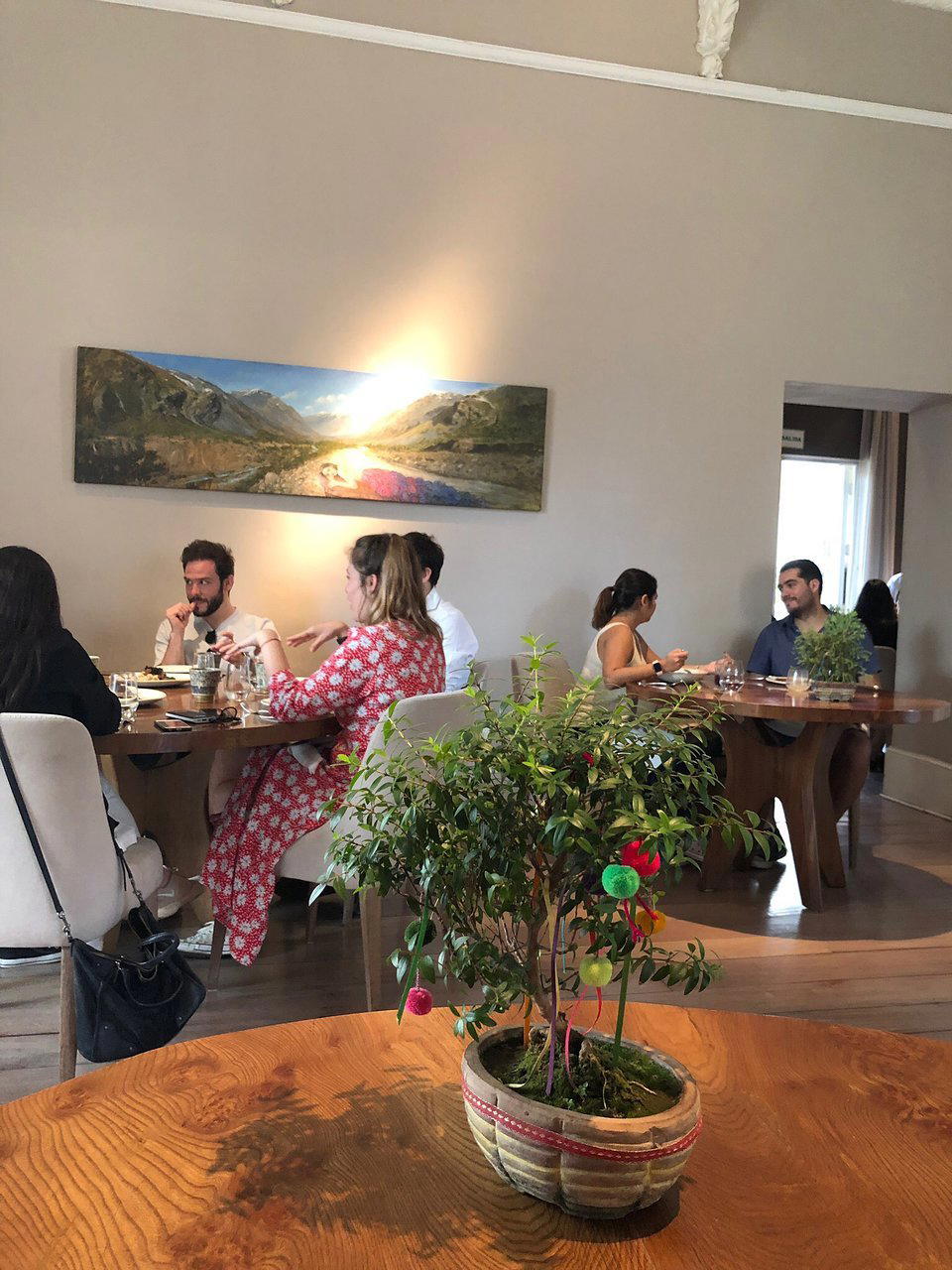
Why the room matters as much as the menu
Chifa is built for sharing, and that changes how a meal should be read. A solo plate can flatten the experience; a table of dishes shows the kitchen’s range across textures, sauces, frying, steaming, and wok work. The format is closer to collective calibration than sequential fine dining. The pleasure comes from contrast arriving at once: crisp against sauced, rice against protein, light vegetable work against richer dishes, and speed against the relaxed sprawl of a Lima meal.
For travelers, that makes this genre especially useful in Lima. It sits outside the usual circuit of destination tasting menus but remains central to how the city eats. Anyone mapping the capital only through polished Peruvian dining misses the Chinese-Peruvian layer that shaped everyday restaurant culture long before global rankings turned Lima into a culinary headline. For a wider sense of the city’s range, Our full Lima restaurants guide places chifa alongside Peruvian regional rooms, grill culture, bars, and hotel dining; Our full Lima bars guide, Our full Lima hotels guide, Our full Lima wineries guide, and Our full Lima experiences guide help separate dinner planning from the rest of the trip.
The useful ordering logic is breadth rather than trophy hunting. Chifa rewards a table that lets the kitchen move through several techniques instead of reducing the meal to a single famous plate. Fried textures need to be eaten quickly, wok dishes lose their edge if they sit, and sauced preparations make more sense when balanced by rice and cleaner vegetable work. The smart move is to treat the meal as a sequence of contrasts, even when dishes arrive in a more casual rhythm than a tasting menu.
Where it fits in a Peru itinerary
Within Peru, Chifa TITI gives Lima a different kind of anchor from the coastal, Andean, and regional restaurants that shape many itineraries. Travelers continuing south might read it against Alma Bar Restaurante in Arequipa, As De Oro in Pisco, Ballestas Restaurant in Paracas, or Bistrot Bastille in Ica, each of which belongs to a different travel rhythm. Further inland, Café Inkaterra in Machu Picchu serves a different purpose again, tied more tightly to lodge-style itinerary planning than to Lima’s urban restaurant culture.
The broader Asian dining conversation also matters. Asianica in Miraflores points to another Lima expression of Asian influence, while Tokyo’s Chinese fine-dining sphere, including 4000 Chinese Restauranat and 4000 Chinese Restaurant, shows how differently the same culinary inheritance can be framed in another capital. Lima’s chifa is less about rarefaction and more about integration: Chinese technique turned into a local habit, then judged by whether the wok, the table, and the room keep pace with one another.
The verdict is practical and cultural at once. This is a Lima table for readers who want the city’s Chinese-Peruvian tradition treated as a core part of the dining map, not a detour between ceviche and tasting menus. Its OAD placement supplies the external marker; the deeper reason to pay attention is the way chifa turns flame, speed, and shared eating into a language Lima understands fluently.
Reputation & Price
Comparable venues nearby, for context on price, style, and recognition.
| Venue | Cuisine | Price | Notes |
|---|---|---|---|
| Chifa TITIThis venue — the venue you are viewing | San Isidro, Chinese-Peruvian Chifa | $$ | Not listed |
| Alegrîa Picantería Piurana | Not listed | $$ | Miraflores, Traditional Piuran Peruvian Picantería |
| La Picanteria | Not listed | $$ | Surquillo, Northern Peruvian Seafood Cevicheria |
| Osso - La Molina | La Molina, Modern Peruvian Steakhouse | $$$ | Not listed |
| Bonbons Confits et Chocolats | Not listed | $$ | San Isidro, Peruvian Confectionery and Chocolates |
| Cevichería Chicho | Not listed | $$ | Chorrillos, Authentic Peruvian Cevicheria |
Recognition history
Dated appearances from independent guides and award organizations, with the underlying list record or original source where available.
Opinionated About Dining Top Restaurants in South America Ranked #81
Opinionated About Dining

At a Glance
- Modern
- Minimalist
- Lively
- Family
- Group Dining
- Casual Hangout
- Celebration
- After Work
- Standalone
Current opening hours
- Monday
- Closed
- Tuesday
- 12:45–2:45 PM, 6:45–8:30 PM
- Wednesday
- 12:45–2:45 PM, 6:45–8:30 PM
- Thursday
- 12:45–2:45 PM, 6:45–8:30 PM
- Friday
- 12:45–2:45 PM, 6:45–8:30 PM
- Saturday
- 12:45–2:45 PM, 6:45–8:30 PM
- Sunday
- 12:45–3:45 PM
Hours can change for holidays and private events. Last verified .