Chic Nonna


Chic Nonna brings Italian regional cooking to DIFC's Gate Avenue with consecutive Michelin Plate recognition in 2024 and 2025, placing it among Dubai's more credentialed Italian addresses. Under chefs Francesco Torcasio and Giuseppe Pezzella, the kitchen leans into the kind of Italian cooking that rewards familiarity rather than novelty..
Pearl is the En Primeur Club membership app — saves, bookings, and concierge access live there. Same editors, same standards.
- Address
- DIFC, Gate Avenue Mall Zone D - Dubai - United Arab Emirates
- Phone
- +971 4 605 2000
- Website
- chicnonna.com
- Directions
- Get directions
 Saves & bookings on Pearl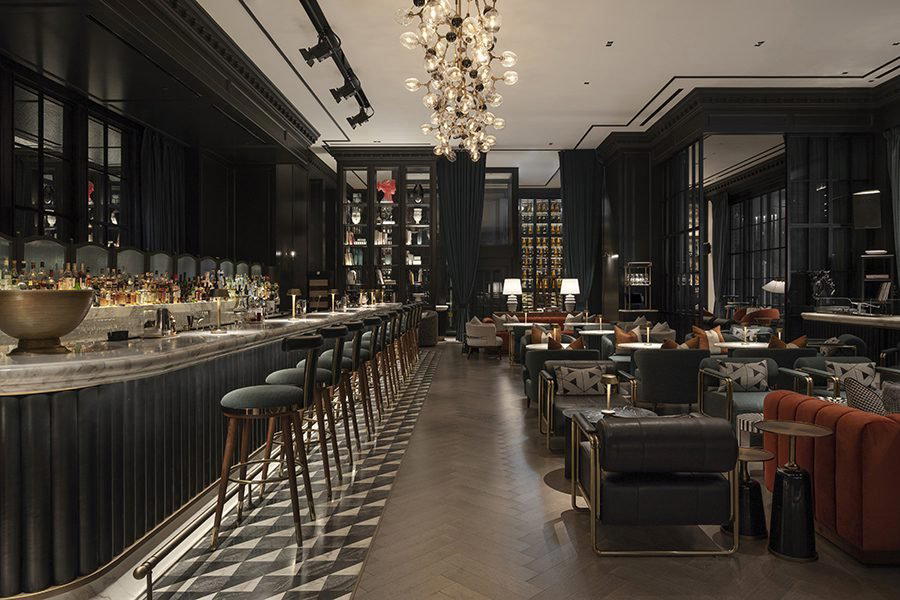
Italian Fine Dining in DIFC: Where Chic Nonna Sits in the Market
Dubai's Italian dining tier has widened considerably over the past decade. The city now holds everything from hotel-anchored fine dining rooms to neighbourhood trattorias, with a mid-upper bracket that has grown particularly competitive in the Financial Centre corridors. DIFC's Gate Avenue has become a reliable address for this kind of serious-restaurant density, where the audience skews toward regulars with high expectations and limited tolerance for tourist-facing performance. Cinque and Fi'lia operate in the same broader category, while hotel-anchored rooms like Il Ristorante-Niko Romito, Armani Ristorante, and Armani Amal hold a different institutional position. Chic Nonna occupies its own coordinates in this field: Michelin-recognised, independently positioned, and priced at the summit of the market.
Consecutive Michelin Plate listings in 2024 and 2025 place Chic Nonna inside a curated tier of Dubai restaurants that Michelin's inspectors consider worth the attention of a diner. A Plate does not carry the weight of a star, but in a market where Michelin recognition is still relatively recent and the total universe of listed venues remains selective, it functions as a meaningful signal. It places the kitchen inside a quality bracket, not at the ceiling of it, which is a useful piece of positioning intelligence for anyone comparing options in DIFC.
The Room and Its Register
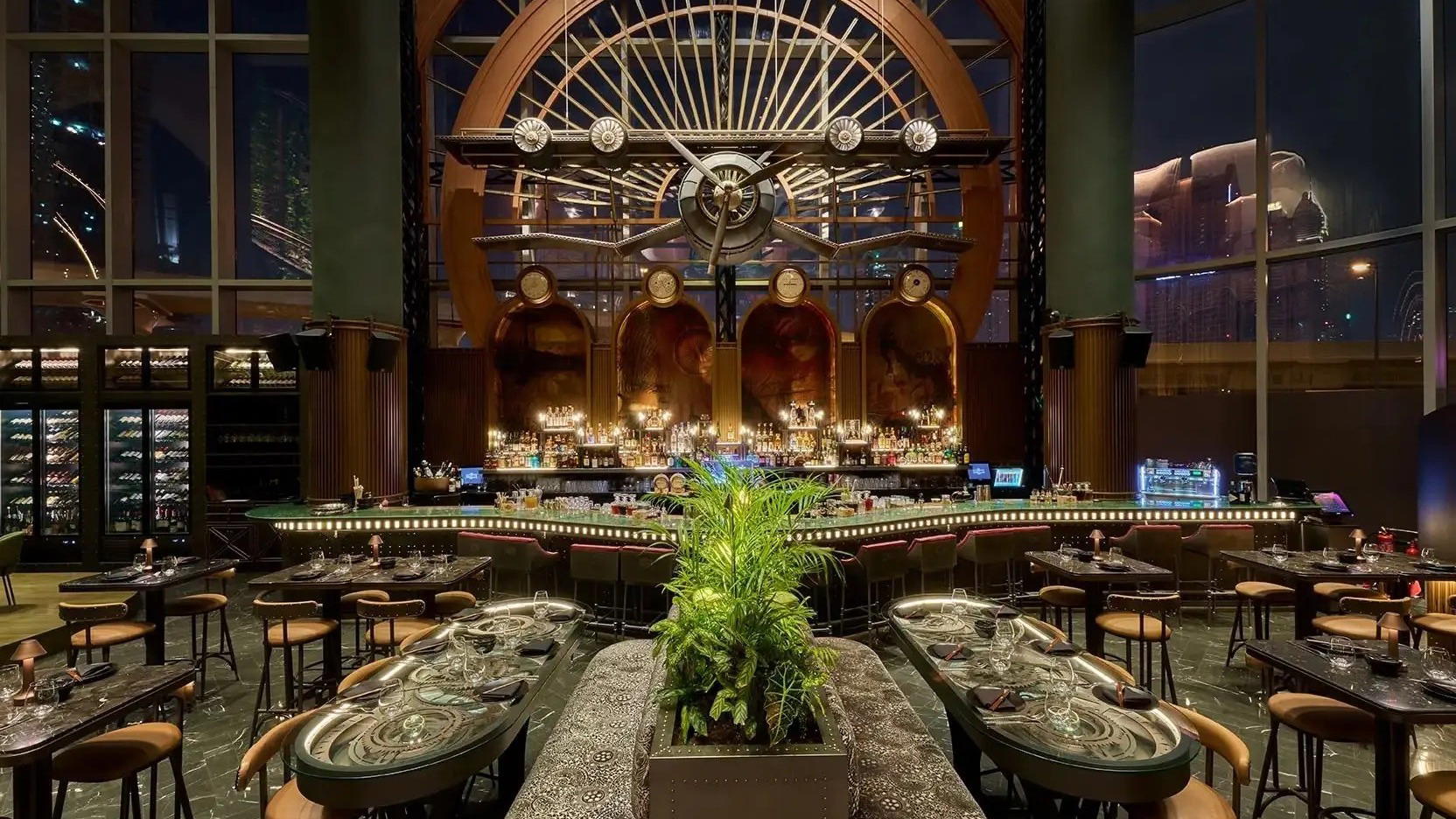
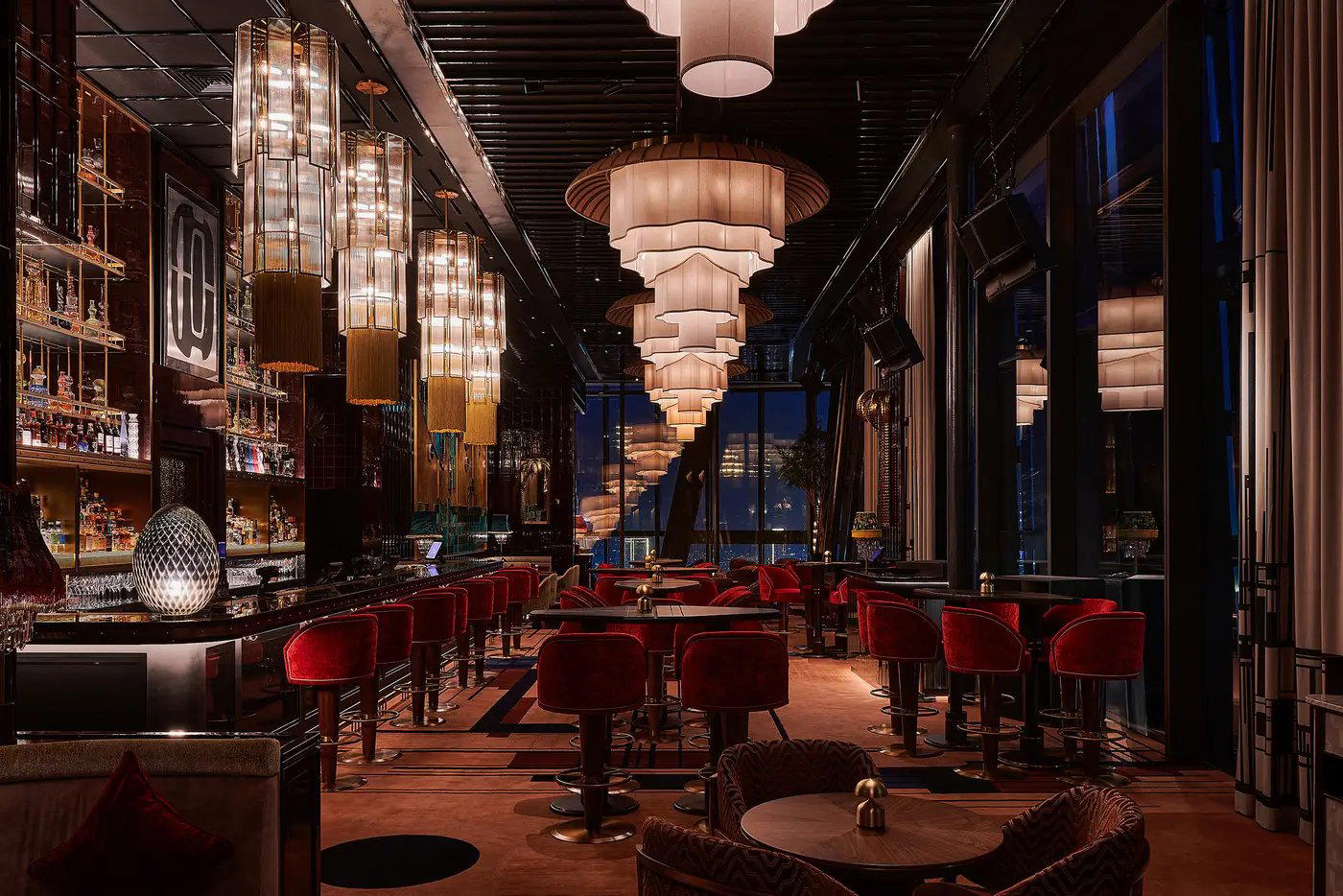
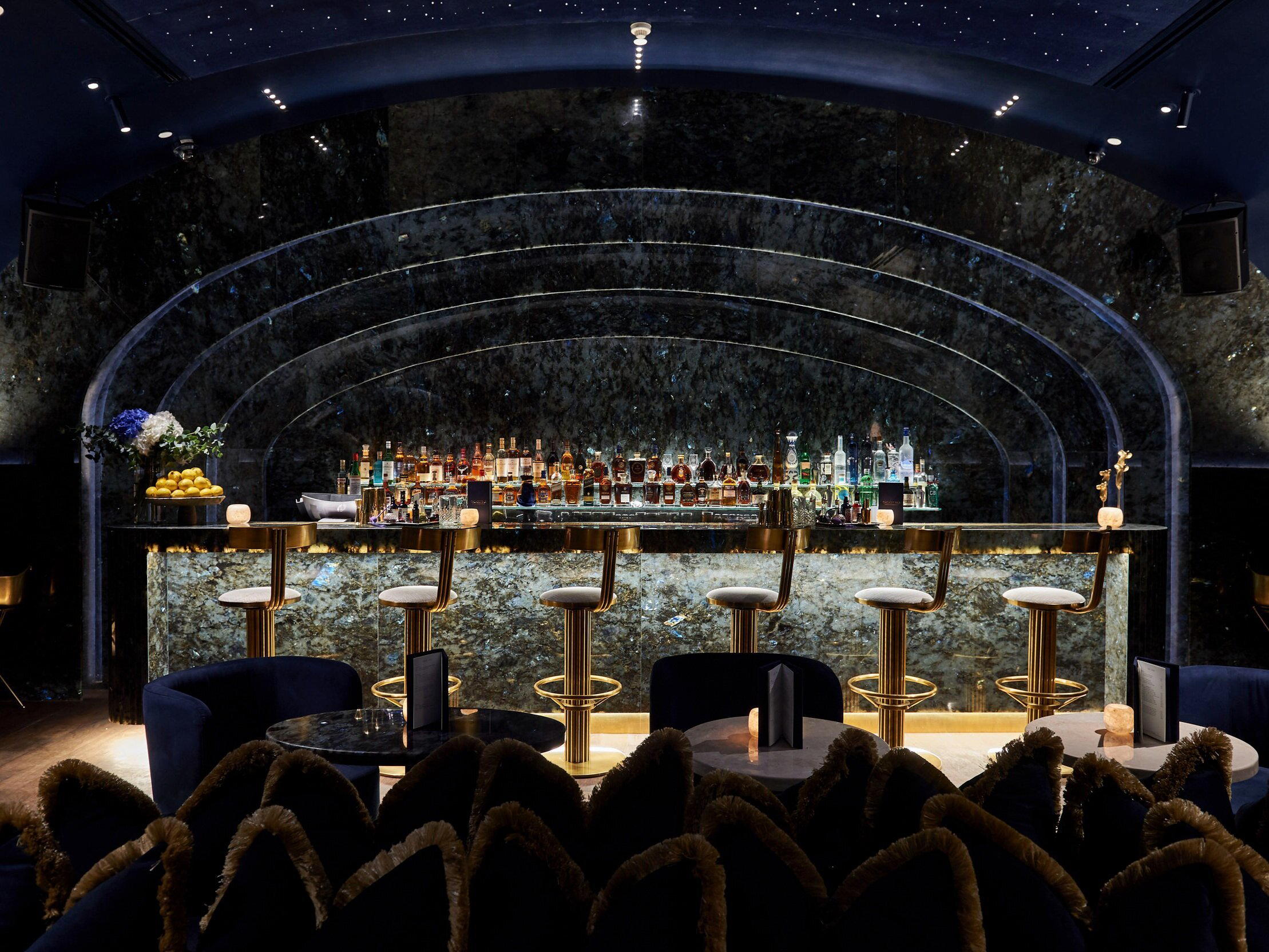
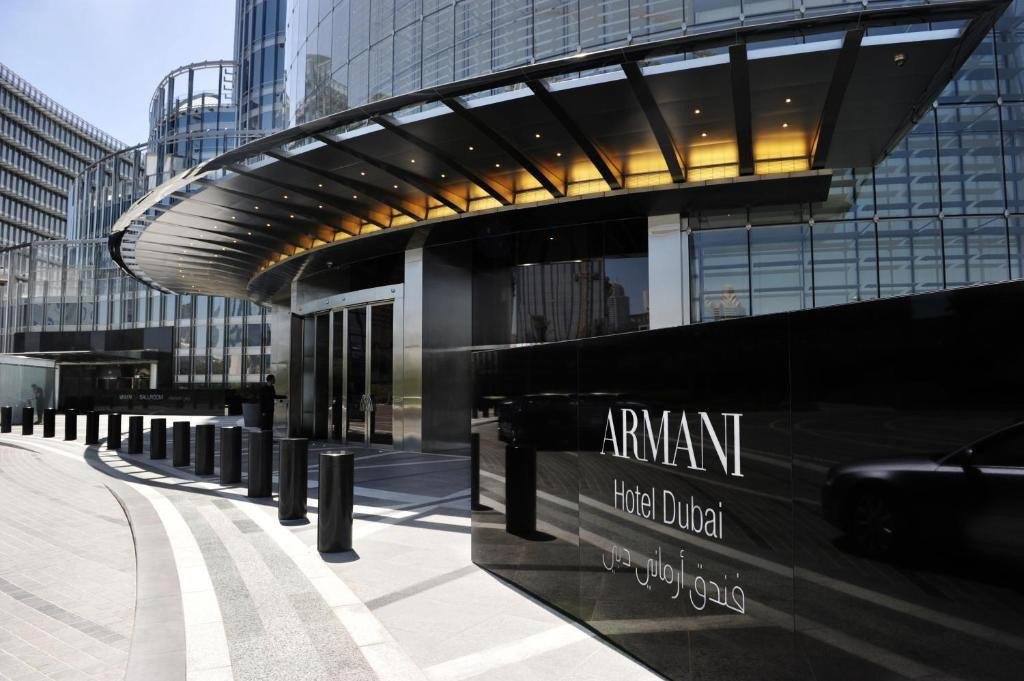
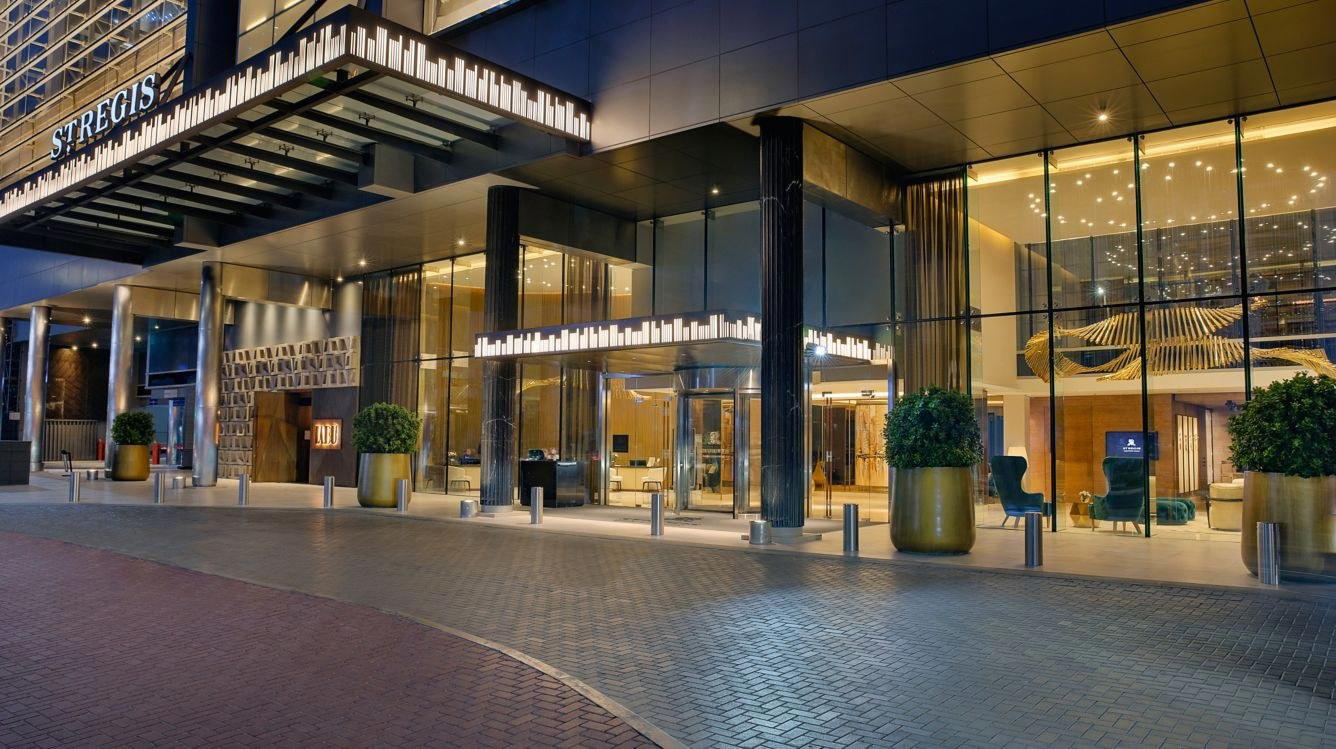
Approaching the Gate Avenue entrance, the architecture around the restaurant does the contextual work immediately. Gate Avenue is a purpose-built dining and retail corridor inside DIFC's financial infrastructure, which means the surroundings are polished, climate-controlled, and designed for an after-work and weekend crowd that already knows what it wants. The name itself carries a deliberate warmth that reads as a counterpoint to the corporate precision of the address. In Italian restaurant culture, the concept of the grandmother's kitchen, with its preference for technique absorbed over time rather than theatrical innovation, is a recurring framing device. Here it functions less as a literal reference and more as a positioning signal: this is a room that values craft over showmanship.
At that volume, a 4.5 average reflects sustained execution rather than a single strong run. The comparison set is instructive: in the same city and price range, consistently holding above 4.4 across several hundred reviews is harder than it appears in a market with high diner expectations and vocal reviewers.
A Kitchen That Earns Recognition Twice
The pattern of consecutive Michelin Plate recognition is worth reading carefully. In Michelin's framework, a Plate signals good cooking as a floor-level qualifier, distinct from but not unrelated to the trajectory toward star candidacy. For a restaurant to hold that designation in consecutive guides, the kitchen must satisfy inspectors across multiple anonymous visits across different periods. Chefs Francesco Torcasio and Giuseppe Pezzella have delivered that consistency, which matters more as evidence than any individual dish description.
Italian restaurants that reach this tier in non-Italian markets tend to navigate a particular tension. The audience often arrives with strong preconceptions about what Italian food should be, shaped by everything from Roman holidays to New York red-sauce memories. The kitchens that earn Michelin recognition in cities like Dubai, Hong Kong, or Tokyo typically resolve that tension by committing fully to a specific regional or technical position rather than accommodating every expectation. The parallel is visible in markets like Hong Kong, where 8½ Otto e Mezzo Bombana and Octavium have held recognition by anchoring to defined Italian traditions, or in Tokyo, where PRISMA operates with similar discipline. In Kyoto, cenci blends Italian structure with local ingredients to similar effect. In Western markets, Frasca Food and Wine in Boulder and Osteria Mozza in Los Angeles demonstrate that Italian cooking earns Michelin attention globally when the regional commitment is genuine. 8½ Otto e Mezzo Bombana in Shanghai extends that argument across different market conditions. The restaurant's continued recognition suggests the kitchen has found that position and held it.
How the Venue Has Shifted Over Time
The editorial angle here is evolution: how a restaurant's identity sharpens or adjusts as the market around it changes. In DIFC specifically, the Italian dining field has grown more crowded and more technically demanding since the early years of the financial district's restaurant culture. A venue that earns Michelin recognition twice in that environment has not simply maintained a baseline; it has adapted to a rising standard. The 2025 Plate, following the 2024 listing, suggests the kitchen has not rested on initial recognition but continued to deliver at a level that satisfies returning inspectors. That iterative quality is what separates restaurants that collect a single mention from those that build a durable position in their city's dining map.
For a comparable premium address outside the emirate, Erth in Abu Dhabi offers a useful regional reference point.
Planning Your Visit
The restaurant sits inside Gate Avenue Mall Zone D in DIFC, accessible from the financial district's main pedestrian corridors and well-connected by metro to the rest of Dubai. The price range sits at the summit of the market ($$$$), which in Dubai's DIFC context means aligning expectations with the city's higher-end hotel dining rooms. Booking in advance is recommended.
A Minimal comparable set
Comparable venues nearby, for context on price, style, and recognition.
| Venue | Cuisine | Price | Notes |
|---|---|---|---|
| Chic NonnaThis venue — the venue you are viewing | Italian | $$$$ | Not listed |
| Cinque | Not listed | $$$$ | Palm Jumeirah, Modern Italian Fine Dining with Sicilian Seafood |
| Il Borro Tuscan Bistro Dubai | Umm Suqeim, Tuscan Bistro | $$$$ | Not listed |
| Social by Heinz Beck | Not listed | $$$$ | Palm Jumeirah, Modern Italian Fine Dining |
| L'Amo Bistro Del Mare | Palm Jumeirah, Italian Seafood Bistro | $$$$ | Not listed |
| Belcanto Restaurant at Dubai Opera | Not listed | $$$$ | Downtown Dubai, Modern Italian Fine Dining with Opera |
Recognition history
Dated appearances from independent guides and award organizations, with the underlying list record or original source where available.
Gault & Millau UAE Selected Restaurant
Gault & Millau · Gault & Millau UAE 2026 - Selected Restaurant
Michelin Plate
Michelin
Michelin Plate
Michelin

At a Glance
- Elegant
- Sophisticated
- Lively
- Date Night
- Business Dinner
- Special Occasion
- Open Kitchen
- Terrace
- Extensive Wine List
- Sommelier Led
- Skyline
Current opening hours
- Monday
- 12–11:30 PM
- Tuesday
- 12–11:30 PM
- Wednesday
- 12–11:30 PM
- Thursday
- 12–11:30 PM
- Friday
- 12–11:30 PM
- Saturday
- 12–11:30 PM
- Sunday
- 12–11:30 PM
Hours can change for holidays and private events. Last verified .
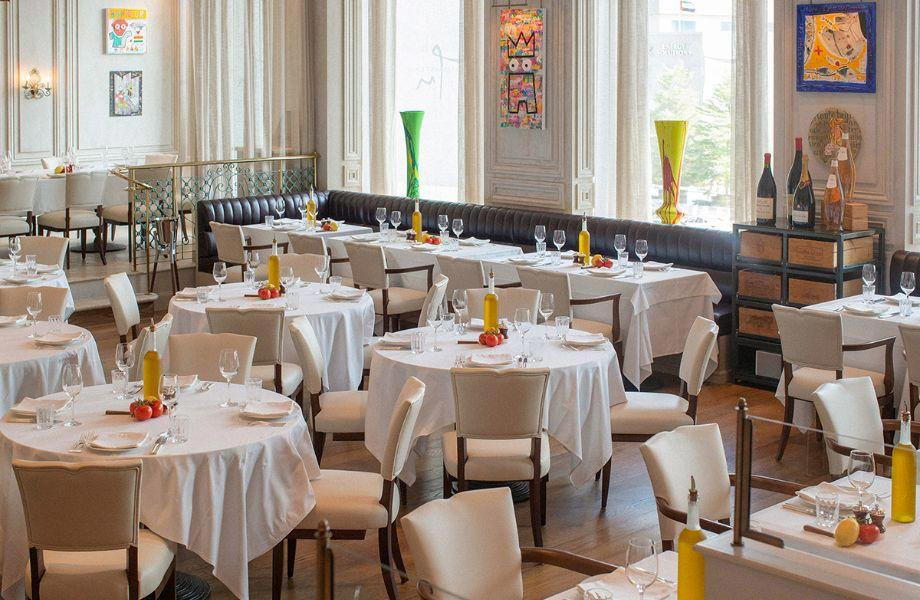
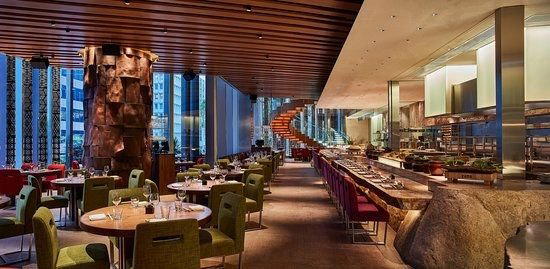
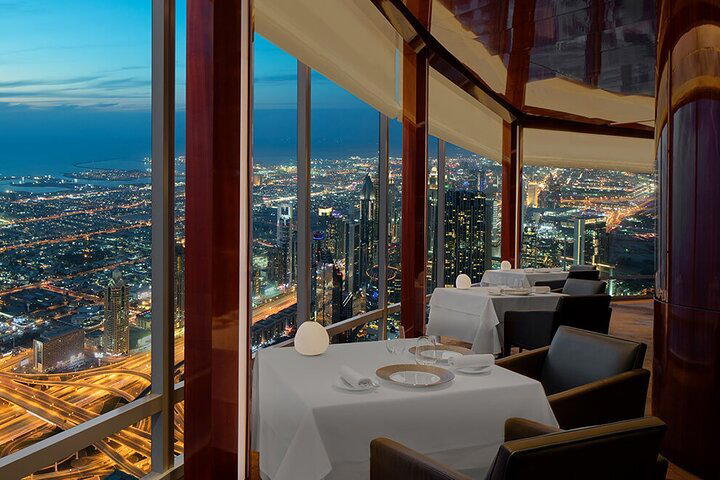
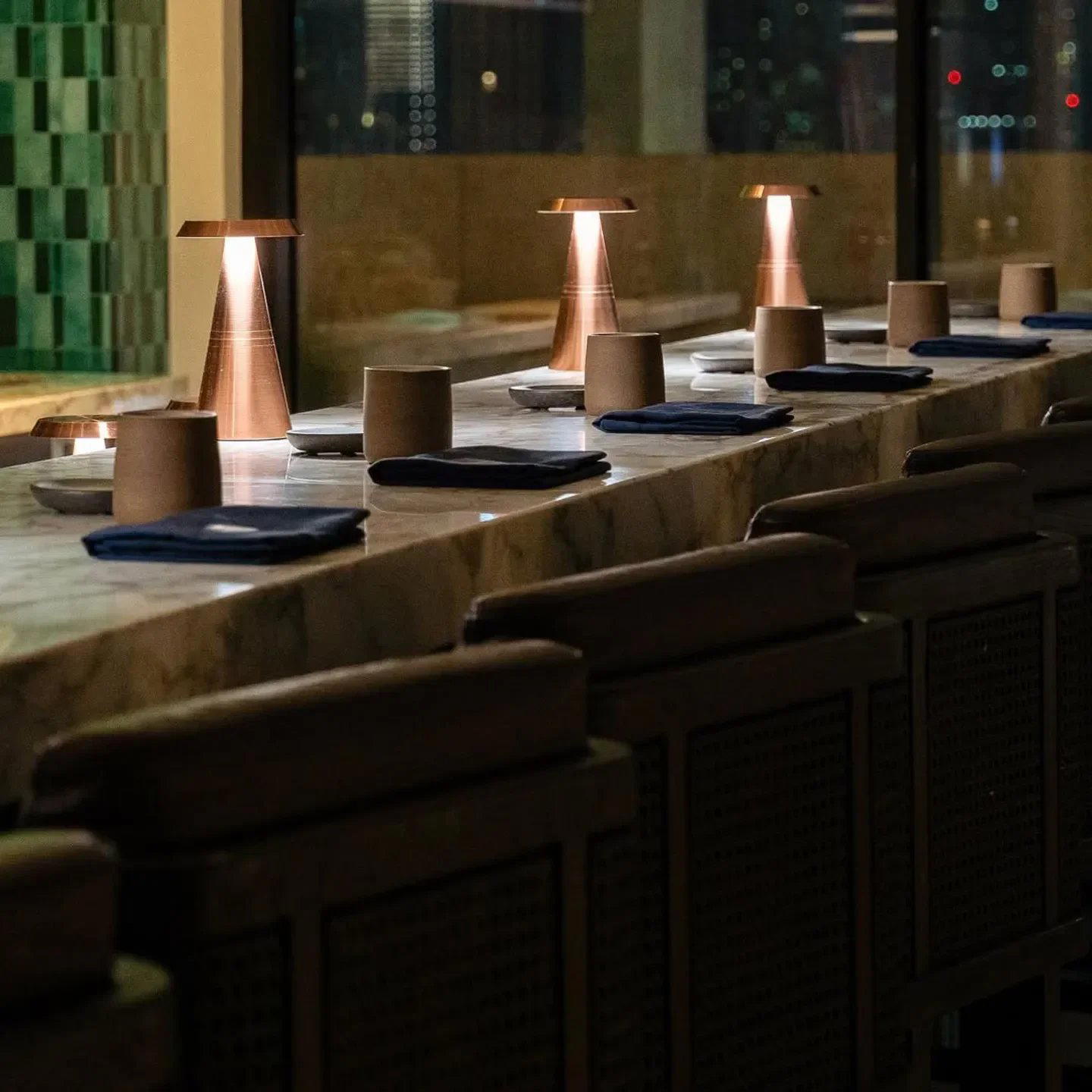
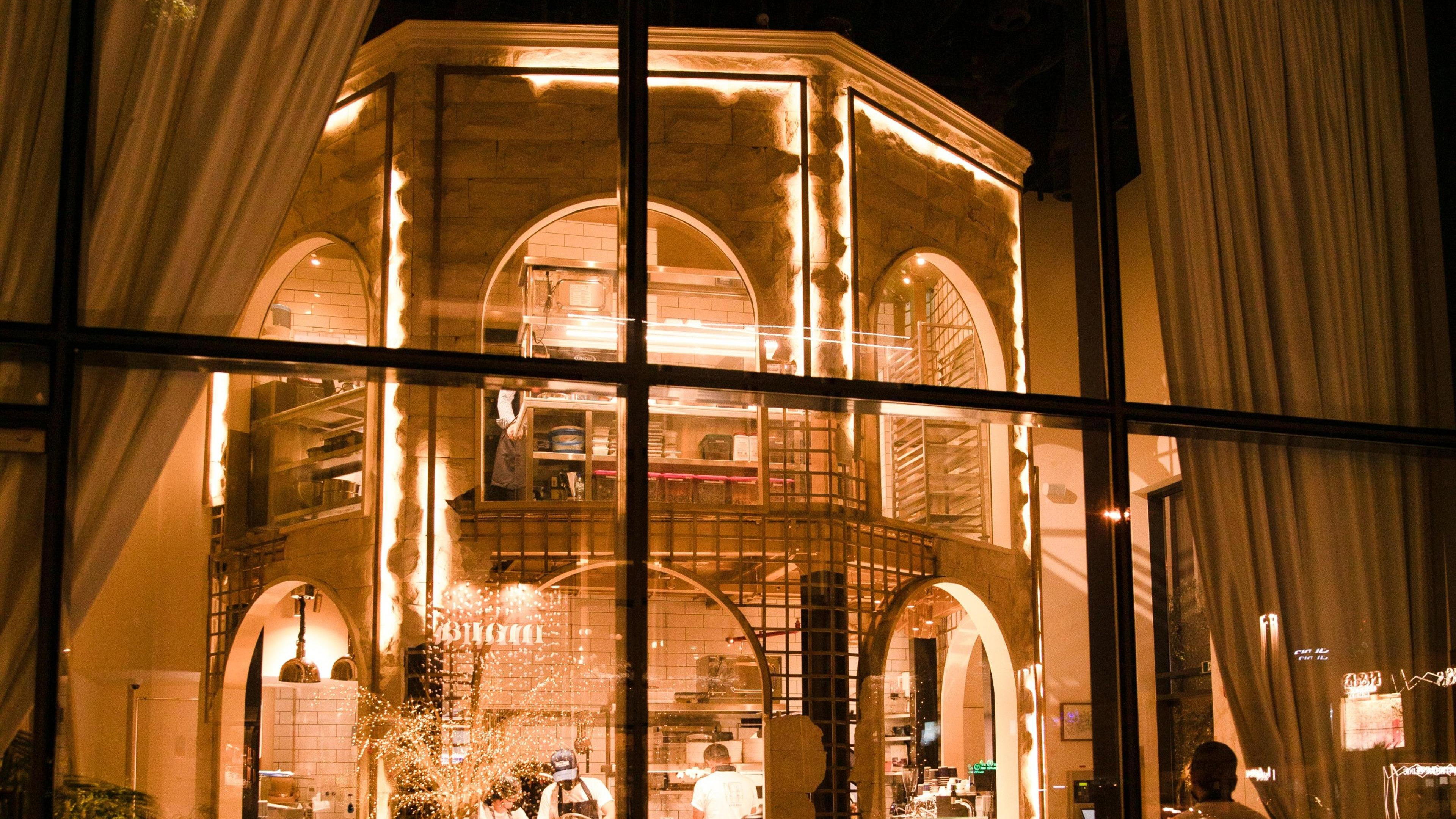
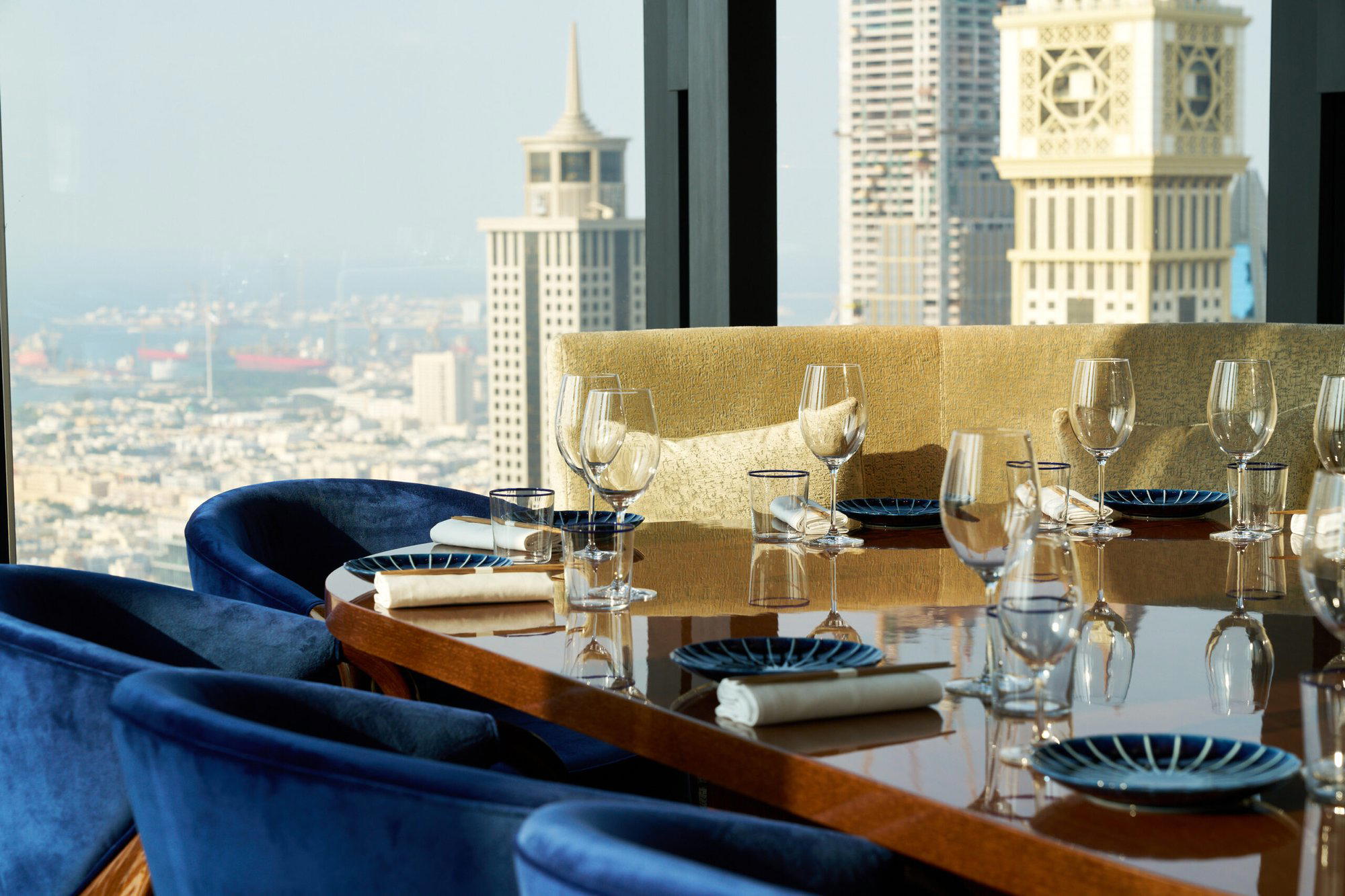
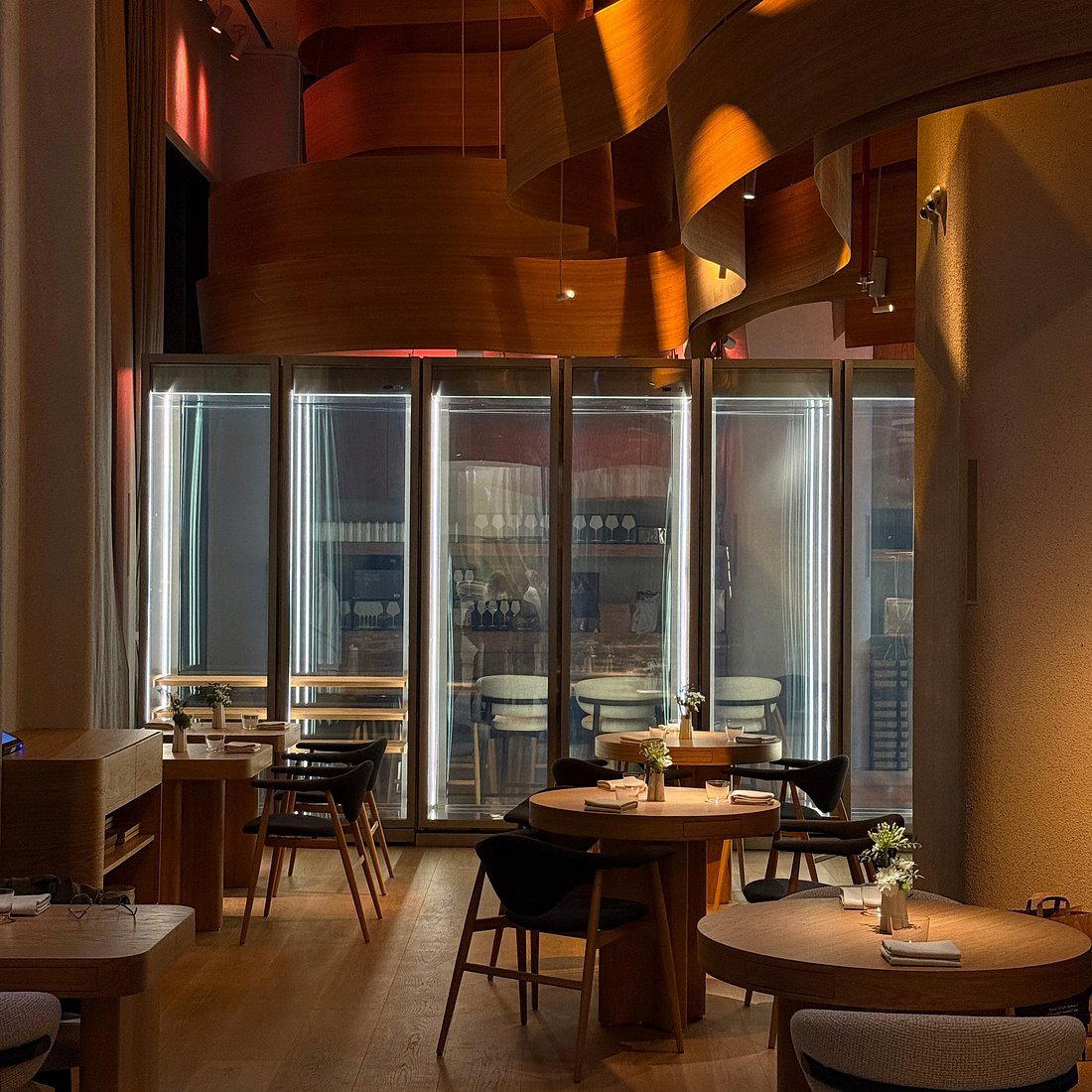
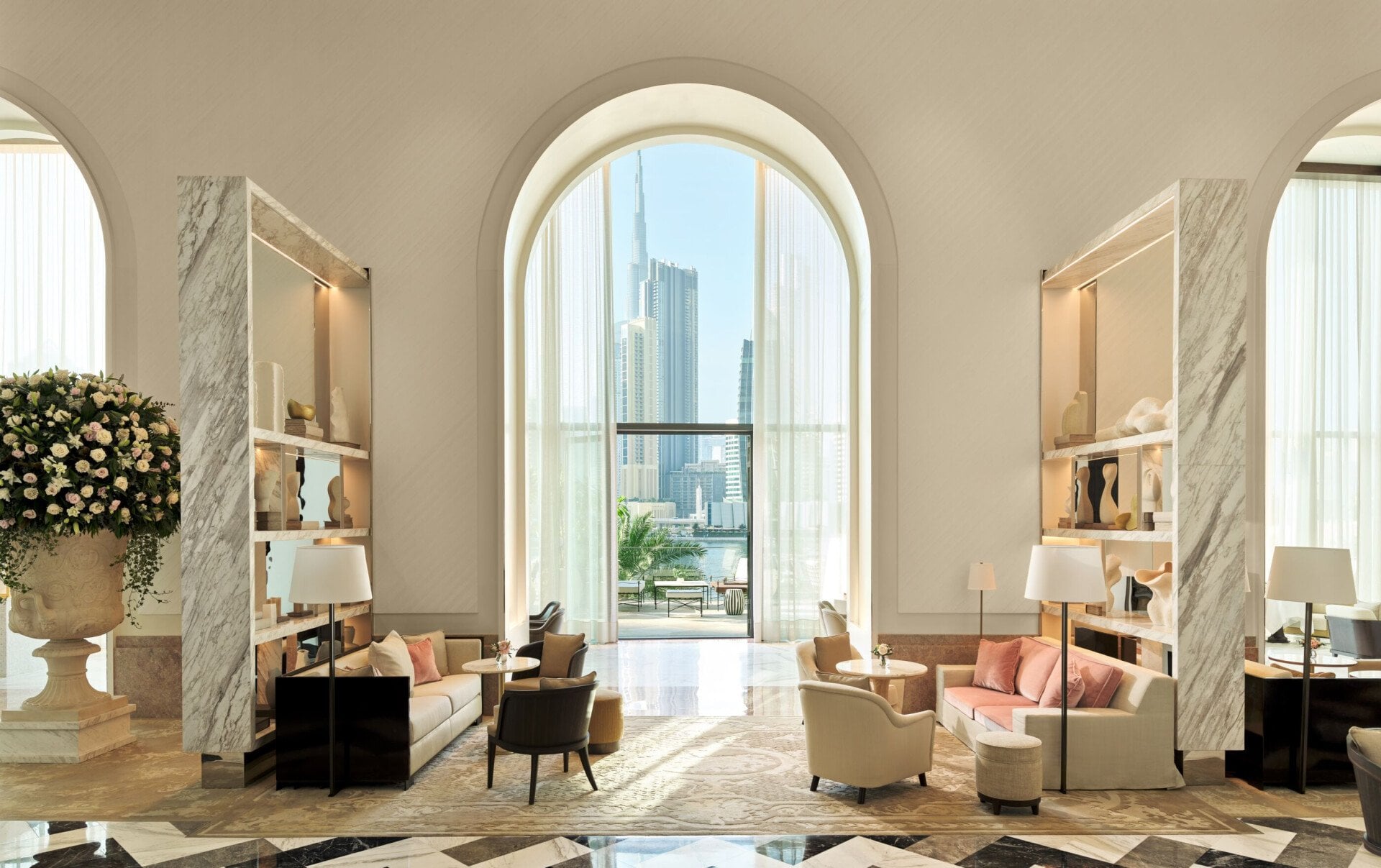
Elegant two-level space with luxury and warmth, open kitchen theater, chic lounge upstairs, beautifully detailed interiors, and mesmerizing skyline views.