On a narrow street in Rouen's medieval quarter, Chez L'Gros occupies the kind of address that Norman dining culture has always favoured: close to the market, unhurried in pace, and rooted in the region's larder. The room and the ritual here follow a tradition that positions this address firmly within Rouen's mid-range bistro tier, distinct from the creative tasting-menu format of neighbours like L'Odas.
Pearl is the En Primeur Club membership app — saves, bookings, and concierge access live there. Same editors, same standards.
- Address
- 42 Rue de la Vicomte, 76000 Rouen, France
- Phone
- +33232835723
- Website
- facebook.com
- Directions
- Get directions
 Saves & bookings on Pearl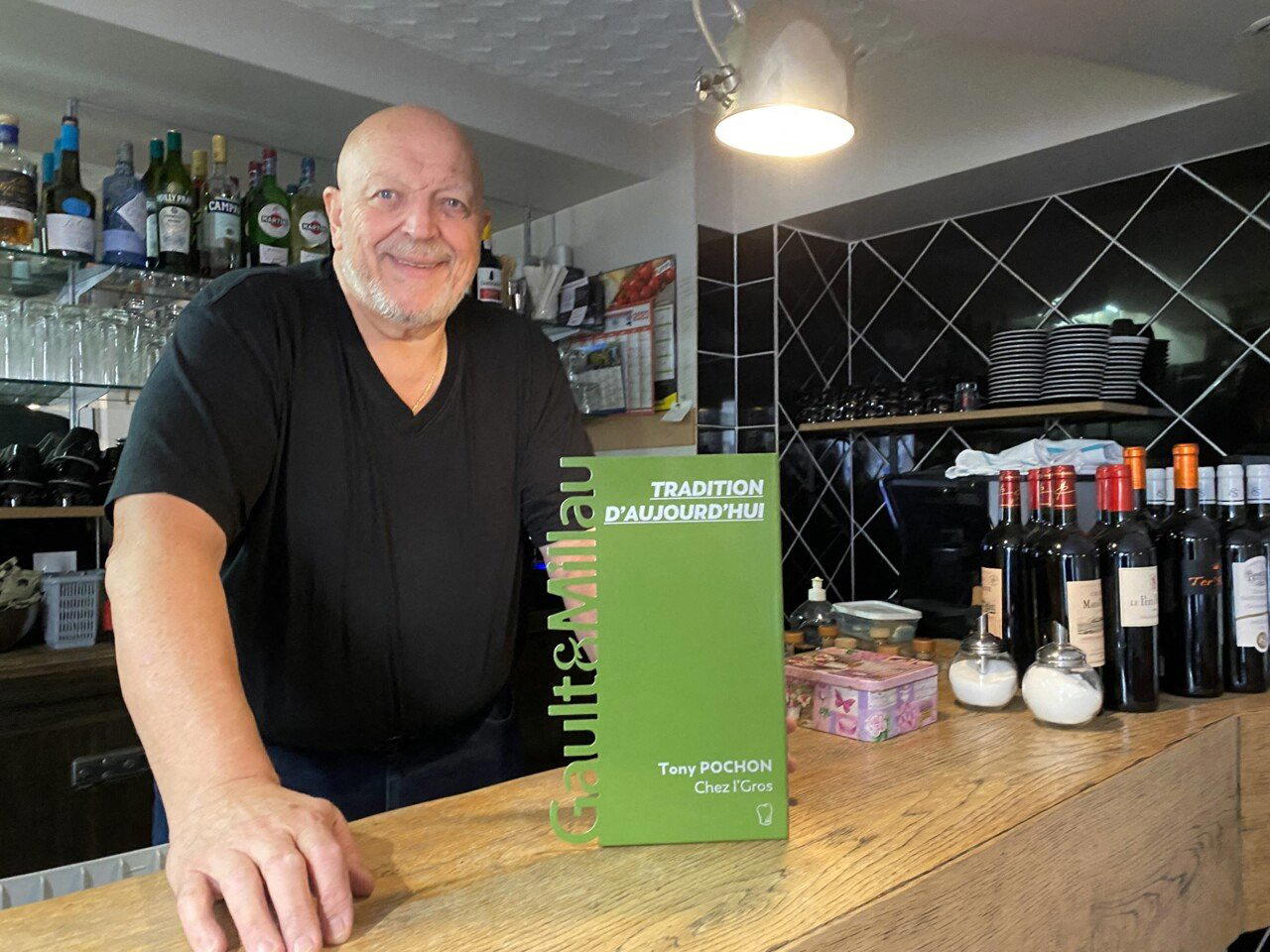
The Address and What It Signals
Chez L'Gros is a Traditional French Bistro in Rouen, France. Rue de la Vicomte sits a short walk from Rouen's cathedral quarter, in a part of the old city where the street grid narrows and the tourist flow thins. In French provincial dining, address is often shorthand for positioning: a restaurant on a lane like this one is almost certainly pitching to regulars and informed visitors rather than passing trade. Chez L'Gros occupies number 42 on that street, and the location suggests a room pitched to regulars and informed visitors.
Rouen's dining scene has two broad tendencies. One runs toward the creative, technique-driven end represented by addresses like L'Odas (Creative), where tasting menus and modern plating define the proposition. The other, older tendency is the Norman bistro or brasserie tradition: rooms that have been feeding the same neighbourhood for decades, with menus anchored in the region's dairy, apple, and seafood larder. Brasserie Paul and Au Flaméron represent different nodes within that second tendency. Chez L'Gros reads as a participant in the same tradition.
How the Meal Moves in a Room Like This
The dining ritual in Norman bistro culture follows a particular internal logic, and understanding it shapes how you experience a room like Chez L'Gros. Lunch here, as at comparable addresses in Rouen and across Normandy, is not a truncated version of dinner. It is its own event, often structured around a fixed-price formula that moves through three stages at a pace the kitchen, not the diner, controls. The French provincial table does not rush this. An aperitif, calvados in a serious Norman room, kir or a glass of local cider elsewhere, precedes a starter that functions as a declaration of the kitchen's intentions. What follows is a main built around protein with the kind of sauce work that defines the cuisine classique inheritance: cream reductions, cider-braised cuts, duck confit held at proper temperature.
This pacing is not incidental to the experience. It is the experience. The gap between courses in a well-run bistro is not service failure; it is the interval that allows a dish to be finished properly. Those who treat it as structure will find the meal organises itself around conversation, wine, and the pleasure of anticipation in roughly equal measure.
Norman cuisine operates on a short list of anchoring ingredients: Normandy cream, butter from the Cotentin or Pays d'Auge, apples and their fermented derivatives, cheese from a tradition that includes Camembert, Livarot, and Pont-l'Évêque, and seafood from the Channel coast. In a room positioned at this address, one instructive thing to watch is how those ingredients appear: whether cream is used with discipline or deployed as a generic lubricant, whether the apple brandy in a sauce is integrated or merely present. The answer to those questions tells you more about a kitchen's competence than any award.
Rouen's Bistro Tier in Context
France's provincial bistro culture exists in a different competitive frame from the country's decorated fine-dining establishment. The tables that hold Michelin stars in France, Flocons de Sel in Megève, Mirazur in Menton, Alléno Paris au Pavillon Ledoyen, or the multi-generational houses like Auberge de l'Ill in Illhaeusern and Georges Blanc in Vonnas, are operating on entirely different logics of prestige, price, and formality. The neighbourhood bistro is not a lesser version of that; it is a different category of thing.
In Rouen specifically, the mid-tier bistro occupies a position that the city's food culture depends on. The cathedral city draws visitors for its architecture and its Joan of Arc history, and many of those visitors want a meal that tastes of the region without requiring a jacket or a three-hour commitment. Addresses like Chez Philippe and ACQUA & FARINE serve different segments of that demand.
To understand what the bistro format represents at its most disciplined, it helps to think about what the French provincial meal is protecting against. The tasting menu format, as practiced at Troisgros - Le Bois sans Feuilles in Ouches, or in a different register at Lazy Bear in San Francisco, is controlled entirely by the kitchen. The bistro format, by contrast, gives the table some agency: you choose from a short menu, you eat at your own pace within the kitchen's rhythm, and the meal belongs to the occasion rather than to a chef's statement. That is a genuine value proposition, not a consolation for those who cannot get into the decorated houses.
Practical Notes for Visiting
The restaurant sits at 42 Rue de la Vicomte, 76000 Rouen. The address places it within walking distance of the cathedral and the Gros Horloge, Rouen's most-visited landmarks, which makes it a natural lunch stop for visitors spending a day in the city. Rouen is roughly 80 minutes from Paris Saint-Lazare by train, and the city is compact enough that most dining addresses in the old quarter are reachable on foot from the central station. Open Monday to Friday from 12 to 2 PM and 7:30 to 9 PM; closed Saturday and Sunday. Reservations are recommended. Dress code is casual.
Cuisine and Recognition
Comparable venues nearby, for context on price, style, and recognition.
| Venue | Cuisine | Price | Notes |
|---|---|---|---|
| Chez L'GrosThis venue — the venue you are viewing | Traditional French Bistro | $$ | Not listed |
| Le Bouillon d'Or | Traditional French Brasserie | $$ | Vieux Rouen |
| Le Veau d'Or | Traditional French Offal Bistro | $$ | :null |
| Gill Côté Bistro | Traditional French Bistro with Norman Specialties | $$ | Vieux Marché |
| Le P’tit Zinc | Classic French Bistrot Gastronomique | $$$ | Place du Vieux Marché |
| In Situ | French Bistrot with Local Products | $$ | centre ville |
Continue exploring
More in Rouen
Restaurants in Rouen
Browse all →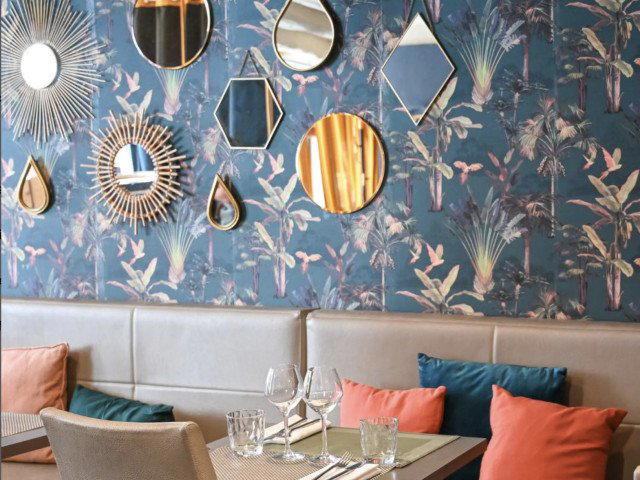
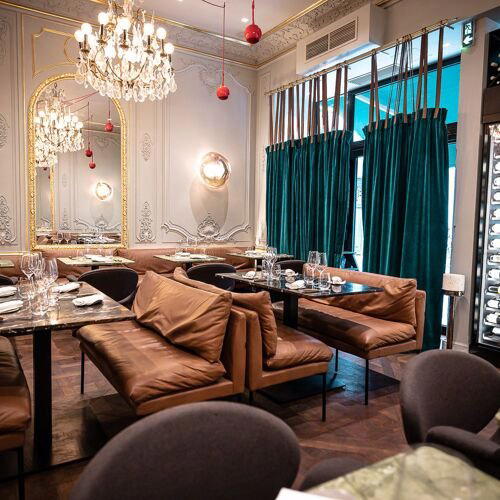
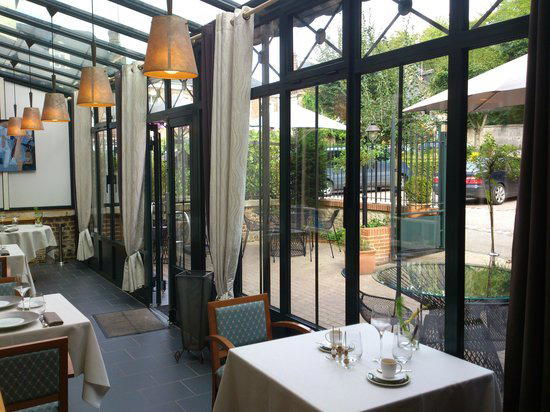
Hotels in Rouen
Browse all →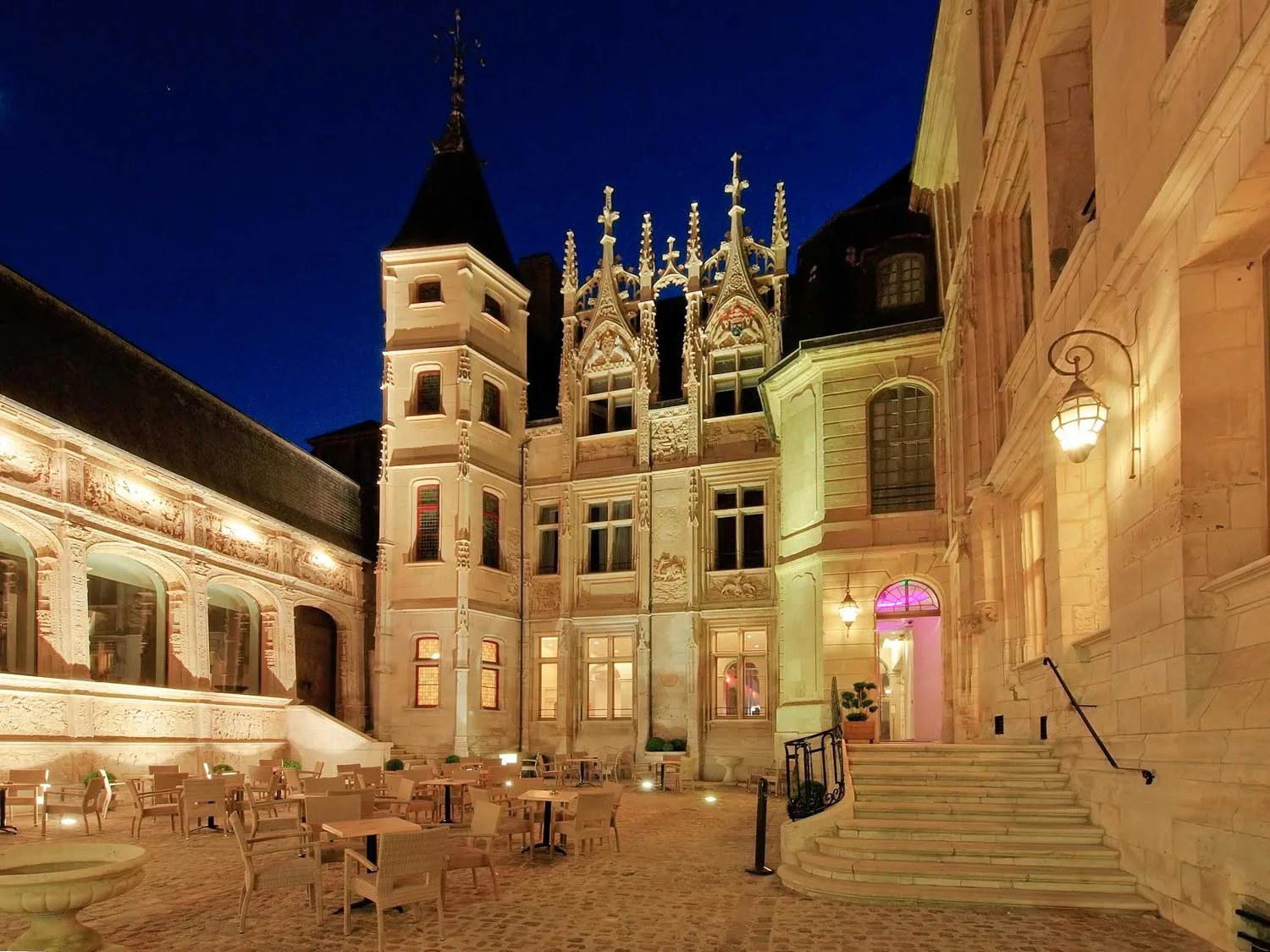
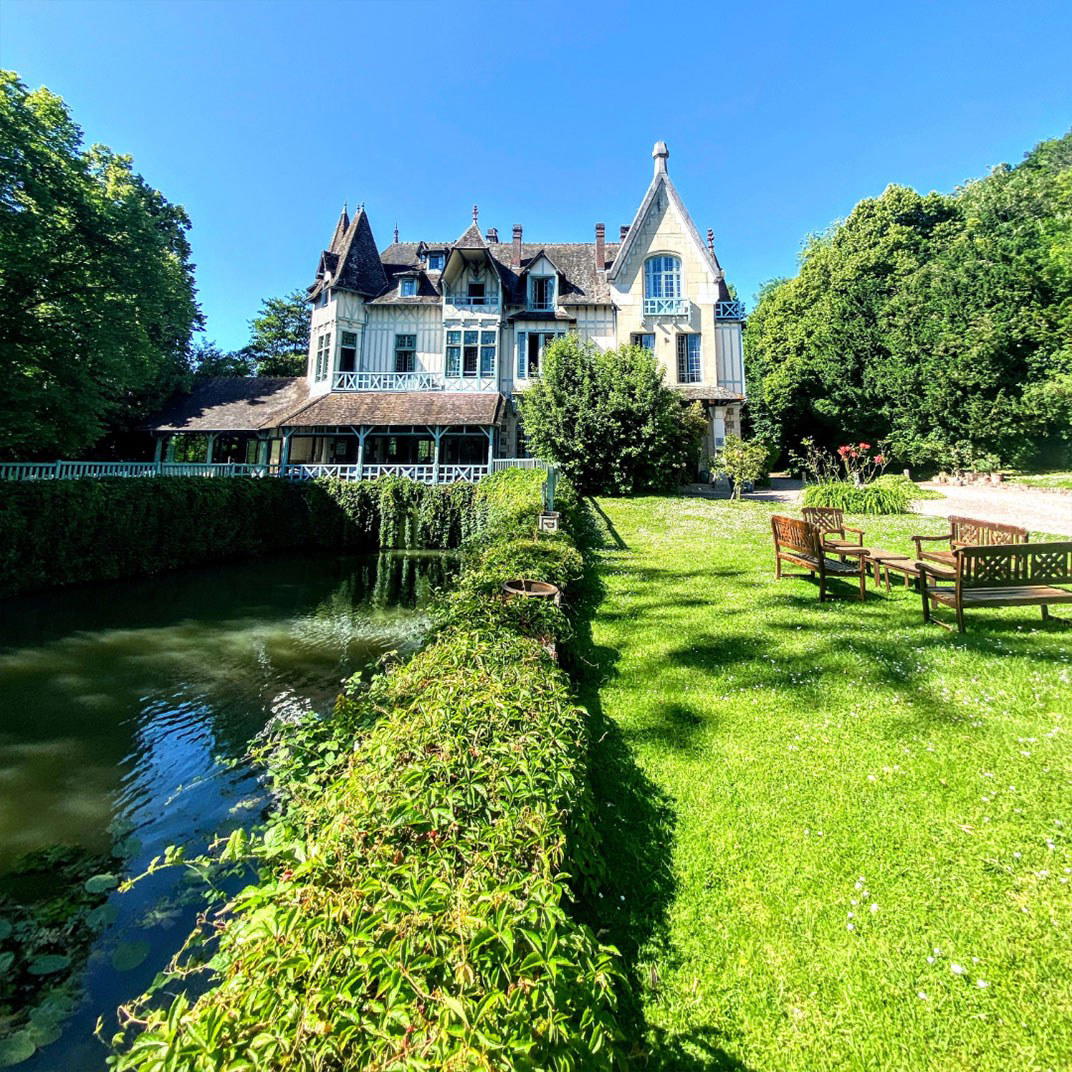
Wineries in Rouen
Browse all →
At a Glance
- Cozy
- Classic
- Intimate
- Date Night
- Casual Hangout
- Courtyard
- Extensive Wine List
- Local Sourcing
Current opening hours
- Monday
- 12–2 PM, 7:30–9 PM
- Tuesday
- 12–2 PM, 7:30–9 PM
- Wednesday
- 12–2 PM, 7:30–9 PM
- Thursday
- 12–2 PM, 7:30–9 PM
- Friday
- 12–2 PM, 7:30–9 PM
- Saturday
- Closed
- Sunday
- Closed
Hours can change for holidays and private events. Last verified .
Cozy and authentic bistro with simple, pleasant decor featuring modern colors, dark walls, wooden furniture, and an indoor terrace.