Chef’s Dinner
Our verdict
Chef’s Dinner belongs to Barossa Valley’s produce-led dining conversation, where the point is less theatrical technique than the relationship between vineyard country, South Australian agriculture, and the table. Its Orangerie or terrace setting gives the format a clear sense of place, especially for travellers comparing winery dining, regional restaurants, and cellar-door experiences across the valley.

Pearl is the En Primeur Club membership app — saves, bookings, and concierge access live there. Same editors, same standards.
- Address
- 1929 Barossa Valley Way, Rowland Flat SA 5352 (Orangerie or terrace)
- Directions
- Get directions
The menu
What to order
- Maine Lobster Mosaic with Hackleback Caviar
- Foie Gras on Toasted Brioche
- Seafood Bisque with Brandy Cream
- Veal Oscar with Crab Meat
- Roast Salmon Fillet with red wine sauce
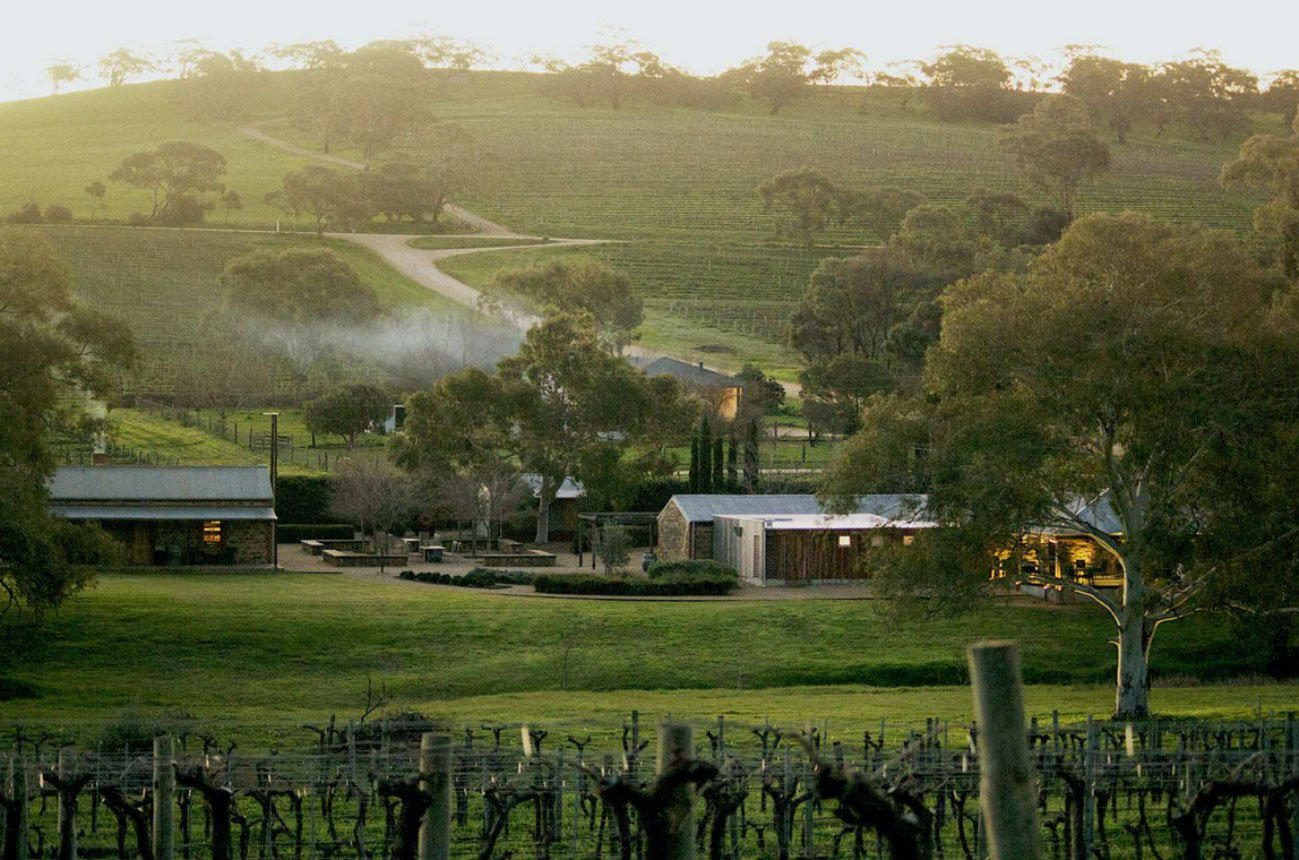
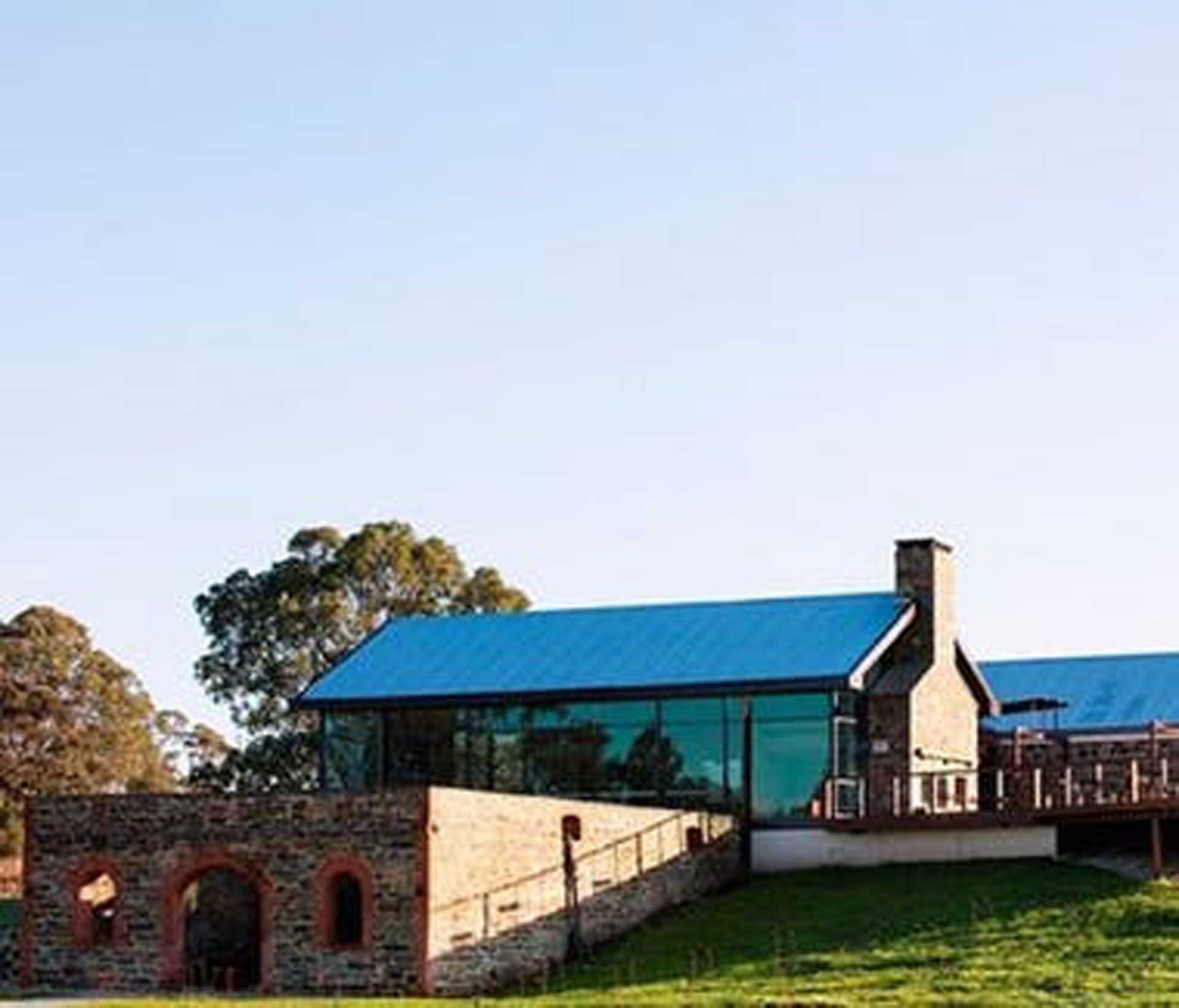
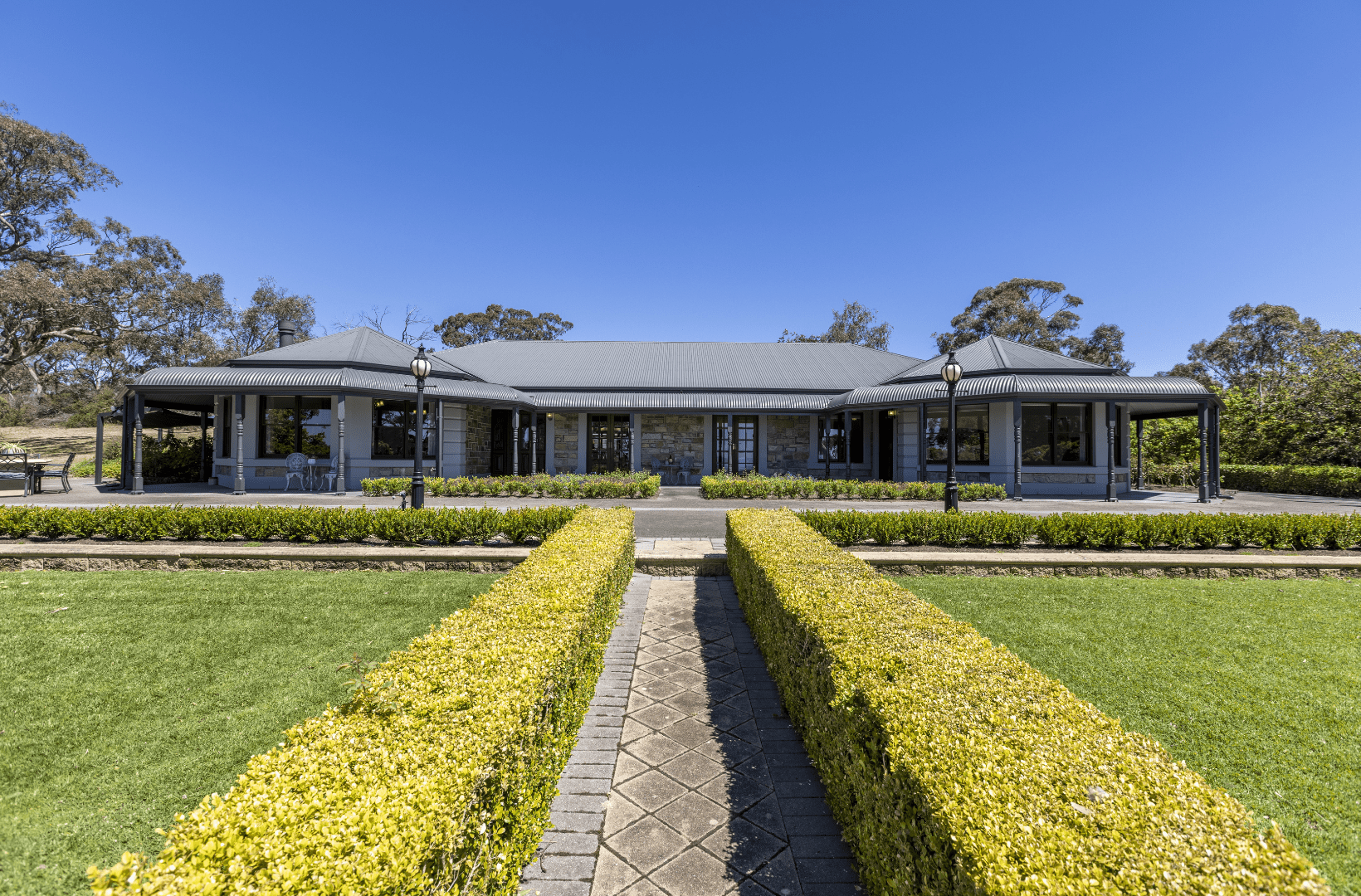
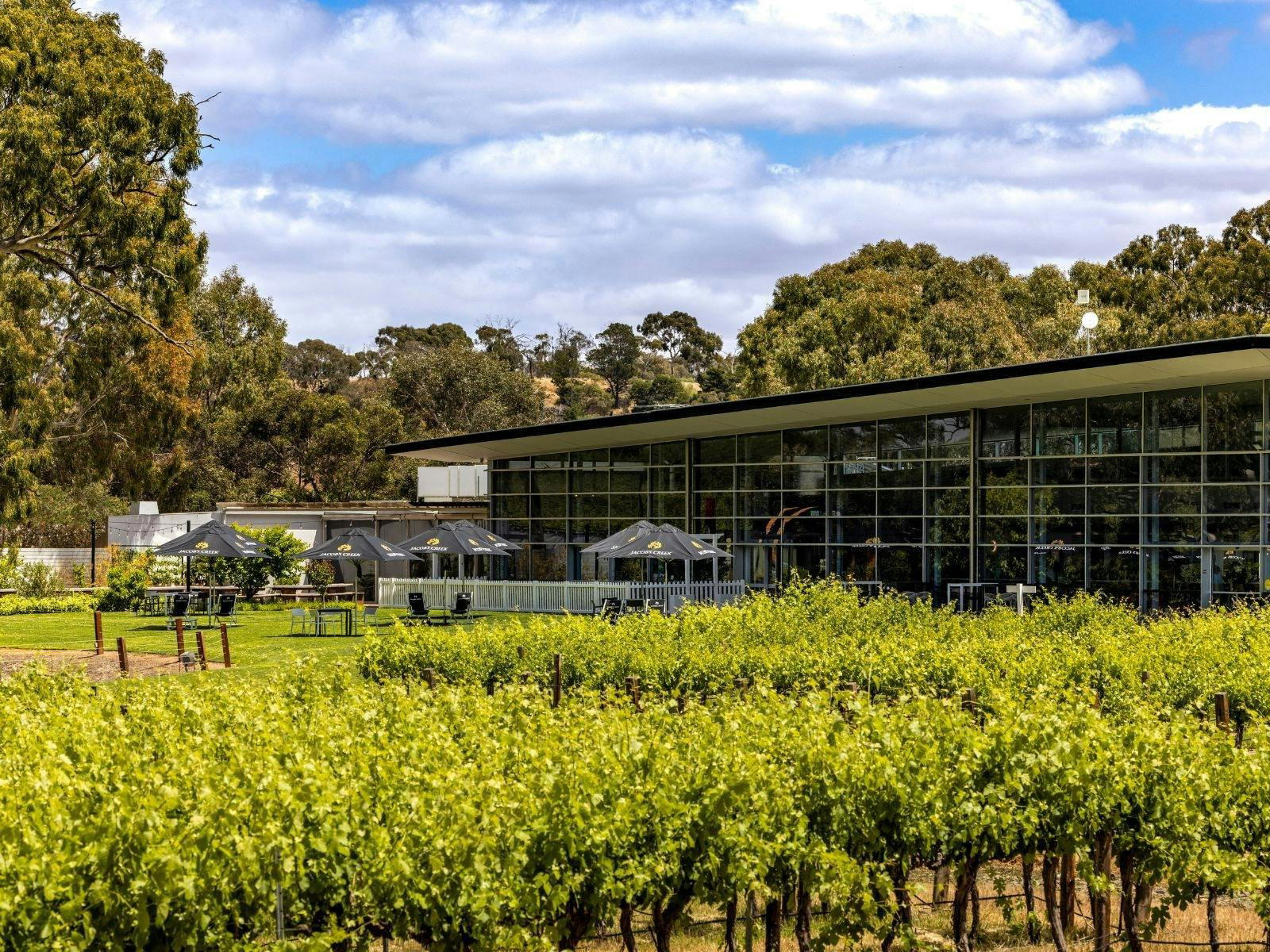
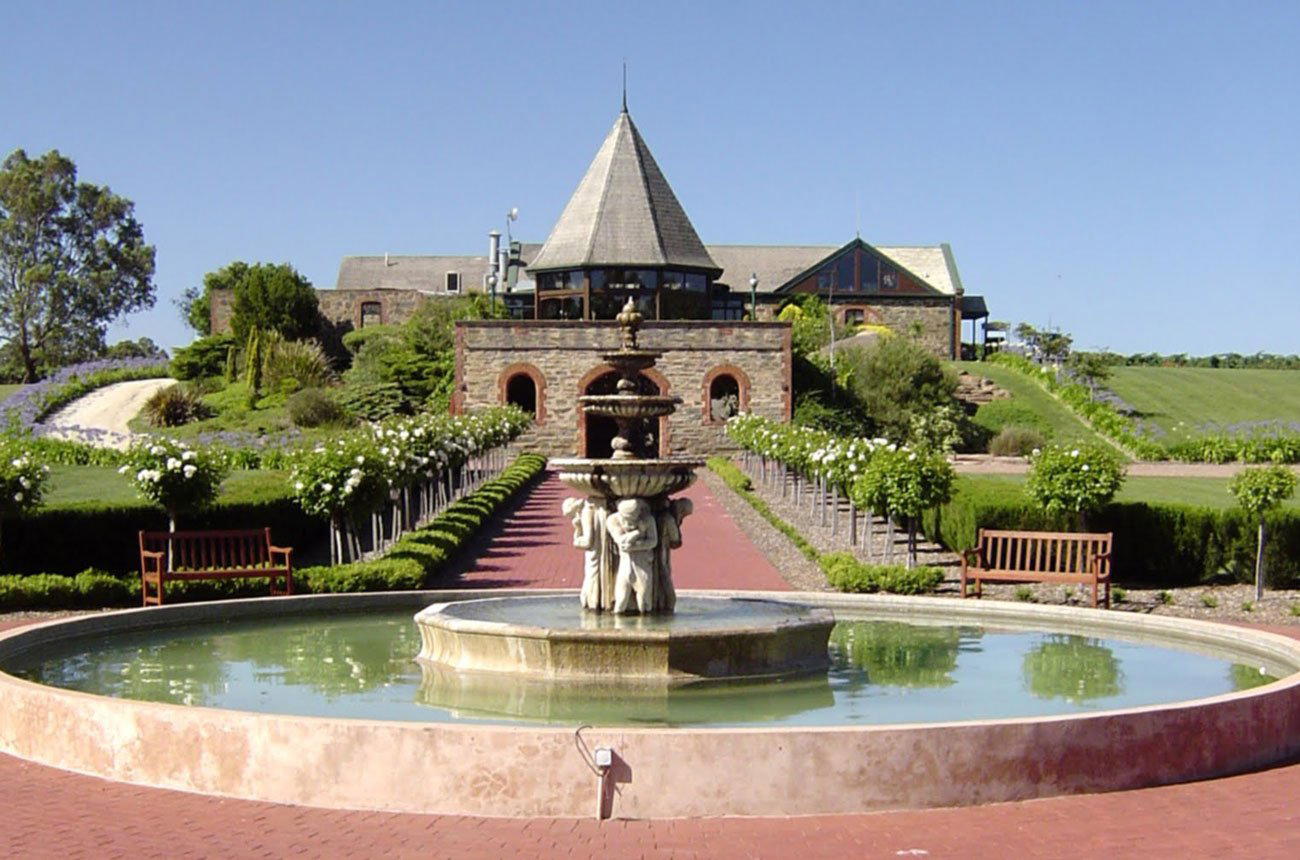
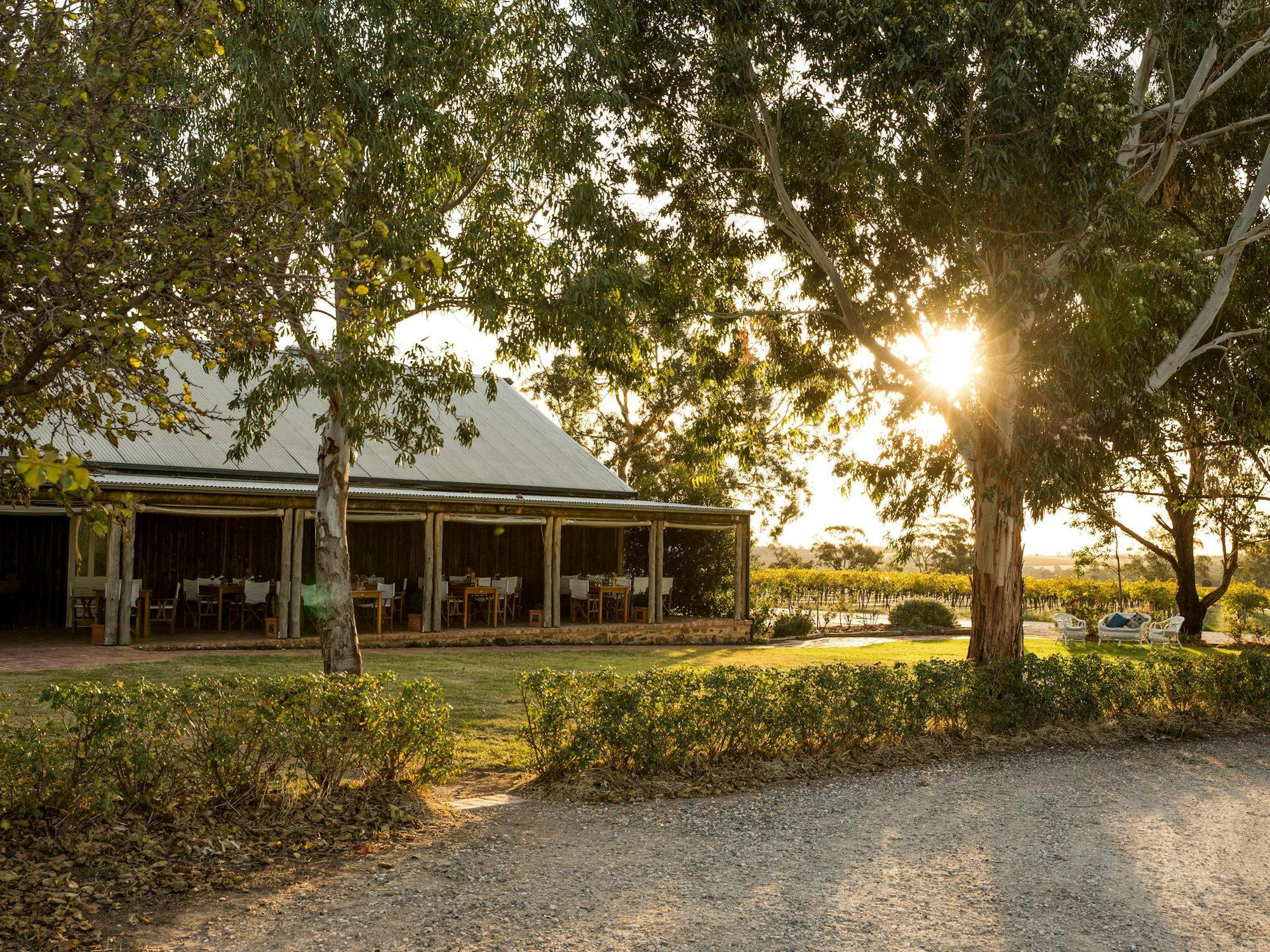
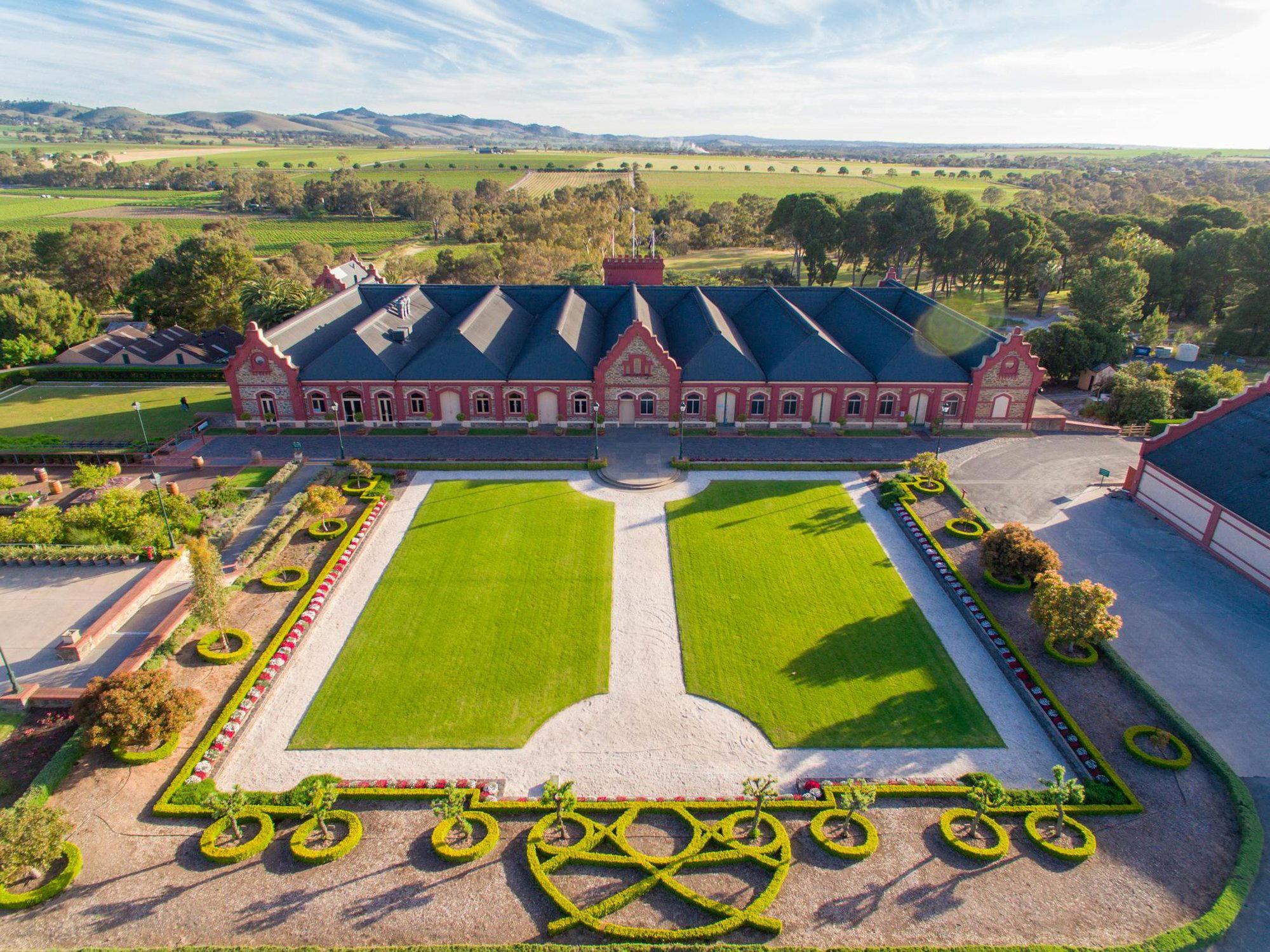
Approach this part of Barossa Valley and the region announces itself before the table does: low ridgelines, vineyard rows, pale stone, and dry South Australian light that makes long lunches feel native, not resort-imported. Chef’s Dinner sits in that setting, with service in the Orangerie or on the terrace. That matters because Barossa dining is never only about the plate. The frame is agricultural: vines, orchards, smoke, grain, preserved fruit, and regional foodways meeting contemporary restaurant technique.
That context is the ideal way to read the experience. Barossa Valley restaurants usually split into destination winery dining, relaxed cellar-door food, and regional kitchens built around growers rather than spectacle. Chef’s Dinner belongs to the first by location and format, but its strongest argument is sourcing. In a valley internationally known for wine, food can become support material. The stronger Barossa tables resist that hierarchy and make the plate explain the same country as the glass.
Vineyard country sets the terms of the meal
Ingredient sourcing in the Barossa is not decoration; it is the region’s competitive advantage. The valley has enough climatic range and agricultural density to support a serious table without forcing a metropolitan pantry onto a rural address. Regional produce has local logic here, and a dinner format can make the meal feel connected rather than assembled. Chef’s Dinner is most interesting through that lens: not as detached fine dining, but as part of a regional system where farming, preservation, and wine culture shape expectation.
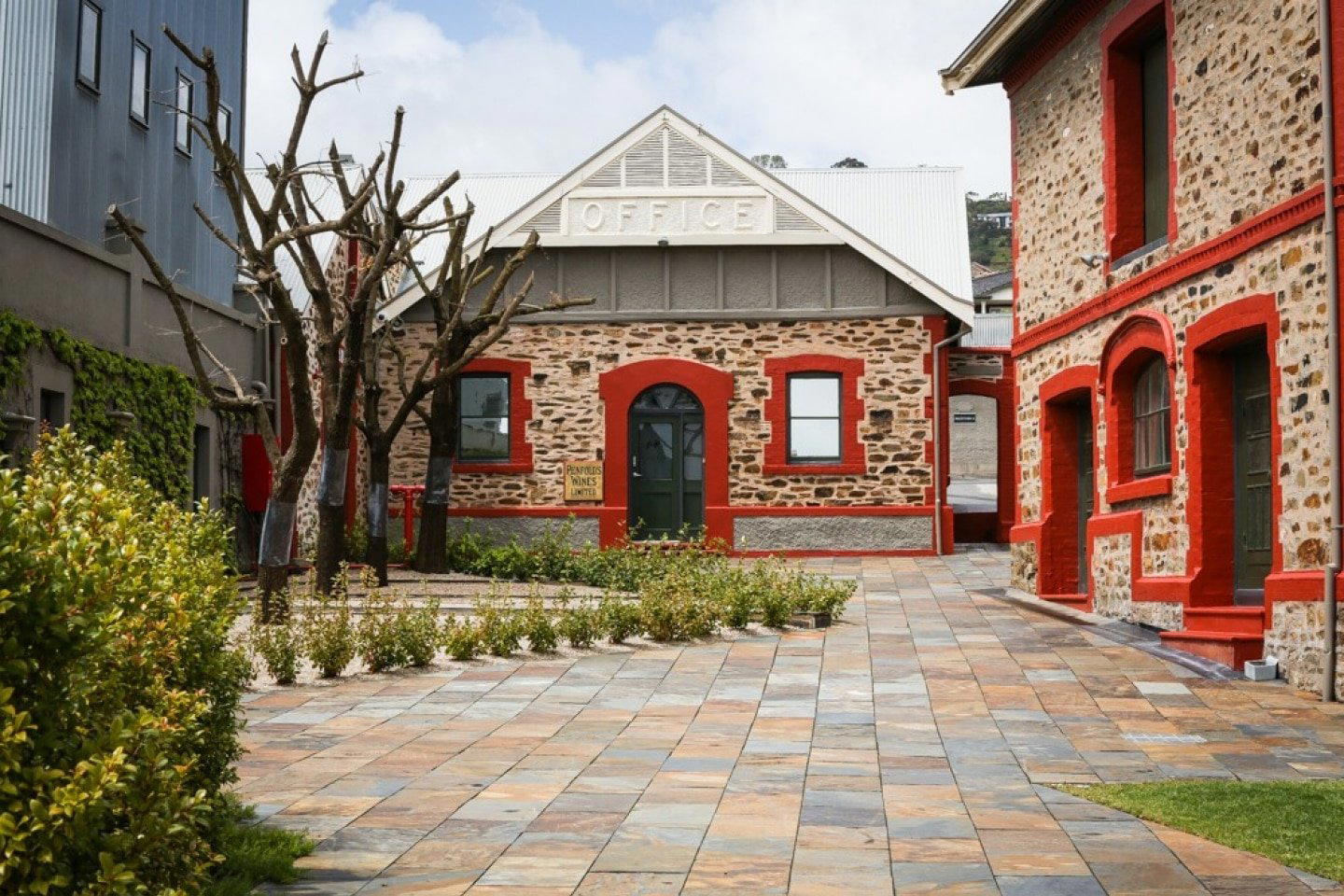
The comparison set is instructive. fermentAsian gives Barossa another model, showing wine-country dining need not default to a single set of familiar cues. Hentley Farm and Appellation sit closer to the destination-restaurant tradition, where the meal often structures a day around one estate or property. Penfolds Magill Estate shows the gravitational pull of major wine brands in South Australian dining. Against that field, Chef’s Dinner reads as a smaller-format answer to a familiar question: how much surrounding country can one seated meal make legible?
That question separates Barossa from capital-city dining. Urban restaurants often compete on consistency, craft, and neighbourhood frequency, while specialist counters elsewhere may be judged through precision, sourcing networks, and service choreography. In Barossa, the standard shifts. The meal must justify the drive, landscape, and wine-country calendar. If it feels interchangeable with a city restaurant, it has missed the point.
The Barossa table is moving beyond cellar-door grazing
For years, the lazy version of wine-region eating meant a platter beside a tasting flight. Barossa has outgrown that. Stronger contemporary experiences understand visitors no longer separate winery, restaurant, bar, and cultural itinerary as neatly as guidebooks once did. A traveller may compare Chef’s Dinner with a cellar visit, long lunch, or regional stay, not another restaurant alone. That is why format discipline matters. A seated dinner in an Orangerie or terrace creates a different tempo from a casual tasting-room snack: slower, more structured, and dependent on the kitchen keeping locality from becoming a slogan.
There is useful restraint in treating the venue through fundamentals rather than trophy language alone. The meal is best judged through setting, regional fit, sourcing logic, and how convincingly the food belongs to Barossa. That can be cleaner in a wine region where reputation often travels through labels before kitchens. Awards are helpful signals, but not the only ones. Here, the trust signal is the site itself: a Barossa Valley setting in vineyard country, a defined dining format, and a room choice tied to the surrounding estate environment.
For planning, the valley rewards clustering rather than rushing. Use Our full Barossa Valley restaurants guide to compare dining formats, then pair the meal with Our full Barossa Valley wineries guide if wine anchors the day. Travellers staying overnight should cross-check Our full Barossa Valley hotels guide, while fuller itineraries can use Our full Barossa Valley experiences guide and Our full Barossa Valley bars guide to avoid treating dinner as the only event.
Who this dinner makes sense for
Chef’s Dinner suits travellers who want the Barossa to appear on the plate, not merely around it. It is less compelling for anyone seeking a quick stop between tastings, because the format implies commitment and the setting encourages a slower evening. The stronger itinerary has breathing room: a winery-led afternoon, a pause before dinner, then a meal that carries the day’s regional thread without becoming a provenance lecture.
That differs from city dining decisions, where convenience often drives choice. Everyday urban venues, coastal rooms, skyline restaurants, neighbourhood dining rooms, and specialist quick-service places answer different needs: ease, views, habit, speed, or a tightly focused craving. Barossa asks for another measure. The meal should feel tied to travel, agriculture, and wine country, not detached from them.
The editorial test is simple: if dinner clarifies why this valley eats differently from a capital city, it has done its work. Chef’s Dinner has the raw material: vineyard-country setting, defined seated format, and proximity to a region whose produce culture can hold its own beside the cellar. In Barossa, that is the line between a pleasant meal and one that belongs to the place.
Frequently asked questions
Is Chef’s Dinner a family-friendly restaurant?
Chef’s Dinner is in Barossa Valley, with seating in the Orangerie or on the terrace. That setting leans more toward an adult dining crowd than a children-first room.
What's the vibe at Chef’s Dinner?
The room choice does much of the work here: Orangerie or terrace, pointing to a polished but relaxed setting. In the Barossa Valley context, it reads as a dinner built around place rather than theatre.
What's Chef’s Dinner's location?
Barossa Valley.
How far ahead should I plan for Chef’s Dinner?
No booking window is listed, so the sensible move is to treat Chef’s Dinner as a planned stop in Barossa Valley rather than a spontaneous add-on. The Orangerie or terrace setting suggests a defined dinner format rather than an open-ended drop-in.
What's the defining dish or idea at Chef’s Dinner?
The defining idea is the dinner itself, served in the Orangerie or on the terrace in Barossa Valley. The region is the cue here: the meal is framed by place, not by a named signature dish.
Can Chef’s Dinner accommodate dietary restrictions?
No dietary policy is listed for Chef’s Dinner in Barossa Valley. The practical approach is to confirm any restrictions before arranging the meal in the Orangerie or on the terrace.
Comparison Snapshot
Comparable venues by cuisine and price in the same metro.
| Venue | Cuisine | Price | Awards |
|---|---|---|---|
| Chef’s DinnerThis venue — the venue you are viewing | Modern French-leaning Chef’s Tasting Dinner with Wine Pairings | Not listed | Not listed |
| fermentAsian | Modern Vietnamese Fine Dining | $50–100 | Star Wine List · World's Best Wine Lists Awards WBWL 3-Star |
| Penfolds Magill Estate | Australian Cuisine | Not listed | Not listed |
Continue exploring
More in Barossa Valley
Restaurants in Barossa Valley
Browse all →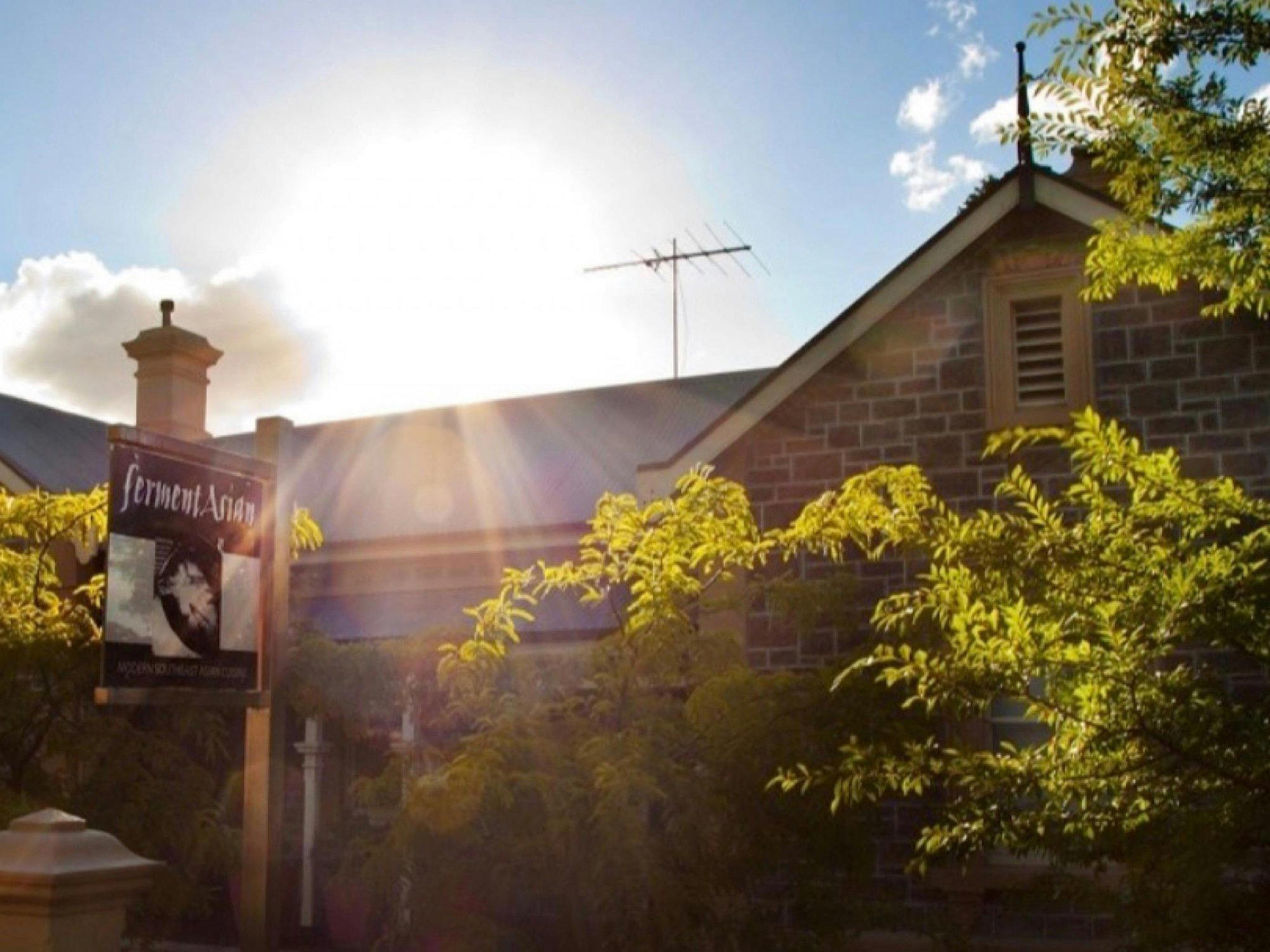
Bars in Barossa Valley
Browse all →
Hotels in Barossa Valley
Browse all →
Details
- Elegant
- Sophisticated
- Romantic
- Intimate
- Date Night
- Celebration
- Special Occasion
- Group Dining
- Chefs Counter
- Hotel Restaurant
- Private Dining
- Extensive Wine List
- Sommelier Led
- Tasting Menu
- Set Menu
- Wine
- Champagne
Upscale and theatrical cruise-ship fine dining in an elegant specialty restaurant setting, with white-tablecloth formality, hosted narration from the Executive Chef and sommelier, and a leisurely, special-occasion atmosphere.