Chaya sits along the Carretera Federal Libre 307 corridor in Cancun's SM-36 district, positioned where the city's residential fabric meets its commercial sprawl — a different register entirely from the Hotel Zone's resort dining circuit. With limited publicly available data, it draws readers who track Cancun's neighbourhood dining scene rather than its beachfront marquee names.
Pearl is the En Primeur Club membership app — saves, bookings, and concierge access live there. Same editors, same standards.
- Address
- CARRETERA FEDERAL LIBRE 307, CANCUN-TULUM 248+868, SM-36 MZ-1 L-1-01, Manzana UPE 1E, 77560 Cancún, Q.R., Mexico
- Phone
- +529984320350
- Website
- cancun.waldorfastoria.com
- Directions
- Get directions
 Saves & bookings on Pearl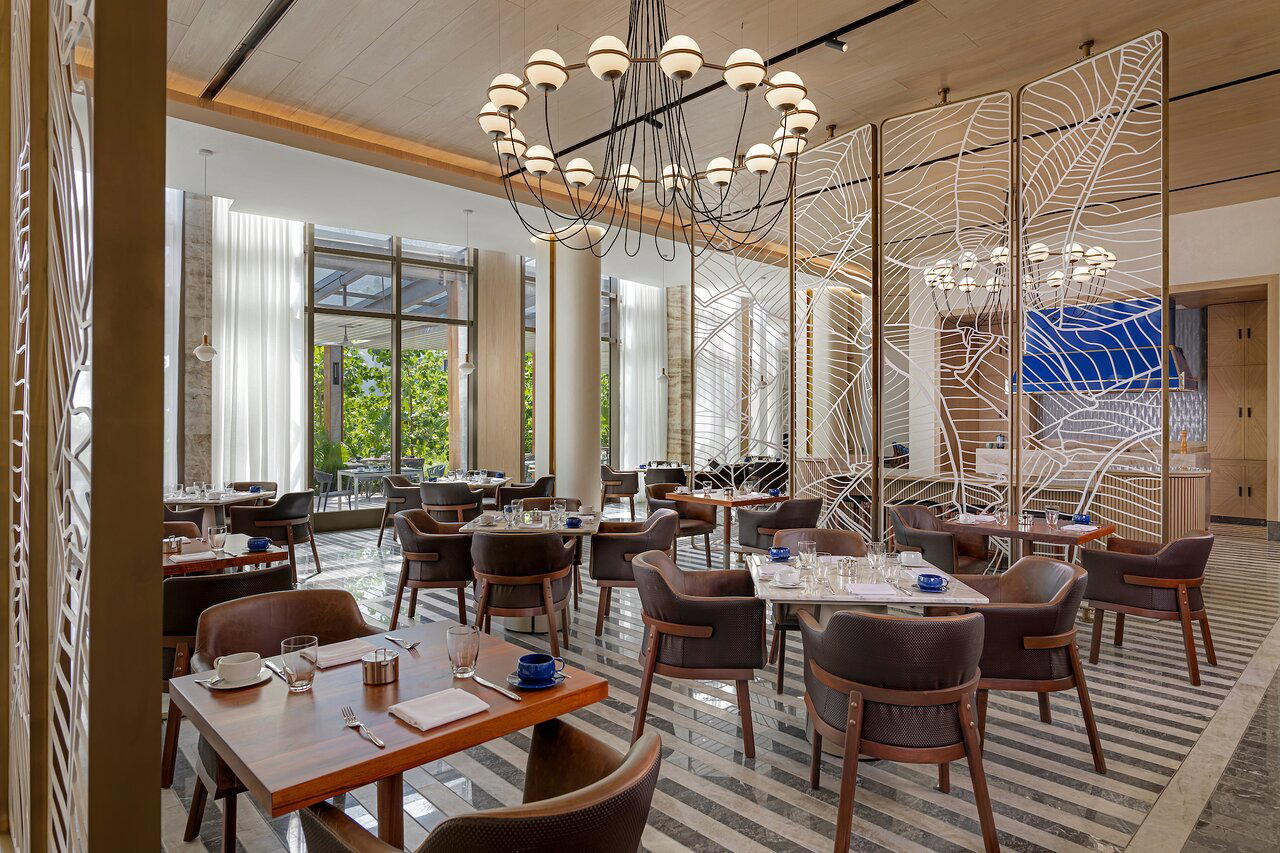
The Address Tells You Something
The stretch of Carretera Federal Libre 307 that runs through Cancun's SM-36 district is not where visitors typically look for a meal. That corridor — functional, residential in character, interrupted by commercial blocks and service roads — sits at a remove from the Hotel Zone's polished dining strip. Restaurants that operate here are, by geography alone, making a statement: they are not competing for tourist foot traffic. They are anchoring a neighbourhood. Chaya, at manzana UPE 1E on that highway, belongs to that register of dining, the kind of address that locals know by proximity rather than by algorithm.
This matters because Cancun as a dining city operates across two distinct circuits. The first is the Hotel Zone, where restaurants align their formats and price signals with an international visitor base. The second is the city proper, Cancun's residential districts, where the dining culture is more locally calibrated, less dependent on seasonal tourist flow, and often more telling about what the city actually eats. SM-36 is squarely in that second circuit. Restaurants in this zone tend to serve a repeat neighbourhood clientele rather than single-visit tourists, which changes everything from portion logic to pricing to the rhythm of service.
Where Cancun Eats Outside the Zone
Mexico's restaurant culture has undergone a significant reorientation over the past decade. The country's most-discussed tables, Pujol in Mexico City, Animalón in Valle de Guadalupe, KOLI Cocina de Origen in Monterrey, Alcalde in Guadalajara, have shifted critical attention toward regional Mexican cooking expressed through technically demanding formats. But that shift has a parallel story in cities like Cancun, where neighbourhood restaurants operating quietly outside the tourism infrastructure have long served as the connective tissue of local food culture.
In the Yucatan Peninsula context, the baseline of local cuisine is already compelling: cochinita pibil, sikil pak, chaya-based preparations (the leafy green plant the restaurant likely takes its name from), and a range of seafood inflected by proximity to the Caribbean and the Gulf. Chaya the plant is a Yucatecan staple, high in protein, used in tamales, in drinks, in sauces, and a restaurant carrying that name in this city is almost certainly oriented toward that culinary tradition.
The Riviera Maya dining belt offers useful comparison points for understanding where Cancun's neighbourhood restaurants sit relative to the wider region. Le Chique in Puerto Morelos operates at the tasting-menu tier with formal technique applied to Yucatecan ingredients. HA' in Playa del Carmen works a similar register. Chaya's SM-36 address suggests a different positioning entirely, closer to the everyday Mexican restaurant format that prioritises accessibility and neighbourhood fit over technique showcase.
The SM-36 Context on the Ground
SM-36 (Supermanzana 36) is one of Cancun's planned residential districts, part of the grid-based urban layout that characterises the city's inland core. Unlike the Hotel Zone, which was purpose-built for tourism on a narrow sandbar, the supermanzana districts developed as residential infrastructure for the city's working population. Eating in these zones tends to mean sitting among residents rather than travellers, with menus that reflect what the neighbourhood wants rather than what a visitor expects to find.
Cancun's inland dining scene includes restaurants across multiple cuisines at accessible price points. From Argentinian grill formats at venues like Asador La Vaca Argentina and Bodega Argentina, to Indian at Bombay Cancún, to coffee and lighter fare at Café con Gracia and pizza at Capri Pizza Moderna, the inland districts support a diverse, price-varied dining ecosystem. A Mexican restaurant operating in this environment is competing on familiarity, value, and consistency rather than on novelty or prestige signals.
For a broader survey of where Cancun's dining scene sits today, the full Cancun restaurants guide maps the city across its Hotel Zone and residential-district dining split, placing venues like Chaya within the wider picture.
What Limited Data Tells a Careful Reader
Chaya's publicly available record is sparse: an address on the federal highway corridor, a district designation, no published hours, no listed price range, no documented awards or critical recognition. In a city where the Hotel Zone restaurants generate the bulk of review traffic, this kind of data gap is common for neighbourhood operations. It is not necessarily a signal of quality either way, it is a signal of orientation. Restaurants in this tier tend to rely on word of mouth and repeat business rather than on digital profile management.
The absence of award recognition should be read against the broader Mexican dining context. The restaurants in Mexico that attract Michelin attention or Latin America's 50 Best consideration, Levadura de Olla in Oaxaca, Lunario in El Porvenir, Pangea in San Pedro Garza Garcia, Olivea Farm to Table in Ensenada, are operating in a different format tier entirely. Neighbourhood restaurants in Mexico's residential districts are rarely the subject of that critical apparatus, regardless of how good the cooking is. The comparison set for Chaya is the SM-36 dining circuit, not the tasting-menu tier.
Planning a Visit
Chaya sits on Carretera Federal Libre 307 at the 248+868 kilometre mark in SM-36, which places it inland from the Hotel Zone by a meaningful distance, visitors based on the beachfront strip should plan for a taxi or rideshare rather than assuming walkability. No published booking method, operating hours, or price range are currently on record so confirming details directly before visiting is the practical approach. The SM-36 location means parking is more direct than in the Hotel Zone, and the neighbourhood context suggests a format suited to sit-down dining at a pace set by the local clientele rather than by tourist turnover.
For readers building a more complete Cancun itinerary, venues like Le Bernardin in New York City and Lazy Bear in San Francisco offer useful comparative reference points for understanding how neighbourhood dining identities differ from destination-format restaurants, a distinction that applies equally to the Cancun context.
Where It Fits
| Venue | Cuisine | Awards |
|---|---|---|
| ChayaThis venue — the venue you are viewing | This venue | Not listed |
| Lorenzillo's | Seafood | Seafood |
| Kiosco Verde | Seafood | Seafood, $$ |
| La Casa De Las Mayoras | Mexican | Mexican, $$ |
| Le Basilic | French Seafood | French Seafood |
| The Club Grill | Mexican Steakhouse | Mexican Steakhouse |
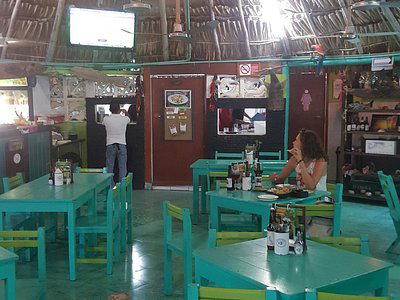
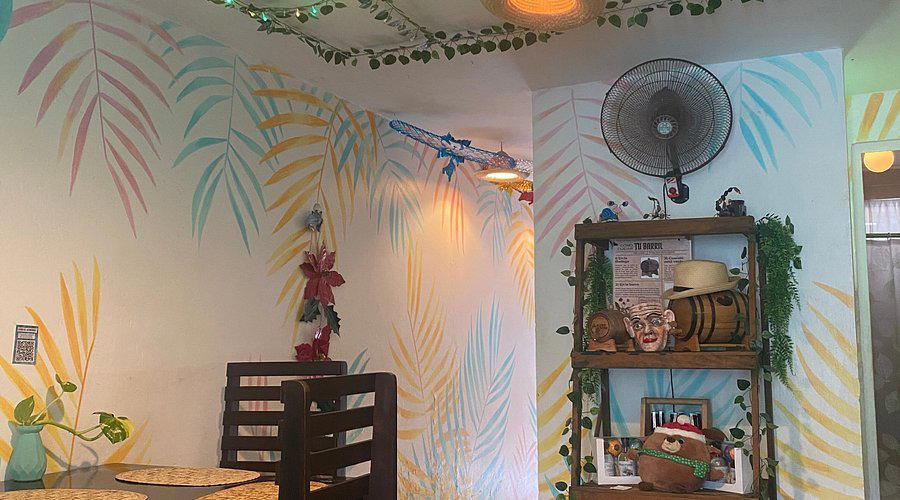
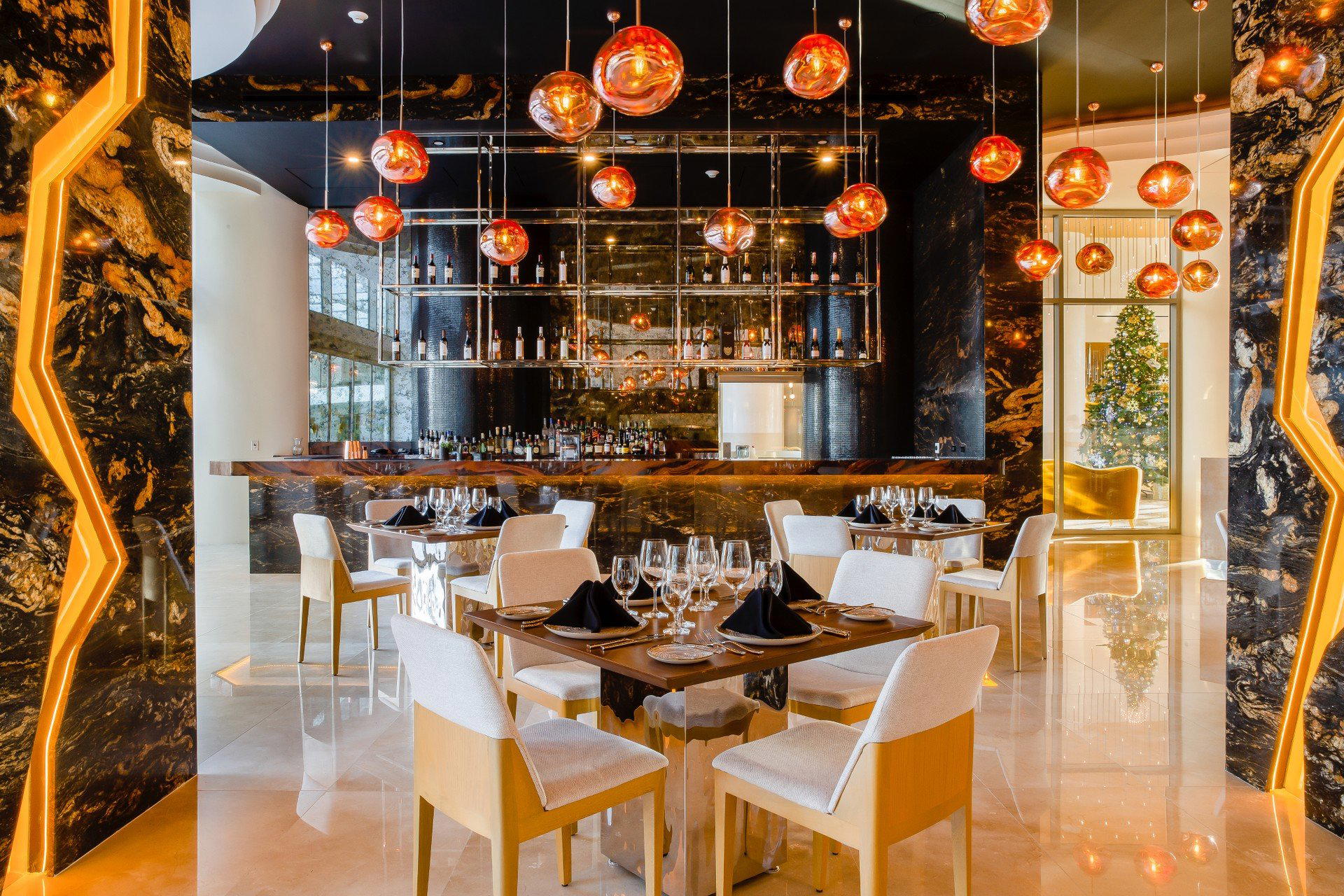
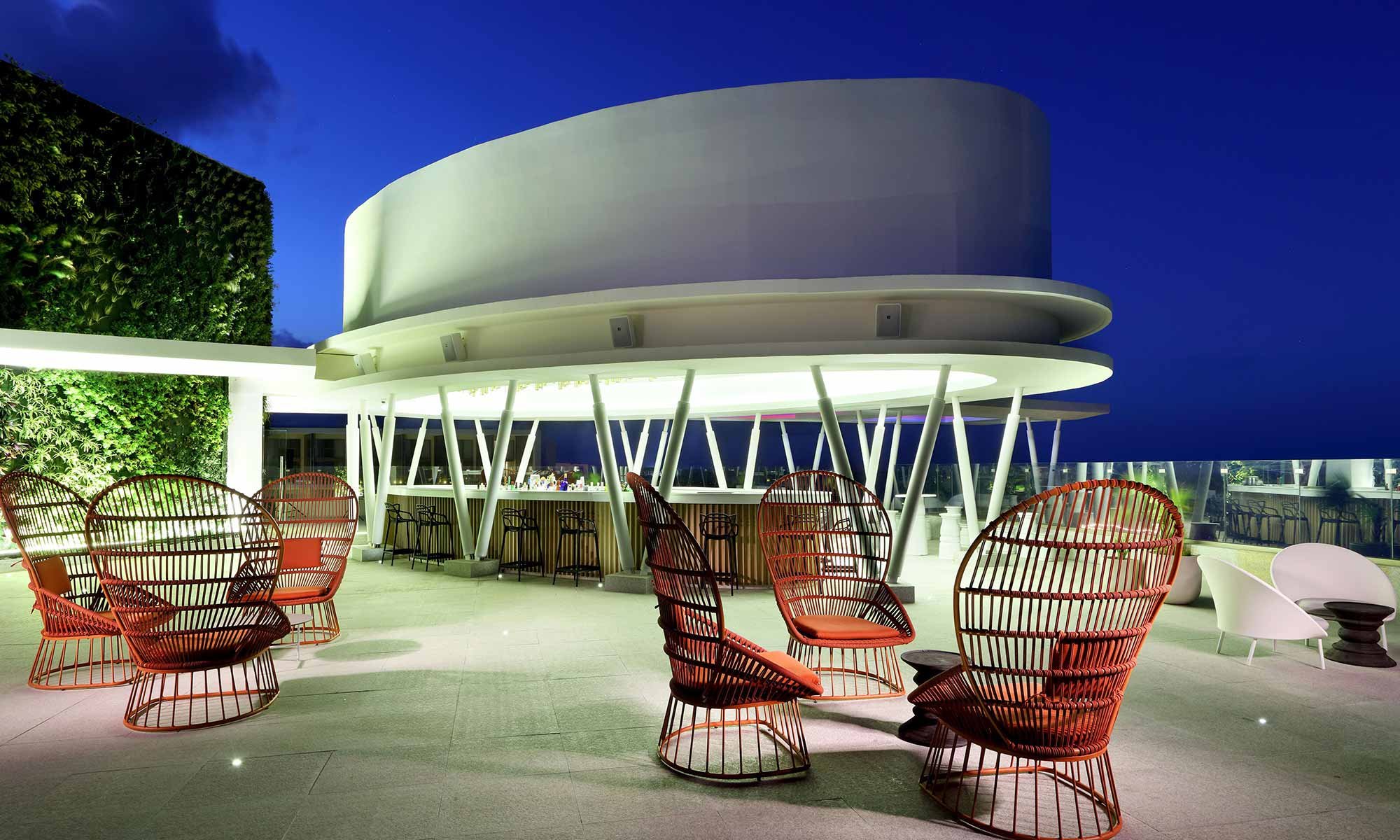
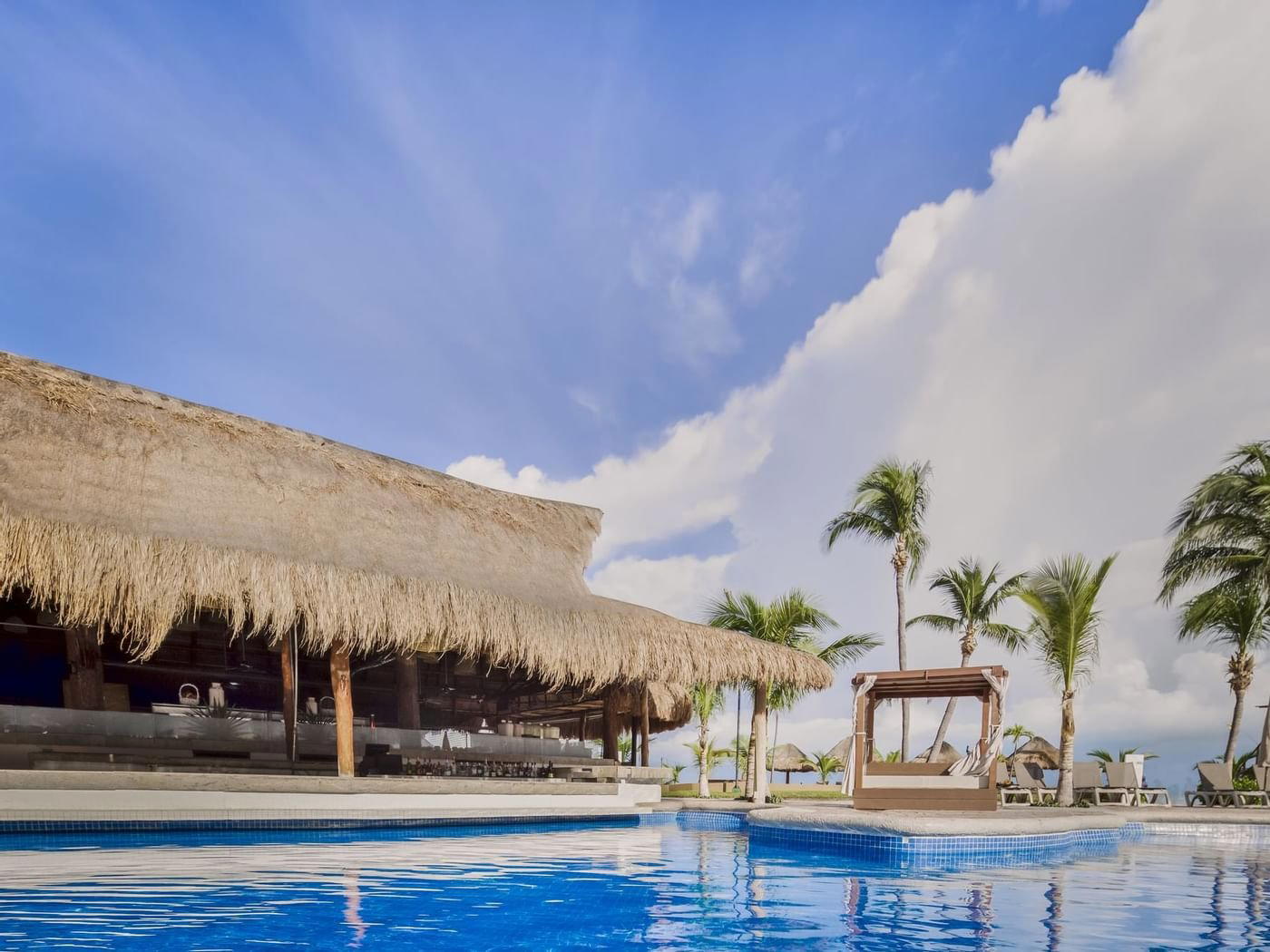

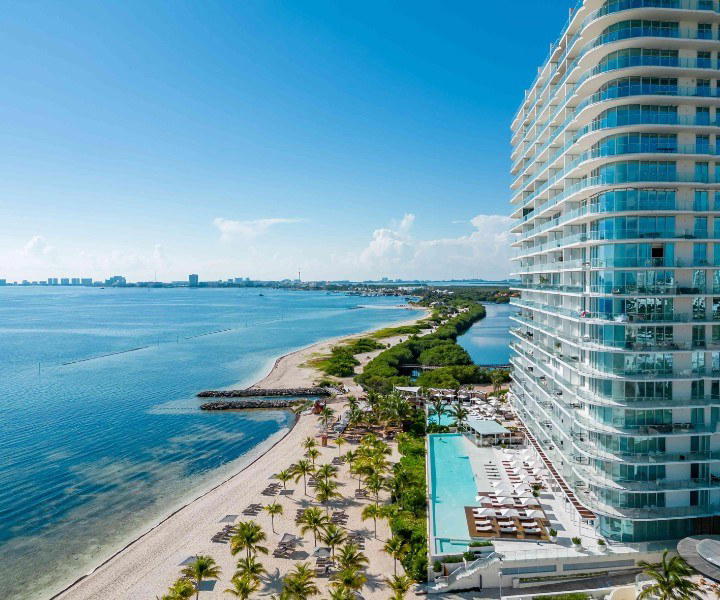
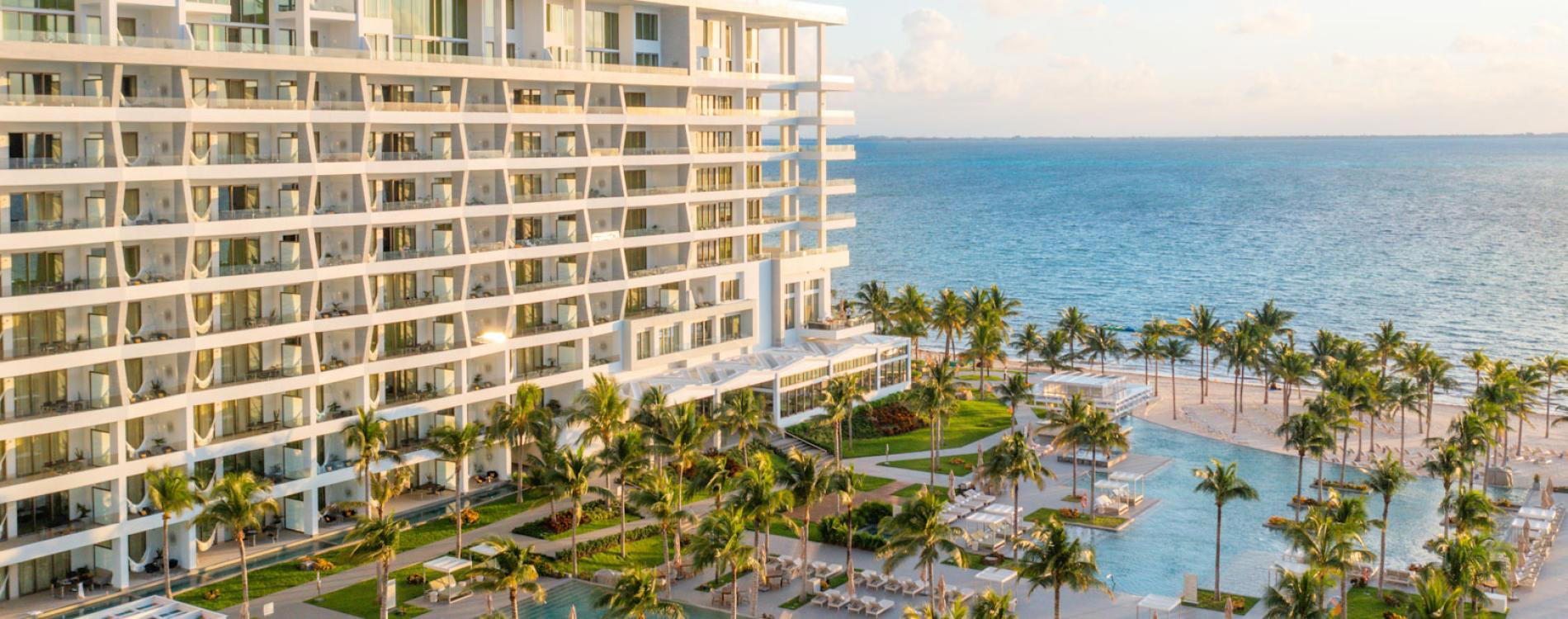
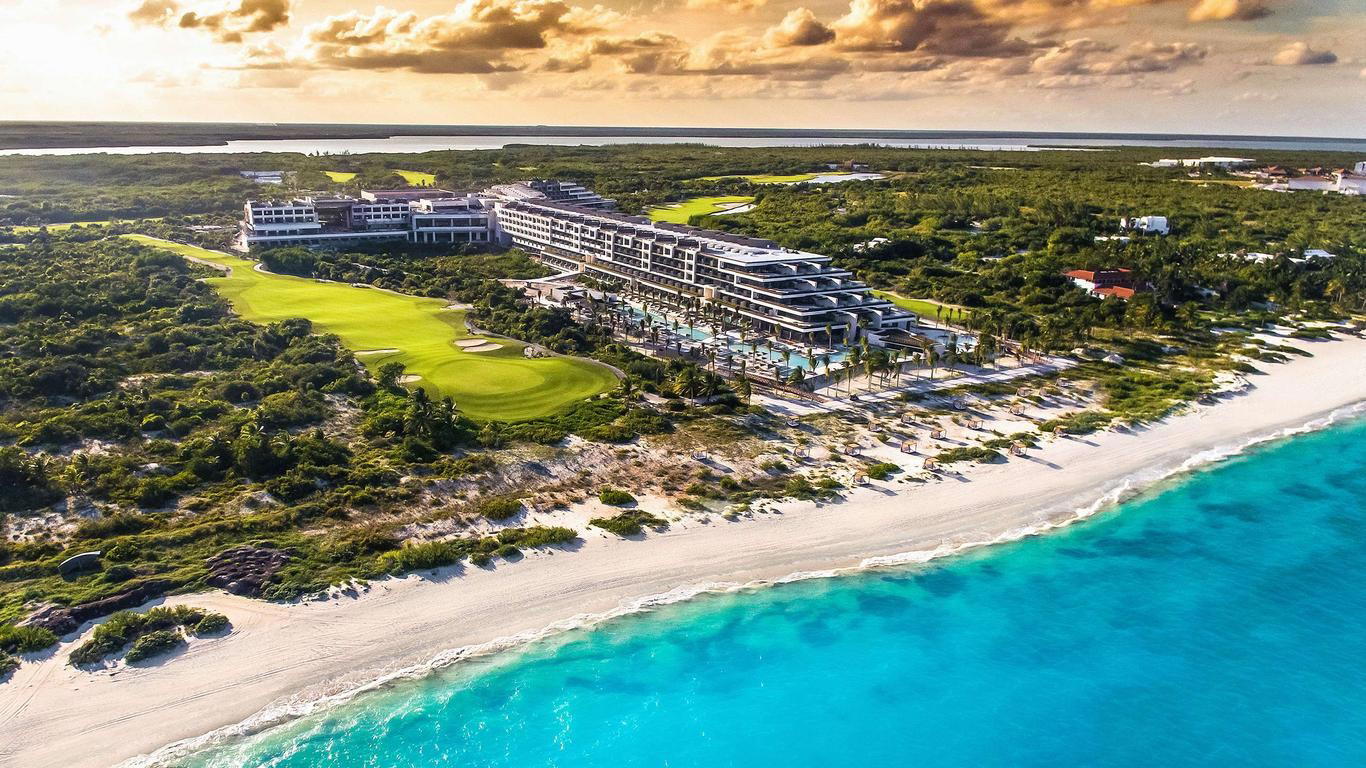
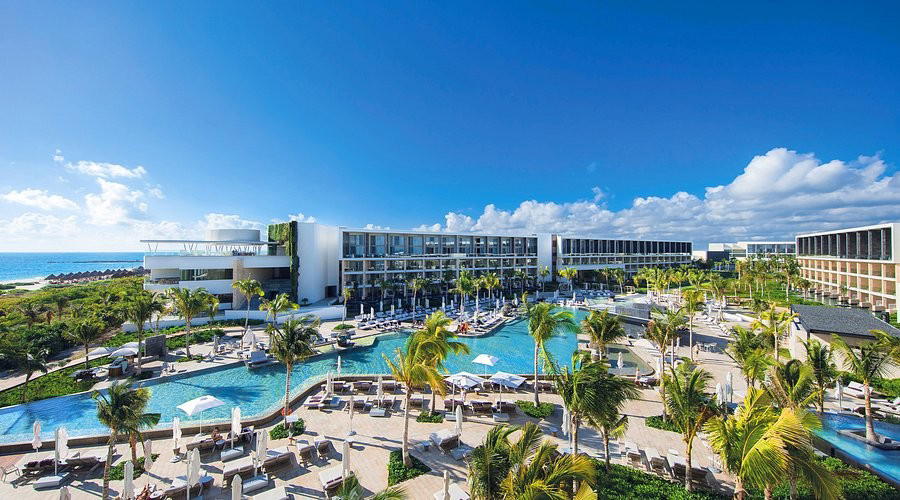
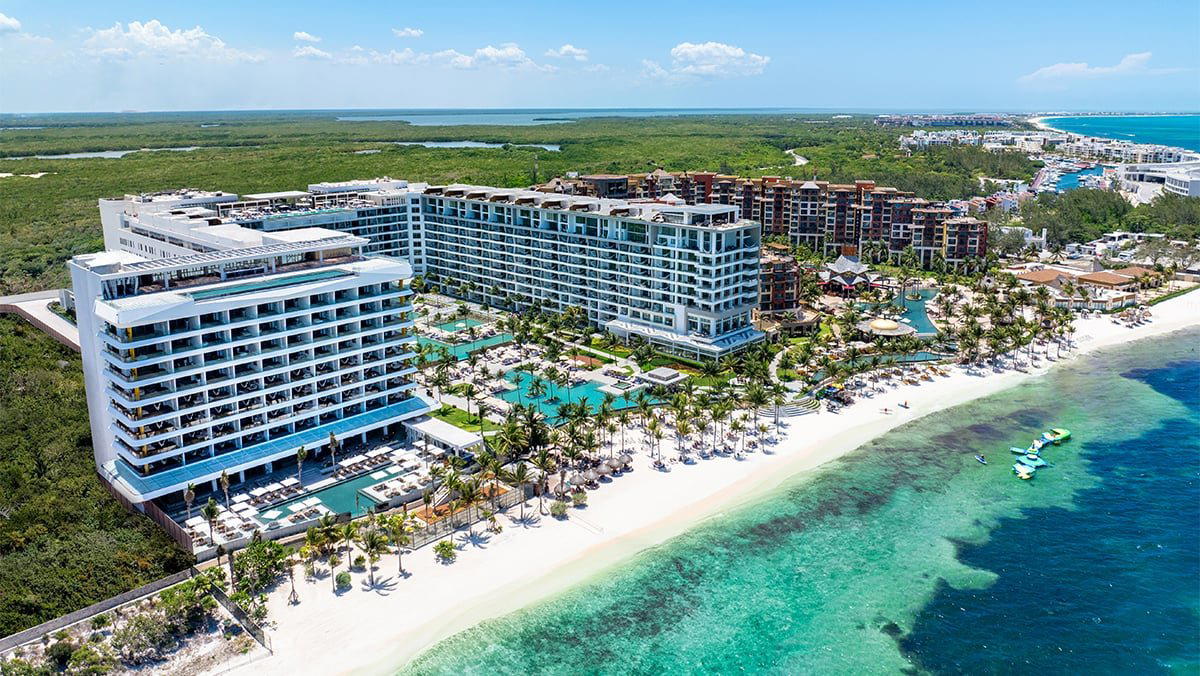
At a Glance
- Elegant
- Sophisticated
- Scenic
- Modern
- Group Dining
- Family
- Date Night
- Special Occasion
- Hotel Restaurant
- Design Destination
- Craft Cocktails
- Extensive Wine List
- Local Sourcing
- Sustainable Seafood
- Farm To Table
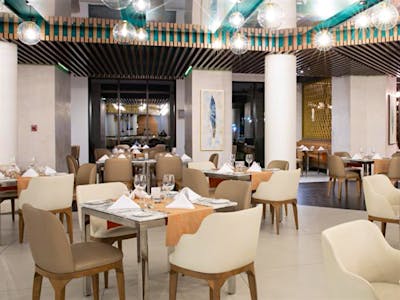
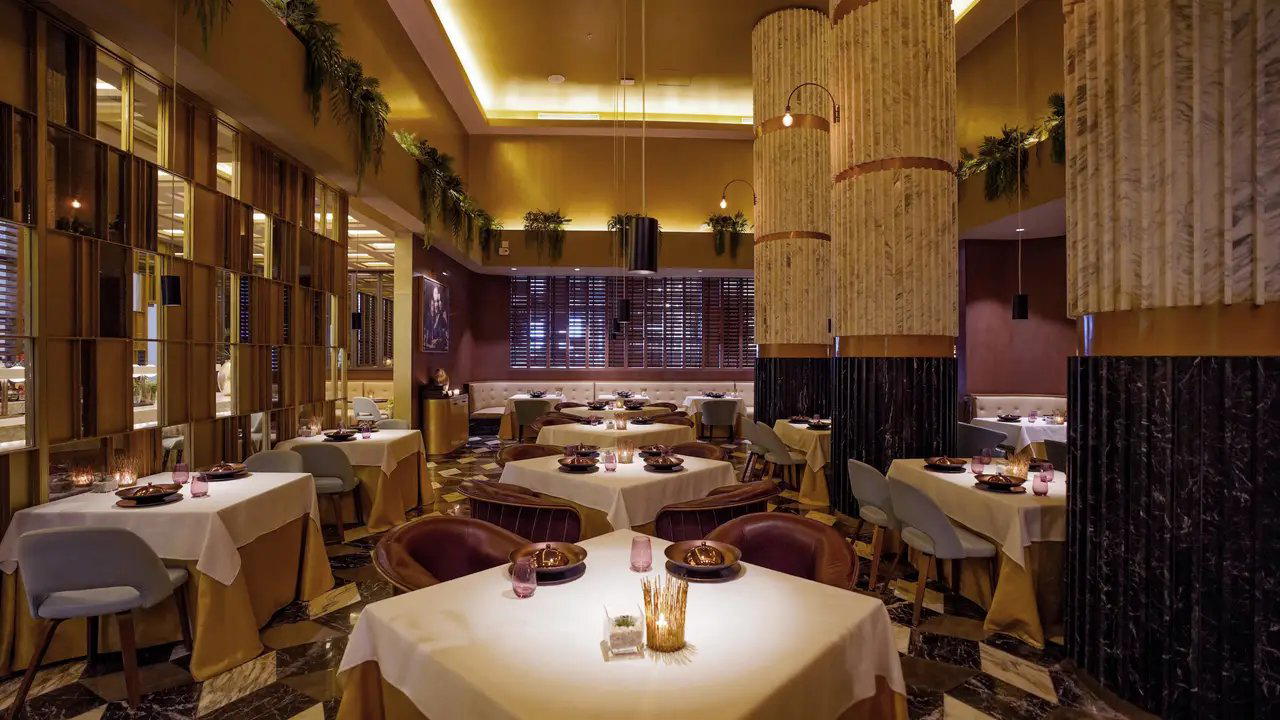
Relaxed, comfortable, and revitalizing, with a refined resort-brasserie feel that suits breakfast and dinner service.
Know Before You Go
- Getting there
- CARRETERA FEDERAL LIBRE 307, CANCUN-TULUM 248+868, SM-36 MZ-1 L-1-01, Manzana UPE 1E, 77560 Cancún, Q.R., Mexico