
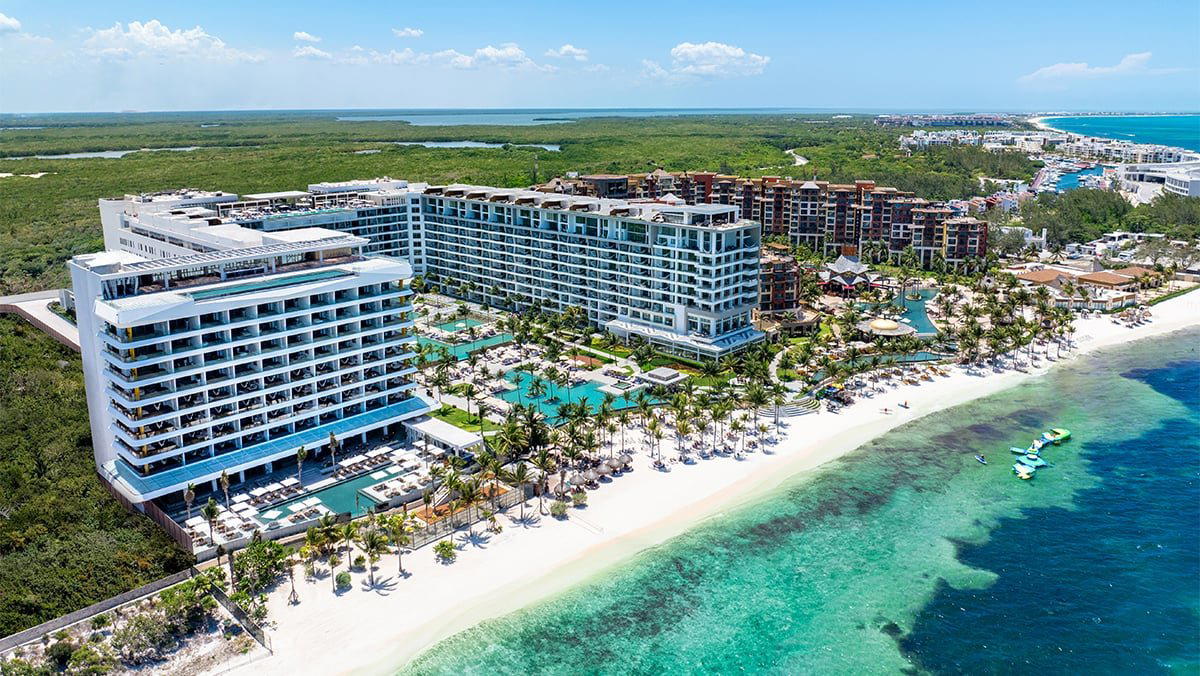
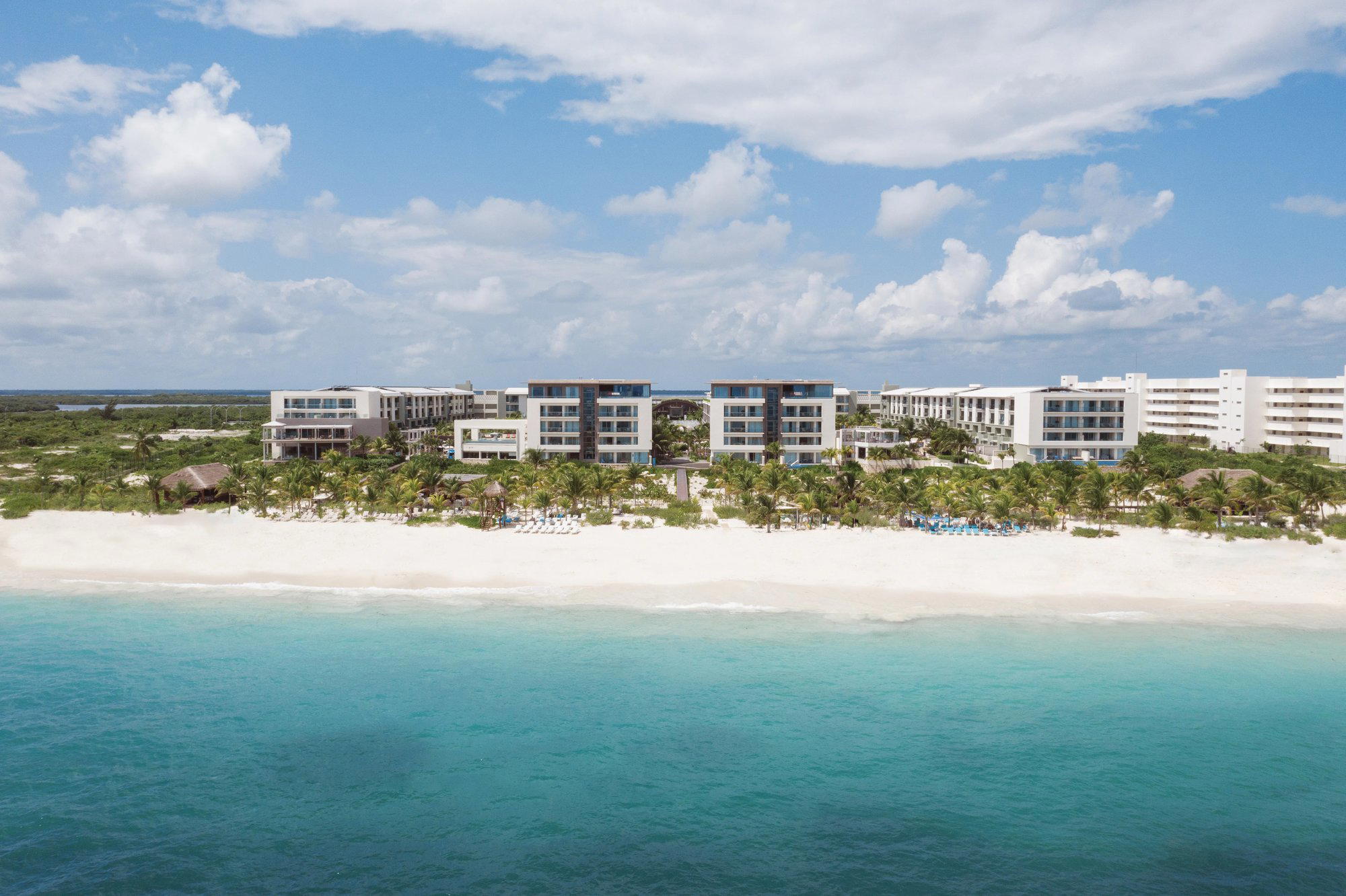
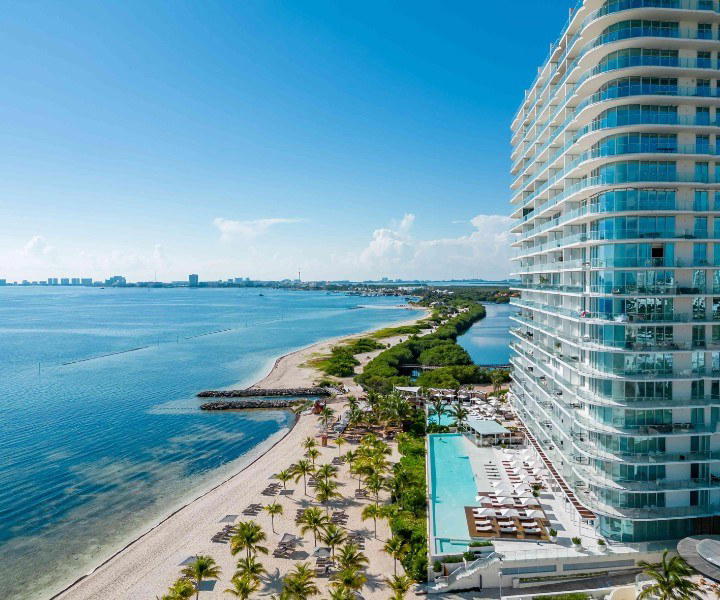
Garza Blanca Resort & Spa Cancun sits along the Caribbean-facing corridor north of the Hotel Zone, operating 452 rooms at a scale that places it firmly in the large-format resort tier. As part of the Tafer Hotels & Resorts portfolio, it shares brand DNA with Hotel Mousai while offering a distinctly Cancun-facing positioning, broad beach access, multiple pools, and a service architecture designed around full-stay immersion.
Pearl is the En Primeur Club membership app — saves, bookings, and concierge access live there. Same editors, same standards.
- Address
- Carretera a Punta Sam Km. 5.2 Mza 9 Lote 3 Zona Continental de Isla Mujeres, 77400 Cancún, Q.R.
- Phone
- +1 800-927-0503
- Website
- garzablancaresort.com
- Directions
- Get directions
 Saves & bookings on Pearl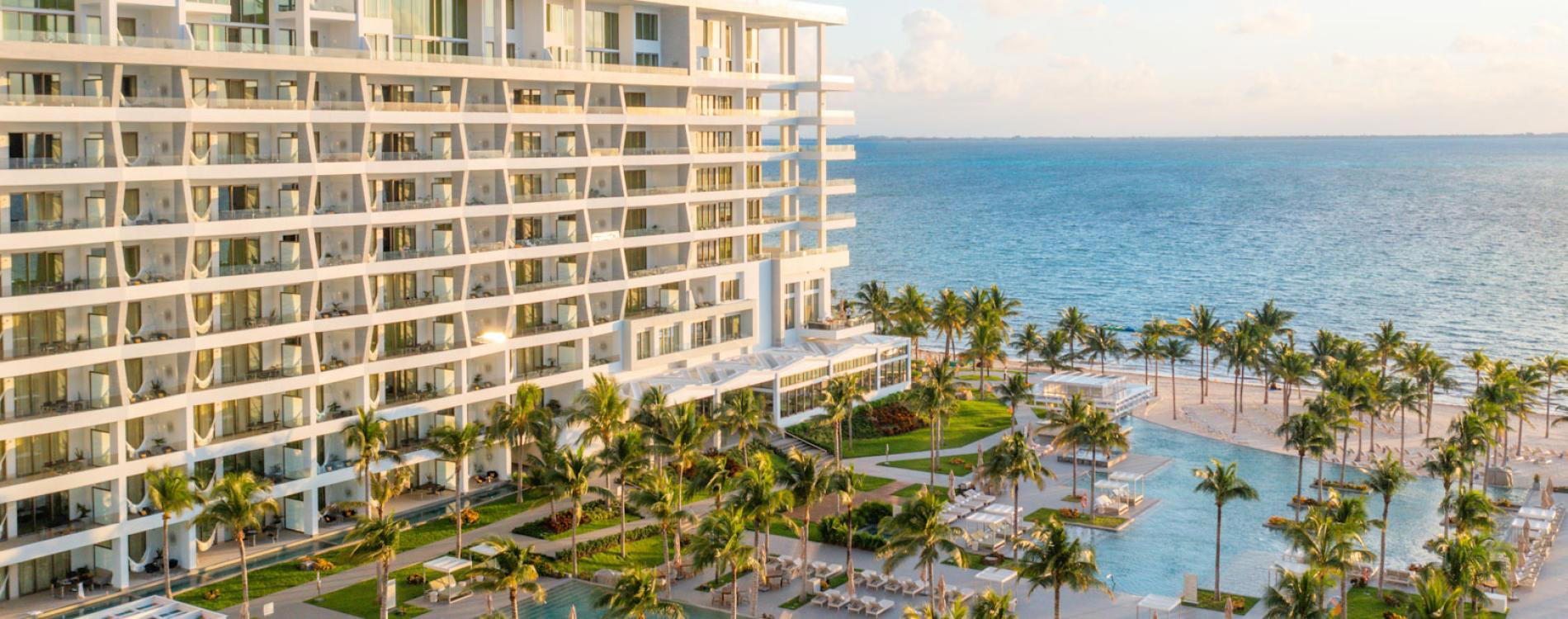
Where the Caribbean Meets the Continental Shore
The stretch of coastline running north of Cancun's Hotel Zone toward Punta Sam operates at a different rhythm from the densely branded strip to the south. Here, the Caribbean shifts in colour, deeper in some lights, more translucent in others, and the properties that occupy this corridor tend toward larger footprints and quieter road access. Garza Blanca Resort & Spa Cancun is a 5-star hotel in Cancun, in the Isla Mujeres continental zone, with 452 rooms and a recommended reservation policy. Positioned at Carretera a Punta Sam Km. 5.2 on the Continental Zone of Isla Mujeres, it sits at this transitional geography. It's not Hotel Zone density, and it's not the boutique isolation of the Riviera Maya. It occupies a middle ground that Cancun's resort market has been quietly expanding into over the past decade, as operators seek Caribbean-facing plots with room to build at meaningful scale.
With 452 rooms, the property belongs to the large-format tier of Cancun's accommodation offer, a cohort that includes JW Marriott Cancun Resort & Spa, Hilton Cancun, an All-Inclusive Resort, and Grand Fiesta Americana Coral Beach Cancún All Inclusive Spa Resort. At this scale, the question is not whether a resort has the infrastructure, multiple pools, spa facilities, food and beverage across several outlets, but whether the service architecture can sustain coherence across several hundred rooms and a shifting guest population. That's the standard against which Garza Blanca positions itself within the Tafer portfolio.
The Tafer Framework and What It Means in Practice
Tafer Hotels & Resorts operates across both ends of the luxury-casual spectrum in Mexico. The brand's presence in Cancun now spans two distinct properties: the adults-only Hotel Mousai Cancun - A Tafer Resort, which skews toward a design-led, boutique-in-scale approach, and Garza Blanca, which takes the brand into all-ages, higher-volume territory. Understanding this distinction matters for choosing between them. Garza Blanca is the family-inclusive, full-footprint expression of the Tafer offer in Cancun, broader in access, larger in scope, and calibrated for guests who want resort comprehensiveness over boutique exclusivity.
In the wider Mexican luxury resort market, this kind of dual-brand portfolio strategy is common. Atelier Playa Mujeres and Catalonia Grand Costa Mujeres represent a similar bifurcation in their respective brand families, separating adults-focused design-led properties from broader all-inclusive formats. Garza Blanca's competitive positioning is clearest when viewed against that pattern rather than against boutique properties like Hotel Esencia in Tulum or Chablé Yucatán in Merida, which operate at the opposite end of the scale and intimacy spectrum.
Service at Scale: The Core Editorial Question
The challenge for any 452-room resort is not the amenity list, it's the service culture. Large resorts in the Caribbean-facing Mexico corridor often fragment under their own weight: pools that feel anonymous, F&B outlets that run to formula, and check-in sequences that process rather than receive. The properties that hold their quality signals across size tend to do so through departmental autonomy and strong middle-management investment, where individual restaurant and spa teams operate with enough independence to develop consistent character. Whether that model holds at Garza Blanca is the question guests arriving for the first time are implicitly asking.
The location on the Continental Zone road rather than the Hotel Zone strip offers some structural advantages here. Lower ambient traffic, more controlled access, and the proximity to Isla Mujeres ferry routes mean the immediate environment is quieter than a comparable room count would suggest if placed further south near the Kukulcan Boulevard corridor.
Placing Garza Blanca in Mexico's Wider Luxury Resort Conversation
Mexico's premium resort market has diversified considerably in the past five years. The Riviera Maya now fields properties like Etéreo, Auberge Resorts Collection in Punta Maroma and Maroma in Riviera Maya at the intimate end; the Pacific Coast offers One&Only Mandarina in Riviera Nayarit and Four Seasons Resort Punta Mita in Punta de Mita for guests who want international-brand architecture with Mexican Pacific character. Los Cabos has developed its own premium tier, with Zadun, A Ritz-Carlton Reserve, Montage Los Cabos, and Las Ventanas al Paraíso, A Rosewood Resort occupying its upper tier.
Garza Blanca's place in that national picture is as a large-format Caribbean resort operating under a domestic Mexican brand, Tafer, rather than an international flag. That distinction carries weight for some guests, particularly those who perceive domestic brands as more attuned to local F&B and staffing culture, even at high room counts. It places the property in a comparable bracket to Haven Riviera Cancun for guests choosing between Tafer-adjacent properties across the Cancun-to-Riviera Maya corridor.
Planning Your Stay
The resort address, Carretera a Punta Sam Km. 5.2, places it north of the Hotel Zone and accessible from Cancun International Airport via a drive that avoids the congestion of the main Kukulcan Boulevard at peak arrival times. The Continental Zone designation relates to its position across from Isla Mujeres, which is reachable by ferry from Puerto Juárez nearby, adding an excursion option that Hotel Zone properties at the southern end of the zone lack. With 452 rooms across the property, availability outside of peak holiday windows, the December-to-January high season and the spring break surge in March, is generally broader than at smaller-key competitors.
Cuisine Context
Comparable venues nearby, for context on price, style, and recognition.
| Venue | Cuisine | Price | Awards | Notes |
|---|---|---|---|---|
| Garza Blanca Resort & Spa Cancun a Tafer ResortThis venue — the venue you are viewing | contemporary luxury beachfront resort | $$$$ | 5-Star | Not listed |
| Hilton Cancun, an All-Inclusive Resort | modern beachfront all-inclusive resort | $$$$ | 5-Star | Hotel Zone |
| TRS Coral Hotel | Sleek modern Art Deco architecture on preserved white-sand dunes. | $$$$ | 5-Star | Costa Mujeres |
| Live Aqua Cancun All Inclusive Adults Only | Sensory all-inclusive beach resort exclusively for adults | $$$$ | 5-Star | 2300500010614 |
| Grand Fiesta Americana Coral Beach Cancún All Inclusive Spa Resort | Luxury all-inclusive beachfront resort with spacious ocean-view suites and exclusive Infinite Club privileges | $$$$ | 5-Star | 2300500010417 |
| The St. Regis Costa Mujeres Cancun - A Virtuoso Preview Property | Luxury beach resort with personalized butler service. | $$$$ | 5-Star | Costa Mujeres |
Recognition history
Dated appearances from independent guides and award organizations, with the underlying list record or original source where available.
Preferred Hotels L.V.X. Collection and Preferred Residences
Preferred Hotels
Continue exploring
More in Cancún
Hotels in Cancún
Browse all →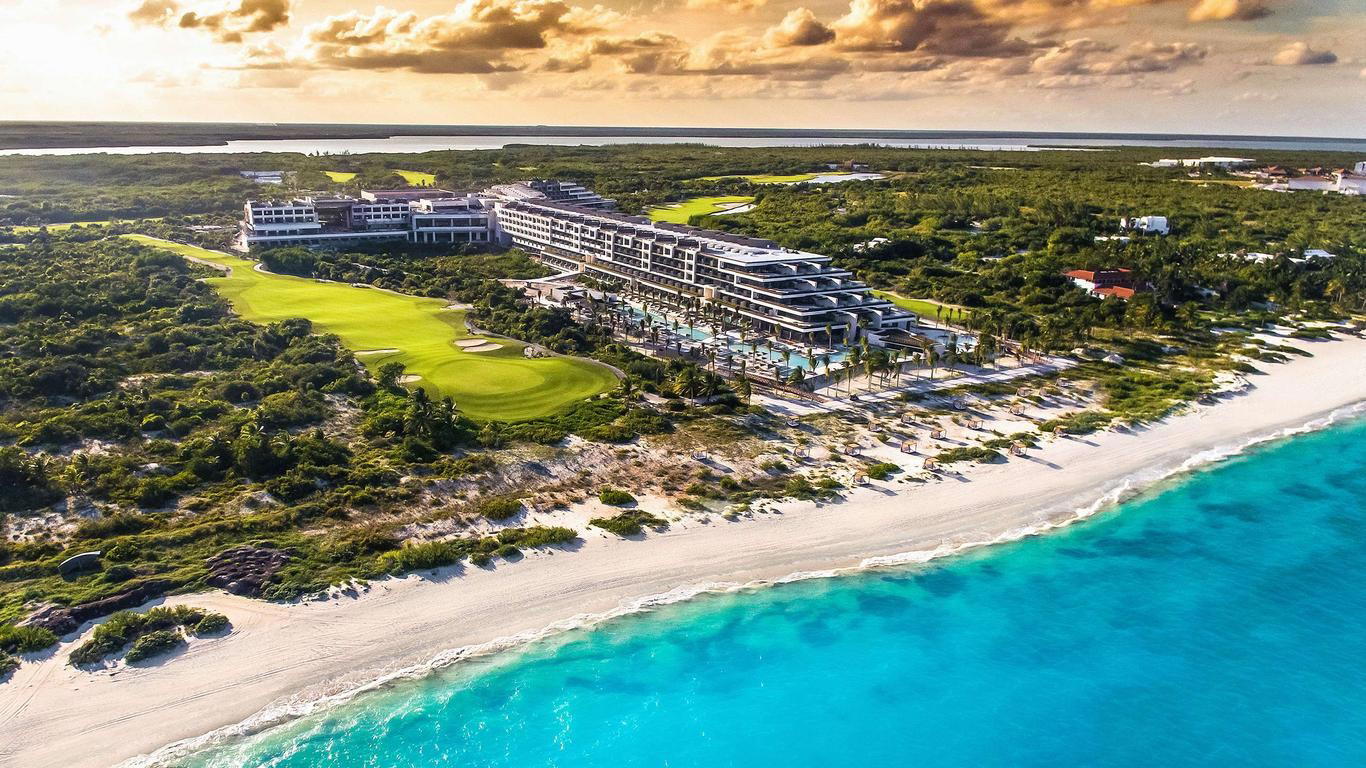


At a Glance
- Elegant
- Modern
- Sophisticated
- Scenic
- Family Vacation
- Romantic Getaway
- Wellness Retreat
- Honeymoon
- Beachfront
- Infinity Pool
- Rooftop Pool
- Destination Spa
- Pool
- Spa
- Fitness Center
- Room Service
- Concierge
- Kids Club
- Beach Access
- Wi Fi
- Waterfront
- Garden
- Pool
- Spa
- Fitness Center
- Room Service
- Concierge
- Kids Club
- Beach Access
- Wi Fi
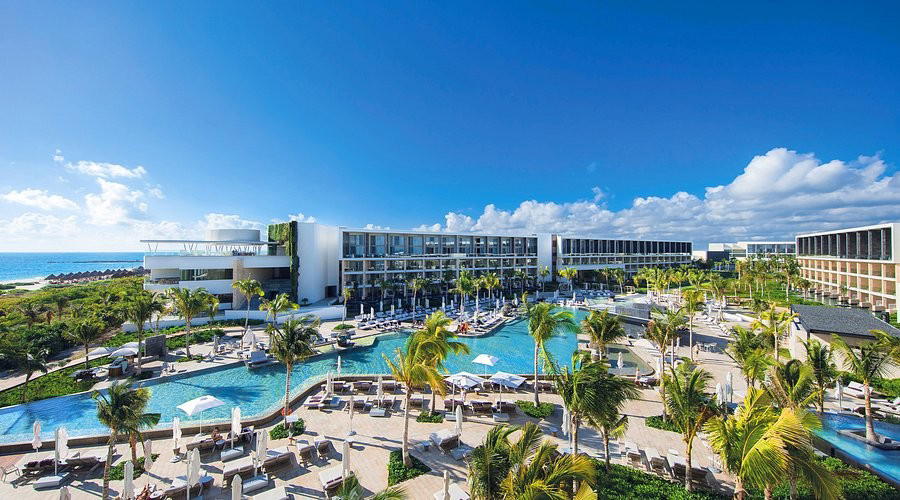
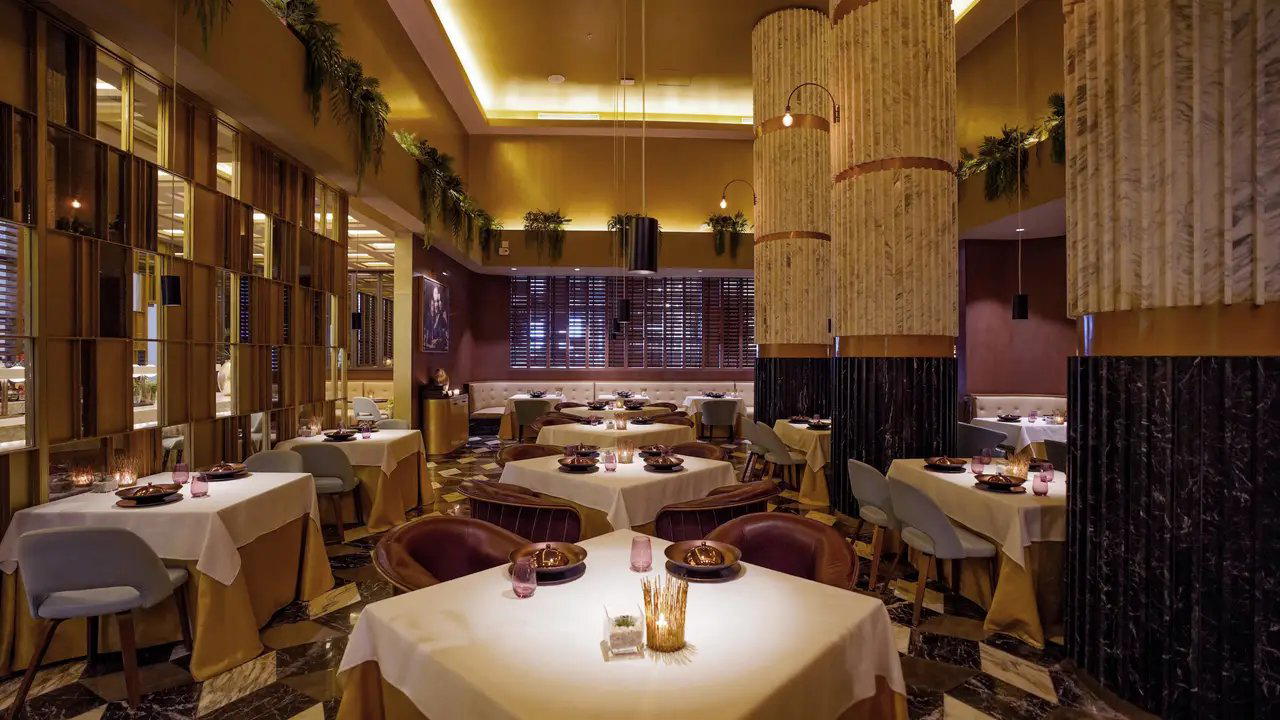
Distinctly modern ambiance with warm pools, shaded seating, and extremely attentive service.