Our verdict
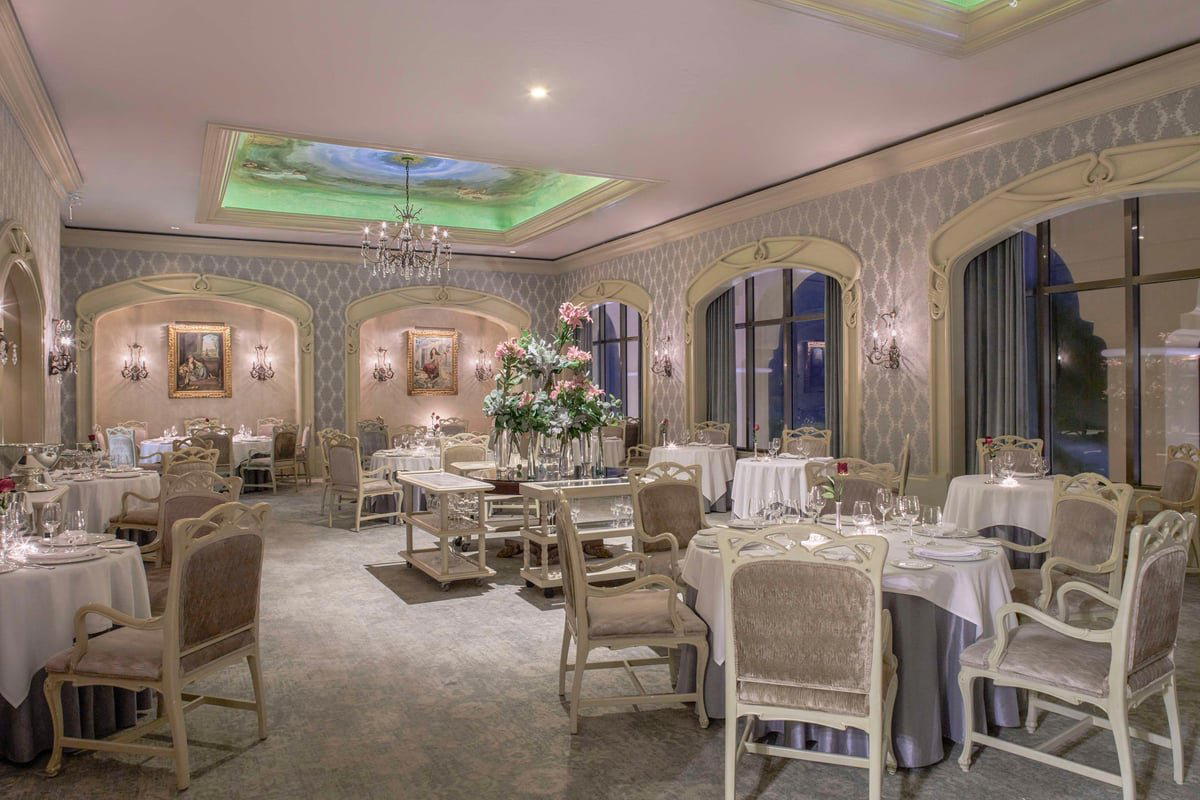
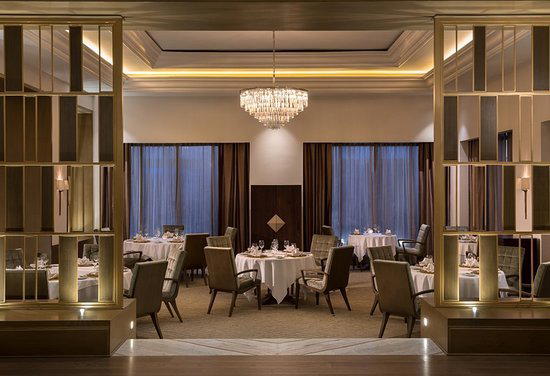
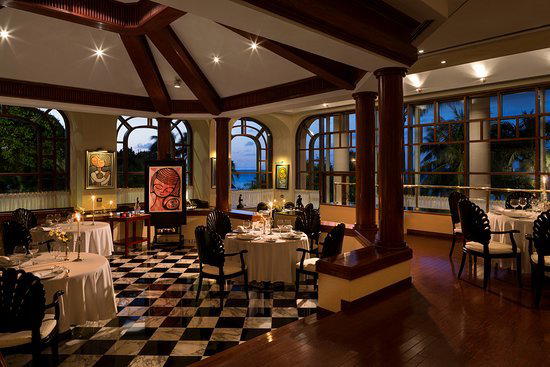
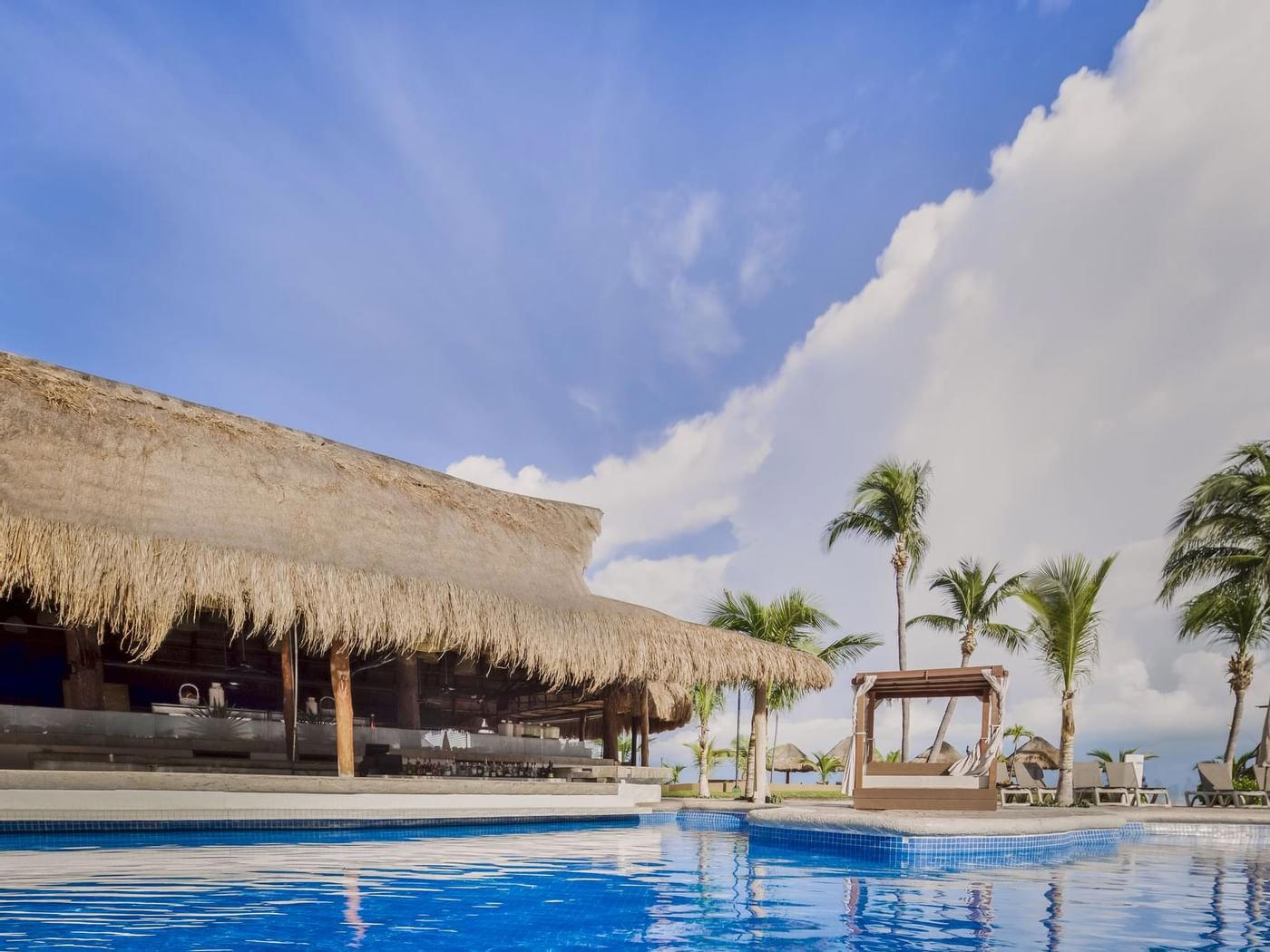
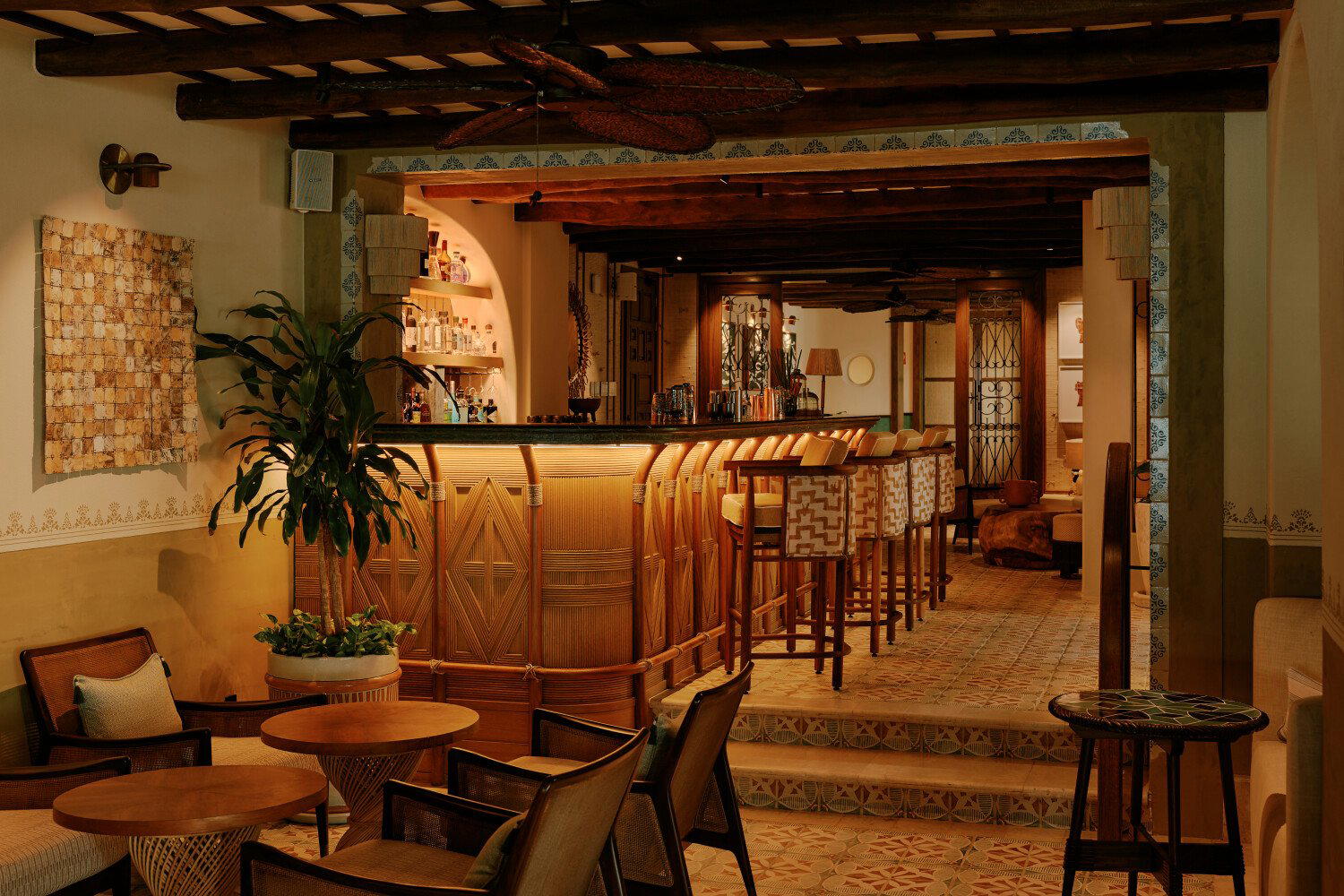
Hacienda Sisal sits on the Hotel Zone strip at km 13.5 of Boulevard Kukulcán, placing it inside one of Cancun's most concentrated corridors for regional Mexican dining. The address alone signals intent: this is not a beachside seafood shack but a property with hacienda-format roots and a menu that draws on Yucatecan and broader Mexican ingredient traditions. For visitors moving through the zona hotelera, it occupies a distinct tier from the international chain restaurants that dominate the strip.

Pearl is the En Primeur Club membership app, where members save venues, book tables and use the concierge.

The menu
What to order
- Guacamole
- Fajitas
- Enchiladas
- Carnitas
- Cochinita pibil
Where the Hotel Zone Gets Serious About Mexican Ingredients
Cancun's Hotel Zone runs a familiar script for most visitors: international buffets, seafood towers, and menus calibrated to tourist expectations rather than regional accuracy. Hacienda Sisal, positioned at km 13.5 of Boulevard Kukulcán, sits in a different category. The hacienda format, an architectural and hospitality tradition rooted in the Yucatán Peninsula's colonial estate culture, signals a relationship with place that most zona hotelera restaurants do not attempt. Arriving here, you are entering a building type that carries its own culinary logic: estates that historically grew, raised, and processed their own provisions, from henequen fields to livestock pens to kitchen gardens.
That provenance matters because it shapes the frame around what you eat. In the broader movement of Mexican cuisine toward ingredient transparency, traceable at the highest levels through restaurants like Pujol in Mexico City and Alcalde in Guadalajara, the hacienda model represents a regional, lower-decibel version of the same principle. The source precedes the plate.
The Yucatecan Ingredient Tradition and What It Means at This Address
The Yucatán Peninsula has one of Mexico's most geographically distinct ingredient pools. Achiote from annatto seeds, sour naranja agria, recado negro from charred chiles and spices, habanero in measured rather than maximalist doses, and proteins that reflect both coastal and inland agriculture, these are not pantry items imported from central Mexico. They are specific to this latitude and this soil. When a Cancun restaurant builds around these materials rather than reaching for generic "Mexican" inputs, the resulting menu reads differently from the zona hotelera standard.
Across the Riviera Maya, the most ingredient-focused restaurants have been staking clearer claims on this territory. HA' in Playa del Carmen and Le Chique in Puerto Morelos each position their menus around the logic of local sourcing with technical precision. Hacienda Sisal operates in a more accessible register, but the underlying ingredient argument is the same: what the peninsula grows and produces is specific enough to be worth naming, sourcing carefully, and cooking with restraint.
Comparable Cancun properties with regional ambitions include La Casa De Las Mayoras, which anchors its $$ Mexican menu in traditional formats, and The Club Grill, which positions across a Mexican steakhouse axis.
Sourcing in a Peninsula Context
The Yucatán Peninsula's geography creates constraints that double as editorial clarity. The Caribbean coast supplies fish and shellfish that differ in variety and seasonality from the Pacific. The jungle interior contributes chaya, a leafy green with deep pre-Columbian roots, alongside wild herbs and game that rarely appear on tourist-facing menus. Annatto cultivation in the region directly supplies the recado rojo paste that defines cochinita pibil, one of the peninsula's most documented slow-cook traditions.
This kind of sourcing precision is documented more explicitly further along the Mexican fine dining chain, at KOLI Cocina de Origen in Monterrey, at Levadura de Olla in Oaxaca, and at Animalón in Valle de Guadalupe, where the sourcing chain is typically named and sometimes visible. At a hacienda-format restaurant in Cancun's Hotel Zone, the sourcing argument tends to be architectural and atmospheric rather than explicitly tasting-menu-annotated. The building and its format carry the claim; the menu substantiates or undermines it.
For visitors who want that sourcing argument articulated in granular detail, provenance notes, producer names, harvest timing, the Riviera Maya's specialist tier is the more reliable address. But for visitors whose frame is regional authenticity within a zona hotelera dinner, the hacienda format delivers a context that international chain menus structurally cannot.
The Zona Hotelera Dining Map and Where Hacienda Sisal Falls
The Hotel Zone's dining scene breaks into predictable tiers. At the broadest level, international hotel restaurants and all-inclusive properties dominate volume. Below that, a mid-market layer of seafood restaurants, Lorenzillo's on the lagoon side, Kiosco Verde at the $$ seafood point, address the reliable tourist appetite for fresh Caribbean catch in accessible formats. Then a smaller tier of restaurants with regional Mexican ambitions, which is where Hacienda Sisal operates.
Cancun does not carry the critical density of Mexico City or the tightly curated scene of Ensenada's farm-to-table corridor or the northern precision of Pangea in San Pedro Garza García. What it has is a high concentration of international visitors who are often more interested in vacation hospitality than in culinary deep-diving. Hacienda Sisal addresses the narrower subset of that audience who want genuine Yucatecan framing rather than a Tex-Mex or generic Mexican approximation. For that subset, the km 13.5 address, roughly central in the Hotel Zone strip, is logistically convenient alongside being editorially distinct.
Other international visitors arriving in Cancun and seeking range across the zona hotelera's dining options would do well to cross-reference our full Cancun restaurants guide, which maps the tier structure clearly. Those extending their trip into the broader restaurant scene would also find contrasting registers at Asador La Vaca Argentina, Bodega Argentina, Bombay Cancún, Café con Gracia, and Capri Pizza Moderna, each of which addresses a different part of the zona hotelera appetite.
When to Go and How to Plan
Cancun's high season runs from December through April, when the Caribbean coast delivers its most consistent weather and the Hotel Zone reaches peak occupancy. During those months, restaurants with hacienda-format settings and covered outdoor or semi-open dining tend to draw steadily, and securing a table earlier in the evening is more reliable than arriving late. The shoulder months of May and November offer lower crowds but the onset or tail of hurricane season; September is the lightest month for visitors and often when restaurants operate at reduced capacity.
Hacienda Sisal is located at km 13.5 of Boulevard Kukulcán in the Zona Hotelera, accessible by taxi or the R-1 bus route that runs the length of the strip. For the zona hotelera generally, dinner reservations on weekends and during December-to-March peak season are worth arranging a day or two in advance.
Frequently asked questions
How do I find Hacienda Sisal?
Hacienda Sisal is located at km 13.5, Blvd. Kukulcan km 13.5, Zona Hotelera, 77500 Cancún, Q.R. Mexico, Cancun.
How does Hacienda Sisal compare to other Mexican restaurants in Cancun's Hotel Zone?
Most restaurant addresses along Blvd. Kukulcan prioritise international menus calibrated to tourist expectations rather than Yucatecan regional specificity. Hacienda Sisal, located at km 13.5 in the Zona Hotelera, positions itself around the ingredient traditions of the Yucatán Peninsula rather than a pan-Mexican or fusion approach. That geographic focus on local sourcing from the Caribbean coast and peninsula-specific spice pastes gives it a different editorial footing from the seafood towers and buffet formats that characterise the surrounding dining tier.
What's the best thing to order at Hacienda Sisal?
Hacienda Sisal's menu draws on the Yucatán Peninsula's distinct ingredient pool, so preparations built around achiote, naranja agria, and recado negro are where the kitchen makes its strongest case. These are the flavour anchors of Yucatecan cooking and the clearest separation from the international menus that dominate Cancun's Hotel Zone. Ask your server what is sourced locally from the Caribbean coast that day, as the peninsula's geography shapes fish and shellfish availability more than any printed menu will.
Do I need a reservation for Hacienda Sisal?
Cancun's Hotel Zone peaks between December and April, when the Caribbean coast delivers consistent weather and visitor numbers push dining rooms to capacity. During high season, booking ahead is the practical approach for any sit-down restaurant along Blvd. Kukulcan.5, Zona Hotelera, for current reservation policy.
What do critics highlight about Hacienda Sisal?
Hacienda Sisal occupies a specific position in Cancun's Hotel Zone dining map: it operates outside the international buffet tier and the all-inclusive default that defines most addresses along Blvd. Kukulcan. The editorial focus tends to land on its use of Yucatecan regional ingredients in a corridor where most kitchens avoid that specificity.
City Peers
Comparable venues nearby, for context on price, style, and recognition.
| Venue | Cuisine | Price | Notes |
|---|---|---|---|
| Hacienda SisalThis venue (the venue you are viewing) | Traditional Mexican | $20–30 | Not listed |
| Carnitas Don Vasco | Mexican Carnitas Taqueria | $10–20 | 2300500012979 |
| La Fonda del Zancudo | Modern Mexican Fusion with Mediterranean Influences | $20–30 | 2300500010120 |
| La Parrilla Playa Caracol | Traditional Mexican Grill & Seafood | $20–30 | Cancún |
| La Parrilla Cancún | Traditional Mexican Grill | $20–30 | 2300500010101 |
| Four Points by Sheraton | Mexican & International | $30–50 | Downtown Cancun / Financial District |