Our verdict
Restaurante Labna sits on Calle Margaritas in Cancun's downtown district, operating at a remove from the Hotel Zone's all-inclusive circuit. The kitchen works within the Yucatecan culinary tradition, a regional canon that draws on Maya technique, citrus-heavy marinades, and slow-cooked preparations distinct from the broader Mexican category. For visitors who want to understand the peninsula's food culture rather than a resort approximation of it, Labna is a consistent downtown reference point.

The menu
What to order
- Poc chuc
- Cochinita pibil
- Papadzules
- Sopa de lima
- Los Tres Huastécos
Downtown Cancun and the Yucatecan Counter-Narrative
Cancun's dining identity is largely written by its Hotel Zone: a corridor of international chains, resort buffets, and seafood restaurants pitched at tourists who arrived by shuttle and leave by the same route. The downtown grid, centred around the Mercado 28 area and streets like Calle Margaritas, operates on a different logic entirely. Restaurants here draw a local clientele alongside travellers who have specifically chosen to eat away from the beach strip, and the menus reflect the Yucatan Peninsula's own culinary canon rather than a generic Mexican register. Restaurante Labna, at Calle Margaritas 32 in the 77500 postal district, belongs to this downtown layer.
That address matters more than it might appear. The Yucatan's cuisine is not simply Mexican food with regional adjustments. It is a distinct tradition shaped by centuries of Maya agricultural practice, Spanish colonial influence, and a geography that produced achiote, habanero, sour orange, and slow-pit cooking as defining pillars. Restaurants that operate within this tradition are making an argument about what the peninsula actually tastes like, as opposed to what tourist infrastructure imagines it should taste like. Across the Yucatan and into the Riviera Maya, this regional commitment is increasingly the basis on which serious dining is judged, as seen at properties like Le Chique in Puerto Morelos and HA' in Playa del Carmen, both of which anchor their menus in the peninsula's own ingredient vocabulary.
How the Menu Reads the Region
The editorial angle on Restaurante Labna is not its individual dishes but what the menu's architecture says about Yucatecan culinary priorities. Traditional Yucatecan menus tend to be organised around technique rather than ingredient type, which separates them from most other Mexican regional traditions. You encounter cochinita pibil as a category of slow-pit cooking, not just a specific preparation; poc chuc as a method of marinating and grilling pork in sour orange before it becomes a plated dish; panuchos and salbutes as antojito formats with distinct textural logic rather than interchangeable snacks. A menu that respects this architecture is implicitly teaching the diner something about how the Yucatan thinks about food.
That structure contrasts with what you find at the Hotel Zone's seafood-dominant restaurants like Lorenzillo's or the French-inflected Le Basilic, both of which operate in an international idiom that travels well across tourist demographics. It also contrasts with the Mexican steakhouse format of The Club Grill, which positions itself in a different tier and competitive set altogether. Labna sits closer to La Casa de las Mayoras in its regional commitment, though the precise menu range and pricing at each property differ. What the downtown Yucatecan format shares is a resistance to genericisation, an insistence on preparation methods that require time and knowledge rather than sourcing and presentation alone.
Across Mexico's broader fine-dining conversation, the most closely watched kitchens, from Pujol in Mexico City to Levadura de Olla in Oaxaca to Alcalde in Guadalajara, have each found their authority by working deeply within a specific regional tradition rather than across a generalised Mexican one. The Yucatan's version of that argument is made at scale by the peninsula's accessible, tradition-forward restaurants as much as by its tasting-menu properties.
Placing Labna in the Cancun Dining Map
Cancun's downtown restaurant scene is smaller and less internationally profiled than comparable Mexican city centres, partly because the city's reputation is almost entirely coastal and partly because visitors tend not to venture off the Hotel Zone corridor without a specific reason. That concentration of tourist traffic in a narrow geography means the downtown district functions as something closer to a local dining neighbourhood, with pricing and format calibrated to residents rather than resort guests.
Labna's position on Calle Margaritas places it within this local-facing layer. The street sits within reasonable distance of the Mercado 28 area, which functions as one of the more accessible entry points into non-resort Cancun for visiting travellers. For those who want a broader picture of Cancun's options across formats and price points, the EP Club Cancun restaurants guide maps the full range. Downtown alternatives with different specialisations include Asador La Vaca Argentina, Bodega Argentina, Bombay Cancún, Café con Gracia, and Capri Pizza Moderna, each occupying a distinct niche in the downtown grid.
The regional comparison set extends further into the Riviera Maya and the broader Yucatan corridor. Properties like HA' in Playa del Carmen operate at a higher price tier with a tasting-menu format, while Le Chique in Puerto Morelos represents the peninsula's most technically ambitious Yucatecan expression. Labna addresses a different need: accessible, tradition-grounded regional cooking at a scale and price point suited to a full sit-down meal without the tasting-menu commitment.
Planning Your Visit
Restaurante Labna is located at Calle Margaritas 32, Cancun, Quintana Roo, Mexico, in the downtown district rather than the Hotel Zone. Reaching it from the Hotel Zone requires a taxi or rideshare of roughly 20 to 30 minutes depending on traffic, a journey that also functions as a meaningful shift in context from resort Cancun to the city residents actually use. Downtown Cancun restaurants at this tier tend to operate at moderate price points compared to Hotel Zone equivalents, though confirmation of current pricing should be sought from the venue. Walk-in access is more common at this downtown tier than at the Riviera Maya's tasting-menu properties, but arrival at peak lunch and dinner hours without a reservation carries some risk during high season, roughly December through April and again during July and August.
Frequently asked questions
Where exactly is Restaurante Labna?
Restaurante Labna is located at C. Margaritas 32, 77500 Cancún, Q.R. Mexico, Cancun.
Is Restaurante Labna a good option for experiencing Yucatecan food without travelling to Merida?
Merida remains the reference point for Yucatecan cuisine, but Labna's downtown Cancun location at Calle Margaritas 32 offers the peninsula's core preparations without requiring the four-hour drive west. For travellers based in Cancun whose itinerary doesn't extend to Merida or Valladolid, a kitchen working in the regional Yucatecan register provides meaningful context for understanding the food culture of Quintana Roo and the broader peninsula. The downtown address also situates the meal within a more local setting than the Hotel Zone allows.
What should I eat at Restaurante Labna?
The Yucatecan kitchen runs on a set of preparations that don't change much across generations: cochinita pibil (slow-pit-roasted pork), poc chuc (grilled pork with sour orange), panuchos, and salbutes. These are the structural dishes of the peninsula's culinary tradition, and restaurants operating in this register are judged on the execution of that canon rather than novelty. At Labna's downtown Cancun address on Calle Margaritas, the menu reflects that regional priority rather than a generalised Mexican offer.
Can I walk in to Restaurante Labna?
Downtown Cancun restaurants in the regional Mexican category tend to be more accessible for walk-ins than the tasting-menu properties along the Riviera Maya, where advance booking is often mandatory. Labna sits on Calle Margaritas 32 in the downtown district, outside the Hotel Zone's tourist traffic patterns, which typically means a more local clientele and less pressure on covers during off-peak hours. Calling ahead is advisable for groups or weekend evenings, though no reservation system details are publicly listed.
What's the defining dish or idea at Restaurante Labna?
The defining idea is fidelity to the Yucatan Peninsula's own culinary system, a tradition shaped by Mayan technique, achiote, citrus, and pit-cooking methods that are distinct from central or northern Mexican cooking. In the Cancun context, where most dining is built around the Hotel Zone's international visitors, a restaurant anchoring itself to this regional register makes a different argument about what Mexican food is. The menu's architecture at Calle Margaritas 32 reads as a position statement as much as a meal.
Reputation First
A short peer table to compare basics side-by-side.
| Venue | Cuisine | Price | Awards | Notes |
|---|---|---|---|---|
| Restaurante LabnaThis venue (the venue you are viewing) | Authentic Yucatecan Mayan Cuisine | Not listed | Not listed | Not listed |
| Lorenzillo's | Classic Seafood & Lobster | $100–150 | Not listed | Seafood |
| Kiosco Verde | Regional Mexican Seafood | $20–30 | Michelin Plate | Seafood |
| La Casa De Las Mayoras | Vegan Mexican | $10–20 | Michelin Plate | Mexican |
| Le Basilic | French Fine Dining | $50–100 | La Liste Top Restaurants · AAA Top 10 Mexico Restaurants | French Seafood |
| The Club Grill | Modern Grill with Mexican Fusion | Not listed | La Liste Top Restaurants · AAA Top 10 Mexico Restaurants | Mexican Steakhouse |
Continue exploring
More in Cancún
Restaurants in Cancún
All restaurants in Cancún →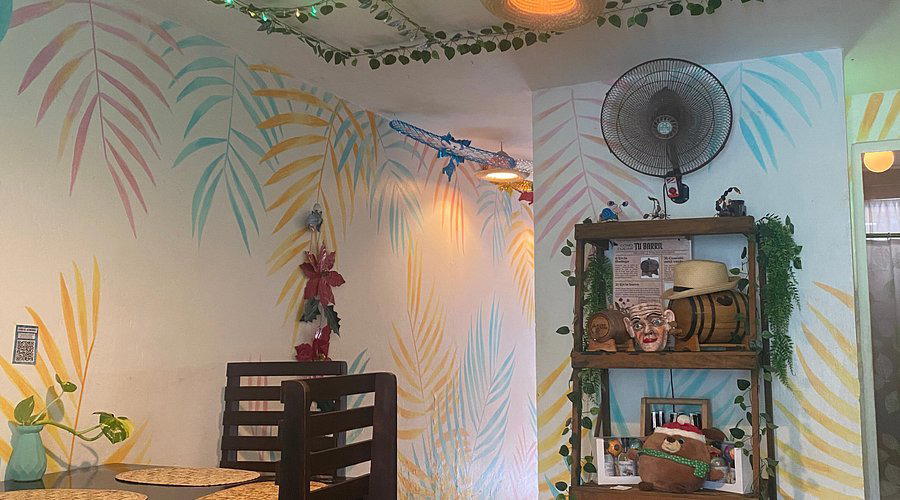

Bars in Cancún
All bars in Cancún →



Details
- Rustic
- Classic
- Family
- Casual Hangout
- Live Music
- Buffet
- A La Carte
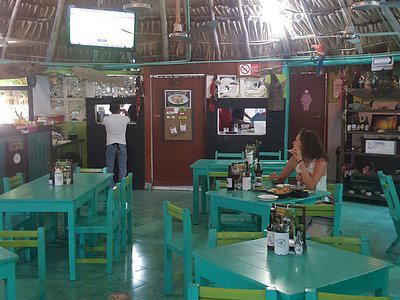
Vaulted ceiling decorated with pre-Hispanic murals creating a homey Yucatecan atmosphere with live Mayan musicians.