Our verdict
Charm sits inside Hangzhou’s dining conversation at a moment when the city’s restaurants are being judged less by spectacle than by pacing, restraint, and how fluently they handle regional ritual. With little public theatre around the room, the useful lens is not celebrity or awards, but whether the meal suits diners looking for a composed night in a city known for lakeside hospitality, tea culture, and precise service rhythms.

Pearl is the En Primeur Club membership app — saves, bookings, and concierge access live there. Same editors, same standards.

The menu
What to order
- Hot pot
Approaching a serious Hangzhou dining room, the first cue is often not volume but tempo: entrances are controlled, tables settle quickly, and the meal’s rhythm matters as much as the cooking. That is the useful way to read Charm. The city’s stronger restaurant experiences tend to reward patience, with courses paced around conversation rather than performance, and service that treats interruption as a flaw. In that context, the meal is less about chasing a headline dish than understanding how the room handles quiet, order, and timing.
Hangzhou has long trained diners to notice subtlety. Local fish, tea, river produce, braises, and clean seasonal greens have shaped a palate that values calibration over force. Even when a restaurant is not explicitly filed under a regional label, the city’s dining culture tends to pull meals toward balance: measured seasoning, unhurried tea service, and a preference for rooms where the table can hold its own conversation. Charm belongs in that conversation as a venue to assess through ritual rather than spectacle.
Hangzhou dining rewards pacing before performance
The city’s restaurant scene splits into several useful lanes. There are heritage-leaning rooms such as Ming Kitchen, everyday local references such as Datou Yingshi Xiaoguan, and older noodle-and-regional institutions in the orbit of Kui Yuan Guan (Jiefang Road). At a higher-comfort tier, hotel dining rooms and polished contemporary formats compete on consistency, privacy, and the ability to host multi-generational tables without turning dinner into a show. Charm is better understood against that broader field than as a venue defined by a single public credential.
That distinction matters for visitors. In larger Chinese dining capitals, a comparable dinner may lean on status signals, tasting-menu architecture, or a chef’s public identity. Hangzhou’s more persuasive meals often move differently: the table is the unit of attention, not the counter; the host’s role is to control flow, not narrate; and the meal gains authority when the room keeps its discipline. Other urban traditions carry their own codes, from skyline dining to destination service. Hangzhou asks for a softer read.
The practical result is a restaurant better suited to diners who care about conversation, sequence, and the social customs of the meal. In China, a serious dinner is rarely just a procession of plates. Seating order, shared dishes, tea, pacing, and the handoff between host and guest all matter. A room that can support those customs without excess noise earns its place in the city’s upper dining tier, even when public information around format, chef, and recognition remains restrained.
The ritual is the point: order, restraint, and the table as host
A useful Hangzhou dinner usually begins before the first dish. Guests read the room, the table establishes hierarchy, and the meal unfolds through shared decision-making rather than individual plates. That makes restaurants in this category more dependent on service choreography than menu novelty. The strongest version of the format gives diners enough structure to relax without making the evening feel scripted.
Charm should be approached with that expectation. This is not the lane for a high-volume night built around cocktails, loud music, and rapid table turns. It is better matched to a quieter dinner, a hosted business meal, or an adult family gathering where the room’s restraint is part of the value. Families with children should judge the occasion carefully: if the child is used to seated, paced meals in city restaurants, the format can work; if the evening needs space, speed, or constant movement, Hangzhou has easier casual options.
Pricing is not presented here as a fixed figure, so diners should treat the meal as a planned dinner rather than a spontaneous budget stop. That does not mean formality for its own sake. It means the sensible guest confirms the basics before going, especially party size and availability, because polished Hangzhou rooms can be shaped around the table’s needs when given notice. Without relying on assumptions about hours or booking channels, advance confirmation is the practical move.
How to place Charm within a Hangzhou itinerary
For a dining-focused trip, Charm works better as part of a Hangzhou sequence than as a single answer to the city. Regional context is essential here. Other Hangzhou dining rooms offer more clearly signposted local reference points, while hotel dining rooms, polished contemporary formats, and traditional addresses help map the city’s range from local custom to higher-comfort service. Read together, they show why Hangzhou dining is rarely about volume. It is about how each room interprets ceremony.
Travelers building a wider China route can use broader comparisons to sharpen the point. Other inland cities may belong to a different appetite culture, with heat, density, and convivial force carrying more weight. Coastal dining traditions can change the rules again, with texture, seafood, and local staple foods shaping expectations around the table. Even international casual formats underline how much format shapes expectation before a dish arrives.
The sensible verdict is narrow and useful: Charm is for a composed Hangzhou dinner where the etiquette of the table matters. Choose it for calm pacing and adult conversation, not for awards-led theatre or a lively bar-led evening. For broader planning, use Our full Hangzhou restaurants guide alongside Our full Hangzhou hotels guide, Our full Hangzhou bars guide, Our full Hangzhou wineries guide, and Our full Hangzhou experiences guide.
Frequently asked questions
Can I bring kids to Charm?
Charm is in Hangzhou, so it works as a city dining address rather than a family venue by default. For children, the practical question is whether the setting suits their schedule and the pace of the meal.
Is Charm better for a quiet night or a lively one?
Charm’s Hangzhou setting points to a dining room that fits a calmer meal more than a late-night scene. The value is usually in the room and the pacing, not volume.
What's Charm's location?
Hangzhou.
Do I need a reservation for Charm?
A reservation is the safer assumption for any Hangzhou restaurant. Plan ahead and confirm the practical details rather than arriving blind.
Cuisine Context
Nearby venues at a similar price tier for orientation.
| Venue | Cuisine | Price | Awards | Notes |
|---|---|---|---|---|
| CharmThis venue — the venue you are viewing | Mediterranean Fusion and Hot Pot | Not listed | Not listed | Not listed |
| Ming Kitchen | Refined Zhejiang Dim Sum | Not listed | Michelin Plate | Zhejiang |
| Datou Yingshi Xiaoguan | Modern Jiangnan Fine Dining | $30–50 | Michelin Bib Gourmand | Hang Zhou |
| Kui Yuan Guan (Jiefang Road) | Hangzhou-style Noodles | $10–20 | Michelin Plate | Zhejiang |
| Forty8 Restaurant | Upscale Chinese & Western grill with seafood | $100–150 | Not listed | Not listed |
| Park Hyatt Hangzhou-Dining Room | Modern Zhejiang and Cantonese Fine Dining | $50–100 | La Liste Top Restaurants · Black Pearl 1 Diamond | Not listed |
Charm
Featured Guides
Continue exploring
More in Hangzhou
Restaurants in Hangzhou
All restaurants in Hangzhou →
Bars in Hangzhou
All bars in Hangzhou →
Details
- Modern
- Elegant
- Sophisticated
- Scenic
- Business Dinner
- Family
- Group Dining
- Casual Hangout
- Hotel Restaurant
- Design Destination
- Buffet
- A La Carte
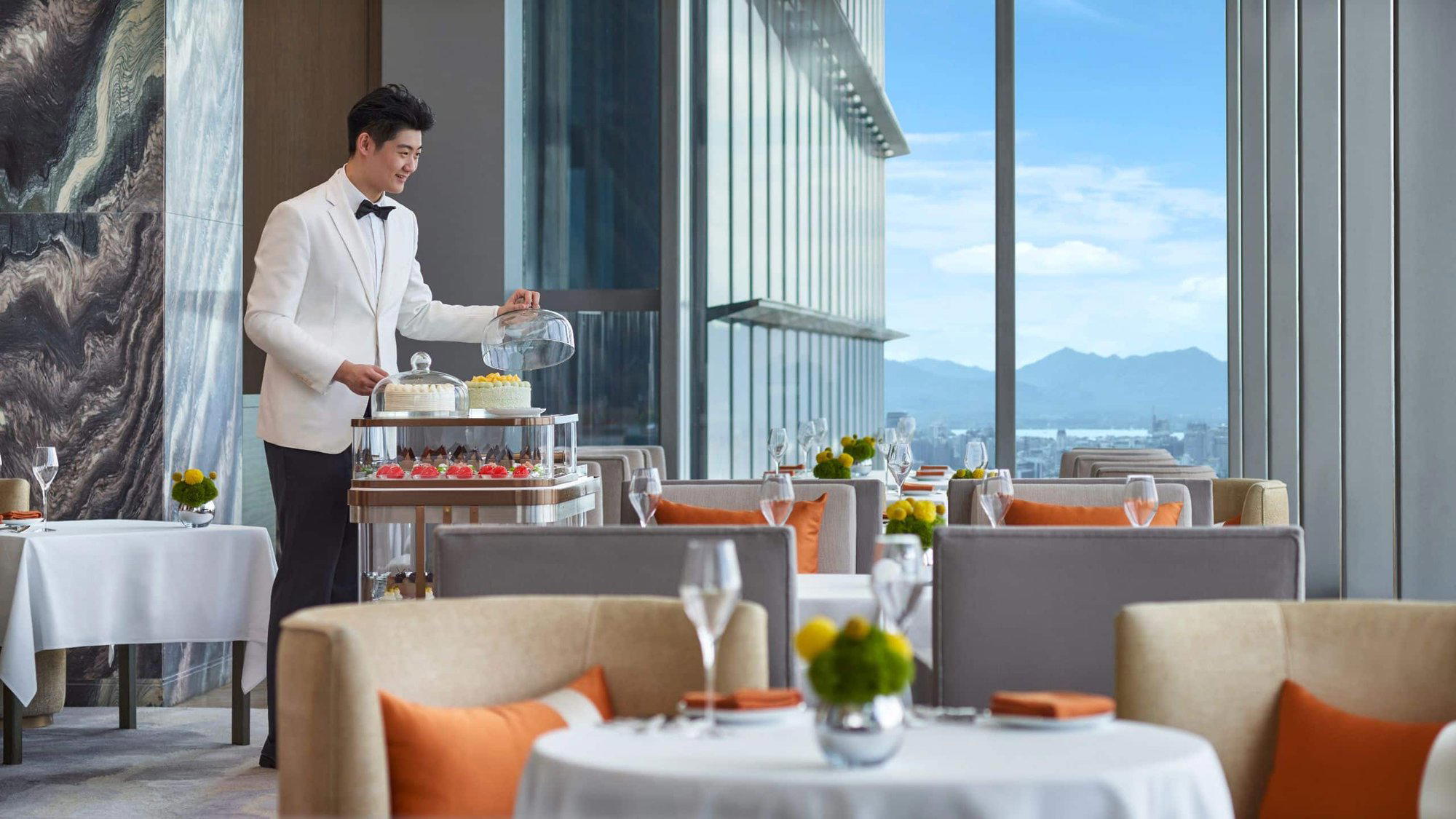
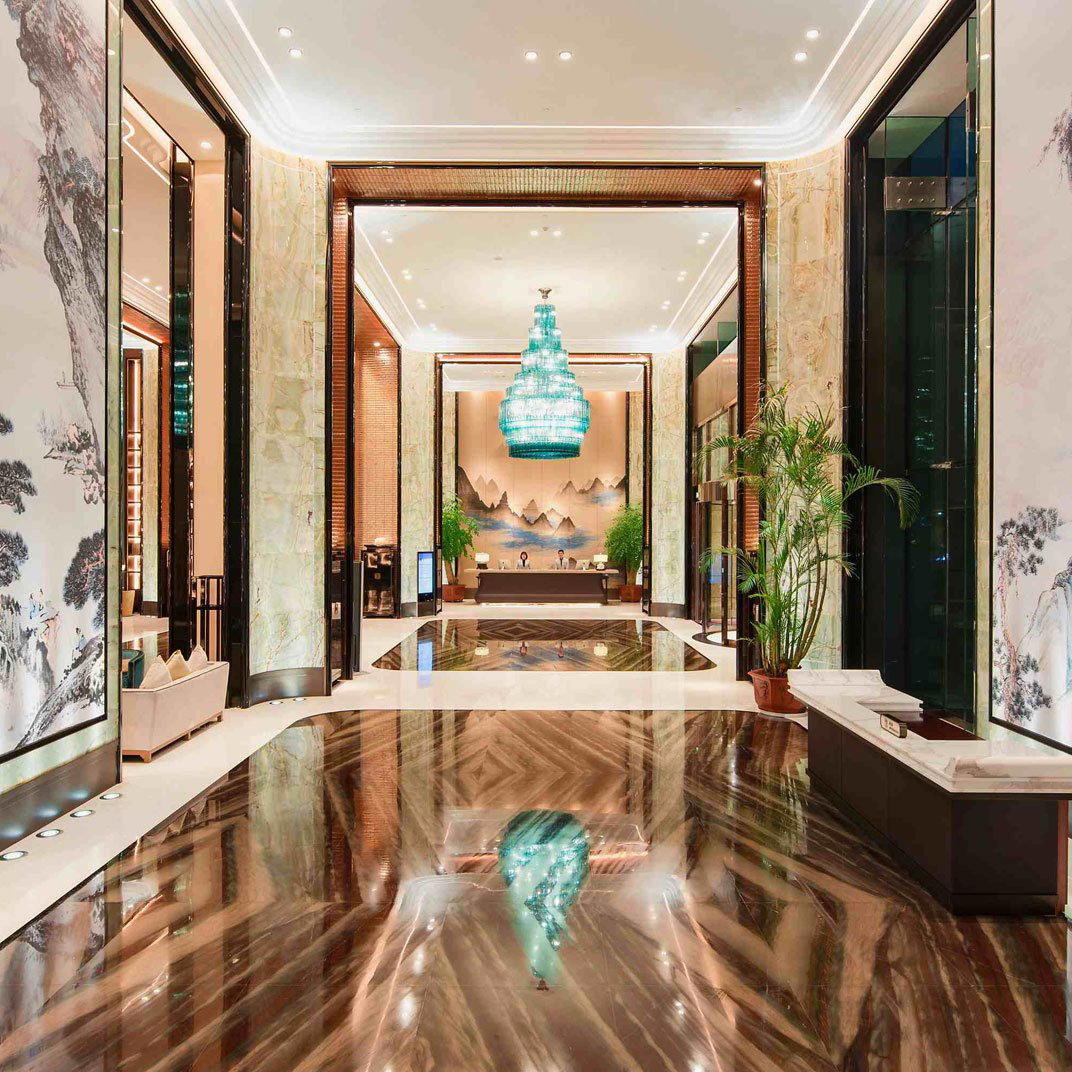
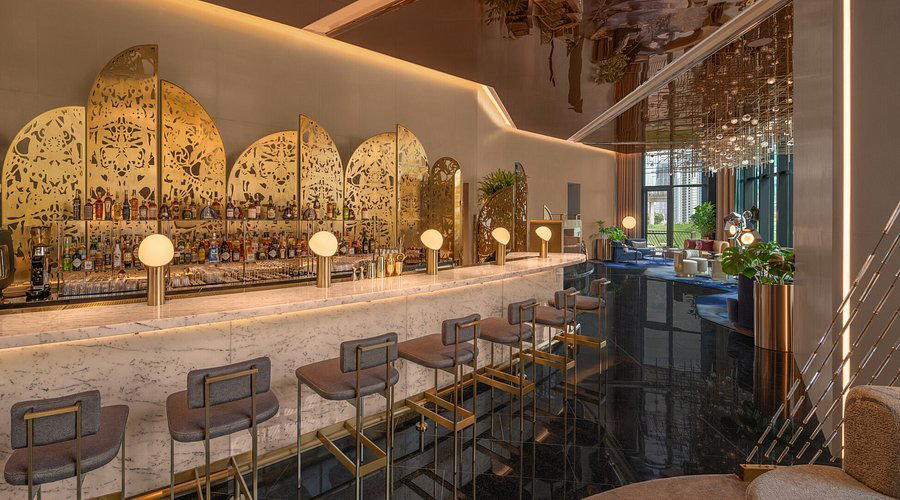
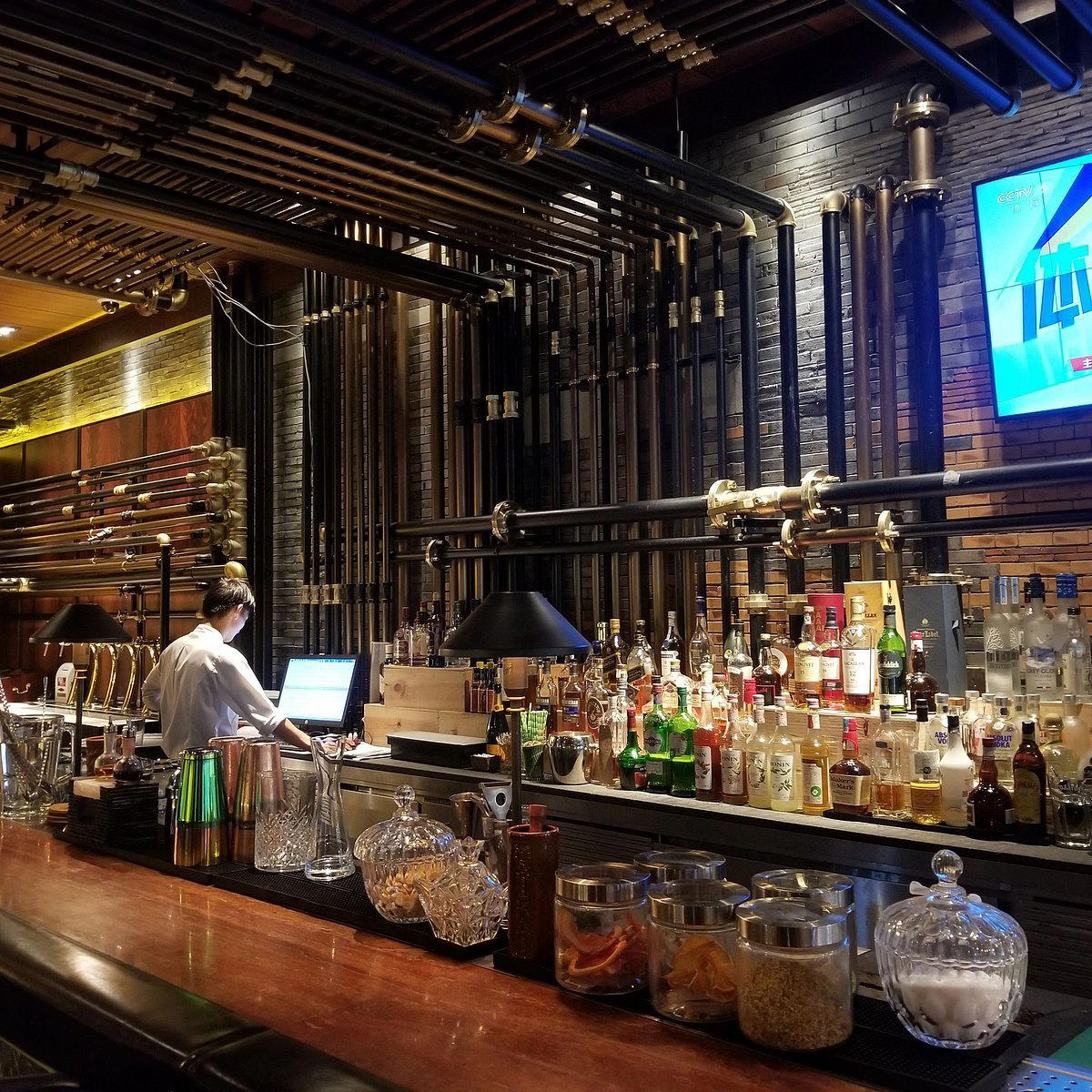
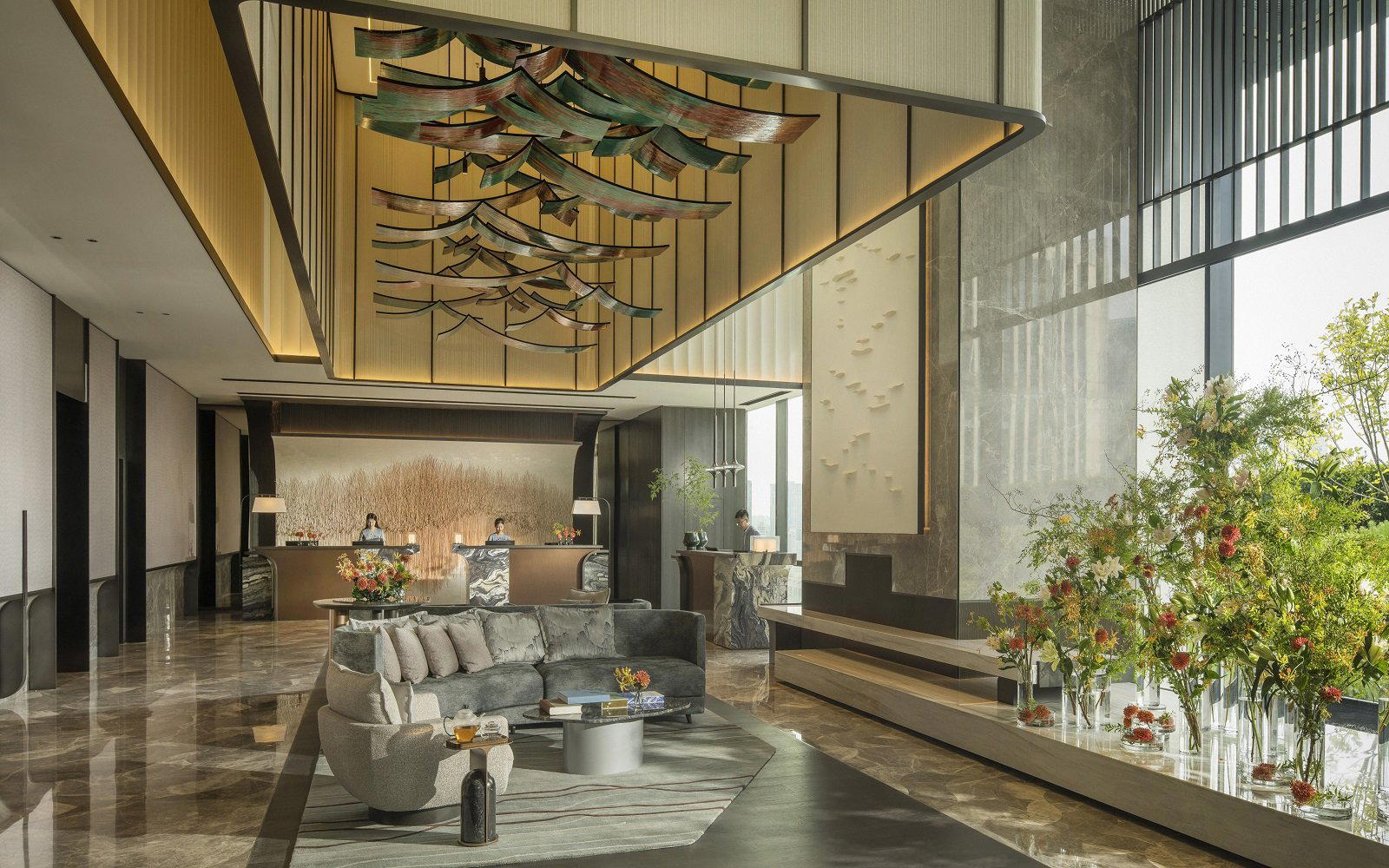
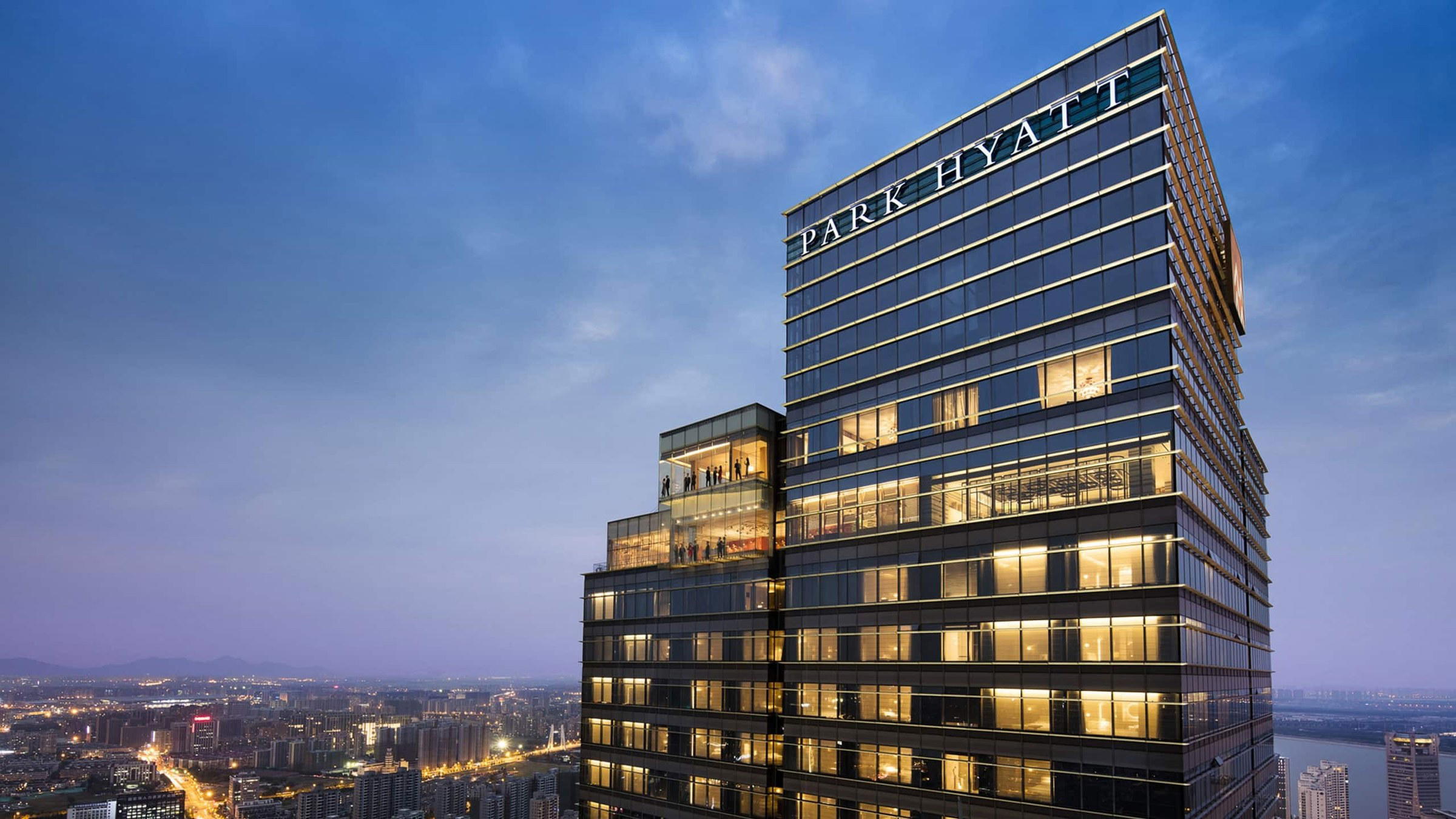
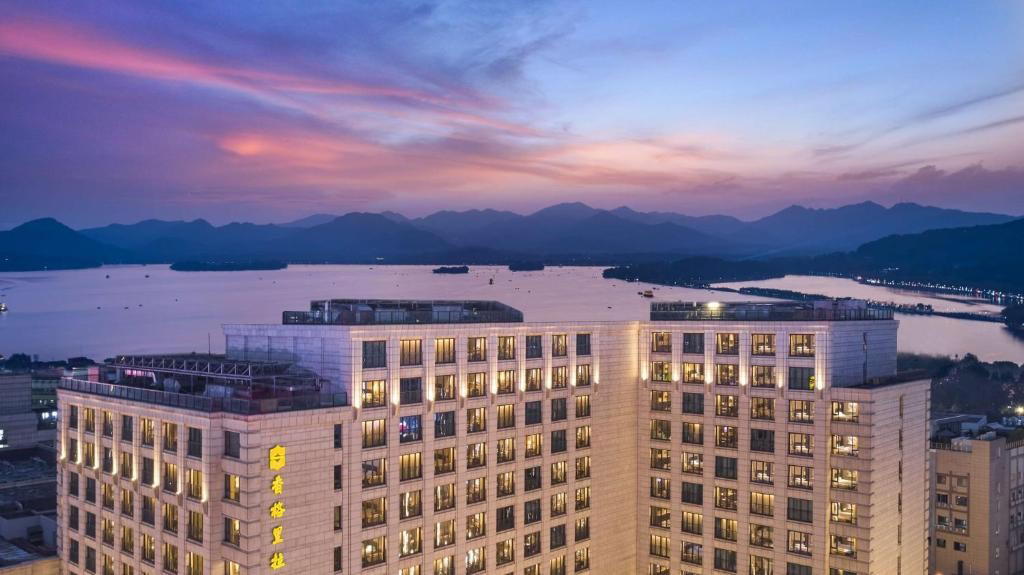
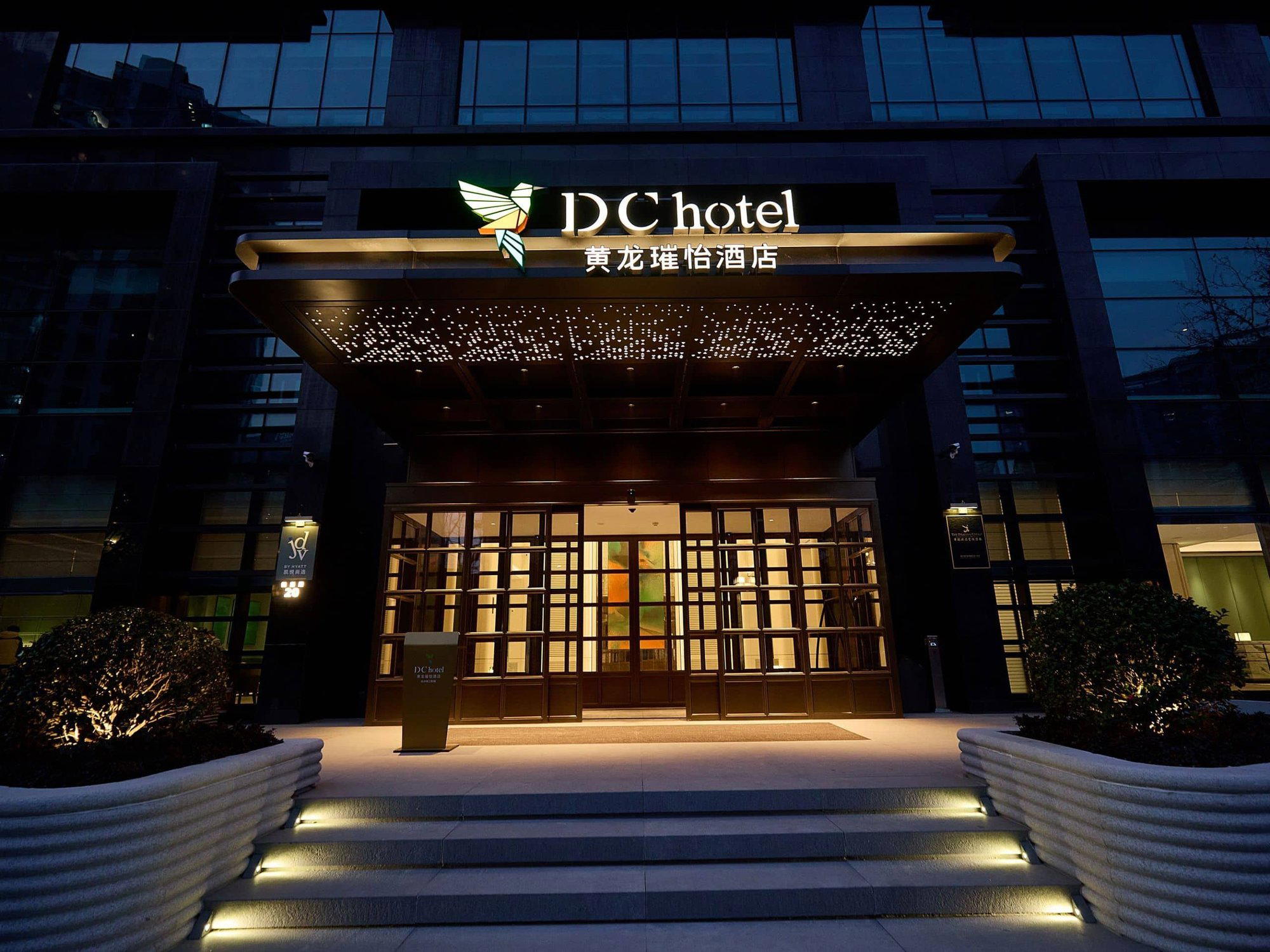
Polished and contemporary, with a refined hotel-dining atmosphere that becomes more culinary-theater-like in the evening as chefs prepare hot pots.