Chama Gaucha - San Antonio
San Antonio's North Side holds a chapter of the Brazilian churrasco tradition that rewards patience and appetite in equal measure. Chama Gaucha operates on the rodízio model, a continuous procession of fire-roasted meats carved tableside, placing it in a format defined by ritual, pacing, and the deliberate rhythm of a long meal. For the city's carnivore contingent, the address on Sonterra Place is a well-established reference point.
Pearl is the En Primeur Club membership app — saves, bookings, and concierge access live there. Same editors, same standards.
- Address
- 18318 Sonterra Pl, San Antonio, TX 78258
- Phone
- +12105649400
- Website
- chamagaucha.com
- Directions
- Get directions
 Saves & bookings on Pearl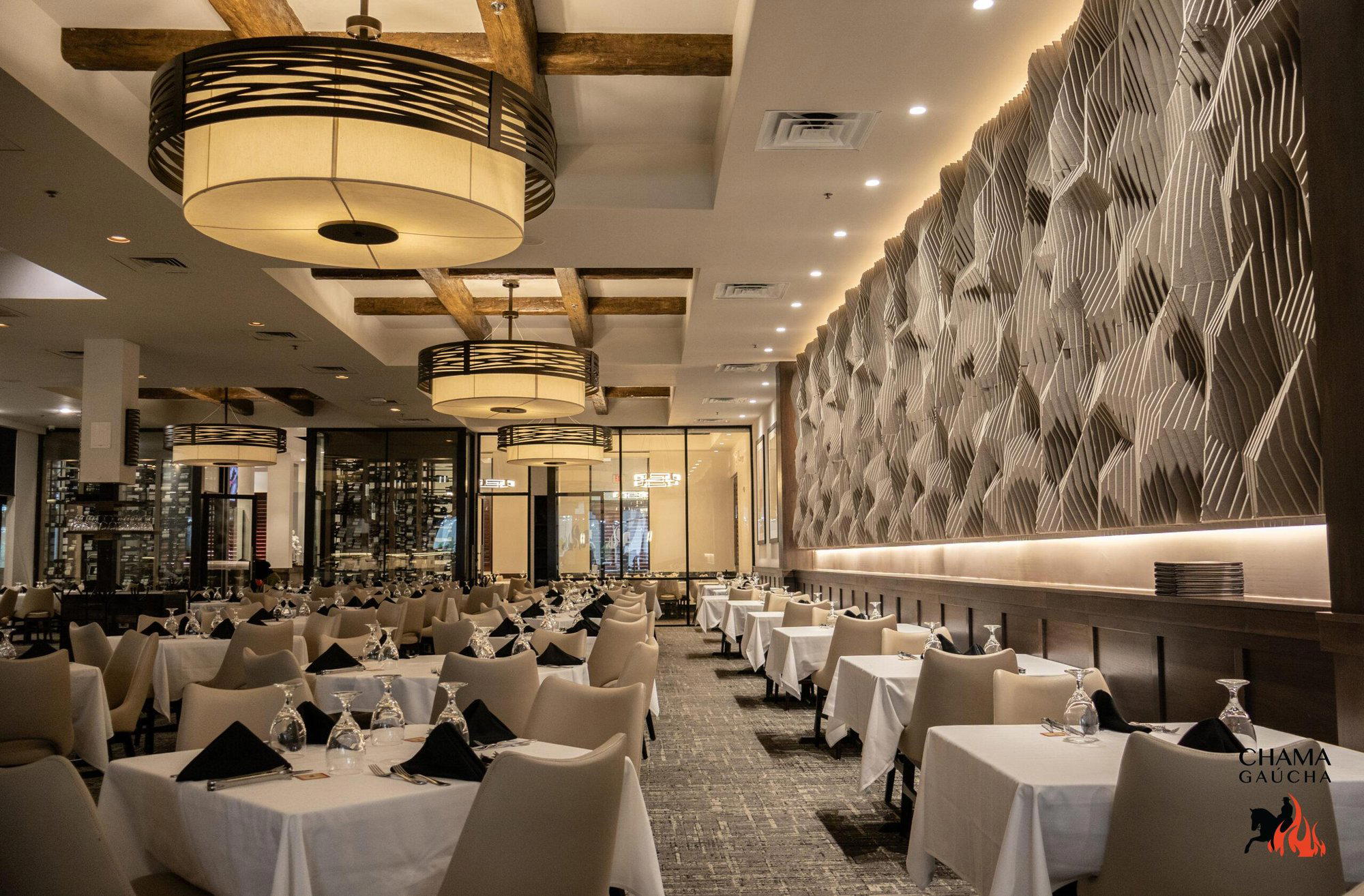
The Rodízio Ritual in a Texas Context
There is a particular kind of restaurant that does not ask you to choose. In the Brazilian churrasco tradition, the decision is made for you the moment you sit down: the meal will arrive continuously, carried by servers moving from table to table with long skewers of fire-roasted meat, and your only job is to signal when to stop. This is the rodízio format, and it operates on a logic that is fundamentally different from à la carte dining or even the fixed tasting menu structures you find at places like The French Laundry in Napa or Smyth in Chicago. There is no arc, no narrative of courses. There is only the fire, the rotation, and your appetite.
Chama Gaucha on Sonterra Place brings that format to San Antonio's North Side, in a stretch of the city where suburban scale meets a genuine appetite for international dining traditions. The restaurant sits in San Antonio's North Side, serving diners drawn to the churrascaria format. San Antonio, with its strong military and professional population on the North Side, proved receptive territory.
How the Meal Actually Works
Understanding the pacing of a rodízio meal matters before you arrive. The format rewards a particular kind of diner: one who resists the instinct to rush, who eats strategically rather than reactively, and who understands that the salad bar component is not an afterthought but a genuine first chapter. At churrascarias operating in this tradition, the sequence typically runs from lighter, cured, and cold preparations toward the heavier, fattier cuts that arrive on skewers mid-meal. Eating heavily at the salad station before the first skewer arrives is the classic first-timer mistake.
The tableside service itself follows a codified etiquette. A small double-sided disc or card at your place setting communicates your readiness: green side up signals the servers to approach; red side up tells them you need a pause. The cuts rotate, picanha, the leading sirloin cap that is the canonical centerpiece of Brazilian churrasco, alongside lamb, chicken, pork ribs, and sausage, and the skill of the server lies in reading the table's pace and offering each cut at its leading moment off the skewer. This is a format built around hospitality choreography as much as cooking technique.
In that sense, the rodízio experience sits closer to the communal, service-driven end of the dining spectrum than it does to the chef-driven tasting counter. For the latter, San Antonio offers a different register: Mixtli, the regional Mexican tasting menu format on the city's near West Side, operates at the opposite pole, with intimate seating and a narrative structure that unfolds over many small courses. Isidore brings a Texan-inflected fine dining sensibility to the table. Chama Gaucha belongs to a different tradition entirely, one where abundance and generosity are the primary gestures.
Fire, Fat, and the Cut That Defines the Category
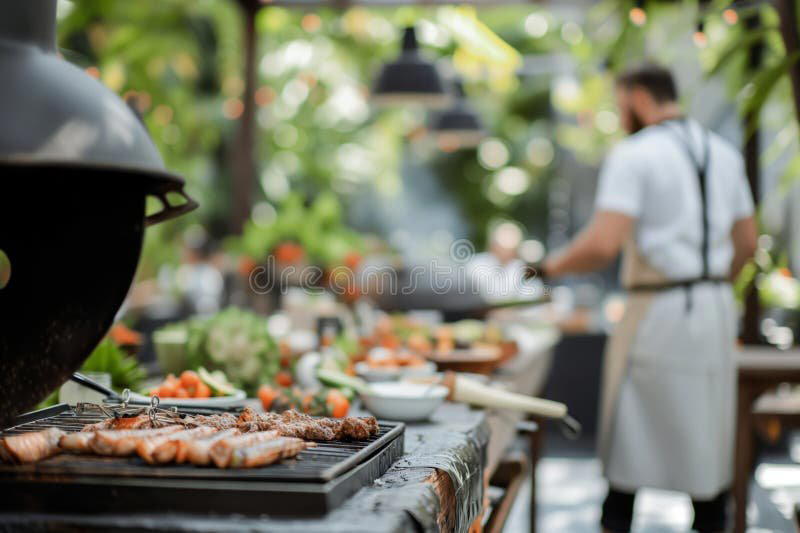
The picanha is the organizing principle of the Brazilian churrascaria. Cut from the rump cap, with a thick layer of fat running along one side, it is seasoned simply with coarse salt and cooked over direct heat, then rested and sliced thin against the grain as it makes its tableside rounds. The fat cap bastes the meat as it cooks, and the result, when the timing is right, is a cut that is simultaneously well-seasoned on the exterior and yielding within.
The churrasco tradition prizes the fire itself as the primary technique, which places it in contrast to the smoke-forward methodology of Texas barbecue. 2M Smokehouse on the South Side represents that tradition at a high level, where low-and-slow smoke over oak is the defining variable. The Brazilian approach relies on higher, faster heat and the rotation of the skewer, producing a different texture and crust profile. Both are meat-centered formats; the cooking philosophies point in opposite directions.
San Antonio's broader dining scene is varied enough that both formats find their audience. The city's restaurant character has expanded considerably beyond its Tex-Mex foundations, with 1Watson, 410 Diner, and a wider range of international formats now competing for the same dining dollar.
Placing Chama Gaucha in the National Churrascaria Tier
The American churrascaria market has consolidated around a handful of national groups and a smaller number of independents. Chama Gaucha operates as a smaller, multi-location group relative to the largest national players, which positions it in a tier where individual location quality can vary meaningfully from the flagship. The Sonterra Place location serves a North Side San Antonio catchment that skews toward expense-account dinners, family celebrations, and group events, the same occasions that drive volume at comparable formats across the Sun Belt.
By the standards of the broader national dining category, the churrascaria format occupies a mid-to-upper price position. A full rodízio service, inclusive of the salad bar and the meat rotation, sits at a price point that places it above casual dining and in the same general territory as a moderately priced tasting menu, though the value calculation is structurally different, since the rodízio price covers unlimited service rather than a fixed number of courses. For context on what premium fixed-format dining looks like at the high end nationally, venues like Le Bernardin in New York City, Providence in Los Angeles, Addison in San Diego, or Lazy Bear in San Francisco represent a different tier of investment and format discipline. The churrascaria sits elsewhere on that spectrum.
Other premium dining formats nationally, including Blue Hill at Stone Barns in Tarrytown, Atomix in New York City, Single Thread Farm in Healdsburg, The Inn at Little Washington, Emeril's in New Orleans, and Atelier Moessmer Norbert Niederkofler in Brunico share one thing with the churrascaria model: a structured service rhythm that the diner participates in rather than directs. The analogy ends there, but the ritual dimension is worth noting.
Planning the Visit
Chama Gaucha on Sonterra Place sits on San Antonio's North Side, accessible by car from the Stone Oak and Alamo Ranch corridors. Reservations are recommended. Arrive hungry and start conservatively at the salad bar.
Comparable Spots, Quickly
Comparable venues nearby, for context on price, style, and recognition.
| Venue | Cuisine | Price | Notes |
|---|---|---|---|
| Chama Gaucha - San AntonioThis venue — the venue you are viewing | Brazilian Steakhouse Churrasco | $$$$ | Not listed |
| Avenida Brazil - San Antonio | Brazilian Steakhouse Churrasco | $$$ | Kentwood Manor |
| SILO Prime | Modern Steakhouse | $$$$ | La Villita District |
| Bliss Restaurant | Contemporary American | $$$$ | Lavaca |
| Brenner's on the River Walk | Classic Steakhouse | $$$$ | Downtown |
| J-Prime Steakhouse | Modern Steakhouse | $$$$ | Far North Central |
Continue exploring
More in San Antonio
Restaurants in San Antonio
Browse all →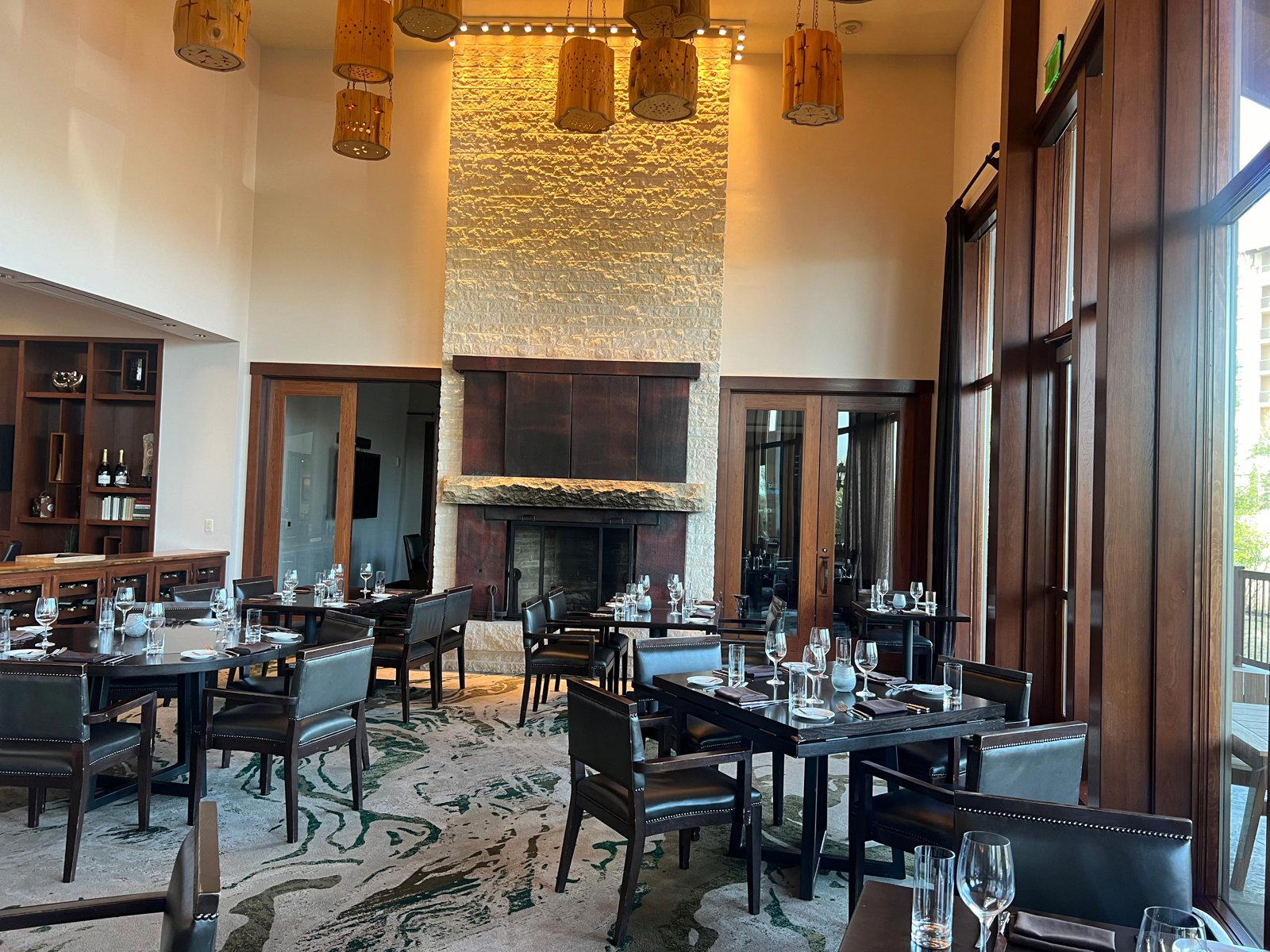
Bars in San Antonio
Browse all →
Hotels in San Antonio
Browse all →
At a Glance
- Elegant
- Sophisticated
- Group Dining
- Special Occasion
- Celebration
- Open Kitchen
- Extensive Wine List
Current opening hours
- Monday
- 11 AM–9:30 PM
- Tuesday
- 11 AM–9:30 PM
- Wednesday
- 11 AM–9:30 PM
- Thursday
- 11 AM–9:30 PM
- Friday
- 11 AM–10 PM
- Saturday
- 1:30–10 PM
- Sunday
- 12–8:30 PM
Hours can change for holidays and private events. Last verified .
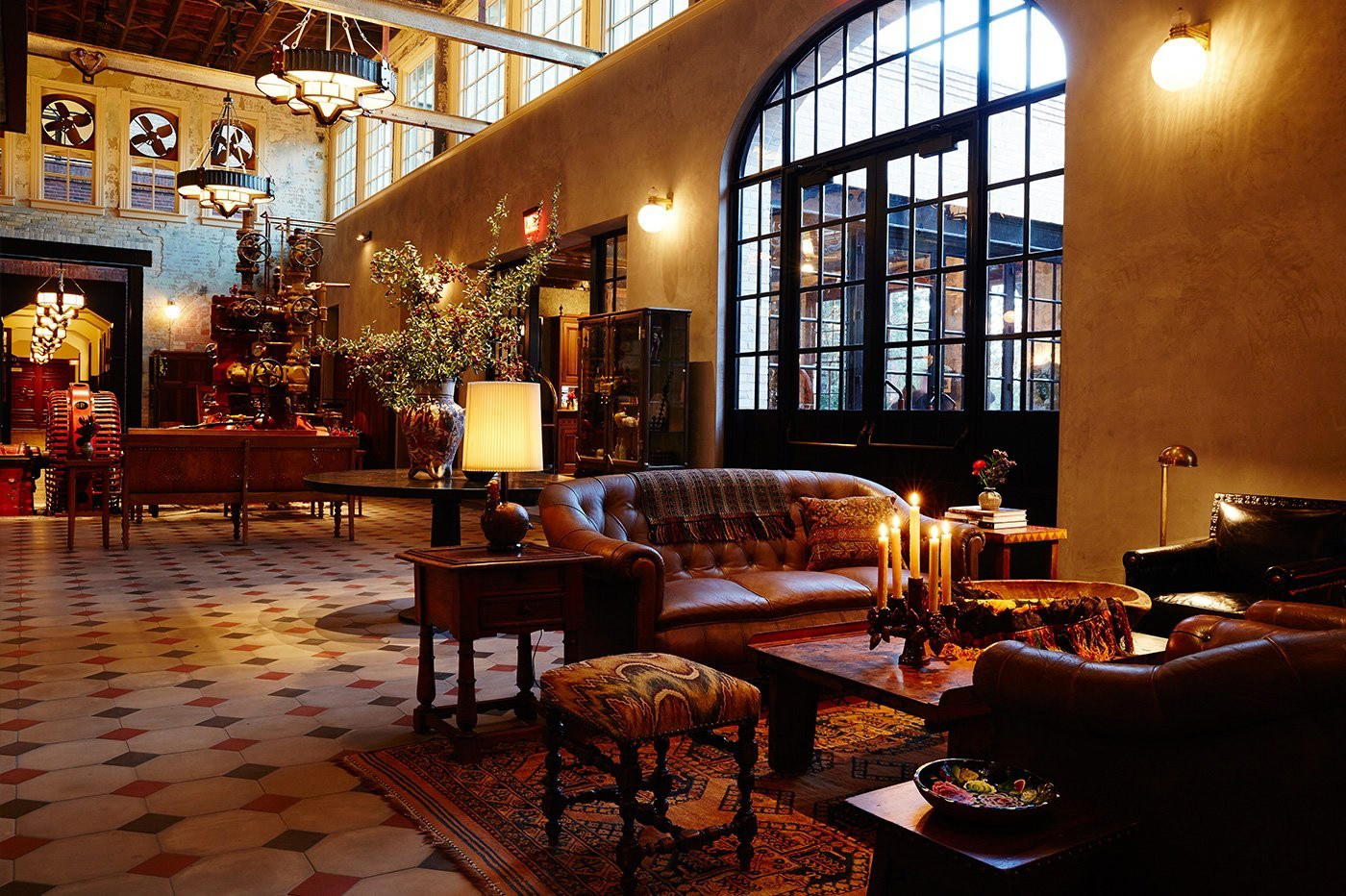
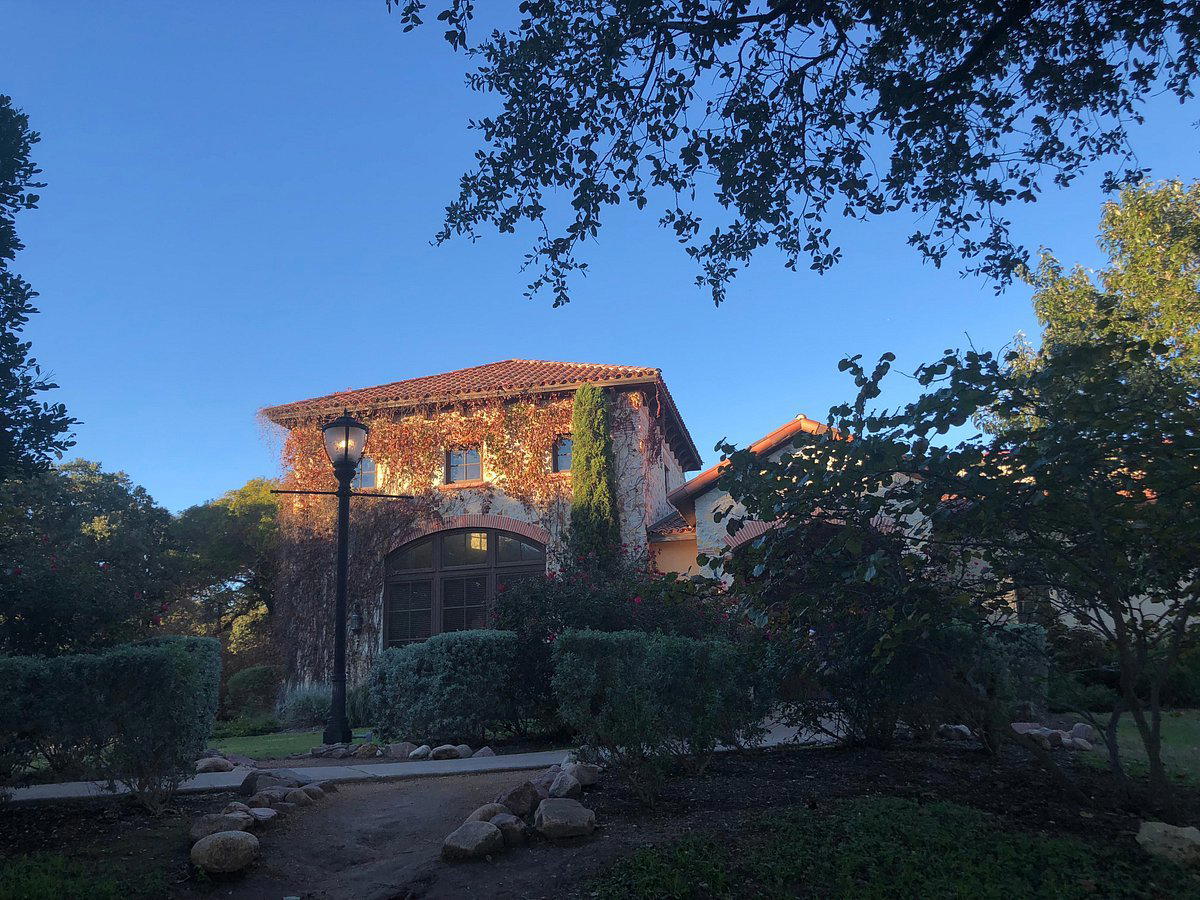
Upscale steakhouse atmosphere evoking the gaucho heritage of Rio Grande do Sul with stone works, warm lighting, and lively service.