18 Oaks

Where Hill Country Sourcing Meets Resort-Scale Ambition San Antonio occupies an interesting position in the American fine dining conversation. It sits close enough to the Texas Hill Country ranching belt to have genuine access to regional beef, game, and produce, yet far enough from the concentrated food media markets of Houston and Austin that its higher-end restaurants rarely get the same column inches. 18 Oaks, addressed at 23808 Resort Pkwy on the city's northeastern edge, operates within the JW Marriott San Antonio Hill Country Resort, a setting that shapes its identity in ways both practical and philosophical. Resort restaurants of this tier across the United States have historically struggled against a perception problem: the assumption that captive audiences reduce the incentive for kitchen ambition. The better resort dining rooms — think Addison in San Diego or The Inn at Little Washington in Washington — have largely dismantled that assumption by anchoring their programs in sourcing discipline and regional specificity rather than generic luxury execution. The name itself signals a program logic. Oak trees define the Texas Hill Country's visual and ecological character, and the eighteen-oak motif frames the restaurant's identity inside a landscape that has shaped Texas ranching and hunting culture for generations. That framing matters when you consider what the region actually produces: the Hill Country sits at the intersection of German immigrant butchery traditions (concentrated around Fredericksburg and New Braunfels), working cattle ranches, and a growing network of small farms supplying the state's premium restaurant market. A dining room that takes that geography seriously has genuinely interesting raw material to work with. For wider context on how American restaurants are building programs around regional sourcing, see our full Northeast restaurants guide, which covers how the movement has played out in different climates and markets. The Sourcing Logic of Texas Resort Dining The Hill Country's ranching infrastructure gives a kitchen at this address options that most resort properties in other regions would need to import. Texas Wagyu programs have expanded significantly over the past decade, with producers in the Hill Country supplying beef that competes on technical grounds with what restaurants like Le Bernardin in New York City source for their protein courses. Game birds, venison, and wild boar are regional staples rather than specialty imports here, and the peach and lavender orchards around Fredericksburg provide a seasonal produce calendar that connects directly to a kitchen at this address without crossing state lines. That kind of sourcing proximity changes what a kitchen can do with timing. Ingredients harvested within a few hours of service arrive in a different condition than those that have spent days in cold chain logistics. Restaurants that have built their reputations on this principle, Blue Hill at Stone Barns in Tarrytown, Single Thread Farm in Healdsburg, and Smyth in Chicago, have demonstrated that proximity-based sourcing is a structural advantage, not just a marketing position. The question for any Hill Country-adjacent program is whether the kitchen exploits that advantage with genuine seasonal variation or defaults to the same menu regardless of what the region is producing in a given month. The Physical Setting and What It Demands Resort dining rooms at the scale of a JW Marriott property tend to carry high ceilings, generous table spacing, and the kind of acoustic architecture that allows conversation at a normal register, a contrast to the compressed urban counters like Atomix in New York City or the dense communal formats gaining ground in cities. The setting at 18 Oaks leans into the Hill Country ranch aesthetic, where the materiality of the room, wood, stone, leather, does more to communicate regional identity than any menu descriptor. That physical language is not incidental: it primes a diner's expectations toward Texas beef, fire, and seasonal produce before a plate arrives. Restaurants in this category across the South and Southwest have increasingly learned from the farm-to-table discipline that Bacchanalia in Atlanta applied to the Southeast and that Lazy Bear in San Francisco applied to Northern California's produce calendar. The structural parallel is that regional pride, backed by genuine sourcing relationships, produces more interesting cooking than a generic luxury program importing the same proteins and produce regardless of zip code. Planning a Visit 18 Oaks sits within the JW Marriott San Antonio Hill Country Resort at 23808 Resort Pkwy, roughly eighteen miles northeast of downtown San Antonio. The address is most practically reached by car. For guests staying at the resort, the restaurant functions as the property's flagship dining room; for visitors coming specifically to dine, the drive from the city center runs along US-281 North and takes under thirty minutes in moderate traffic. Resort dining at this level in the Texas market typically operates on a reservation basis, with dinner service the primary focus. Dress expectations fall in the smart casual to business casual range, consistent with Hill Country resort conventions rather than the stricter formality that applies at urban fine dining rooms like The French Laundry in Napa or Osteria Francescana in Modena. Pricing in resort flagship dining rooms at this hotel tier in the Texas market generally sits in the mid-to-upper range for the region, consistent with what you would expect from a comparable program at Frasca Food and Wine in Boulder or Emeril's in New Orleans. For travelers with an interest in how regional sourcing shapes American restaurant cooking more broadly, the contrast between a Hill Country-anchored program like this one and coastal sourcing-led formats, including Providence in Los Angeles, ITAMAE in Miami, or Oyster Oyster in Washington, D.C., illustrates how differently American kitchens can interpret the same localist principle when the regional ecology changes. The Wolf's Tailor in Denver offers a mountain-state parallel worth comparing: a program where the sourcing radius and the culinary tradition intersect in ways that are specific to place rather than replicable anywhere. Frequently Asked Questions Is 18 Oaks a family-friendly restaurant?The resort context at the JW Marriott San Antonio Hill Country makes 18 Oaks more accommodating to families than a comparable urban fine dining room. That said, the pricing tier and the formality of the setting position it as an occasion restaurant rather than a casual family dinner option. Families with older children who are comfortable in a quieter, more formal dining environment will find it appropriate; those traveling with young children may find the resort's other dining outlets a better fit for everyday meals.Is the restaurant formal or casual?The restaurant occupies the middle register of the Texas fine dining spectrum: more formal than a contemporary urban casual restaurant, less strict than the tuxedo-and-tablecloth codes that once defined American luxury dining. The Hill Country resort setting in San Antonio encourages smart casual attire, with the understanding that the kitchen and service operate at a higher standard than the dress code alone would suggest. Comparable resort flagship rooms in similar price tiers across the South and Southwest follow the same convention.What is the signature dish at the restaurant?The venue data available does not confirm a specific current signature dish. What the restaurant's name, address, and regional context suggest is that the kitchen's anchor proteins draw from Hill Country ranching traditions, with Texas beef occupying the structural center of the menu. The region's proximity to working cattle operations and game hunting land makes grilled and fire-finished proteins the natural expression of the program, consistent with how other farm-adjacent restaurants in the American South and Southwest have framed their identity dishes.How does the restaurant compare to San Antonio's independent fine dining scene?Resort flagship restaurants and independent fine dining rooms in a city like San Antonio serve different functions in the local dining ecosystem. Independent restaurants tend to carry stronger local editorial attention and iterate menus more quickly in response to seasonal supply. Resort flagships like 18 Oaks offer more consistent service infrastructure, larger physical footprints, and a clientele that includes destination travelers rather than primarily local regulars. The Hill Country sourcing geography available to both is identical; the structural difference is in how each type of operation exploits it.
Pearl is the En Primeur Club membership app — saves, bookings, and concierge access live there. Same editors, same standards.
- Address
- 23808 Resort Pkwy, San Antonio, TX 78261
- Phone
- (210) 491-5825
- Website
- marriott.com
- Directions
- Get directions
 Saves & bookings on Pearl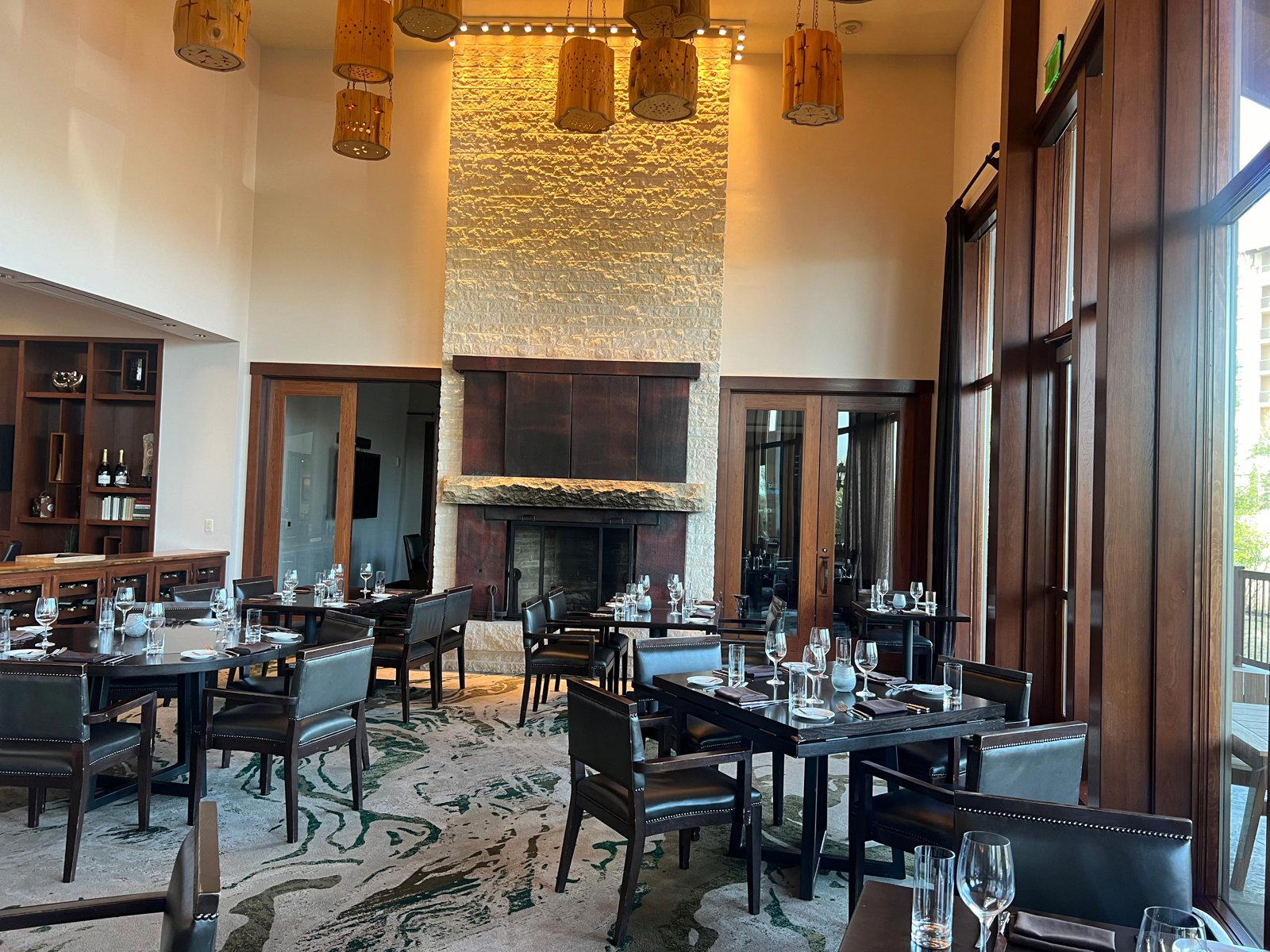
Where Hill Country Sourcing Meets Resort-Scale Ambition
San Antonio occupies an interesting position in the American fine dining conversation. It sits close enough to the Texas Hill Country ranching belt to have genuine access to regional beef, game, and produce, yet far enough from the concentrated food media markets of Houston and Austin that its higher-end restaurants rarely get the same column inches. 18 Oaks, addressed at 23808 Resort Pkwy on the city's northeastern edge, operates within the JW Marriott San Antonio Hill Country Resort, a setting that shapes its identity in ways both practical and philosophical. Resort restaurants of this tier across the United States have historically struggled against a perception problem: the assumption that captive audiences reduce the incentive for kitchen ambition. The better resort dining rooms — think Addison in San Diego or The Inn at Little Washington in Washington — have largely dismantled that assumption by anchoring their programs in sourcing discipline and regional specificity rather than generic luxury execution.
The name itself signals a program logic. Oak trees define the Texas Hill Country's visual and ecological character, and the eighteen-oak motif frames the restaurant's identity inside a landscape that has shaped Texas ranching and hunting culture for generations. That framing matters when you consider what the region actually produces: the Hill Country sits at the intersection of German immigrant butchery traditions (concentrated around Fredericksburg and New Braunfels), working cattle ranches, and a growing network of small farms supplying the state's premium restaurant market. A dining room that takes that geography seriously has genuinely interesting raw material to work with. For wider context on how American restaurants are building programs around regional sourcing, see our full Northeast restaurants guide, which covers how the movement has played out in different climates and markets.
The Sourcing Logic of Texas Resort Dining
The Hill Country's ranching infrastructure gives a kitchen at this address options that most resort properties in other regions would need to import. Texas Wagyu programs have expanded significantly over the past decade, with producers in the Hill Country supplying beef that competes on technical grounds with what restaurants like Le Bernardin in New York City source for their protein courses. Game birds, venison, and wild boar are regional staples rather than specialty imports here, and the peach and lavender orchards around Fredericksburg provide a seasonal produce calendar that connects directly to a kitchen at this address without crossing state lines.
That kind of sourcing proximity changes what a kitchen can do with timing. Ingredients harvested within a few hours of service arrive in a different condition than those that have spent days in cold chain logistics. Restaurants that have built their reputations on this principle, Blue Hill at Stone Barns in Tarrytown, Single Thread Farm in Healdsburg, and Smyth in Chicago, have demonstrated that proximity-based sourcing is a structural advantage, not just a marketing position. The question for any Hill Country-adjacent program is whether the kitchen exploits that advantage with genuine seasonal variation or defaults to the same menu regardless of what the region is producing in a given month.
The Physical Setting and What It Demands
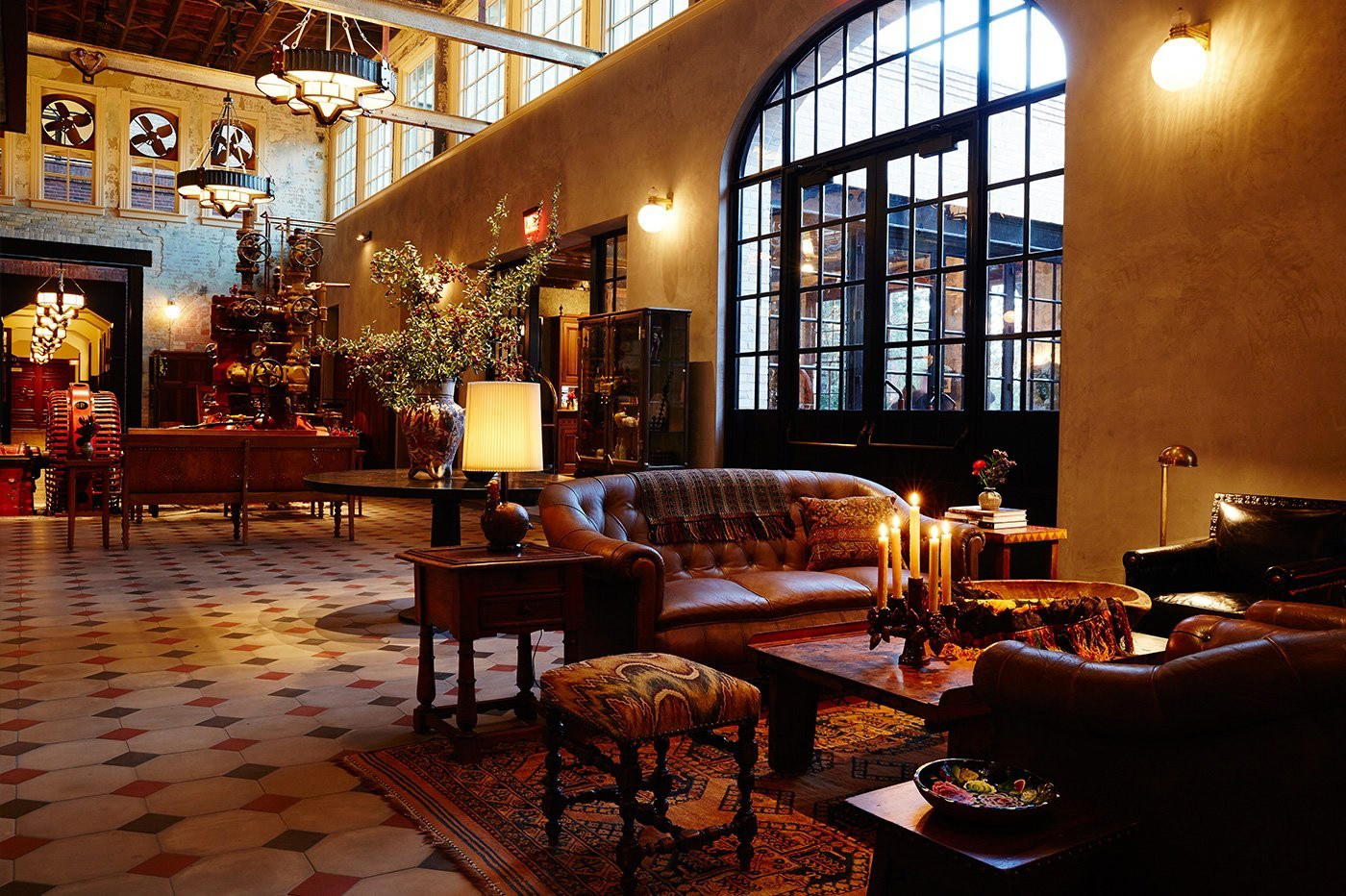
Resort dining rooms at the scale of a JW Marriott property tend to carry high ceilings, generous table spacing, and the kind of acoustic architecture that allows conversation at a normal register, a contrast to the compressed urban counters like Atomix in New York City or the dense communal formats gaining ground in cities. The setting at 18 Oaks leans into the Hill Country ranch aesthetic, where the materiality of the room, wood, stone, leather, does more to communicate regional identity than any menu descriptor. That physical language is not incidental: it primes a diner's expectations toward Texas beef, fire, and seasonal produce before a plate arrives.
Restaurants in this category across the South and Southwest have increasingly learned from the farm-to-table discipline that Bacchanalia in Atlanta applied to the Southeast and that Lazy Bear in San Francisco applied to Northern California's produce calendar. The structural parallel is that regional pride, backed by genuine sourcing relationships, produces more interesting cooking than a generic luxury program importing the same proteins and produce regardless of zip code.
Planning a Visit
18 Oaks sits within the JW Marriott San Antonio Hill Country Resort at 23808 Resort Pkwy, roughly eighteen miles northeast of downtown San Antonio. The address is most practically reached by car. For guests staying at the resort, the restaurant functions as the property's flagship dining room; for visitors coming specifically to dine, the drive from the city center runs along US-281 North and takes under thirty minutes in moderate traffic. Resort dining at this level in the Texas market typically operates on a reservation basis, with dinner service the primary focus. Dress expectations fall in the smart casual to business casual range, consistent with Hill Country resort conventions rather than the stricter formality that applies at urban fine dining rooms like The French Laundry in Napa or Osteria Francescana in Modena. Pricing in resort flagship dining rooms at this hotel tier in the Texas market generally sits in the mid-to-upper range for the region, consistent with what you would expect from a comparable program at Frasca Food and Wine in Boulder or Emeril's in New Orleans.
For travelers with an interest in how regional sourcing shapes American restaurant cooking more broadly, the contrast between a Hill Country-anchored program like this one and coastal sourcing-led formats, including Providence in Los Angeles, ITAMAE in Miami, or Oyster Oyster in Washington, D.C., illustrates how differently American kitchens can interpret the same localist principle when the regional ecology changes. The Wolf's Tailor in Denver offers a mountain-state parallel worth comparing: a program where the sourcing radius and the culinary tradition intersect in ways that are specific to place rather than replicable anywhere.
Recognition history
Dated appearances from independent guides and award organizations, with the underlying list record or original source where available.
Wine Spectator Award of Excellence
Wine Spectator
Continue exploring
More in Northeast
Restaurants in Northeast
Browse all →
Bars in Northeast
Browse all →
Hotels in Northeast
Browse all →

At a Glance
- Elegant
- Scenic
- Sophisticated
- Special Occasion
- Date Night
- Business Dinner
- Hotel Restaurant
- Panoramic View
- Local Sourcing
Current opening hours
- Monday
- 5–9 PM
- Tuesday
- 11 AM–9 PM
- Wednesday
- 11 AM–9 PM
- Thursday
- 11 AM–9 PM
- Friday
- 11 AM–10 PM
- Saturday
- 11 AM–10 PM
- Sunday
- 11 AM–9 PM
Hours can change for holidays and private events. Last verified .
Elegant dining room with natural light from large windows, cozy fireplace, and Hill Country-inspired decor.