Chai Vila-seca sits on the Plaça dels Països Catalans in the small Tarragona municipality of Vila-seca, a town better known as the gateway to PortAventura than as a dining destination. That context makes the restaurant worth paying attention to: serious regional cooking rarely takes root in tourist-adjacent towns, and when it does, ingredient sourcing tends to be what drives the decision to stay.
Pearl is the En Primeur Club membership app — saves, bookings, and concierge access live there. Same editors, same standards.
- Address
- Plaça dels Països Catalans, 2, 43480 Vila-seca, Tarragona, Spain
- Phone
- +34977392814
- Website
- chaiindiancuisine.com
- Directions
- Get directions
 Saves & bookings on Pearl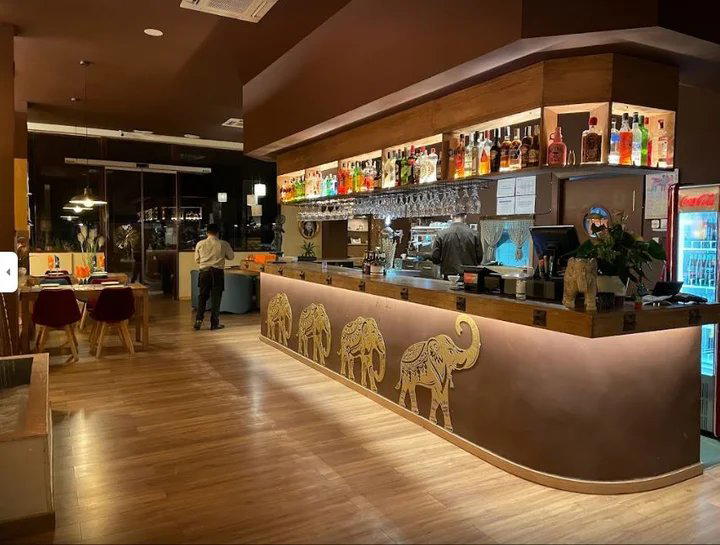
A Tarragona Town With Something to Prove
Vila-seca occupies an unusual position on the Catalan coast. The municipality sits just inland from the Camp de Tarragona shoreline, close enough to smell the sea, yet administratively and culinarily distinct from the provincial capital eight kilometres to the south. Most visitors pass through on the way to PortAventura, the large resort complex that has defined Vila-seca's regional identity for decades. That tourist gravity tends to flatten the local food scene, pulling restaurants toward convenience menus and high-turnover covers. Chai Vila-seca operates against that pull, anchored at Plaça dels Països Catalans, 2, a civic square that functions as the town's social and administrative centre rather than its tourist corridor. The address matters: a restaurant on that square is positioning itself for local custom, not passing trade, which changes every calculation about sourcing, format, and ambition.
For readers tracking Spain's broader restaurant geography, Vila-seca exists somewhere between the high-volume resort coast and the more deliberate dining culture of cities like Tarragona and Reus. It is not where you would expect to find cooking with genuine regional conviction, which is precisely the reason to look. Spain's most consequential restaurants in recent years have increasingly appeared in non-obvious locations. El Celler de Can Roca in Girona rewrote expectations for what a Catalan provincial city could sustain. Casa Marcial in Arriondas proved that rural Asturias could hold serious culinary ambition. Vila-seca is a different scale and a different context, but the structural question is the same: can a place that exists outside the prestige circuit support cooking that earns attention on its own terms?
Sourcing in the Shadow of the Camp de Tarragona
The Camp de Tarragona is one of Spain's more productive agricultural zones. The coastal plain between the Ebro delta to the south and the Garraf massif to the north yields olives, hazelnuts, stone fruits, and wine grapes, with the DO Tarragona and DO Terra Alta designations marking out the wine-producing perimeter. Inland from Vila-seca, the terrain shifts toward dryland farming and market gardens that supply the provincial markets. To the east, the Mediterranean delivers the seafood profile that defines coastal Catalan cooking: cephalopods, shellfish from the Ebro delta, and the day-boat fish that move through the Tarragona fish market.
Restaurants that commit to this sourcing geography occupy a different position from those drawing on centralised wholesale networks. The decision to cook with Camp de Tarragona produce is also a decision to work seasonally and to accept the constraints that seasonal, local supply imposes on menu planning. Spain's most discussed restaurants have made that constraint visible and central to their identity. Aponiente in El Puerto de Santa María has built an entire project around marine ingredients others overlook. Ricard Camarena in València has made Valencian horticultural produce the engine of a sophisticated tasting format. The logic is consistent across these different restaurants: proximity to source is not just an ethical position, it is a culinary one, and the cooking that results tends to be more specific and more interesting than cooking built on interchangeable ingredients.
For Chai Vila-seca, the Plaça dels Països Catalans address places it inside a community where the Camp de Tarragona supply chain is not an abstraction but a daily reality. Local restaurants in towns like Vila-seca have historically had direct access to that supply, often through informal channels that larger urban venues cannot replicate. That proximity is an advantage if the kitchen knows how to use it.
Where Vila-seca Sits in the Catalan Dining Picture
Catalonia's restaurant hierarchy has a well-documented upper tier. Cocina Hermanos Torres in Barcelona operates at the Michelin two-star level inside a converted industrial space in Les Corts. The province beyond Barcelona contains its own serious nodes, including the long-established reputation of the Costa Daurada and the Priorat wine country for food with genuine terroir specificity. Vila-seca sits in that wider Catalan provincial network, south of Barcelona on the AP-7, accessible by road and by direct rail from Tarragona and Reus.
The broader Spanish fine-dining conversation tends to concentrate on a handful of recognised addresses. Arzak in San Sebastián and Martin Berasategui in Lasarte-Oria anchor the Basque end of that conversation. Azurmendi in Larrabetzu and Mugaritz in Errenteria represent the more conceptually adventurous strand of Basque-Navarran cooking. DiverXO in Madrid occupies its own bracket of theatrical intensity. Quique Dacosta in Dénia demonstrates what a Mediterranean coastal location can sustain when the ambition matches the setting. Tarragona's province has not historically produced entries at that level of national recognition, which leaves a gap that a restaurant with serious sourcing and culinary conviction could, over time, begin to fill. For context on what sharp Mediterranean-rooted sourcing looks like at the far end of the ambition spectrum, Noor in Córdoba and Atrio in Cáceres offer instructive models from other Spanish regions where the connection to local agricultural identity has become a defining creative constraint.
Planning a Visit
Chai Vila-seca is located at Plaça dels Països Catalans, 2, in the centre of Vila-seca, reachable from Tarragona by car in under fifteen minutes via the N-340. The Reus-Tarragona rail corridor runs close by, with the Salou-PortAventura station a short distance from the town centre. Those travelling along the Spanish Mediterranean coast with an appetite for the wider regional picture might also consider Cenador de Amós in Villaverde de Pontones and Nerua Guggenheim Bilbao in Bilbao for contrasting models of regionally grounded cooking in non-capital settings. For international comparison points on ingredient-led formats, Le Bernardin in New York City and Lazy Bear in San Francisco demonstrate how sourcing conviction translates across different culinary cultures.
Comparable Venues
Comparable venues nearby, for context on price, style, and recognition.
| Venue | Cuisine | Price | Notes |
|---|---|---|---|
| Chai Vila-secaThis venue — the venue you are viewing | Authentic Indian Cuisine | $$ | Not listed |
| Tandoor | Modern Indian | $$ | la Nova Esquerra de l'Eixample |
| Restaurante Braseria la catedral | Spanish Charcoal Grill & Steakhouse | $$ | Tarragona Old Town |
| Rasoi BCN | Authentic Indian | $$ | l'Antiga Esquerra de l'Eixample |
| CASA MASALA | Modern Indian Curry Bar | $$ | l'Antiga Esquerra de l'Eixample |
| Tandoori Nights | Authentic Indian Tandoori | $$ | el Raval |
Continue exploring
More in Vila Seca
Restaurants in Vila Seca
Browse all →
Hotels in Vila Seca
Browse all →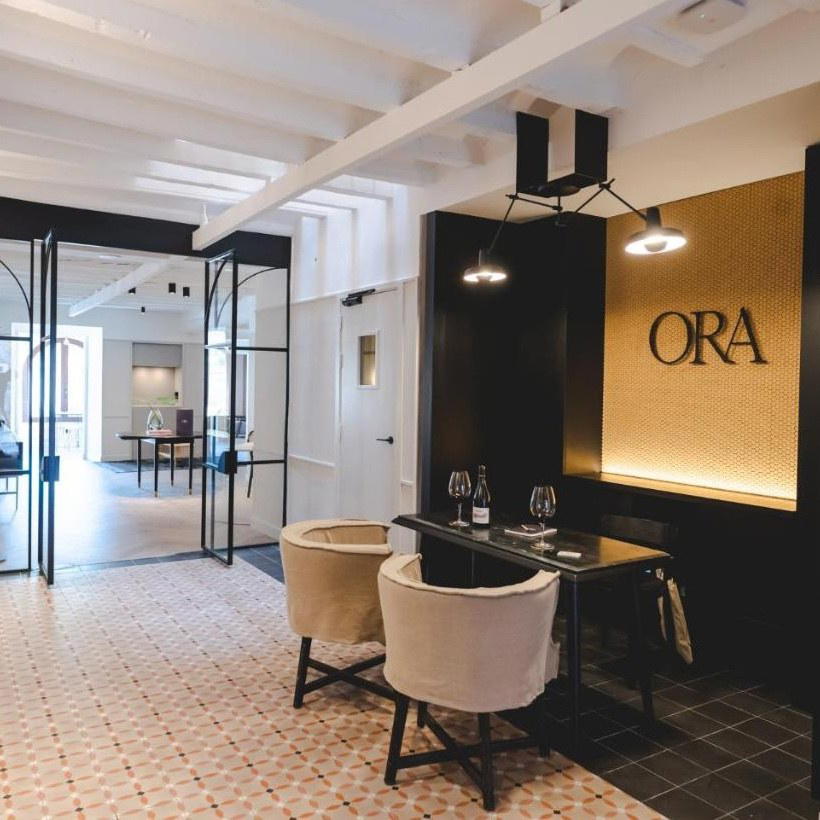
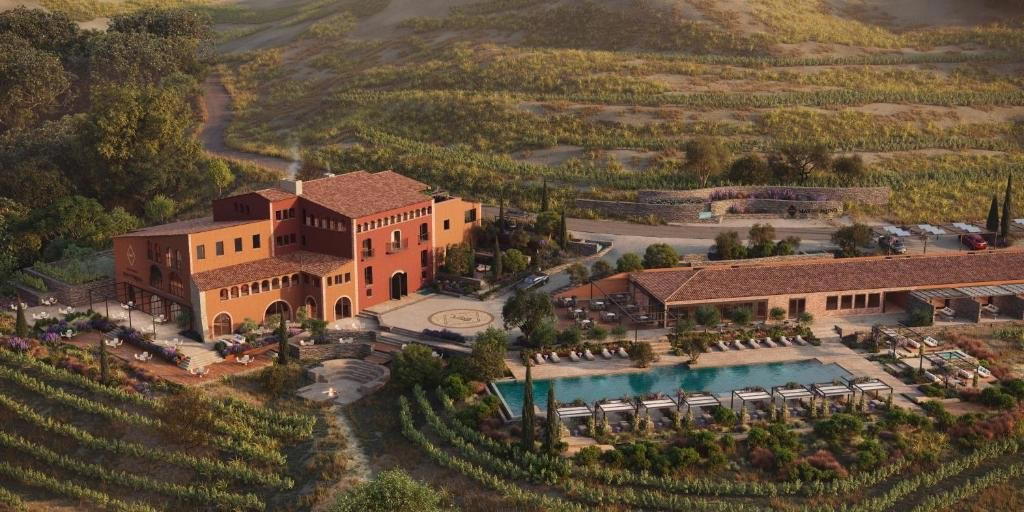
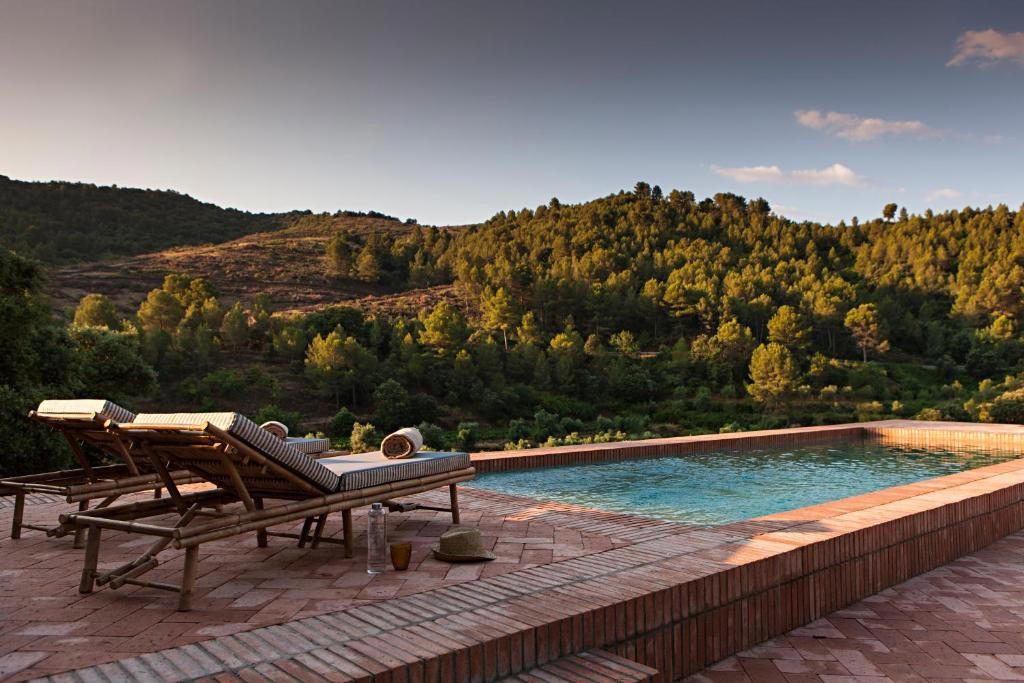
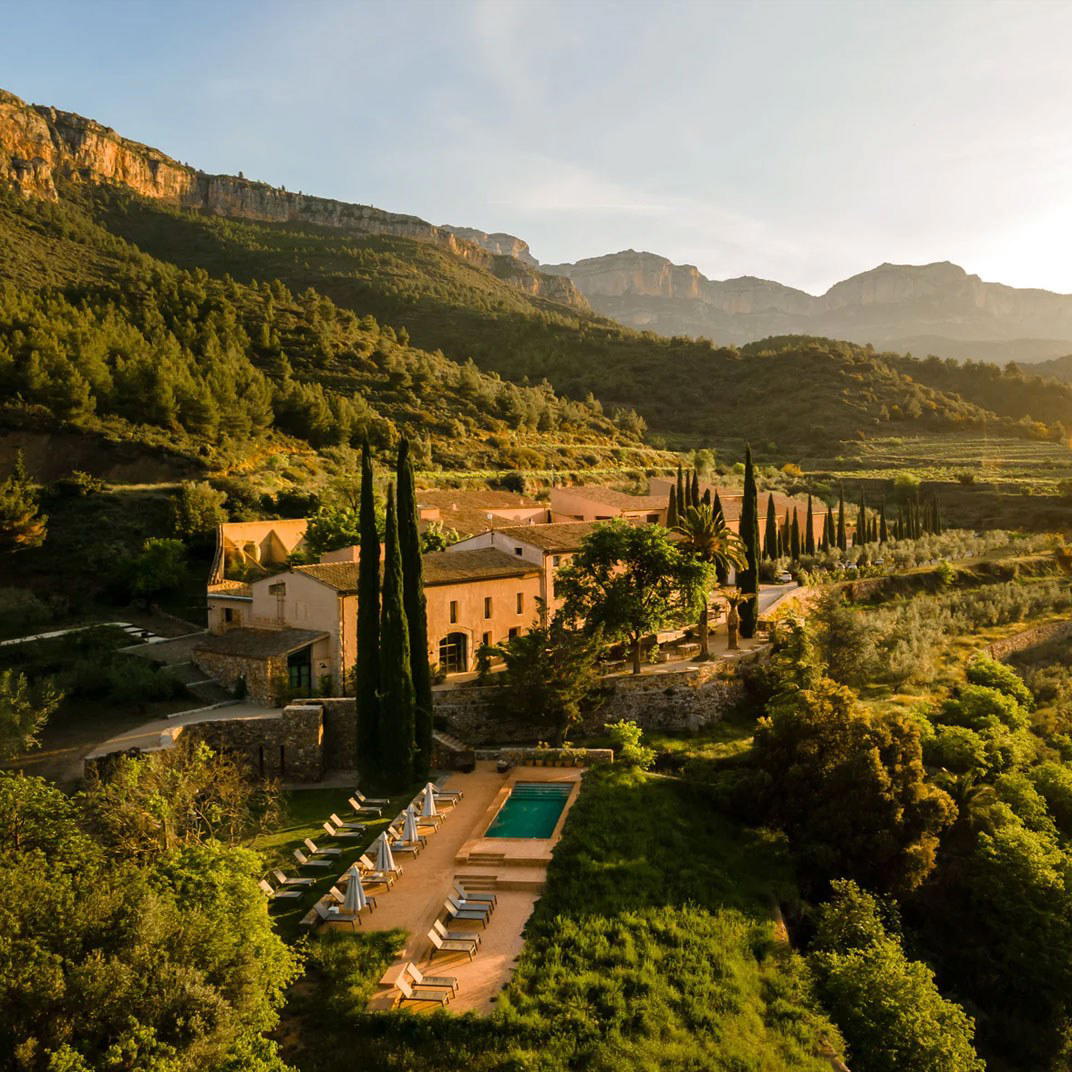
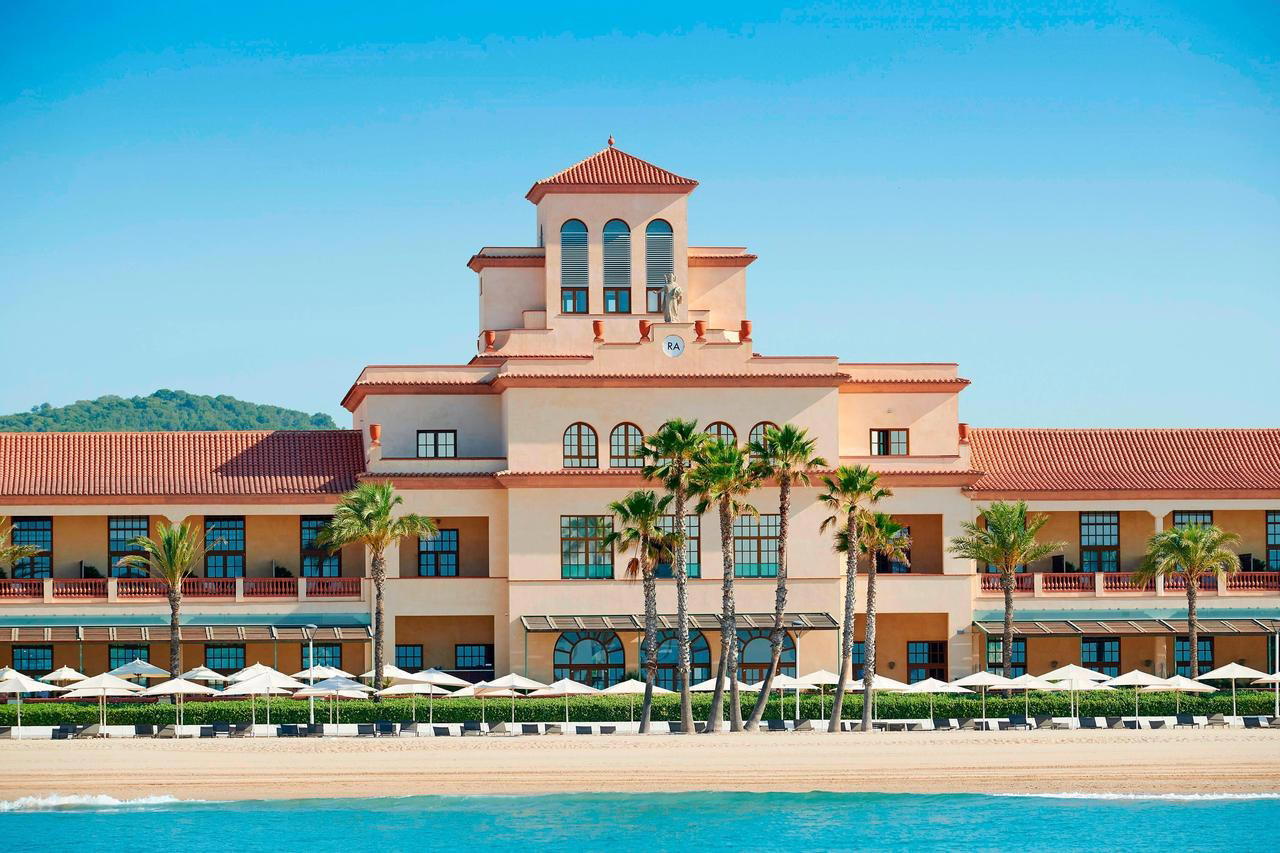
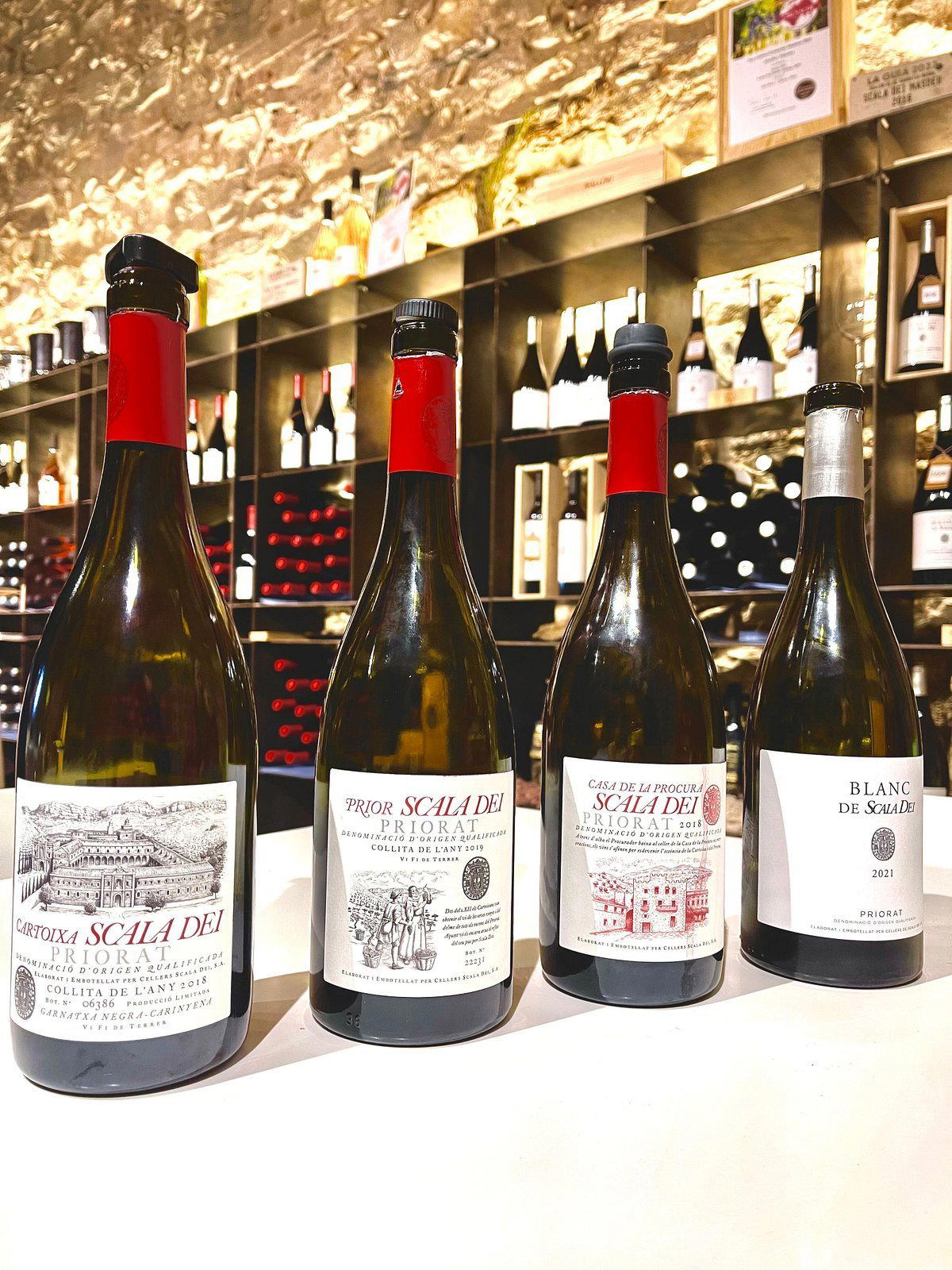
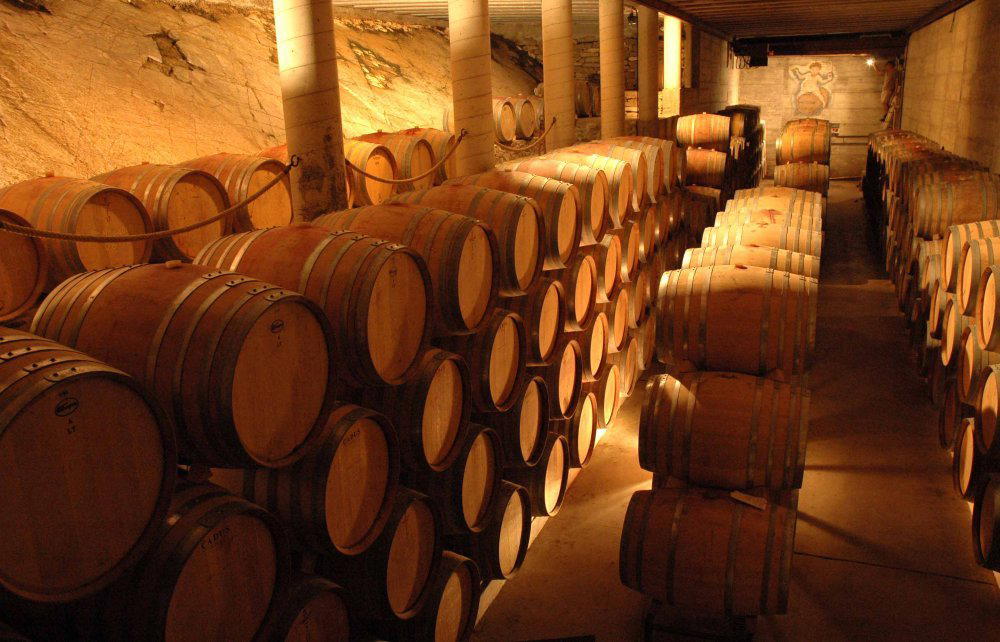
Wineries in Vila Seca
Browse all →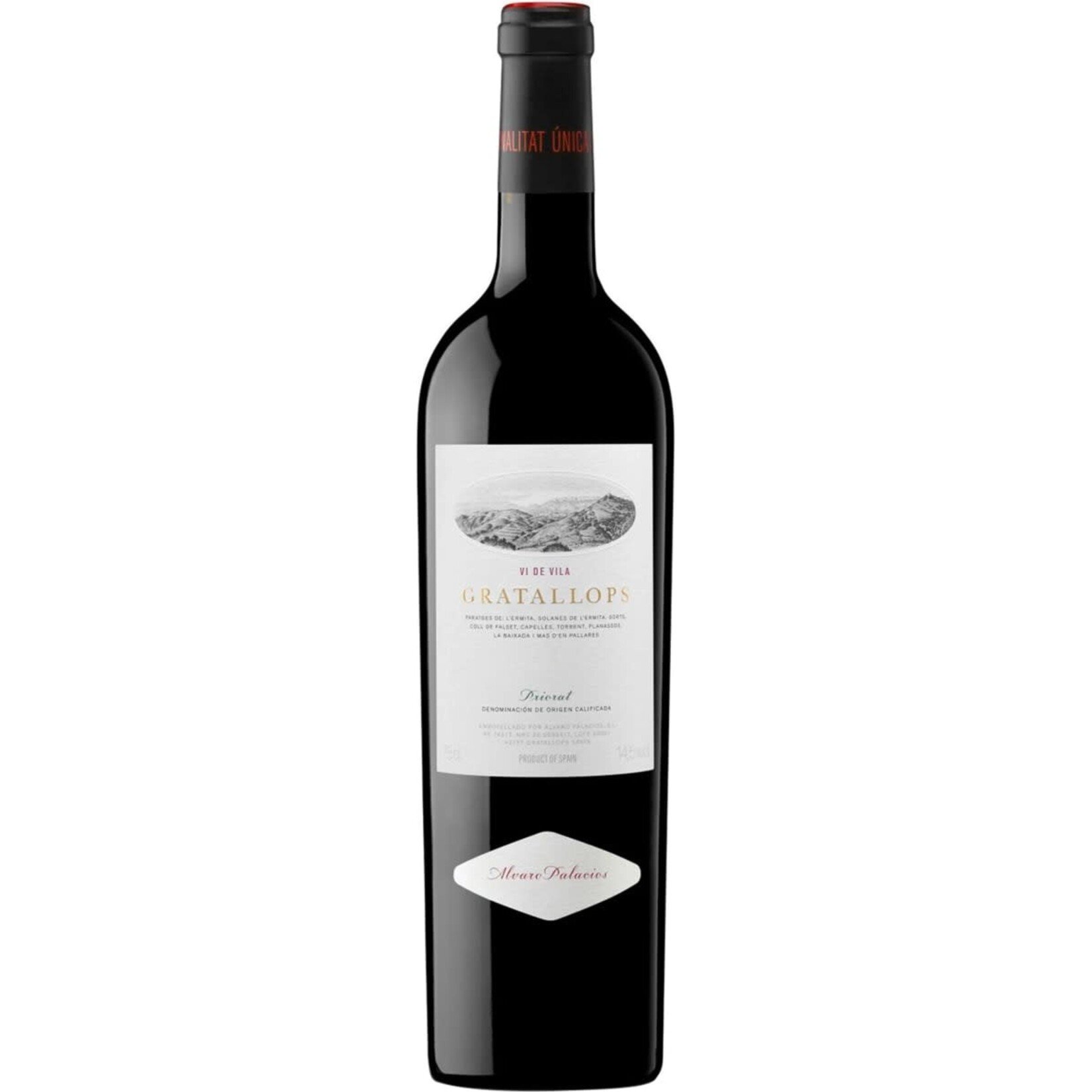
At a Glance
- Modern
- Cozy
- Date Night
- Casual Hangout
- Open Kitchen
Current opening hours
- Monday
- 12–4:30 PM, 7:30 PM–12 AM
- Tuesday
- 12–4:30 PM, 7:30 PM–12 AM
- Wednesday
- 12–4:30 PM, 7:30 PM–12 AM
- Thursday
- 12–4:30 PM, 7:30 PM–12 AM
- Friday
- 12–4:30 PM, 7:30 PM–12 AM
- Saturday
- 12–4:30 PM, 7:30 PM–12 AM
- Sunday
- 12–4:30 PM, 7:30 PM–12 AM
Hours can change for holidays and private events. Last verified .
Modern, clean, and well-decorated indoor dining area with a welcoming atmosphere.