The Halal Guys
The Halal Guys brought their New York street-cart model to San Francisco, serving the same combination of seasoned chicken, gyro meat, rice, and white sauce that built a cult following on Sixth Avenue and 53rd Street. The format is fast, the portions are generous, and the queue tells you where you stand in the city's halal food conversation.
Pearl is the En Primeur Club membership app — saves, bookings, and concierge access live there. Same editors, same standards.
- Address
- San Francisco, United States
- Directions
- Get directions
 Saves & bookings on Pearl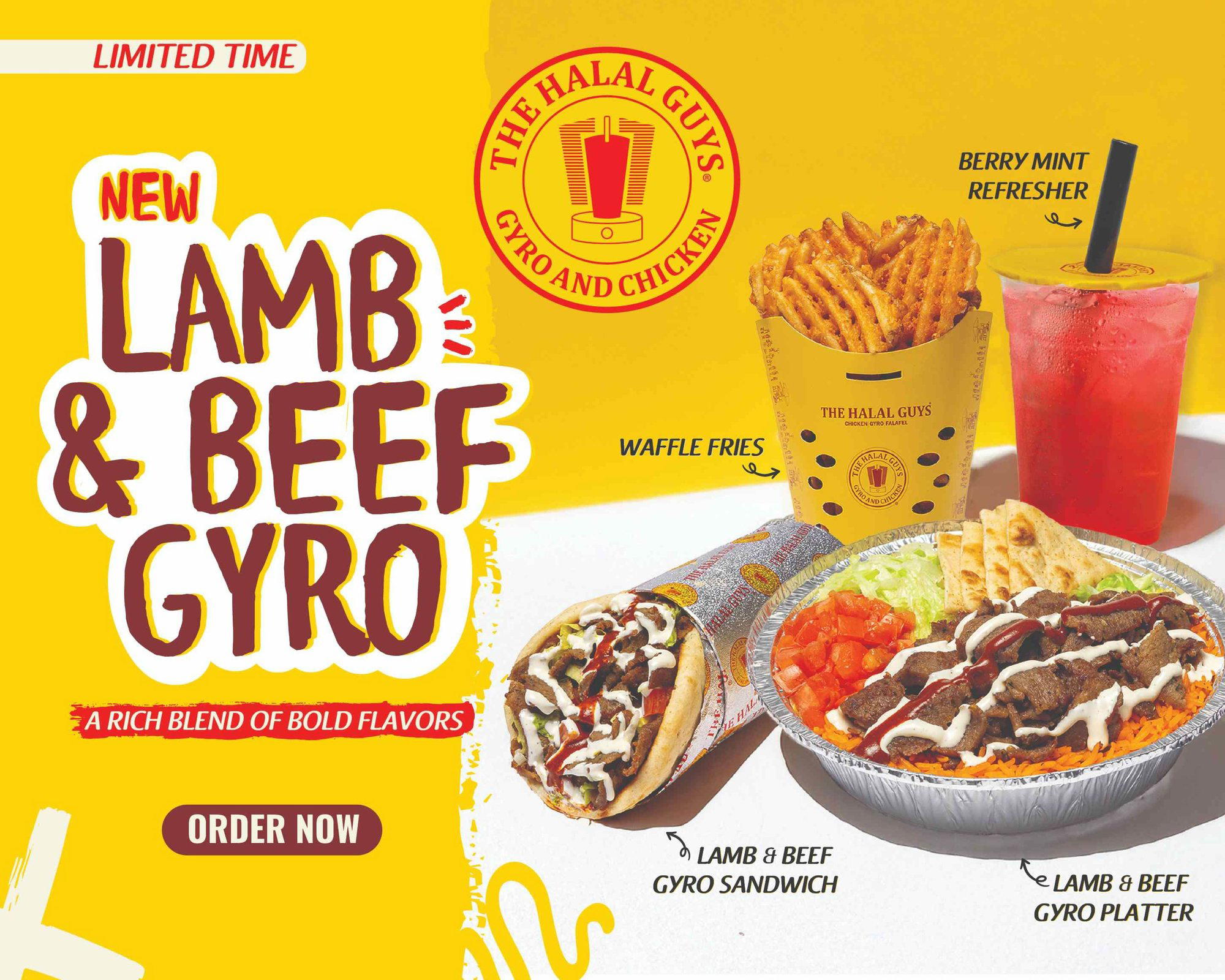
From a Manhattan Cart to a San Francisco Counter
Street food empires rarely survive translation. The ones that do tend to have something structural going for them: a format that doesn't require a kitchen's worth of technique, a flavor profile that travels, and a price point that keeps the original crowd while recruiting new ones. The Halal Guys, which started as a food cart on the corner of Sixth Avenue and 53rd Street in Midtown Manhattan in 1990, built its following on exactly those terms. By the time the brand reached San Francisco, the model was already field-tested across dozens of cities and several continents.
The Halal Guys operates in a different register entirely, and that contrast is part of what makes its presence in the city legible. San Francisco has always had an undercurrent of serious, no-frills eating beneath its fine dining surface, and halal counter food fits into that current rather than fighting it.
What the Format Actually Delivers
The American halal cart model, which The Halal Guys did more than most to popularize, is built around a narrow menu executed with consistency: seasoned chicken or gyro meat (or both), served over rice or tucked into a pita, finished with white sauce and optional hot sauce. The sequencing of the meal is baked into the format itself. You start with a choice of protein, which determines the base flavor register. The rice underneath absorbs the cooking juices from the meat, functioning as more than filler. The white sauce, a yogurt-and-mayonnaise blend that the original New York cart guarded closely enough that it became a minor culinary legend, binds the components and softens the heat of whatever hot sauce ratio you choose. The hot sauce, for the uninitiated, arrives on the side and is worth treating with caution on a first visit.
This is not a multi-course progression in the sense that The French Laundry in Napa or Alinea in Chicago would recognize it. But the architecture of the plate has its own internal logic, and that logic rewards attention. The combination of charred meat edges, seasoned rice, cool sauce, and accumulated heat from the chili builds across the bowl in a way that a disassembled version of the same ingredients wouldn't. It's the kind of dish where eating it in the right order, protein, rice, sauce all together rather than sequentially, makes a material difference to the experience.
Halal Street Food in a City of Complicated Eating
San Francisco's relationship with affordable, culturally specific food is more layered than the city's premium dining reputation suggests. The Mission's taquerias, the Richmond's dim sum counters, and the Tenderloin's Southeast Asian spots all occupy a serious register for people who know where to look. American halal counter food sits in a similar position: specific in origin, consistent in execution, and appreciated most by people who already understand the genre.
The Halal Guys operates in a national fast-casual category that has grown considerably since the original cart started attracting lines that stretched down the block on 53rd Street. Comparable operations have appeared across American cities, but the original format retains a reference-point status that newer entrants compete against rather than replace. For context, the kind of culinary specificity that defines the brand's white sauce or its spice profile sits in a different tier from what's being pursued at Blue Hill at Stone Barns in Tarrytown or Single Thread Farm in Healdsburg, but the underlying principle, that a specific thing done consistently is worth seeking out, translates across price points.
American cities with strong halal counter scenes tend to have them because of population density and a critical mass of Muslim communities that created demand before the broader market caught on. New York is the clearest example. Cities like San Francisco, where the halal cart tradition is less embedded, often encounter the format through chains before they encounter it through independent operators. That dynamic shapes how the restaurant lands here: as an introduction to a format for some diners, as a familiar reference point for others who grew up eating from carts in New York or Chicago.
How It Sits Against the Broader US Dining Map
The restaurant is not attempting what Le Bernardin in New York City, Providence in Los Angeles, or Addison in San Diego are attempting. The comparison matters because it clarifies what the format is actually doing. These are restaurants where the progression of a meal is the primary subject, where sourcing and technique are legible in every course, and where the booking window and price point signal a particular kind of commitment from the diner. The restaurant sits at the other end of that spectrum in terms of formality and price, but its consistency across locations and the loyalty it generates from repeat customers are forms of quality control that operate differently rather than less seriously.
Venues like Bacchanalia in Atlanta, Emeril's in New Orleans, The Inn at Little Washington, and Atomix in New York City represent the tasting-menu end of the American dining conversation; the restaurant represents a different but equally specific point on the same map. 8½ Otto e Mezzo Bombana in Hong Kong shows how a specific culinary identity can travel internationally and maintain coherence; the restaurant has done something comparable, if less formally, with the American halal cart format.
Planning Your Visit
The restaurant operates as a fast-casual counter, which means no reservation is required and the queue moves quickly enough that wait times are typically short outside of lunch and dinner peaks. The San Francisco counter is a casual walk-in spot serving American halal street food at about $15 per person. The menu is short by design, and the ordering process is direct: choose your protein, your base, and your sauce levels. First-time visitors consistently underestimate the hot sauce; the standard advice is to start with less than you think you need. The format suits a quick stop during a day of exploring the city as well as a deliberate detour for anyone specifically tracking the American halal counter format.
Price and Positioning
Comparable venues nearby, for context on price, style, and recognition.
| Venue | Cuisine | Price | Notes |
|---|---|---|---|
| The Halal GuysThis venue — the venue you are viewing | Tenderloin, American Halal Street Food | $$ | Not listed |
| Old Jerusalem Restaurant | Mission, Palestinian & Mediterranean | $$ | Not listed |
| Savor Cafe | Inner Sunset, Modern Arabic Vegetarian | $$ | Not listed |
| Se7enbuds | Nob Hill, Afghan & Persian | $$ | Not listed |
| Beit Rima | Not listed | $$ | Castro/Upper Market, Palestinian & Jordanian Comfort Food |
| Trattoria Contadina | Chinatown, Traditional Italian Trattoria | $$ | Not listed |
Continue exploring
More in San Francisco
Restaurants in San Francisco
Browse all →
Bars in San Francisco
Browse all →
Hotels in San Francisco
Browse all →
At a Glance
- Lively
- Trendy
- Casual Hangout
- Late Night
- Group Dining
- Standalone
Current opening hours
- Monday
- 10 AM–3 AM
- Tuesday
- 10 AM–3 AM
- Wednesday
- 10 AM–5 AM
- Thursday
- 10 AM–5 AM
- Friday
- 10 AM–5 AM
- Saturday
- 10 AM–5 AM
- Sunday
- 11 AM–12 AM
Hours can change for holidays and private events. Last verified .
Fast-casual atmosphere with a lively, energetic street food vibe focused on quick, flavorful meals.