Centre Stage
Centre Stage sits in Amsterdam’s restaurant conversation as a useful test case for how the city treats provenance: not through rustic theatre, but through restraint, location, and the expectation that ingredients carry the argument. With no award signal or fixed format attached, it reads less as a trophy booking than as a city-centre table to judge against Amsterdam’s sharper creative and wine-led rooms.
Pearl is the En Primeur Club membership app — saves, bookings, and concierge access live there. Same editors, same standards.
- Address
- Amstel 115 /125, 1018 XR Amsterdam, Netherlands
- Phone
- +31 20 524 9453
- Website
- carre.nl
- Directions
- Get directions
 Saves & bookings on Pearl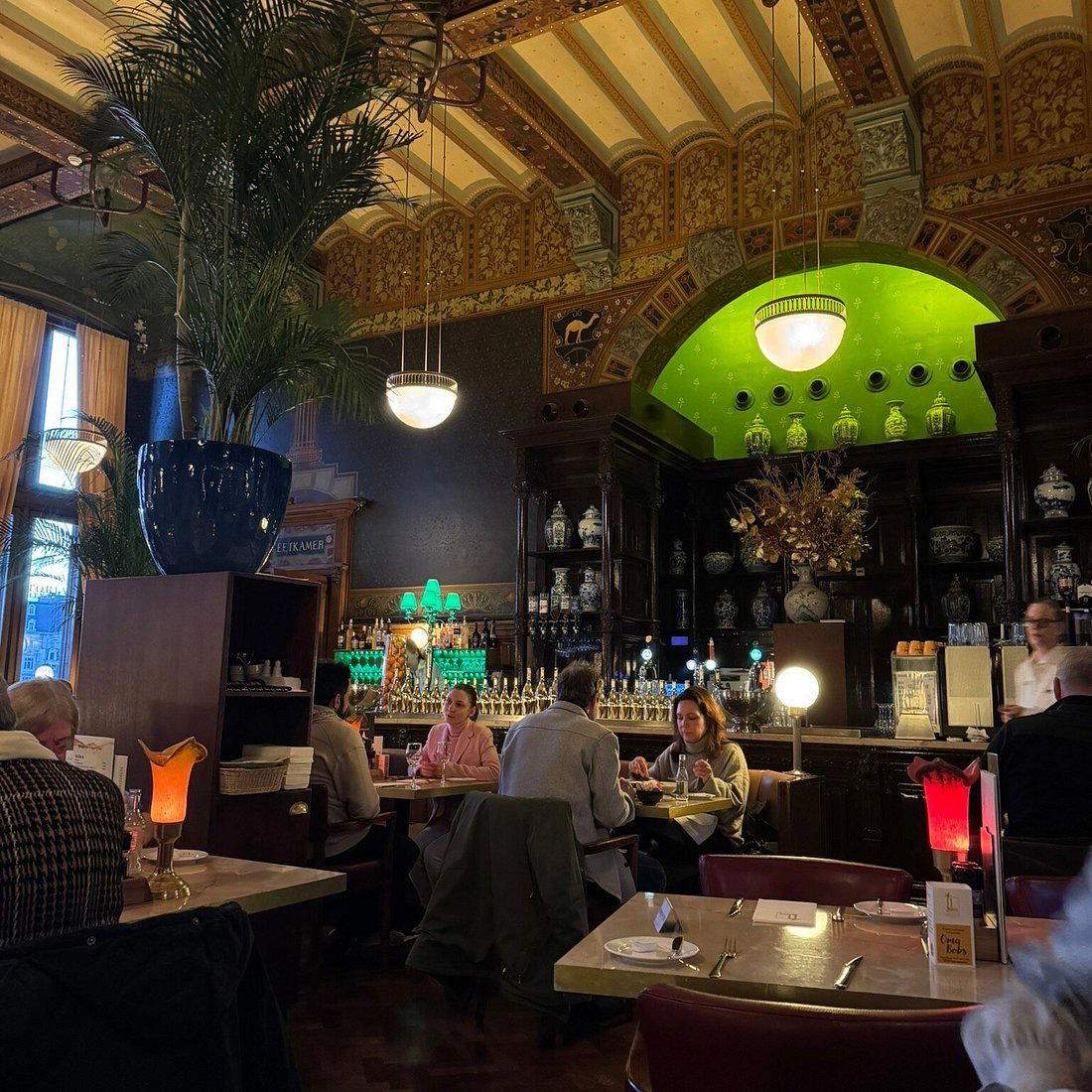
Approaching Amsterdam, the city changes register: canal-house formality gives way to busy reservations, hotel dining rooms, late bookings, and tables that draw as much from visitors as from locals. Centre Stage belongs to that urban band, where restaurants have to work harder than neighbourhood addresses because the room is competing with the city outside the door. In Amsterdam, that usually means one of two things: technical cooking designed for destination diners, or a looser format built around sourcing, seasonality, and enough flexibility to suit mixed parties.
The sharper question is not whether Centre Stage has a grand narrative attached to it. It is how an Amsterdam restaurant earns attention in a city where produce-led cooking has become the shared language of serious dining. Dutch kitchens now lean on North Sea fish, Zeeland shellfish, greenhouse vegetables, dairy, and preserved or fermented accents without always advertising that framework as a manifesto. The stronger rooms let sourcing shape pace and composition; weaker ones treat it as decoration. Centre Stage should be read inside that distinction.
Amsterdam's ingredient conversation is more disciplined than it looks
The Netherlands does not have the same terroir shorthand as Burgundy, Tuscany, or the Basque coast, but Amsterdam has become fluent in a quieter kind of ingredient logic. Cold-water fish, high-acid dairy, bitter greens, root vegetables, and precise preservation techniques suit kitchens that value clarity over spectacle. That matters for a restaurant like Centre Stage because Amsterdam locations can easily drift into broad-appeal cooking. The better test is whether the meal feels anchored to the region or is moved unchanged to another European capital.
For context, Amsterdam’s higher-spend creative tier is already crowded with defined formats. Some restaurants represent the city’s polished tasting-menu current, while others point to a more theatrical end of the spectrum. Wine-led dining has its own grammar elsewhere in the city, where the bottle can be as central as the plate. Centre Stage is easier to understand when set against those poles: not every serious Amsterdam table needs to announce itself through awards, counter seating, or a long menu. Some sit in the middle ground, where location, sourcing discipline, and the ability to handle different dining rhythms become the point.
That middle ground is also where Amsterdam’s international character shows. The city can support comfort-driven rooms, low-priced casual cooking, and more formal modern references such as Zoldering in the same dining map. The lesson for Centre Stage is comparative: in Amsterdam, a restaurant without a single shorthand description has to be judged by coherence rather than prestige.
What to measure here: origin, restraint, and range
Ingredient sourcing is not a slogan if it changes how a menu behaves. In this city, that can mean fewer imported luxury cues, more attention to vegetables, cleaner seafood handling, or a wine list that favours acidity and texture over status labels. Centre Stage’s name suggests performance, but Amsterdam dining is at its strongest when the performance is kept in check. The more useful lens is range: can the kitchen serve a business table, a timely meal, and a slower dinner without losing its centre of gravity?
That question matters because the Netherlands rewards precision more than excess. Dining rooms that chase grandeur often feel out of step with Amsterdam’s scale. The better local model is controlled generosity: enough comfort to soften the room, enough technique to justify the spend, and enough regional grounding to avoid becoming anonymous hotel-city cooking. Centre Stage sits in Amsterdam, where that balance is not optional. The audience is mixed, the expectations are uneven, and the restaurant has to communicate quickly.
For travellers building a wider itinerary, Centre Stage makes more sense when paired with other Amsterdam categories rather than treated as a single answer. Use Our full Amsterdam restaurants guide to compare dining styles, then map the rest of the stay through Our full Amsterdam hotels guide, Our full Amsterdam bars guide, Our full Amsterdam wineries guide, and Our full Amsterdam experiences guide. The broader Dutch circuit also shows how regional restaurants set different expectations: unnamed dining rooms outside the capital can each pull the conversation away from Amsterdam’s busy restaurant map.
The editorial read
Centre Stage is not the Amsterdam table to choose for a single headline shorthand. Its usefulness lies in a different lane: an Amsterdam restaurant that should be assessed on whether the cooking has enough ingredient logic to resist anonymity. In a city where creative dining, wine bars, casual rooms, and regional Dutch cooking all sit close together, that is a fair and demanding standard.
International comparisons can sharpen that point without needing to name distant examples. A tightly defined specialist has an immediately legible identity, while Amsterdam dining rooms often operate with subtler signals. Centre Stage needs to win through sourcing, balance, and fit within the city, not through a headline claim.
How It Stacks Up
Comparable venues by cuisine and price in the same metro.
| Venue | Cuisine | Price |
|---|---|---|
| Zoldering | Modern French | €€€ |
Continue exploring
More in Amsterdam
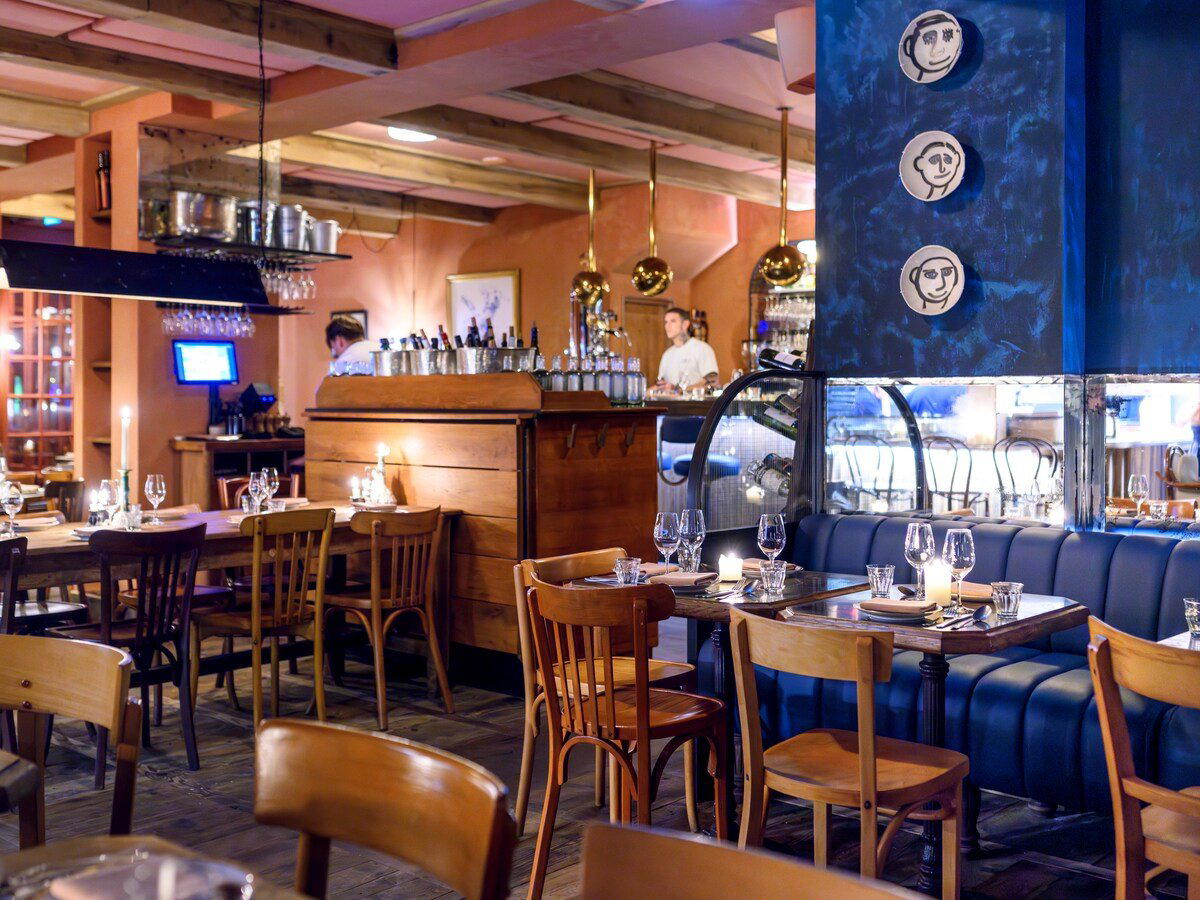
Restaurants in Amsterdam
Browse all →
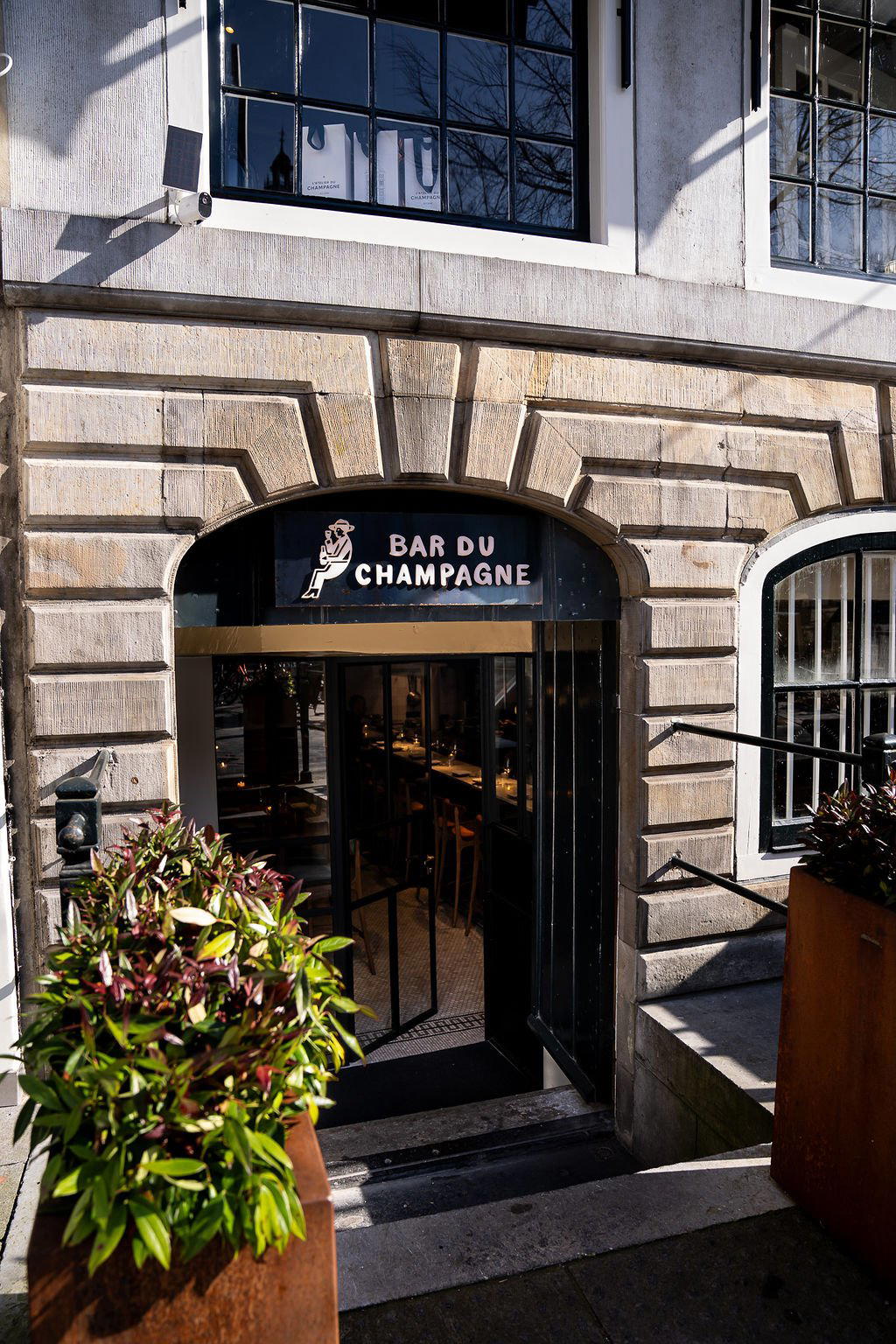
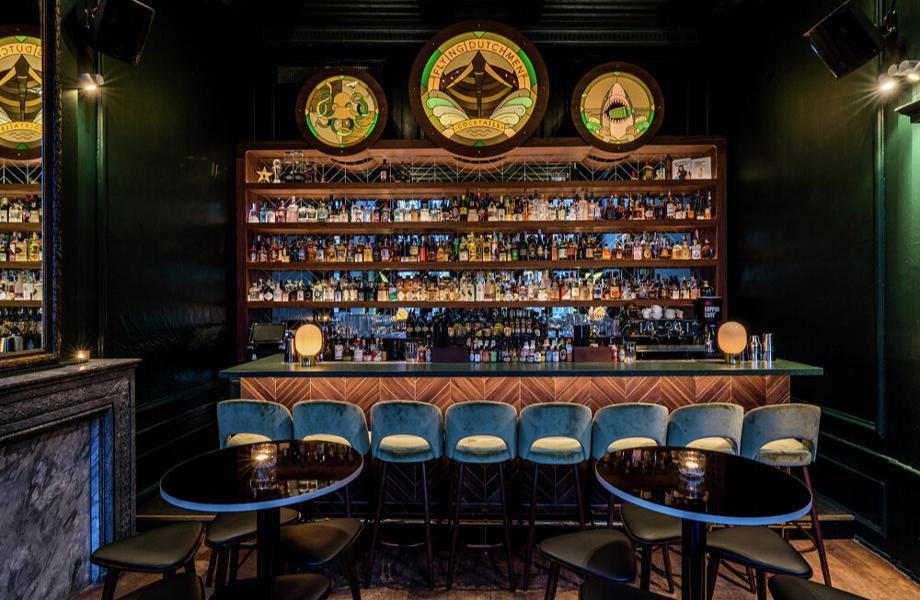
Bars in Amsterdam
Browse all →
Hotels in Amsterdam
Browse all →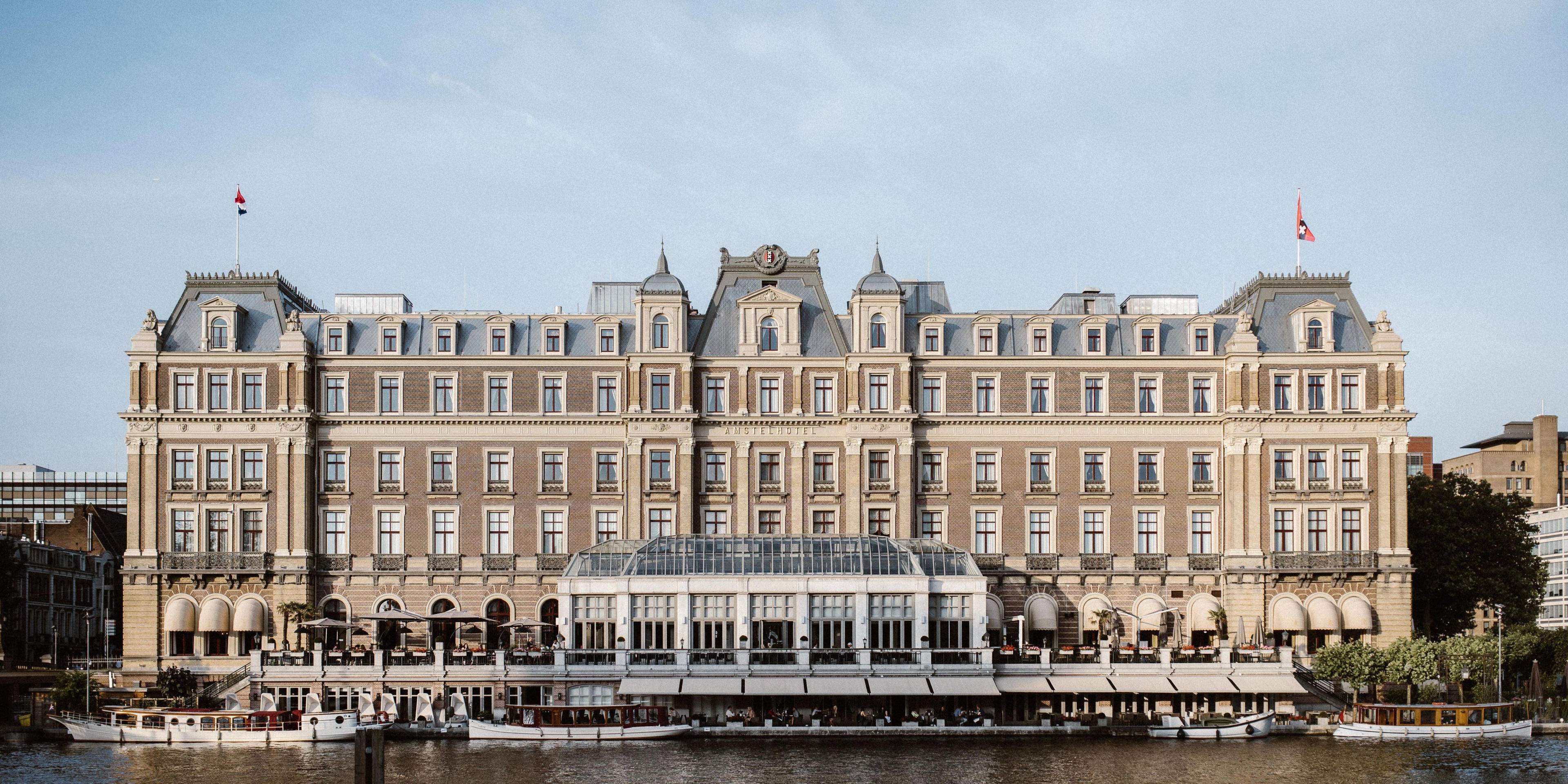
Wineries in Amsterdam
Browse all →
At a Glance
- Family
- Group Dining
- Business Dinner
- Casual Hangout
- After Work
- Hotel Restaurant
Know Before You Go
- Getting there
- Amstel 115 /125, 1018 XR Amsterdam, Netherlands