Cenacolo Plaza La Isla sits within Cancun's Hotel Zone shopping complex at Km 12.5 of Boulevard Kukulcan, placing it inside one of the Zona Hotelera's most trafficked dining corridors. The Italian name and mall-adjacent setting position it in a tier of casual-to-mid-range dining that serves both resort visitors and local regulars. For context on where it fits in the broader Cancun scene, see our full restaurant coverage.
Pearl is the En Primeur Club membership app — saves, bookings, and concierge access live there. Same editors, same standards.
- Address
- Blvd. Kukulcan KM 12.5, La Isla, Zona Hotelera, 77500 Cancún, Q.R., Mexico
- Phone
- +529988853603
- Website
- cenacolo.com.mx
- Directions
- Get directions
 Saves & bookings on Pearl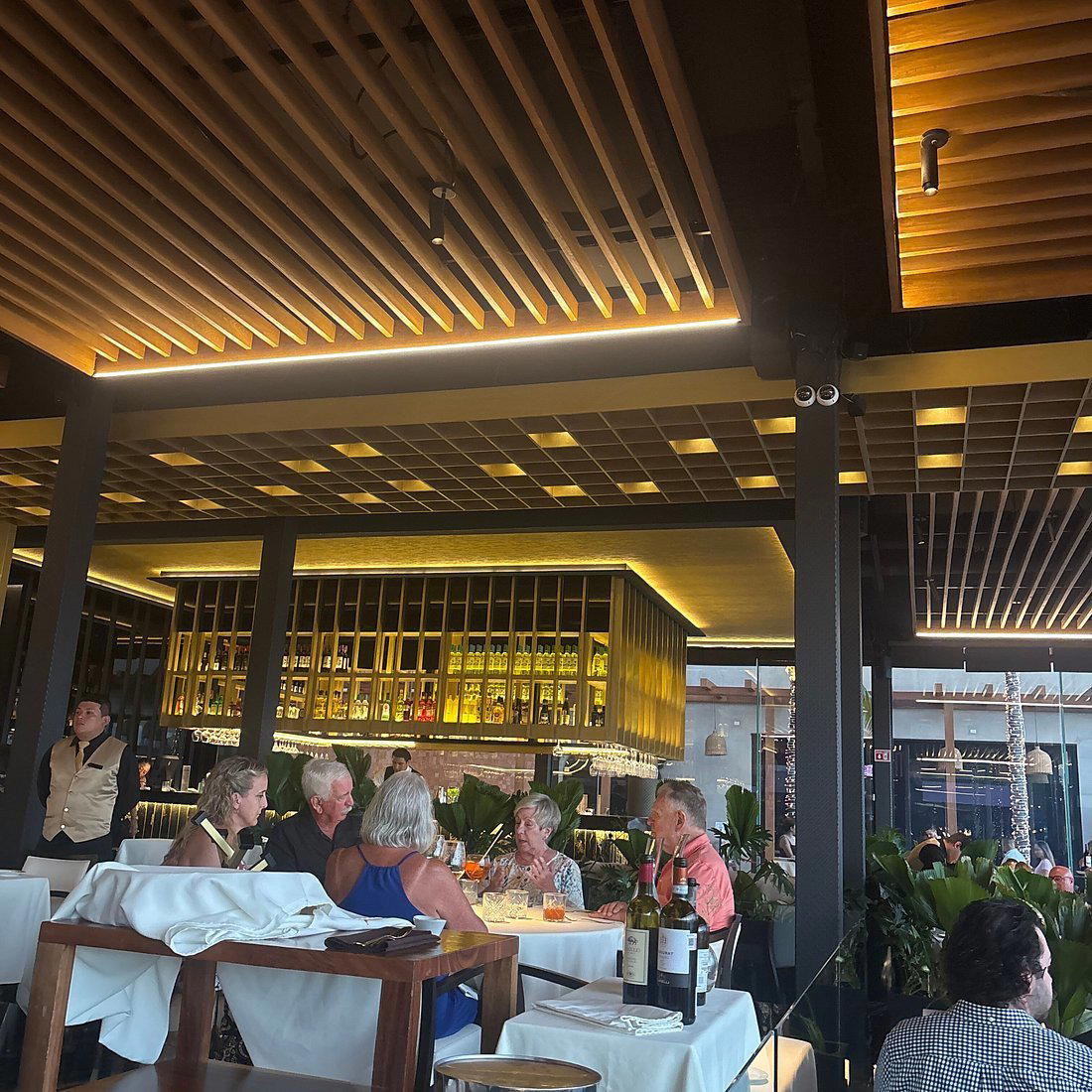
Where the Hotel Zone Shops and the Dining Circuit Overlap
Boulevard Kukulcan at Km 12.5 is one of the denser commercial nodes in Cancun's Zona Hotelera, anchored by the La Isla shopping mall and its open-air lagoon frontage. The dining options embedded in that complex follow a pattern common to resort-adjacent retail centers across the Caribbean coast: a mix of international chain formats, casual Mexican options, and independent operators who rely on foot traffic from the surrounding hotel cluster. Cenacolo Plaza La Isla occupies that environment, with an Italian name that signals a positioning between the direct taqueria end of the market and the white-tablecloth tier represented by places like Le Basilic or The Club Grill further along the hotel strip.
That positioning matters for anyone building a serious itinerary in Cancun. The Zona Hotelera dining circuit is not uniform. It ranges from raw seafood counters and ceviches-by-the-kilo spots to higher-commitment tasting experiences. Understanding where a given restaurant sits in that range — and what kind of sourcing and kitchen ambition it reflects — shapes whether it belongs on a particular evening's agenda or functions better as a low-pressure lunch stop after a morning on the lagoon.
Italian Cooking in a Caribbean Supply Chain
The ingredient sourcing question is the most instructive lens through which to assess Italian restaurants operating in Mexico's Yucatan Peninsula. The peninsula's food supply logistics differ substantially from those of, say, Mexico City or Guadalajara, where cold-chain infrastructure and proximity to highland agricultural regions give kitchens greater ingredient flexibility. Cancun's Hotel Zone restaurants that serve European cuisines face a version of the same trade-off every coastal resort market presents: imported shelf-stable and preserved ingredients versus locally available proteins and produce.
For Italian cooking specifically, that trade-off tends to resolve around a few key decisions. Pasta, whether dried and imported or made fresh on-site, is one signal. Proteins are another: a kitchen that sources Gulf and Caribbean seafood rather than importing frozen Atlantic product is making a meaningfully different culinary choice. The Yucatan coast provides access to grouper, snapper, octopus, and shrimp that can compete with the leading coastal Mediterranean ingredients when handled correctly. Whether Cenacolo Plaza La Isla's kitchen leans into that local supply or defaults to the import-heavy model common to tourist-district Italian restaurants is the kind of detail that distinguishes a credible operation from a formula one.
This is a question worth asking directly when visiting, because the answer will tell you more about the kitchen's ambitions than any menu description. Restaurants along the Riviera Maya that have genuinely engaged with regional sourcing, Le Chique in Puerto Morelos sits at the committed end of that spectrum, have demonstrated that Yucatan-sourced ingredients can anchor serious cooking. The distance between that kind of engagement and the hotel-zone convenience model is not just philosophical; it shows up on the plate.
Italian restaurants in Cancun's Hotel Zone occupy a specific competitive position. They are not competing primarily with each other; they are competing for evenings when a traveler wants something familiar and well-executed rather than a deep read of regional Mexican cuisine. That is a legitimate category, and a well-run Italian kitchen in this environment can deliver real value. The comparison set is not Pujol in Mexico City or Levadura de Olla Restaurante in Oaxaca, those are different conversations about Mexican culinary tradition. The relevant question is whether the execution justifies the Zona Hotelera price premium relative to what you could find at similar price points in the city's residential districts.
Within the hotel strip itself, the Italian and casual European tier sits between seafood-focused spots like Lorenzillo's and the budget-friendly Mexican options such as Kiosco Verde and La Casa De Las Mayoras. Travelers who have covered the regional Mexican canon, who have already spent time with proper cochinita pibil and fresh ceviche, often find the Italian tier useful as a palate-reset option midweek. It is a pattern that plays out in resort markets globally, and Cancun's Hotel Zone is no exception.
For those who want to stay within the Italian and broader European frame across the Hotel Zone and broader Cancun, Capri Pizza Moderna offers another data point in that tier, while Bodega Argentina and Asador La Vaca Argentina represent the South American grill direction. Bombay Cancún and Café con Gracia extend the international options further.
Sourcing and Seasonality Along the Riviera Maya
The broader Mexican fine dining conversation has moved decisively toward regional sourcing and indigenous ingredient recovery in the past decade. Operations like Animalón in Valle de Guadalupe, KOLI Cocina de Origen in Monterrey, Olivea Farm to Table in Ensenada, Alcalde in Guadalajara, and Pangea in San Pedro Garza Garcia have set a high bar for ingredient transparency and provenance storytelling. Even within the Yucatan corridor, HA' in Playa del Carmen and Lunario in El Porvenir engage with that discourse. The question for any Italian restaurant operating in this environment is whether it is in conversation with those movements or indifferent to them.
Seasonality is also a practical consideration at this address. The Zona Hotelera experiences its peak occupancy from December through April, with high-summer humidity and storm-season uncertainty from August through October affecting staffing patterns and ingredient logistics at many hotel-zone restaurants. Visiting during the shoulder months of May or November typically means shorter waits and more kitchen attention per table, a dynamic that applies across most of the strip's mid-range operators.
Planning a Visit
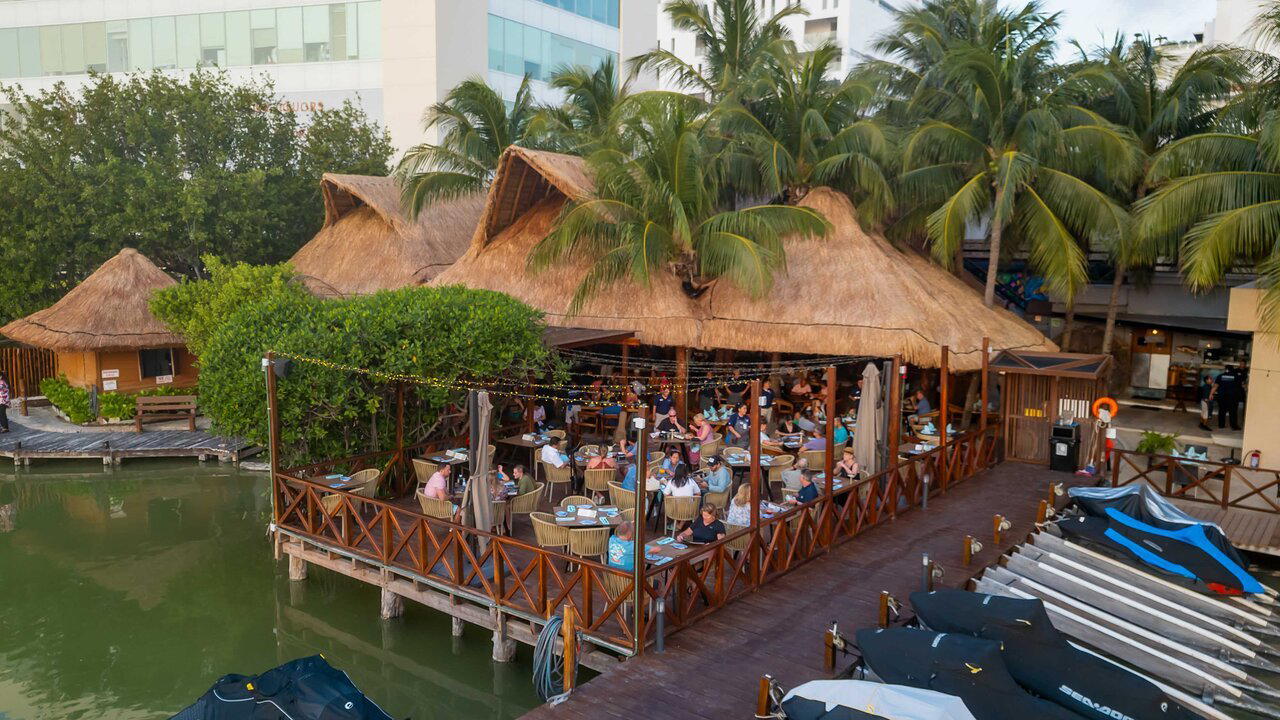
Cenacolo Plaza La Isla is located within the La Isla shopping complex at Km 12.5 on Boulevard Kukulcan, accessible by the R-1 bus route that runs the length of the Hotel Zone or by taxi from any hotel on the strip. The lagoon-side setting of the mall means the surrounding environment is pleasant in the evening, with open-air circulation that makes the approach more agreeable than a standard interior mall dining experience. No verified booking platform, hours, or pricing data are available through EP Club's current records, so confirming those details directly with the venue before visiting is advisable. For a complete picture of what the Cancun restaurant scene offers across categories and price tiers, the full Cancun restaurants guide provides the broadest reference point. Those interested in high-commitment dining in the region should cross-reference with Le Chique in Puerto Morelos, roughly 35 kilometers south, which represents the ceiling of culinary ambition in this coastal corridor.



At a Glance
- Elegant
- Sophisticated
- Date Night
- Special Occasion
- Waterfront
- Waterfront
Current opening hours
- Monday
- 1:30–11 PM
- Tuesday
- 1:30–11 PM
- Wednesday
- 1:30–11 PM
- Thursday
- 1:30–11 PM
- Friday
- 1:30–11 PM
- Saturday
- 1:30–11 PM
- Sunday
- 1:30–11 PM
Hours can change for holidays and private events. Last verified .
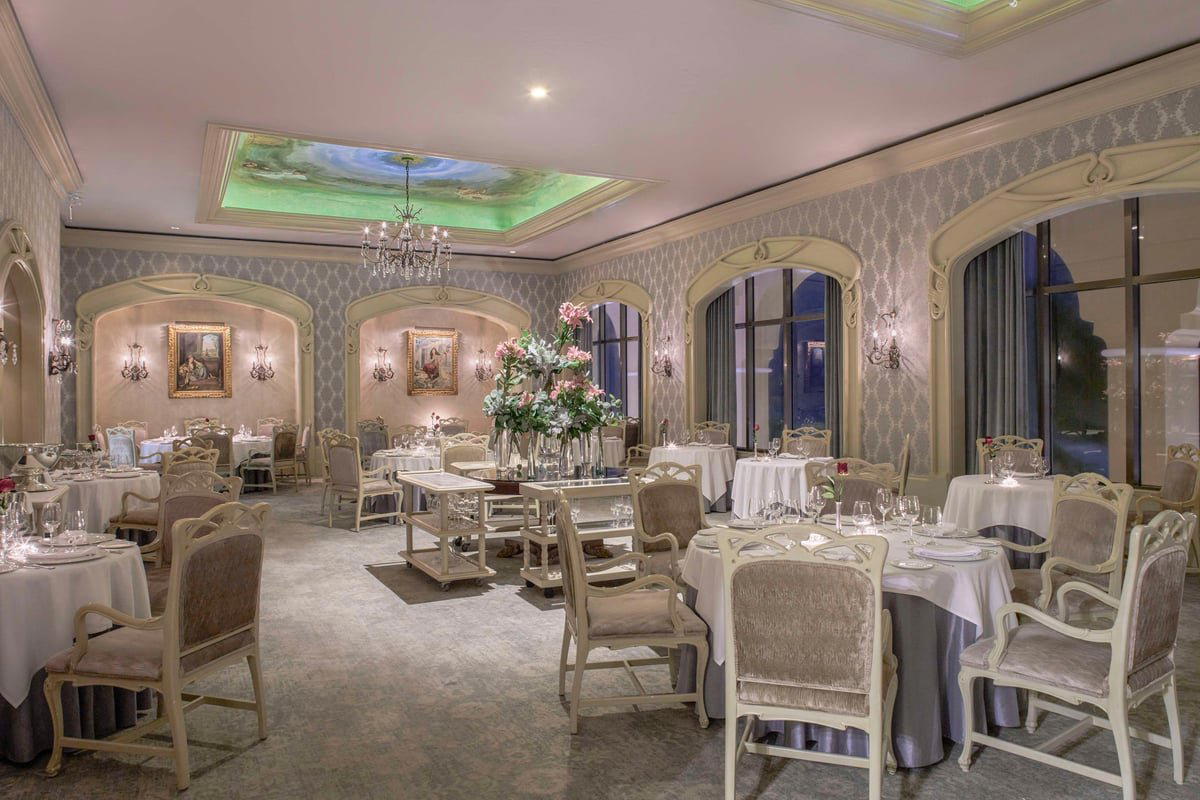
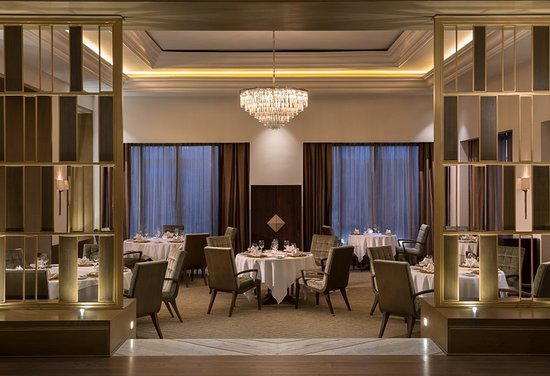
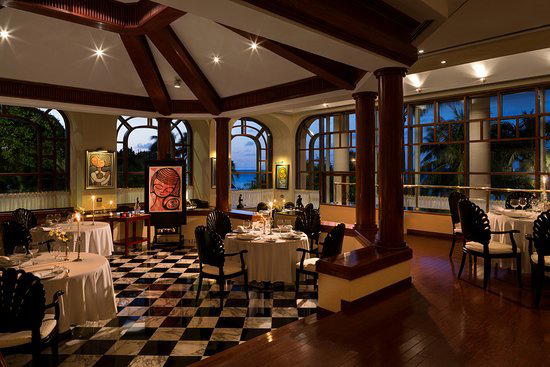
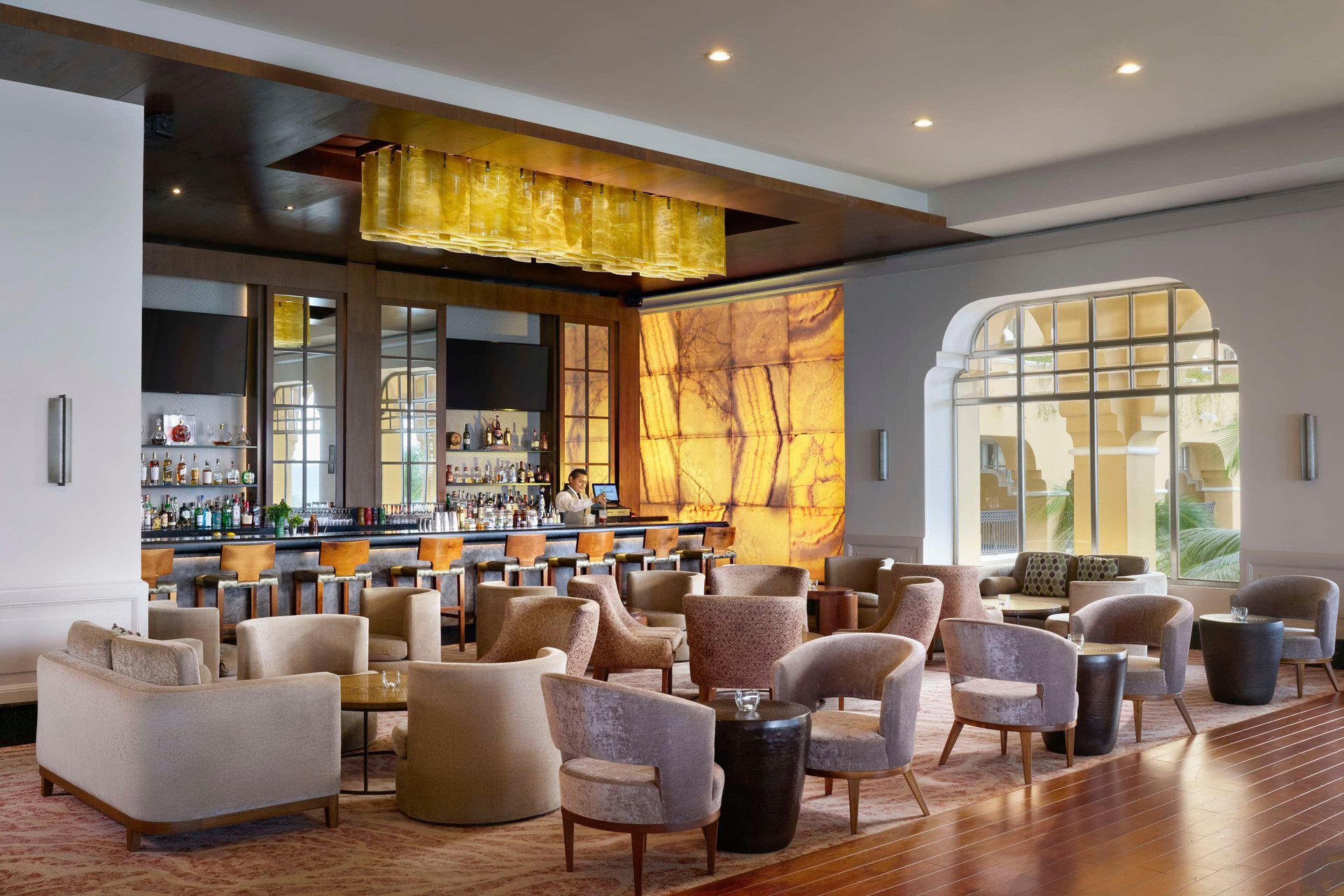
Elegant and sophisticated atmosphere with fantastic views, praised for its welcoming setting.
Know Before You Go
- Getting there
- Blvd. Kukulcan KM 12.5, La Isla, Zona Hotelera, 77500 Cancún, Q.R., Mexico