On Cancun's Zona Hotelera strip at Km 13.5, Taboo occupies a space where the physical design does as much work as anything on the plate. The venue sits within a dining corridor that ranges from open-air seafood shacks to international concept restaurants, and its spatial approach positions it in the design-led tier of that spectrum. For readers planning time along the Hotel Zone, it belongs in the same planning conversation as Cancun's more considered dining options.
Pearl is the En Primeur Club membership app — saves, bookings, and concierge access live there. Same editors, same standards.
- Address
- Blvd. Kukulcan Km 13.5, Zona Hotelera, 77500 Cancún, Q.R., Mexico
- Phone
- +529982342528
- Website
- taboorestaurant.com.mx
- Directions
- Get directions
 Saves & bookings on Pearl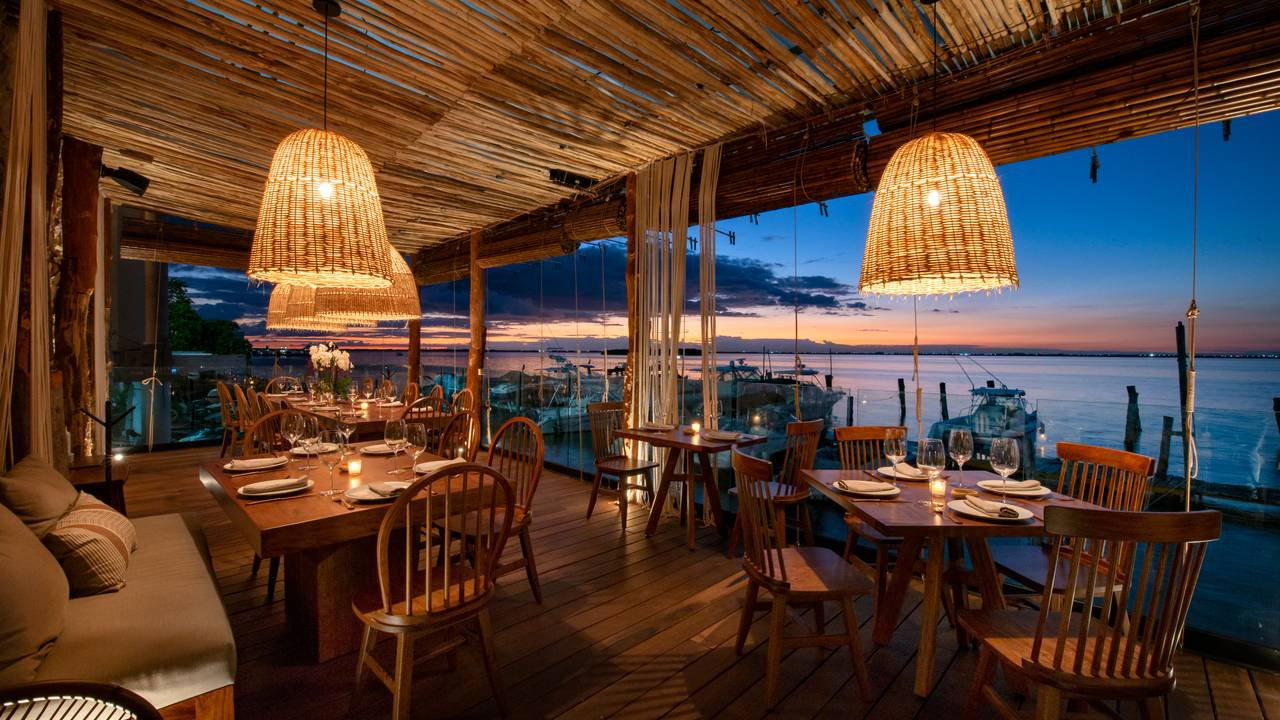
Where the Hotel Zone Gets Serious About Space
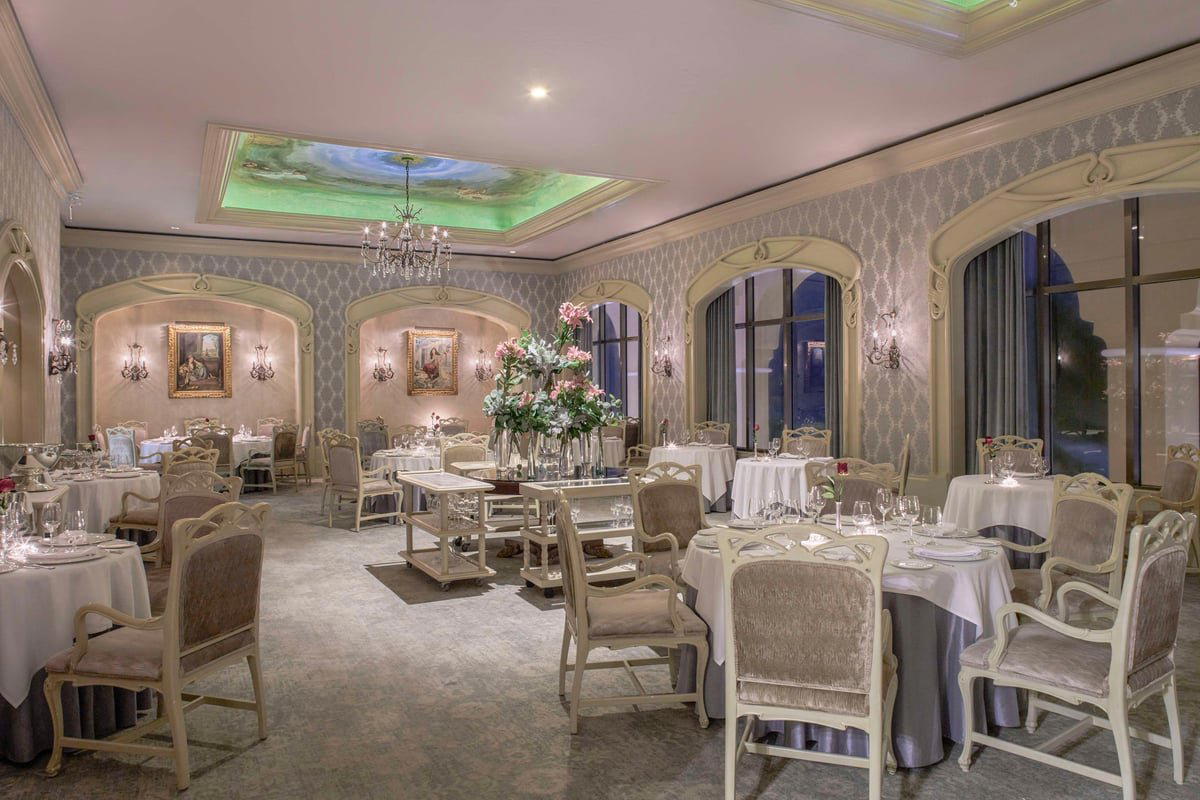
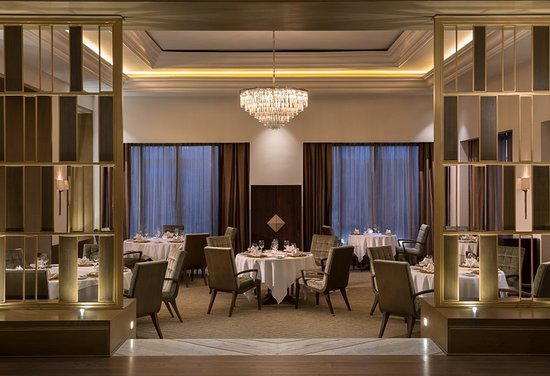
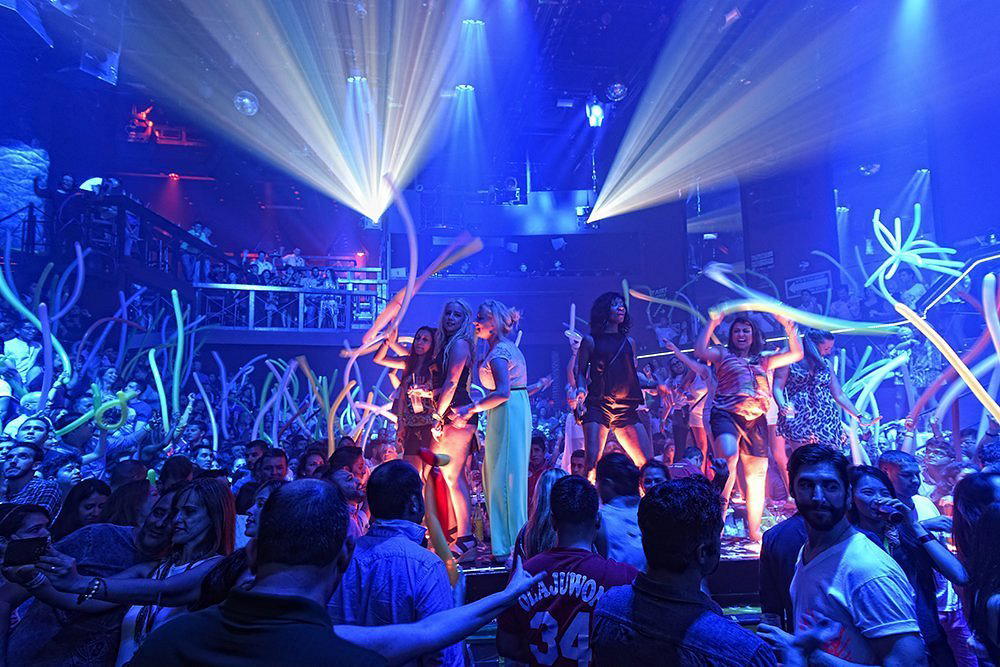
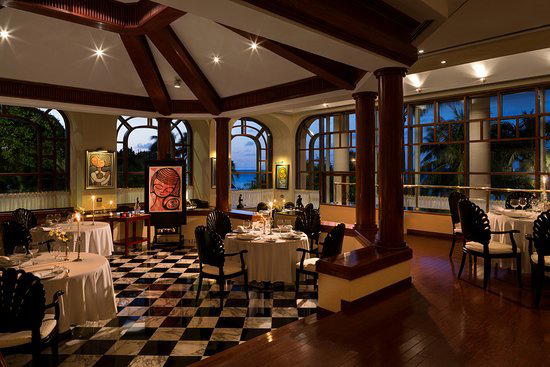
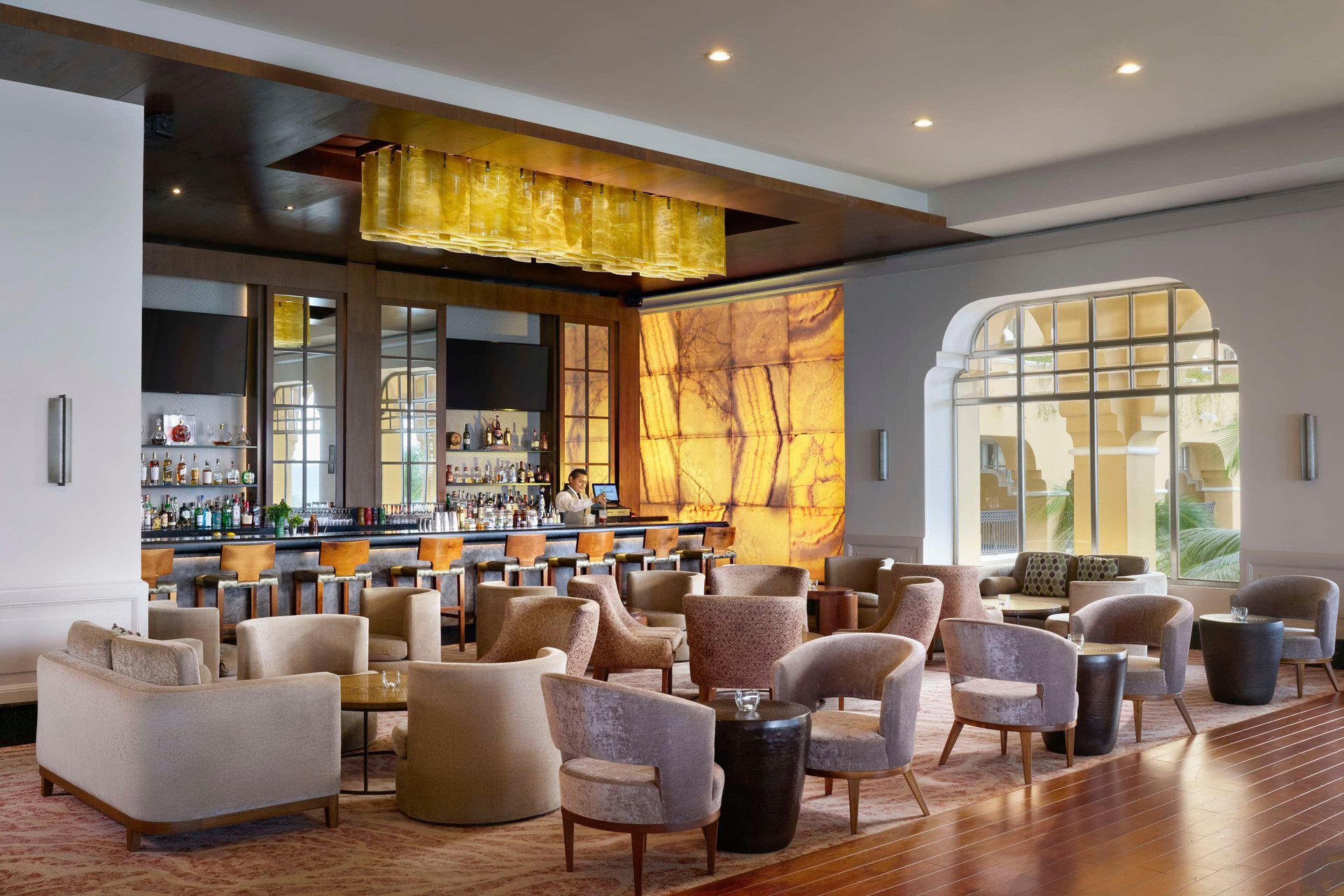
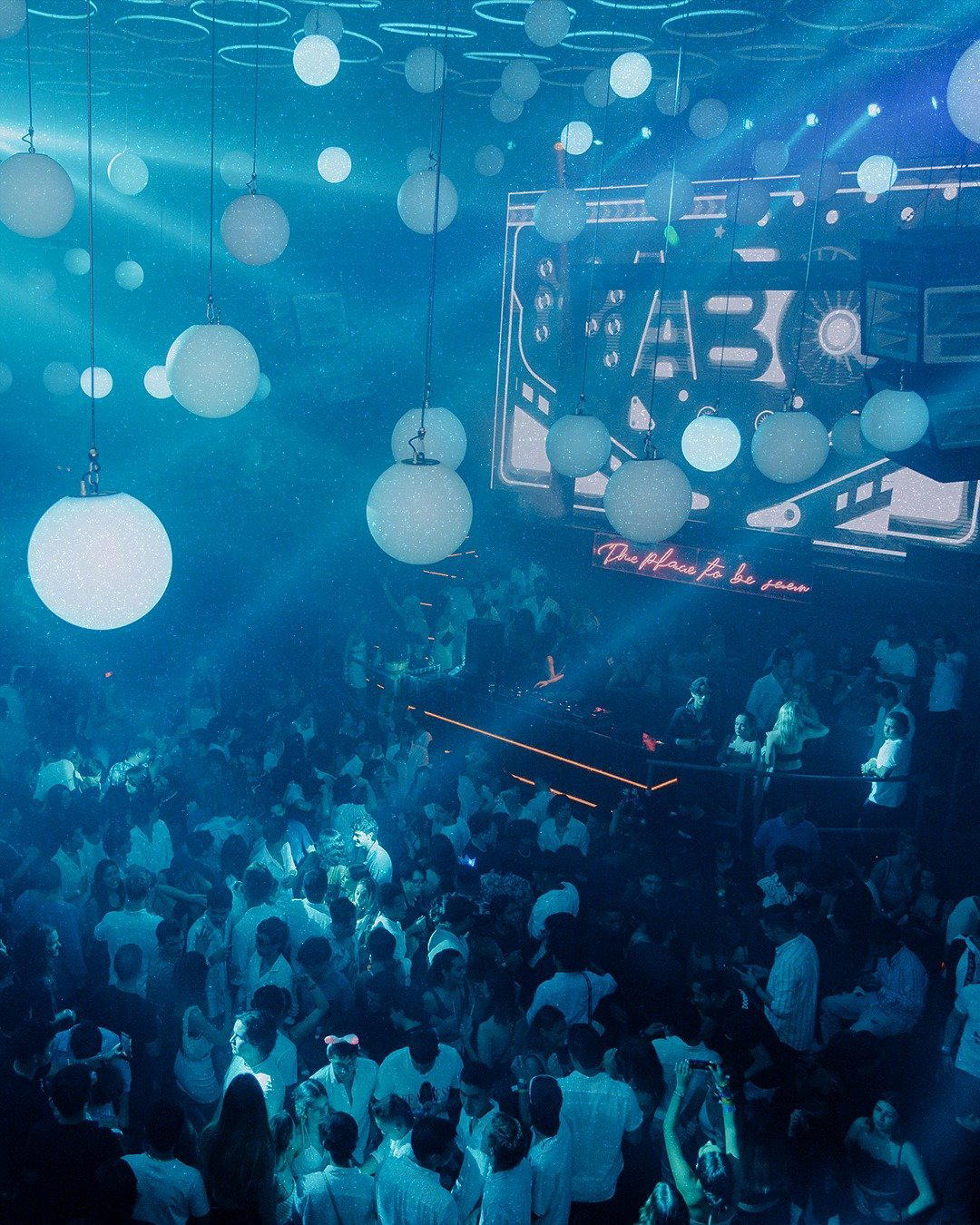
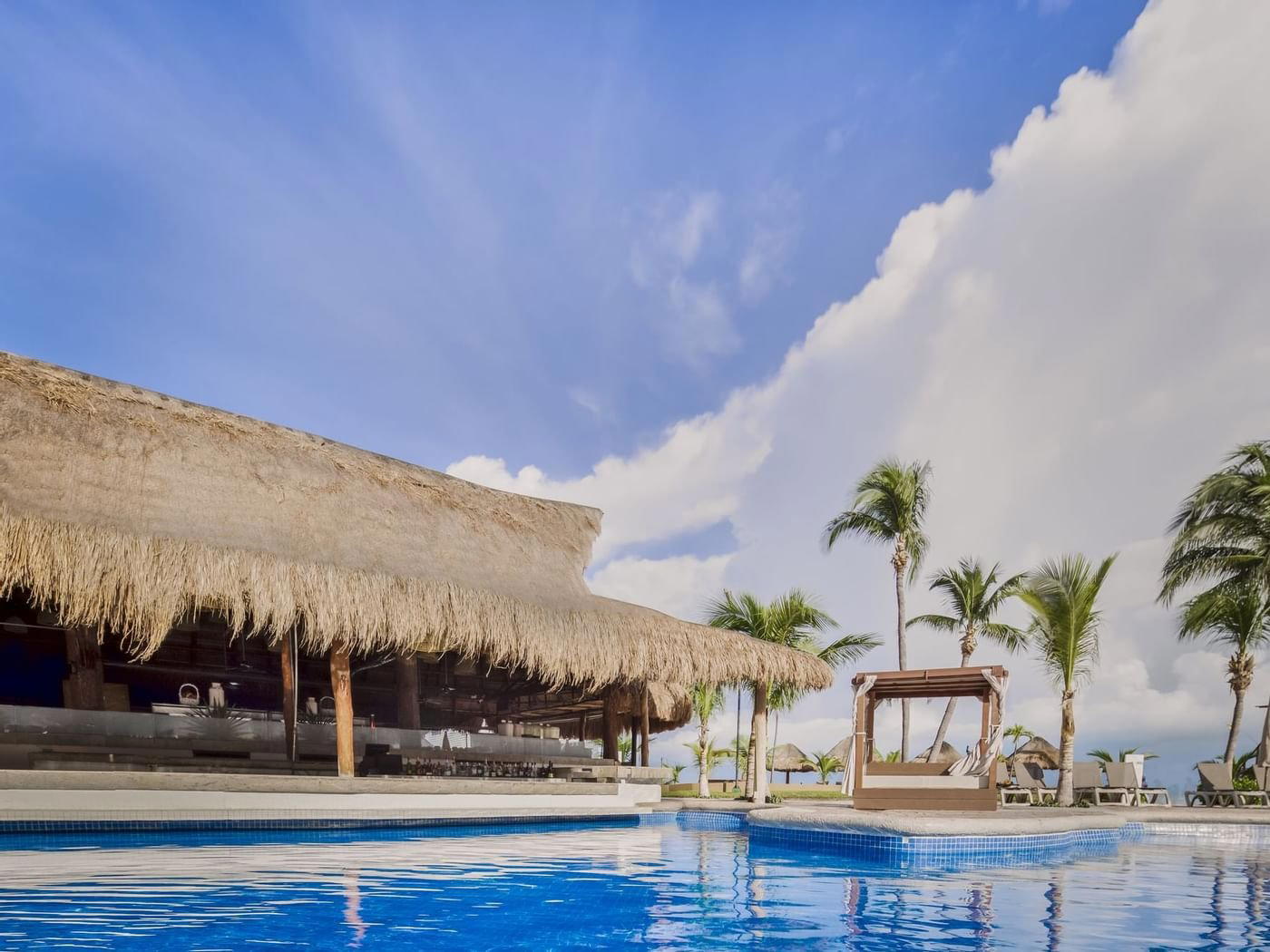
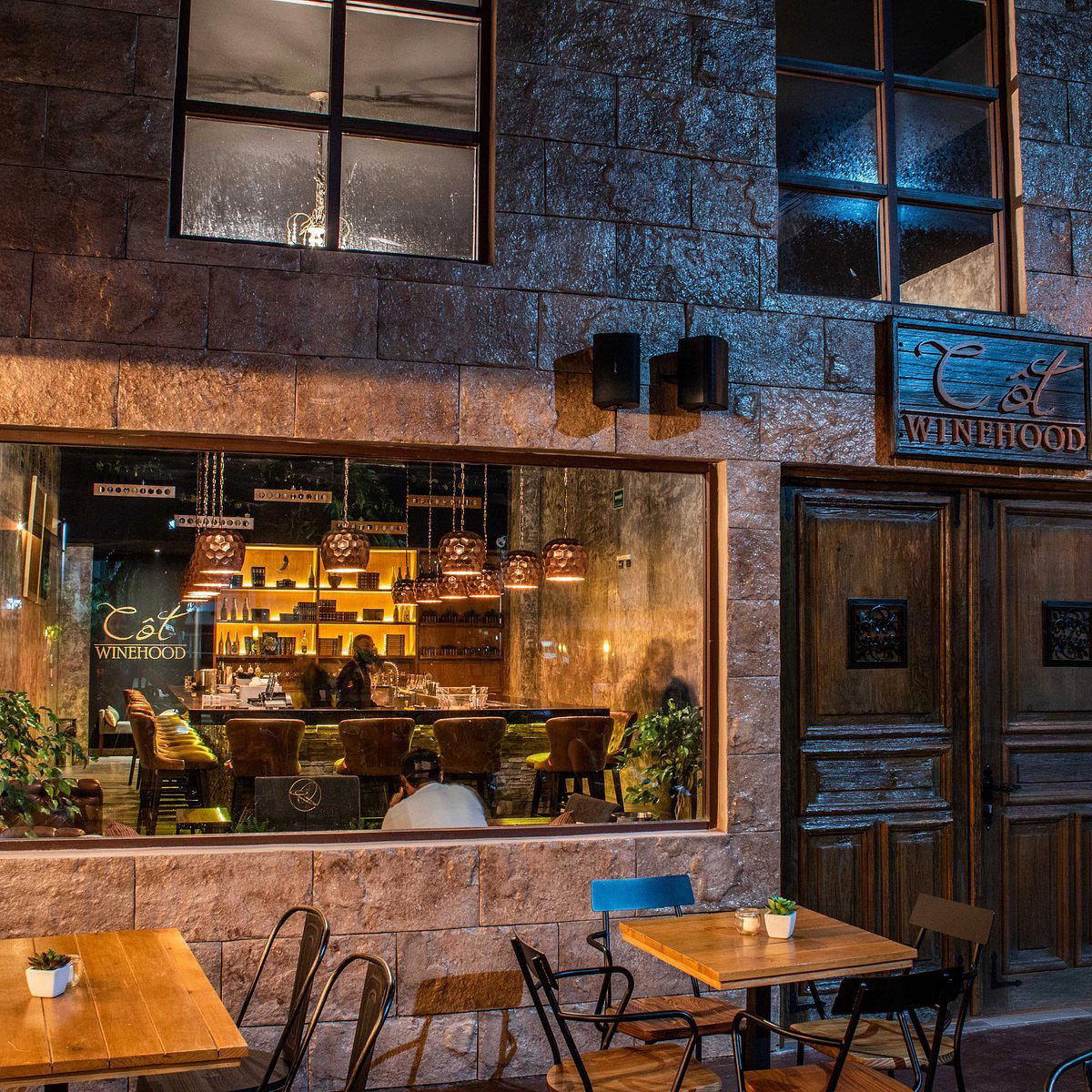
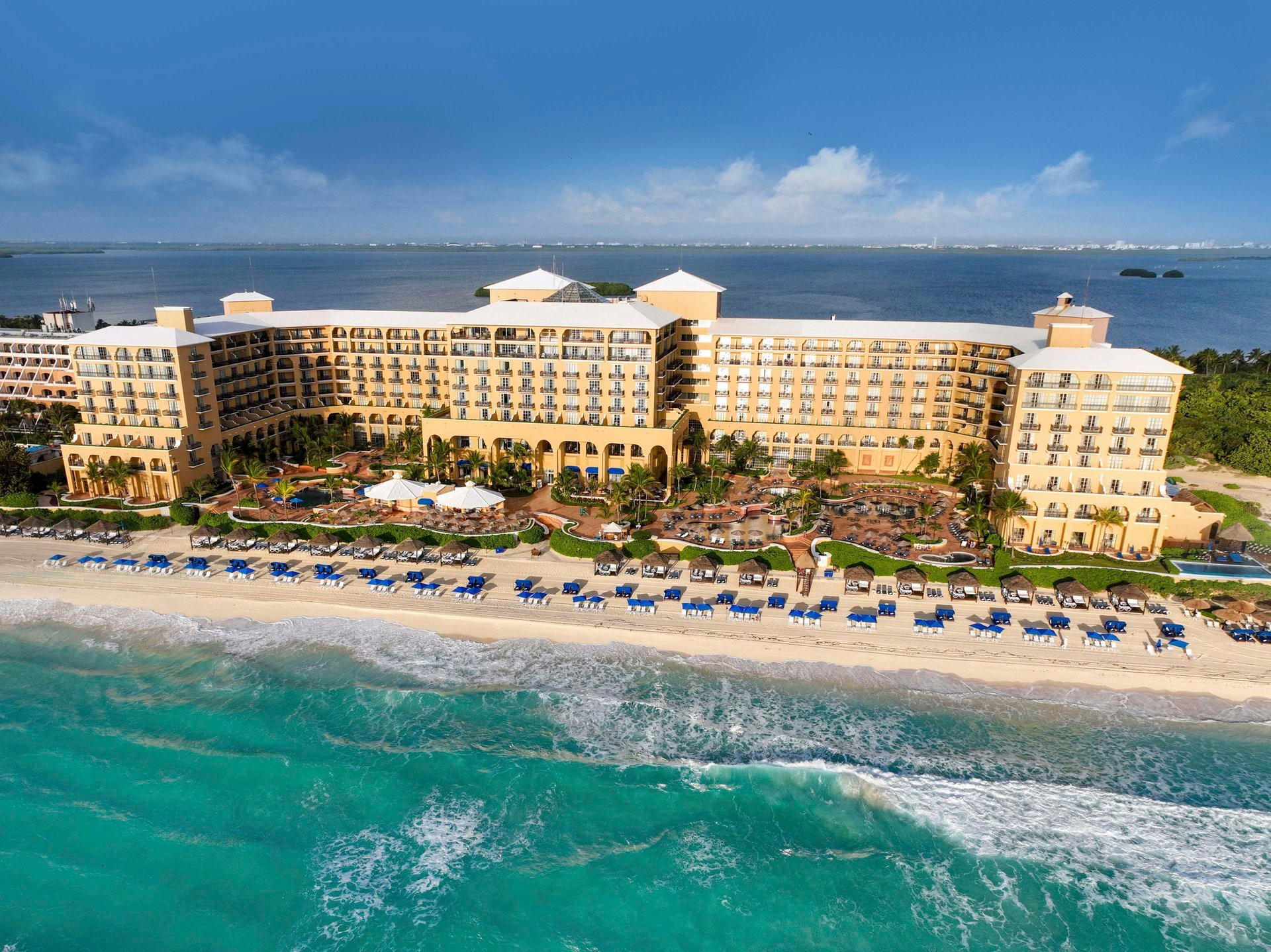
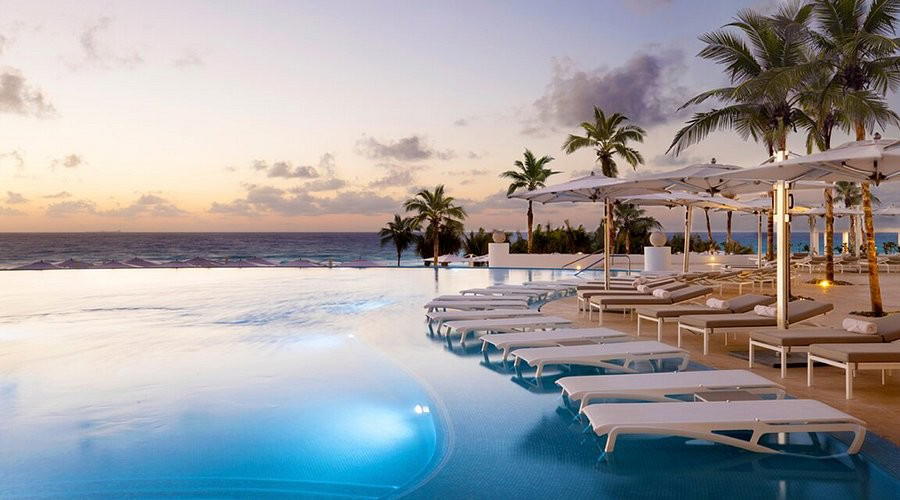
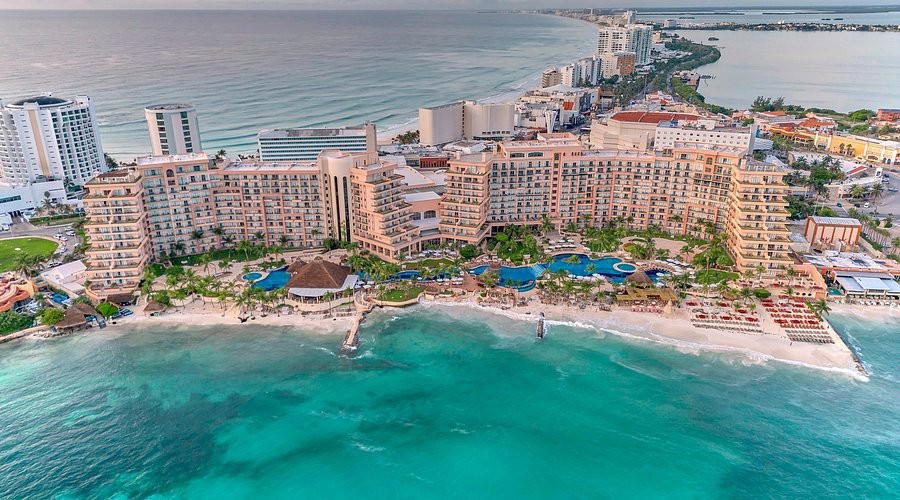
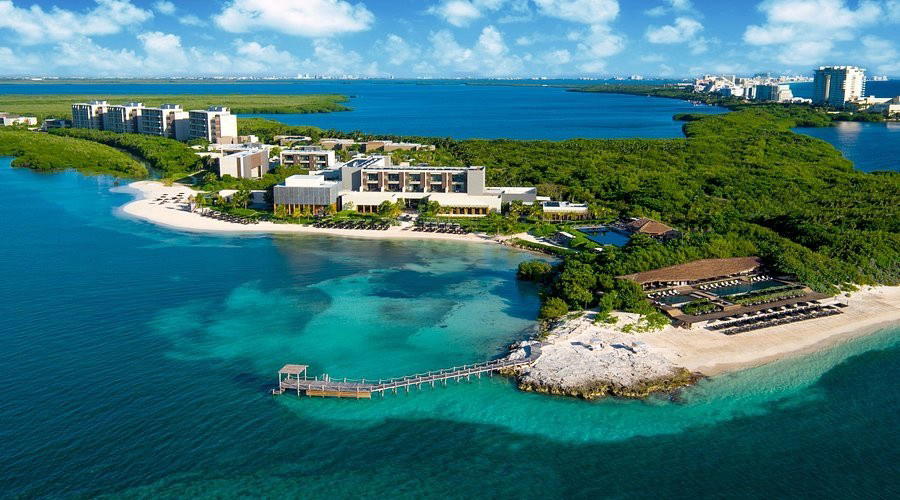
The Zona Hotelera in Cancun runs roughly 22 kilometres along a barrier island between the Caribbean and Laguna Nichupté, and the dining options along Boulevard Kukulcan reflect almost every register of that geography. At Km 13.5, Taboo occupies a point in the strip where the hotel density is high and the competition for attention is correspondingly intense. In that context, the physical space becomes the first argument a venue makes — before a menu arrives, before a server speaks. Design-led restaurants in this corridor have learned that lesson, and Taboo is placed at that end of the spectrum.
The broader pattern across the Zona Hotelera is one of formats fighting for differentiation in a market that skews heavily toward all-inclusive hotel dining and high-volume tourist covers. The properties that hold their own tend to do so through a defined spatial identity — a clear answer to the question of what kind of room this is and what kind of evening it produces. That framing puts Taboo in conversation with venues like Le Basilic and The Club Grill at the Ritz-Carlton, both of which use architectural containment to separate themselves from the open-air casual end of the strip.
The Physical Container as Editorial Argument
In resort dining markets globally, the interior environment often carries more weight than it would in a city where foot traffic and neighbourhood reputation do the filtering work. Cancun's Hotel Zone is a car-and-taxi corridor; guests are making deliberate choices to leave a property, which means the room they arrive in needs to justify the decision. This is a dynamic familiar to anyone who has observed how venues in comparable resort corridors, Las Vegas's Strip dining rooms, the beachfront restaurant scene along Bali's Seminyak stretch, use architecture and lighting as primary differentiators.
Taboo's address at Km 13.5 places it in the denser central section of the Zona Hotelera rather than the quieter southern end, which means it operates against a backdrop of constant visual noise. The design-led venues that succeed in this position tend to use interior volume, material contrast, or lighting architecture to create a sense of threshold, the experience of crossing into a different register of evening. That spatial grammar is what separates a considered dining room from a restaurant that simply exists in a hotel-adjacent building.
For context on how this plays out across Mexico's coastal dining scene, HA' in Playa del Carmen offers a useful comparison: a venue where the physical environment, subterranean cenote setting, does structural work that no amount of menu curation could replicate. The spatial decision is the editorial statement. Taboo operates in a different physical register, but the underlying logic of using design as a primary signal belongs to the same category of thinking.
Cancun's Dining Tier Structure and Where This Fits
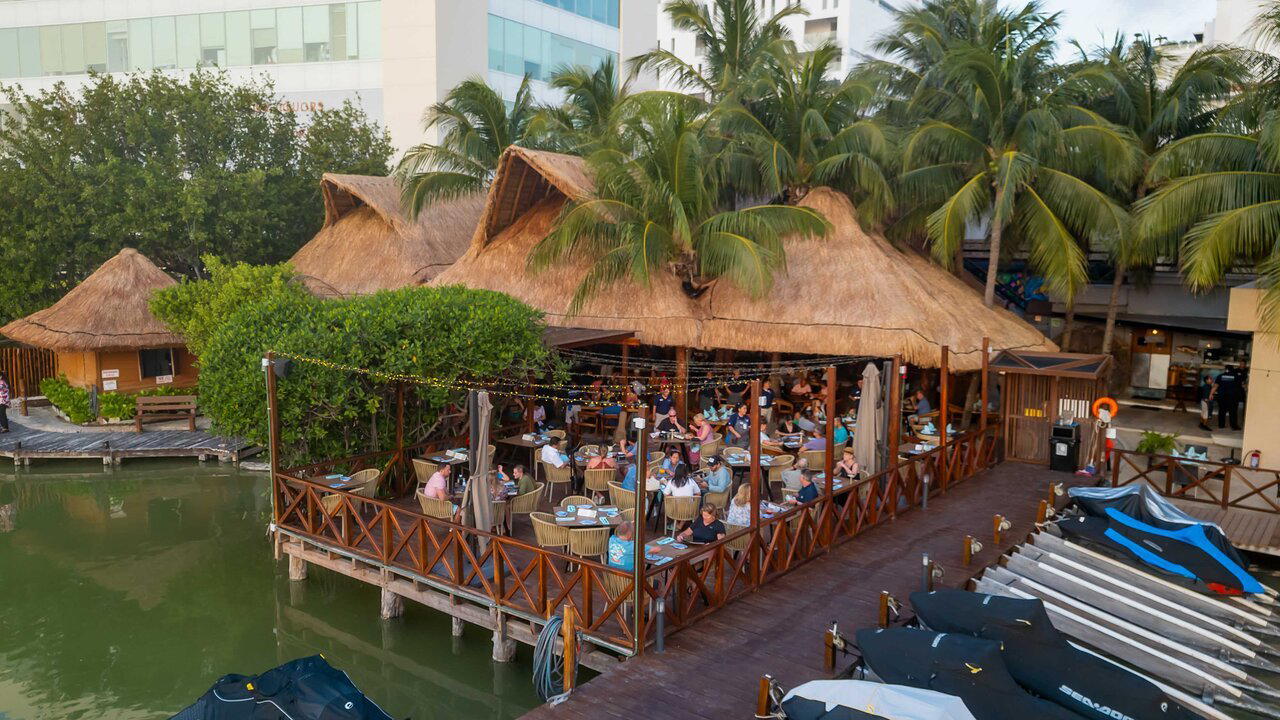
The Hotel Zone's restaurant market operates across roughly three tiers. The first is the all-inclusive buffer, which is largely invisible to independent dining decisions. The second is the mid-range tourist-facing category, beachfront seafood, international burgers, chain-adjacent concepts, where venues like Kiosco Verde and Capri Pizza Moderna compete on price accessibility and casual format. The third tier is the deliberately positioned concept restaurant, where the physical space, the menu format, and the pricing signal a different intention.
Taboo sits in that third tier, which in Cancun is a smaller and more self-selecting group than in a city with a mature independent dining culture. The Zona Hotelera is a different operating environment: the audience is largely transient, the competitive set is thinner at the leading, and the design investment required to signal quality is proportionally higher.
That context matters for a reader deciding where to spend a significant evening in Cancun. The comparison tier for Taboo is not the seafood-and-tacos category but rather the small group of venues in the Hotel Zone that have made a deliberate spatial and conceptual investment. Other options worth placing in that planning conversation include Asador La Vaca Argentina and Bodega Argentina for those oriented toward red-meat-focused formats, or Bombay Cancún for a different cuisine register. Café con Gracia and La Casa de Las Mayoras represent the Mexican-focused end of the planning spectrum at more accessible price points.
The Wider Mexican Context
Understanding Cancun's upper dining tier also requires some calibration against what Mexico's coastal restaurant scene looks like beyond the Yucatan Peninsula. Le Chique in Puerto Morelos, roughly 30 kilometres south of Cancun, operates in the tasting-menu format that has become the clearest signal of serious culinary ambition in Mexico's Caribbean coastal corridor, a useful reference point for how far the regional scene has moved from its resort-casual origins. Further afield, Animalón in Valle de Guadalupe, Levadura de Olla in Oaxaca, Lunario in El Porvenir, and Olivea Farm to Table in Ensenada represent the diversity of registers in which Mexican dining is operating at a high level. For international comparison, Le Bernardin in New York City and Atomix in New York City show where the global fine dining conversation sits, a useful calibration for assessing how Mexico's resort-adjacent dining is developing relative to international benchmarks.
Planning a Visit
Taboo is located at Blvd. Kukulcan Km 13.5 in the Zona Hotelera, accessible by taxi or the R-1 bus route that runs the full length of the Hotel Zone. The Km 13.5 position places it between the major hotel clusters at Km 9 and Km 20, making it reachable from most properties without a long transfer. For detailed information on booking availability, hours, and current menu format, direct contact with the venue or a check of current listings is advisable, as operational details for Cancun's concept-tier restaurants shift with seasonal demand. For a broader picture of dining options across the city's different registers, the full Cancun restaurants guide covers the Hotel Zone and downtown in parallel. Pangea in San Pedro Garza García provides a further reference point for how Mexico's northern dining scene approaches the design-and-cuisine integration question that Cancun's leading venues are working through in their own context.
At a Glance
- Elegant
- Trendy
- Bohemian
- Sophisticated
- Date Night
- Celebration
- Special Occasion
- Live Music
- Waterfront
- Open Kitchen
- Craft Cocktails
- Local Sourcing
- Waterfront
Current opening hours
- Monday
- 5 PM–2 AM
- Tuesday
- 5 PM–2 AM
- Wednesday
- 5 PM–2 AM
- Thursday
- 5 PM–2 AM
- Friday
- 5 PM–2 AM
- Saturday
- 5 PM–2 AM
- Sunday
- 5 PM–2 AM
Hours can change for holidays and private events. Last verified .
Sophisticated boho-chic atmosphere by the lagoon with lively energy.
Know Before You Go
- Getting there
- Blvd. Kukulcan Km 13.5, Zona Hotelera, 77500 Cancún, Q.R., Mexico