Our verdict
Casitas occupies the Kempinski Hotel Cancún in the Zona Hotelera, placing it within a tier of hotel dining that competes on setting and kitchen ambition rather than street-level spontaneity. The address positions it against the Zona's established hotel restaurants, where the surrounding Caribbean water and polished service infrastructure carry as much weight as what arrives on the plate.

Pearl is the En Primeur Club membership app — saves, bookings, and concierge access live there. Same editors, same standards.
- Address
- Kempinski Hotel Cancún, Rtno. del Rey 36, Zona Hotelera, 77500 Cancún, Q.R., Mexico
- Phone
- +529981709624
- Hours
- Daily 7–11 PM
- Website
- kempinski.com
- Directions
- Get directions
- Booking
- Book on OpenTable
The menu
What to order
- Local Catch Tikin Xic
- Signature Stone Oven Bread
Hotel Dining in the Zona Hotelera: Where the Setting Does Real Work
Cancún's Zona Hotelera has always operated on a split logic. On one side sit the all-inclusive resorts, where the dining equation is settled before you arrive. On the other, a smaller group of hotel restaurants that pitch themselves to guests and outside visitors alike, competing on kitchen quality, design, and a sense of place that goes beyond the buffet line. Casitas, located inside the Kempinski Hotel Cancún on Retorno del Rey 36, occupies this second territory. The Kempinski brand positions its properties at the upper end of European luxury hospitality, and the Cancún outpost carries that signal into a market where the competition ranges from the fish-and-lime directness of spots like Kiosco Verde to the polished formality of Le Basilic and The Club Grill. Casitas sits within that hotel-anchored tier, where physical environment, service infrastructure, and culinary direction share the weight of the experience.
The Evolution of Hotel Dining Along the Caribbean Strip
What has changed most dramatically in the Zona Hotelera over the past decade is not the volume of restaurants but the ambition inside them. A decade ago, hotel dining in this corridor defaulted to safe, internationally legible menus designed to avoid offending guests from any of a dozen source markets. The kitchen was an amenity, not a destination. That calculus has shifted. Mexico's broader culinary moment, anchored by places like Pujol in Mexico City and extended into the Yucatán Peninsula by technically serious operations such as Le Chique in Puerto Morelos, has raised the baseline expectation for what hotel kitchens in this region can and should deliver. Guests arriving in Cancún after a broader Mexico itinerary that might include Levadura de Olla Restaurante in Oaxaca or Alcalde in Guadalajara arrive with a sharper frame of reference than their predecessors. The pressure that creates on hotel dining rooms is real, and the properties that have responded by investing in kitchen identity rather than defaulting to safe internationalism are the ones drawing reservations from non-hotel guests.
Casitas operates inside that pressure. The Kempinski context brings a particular standard of physical presentation and service cadence, while the Zona Hotelera location means the restaurant competes directly with independent options that have the advantage of single-minded culinary focus. The interesting strategic question for any hotel restaurant in this position is how it differentiates without abandoning the service breadth that hotel guests require.
Caribbean Setting and the Architecture of Atmosphere
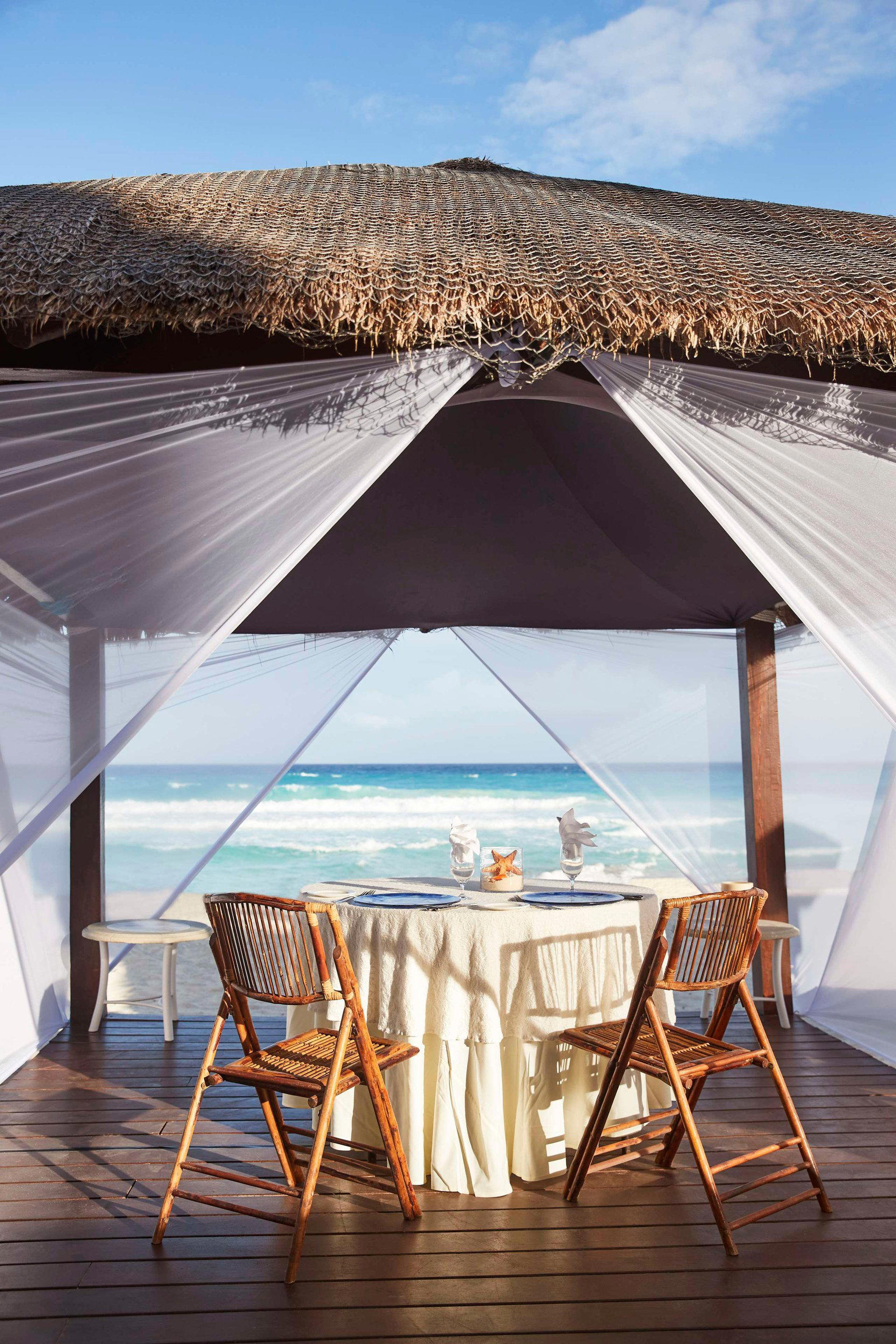
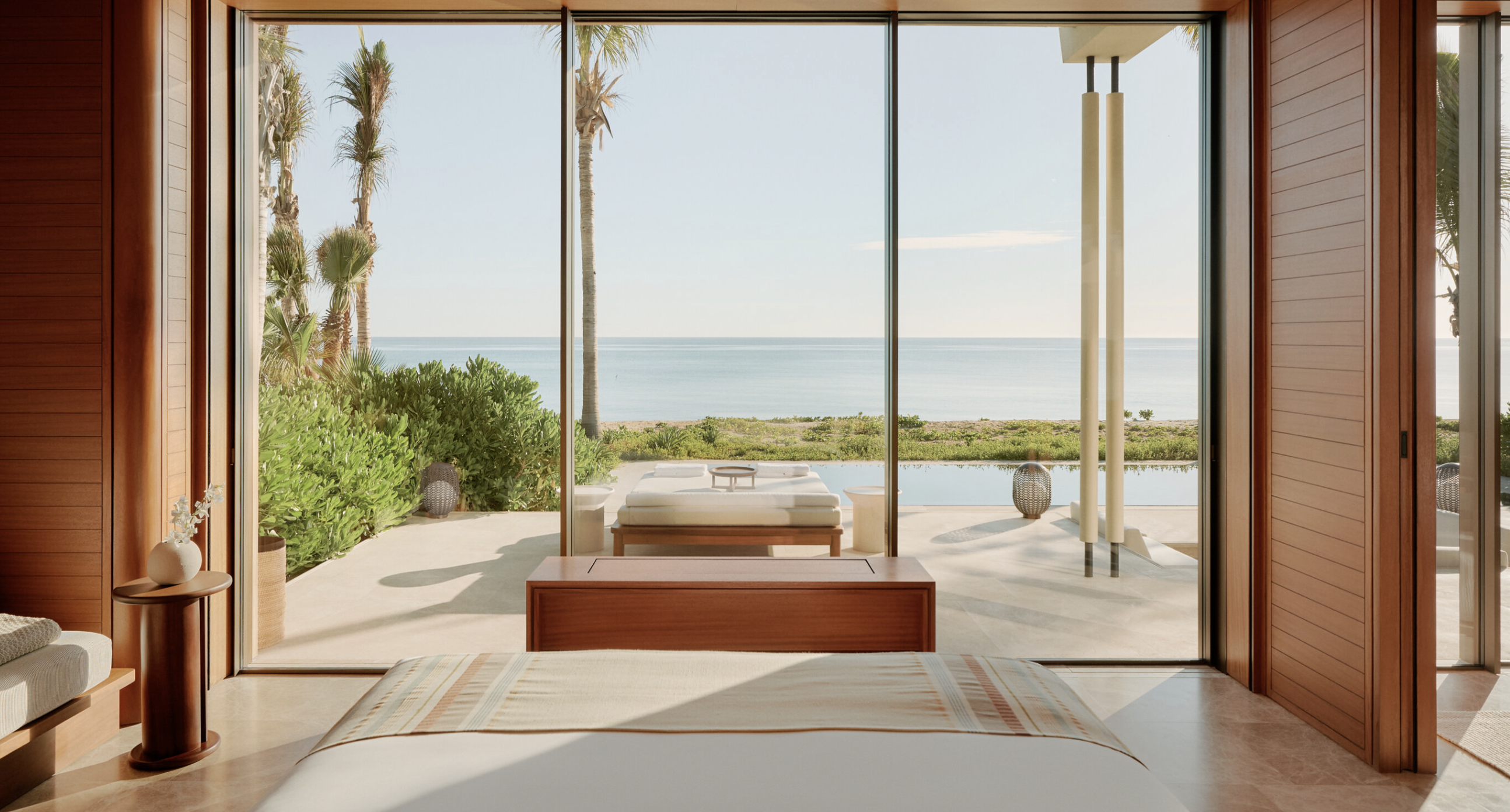
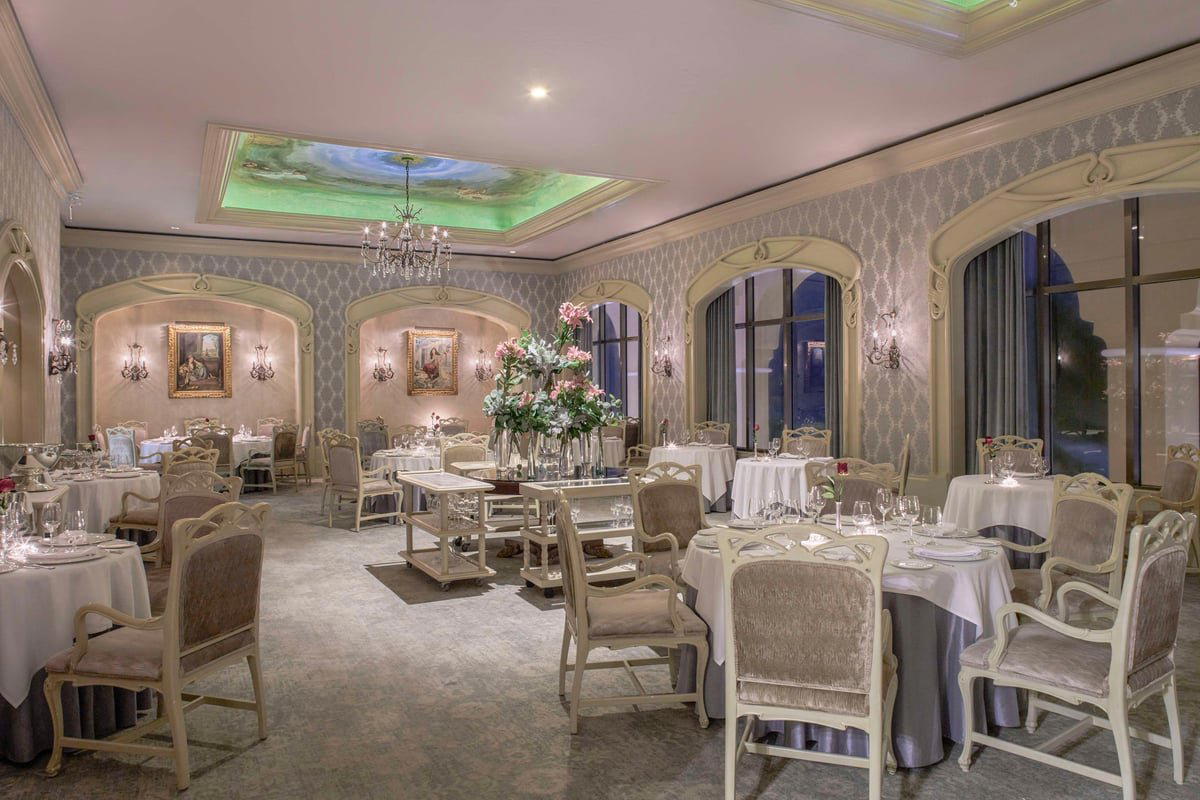
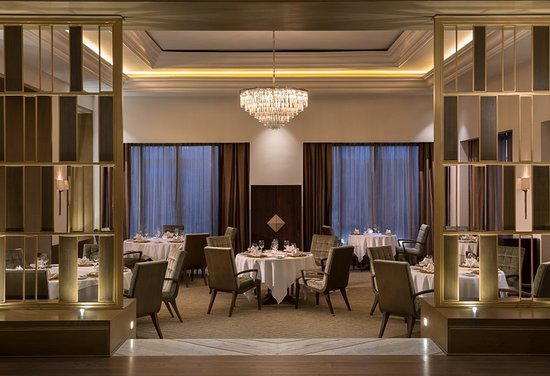
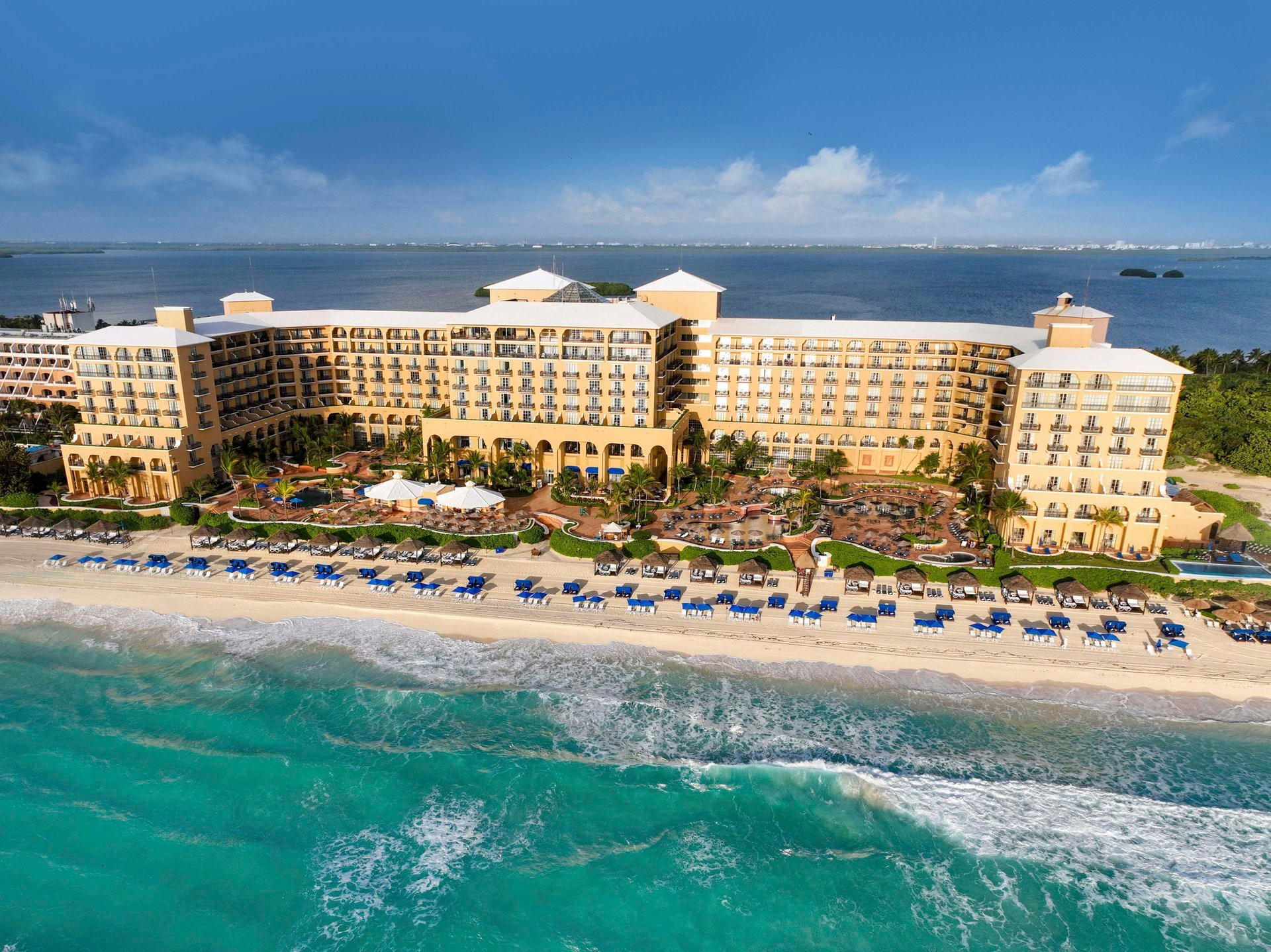
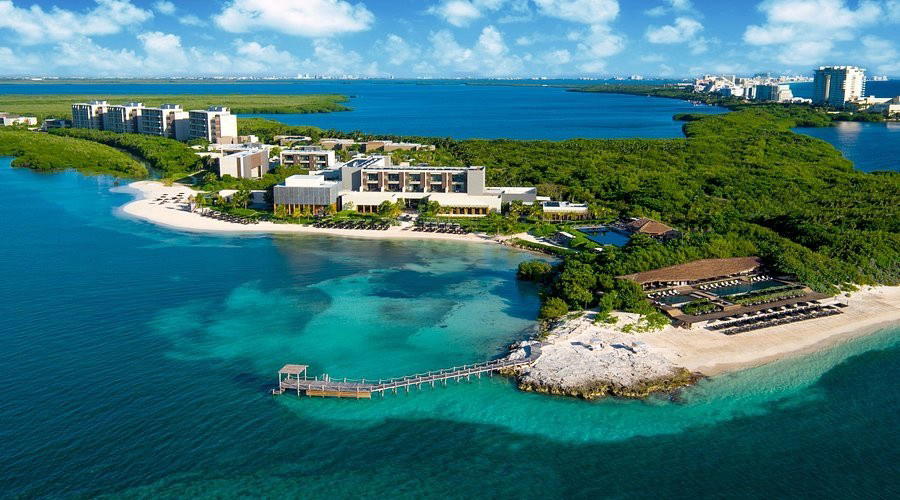
The Zona Hotelera's defining physical asset is the Caribbean itself, and properties that use the water as an active part of the dining environment rather than a backdrop hold a structural advantage. The Kempinski's position along this corridor places Casitas within reach of that logic. Hotel dining rooms that frame the sea without mediating it through excess design tend to age better than those that rely on interior spectacle alone. The regional comparison is instructive: HA' in Playa del Carmen demonstrates how proximity to water, combined with a coherent culinary identity, creates a draw that persists beyond the opening season. Casitas operates in a larger-scale hotel context, which brings both the asset of Kempinski's service infrastructure and the constraint of serving a broader guest profile than a standalone restaurant.
Cancún in the Context of Mexico's Dining Conversation
Understanding where Cancún sits in Mexico's broader dining hierarchy is useful for calibrating expectations. The country's most discussed culinary addresses cluster in Mexico City, Oaxaca, Guadalajara, and, increasingly, the Valle de Guadalupe wine region, where Animalón and Lunario represent a different kind of destination dining built around agricultural terroir. The Riviera Maya corridor, by contrast, has historically been organised around resort volume rather than chef-driven ambition, with exceptions proving the rule. What distinguishes the moments when Zona Hotelera dining rises above its category is almost always the same combination: a kitchen that has decided what it stands for, a service team that can communicate that clearly to guests with no local context, and a physical setting that earns its price point. Those three factors, more than awards or press coverage, determine which hotel restaurants develop a reputation that outlasts a single travel season. For visitors building a Cancún dining itinerary, the full Cancun restaurants guide maps the range across cuisines and price points, from the Argentine-focused kitchens of Asador La Vaca Argentina and Bodega Argentina to the Indian cooking at Bombay Cancún, the café register of Café con Gracia, and the casual Italian of Capri Pizza Moderna.
For travellers whose Mexico dining reference points extend to the northern restaurant scene, operations like KOLI Cocina de Origen in Monterrey and Pangea in San Pedro Garza García set a benchmark for what regional Mexican cuisine looks like when a kitchen is working at full commitment. Hotel restaurants in resort corridors rarely compete on that axis, nor are they designed to. They operate in a different register, one where consistency across a full season, service to guests arriving jet-lagged or unfamiliar with local ingredients, and the logistics of a large-scale property all shape the menu and its ambitions. The fairest comparison set for Casitas is not Mexico City's chef-driven counters but the better hotel dining rooms along the Caribbean coast.
Planning a Visit
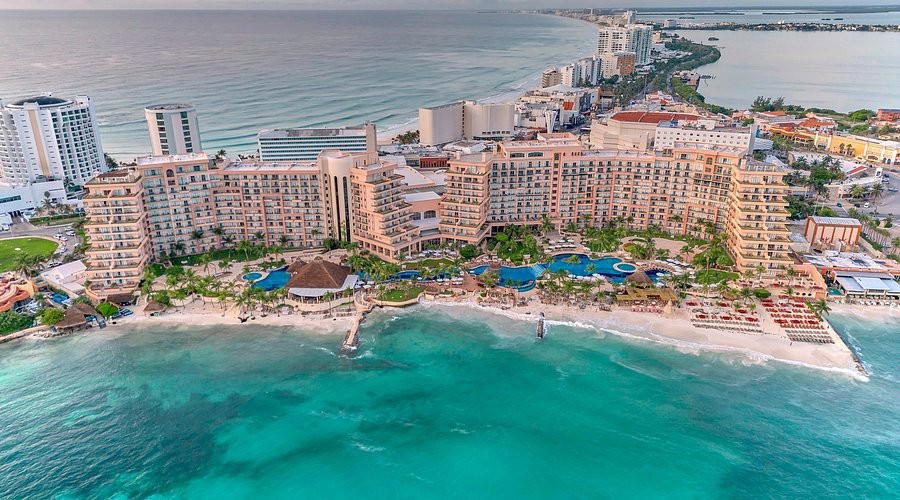
Casitas is located within the Kempinski Hotel Cancún at Retorno del Rey 36 in the Zona Hotelera, placing it in the southern stretch of the hotel strip with direct access by taxi or hotel transfer from the main Cancún hotel cluster. As a hotel restaurant, the most direct booking route is through the Kempinski property directly, either at the front desk or via the hotel's reservations channel. Guests staying at the Kempinski have on-site access; visitors from outside the hotel should confirm current hours and availability before arriving, particularly during high season between December and April when the Zona Hotelera operates at capacity and hotel restaurants across the strip fill with both resident guests and outside bookings. Pricing will reflect the Kempinski's positioning at the upper end of the Zona Hotelera hotel market. For broader comparisons across the Riviera Maya and further afield within Mexico's dining scene, Olivea Farm to Table in Ensenada represents the farm-anchored end of the spectrum, while internationally, the technical ambition of Le Bernardin in New York City and the community-format dining of Lazy Bear in San Francisco illustrate how different the ambitions of a hotel dining room in a resort corridor are from destination-format restaurants built around a singular culinary point of view.
Frequently asked questions
What part of town is Casitas in?
Casitas is located at Kempinski Hotel Cancún, Rtno. del Rey 36, Zona Hotelera, 77500 Cancún, Q.R. Mexico, Cancun.
Is Casitas a good option for dining without staying at the Kempinski Cancún?
Casitas at Kempinski Hotel Cancún sits in the southern section of the Zona Hotelera at Retorno del Rey 36, which makes it accessible by taxi or ride-share from elsewhere along the hotel strip. Non-residents are typically welcomed, though the restaurant's rhythm and seating allocation follow the hotel's occupancy calendar. Arriving as an outside guest during a quieter midweek window generally produces a more relaxed experience than attempting a Friday or Saturday peak-season visit.
What should I order at Casitas?
Within the Zona Hotelera context, hotel restaurants at Kempinski properties tend to anchor their menus around regional seafood and international formats that travel well across their guest mix. When you book, ask the team directly what is running that week — kitchen programmes at this level shift with season and sourcing.
How hard is it to get a table at Casitas?
Casitas operates within the Kempinski Hotel Cancún at Retorno del Rey 36, which means hotel guests have priority access. Outside reservations are generally accepted but availability tightens between December and April, when the Zona Hotelera runs at near-capacity occupancy. Booking ahead by several days is the practical approach; walk-in availability is less predictable during peak Caribbean season.
What's the defining dish or idea at Casitas?
What the better hotel dining rooms along this stretch of the Zona Hotelera share is an orientation toward the Caribbean setting — the water and the light are treated as part of the meal rather than background decoration. At a Kempinski property, the operational standard typically supports that ambition with consistent kitchen execution.
Can Casitas accommodate dietary restrictions?
Kempinski operates as an international luxury hotel group with properties across 35-plus countries, and its kitchens are generally equipped to handle common dietary requirements including vegetarian, gluten-free, and allergen-specific requests. For anything specific or medically necessary, contact the Kempinski Hotel Cancún directly ahead of your visit — a same-day request at a busy Zona Hotelera property during peak season leaves less room for the kitchen to prepare properly.
A Credentials Check
| Venue | Cuisine | Price | Awards | Notes |
|---|---|---|---|---|
| CasitasThis venue — the venue you are viewing | Beachfront Seafood Grill | $50–100 | Not listed | Not listed |
| Lorenzillo's | Classic Seafood & Lobster | $100–150 | Not listed | Seafood |
| Kiosco Verde | Regional Mexican Seafood | $20–30 | Michelin Plate | Seafood |
| La Casa De Las Mayoras | Vegan Mexican | $10–20 | Michelin Plate | Mexican |
| Le Basilic | French Fine Dining | $50–100 | La Liste Top Restaurants · AAA Top 10 Mexico Restaurants | French Seafood |
| The Club Grill | Modern Grill with Mexican Fusion | Not listed | La Liste Top Restaurants · AAA Top 10 Mexico Restaurants | Mexican Steakhouse |
Casitas
Featured Guides



Casitas
The wine
- Wine program
- Curated wine list
- Extensive wine list
- Craft cocktails
Details
- Romantic
- Scenic
- Elegant
- Relaxed
- Date Night
- Special Occasion
- Celebration
- Beachfront
- Private Dining
- Terrace
- Extensive Wine List
- Craft Cocktails
- Local Sourcing
- Waterfront
- A La Carte
- Wine
- Artisanal Cocktails
- Vegetarian Friendly
- Vegan Options
Current opening hours
- Monday
- 7–11 PM
- Tuesday
- 7–11 PM
- Wednesday
- 7–11 PM
- Thursday
- 7–11 PM
- Friday
- 7–11 PM
- Saturday
- 7–11 PM
- Sunday
- 7–11 PM
Hours can change for holidays and private events. Last verified .
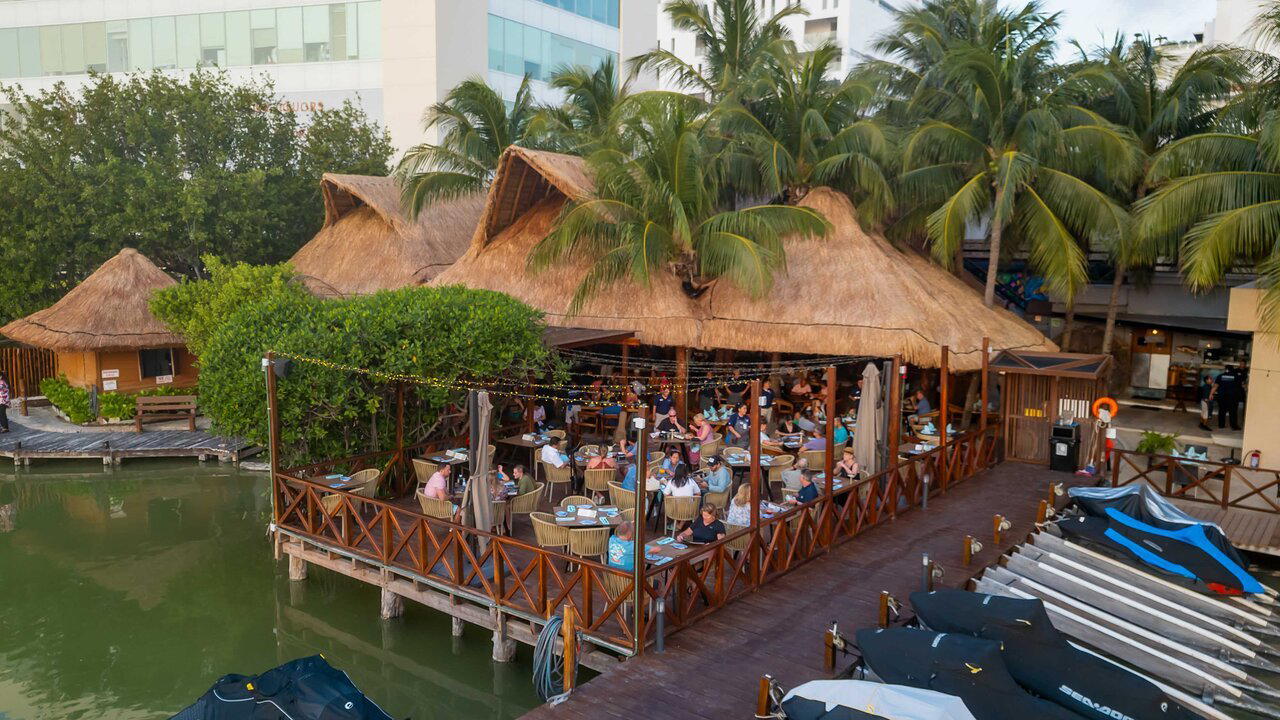
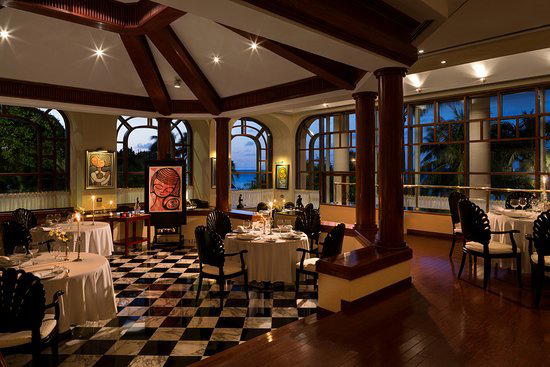
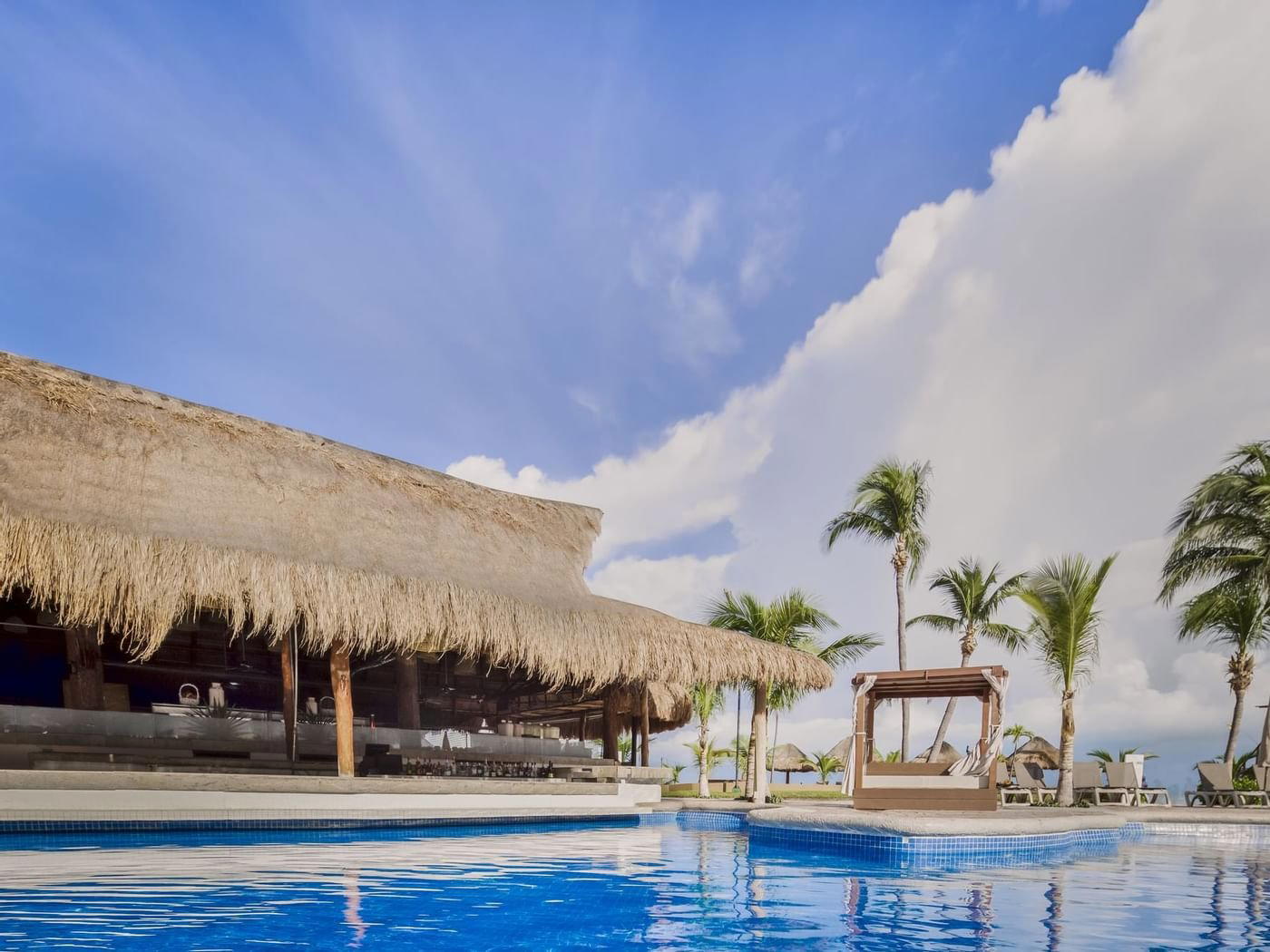
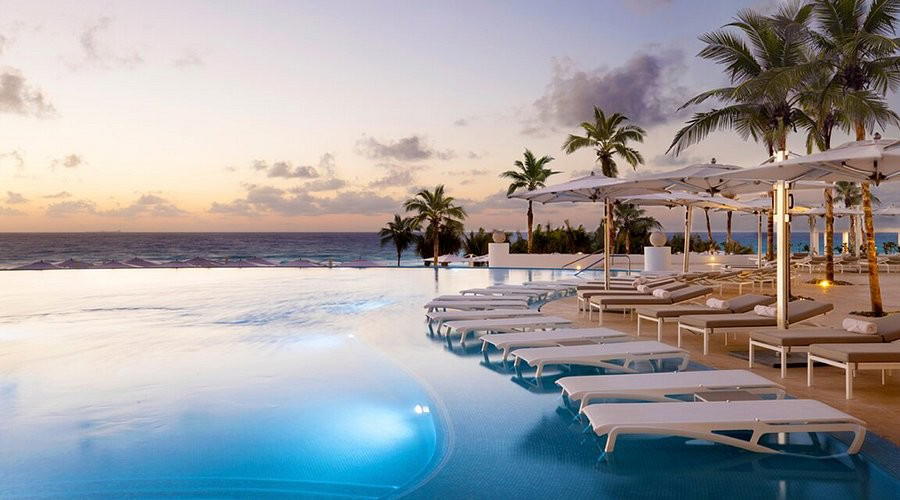
Relaxed open-air beachside atmosphere with far-reaching sea views, gentle waves, and dining under the stars.