Magari sits on Avenida Huayacán in Cancún's residential interior, away from the Hotel Zone's resort corridor. Where much of the city's dining gravitates toward tourist-facing menus, this address positions itself in the quieter, locally rooted pocket of SM 77500. For travellers who have already covered the obvious ground, it represents a different entry point into the city's dining scene.
Pearl is the En Primeur Club membership app — saves, bookings, and concierge access live there. Same editors, same standards.
- Address
- Calle Jartete, Av Huayacán Manzana 341 Lote 01, 77500 Cancún, Q.R., Mexico
- Phone
- +529983927478
- Website
- linktr.ee
- Directions
- Get directions
 Saves & bookings on Pearl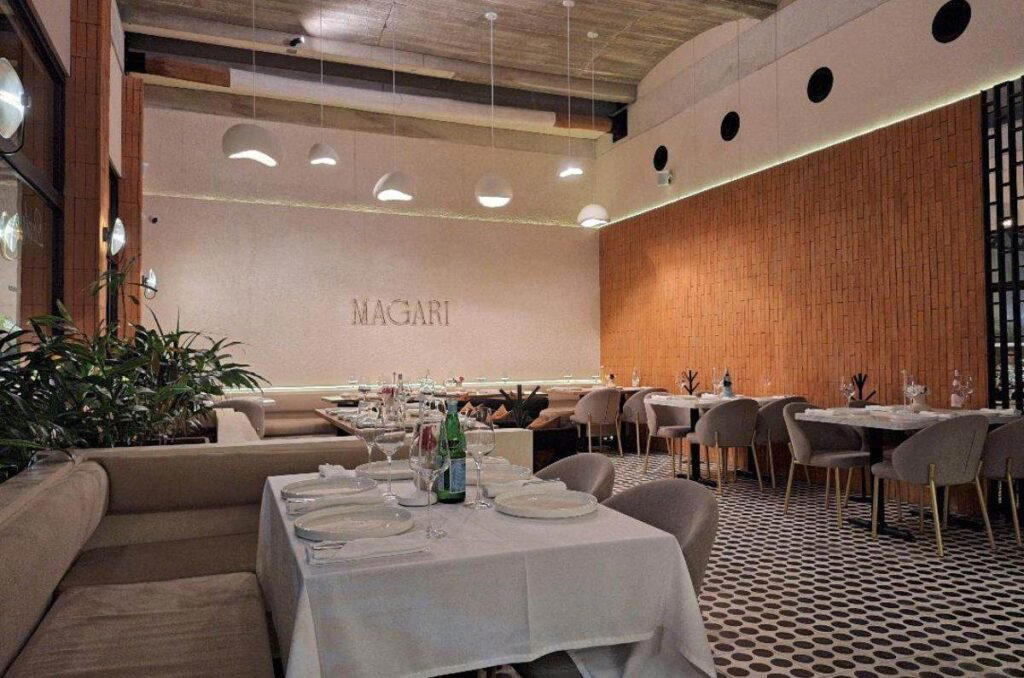
Inside Cancún's Residential Dining Belt
The Hotel Zone is where most visitors eat in Cancún, and for understandable reasons: the infrastructure is dense, the beachfront settings are convenient, and the concentration of international kitchens means you rarely have to go far. But the city's interior tells a different story. Along the boulevards and manzanas of SM 77500, a quieter dining circuit has taken shape, oriented less around tourist footfall and more around the rhythms of a working residential neighbourhood. Magari sits on Calle Jartete off Avenida Huayacán, at the edge of that circuit, in a part of Cancún that most visitors pass through rather than stop in.
That geography matters. The neighbourhoods stretching inland from the Hotel Zone have absorbed steady growth over the past decade as Cancún's permanent population expanded and local demand for neighbourhood dining deepened. The result is a category of restaurant that doesn't perform for the resort crowd: no scripted welcome drinks, no multilingual menu jackets, no sunset-view premium built into the pricing. For context, much of Cancún's Hotel Zone dining carries location surcharges that have little to do with what arrives on the plate. Eating a few kilometres inland tends to realign that equation.
The Address and What It Signals
Manzana 341 on Avenida Huayacán is a commercial strip anchored by everyday urban activity rather than hospitality infrastructure. The approach to Magari is more sidewalk-and-streetlight than valet-and-canopy. That shift in setting shapes expectations before you've seen a menu. Cancún's interior addresses tend to draw a clientele that either lives nearby or has made a deliberate choice to leave the Hotel Zone behind, and both groups tend to be less interested in performance dining and more interested in the food itself.
This matters as a selection criterion. If your visit is built around Cancún's beachfront and you're comparing dinner options within walking distance of a resort, Magari is not in the same geographic conversation as a Hotel Zone terrace. But if you're spending time in the city proper, or if you want a meal that operates at a different register than the resort corridor, the Huayacán address becomes an argument in its own right. Mexico's most critically followed restaurants in recent years, including Pujol in Mexico City and Alcalde in Guadalajara, have built their reputations in non-tourist neighbourhoods. That's not a coincidence — kitchens insulated from tourist-facing pressures tend to cook differently.
Cancún's Interior Dining Scene in Context
Cancún occupies an unusual position in Mexico's culinary geography. The Yucatán Peninsula has produced some of the country's most interesting cooking, from the wood-fire coastal formats at HA' in Playa del Carmen to the tasting-menu precision of Le Chique in Puerto Morelos, which has held Latin America's 50 Best recognition. Cancún itself sits at the top of that peninsula and draws from the same larder — Caribbean seafood, native chiles, recados, citrus, but the city's dominant hospitality model has historically been resort-scale rather than chef-driven.
That balance is shifting. A generation of smaller, owner-operated rooms has opened in Cancún's residential zones over the past several years, filling a gap between the all-inclusive buffet and the high-end Hotel Zone restaurant. Magari's position on Avenida Huayacán places it in that emerging tier. For comparison, Cancún's seafood specialists like Lorenzillo's and Le Basilic have long anchored the upscale end of the Hotel Zone, while neighbourhood spots like Café con Gracia and Capri Pizza Moderna represent the more casual, locally oriented alternative. Magari occupies terrain somewhere in that span, away from the waterfront premium and closer to the city's everyday dining pulse.
The broader Mexican dining scene provides useful framing. Across the country's secondary cities and residential neighbourhoods, a pattern has emerged where focused, independently run restaurants are generating more interesting conversations than the hotel-affiliated properties that once dominated coverage. KOLI Cocina de Origen in Monterrey, Levadura de Olla in Oaxaca, and Pangea in San Pedro Garza García all operate from that same premise. The address-over-amenity model rewards the reader who looks beyond the resort map.
Placing Magari Among Cancún's Alternatives
Cancún's dining options at the neighbourhood level include a range of international formats. The Argentine kitchen has a visible footprint in the city: Asador La Vaca Argentina and Bodega Argentina both represent the red-meat, wood-fire tradition that travels well in Mexican cities with strong South American expat communities. Bombay Cancún extends the city's reach into South Asian cooking. These are the kinds of addresses that fill out a multi-night visit, particularly when you want to move between registers and price points without returning to the Hotel Zone's cost structure each evening.
Within that neighbourhood picture, Magari's location on Avenida Huayacán anchors it to the city's practical residential core rather than its tourist periphery. The Italian-inflected name signals a European kitchen tradition, though the full picture of its format and menu is not available in current editorial records. What is clear from the address alone is its positioning: this is a room designed to serve the city, not the resort corridor.
Planning Your Visit
Magari's address on Calle Jartete, Avenida Huayacán, Manzana 341, Lote 01, puts it in the SM 77500 postcode, well inland from the Hotel Zone. Visitors staying in the resort corridor should plan on a car or taxi rather than walking. Cancún's ride-share infrastructure is functional and reaching the Huayacán area from Boulevard Kukulcán typically takes under twenty minutes outside peak hours. For a broader sweep of where Cancún's dining scene sits in 2024, our full Cancun restaurants guide covers the range from Hotel Zone institutions to neighbourhood rooms across price tiers.
Readers building a wider Mexico itinerary can cross-reference against the country's most compelling tables: Animalón in Valle de Guadalupe for open-fire Baja cooking, Lunario in El Porvenir for the wine country alternative, and Olivea Farm to Table in Ensenada for the farm-direct Baja format. For reference points beyond Mexico entirely, Le Bernardin in New York City and Atomix in New York City represent the kind of sustained critical recognition that marks a restaurant's place in a global conversation, and offer useful calibration when assessing what any regional address needs to do to compete for serious attention.
At a Glance
- Elegant
- Cozy
- Sophisticated
- Date Night
- Business Dinner
- Family
- Open Kitchen
- Craft Cocktails
Current opening hours
- Monday
- 1–11 PM
- Tuesday
- 1–11 PM
- Wednesday
- 1–11 PM
- Thursday
- 1 PM–12 AM
- Friday
- 1 PM–12 AM
- Saturday
- 1 PM–12 AM
- Sunday
- 1–11 PM
Hours can change for holidays and private events. Last verified .
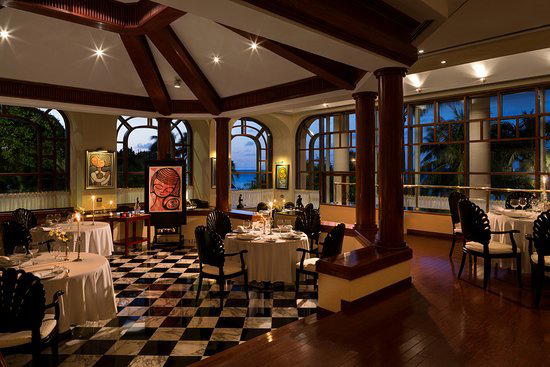
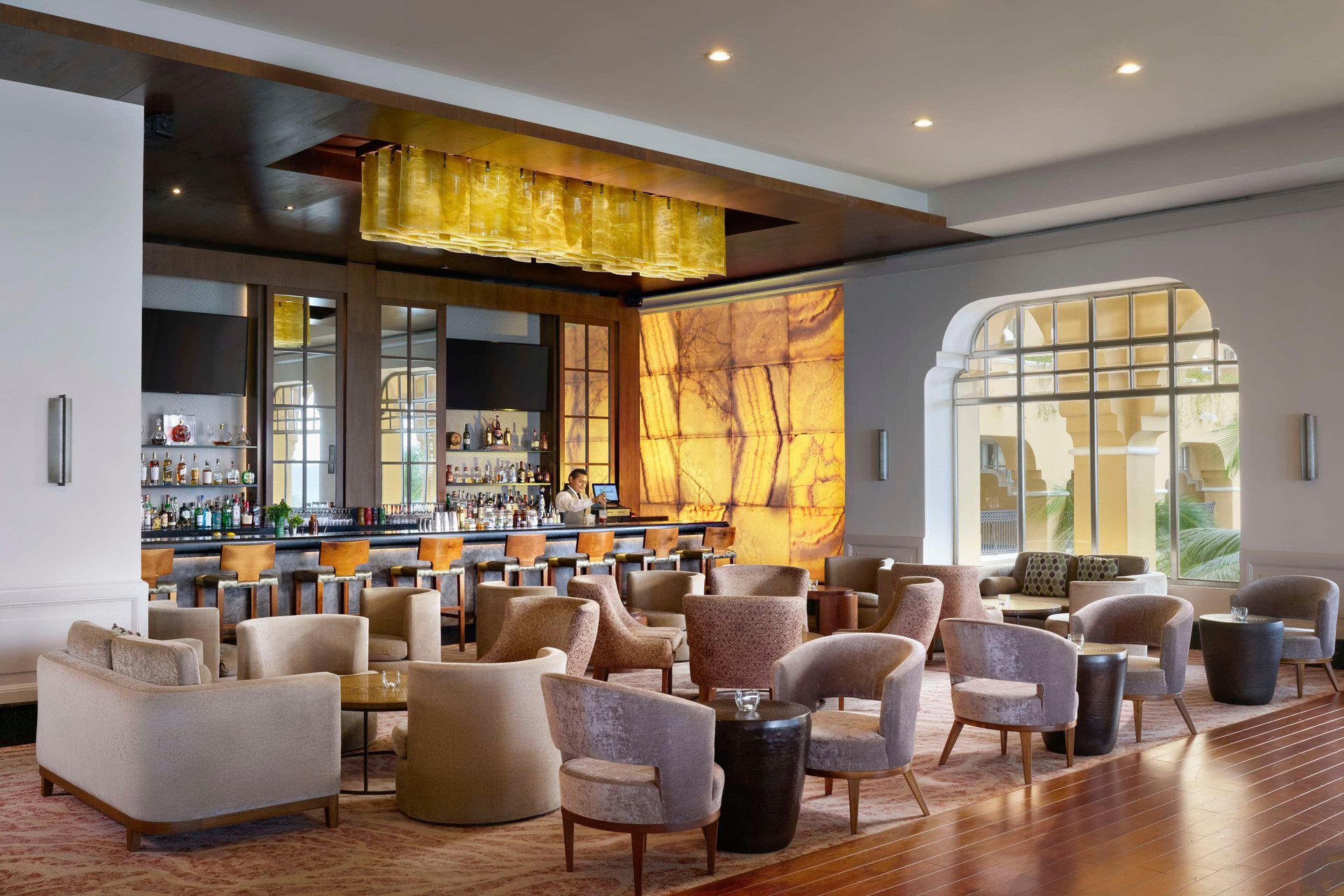
Elegant and warm atmosphere with cozy, pleasant lighting that transports guests to Italy.
Know Before You Go
- Getting there
- Calle Jartete, Av Huayacán Manzana 341 Lote 01, 77500 Cancún, Q.R., Mexico