Reform Social and Grill
Reform Social and Grill occupies a Marylebone address that places it squarely in London's mid-to-upper casual dining tier, where the emphasis falls on sourced ingredients, a social atmosphere, and grill-led cooking rather than tasting-menu theatre. The room draws a neighbourhood crowd alongside visitors to the area, and the format rewards those who want substantial food without the formality of Mayfair's grander rooms.
Pearl is the En Primeur Club membership app — saves, bookings, and concierge access live there. Same editors, same standards.
- Address
- Mandeville Pl, London W1U 2BE, United Kingdom
- Phone
- +44 20 7224 1624
- Website
- reformsocialgrill.co.uk
- Directions
- Get directions
 Saves & bookings on Pearl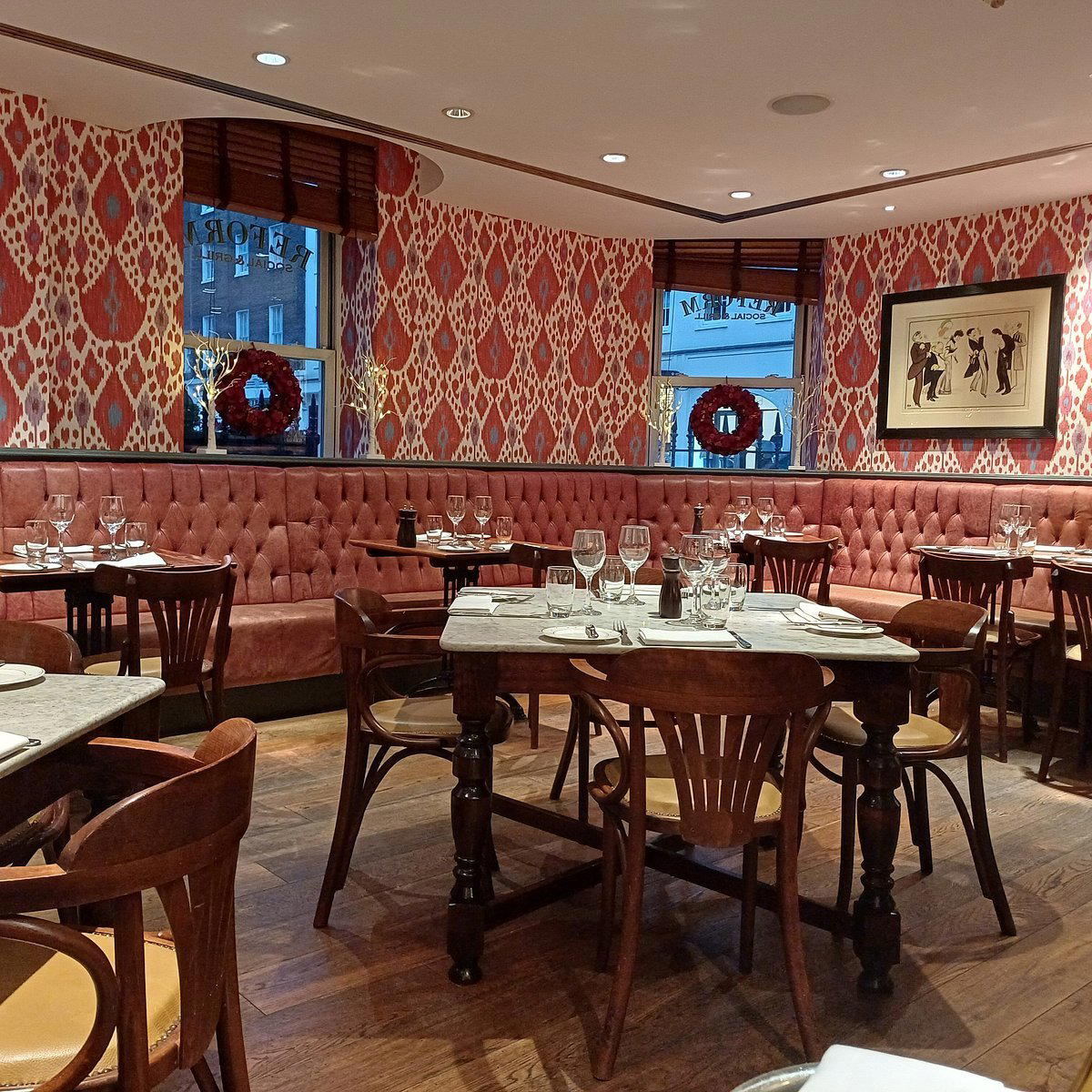
Marylebone's Grill Tradition and Where Reform Sits Within It
London's grill-led dining rooms occupy a distinct position in the city's food culture. Reform Social and Grill in Marylebone is a British grill and afternoon tea restaurant at Mandeville Pl, London W1U 2BE, with a smart casual dress code and recommended reservations. Reform Social and Grill on Mandeville Place operates in that space. Marylebone itself has become one of central London's more settled neighbourhood dining zones, with a residential character that pulls it away from the spectacle-driven rooms of Mayfair and towards something more habitual and local. That context matters when reading what Reform is and is not trying to be.
The Sustainability Frame: Sourcing Ethics in a Grill Format
The grill format is, in sustainability terms, a double-edged format. Protein-heavy menus built around flame and smoke require careful sourcing decisions if they are to carry any credibility on environmental grounds. Across London's better casual dining rooms, the conversation has shifted from marketing language about 'local produce' to more traceable claims: named farms, breed-specific cuts, and seasonal rotations that acknowledge supply realities rather than obscure them. This shift is visible across many of the city’s more ambitious dining rooms.
For a room like Reform, the question of how sourcing ethics intersect with a grill-led format is worth examining. The social dining model, with its emphasis on relaxed sharing and accessible price architecture, can support sustainability commitments more readily than a tasting-menu format, because the kitchen has more flexibility in how it builds around what is available and in season. Waste reduction in a grill kitchen is also more tractable when the menu structure allows whole-animal approaches and daily specials that move through secondary cuts before they become a problem. The category context is clear: this is the direction many credible operators in the sector are moving.
The Room and the Social Format
Mandeville Place sits in the quieter eastern reaches of Marylebone, a short walk from the retail corridor of Marylebone High Street. The area draws a professional and residential crowd rather than the tourist-heavy footfall of Oxford Street, which gives rooms along this stretch a different rhythm. Lunch runs longer, bookings tend to be more considered, and the ambient tone is lower than in the theatre-district rooms to the south. For a venue with 'Social' in its name, that neighbourhood register is an asset: it allows a genuinely convivial atmosphere without the noise levels that plague larger rooms closer to the West End.
The social grill format has a clear comparable set in London. At the higher end, rooms like Dinner by Heston Blumenthal use historical sourcing narratives as part of their identity. At the more technical end of the contemporary spectrum, venues such as Sketch's Lecture Room and Library and Restaurant Gordon Ramsay operate in a formal register that Reform does not share. The comparison that matters is with the city's mid-tier grill rooms that are trying to do something more considered than a standard steakhouse, without the overhead or formality of the leading table.
Contextualising the Marylebone Dining Scene
Marylebone has attracted a set of operators over the past decade who are building for regulars rather than for review cycles. That is a meaningful distinction. Rooms built for regulars invest in consistency, in staff retention, and in supply relationships that hold across seasons, because the people coming back will notice when something changes. This contrasts with the more volatile end of the London dining market, where concepts are launched against a media cycle and then recalibrated or closed when attention moves on. The sustainability argument maps cleanly onto the regular-diner model: sourcing relationships that prioritise ethical supply chains are also, structurally, more stable over time, because they tend to involve longer contracts and less exposure to commodity price swings.
For visitors coming to London specifically to eat at the highest tier, the reference points are the city’s most decorated dining rooms. Reform occupies a different function: it is a room suited to an evening in the neighbourhood, or to a meal that fits around a broader London day rather than being the point of the day itself. That is not a criticism; it is a category that the city needs and that is harder to do well than it looks.
Comparing Notes: Grill Rooms in an International Context
The grill-led social dining format is not distinctive to London. In New York, rooms like Le Bernardin and Atomix sit at the far end of the formality spectrum, but the mid-tier grill category there has also moved toward sourcing transparency and seasonal discipline in ways that map onto what the better London operators are doing. The shared pressure across both cities is consumer expectation: a room that cannot explain where its beef or fish comes from is increasingly at a disadvantage compared to one that can, regardless of price tier.
The Hand and Flowers in Marlow offers an instructive comparison closer to home: a pub-format room that has pushed sourcing and technique to a level that earns serious recognition without abandoning the social eating format. That trajectory is available to any operator willing to invest in the supply side of the kitchen as carefully as the cooking side.
Planning a Visit
Reform Social and Grill is located at Mandeville Place, London W1U 2BE, within walking distance of Bond Street and Baker Street stations. It is open daily from 12 PM to 10 PM. Reservations are recommended. Dress: Smart casual is the appropriate register for this type of Marylebone room. Budget: Expect roughly $45 per person. Timing: Weekday lunches in this part of Marylebone tend to be more relaxed than weekend evening service; if the room fills with a regular neighbourhood crowd, booking ahead is prudent.
- Potted Pig
- Wild Mushroom Stuffed Loin of Rabbit
- Roast Breast of Buttermilk Chicken
- Buccleuch Sirloin
- Ham Hock
- Afternoon Tea
Recognition, Side-by-Side
Comparable venues nearby, for context on price, style, and recognition.
| Venue | Cuisine | Price | Notes |
|---|---|---|---|
| Reform Social and GrillThis venue — the venue you are viewing | British Grill & Afternoon Tea | $$$ | Not listed |
| Browns Grill Room | Classic British Grill | $$$ | Mayfair |
| Harvey Nichols | British Cafe | $$$ | Belgravia |
| The Botanist | Modern British Gastropub | $$$ | Sloane Square |
| Paradise by way of Kensal Green | Modern British Gastropub | $$$ | West Kilburn |
| Sotheby's Cafe | Modern British with Art-Inspired Flair | $$$ | Mayfair |
Continue exploring
More in London
Restaurants in London
Browse all →
Bars in London
Browse all →
Hotels in London
Browse all →



At a Glance
- Classic
- Elegant
- Sophisticated
- Quiet
- Business Dinner
- Date Night
- Celebration
- Group Dining
- Brunch
- Hotel Restaurant
- Private Dining
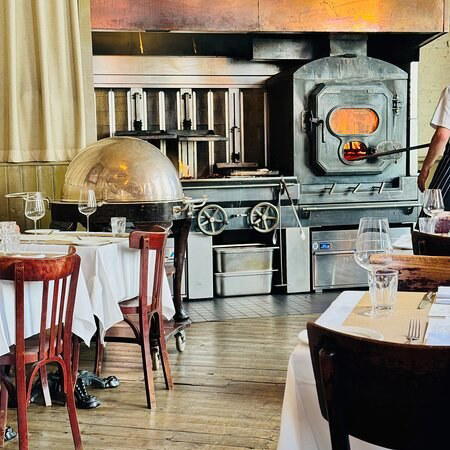
- Open Kitchen
- Craft Cocktails
- Extensive Wine List
- Beer Program
- Local Sourcing
Current opening hours
- Monday
- 12–10 PM
- Tuesday
- 12–10 PM
- Wednesday
- 12–10 PM
- Thursday
- 12–10 PM
- Friday
- 12–10 PM
- Saturday
- 12–10 PM
- Sunday
- 12–10 PM
Hours can change for holidays and private events. Last verified .
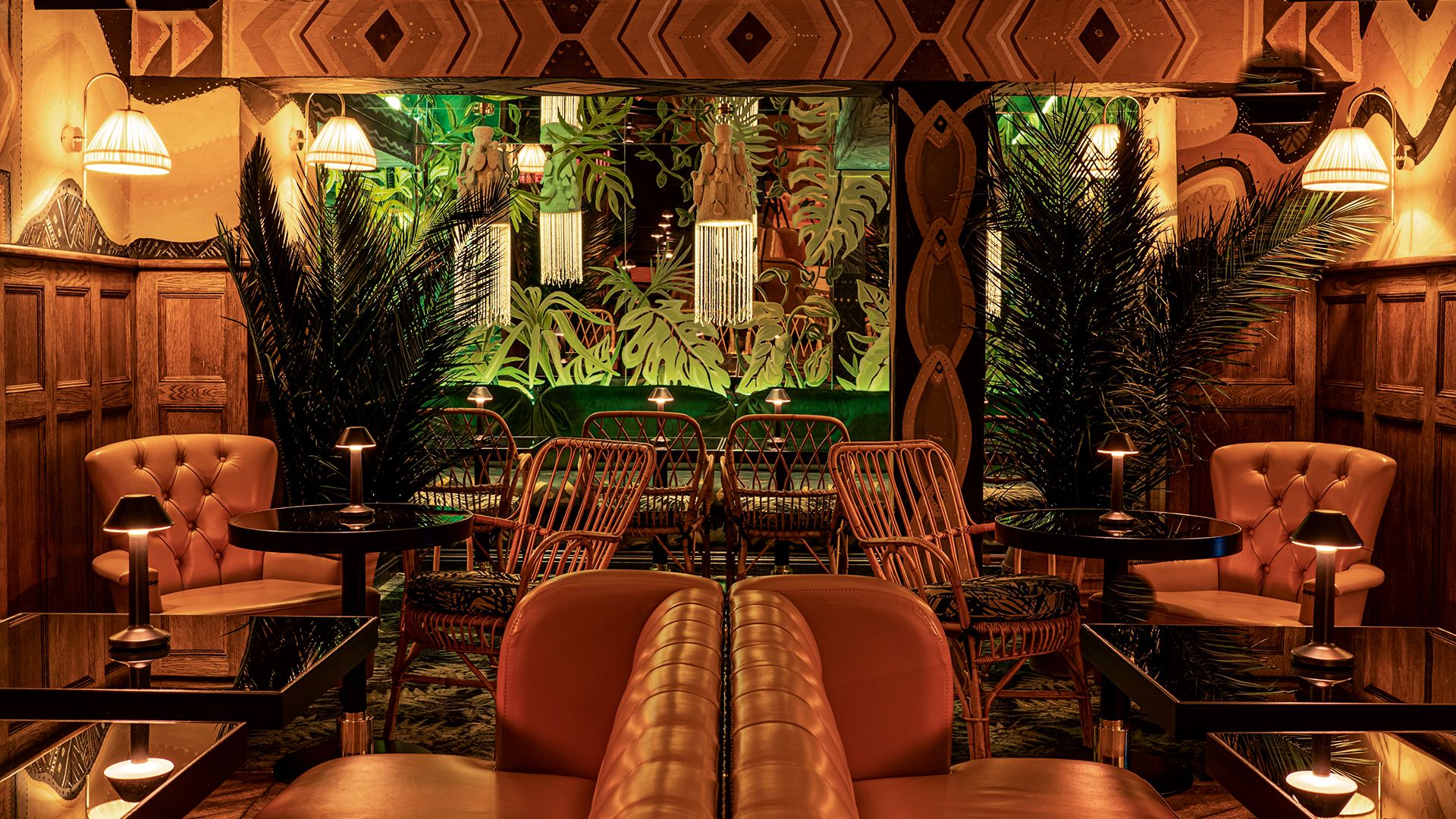
Clubby and refined with oak tables, red leather banquettes, and contemporary art; described as calm, peaceful, and distinctly sophisticated with pin-drop quiet atmosphere during quieter service times.