Cato Seafood Restaurant
Cato Seafood Restaurant sits in Thảo Điền, the low-rise, tree-lined riverside quarter of Ho Chi Minh City's Thủ Đức district, where a local-focused seafood dining scene has taken shape away from District 1's more tourist-oriented restaurant strip. The address on Quốc Hương places it within easy reach of the area's expatriate and Vietnamese professional communities, making it a practical neighbourhood option for fresh seafood in one of the city's most residential dining pockets.
Pearl is the En Primeur Club membership app — saves, bookings, and concierge access live there. Same editors, same standards.
- Address
- 47/1/2 Quốc Hương, Thảo Điền, Thủ Đức, Thành phố Hồ Chí Minh, Vietnam
- Phone
- +84911861155
- Website
- facebook.com
- Directions
- Get directions
 Saves & bookings on Pearl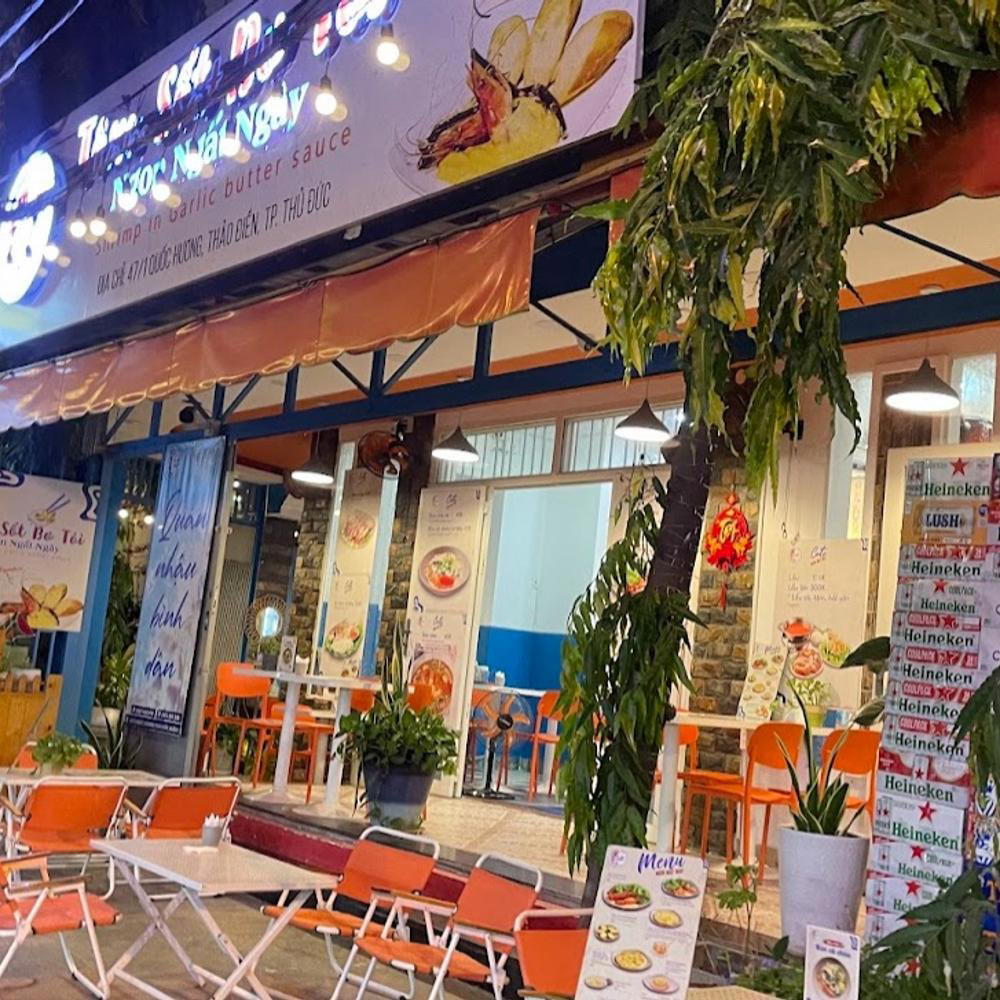
Seafood Dining in Thảo Điền: Reading the Room Before You Order
Ho Chi Minh City's seafood restaurant culture divides along fairly clear lines. At one end sit the refined tasting-menu formats, places like Akuna and CieL, where imported technique and composed plating push the cuisine toward fine-dining territory. At the other end sit the street-facing, high-volume seafood houses where fresh catch from the Mekong Delta or the South China Sea is cooked to order, priced for frequency, and consumed fast. Cato Seafood Restaurant on Quốc Hương, in the Thảo Điền ward of Thủ Đức district, sits closer to the second tradition, neighbourhood seafood, addressed to residents rather than occasion diners. It is a casual, walk-in-friendly restaurant serving Modern Asian Small Plates in Ho Chi Minh City.
Thảo Điền itself has become one of the more interesting dining neighbourhoods in the city precisely because it resists the tourist-facing polish of District 1. The streets around Quốc Hương carry a mix of Vietnamese family restaurants, casual café formats, and a handful of spots that serve an expatriate community large enough to shape local expectations around quality and consistency. A seafood restaurant here competes differently than it would on Lê Thánh Tôn or in the Bến Thành area: the clientele arrives on repeat, the standards are set by local rather than international comparison, and the room itself tends to be more functional than theatrical.
The Physical Container: Space, Setting, and What the Address Tells You
On Quốc Hương, the address format, 47/1/2, with its stacked lane numbers, signals a particular kind of Ho Chi Minh City spatial logic. The primary number gets you to the lane; the subdivisions take you deeper, past motorcycle parking and potted plants, to a building that is almost certainly not street-facing in the conventional sense. This is not a complaint. The layered addressing system, common throughout the city's older residential quarters, tends to produce dining spaces that feel embedded in their surroundings rather than positioned for passerby traffic. Discovery is part of the contract.
That physical remove from the main road is consistent with a broader pattern in Vietnamese neighbourhood dining: well-regarded local spots often require a degree of navigational intent. The space itself, across this category in Thảo Điền, typically runs toward tiled floors, open-air or semi-open seating, ceiling fans doing real work in the humid months, and tables configured for groups rather than couples. The Vietnamese seafood meal is structurally communal, multiple dishes ordered to the centre, shared without ceremony, and the architecture of the room tends to support that format rather than impose a Western table-service logic over it.
For context on how different the physical experience can be at the upper end of Ho Chi Minh City's dining spectrum, Coco Dining and Long Trieu both operate with considerably more investment in interior design and service formality. Cato's address and neighbourhood positioning suggest a different set of priorities: directness, repetition, and the kind of reliability that earns a place in a local's regular rotation.
Seafood Tradition and What It Means in This City
Vietnam's relationship with seafood is built on geography and infrastructure in roughly equal measure. A coastline that runs more than 3,200 kilometres, combined with the Mekong Delta's extensive freshwater aquaculture, means that the supply chain into Ho Chi Minh City is shorter and more varied than in most comparable cities. The result, at neighbourhood restaurants across the city, is a repertoire that spans live tiger prawns, mud crabs, clams cooked in lemongrass and chilli, grilled squid, and steamed fish, all drawn from rotating daily supply rather than fixed menus.
That supply variability is one of the defining characteristics of Vietnamese seafood dining at the neighbourhood level. Unlike the tasting-menu formats at the summit of the market, or, for a point of international comparison, the strict seasonal logic of a place like Le Bernardin in New York, mid-tier seafood houses in Thảo Điền tend to price by weight and availability, with the leading items chalked on a board or communicated verbally. The format rewards regulars who know what to ask for and punishes first-timers who order without guidance.
Elsewhere in Vietnam, regional seafood traditions offer useful reference points. Phuong Nhung Restaurant in Cat Hai operates close to the source of Halong Bay's seafood supply, while Bau Troi Do in Son Tra draws on Da Nang's distinctive coastal catch. The Ho Chi Minh City version of the seafood restaurant, informed by Mekong Delta supply and southern Vietnamese flavour preferences, more sugar, more heat, more fresh herb accompaniment, reads as its own distinct tradition within that national picture.
For broader Vietnamese dining context beyond seafood, Anan Saigon applies a more self-conscious lens to southern Vietnamese street food tradition, and Gia in Hanoi offers a northern counterpoint worth understanding when mapping the country's culinary geography. For the Da Nang end of the spectrum, La Maison 1888 and Cargo Club in Hoi An anchor different registers of the central Vietnamese dining scene, while Saffron in Hue works the imperial cooking tradition further north.
Planning Your Visit
Thảo Điền is accessible from central Ho Chi Minh City via the Thu Thiem tunnel or the Saigon Bridge, with ride-hailing services (Grab is the default) covering the route reliably and cheaply. The neighbourhood is more spread out than District 1 or District 3, and navigating to a lane address is considerably easier by app than on foot. Evening is the conventional time for Vietnamese seafood dining, the heat of the day has broken, the kitchen is at full capacity, and the surrounding streets take on the specific energy of a residential area transitioning into leisure hours.
At a Glance
Comparable venues nearby, for context on price, style, and recognition.
| Venue | Price | Notes |
|---|---|---|
| Cato Seafood RestaurantThis venue — the venue you are viewing | $$ | Not listed |
| Ryu | $$ | Quan 1, Japanese Ramen |
| Pizza 4P’s Lê Thánh Tôn | $$ | Quan 1, Japanese-Italian Fusion Pizza |
| SH Garden | $$ | Quan 2, Regional Vietnamese Cuisine |
| Quán Ụt Ụt | $$ | Quan 2, American BBQ |
| The Lunch Lady (Nguyen Thi Thanh) | $ | Quan 1, Traditional Vietnamese Noodle Soups |
Continue exploring
More in Ho Chi Minh City
Restaurants in Ho Chi Minh City
Browse all →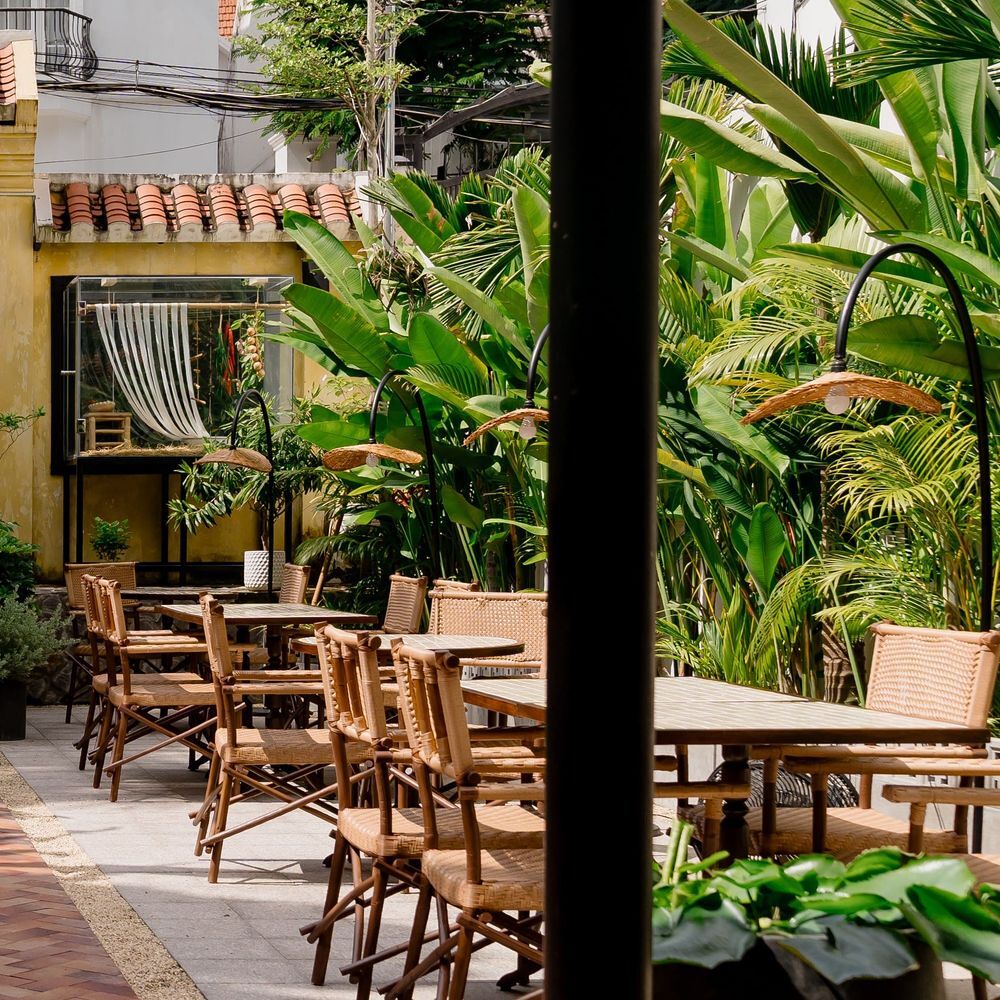
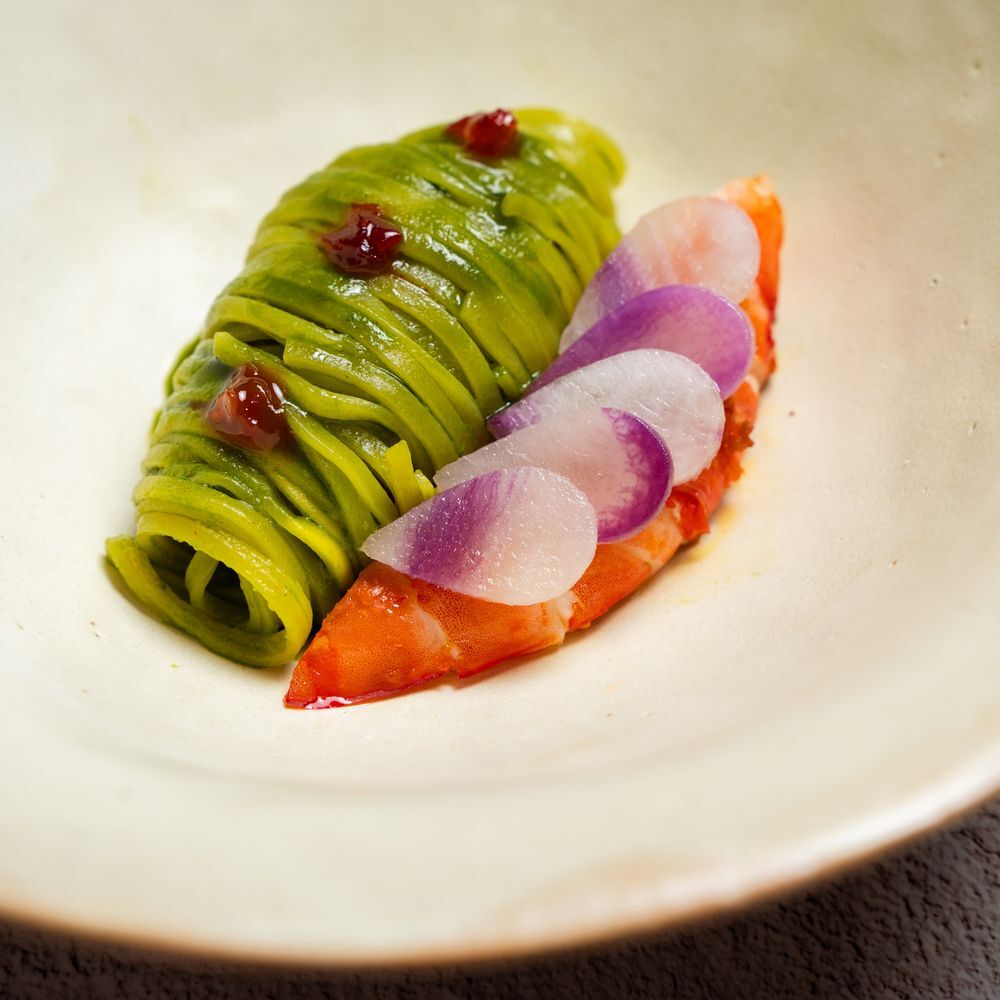
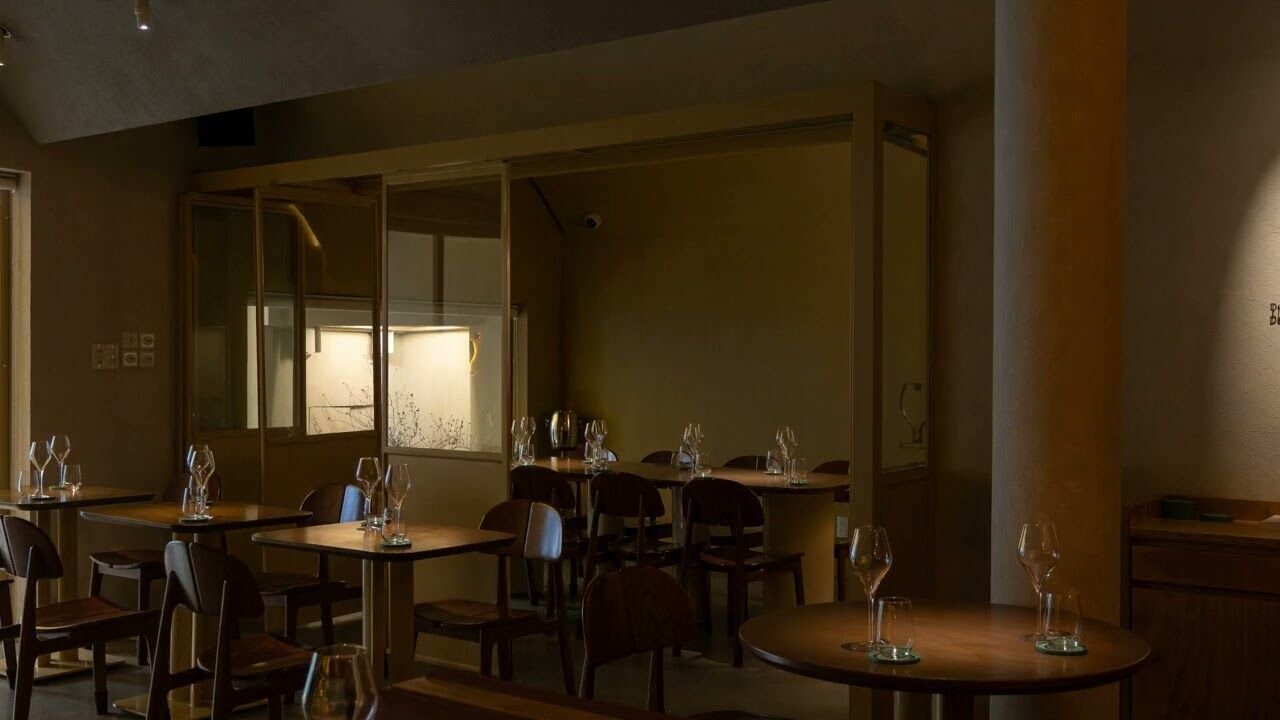
Bars in Ho Chi Minh City
Browse all →
At a Glance
- Lively
- Modern
- Trendy
- Casual Hangout
- Group Dining
- After Work
- Open Kitchen
- Craft Cocktails
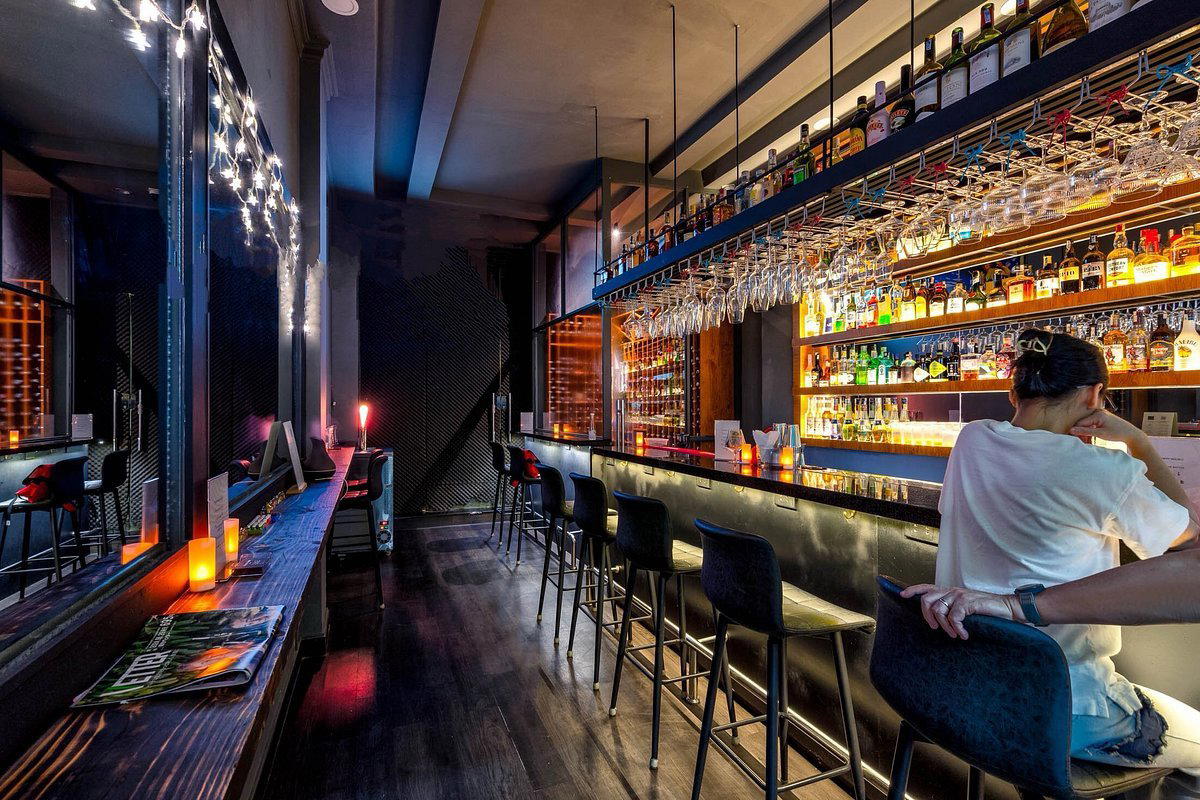
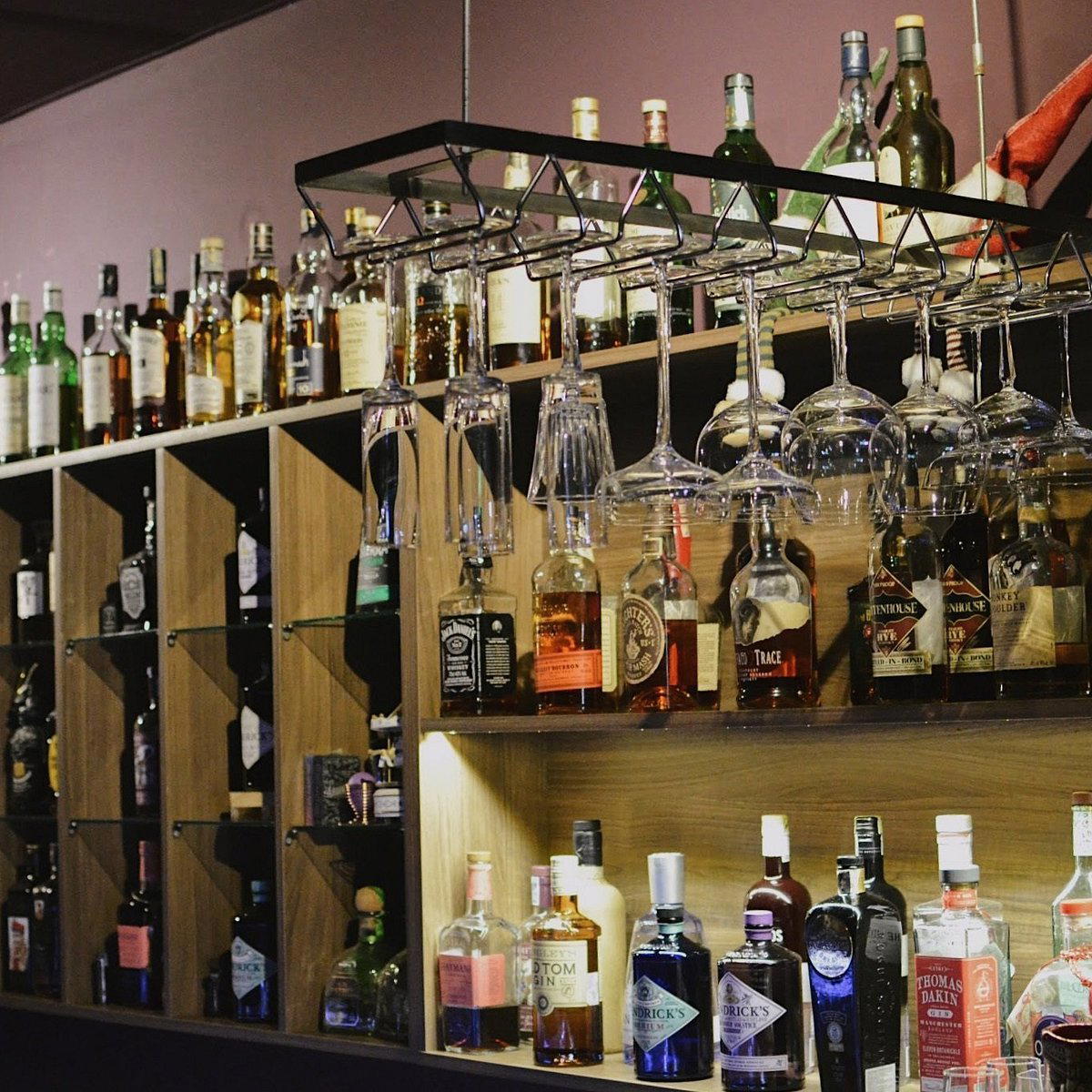
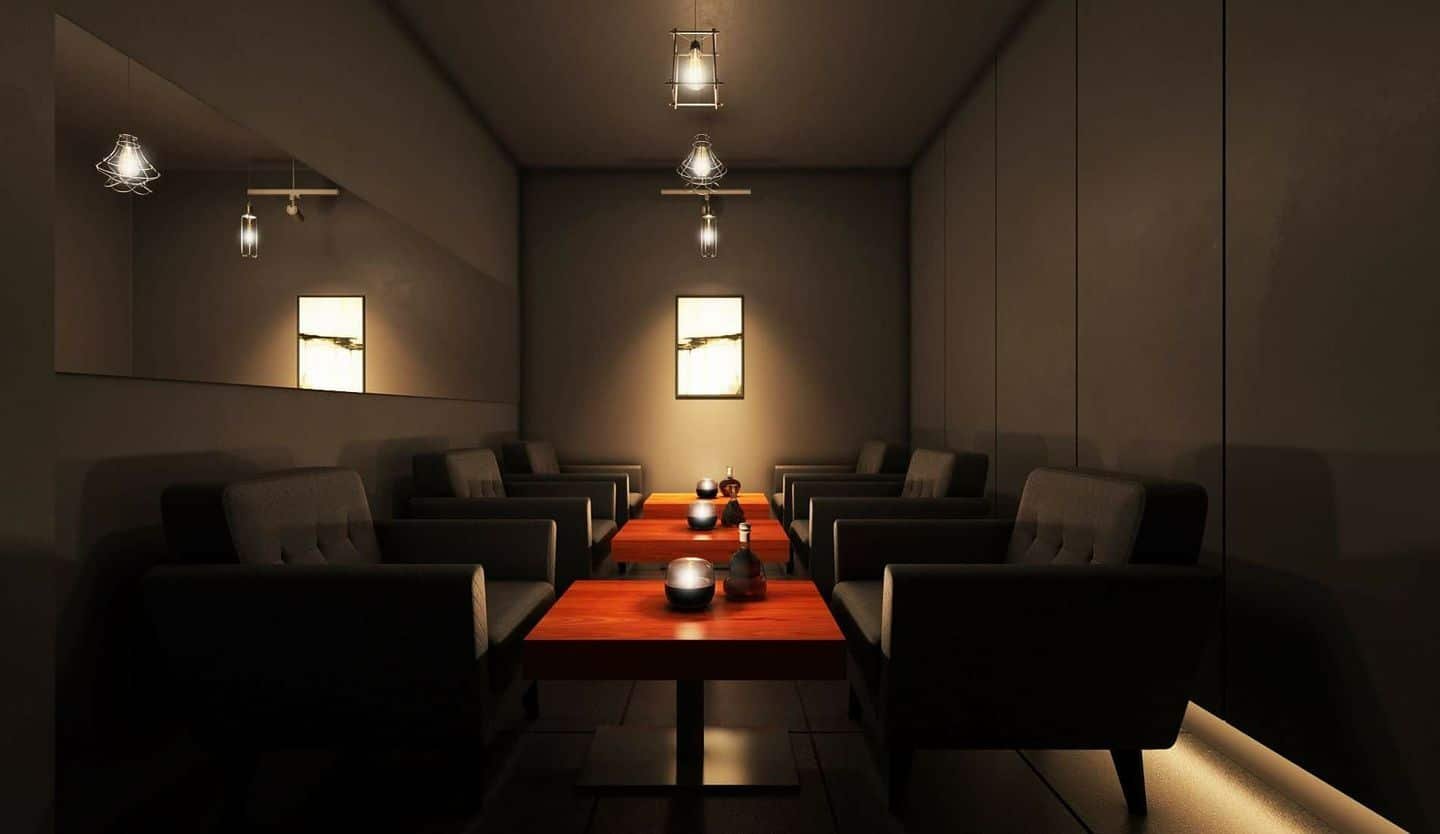
Energetic and contemporary atmosphere with a bar-focused evening vibe, transitioning from casual daytime dining to a more lively nighttime scene.