Castel de Très Girard

Michelin Plate
Our verdict
A former wine press in the Côte de Nuits village of Morey-Saint-Denis, Castel de Très Girard pairs contemporary bistro cooking with one of the region's most thoughtfully assembled wine lists. The kitchen works in considered combinations — beef tartare with oysters and citrus jelly, red tuna with lardo di Colonnata and artichoke — while the cellar leans into small appellations and great vintages poured by the glass.

Pearl is the En Primeur Club membership app — saves, bookings, and concierge access live there. Same editors, same standards.
- Address
- 7 rue de Très-Girard
- Phone
- +33 3 80 34 33 09
- Website
- castel-tres-girard.com
- Directions
- Get directions
- Booking
- Book on the venue's website
The menu
What to order
- Tartare_de_boeuf_aux_huitres
- Saint_jacques_a_la_creme_de_parmesan
- Noix_de_veau_au_vin_jaune
Where the Côte de Nuits Eats Well
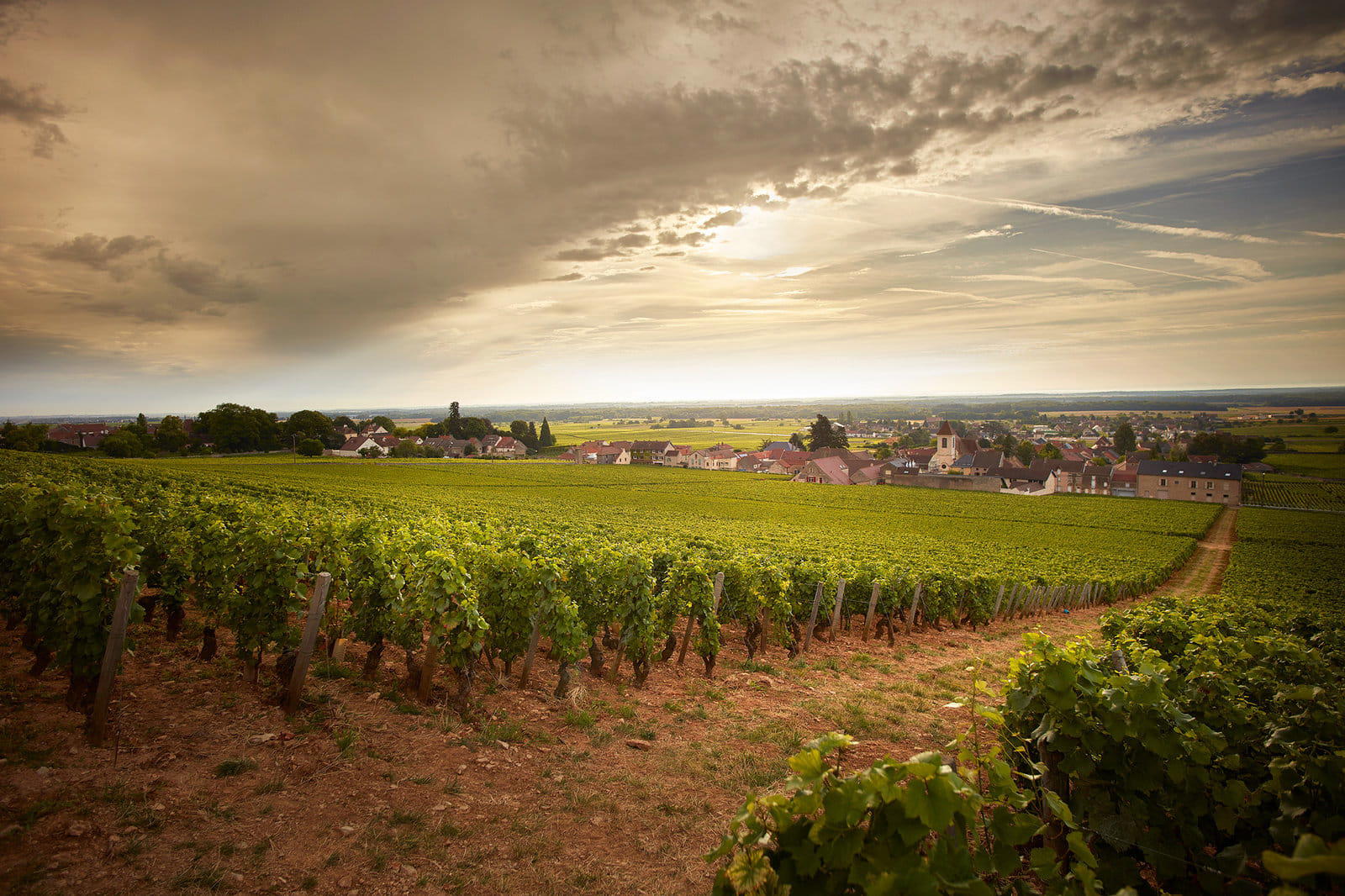
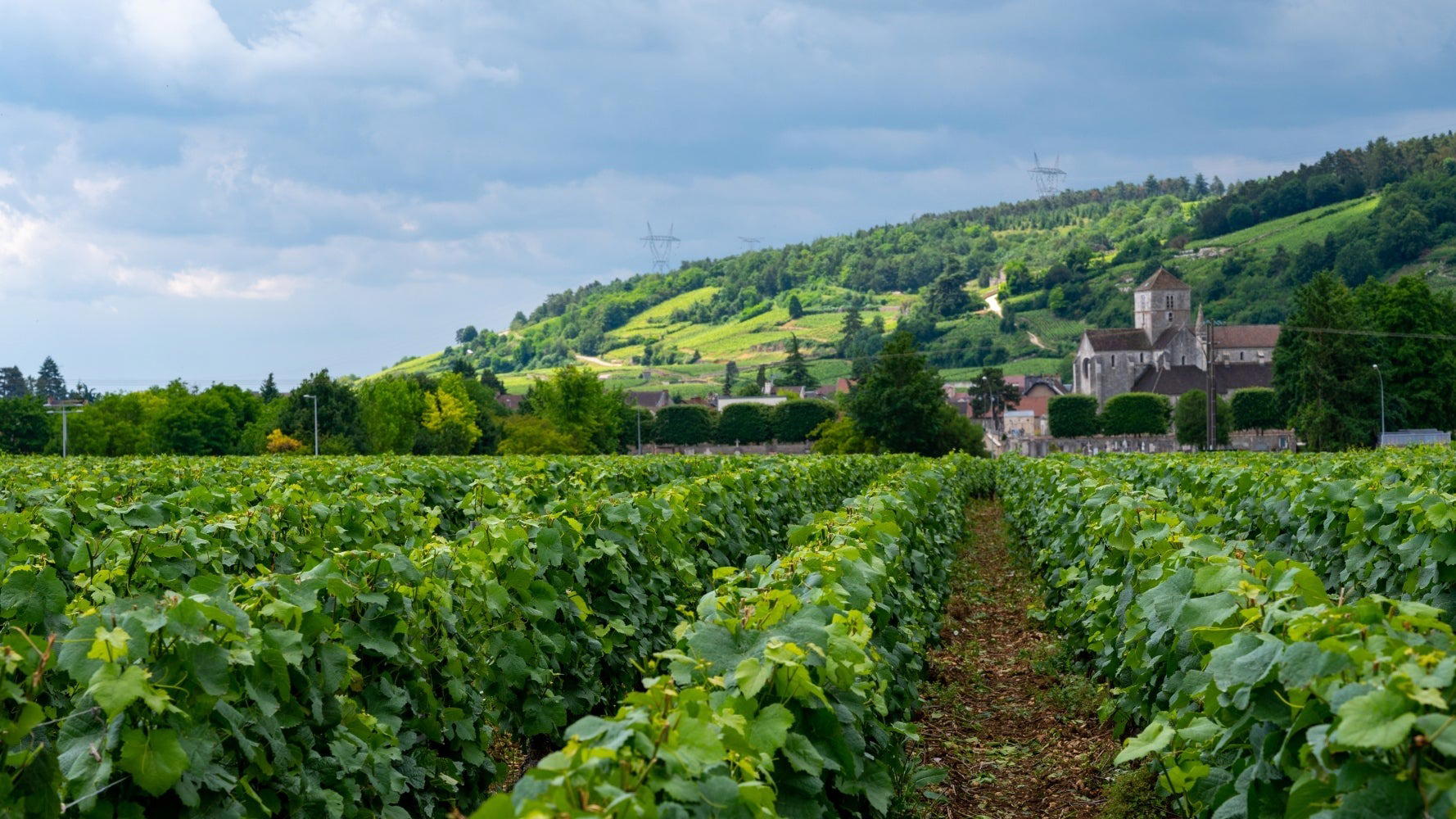
The villages that produce Burgundy's most coveted wines are not, as a rule, celebrated for their restaurants. The Côte de Nuits runs through a narrow limestone ridge between Dijon and Nuits-Saint-Georges, and most of its communes — Gevrey-Chambertin, Chambolle-Musigny, Vosne-Romanée — are better mapped by lieu-dit than by any dining room. Morey-Saint-Denis sits mid-slope in that corridor, a quiet settlement whose grands crus (Clos Saint-Denis, Clos de la Roche, Clos des Lambrays) regularly trade at prices that dwarf the village's profile. Eating well here has historically meant driving to Beaune or booking far in advance at a countryside auberge. Castel de Très Girard, at 7 rue de Très-Girard, changed that calculus by doing something relatively direct in the context of French fine dining: it put the wine first, built a kitchen that could hold its own alongside the cellar, and opened a room where the surroundings actually reward lingering.
Inside a Former Wine Press
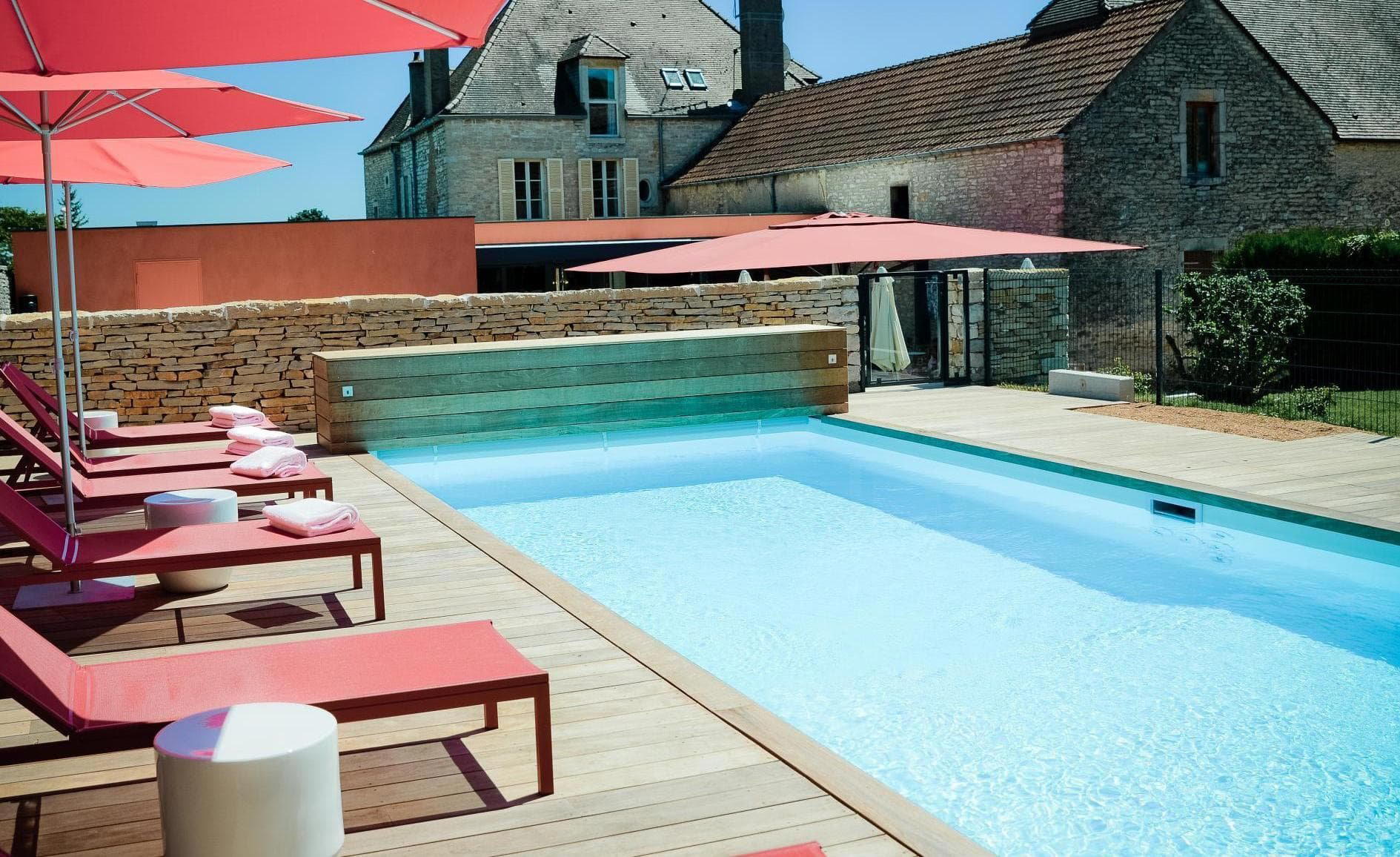
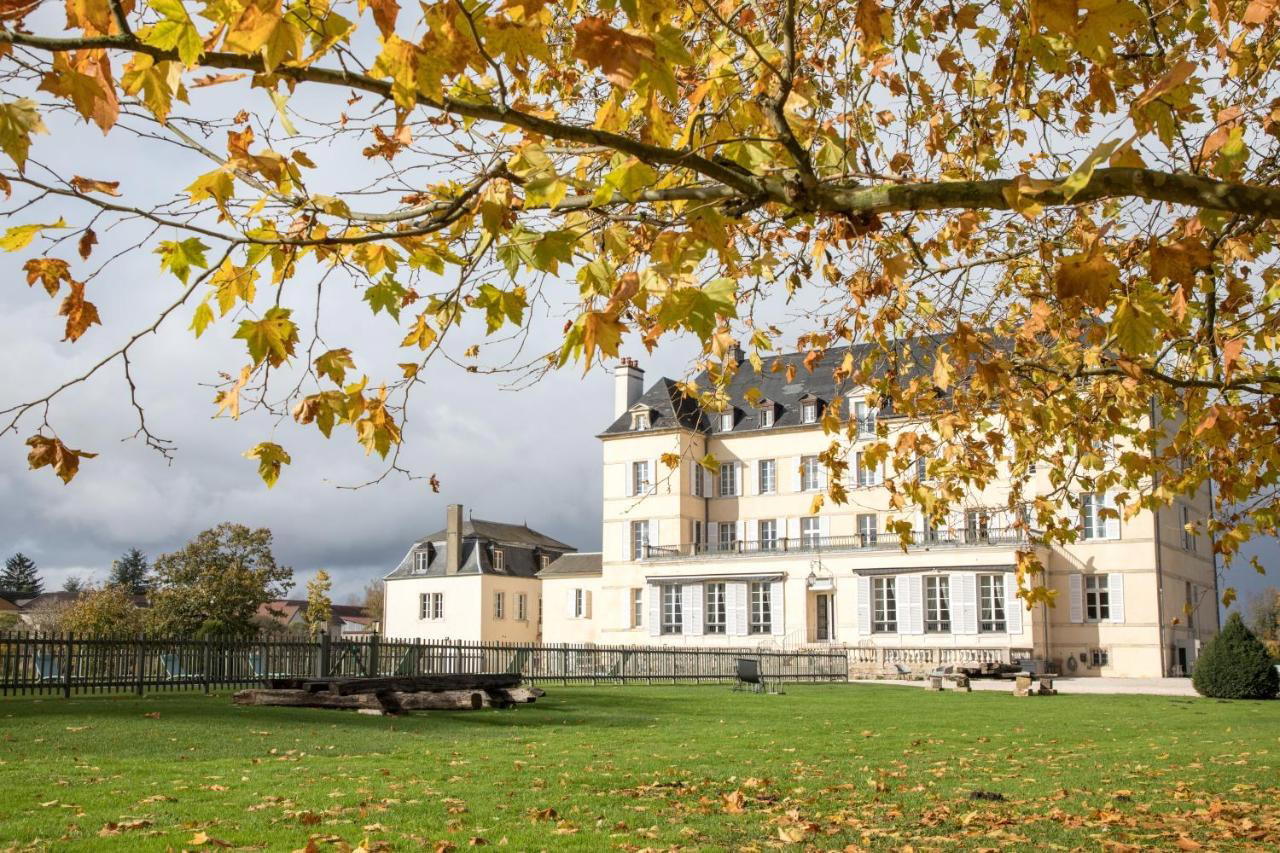
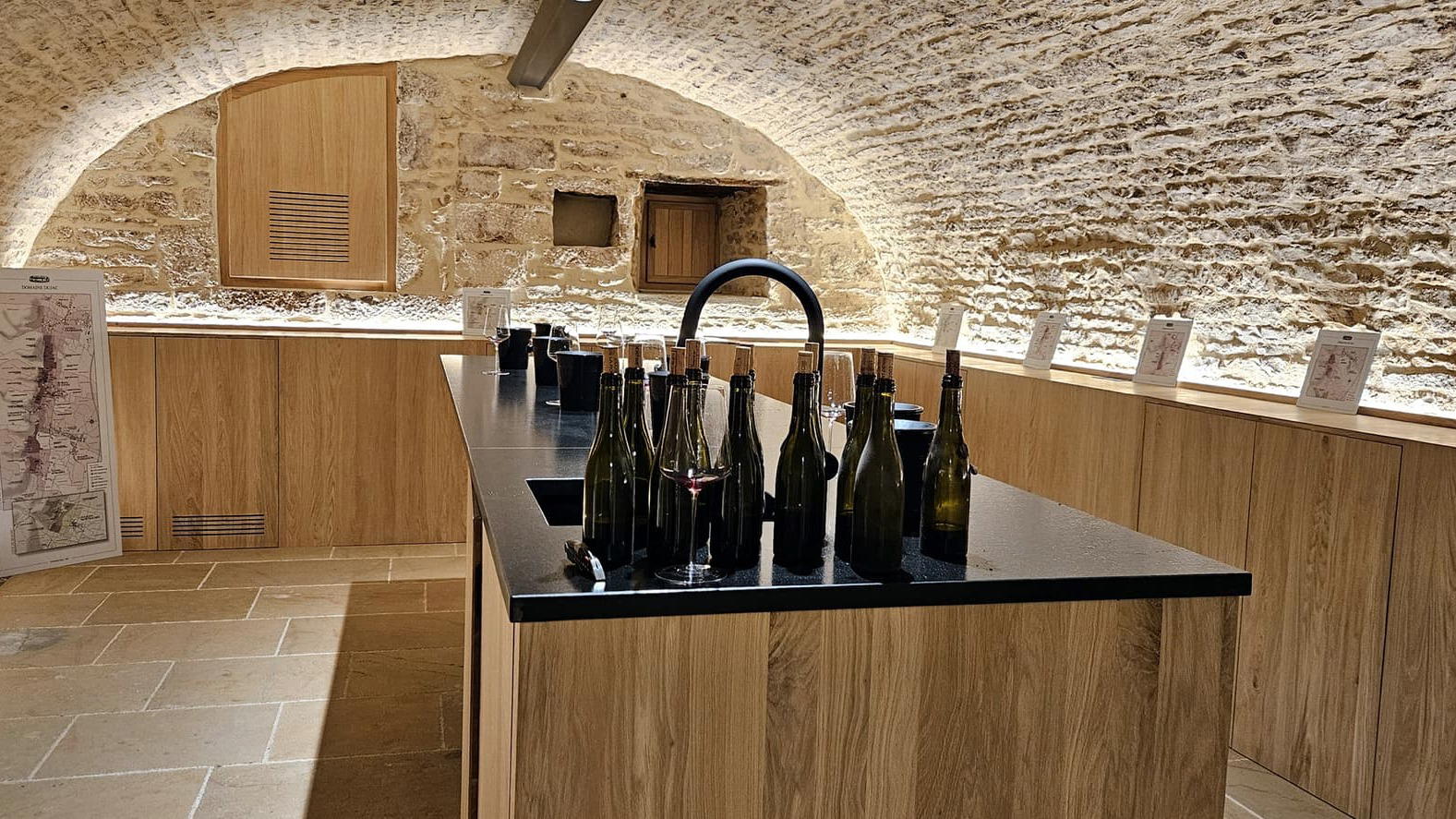
The building's past as a wine press gives the space a layered quality that purpose-built restaurant rooms rarely achieve. Stone, age, and utility read through the architecture, while the interior treatment runs contemporary, bright, spare, and oriented toward the terrace and garden. The effect is a room that feels anchored to the village without performing rusticity. On warmer days the terrace extends the dining area outward into the garden, turning lunch into the kind of extended affair the Côte de Nuits climate can support from late spring through early autumn. The atmosphere reads as relaxed in the way that well-run French bistros often do: unhurried without being inattentive, informal without compromising the seriousness with which food and wine are handled.
For those planning a stay rather than a single meal, our full Morey-Saint-Denis hotels guide covers the local accommodation options, and the wider picture of eating and drinking in the village is mapped in our full Morey-Saint-Denis restaurants guide.
The Kitchen's Approach: Sourcing as Argument
The menu at Castel de Très Girard reads as a series of ingredient pairings chosen to make a point about contrast and provenance. Beef tartare arriving alongside oysters is not a new idea in modern French bistro cooking, but the addition of fresh herbs and citrus jelly frames both proteins in a way that foregrounds freshness and acidity over richness. The kitchen is working with sourcing logic here: raw beef and live shellfish require producers the kitchen trusts, and the herbaceous, citrus-led dressing signals confidence that the base ingredients can carry brightness without masking.
The red tuna loin prepared with lardo di Colonnata, artichoke, and Parmesan is the more geographically promiscuous of the two signature preparations. Lardo di Colonnata, the cured fatback from the Apuan Alps in Tuscany, has been appearing on French plates since chefs began looking south of the Alps for cured-fat alternatives to domestic lard and jambon. Its presence here alongside a Mediterranean fish and a thistle vegetable speaks to a kitchen that sources on flavour logic rather than strict regional purism. The Parmesan anchors the plate with umami without tipping it into heaviness. This is cooking that treats the ingredient list as the creative act, which is a different proposition from the technique-first approach that drives menus at the level of, say, Alléno Paris au Pavillon Ledoyen or Mirazur in Menton.
Bistro-register cooking at this sourcing level occupies a specific and useful niche in French dining. The tasting-menu format that dominates recognition at restaurants like Flocons de Sel in Megève, Troisgros in Ouches, or Bras in Laguiole requires a different kind of commitment from the diner, hours, a fixed sequence, often a fixed price. A contemporary bistro that sources well and keeps the menu à la carte returns agency to the table, which is exactly what a wine-region dining room benefits from. You can order around a bottle rather than around a kitchen's narrative arc.
The Wine List as the Real Programme
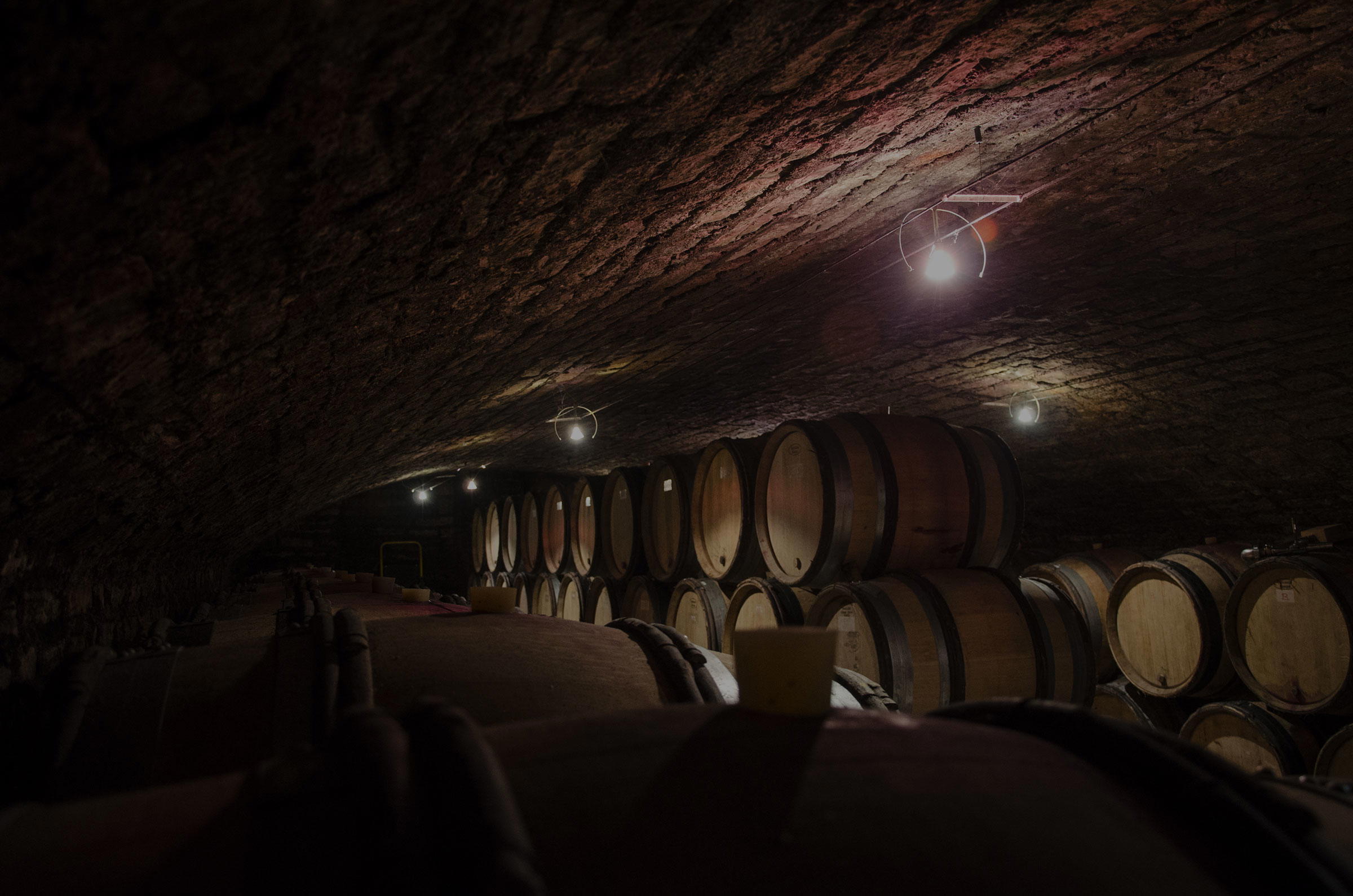
The cellar is where Castel de Très Girard earns its place in the conversation about serious wine-country dining in France. The list is described as extensive and lively, with regional labels at its centre, and it has been assembled with two audiences in mind: visitors who want to discover smaller appellations through producers they may not yet know, and collectors or enthusiasts who want to access great vintages by the glass rather than by the bottle. Both are useful formats for different reasons. The small-appellation approach gives the list educational value without condescension, you can encounter a Morey-Saint-Denis premier cru from a grower not yet on the international allocation circuit, or a village Chambolle from a domaine that sells primarily to négociants. The by-the-glass programme for older vintages is rarer and, for a serious Burgundy drinker, potentially the stronger draw. Pouring aged Burgundy by the glass requires both the cellar depth to have the bottles and the confidence to open them before a table commits to a full bottle. That combination is less common than it should be.
For those whose interest extends to visiting the producers behind those labels, our full Morey-Saint-Denis wineries guide covers the domaines accessible in and around the village. The broader drinking and bar scene is in our full Morey-Saint-Denis bars guide.
The wine-focused contemporary bistro format that Castel de Très Girard occupies is distinct from the grand-restaurant tradition of Alsace or Lyon, places like Auberge de l'Ill in Illhaeusern, Au Crocodile in Strasbourg, or the historical weight of Paul Bocuse in Collonges-au-Mont-d'Or. It is also a different proposition from the precision-driven, sourcing-as-identity cooking found at AM par Alexandre Mazzia in Marseille or Assiette Champenoise in Reims. The register is lower, the formality less, and the purpose more closely tied to the wine than to the kitchen's ambition as a standalone statement. That is not a limitation, in Morey-Saint-Denis, it is the appropriate relationship between food and cellar.
Planning Your Visit
The restaurant opens every day for both lunch and dinner, which is notable in a region where many serious dining rooms close two or three days weekly. That daily availability matters for visitors building a Côte de Nuits itinerary around winery appointments, which often run on producer schedules rather than tourist convenience. Morey-Saint-Denis sits between Gevrey-Chambertin to the north and Chambolle-Musigny to the south on the D122, making it a natural mid-point stop on any serious tasting day through the corridor. Given the wine list's depth and the by-the-glass programme, a lunch here before an afternoon of cellar visits is a sensible sequence. Given the bistro format and relaxed atmosphere, same-week or even same-day bookings may be achievable outside of harvest season and summer weekends, though high summer and the October harvest period bring more visitors to the Côte de Nuits than the village infrastructure is designed for. The experiences available in and around the village are catalogued in our full Morey-Saint-Denis experiences guide.
Frequently asked questions
Can I bring kids to Castel de Très Girard?
The setting in Morey-Saint-Denis is relaxed rather than formal — a converted wine press with terrace seating and a light, open dining room. That atmosphere works for older children who can sit through a proper meal, though the programme here is built around an extensive wine list and adult-focused ingredient pairings, so it skews toward adults in practice.
What is the atmosphere like at Castel de Très Girard?
The dining room occupies a former wine press at 7 rue de Très-Girard, which gives the space a grounded, historical character without feeling heavy. It is described as bright and contemporary, with a terrace and garden view — relaxed by design, and consistent with the quieter register of Morey-Saint-Denis as a village.
What kind of recognition has Castel de Très Girard received?
Castel de Très Girard has received recognition including: Housed in a former wine press in the heart of a wine-growing village, this contemporary bistro charms with its bright space overlooking the terrace and garden. The atmosphere is relaxed and the modern cuisine is rife with clever combination….
What's the best thing to order at Castel de Très Girard?
Work from the wine list backward. The regional Burgundy selection is the kitchen's strongest argument, with small appellations from local winemakers and aged vintages available by the glass. On the food side, the menu is built around contrast-driven pairings — beef tartare with oysters and citrus jelly, red tuna with lardo di Colonnata and Parmesan — so choose dishes that give you a reason to open something interesting from the cellar.
Where is Castel de Très Girard located?
Castel de Très Girard is located at 7 rue de Très-Girard, Morey-Saint-Denis.
How far ahead should I plan for Castel de Très Girard?
The restaurant opens every day for both lunch and dinner, which removes some of the scheduling pressure common in this part of the Côte de Nuits. That said, Morey-Saint-Denis draws serious wine travellers year-round, and harvest season from late September through October brings a significant surge in visitors, so booking ahead for that window is advisable.
A Quick Peer Check
Comparable venues nearby, for context on price, style, and recognition.
| Venue | Cuisine | Price | Awards | Notes |
|---|---|---|---|---|
| Castel de Très GirardThis venue — the venue you are viewing | Modern Burgundian Fine Dining | Not listed | Michelin Plate | Not listed |
| La Table de Marc Turpin - Hostellerie Saint-Germain | Modern French Jura Gastronomy | $50–100 | Michelin Plate | Saint-Germain-lès-Arlay |
| Ferme de la Ruchotte | Haute Cuisine Bourgeoise | $150–200 | La Liste Top Restaurants | Bligny-sur-Ouche |
| Olivier Leflaive | Modern French Fine Dining | Not listed | Michelin Plate | Puligny-Montrachet |
| Le Millésime | Modern French Burgundian | $50–100 | Michelin Plate | Chambolle-Musigny |
| Maison Zugno | Modern French Bistronomic | $50–100 | Michelin Plate | Barretaine |
Recognition history
Dated appearances from independent guides and award organizations, with the underlying list record or original source where available.
Michelin Plate
Michelin
Continue exploring
More in Morey-Saint-Denis
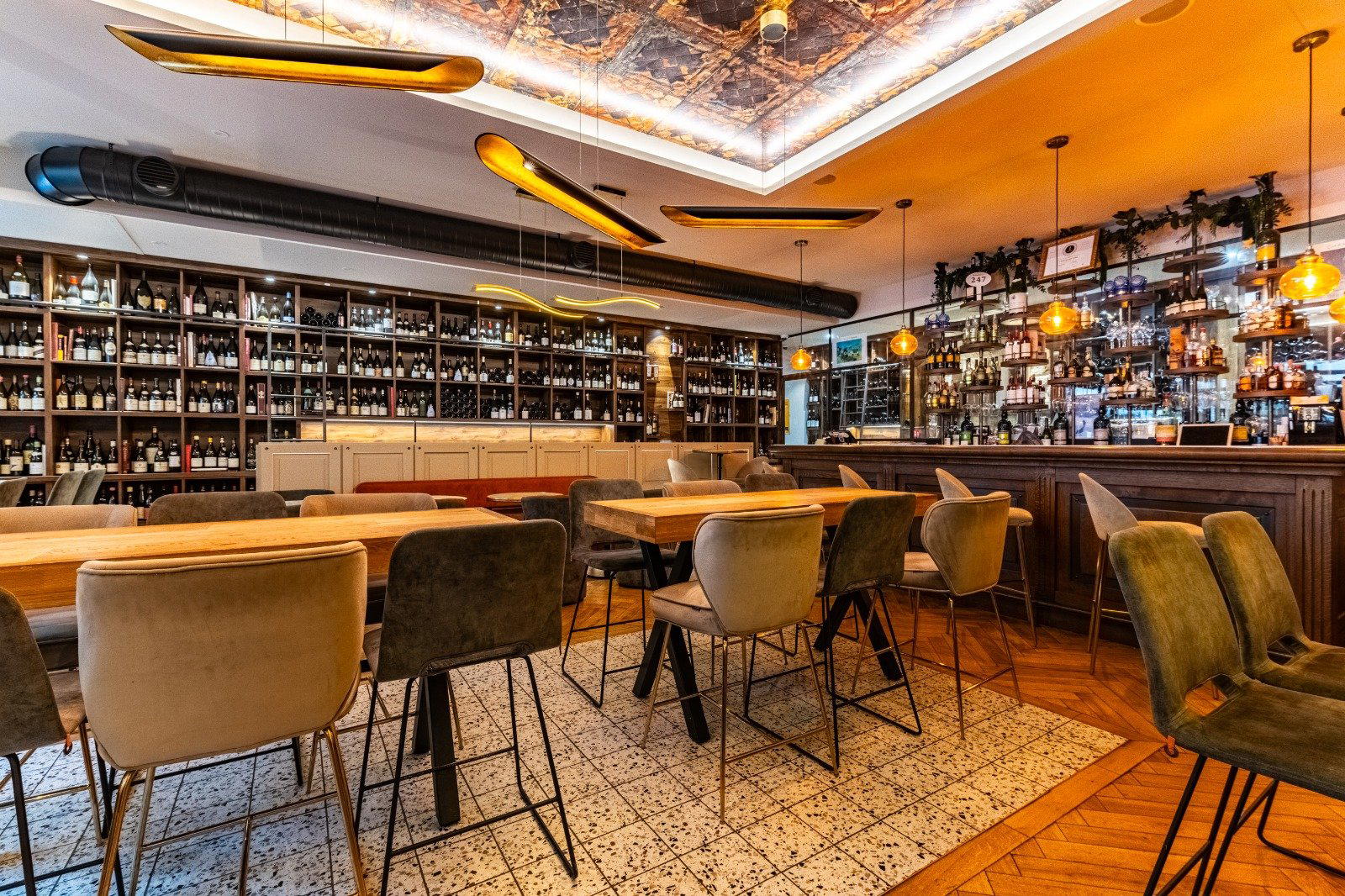
Restaurants in Morey-Saint-Denis
Browse all →
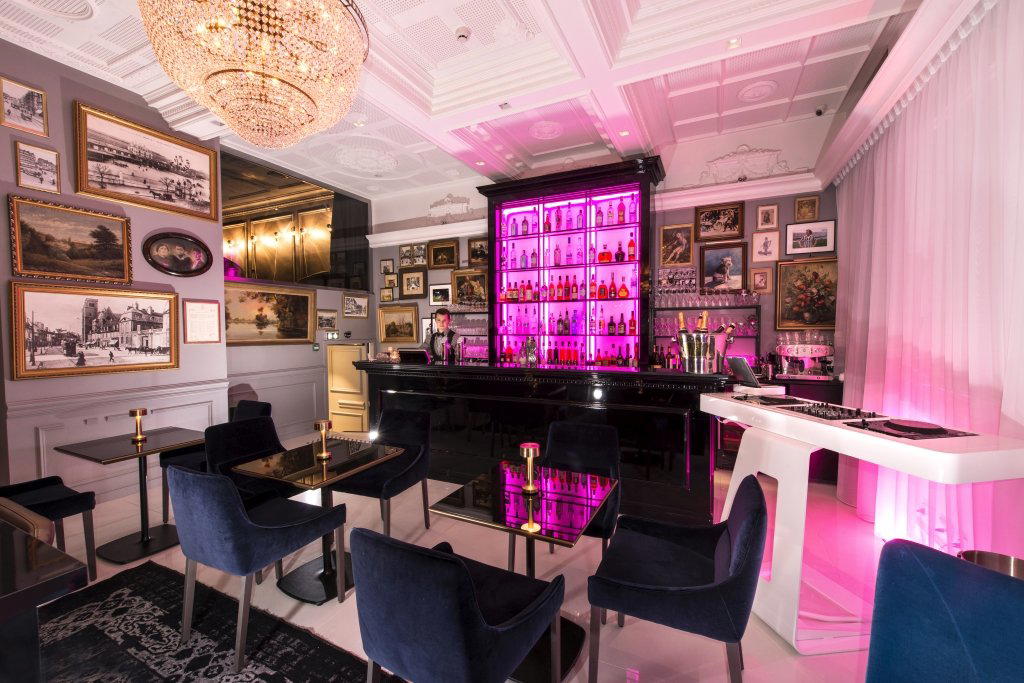
Bars in Morey-Saint-Denis
Browse all →
Hotels in Morey-Saint-Denis
Browse all →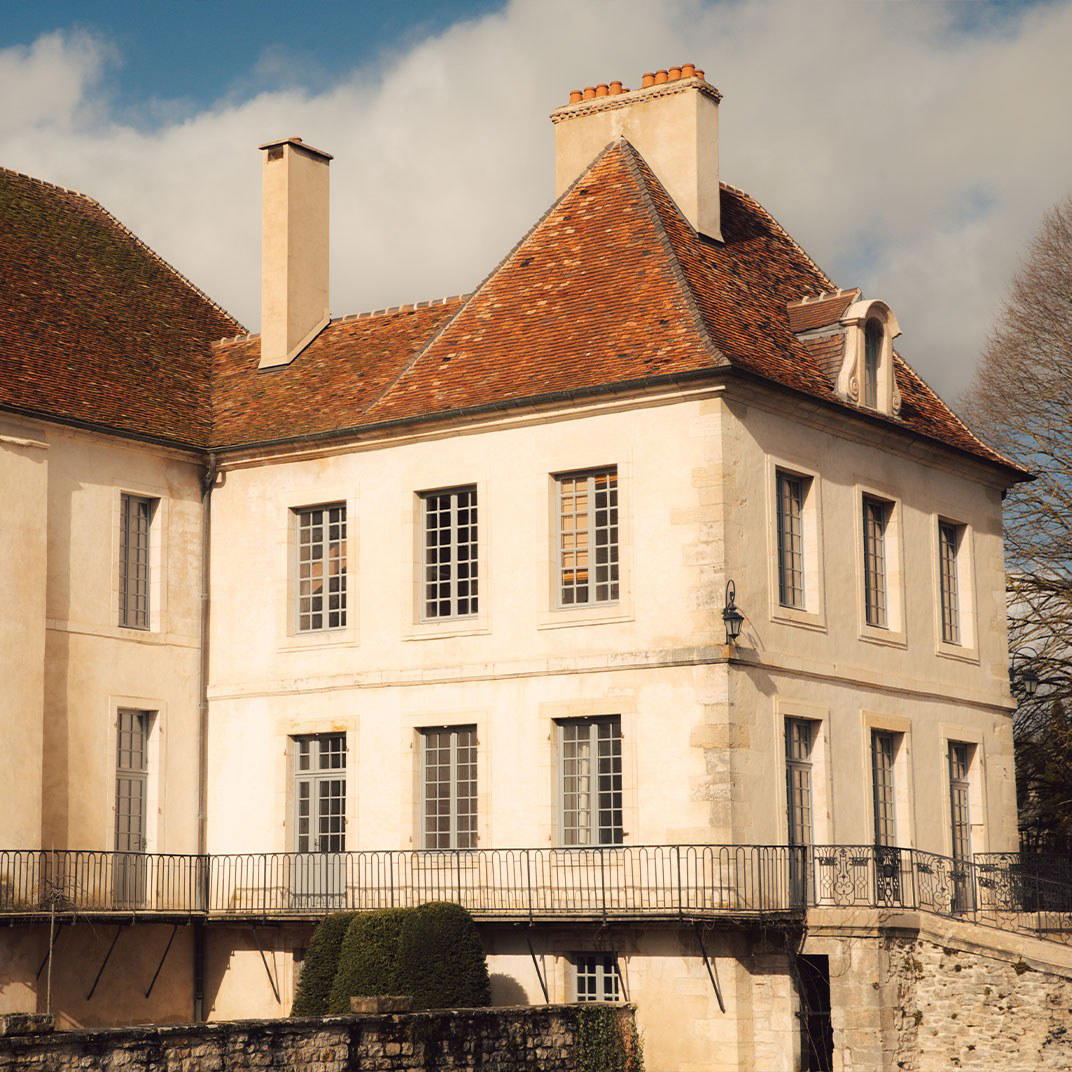
Castel de Très Girard
The wine
- Wine program
- Exceptional wine program
- Extensive wine list
- Sommelier-led
Details
- Elegant
- Romantic
- Cozy
- Sophisticated
- Date Night
- Special Occasion
- Celebration
- Terrace
- Wine Cellar
- Hotel Restaurant
- Extensive Wine List
- Sommelier Led
- Local Sourcing
- Vineyard
- A La Carte
- Wine
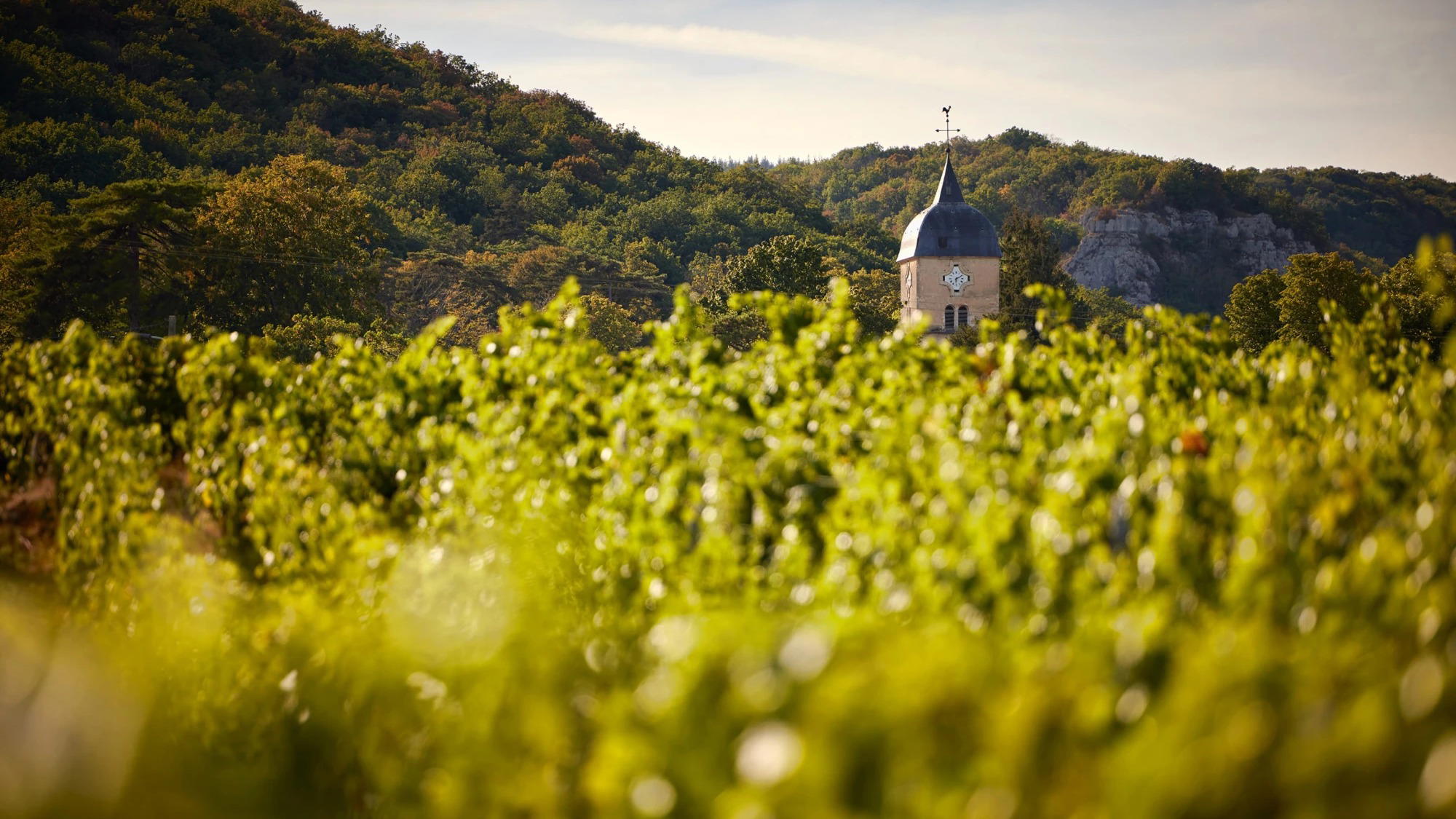
Cozy and refined atmosphere with a feutrée (intimate) bar salon, warm welcoming service, and terrace overlooking lush vineyards.