La Table de Marc Turpin - Hostellerie Saint-Germain

Michelin Plate
Our verdict
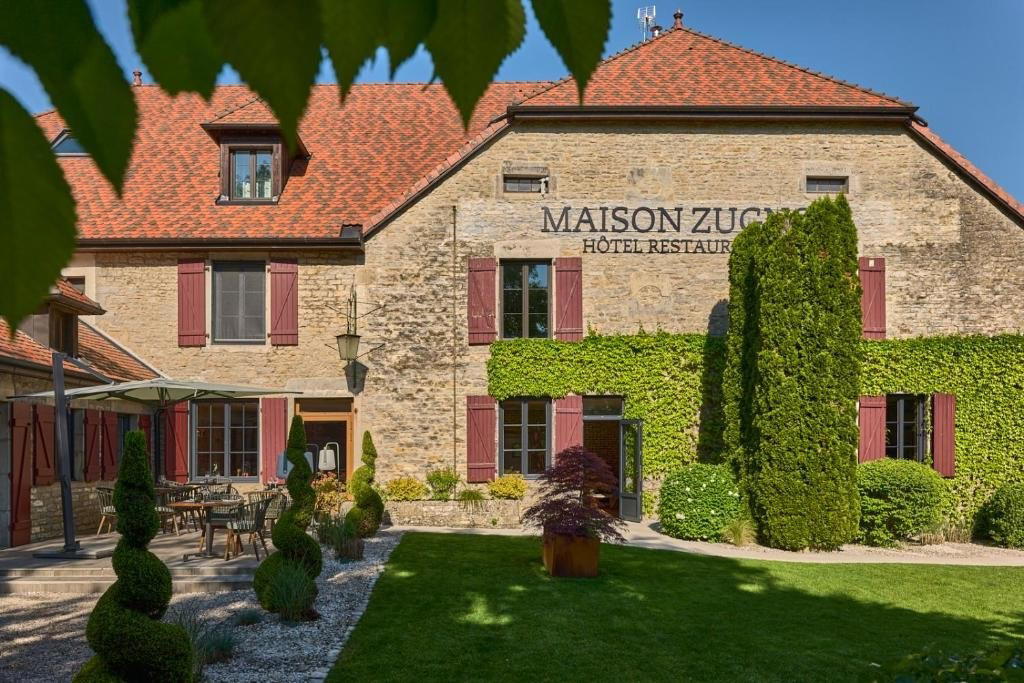
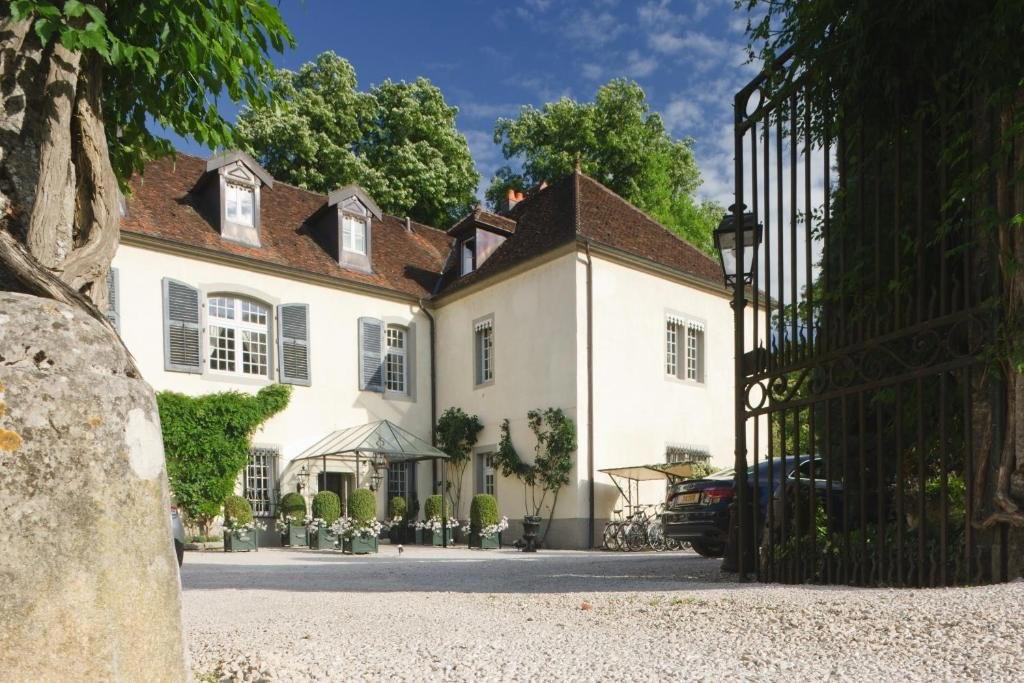
A 17th-century coaching inn opposite the village church in Saint-Germain-lès-Arlay, Hostellerie Saint-Germain pairs a produce-led kitchen with one of France's most compelling regional wine lists. The chef draws on organic and local Jura sourcing to build dishes that occasionally surprise, with overnight rooms that make the Jura countryside a genuine destination rather than a detour.

Pearl is the En Primeur Club membership app, where members save venues, book tables and use the concierge.
The menu
What to order
- Truite du Jura
- Foie gras maison
- Pigeonneau
Stone, Stone, and the Weight of Good Produce
The Jura plateau sits at an angle to the rest of French gastronomy. Far enough from Paris to be left alone, close enough to Lyon's supply chains to benefit from them, it has developed a food culture built almost entirely on what the land here actually produces: raw-milk comté aged in mountain cellars, river trout from cold, fast streams, vin jaune that spends longer under the flor than any sherry producer would dare, and organic market gardens that don't need to announce themselves as such because they always have been. It is in this context that a restored 17th-century coaching inn opposite the church at 635 Grande-Rue, Saint-Germain-lès-Arlay, makes a certain kind of editorial sense. Hostellerie Saint-Germain's kitchen approach is less a positioning decision than a reflection of where it happens to be.
The Sourcing Argument
France's most interesting regional tables have been making the same argument for a decade: that provenance, handled without interference, produces food more coherent than anything assembled from distant suppliers and classical technique alone. The kitchen at La Table de Marc Turpin operates inside that tradition. The produce is local, frequently organic, and treated with the kind of specificity that turns sourcing into its own editorial statement. Pink trout from Jura waterways appears alongside nori seaweed, a pairing that should read as incongruous but instead points to a chef thinking about texture and umami contrast rather than flag-planting regionalism. That one dish captures the wider sensibility: rooted in the plateau's produce, occasionally willing to look outward without abandoning what makes the place credible.
Across France's most recognised regional restaurants, from Troisgros - Le Bois sans Feuilles in Ouches to Bras in Laguiole, the sourcing conversation has become inseparable from the cooking conversation. What distinguishes the smaller provincial tables like this one is that the sourcing isn't a marketing layer applied to an existing program. It is the program. When a kitchen is this geographically specific, the menu changes not by chef decree but by what the season and the farm allow.
Jura Wine as a Structural Choice
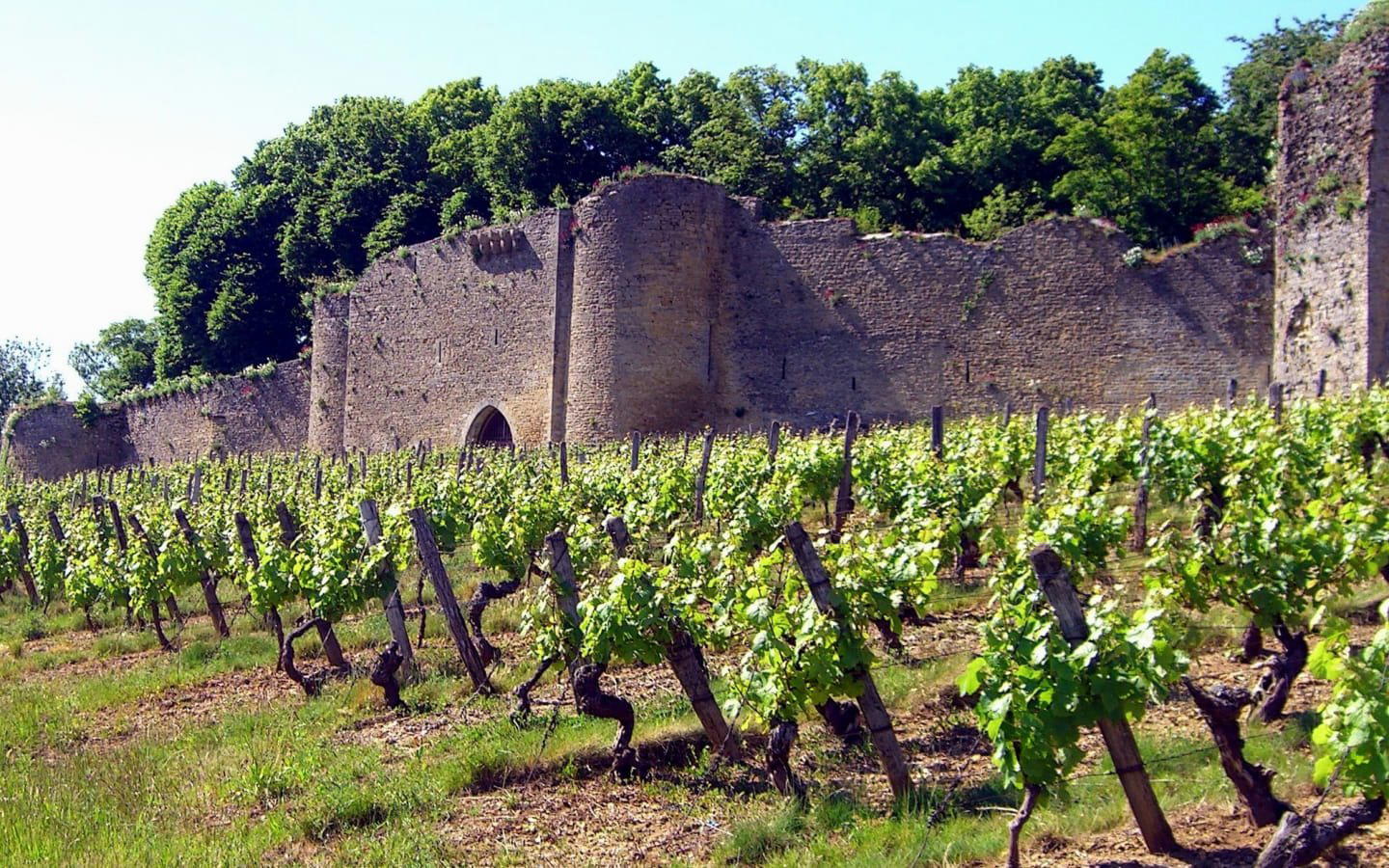
No serious meal in this part of France gets discussed without the wine list, and the wine list here is not an afterthought. Jura has spent twenty years building a global reputation among sommeliers and natural-wine collectors for producing whites that behave unlike anything from Burgundy or Alsace: oxidative Savagnin, Chardonnay aged under flor in traditional ouillé and non-ouillé styles, Poulsard and Trousseau reds with low extraction and high acid that are as food-specific as wines get. The cellar at Hostellerie Saint-Germain draws on these regional producers, which means a meal here is anchored by wines that actively make the food taste better rather than simply accompanying it. This is a non-trivial distinction. At urban tables at the level of Alléno Paris au Pavillon Ledoyen in Paris or Mirazur in Menton, the wine list spans continents and price points. Here, the editorial decision to focus on Jura production is itself a form of critical argument: these wines belong with this food in a way that Burgundy grand cru, however fine, does not. For more on what the region pours, our full Saint-Germain-lès-Arlay wineries guide maps the producers worth knowing.
The Building and What It Does to the Meal
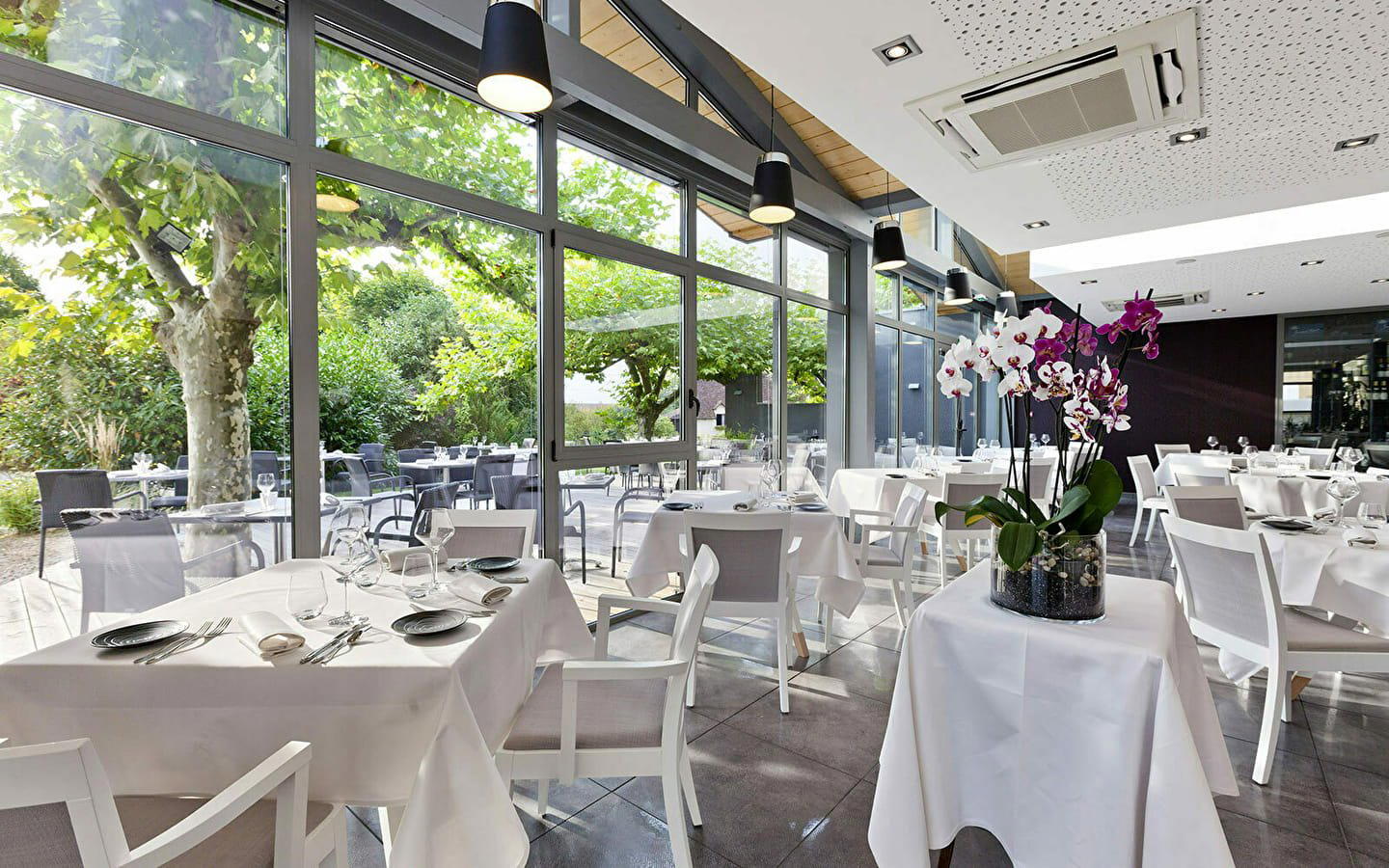
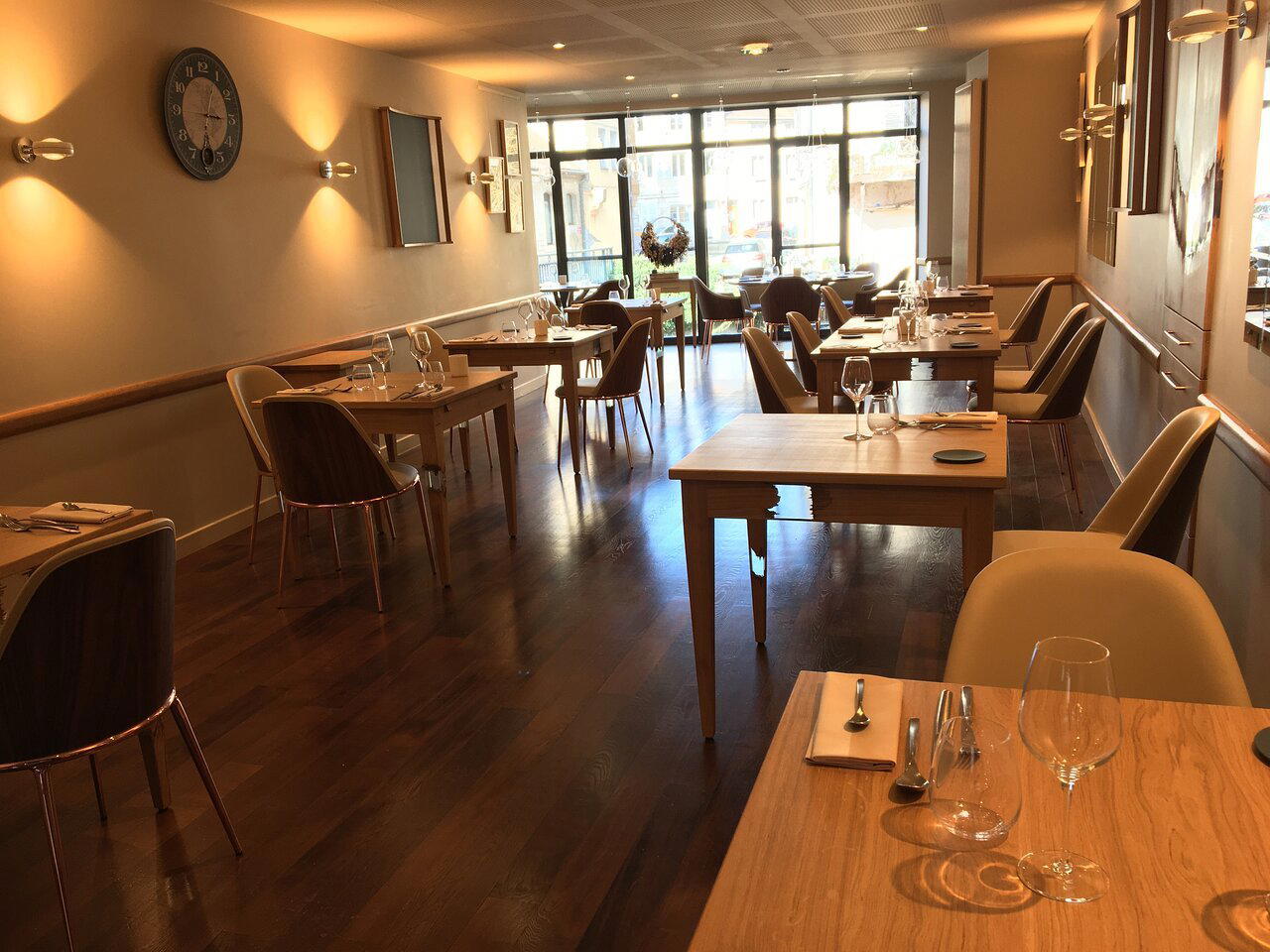
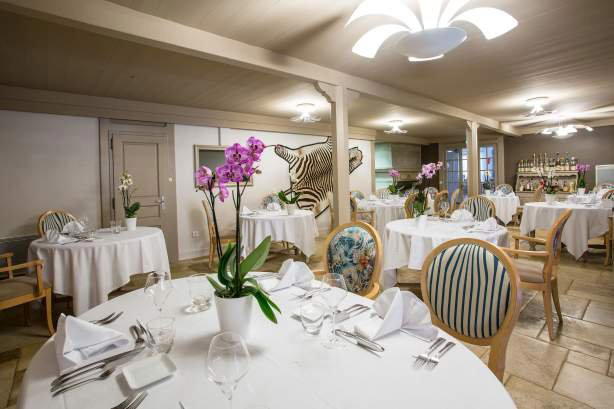
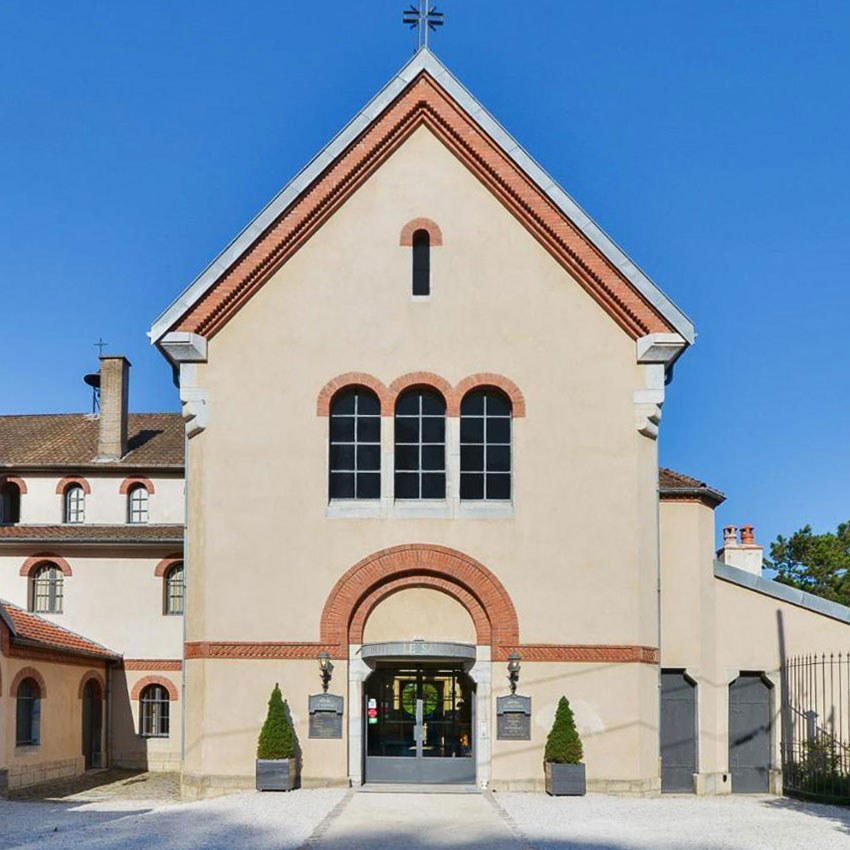
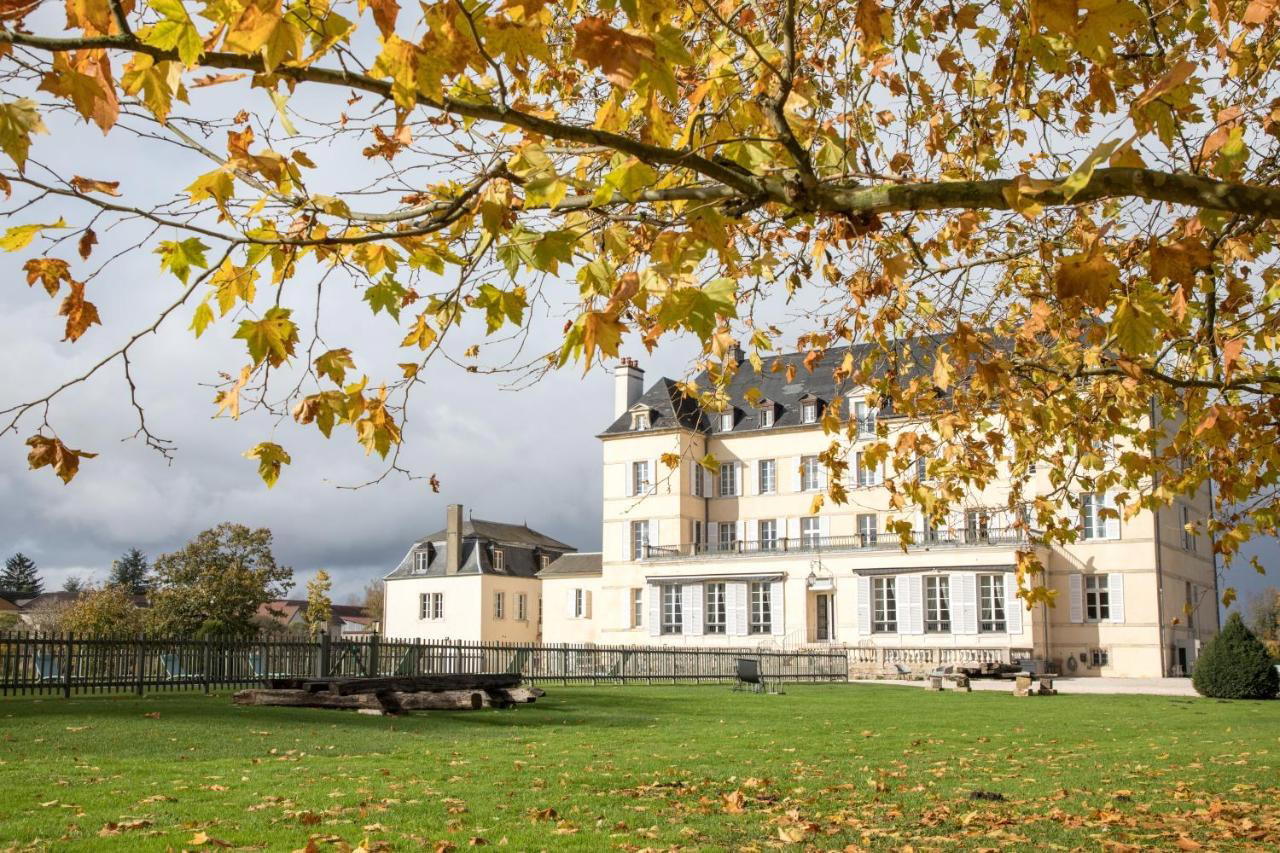
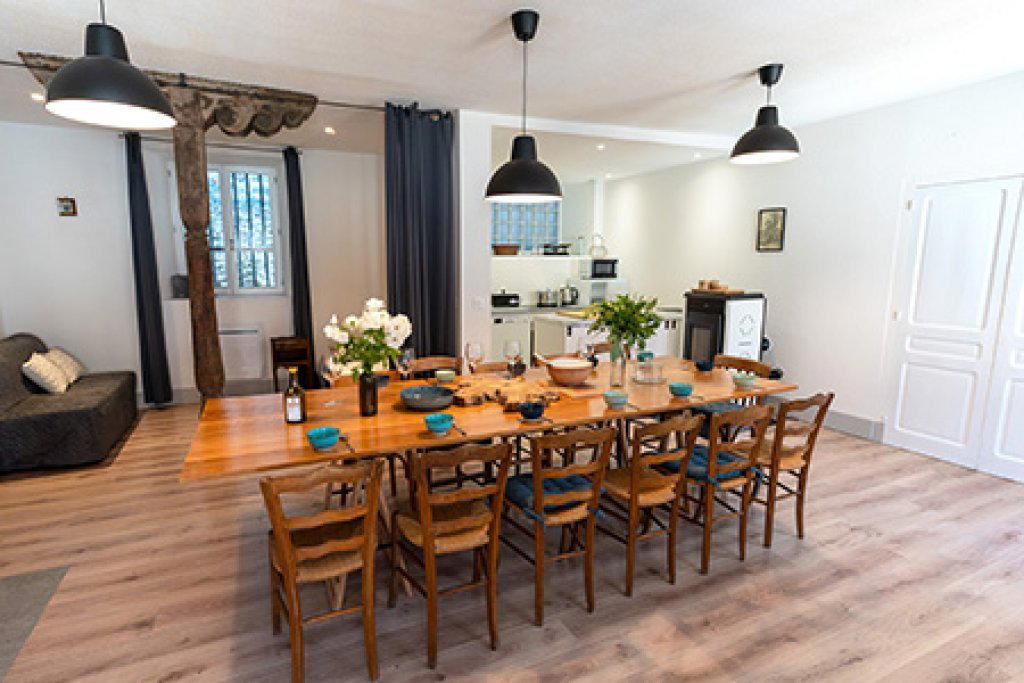
17th-century coaching inns were built for function: thick stone walls to hold heat, deep-set windows, proportions that made sense when the traffic outside was horse-drawn. The refurbishment here has kept the structural weight while removing the period clutter, arriving at what might be called contemporary low-key: an approach that lets the original fabric read without demanding that guests pretend they're eating in a museum. The result is a room that makes produce-led cooking feel appropriate rather than aspirational. Stone and timber surroundings tend to calibrate expectations in a useful direction; nobody sits in a space like this expecting lacquered towers of architectural food. Dishes that prioritise ingredient quality over visual performance land well here precisely because the room asks for them.
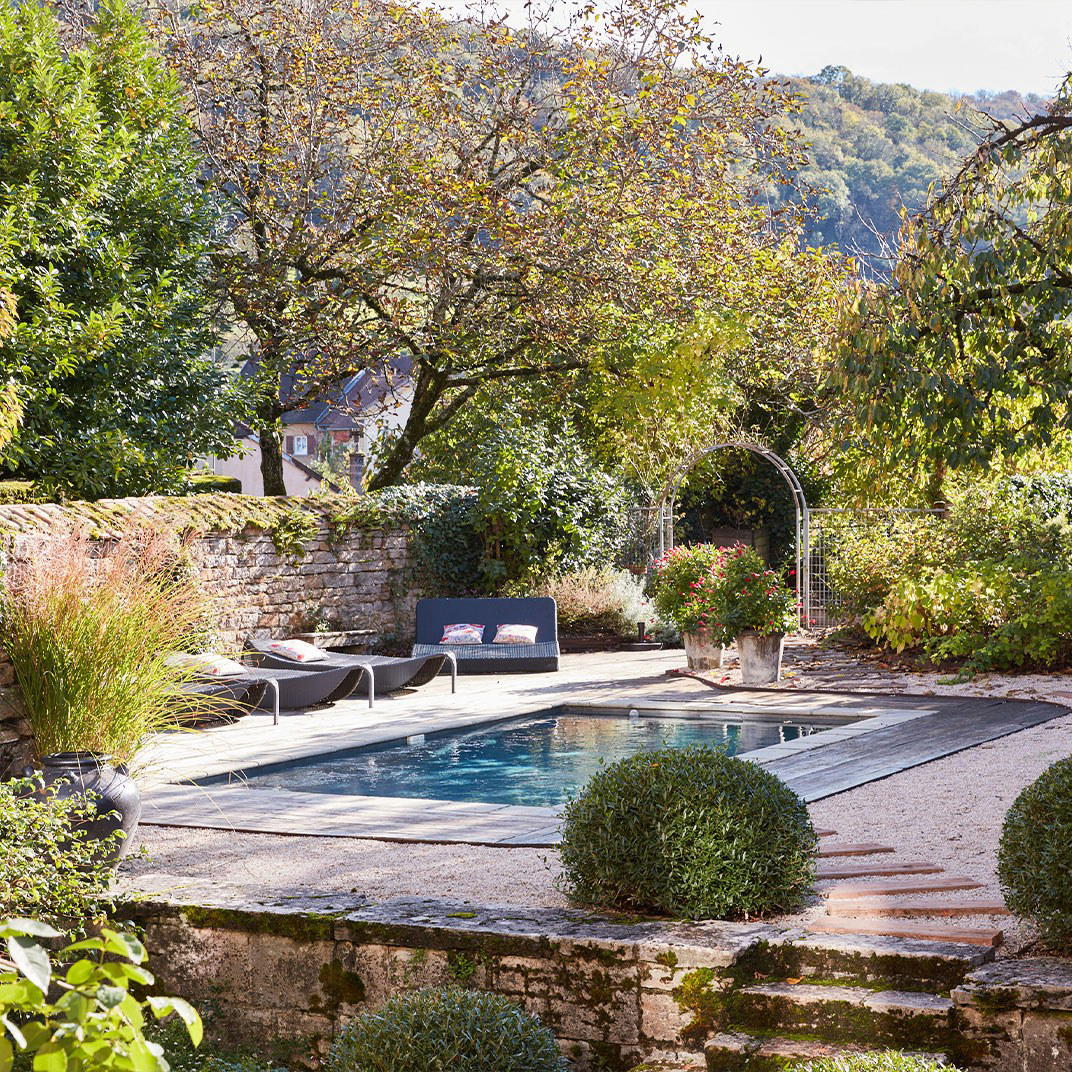
The cosy rooms, quieter on the terrace side, extend the logic of the meal into an overnight. Staying in the village rather than driving back to Lons-le-Saunier or Bourg-en-Bresse means the Jura countryside functions as a destination, not a lunch stop. For those planning a longer stay, our full Saint-Germain-lès-Arlay hotels guide covers the options in the area.
Planning a Visit
Saint-Germain-lès-Arlay sits in the southern Jura, between the wine villages of Arlay and Voiteur, within reach of the Route des Vins du Jura. Arriving by car from Lyon takes roughly an hour and forty minutes; from Besançon, slightly less. Given the inn's scale and the specificity of what the kitchen does, booking ahead is advisable, particularly through the warmer months when Jura wine tourism peaks and the terrace rooms are in demand. The address at 635 Grande-Rue places it directly opposite the village church, which functions as a useful landmark in a village where the main street carries most of the architecture. For other dining options in the area, our full Saint-Germain-lès-Arlay restaurants guide provides broader context, and our full Saint-Germain-lès-Arlay bars guide and experiences guide round out a full itinerary.
For context on how this style of produce-driven French regional cooking sits within a wider national picture, it's worth considering the range: from the laboratory-scale creativity of AM par Alexandre Mazzia in Marseille and the Alsatian classicism at Au Crocodile in Strasbourg to the deep Provençal rootedness of Auberge du Vieux Puits in Fontjoncouse and the Alpine sourcing at Flocons de Sel in Megève. The Jura table fits a distinct category among these: unhurried, geographically specific, and reliant on the quality of what the plateau actually grows and ferments.
Frequently asked questions
Is La Table de Marc Turpin - Hostellerie Saint-Germain child-friendly?
The inn's low-key, contemporary setting and its origins as a functional 17th-century coaching house give it a relaxed register that is not exclusionary toward families. No specific children's menu is documented, but the accessible regional cooking, centred on local produce rather than elaborate ceremony, suits a broad table. Booking ahead and flagging requirements directly is sensible for a small address in a village of this size.
What's the vibe at La Table de Marc Turpin - Hostellerie Saint-Germain?
Quiet and grounded. The 17th-century stone coaching inn opposite the village church has been refurbished in a deliberately understated contemporary style, no theatrical room design, no background noise to manage. For those staying overnight, rooms overlooking the terrace are noticeably calmer than street-facing ones. The overall mood is closer to a serious regional table than a destination restaurant.
What's La Table de Marc Turpin - Hostellerie Saint-Germain known for in terms of accolades?
La Table de Marc Turpin - Hostellerie Saint-Germain has received recognition including: Opposite the church, this engaging 17C coaching inn has been entirely refurbished in a low-key, contemporary vein. The chef sources fine local produce, often organic, to craft appetising dishes, occasionally peppered with creative touches, ….
What's the must-try dish at La Table de Marc Turpin - Hostellerie Saint-Germain?
The kitchen's sourcing runs toward fine, often organic, local produce, and the documented example that draws attention is pink trout paired with nori seaweed, an unusual move for a Jura address, where creative detours from strictly regional form are not the norm. That combination signals where the cooking sits: regionally anchored but not bound by it. The full menu changes with availability, so the specifics shift, but the sourcing argument stays consistent.
How do I find La Table de Marc Turpin - Hostellerie Saint-Germain?
La Table de Marc Turpin - Hostellerie Saint-Germain is located at 635 Grande-Rue, Saint-Germain-lès-Arlay.
How far ahead should I plan for La Table de Marc Turpin - Hostellerie Saint-Germain?
No booking window is formally documented, but Saint-Germain-lès-Arlay is a small village in the southern Jura, and the inn operates a modest number of covers and rooms. Visiting during harvest season along the Route des Vins du Jura increases competition for tables and accommodation across the whole corridor from Arlay to Voiteur. A week or more of lead time in high season is a practical baseline; weekend evenings in summer fill faster.
What do critics highlight about La Table de Marc Turpin - Hostellerie Saint-Germain?
The editorial record points to three things in combination: the quality of local, often organic, sourcing; the coherence of the Jura wine selection as a structural part of the meal rather than an accessory; and the occasional creative detour, the pink trout and nori pairing is the cited example, that stops the menu from reading as purely folkloric. The 17th-century building itself, refurbished without excess, is noted as working with the cooking rather than against it.
Comparable Venues
Comparable venues nearby, for context on price, style, and recognition.
| Venue | Cuisine | Price | Awards | Notes |
|---|---|---|---|---|
| La Table de Marc Turpin - Hostellerie Saint-GermainThis venue (the venue you are viewing) | Modern French Jura Gastronomy | $50–100 | Michelin Plate | Not listed |
| Michel Béjeannin - Auberge de Chavannes | French Gastronomic with Jura and Mediterranean Influences | Not listed | Michelin Plate | Courlans |
| La Table de la Mainaz | Modern Jura Gastronomic | $150–200 | Michelin Plate | Col de la Faucille, Gex |
| L'Expression | Modern French Wood-Fired Bistro | Not listed | Michelin Plate | centre-ville |
| Brasserie Benjamin | Alpine-Inspired French Brasserie | $150–200 | Michelin Plate · Wine Spectator Best of Award of Excellence | Mont d’Arbois |
| La Table du Tillau | Modern French Fine Dining | $50–100 | Michelin Plate | Verrières-de-Joux |
Recognition history
Dated appearances from independent guides and award organizations, with the underlying list record or original source where available.
Michelin Plate
Michelin
Continue exploring
More in Saint-Germain-lès-Arlay
Restaurants in Saint-Germain-lès-Arlay
All restaurants in Saint-Germain-lès-Arlay →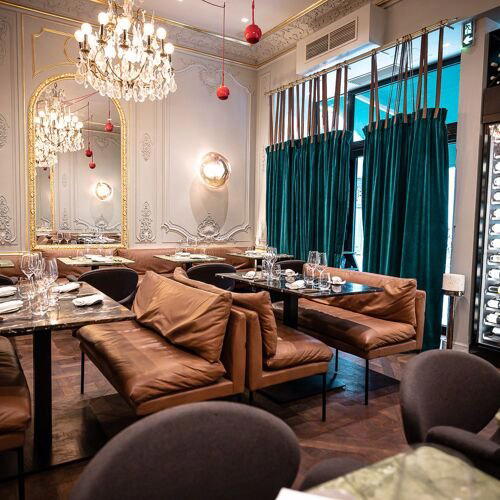

La Table de Marc Turpin - Hostellerie Saint-Germain
The wine
- Wine program
- Deep wine list
- Extensive wine list
Details
- Elegant
- Sophisticated
- Classic
- Intimate
- Special Occasion
- Date Night
- Business Dinner
- Hotel Restaurant
- Terrace
- Historic Building
- Private Dining
- Extensive Wine List
- Local Sourcing
- Organic
- Garden
- A La Carte
- Jura Wines
- Vegetarian Friendly
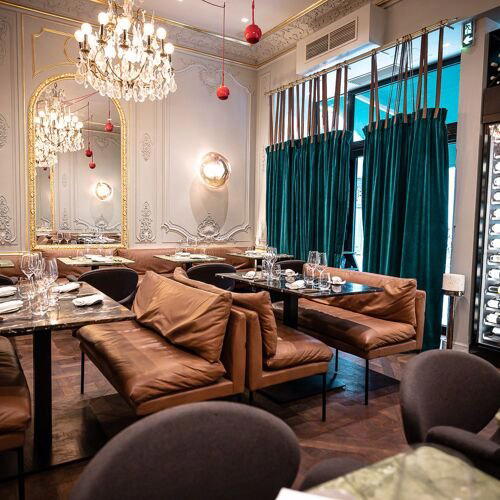
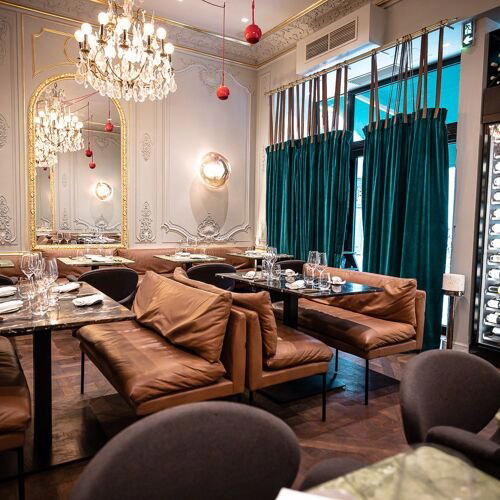
Bright, contemporary salle with pearl and steel gray tones, elegant and refined decoration, luminous atmosphere.