Cascina Moro
.png)
A Michelin Plate-recognised farmhouse restaurant in the Milanese lowlands, Cascina Moro occupies an 18th-century cascina south of Milan where the kitchen draws on both Mediterranean produce and the meat-forward traditions of the Po Plain. The mid-range price point and a wine cellar stocked with carefully selected labels make it a credible destination for serious eating outside the city centre. Google reviewers rate it 4.6 across more than 900 reviews.
 Discover on Pearl
Pearl is the En Primeur Club membership app — saves, bookings, and concierge access live there. Same editors, same standards.
- Address
- Strada Provinciale 8, Frazione Moro, 20085, 20085 Locate di Triulzi MI, Italy
- Phone
- +39 02 8342 3132
- Website
- cascinamoro.it
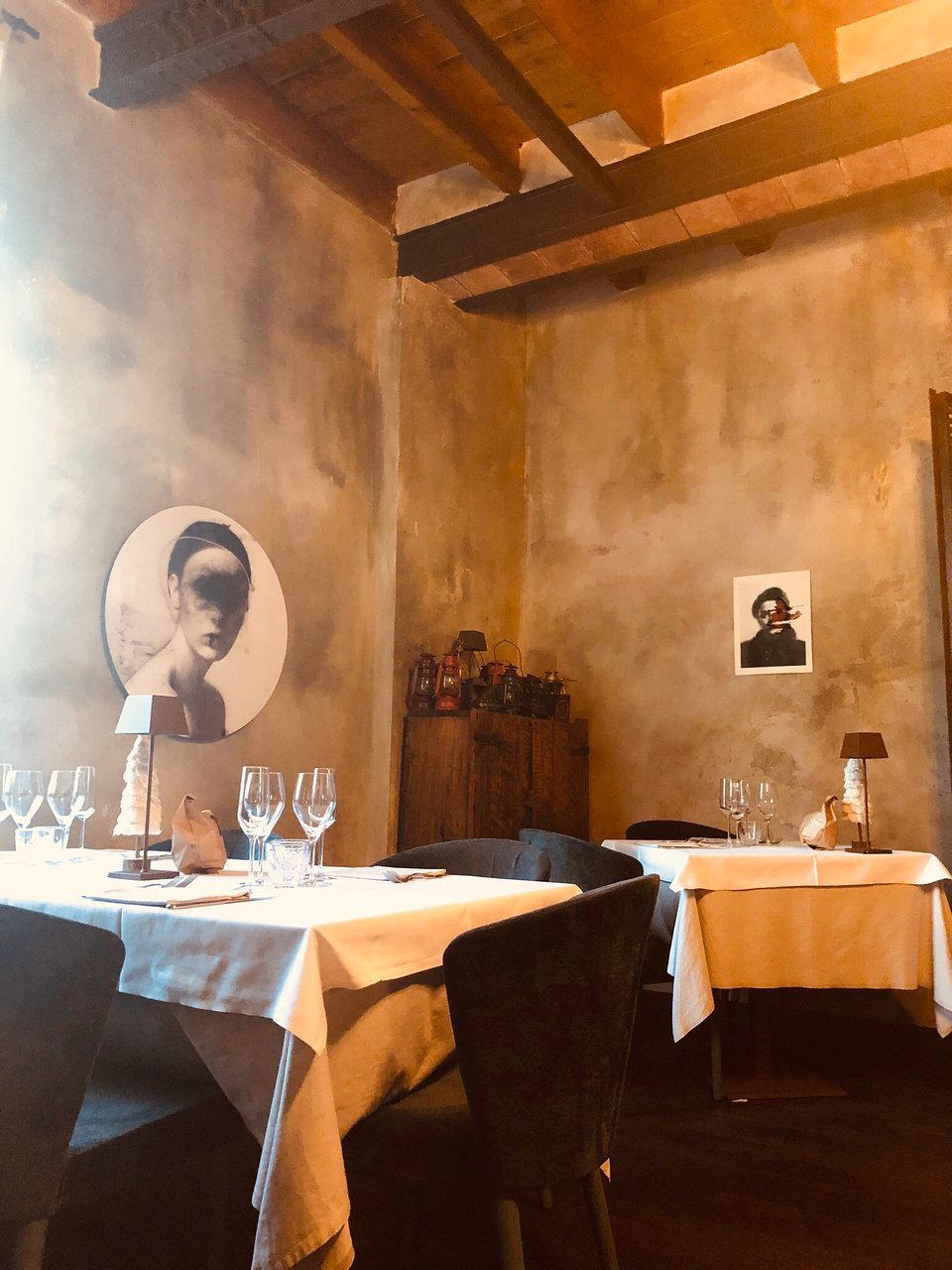
A Farmhouse in the Milanese Lowlands
Approaching Cascina Moro along the Strada Provinciale 8, the suburban sprawl south of Milan gives way to flatter agricultural land that has defined this corridor for centuries. The cascina, the sprawling courtyard farmhouse that once anchored every working estate in the Po Plain, is the architectural grammar of this territory, and Cascina Moro is a well-preserved specimen. Stone walls, worn timber, and the kind of spatial proportions that no amount of contemporary hospitality design can replicate greet you on arrival. The large stone fireplace anchors one of the intimate dining rooms, and a veranda-style space extends the usable footprint across seasons. The 18th-century structure has been carefully restored rather than renovated into something unrecognisable, which matters in a region where plenty of rural addresses have been smoothed into generic countryside dining.
The Milanese lowlands do not carry the romantic shorthand of, say, Tuscany or the Langhe, but the agricultural identity here is no less serious. The Po Plain feeds a significant portion of northern Italy, and the cascina typology was the working engine of that production. Eating in one, especially one that reads its geography honestly, connects a meal to a land-use history that stretches back far beyond the restaurant era. Cascina Moro sits in the €€€ price bracket, positioning it comfortably below the region's starred destinations while operating with more culinary ambition than a neighbourhood trattoria.
What the Kitchen Is Drawing On
The menu at Cascina Moro spans meat and fish, pulling in both Mediterranean references and the traditions of Milanese cooking. That dual orientation reflects something real about how the Po Plain kitchen has always worked: proximity to the Ligurian coast made fish trade viable long before refrigeration, and the flatlands themselves supplied rice, dairy, and the fatty cuts that define classic Lombard dishes. A menu that holds both axes is not hedging; it is historically accurate to the region's supply lines.
In the broader context of Lombardy dining, the mid-range cascina format occupies a specific and increasingly valued niche. The three-Michelin-starred tier in northern Italy, venues like Dal Pescatore in Runate, Enrico Bartolini in Milan, and Le Calandre in Rubano, operates at price points and formality levels that are not accessible to regular visitors. Below that, the cascina-restaurant format fills a gap: serious cooking, regional identity, and an atmosphere that no urban address can approximate, at prices that reflect the lower operating costs of the countryside. Cascina Moro's €€ positioning puts it in reach of an audience that would not consider a €€€€ tasting-menu evening on a Tuesday.
The Milanese lowlands produce some of Italy's most significant agricultural output: Carnaroli rice from the Lomellina, aged Grana Padano from the western plains, the slow-raised pork that underpins the salumi tradition in this corridor. A kitchen operating in this geography has access to supply that urban restaurants pay a premium to source. The architectural and culinary framing suggests an awareness of the territory that informs the menu's direction. The Mediterranean strand of the menu likely draws on the same trading logic that has connected Lombardy to coastal producers for generations: preserved fish, olive oil, and citrus that complement rather than compete with the heavier local tradition.
The Wine Cellar as a Destination Within the Destination
The wine cellar at Cascina Moro is accessible to guests and stocked with an excellent selection of interesting labels. In a region that produces Franciacorta sparkling wine to the east and Oltrepò Pavese reds to the south, plus the proximity to Piedmont's Nebbiolo-dominated hierarchy and Lombardy's own Valtellina Nebbiolo, a cellar with genuine range is not difficult to build, but it does require editorial intent. The fact that visits to the cellar are offered signals that the wine program is considered a feature worth showing, not merely a list appended to the food. For the growing segment of Italian restaurant visitors who treat the cellar as a primary consideration, that transparency is a meaningful signal. Comparable in spirit, if not in scale or price tier, to the wine-forward approach at Enoteca Pinchiorri in Florence, though operating in a very different register.
For reference points in the Classic Cuisine category at the international level, KOMU in Munich and Maison Rostang in Paris represent how the format translates across European contexts. Within Italy's broader fine-dining conversation, Osteria Francescana in Modena, Piazza Duomo in Alba, and Reale in Castel di Sangro define the creative end of the spectrum, while Quattro Passi in Marina del Cantone, Uliassi in Senigallia, Casa Perbellini 12 Apostoli in Verona, and Atelier Moessmer Norbert Niederkofler in Brunico illustrate the geographic spread of Italy's serious regional kitchens. Cascina Moro does not compete with any of these addresses on format or price, but it sits within the same national culinary argument about what Italian cooking should be rooted in.
Planning a Visit
Locate di Triulzi sits south of Milan, accessible from the city by car along the SP8 corridor. The address is Strada Provinciale 8, Frazione Moro, 20085, which places it in the agricultural fringe rather than the built-up municipal centre. Driving is the practical choice; the farmhouse setting is not designed for arrival on foot or by transit. Given the 4.6 Google rating across 916 reviews, a volume that reflects consistent local patronage rather than tourist traffic, reservations ahead of weekends are advisable. The €€ price range suggests a meal that is accessible without being casual, appropriate for a long midday lunch or an unhurried evening in the fireplace room.
Fast Comparison
Comparable venues nearby, for context on price, style, and recognition.
| Venue | Cuisine | Price | Awards | Notes |
|---|---|---|---|---|
| Cascina MoroThis venue — the venue you are viewing | Italian Seafood and Lombard | $$$ | Michelin Plate | |
| Feel Como | Modern Italian with Alpine & Lake Como Ingredients | $$$ | Michelin Plate | Centro Storico (Historic Center) |
| Hosteria La Cave Cantù | Modern Italian Fine Dining | $$$ | Michelin Plate | Casteggio |
| La Gallina | Contemporary Piedmontese Fine Dining | $$$ | Michelin Plate | Gavi |
| Il Liberty | Modern Italian Mediterranean | $$$ | Michelin Plate | Porta Garibaldi - Porta Nuova |
| Caffè delle Rose Bistrot | Modern Italian Bistro | $$$ | Michelin Plate | Pallanza |
Continue exploring
More in Locate di Triulzi
Restaurants in Locate di Triulzi
Browse all →
Bars in Locate di Triulzi
Browse all →
Hotels in Locate di Triulzi
Browse all →
At a Glance
- Rustic
- Elegant
- Cozy
- Intimate
- Classic
- Date Night
- Special Occasion
- Business Dinner
- Group Dining
- Historic Building
- Extensive Wine List
Rustic yet elegant atmosphere with intimate lounges, a large stone fireplace room, and a bright veranda, creating a warm, welcoming, and sophisticated setting.