Cascal
Our verdict
Cascal serves Pan-Latin Tapas & Paella at 400 Castro St in Mountain View, with craft cocktails and signatures like Paella Cascal, Peruvian Ceviche, and Asado.

Pearl is the En Primeur Club membership app, where members save venues, book tables and use the concierge.
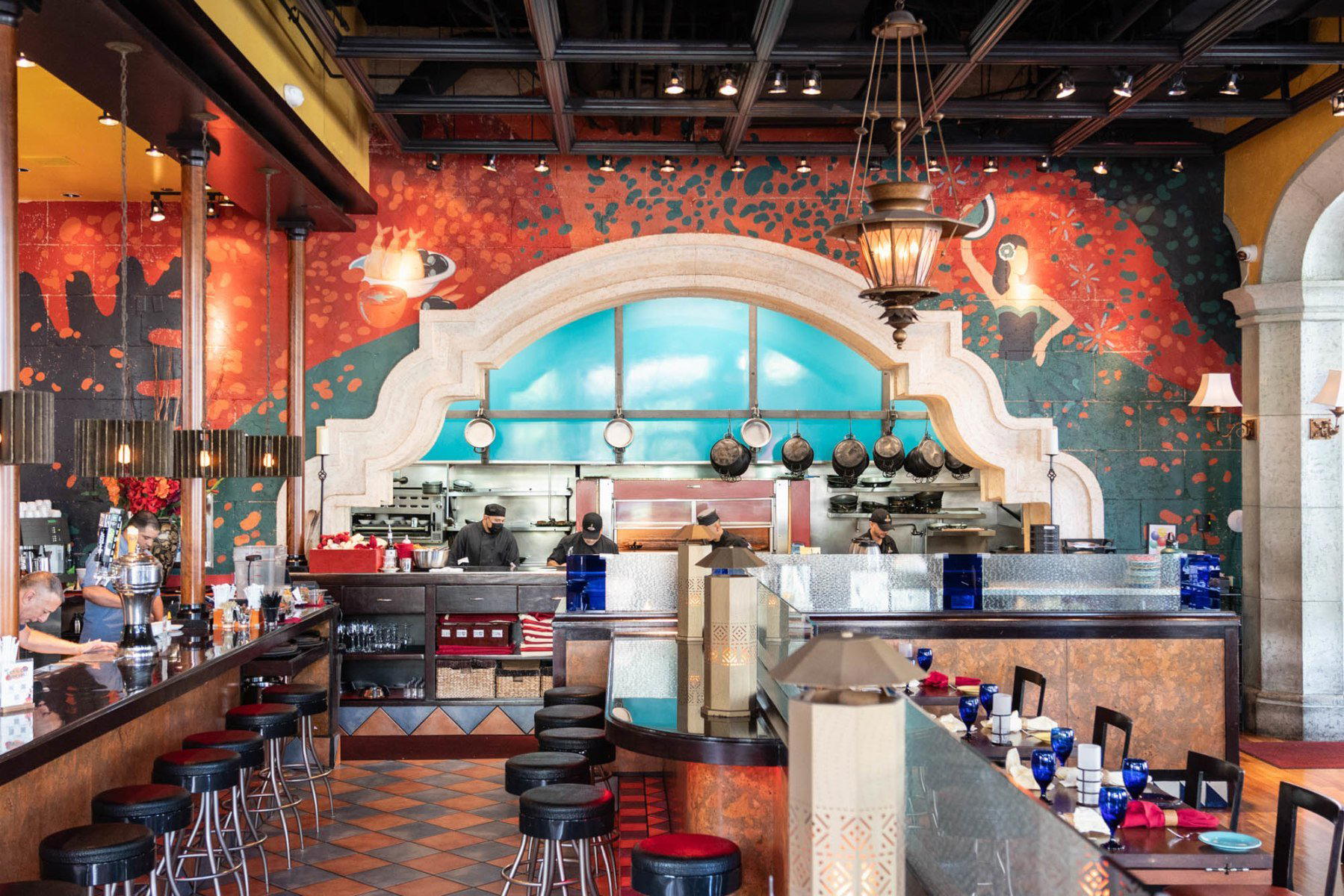
Pan-Latin Cooking in the Heart of Silicon Valley
Castro Street in Mountain View runs through a dining corridor that punches well above the city's modest size. The block around 400 Castro sees foot traffic from engineers, families, and off-duty professionals who have genuine options: Italian at Don Giovanni, Indian street food at Chaat Bhavan Mountain View, French tasting menus at Chez TJ. Cascal occupies its own lane in that lineup: a pan-Latin format that draws from the Iberian peninsula, the Caribbean, and Central and South America within a single menu and a single room.
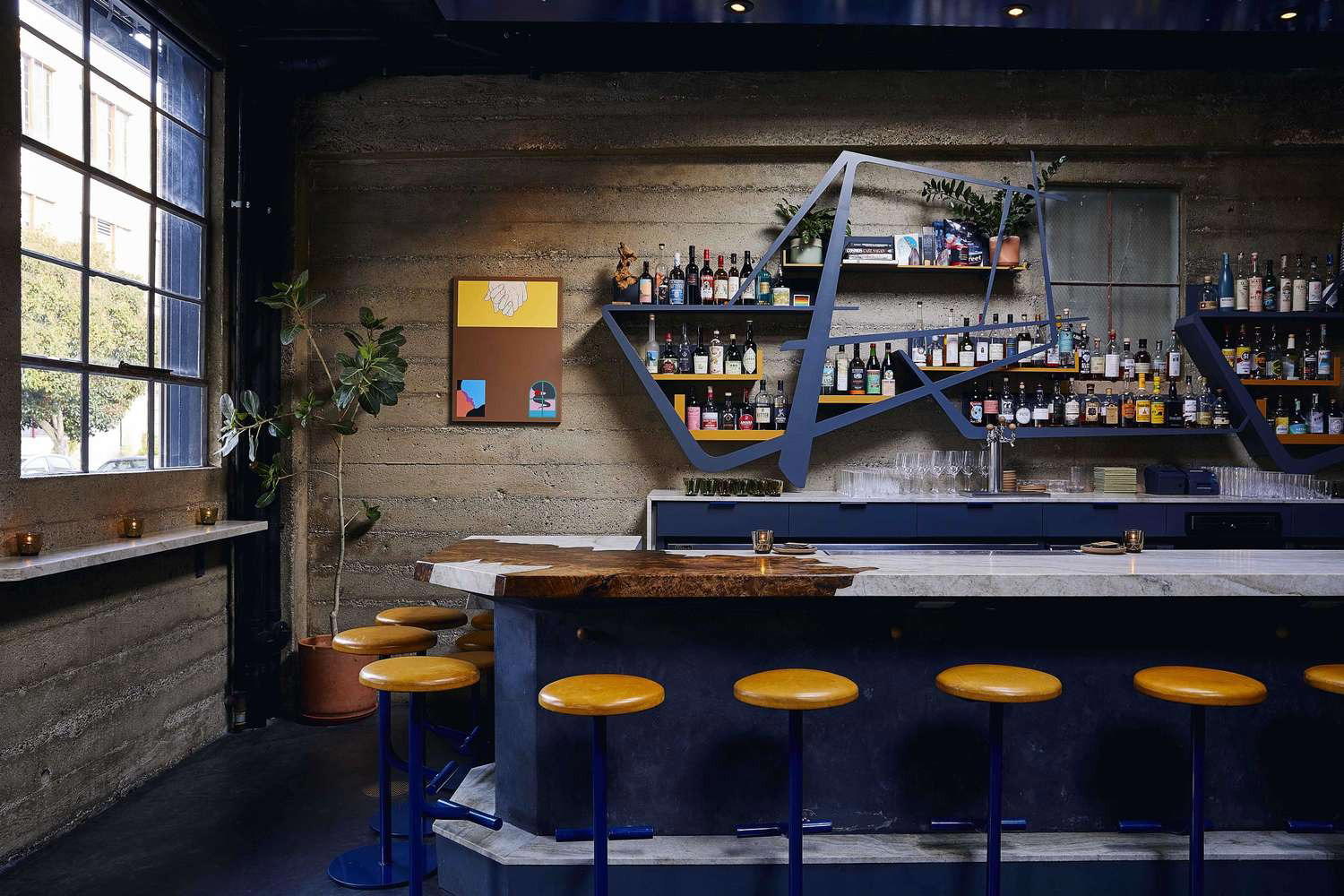
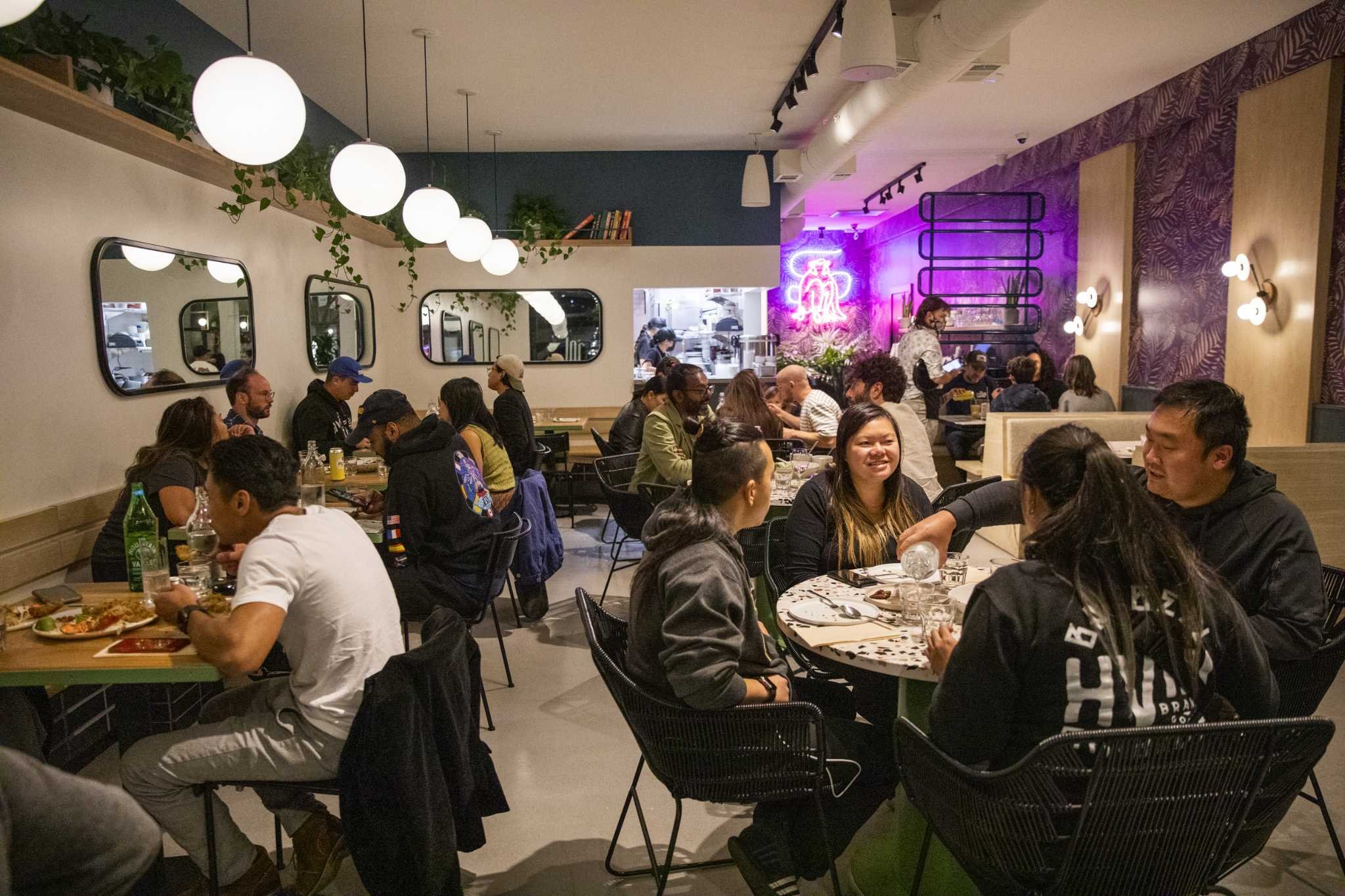
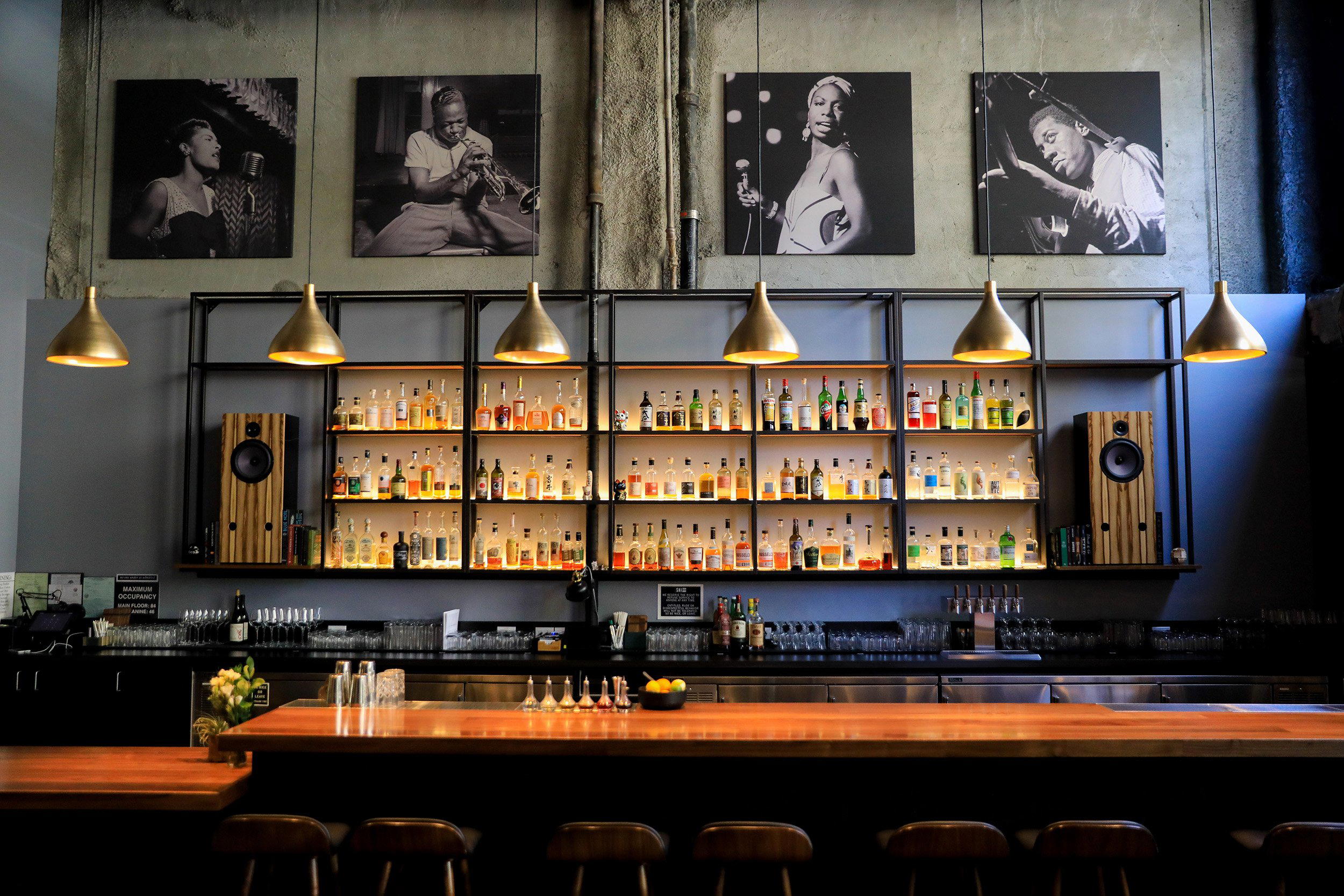
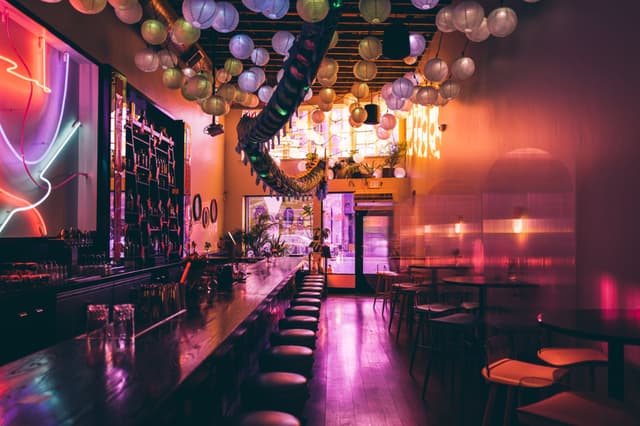
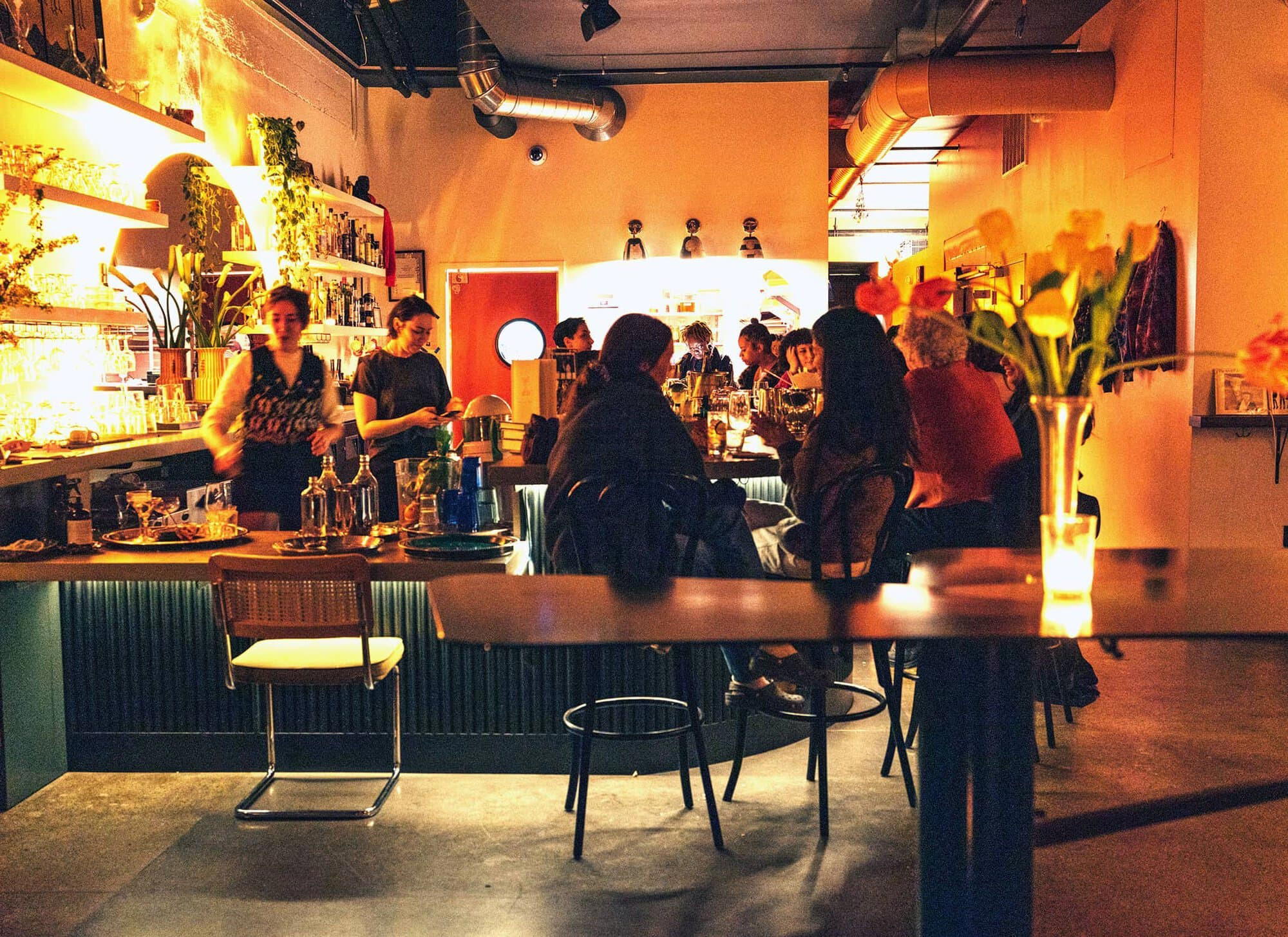
The physical feel of the space signals this positioning immediately. The room runs wide rather than intimate, built for the kind of energy that Latin dining cultures associate with the evening meal as social occasion rather than quiet ritual. Warm tones, open sightlines, and a bar program designed to anchor rather than supplement the experience all point to a restaurant that treats the communal table as its primary unit of measurement.
What Pan-Latin Actually Means on a Menu
The term "pan-Latin" gets applied loosely across American restaurant culture, sometimes as shorthand for a generic chips-and-margaritas format, sometimes as a genuine attempt to map the breadth of a culturally connected but regionally diverse set of cuisines. At its most coherent, the format draws on the shared architecture of Iberian culinary tradition, the olive oil, the cured meats, the seafood preparations, and then branches into the colonial-era transformations that produced distinct food cultures from Havana to Buenos Aires to Lima.
That context matters because it explains why a well-executed pan-Latin menu can sit comfortably alongside Mexican bistros like Agave Mexican Bistro without competing directly. Mexican cuisine is one node in a much larger network. Pan-Latin cooking, when done with discipline, treats the Iberian root as the through-line and the regional variations as the branching argument. The tapas format that Cascal employs fits this logic: small plates designed for sharing allow a kitchen to demonstrate range across multiple culinary traditions within a single meal.
This approach has cultural logic behind it. In Spain, the tapas tradition evolved as a way of eating that is inherently social and sequential rather than solitary and singular. Transplanted to the Americas and merged with Latin American ingredient traditions, it creates a format where the table rather than the individual plate becomes the unit of composition. The diner's job is assembly and pacing, not passive receipt of a chef's predetermined arc.
Where Cascal Sits in the Bay Area Dining Context
The Bay Area restaurant scene splits across several tiers and formats. At the top of the formal register, places like Lazy Bear in San Francisco and Single Thread Farm in Healdsburg operate as destination-tier tasting-menu experiences with booking windows measured in months. The Napa corridor adds another layer, anchored by institutions like The French Laundry. These venues compete in a national conversation that includes Le Bernardin in New York City, Alinea in Chicago, Providence in Los Angeles, Addison in San Diego, Blue Hill at Stone Barns in Tarrytown, The Inn at Little Washington, and internationally at places like Atomix in New York City and 8 1/2 Otto e Mezzo Bombana in Hong Kong.
Cascal operates in a different register entirely, the accessible, high-volume, culturally specific mid-market tier that Mountain View actually needs more of. This is the dining category where a table of four can share a dozen plates, run through a few cocktails, and leave without the evening feeling like a financial event. That positioning is not a compromise; it is a distinct function in any healthy dining ecosystem. Compare it to the more compact format at Cloud Bistro and the differences in scale and ambition become clear. Cascal is built for volume and energy; Cloud Bistro for a quieter, more contained experience. Neither is wrong; they serve different social needs.
For a broader map of the city's options, our full Mountain View restaurants guide covers the range from quick-service to formal dining. Cascal occupies the casual-to-mid tier but with a kitchen ambition and a drinks program that make it worth a deliberate visit rather than a default choice.
The Drinks Program as Cultural Argument
Pan-Latin restaurants that take their mandate seriously tend to build bar programs that track the same geography as the kitchen. This means the drinks list becomes a second argument for the same cultural thesis: rum-based cocktails from Caribbean traditions, pisco sours from Peru, sangria from the Iberian side, caipirinhas from Brazil. When the bar and kitchen are aligned in this way, the meal develops a coherence that goes beyond the individual plate or glass. The experience at Emeril's in New Orleans offers a useful parallel in a different register: when a restaurant's drinks program reflects the same cultural roots as its food, the two reinforce each other rather than operating as parallel services.
A bar-anchored pan-Latin room also changes the social dynamics of the evening. The cocktail list at a restaurant like Cascal is not a preamble to the meal; it is part of the same conversation. Groups tend to linger longer, order more rounds of plates, and use the meal as an extended social occasion rather than a transaction to be completed.
Planning a Visit to Cascal
Cascal sits at 400 Castro Street in Mountain View, on a block that rewards arriving on foot or by public transit. Castro Street is compact enough to walk end to end without effort, and the restaurant's position puts it close to the Caltrain-accessible centre of the city. For groups, the sharing-plate format means the table benefits from four or more diners to cover meaningful range across the menu. Arriving earlier in the week tends to allow more flexibility than Friday or Saturday evenings, when Castro Street fills and the energy in the room climbs accordingly. Given the information currently available, specific booking details, hours, and pricing are best confirmed directly through the venue before arrival.
Frequently asked questions
Where is Cascal located?
Cascal is located at 400 Castro St, Mountain View, CA 94041, Mountain View.
How does Cascal fit into Mountain View's dining scene compared to the broader Bay Area?
Mountain View's Castro Street hosts a concentrated stretch of restaurants that serves the Silicon Valley workforce as well as destination diners from across the Bay Area. Cascal occupies a specific position within that corridor as a pan-Latin tapas format, sitting between the street-food specificity of single-country Latin spots and the formal tasting-menu tier found in San Francisco. For the Mountain View address, the sharing-plate structure makes it one of the more group-friendly formats on the block.
What dish is Cascal famous for?
Cascal built its reputation on a Spanish-inflected tapas format that draws from both Iberian and Latin American culinary traditions. The sharing-plate structure means the menu spans more geography than a single national cuisine, covering ground from Andean to Caribbean influences. That breadth is the point: the format invites ordering across regions rather than anchoring to one signature dish.
Do they take walk-ins at Cascal?
Walk-in availability at Cascal's 400 Castro Street location depends heavily on day and time. The Castro Street dining corridor fills quickly on weekend evenings, making a midweek visit or an early dinner seating the more reliable approach for drop-in diners. Arriving before peak hours improves your odds considerably on any night of the week.
Booking and Cost Snapshot
Comparable venues nearby, for context on price, style, and recognition.
| Venue | Cuisine | Price | Notes |
|---|---|---|---|
| CascalThis venue (the venue you are viewing) | Pan-Latin Tapas & Paella | $30–50 | Not listed |
| La Fontaine Restaurant | French & Italian Provencal | $30–50 | Downtown Mountain View, French & Italian Provencal |
| Cloud Bistro | American Bistro | $10–20 | Shoreline, American Bistro |
| Don Giovanni | Authentic Italian | $30–50 | Castro Street, Authentic Italian |
| Giorgio's Italian Grill and Pizzeria | Italian Grill and Pizzeria | $20–30 | Not listed |
| Fairchilds Public House | American Gastropub with California Twist | $20–30 | San Antonio Village, American Gastropub with California Twist |
Continue exploring
More in Mountain View
Restaurants in Mountain View
All restaurants in Mountain View →
Bars in Mountain View
Browse all →
Details
- Lively
- Trendy
- Energetic
- Group Dining
- Casual Hangout
- Celebration
- Live Music
- Open Kitchen
- Craft Cocktails
- Small Plates
- A La Carte
- Vegetarian Friendly
- Gluten Free Options
Current opening hours
- Monday
- 11:30 AM–9 PM
- Tuesday
- 11:30 AM–9 PM
- Wednesday
- 11:30 AM–9 PM
- Thursday
- 11:30 AM–9 PM
- Friday
- 11:30 AM–10 PM
- Saturday
- 11:30 AM–10 PM
- Sunday
- 11:30 AM–9 PM
Hours can change for holidays and private events. Last verified .
Lively and energetic atmosphere with a sizzling bar scene, live music Friday to Sunday, and a gorgeous interior that draws lively crowds.