Don Giovanni
Our verdict
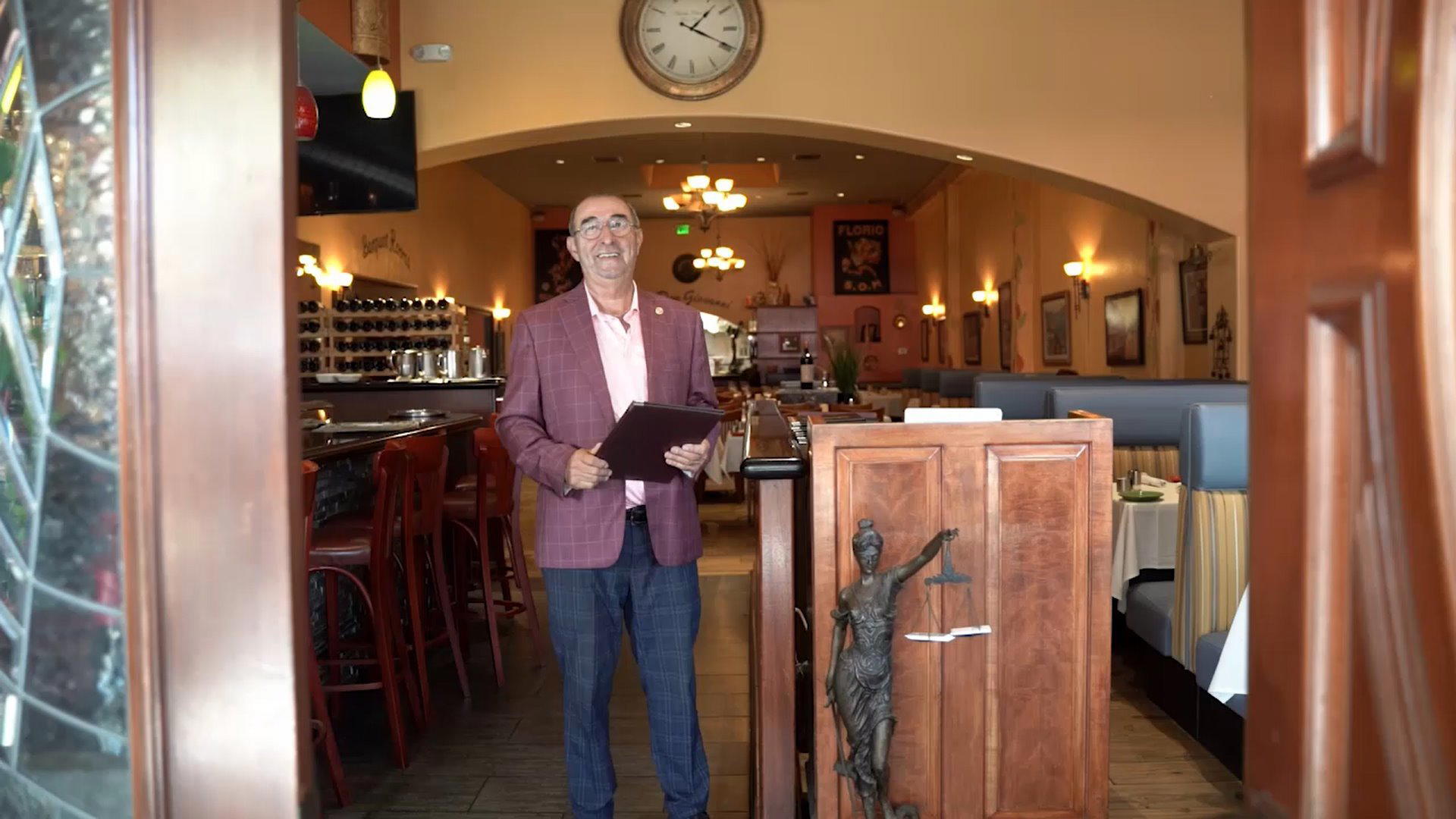
Don Giovanni occupies a prominent position on Castro Street, Mountain View's central dining corridor, where Italian-American restaurants compete for the loyalty of a well-travelled, tech-industry crowd. The restaurant represents a particular tier of Silicon Valley neighbourhood dining: established, generous in portion and atmosphere, and grounded in a style of Italian cooking that prioritises familiarity over experimentation. It sits within walking distance of the Caltrain station, making it a practical anchor for both weeknight regulars and visiting diners.

Pearl is the En Primeur Club membership app, where members save venues, book tables and use the concierge.
The menu
What to order
- Polpette Della Mamma
- Linguine Mediterranea
- Chicken Marsala
Castro Street and the Italian Restaurant as Neighbourhood Institution
Mountain View's Castro Street dining strip functions differently from San Francisco's destination-restaurant corridors or the tasting-menu blocks of Palo Alto. The street draws a mixed crowd: Caltrain commuters, Google and LinkedIn employees, families from the surrounding residential grid, and the occasional out-of-towner who has wandered from a nearby conference hotel. The restaurants that survive here across multiple decades tend to do so not by chasing trends but by providing a reliable, recognisable experience at a volume that suits the neighbourhood's rhythm. Don Giovanni, at 235 Castro Street, is a product of that dynamic rather than an exception to it.
Italian-American restaurants occupy a specific and durable niche in Silicon Valley's dining culture. They sit between the fast-casual options that dominate lunch and the price-forward tasting menus that have found a foothold in the region as local wealth has accumulated. Venues like Chez TJ have staked out the formal end of Mountain View's dining spectrum, while Agave Mexican Bistro, Cascal, and Chaat Bhavan Mountain View represent the more casual, ethnically diverse middle tier. Don Giovanni operates in its own lane: the kind of Italian restaurant where the menu reads confidently, the room holds a crowd without feeling institutional, and the expectation of comfort food cooked to a consistent standard is the actual offer.
What Castro Street Asks of Its Restaurants
The geography of Don Giovanni matters more than is usually noted. Castro Street is genuinely walkable from Mountain View's Caltrain station, which places the restaurant within easy reach from San Francisco and San Jose without requiring a car. For a city that developed its dining identity alongside the tech campuses to its south and east, the ability to draw diners arriving by train rather than from a company shuttle has given Castro Street restaurants a more varied weeknight clientele than comparable suburban strips in the peninsula region.
The street also has enough density of options that any restaurant must justify its continued presence against active alternatives. Cloud Bistro represents the newer, more globally inflected end of the Castro Street offer. Against that backdrop, an Italian restaurant's proposition is built on familiarity: the expectation that the carpaccio, the pasta, and the wood-fired preparations will be executed with some care and arrive in a room that feels designed for lingering rather than throughput.
The Italian-American Format in a Bay Area Context
Italian cooking in the Bay Area has followed a different trajectory from the coasts. San Francisco's Italian-American heritage, rooted in North Beach and the fishing community of the early twentieth century, produced a restaurant culture that treats red sauce and strong antipasti as points of civic pride rather than nostalgic compromise. The South Bay imported that tradition but filtered it through a different demographic, one less sentimentally attached to specific regional markers and more focused on the practical virtues of a well-run dining room: generous portions, approachable wine lists, and the kind of pasta that works equally well as a solo weeknight dinner or a table of eight celebrating a birthday.
The contrast with the tasting-menu model is worth making explicit. A diner who wants the formal, multi-course articulation of Northern California's agricultural abundance can drive to The French Laundry in Napa or, for a more contemporary Bay Area register, book Lazy Bear in San Francisco. For farm-driven ingredient precision at the highest level, Single Thread Farm in Healdsburg sets that benchmark in the region. Don Giovanni is not competing in that space. It is competing for the diner who wants a well-made Italian dinner in a neighbourhood room on a Tuesday, and that is a different and legitimate contest.
Placing Don Giovanni in the Wider Italian Restaurant Conversation
Nationally, Italian-American restaurants at the neighbourhood level are undergoing a reappraisal. The genre that was dismissed for decades as dated has found renewed attention as critics and diners alike have reassessed what the format actually delivers: a cooking tradition with genuine regional depth, a format that accommodates groups and solo diners equally, and a price architecture that sits below the tasting-menu tier without collapsing into the speed of fast casual. Restaurants like Emeril's in New Orleans have long argued that American cooking with strong European roots can anchor a serious dining room. The principle applies to Italian-American as readily as it does to any other tradition.
The more technically ambitious end of the Italian dining spectrum in the United States, represented by venues with Michelin recognition or James Beard attention, operates at a different register entirely. Diners seeking that level of formal rigour in Italian cooking will look beyond the neighbourhood restaurant category.
Planning a Visit
Don Giovanni's Castro Street address means it is most accessible from the Mountain View Caltrain station on foot, a practical advantage for anyone combining dinner with a commute from the city or a trip down from San Francisco. The street has metered parking and a modest lot structure, which serves the car-dependent contingent of the peninsula well enough on weekday evenings, though weekend dinner hours on Castro Street tend to compress parking availability. For those comparing the Mountain View Italian option against the broader dining map, our full Mountain View restaurants guide maps the complete picture across cuisine types and price points.
Reservation practice at neighbourhood Italian restaurants of this type varies considerably depending on the night. Weekend evenings on Castro Street consistently run at high occupancy across the strip, which suggests that walk-in availability is tighter on Friday and Saturday than the relaxed room atmosphere might imply. Weekday visits typically offer more flexibility, and the Caltrain connection makes a weeknight dinner practical for diners commuting from San Francisco or San Jose.
Frequently asked questions
Where is Don Giovanni located?
Don Giovanni is located at 235 Castro St, Mountain View, CA 94041, Mountain View.
Is Don Giovanni in Mountain View good for a weeknight dinner near the Caltrain station?
Don Giovanni's address at 235 Castro St places it within walking distance of Mountain View's Caltrain station, making it one of the more accessible dinner options on the corridor for commuters coming off the Peninsula line. Castro Street is a genuinely walkable strip, which gives the restaurant a practical advantage over destinations that require a car. For current hours and availability, reaching out to the venue directly is the reliable step.
What's the best thing to order at Don Giovanni?
Italian-American neighbourhood restaurants in this part of the Bay Area typically anchor their menus around house-made pasta and wood-fired preparations, the kind of format that drives repeat visits on a strip like Castro Street. Check directly with the restaurant for current offerings before your visit.
Do I need a reservation for Don Giovanni?
Castro Street restaurants that draw both local regulars and Caltrain commuters tend to fill early on weekday evenings, so contacting the restaurant in advance is the practical approach rather than walking in without a plan.
What's the defining dish or idea at Don Giovanni?
Without a confirmed menu on record, pinning a single defining dish would be speculation. What the address does define is the role: Don Giovanni sits on Mountain View's primary dining corridor, operating as the kind of Italian restaurant that a neighbourhood returns to across years rather than occasions. That consistency of purpose, on a street shaped by Caltrain foot traffic and Silicon Valley regulars, is the clearest through-line.
The Minimal Set
| Venue | Cuisine | Price | Awards |
|---|---|---|---|
| Don GiovanniThis venue (the venue you are viewing) | Authentic Italian | $30–50 | Not listed |
| Doppio Zero | Authentic Neapolitan Pizza & Southern Italian | $30–50 | Not listed |
| Chez TJ | Contemporary French Fine Dining | $200–300 | Michelin Plate · Star Wine List |
| Agave Mexican Bistro | Authentic Mexican Bistro | $20–30 | Not listed |
| Chaat Bhavan Mountain View | Authentic Indian Vegetarian | $10–20 | Not listed |
| Cloud Bistro | American Bistro | $10–20 | Not listed |
Continue exploring
More in Mountain View
Restaurants in Mountain View
All restaurants in Mountain View →
Bars in Mountain View
Browse all →
Details
- Warm
- Date Night
- Family
- Special Occasion
- Group Dining
- Private Dining
- Extensive Wine List
- A La Carte
- Vegetarian Friendly
Current opening hours
- Monday
- 5–9 PM
- Tuesday
- 5–9 PM
- Wednesday
- 5–9 PM
- Thursday
- 5–9 PM
- Friday
- 11:30 AM–2 PM, 5–9 PM
- Saturday
- 11:30 AM–9 PM
- Sunday
- 11:30 AM–9 PM
Hours can change for holidays and private events. Last verified .
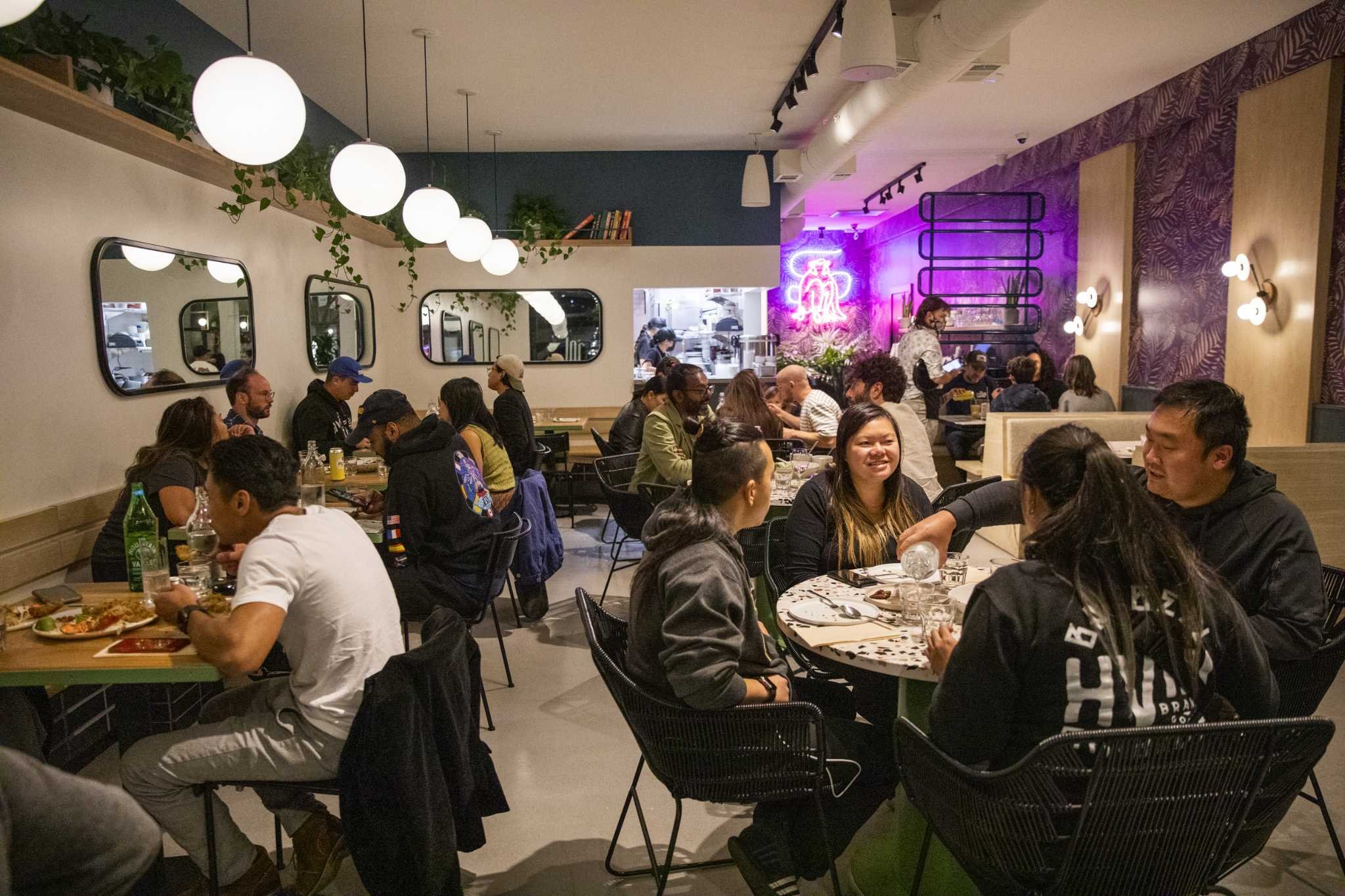
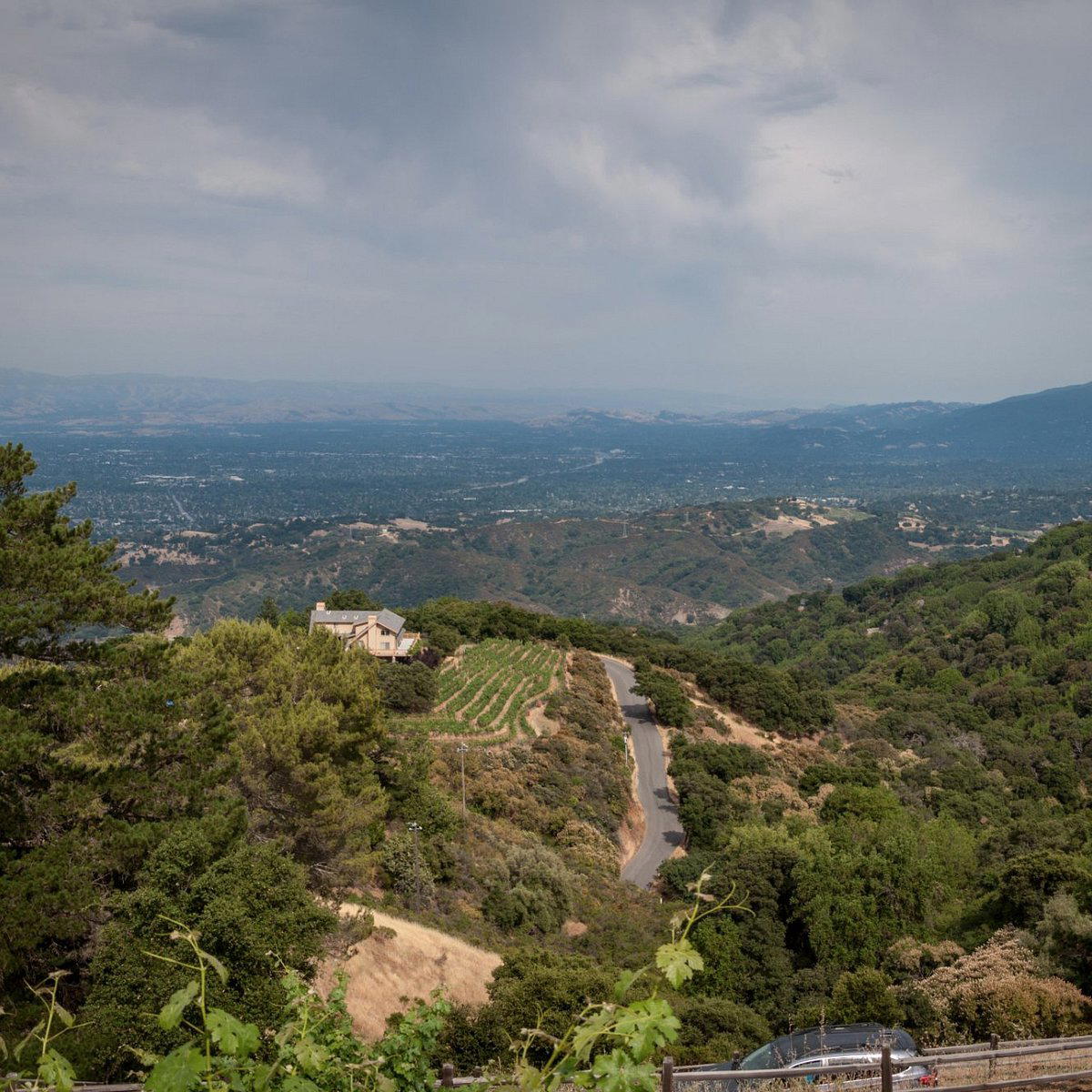
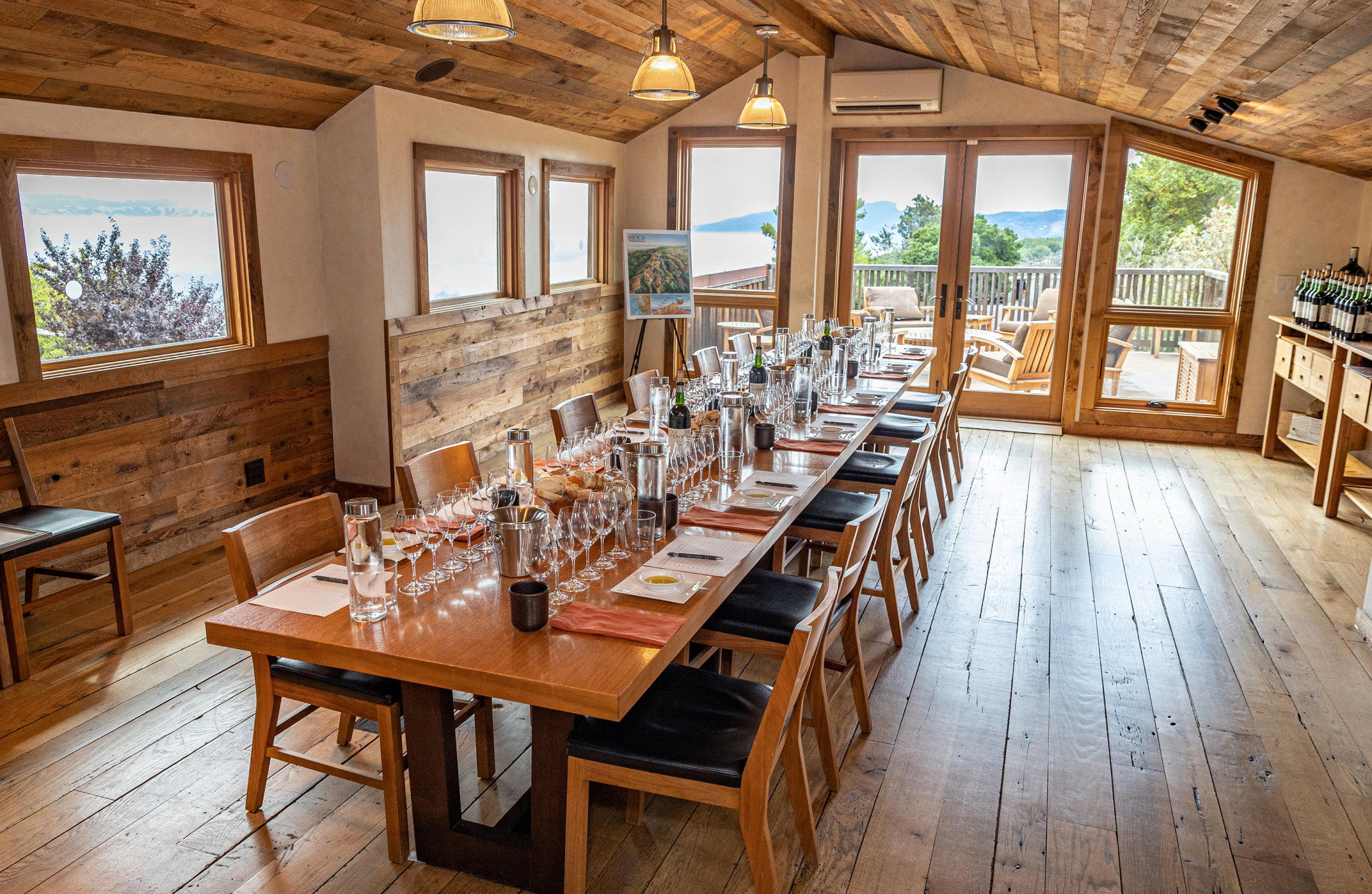
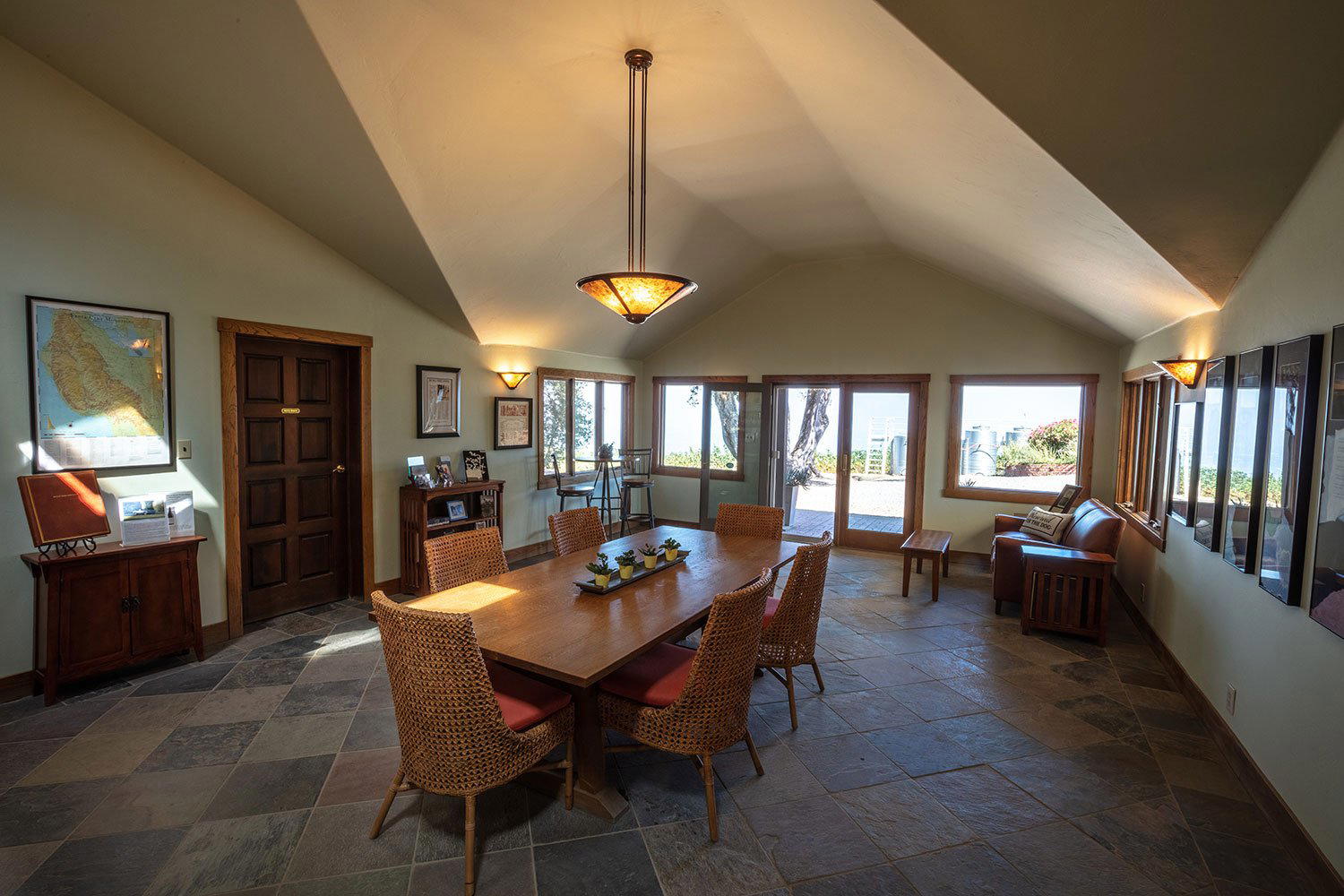
Warm and inviting atmosphere complemented by Italian decor.