Casa Piada
Casa Piada brings New York’s Italian casual-dining conversation back to dough rather than red sauce. Its focus on piada, the flatbread associated with Emilia-Romagna, gives Greenwich Village a compact counterpoint to the city’s pasta-heavy Italian habits: quick, regional, and built around the structure of bread as much as filling.
Pearl is the En Primeur Club membership app — saves, bookings, and concierge access live there. Same editors, same standards.
- Address
- 55 Greenwich Ave, New York, NY 10014
- Phone
- (516) 673-6385
- Website
- casapiada.com
- Directions
- Get directions
 Saves & bookings on Pearl
Greenwich Village is rarely quiet, but its Italian food culture narrows street noise into espresso in the morning, cut sandwiches at lunch, pasta rooms at dinner, and the New York habit of turning regional Italian formats into all-day urban fuel. Casa Piada belongs to that last category. This is not another trattoria template, but a smaller strand of Italian cooking: the piada, a flatbread tradition from Emilia-Romagna closer to hand-worked dough culture than the city’s familiar red-sauce shorthand.
That distinction matters in New York, where Italian restaurants are often sorted by pasta credentials: extruded shapes, filled pastas, ragù work, and how clearly the kitchen signals regional discipline. Piada shifts the question. Instead of how sauce clings to a noodle, the format asks how bread carries heat, fat, greens, cheese, and cured or cooked fillings without becoming a generic wrap. It is narrow, but narrow categories help in a city with enough broad Italian menus to blur together.
Italian dough culture without the pasta-room ceremony
Italian cooking in New York tends to orbit pasta, and for good reason: the city has long rewarded restaurants that turn flour, egg, water, and sauce into regional language. Casa Piada works from a neighboring grammar. Piada is not pasta, but it belongs to the same Italian argument about dough, timing, texture, and restraint. The pleasure depends less on luxury ingredients than proportion: bread thin enough to fold, sturdy enough to hold, and neutral enough to let the filling work.
For readers who judge Italian restaurants by handmade pasta, this is the pivot. A piada house offers a quicker, street-level expression of the same culinary culture. Emilia-Romagna may be associated internationally with tagliatelle, tortellini, Parmigiano Reggiano, and cured pork, but piadina has its own regional role: practical, portable, and built for repeated eating rather than special-occasion ceremony. In New York terms, Casa Piada sits closer to the city’s serious sandwich and lunch-counter traditions than the tasting-menu end of Italian dining.
The format also resists a familiar weakness in casual Italian concepts: overloading. A flatbread loses its point when it becomes a heavy container for excess. The better version is edited, with filling, fat, acidity, and greens balanced. The restaurant’s appeal rests on that category promise, not chef mythology or an awards trail. It is best read within New York’s appetite for specific regional formats, where one Italian idea can carry a meal without pretending to be a full trattoria.
Greenwich Village favors formats that work all day
Greenwich Village suits this Italian casualness because it rewards food that moves across the day. The area has residents, office spillover, NYU foot traffic, theater-adjacent movement, and visitors who want something sharper than a slice but less formal than a reservation dinner. Piada fits that rhythm, behaving as breakfast, lunch, early dinner, or a late-evening stop depending on the menu.
City context matters. New York does not need another vague Italian address; it needs formats defined enough to survive neighborhood churn. A piada-focused room clearly explains why it exists. It gives the Village an Italian dough-and-filling option faster than a pasta course, more regionally legible than a standard wrap, and less dependent on full-service ritual.
The comparison is with broader categories New Yorkers already understand, not named peers. Sandwich shops win on speed and habit. Pasta rooms win on comfort and craft. Roman-style slice counters win on texture and repeatability. Piada occupies the space between them: folded bread as organizing principle, Italian ingredients as vocabulary, and a meal structure that skips the full cadence of antipasto, pasta, secondo, and dessert.
For broader context, Our full New York City restaurants guide maps the larger dining field, while Our full New York City bars guide, Our full New York City hotels guide, Our full New York City wineries guide, and Our full New York City experiences guide help place a Village meal within a larger city itinerary. Nearby dining research may also point readers toward different formats across the city, including & Sons Ham Bar, 'inoteca, 1 or 8 (Sushi - Japanese), 12 Chairs (Israeli), and 15 East (Sushi - Japanese).
How to read Casa Piada before ordering
Approach the restaurant as a dough-format decision, not a substitute for a pasta dinner. If the craving is for long-form Italian cooking, this is another lane. If it is for the Italian logic of bread, filling, salt, dairy, greens, and speed, the format makes sense. That distinction keeps expectations clean and avoids the New York mistake of asking every Italian address to perform the same role.
The editorial value is specificity. A city with endless Italian signifiers can feel repetitive when menus lean on the same comfort cues. Piada narrows the frame, giving the meal clear structure and making the restaurant easier to place: not a pasta specialist, not a formal trattoria, not a sandwich shop in Italian costume, but a regional flatbread format adapted to Village tempo.
Travelers building wider food itineraries can use the same logic in other cities. Format-led casual dining is not confined to New York; it appears wherever a single culinary object is disciplined enough to carry a concept. EP Club’s wider restaurant coverage includes focused formats from Jōdo Saké Bar in Los Angeles and Onigiri Time in Pasadena to ¿Por Qué No? in Portland, 'Ai Love Nalo in Waimanalo Beach, 'āina in San Francisco, 'Ama 'Ama in Kapolei, -Grilled beef Sukiyaki- KAMAKURA TANUKIAN 鎌倉 たぬき庵 in Kamakura, and ¡Salud! in Los Angeles. The common thread is not cuisine, but clarity of format.
The restaurant’s strongest case is that it gives Greenwich Village a more precise Italian casual option than the neighborhood’s default categories. The value is in restraint: flatbread first, filling second, ceremony kept low. In a city where Italian dining can be inflated by nostalgia or status signals, that modesty is the point.
Comparable Venues Nearby
Comparable venues nearby, for context on price, style, and recognition.
| Venue | Cuisine | Price | Notes |
|---|---|---|---|
| Casa PiadaThis venue — the venue you are viewing | 90s Italian Riviera café & piadina bar | $ | Not listed |
| Wild | Gluten-Free Italian Pizza & Pasta | $$ | West Village |
| Salumeria Biellese | Traditional Italian Deli | $$ | Chelsea-Hudson Yards |
| Cacio e Pepe | Authentic Roman Italian Pasta | $$ | East Village |
| Lil' Frankie's | Neapolitan Pizza and Pasta | $$ | East Village |
| Gennaro | Authentic Southern Italian Trattoria | $$ | Upper West Side (Central) |
Continue exploring
More in New York City
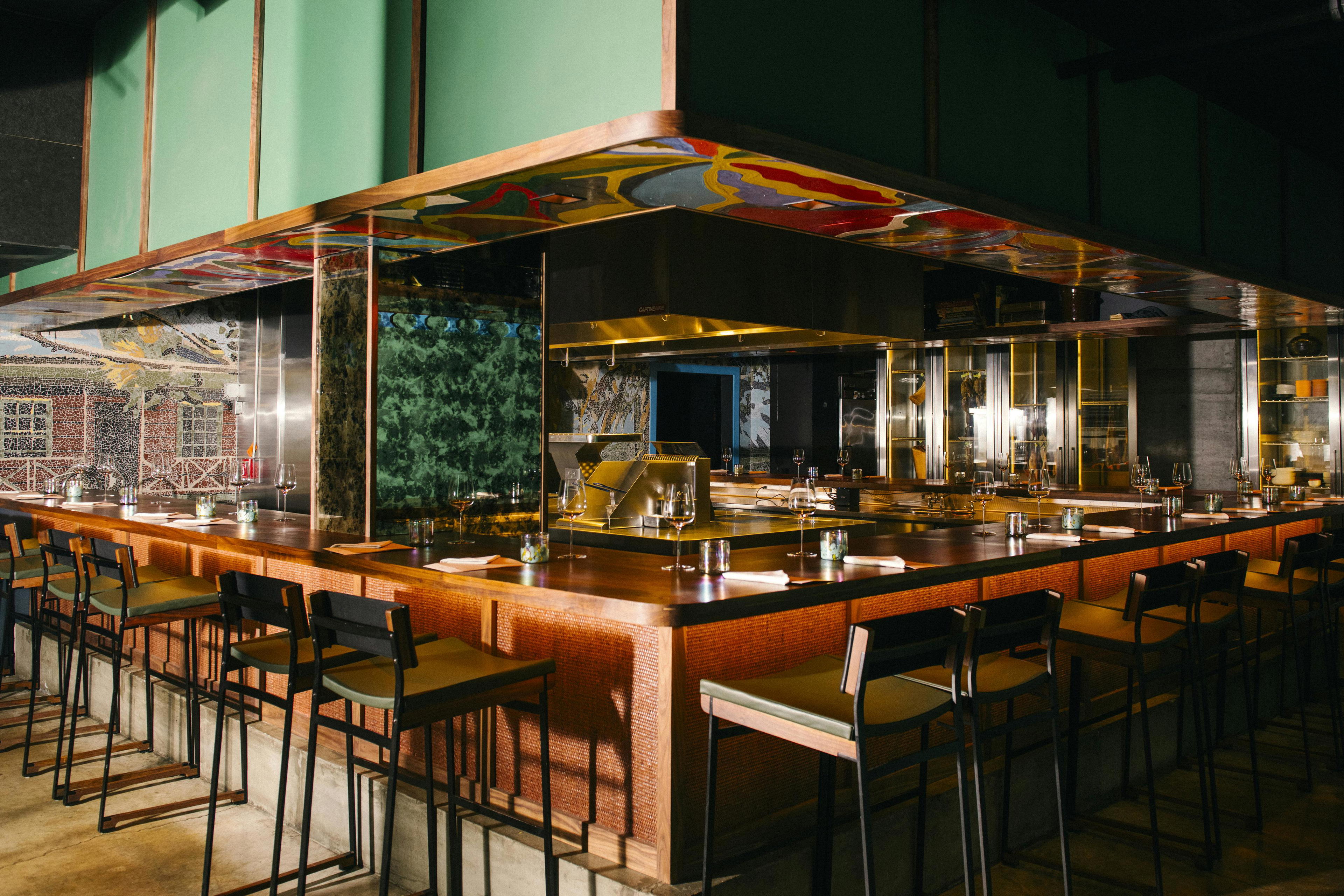
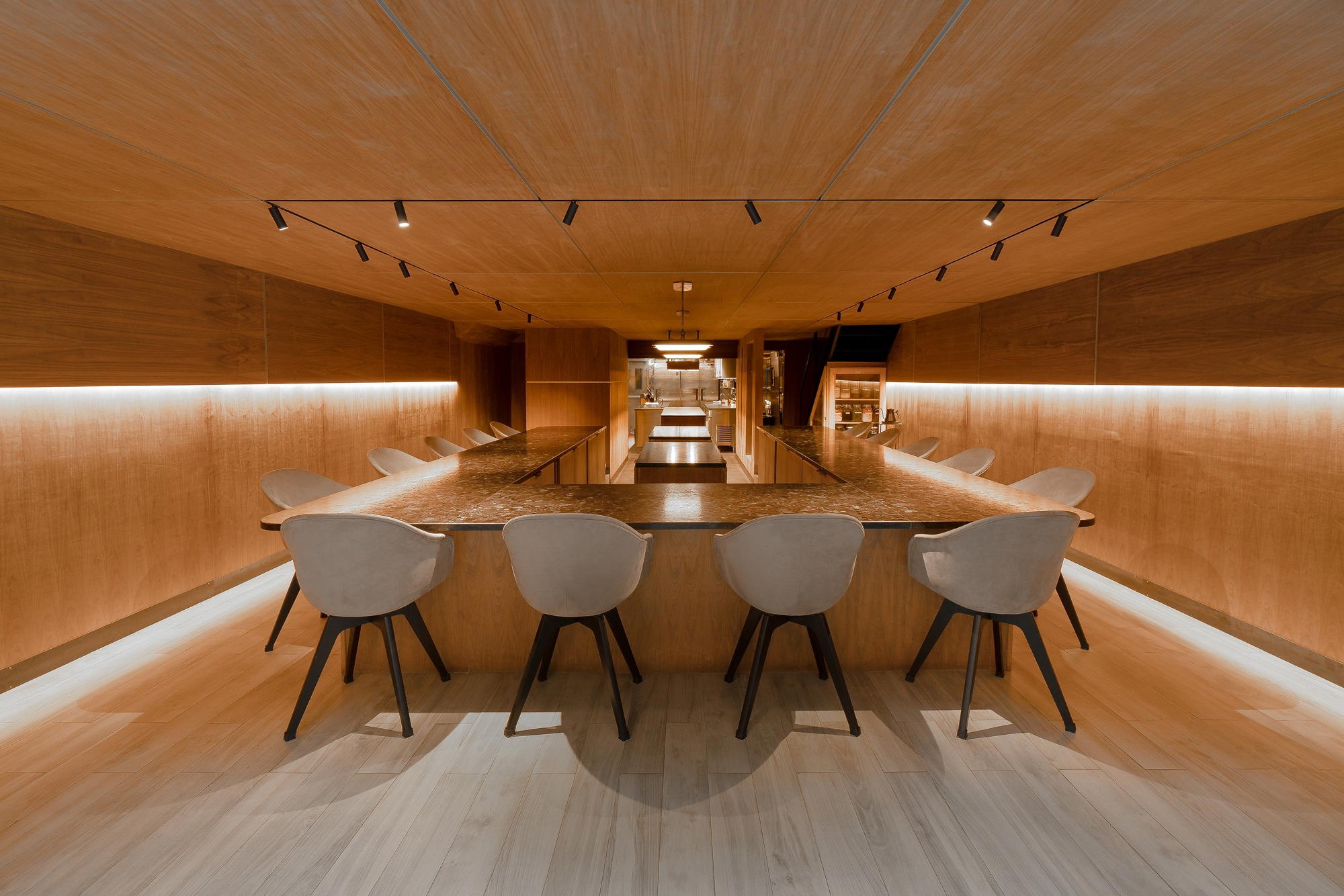
Restaurants in New York City
Browse all →
Bars in New York City
Browse all →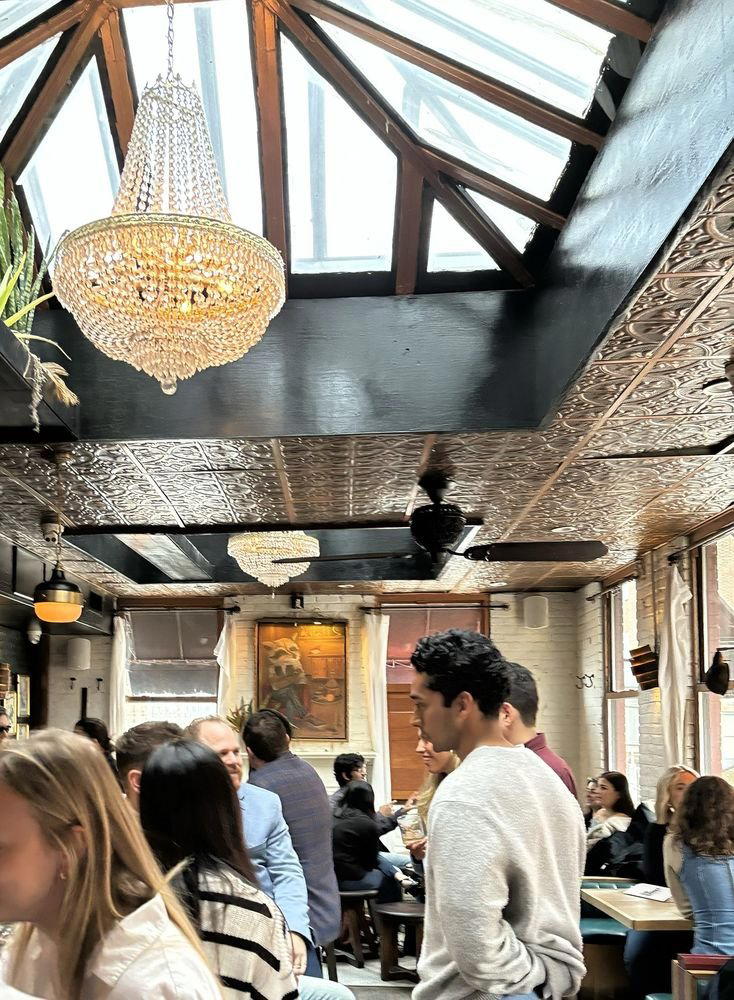
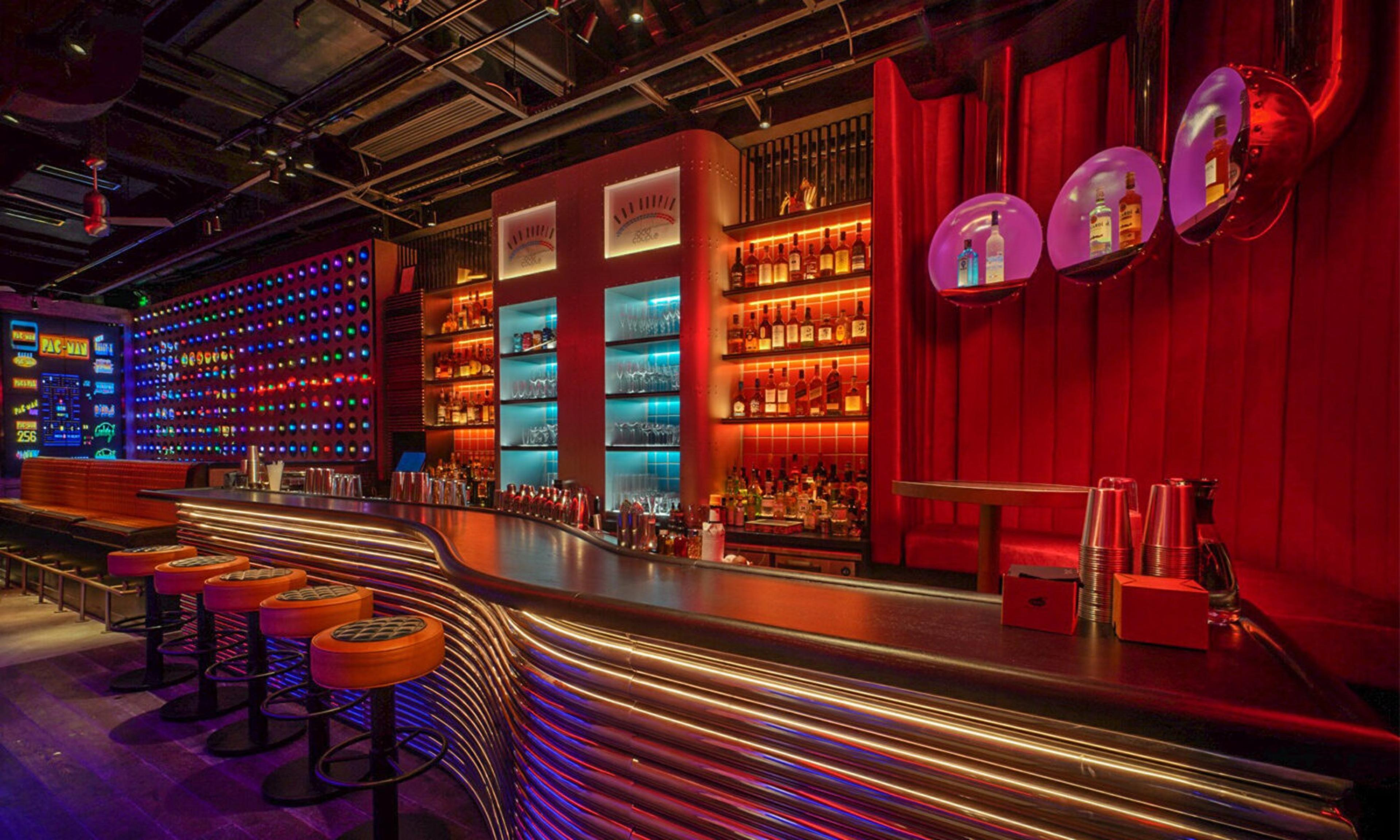
Hotels in New York City
Browse all →




At a Glance
- Trendy
- Lively
- Cozy
- Rustic
- Bohemian
- Casual Hangout
- After Work
- Solo
- Late Night
- Standalone
- Design Destination
- Beer Program
- Local Sourcing
- Street Scene
Current opening hours
- Monday
- 8 AM–8 PM
- Tuesday
- 8 AM–8 PM
- Wednesday
- 8 AM–8 PM
- Thursday
- 8 AM–10 PM
- Friday
- 8 AM–10 PM
- Saturday
- 9 AM–8 PM
- Sunday
- 9 AM–9 PM
Hours can change for holidays and private events. Last verified .
A small, counter-service Italian café with a laid-back 1990s Italian Riviera theme, combining casual sandwich-shop energy with the feel of an affordable neighborhood bar; expect lively, social vibes, Italo-disco and spritz culture rather than quiet café studiousness.