
Casa Ojeda belongs to Burgos’s old Castilian dining grammar: product-led cooking, formal room culture, and a preference for provenance over theatre. Its 1 Sol recognition in the Guía Repsol 2026 places it in the city’s serious traditional bracket, a useful counterweight to the modern tasting-menu energy elsewhere in Burgos.
Pearl is the En Primeur Club membership app — saves, bookings, and concierge access live there. Same editors, same standards.
- Address
- C. Vitoria, 5, 09004 Burgos, Spain
- Directions
- Get directions
 Saves & bookings on Pearl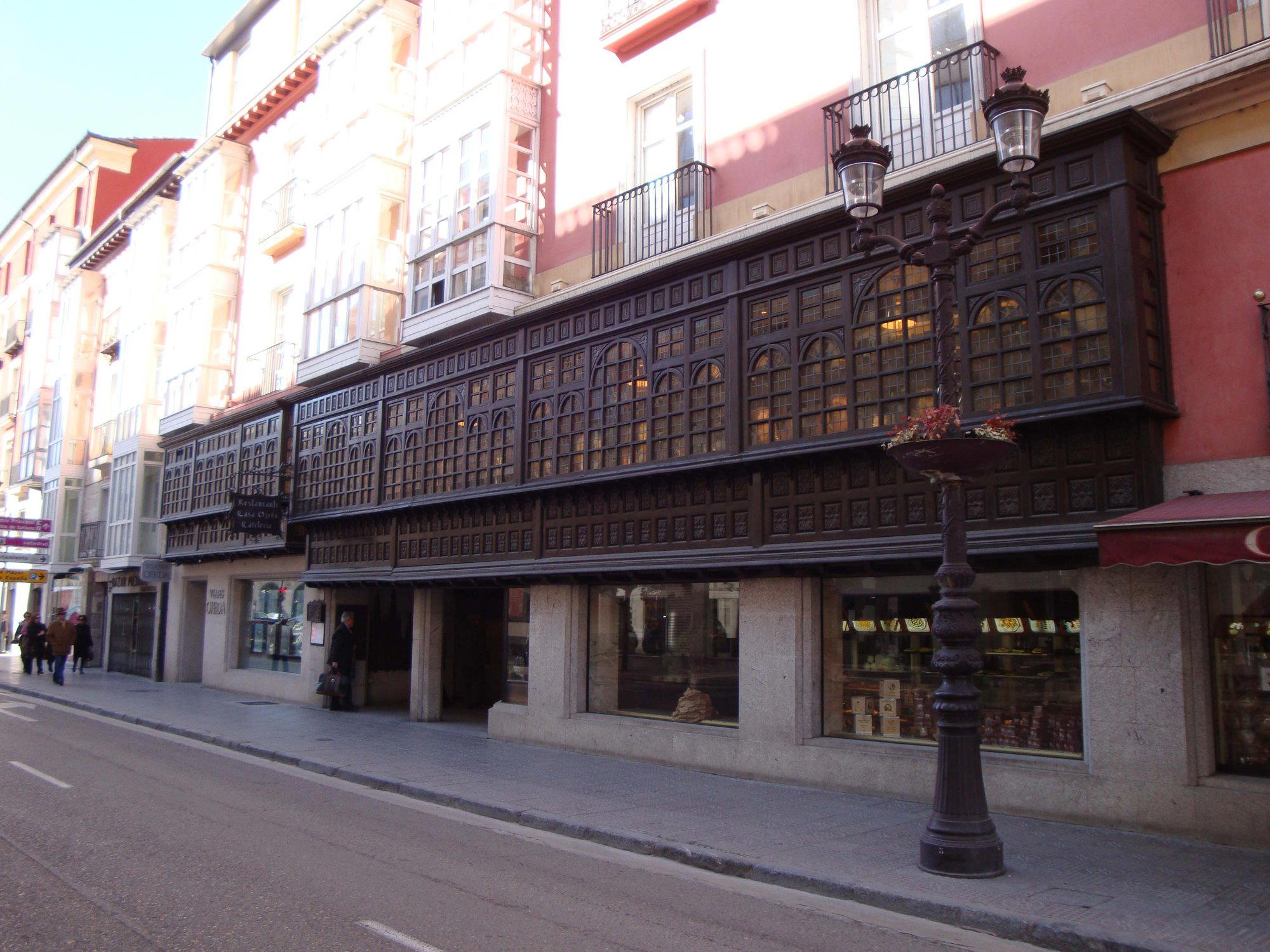
Approaching the centre of Burgos, the dining mood changes quickly from cathedral-city sightseeing to the heavier rhythm of Castilian lunch. Rooms here are judged less by novelty than by how confidently they handle the region’s pantry: lamb, pulses, river fish, cured meats, seasonal vegetables, and the kind of service that assumes the table has time. Casa Ojeda sits inside that tradition, not as a museum piece, but as evidence that Burgos still rewards restaurants built around sourcing, roast craft, and dining-room continuity.
The useful way to read Burgos is as a city with two parallel appetites. One looks outward, toward contemporary formats and tasting-menu architecture, visible at Cobo Evolución (Modern Cuisine) and the more contemporary register of La Fábrica (Contemporary). The other looks inward, toward Castilian technique and ingredient memory, closer to Cobo Tradición (Traditional Cuisine). Casa Ojeda is more legible in the second camp, where the question is not how far a kitchen can move from the canon, but how much authority it can show within it.
Castilian sourcing is the point, not the backdrop
In Burgos, ingredients carry geography. Castilla y León’s food culture is shaped by high plains, cold winters, pastoral economies, and a long habit of cooking for appetite rather than display. That produces a restaurant language where provenance matters before plating: the breed and handling of lamb, the quality of beans, the timing of vegetables, the relationship between roasting and resting. At this level, a traditional house is judged by restraint. Too much embellishment reads as insecurity.
That is why Casa Ojeda’s relevance is not just nostalgia. The restaurant’s 1 Sol in the Guía Repsol 2026 gives it a current national signal within Spain’s dining guide system, but the more interesting point is what that recognition validates: a strand of Burgos cooking that competes on product discipline rather than conceptual novelty. In a market increasingly fluent in modern Spanish cuisine, a traditional kitchen has to prove that familiar dishes can still justify attention. The award helps separate continuity from complacency.
This is also where Burgos differs from larger Spanish dining cities. Madrid can absorb almost every format at once, from sharply defined counters to regional specialists such as "B de J" in Madrid. Barcelona can fold seafront scale and group dining into restaurants like 1881 per Sagardi in Barcelona. Burgos has a tighter culinary conversation. A serious traditional restaurant here has fewer places to hide, because local expectation is specific and unforgiving.
Where old-room formality still has a job
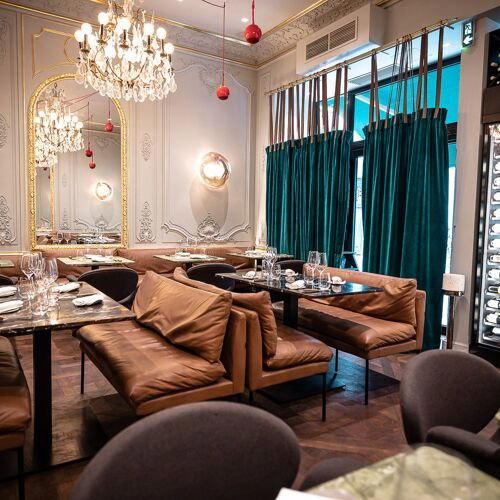
Traditional dining rooms in provincial Spain often get misread by travellers as conservative by default. In Burgos, formality can be functional. It supports slower meals, larger cuts, shared dishes, and service patterns built around rhythm rather than speed. That matters for food rooted in roasting, stewing, carving, and product timing. A room with ceremony is not automatically stiff; it can be the architecture that lets the cuisine make sense.
The restaurant fits that older grammar: a city-centre restaurant whose appeal is tied to the way Burgos eats at lunch and dinner rather than to a single chef narrative. The absence of a public-facing chef story is not a weakness in this category. Many traditional Spanish houses are institution-led rather than personality-led, with trust built through repetition, recognition, and the kitchen’s handling of regional staples. For travellers used to chef-driven dining, that shift in emphasis is useful. The protagonist is the table, not the biography.
Compared with Burgos’s modern addresses, the decision is direct in practical terms even if the experience is more nuanced. Choose Cobo Evolución when the brief is modern technique and a higher-concept meal. Look toward Cobo Tradición for a defined traditional format at a different price tier. Consider La Fábrica when contemporary cooking is the draw. The restaurant makes sense when the priority is Burgos through its established Castilian dining code, backed by current Repsol recognition.
The city’s casual and international options fill another lane entirely. Benito Kebab and Boccaccio 70 speak to everyday urban appetite rather than regional restaurant tradition. That contrast helps define the choice: the restaurant is not the answer for a quick bite between stops, but for a meal where the point is to understand why Burgos’s food identity remains anchored in Castilian product and room culture.
How to place it in a Burgos itinerary
Burgos rewards visitors who plan meals around pace. The city’s historic core, cathedral circuit, and cold-weather appetite make a substantial Castilian meal feel more natural at midday than as an afterthought late in the evening. The restaurant’s central position suits that pattern: it can work as the main restaurant booking around which the rest of the day is kept lighter, especially for travellers comparing traditional Burgos with the city’s modern kitchens.
For a broader read on the city, use our full Burgos restaurants guide alongside our full Burgos hotels guide and our full Burgos bars guide. The surrounding region also matters: Ribera del Duero and northern Castilian wine culture shape how many visitors think about dining here, so our full Burgos wineries guide and our full Burgos experiences guide give useful context beyond the table.
Spain’s regional restaurant map is full of contrasts that sharpen the point. 12 Tapas in Castilleja de la Cuesta reflects Andalusian small-plate culture; 144. in Vitoria-Gasteiz points north toward Basque-country dining rhythms; 1860 Tradición in Elciego ties tradition to Rioja territory; 1742 in Ibiza sits in a different hospitality economy altogether. Even outside Spain, places such as Jōdo Saké Bar in Los Angeles and Onigiri Time in Pasadena show how strongly format shapes expectation. In Burgos, the restaurant’s format is the message: regional sourcing, established service, and a Castilian table that has no need to chase novelty to remain relevant.
Fast Comparison
Comparable venues by cuisine and price in the same metro.
| Venue | Cuisine | Price | Awards | Notes |
|---|---|---|---|---|
| Casa OjedaThis venue — the venue you are viewing | Classical Castilian Spanish | $$$ | Not listed | Not listed |
| La Fábrica | Modern Spanish Mediterranean | $$ | Michelin Plate | San Juan |
| Landa | Traditional Castilian | $$$ | Not listed | outskirts |
| Benito Kebab | Turkish Kebab | $ | Not listed | Burgos |
| Cobo Tradición | Contemporary Castilian & Cantabrian | $$$$ | Michelin Plate | Medieval Heart / Plaza de la Libertad |
| Boccaccio 70 | Italian with Castilian Essence | $$$ | Michelin Plate | :null |
Recognition history
Dated appearances from independent guides and award organizations, with the underlying list record or original source where available.
Guía Repsol 1 Sol
Guía Repsol

At a Glance
- Classic
- Cozy
- Elegant
- Sophisticated
- Well Known
- Business Dinner
- Group Dining
- Celebration
- Special Occasion
- Historic Building
- Standalone
- Beer Program
- Street Scene
Current opening hours
- Monday
- Closed
- Tuesday
- 1:30–4 PM
- Wednesday
- 1:30–4 PM
- Thursday
- 1:30–4 PM, 8:30–11 PM
- Friday
- 1:30–4 PM, 8:30–11 PM
- Saturday
- 1:30–4 PM, 8:30–11 PM
- Sunday
- 1:30–4 PM
Hours can change for holidays and private events. Last verified .
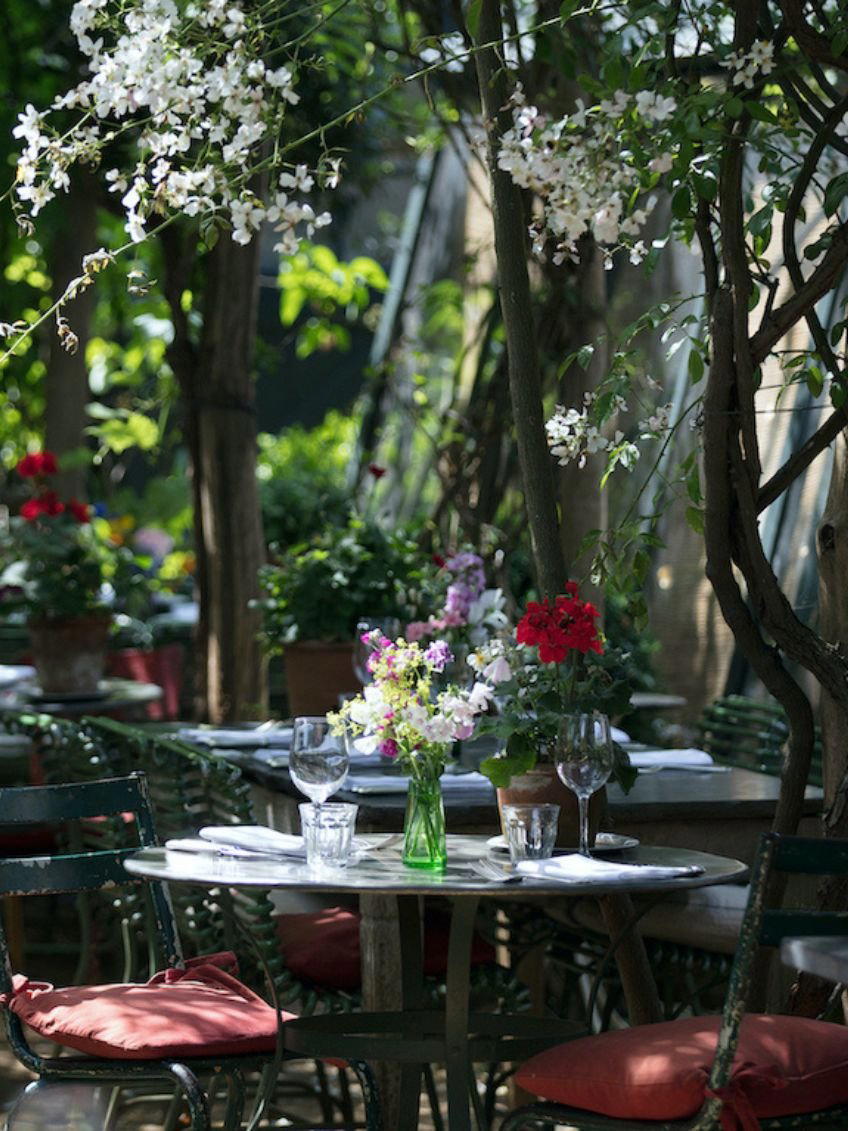
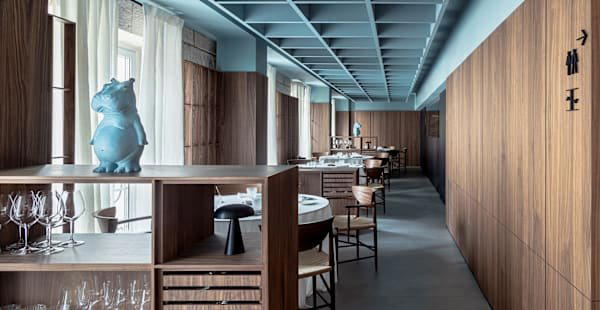
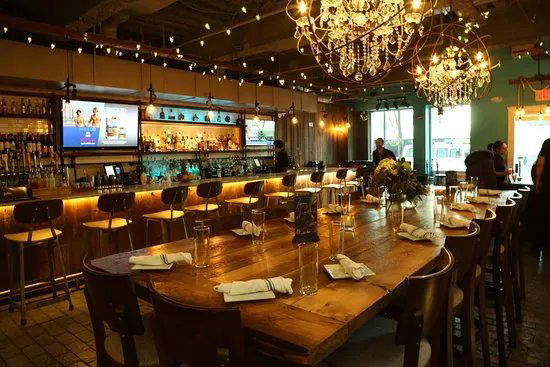
Traditional and polished, with a spacious dining room, classical service, and a warm fireside feel in cooler weather.