
Dominio Basconcillos is a high-altitude Ribera del Duero estate outside Burgos, built around Tempranillo, sustainable viticulture, and a château-style vineyard layout. The appeal is not spectacle but control: estate-grown fruit, limited-production reds, organic bottlings, and a quiet private-tasting format that suits visitors interested in how altitude shapes structure and ripeness.
Pearl is the En Primeur Club membership app — saves, bookings, and concierge access live there. Same editors, same standards.
- Address
- Burgos, Ribera del Duero, Castilla y León, Spanien
 Saves & bookings on Pearl
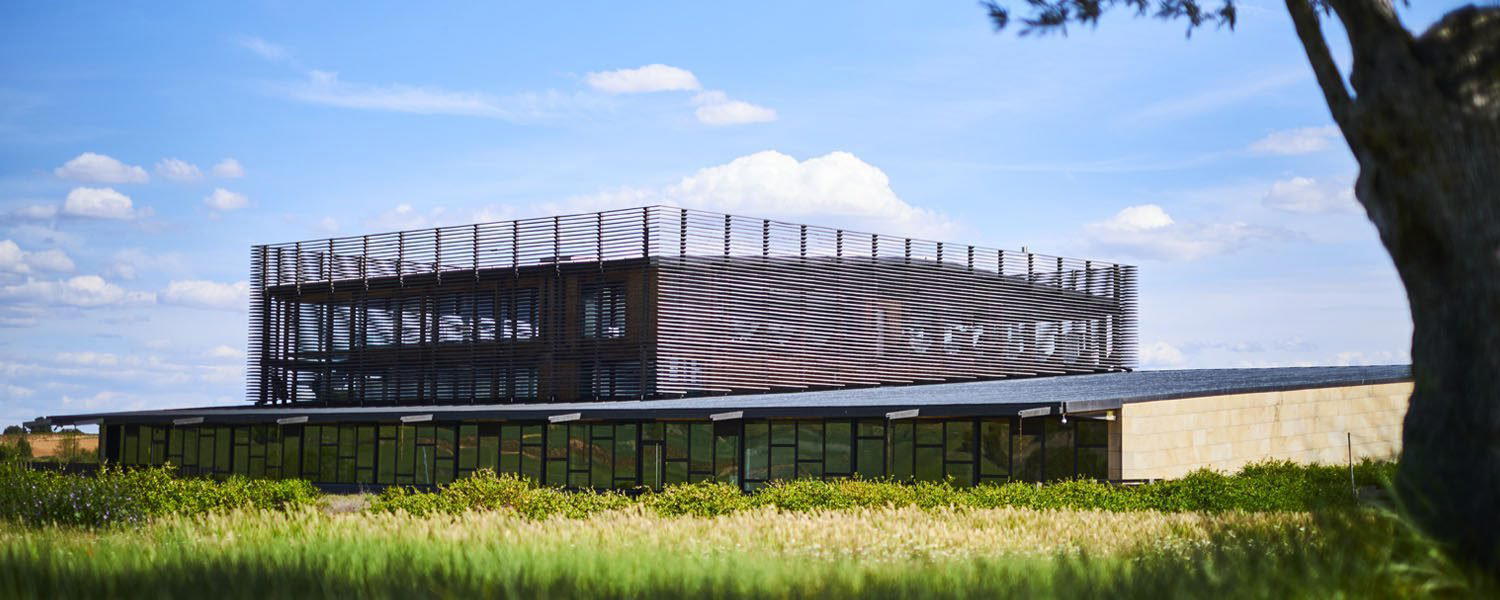
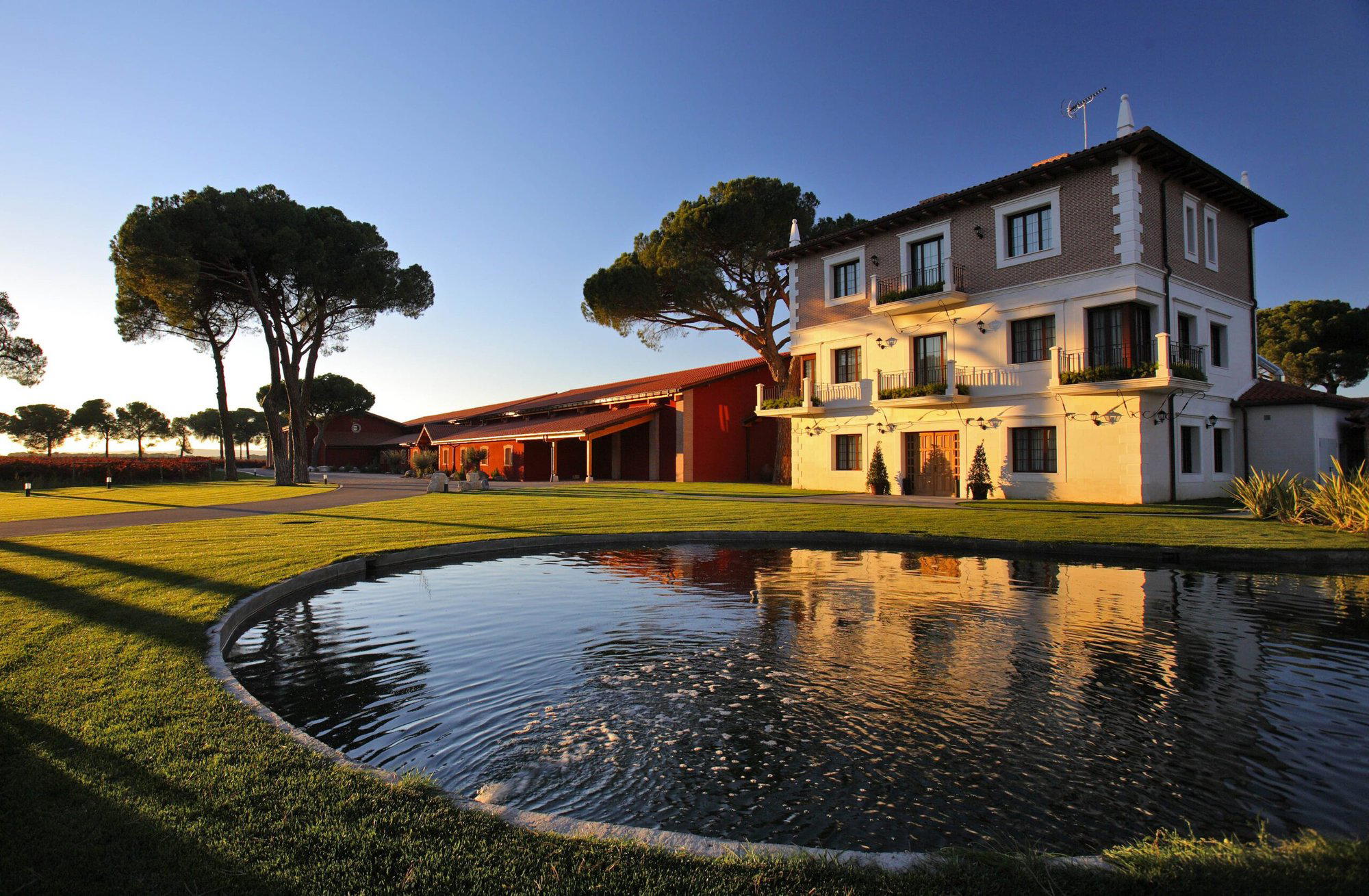
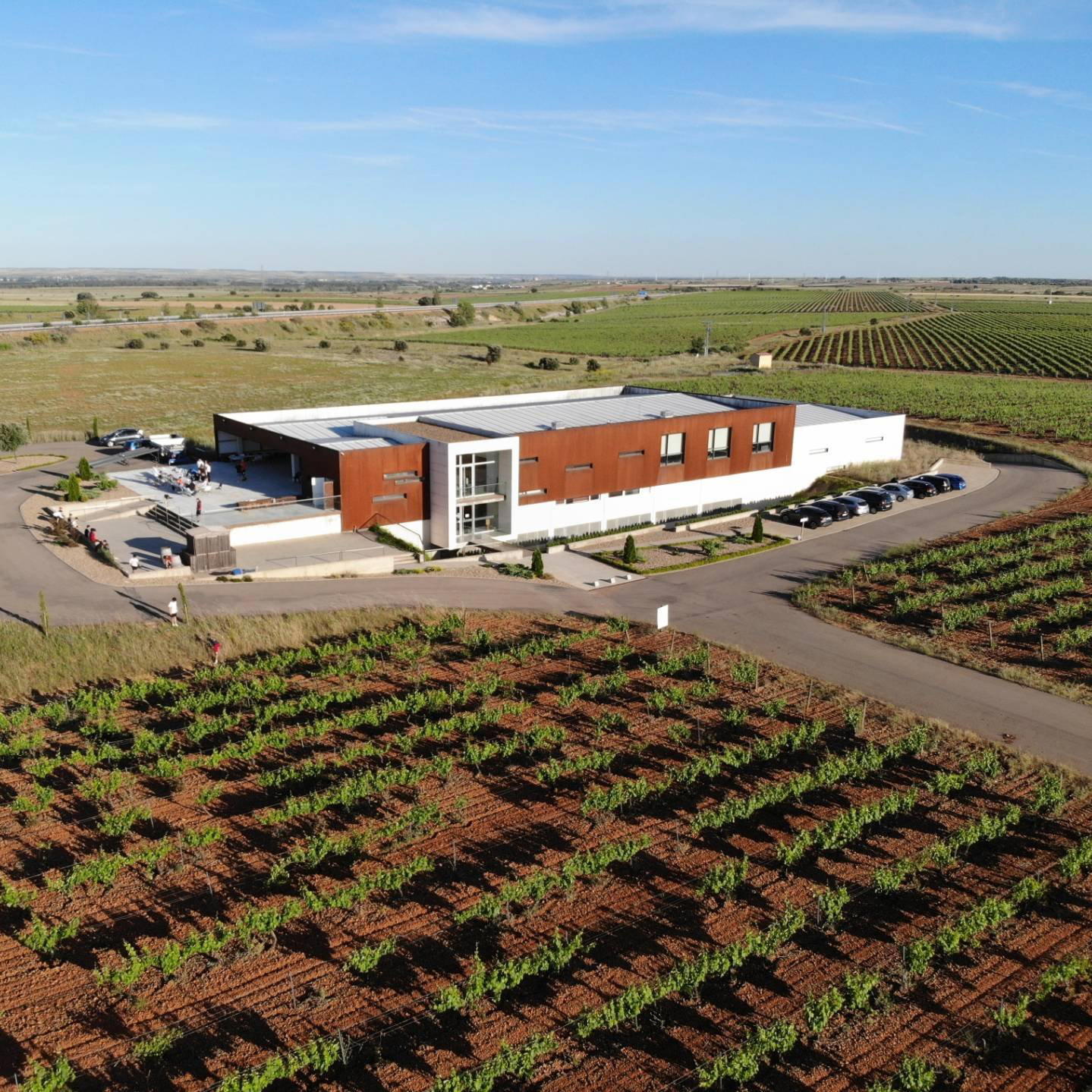
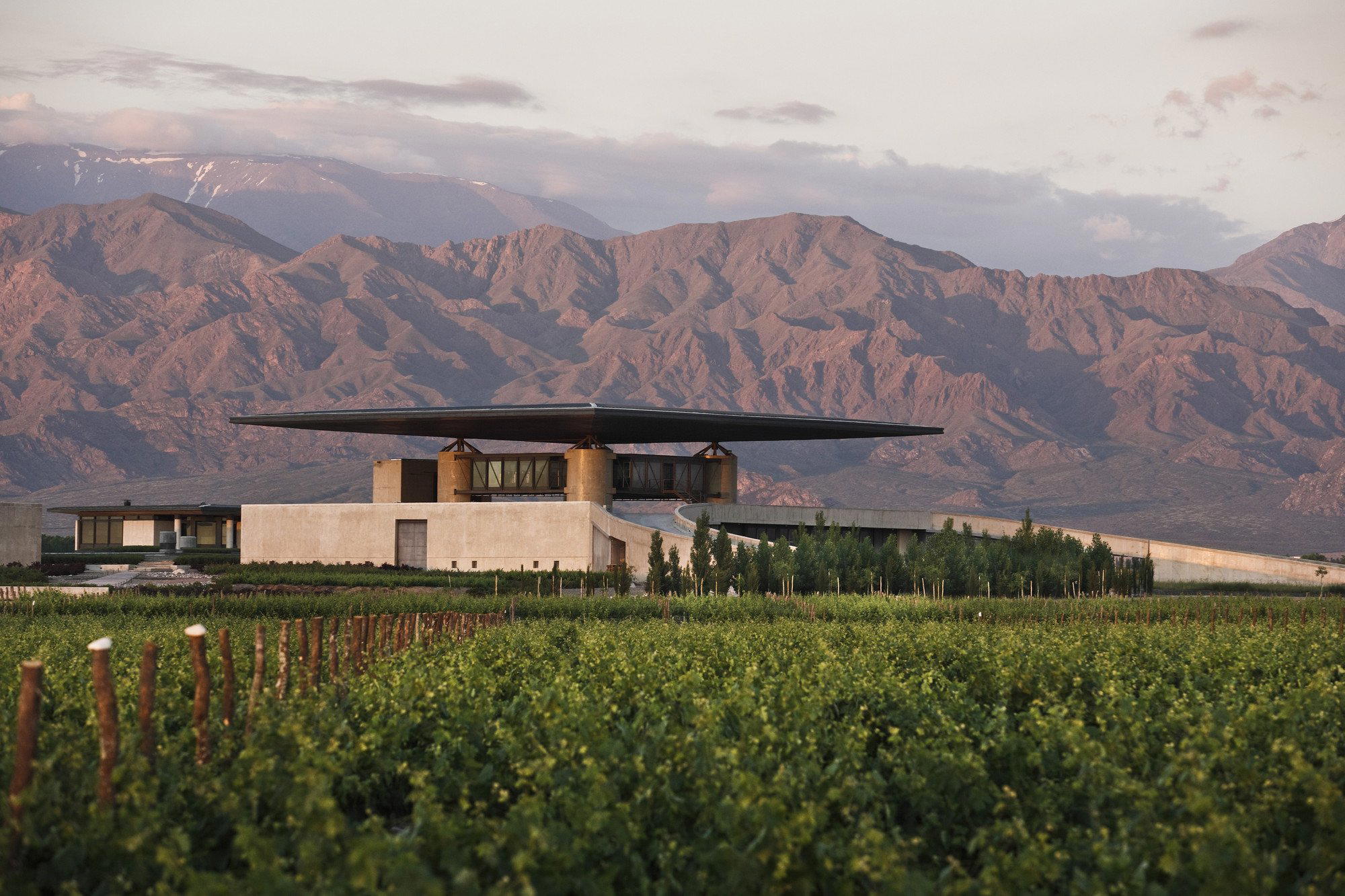
Approaching a high-altitude Ribera del Duero estate, the first signal is usually the geometry: vines pulled close to the winery, dry air, and a landscape built for concentration rather than softness. Dominio Basconcillos belongs to that Castilian register. The estate’s château concept, with vineyards planted around the winery, makes the production story unusually legible: fruit source, cellar work, and tasting context sit within one controlled frame.
Ribera del Duero is often discussed through power, oak, and Tempranillo, but altitude is the sharper lens here. The region’s hot, dry growing season can push ripeness quickly; elevation helps preserve structure and acidity while concentrating fruit. In that context, this Burgos estate occupies a useful niche: boutique in scale, family-owned, and explicitly focused on sustainable high-altitude viticulture rather than volume-led regional branding.
High-altitude Tempranillo, read through structure rather than polish
The serious argument for Dominio Basconcillos begins in the vineyard. Ribera del Duero reds must be built around Tempranillo, known locally as Tinto Fino, with appellation rules requiring at least 75 percent of the variety in red wines. Supporting grapes such as Cabernet Sauvignon, Malbec, Mazuelo, Merlot, or Garnacha may play a smaller role, but the regional grammar remains Tempranillo-first: dark fruit, firm structure, and oak regimes that separate younger bottlings from Crianza, Reserva, and Gran Reserva categories.
Here, the estate’s portfolio follows that grammar without becoming anonymous. Viña Magna appears across several aging expressions, including a 6-month barrel bottling, a Crianza with 14 months in barrel, and a Reserva. Finca de Altura carries the high-altitude idea more directly, while Finca de Altura Eco gives the organic side of the estate a clear label. Alto del Cura Reserva 2020 adds a documented blend signal: 79 percent Tempranillo or Tinto Fino, 11 percent Malbec, and 1 percent Cabernet Sauvignon, with 15.50 percent alcohol.
The technical choices matter because they explain the style better than any generic luxury language. Finca de Altura has been made with spontaneous fermentation from estate yeasts after cold settling, with malolactic fermentation in stainless steel and monthly lees suspension. That combination points toward a producer trying to keep the vineyard’s ripeness and density in view while managing texture with cellar discipline. In a region where oak can flatten identity, that level of process detail is meaningful.
The tasting vocabulary associated with these wines sits in the darker Ribera register: black fruit, plum, blackcurrant, balsamic tones, and oaked depth. Those notes are not decorative; they follow from the place. High elevation and a dry continental season tend to produce concentration and structure, while barrel aging shapes the final silhouette. Visitors who prefer lean Atlantic reds may find the wines broad. Those interested in Ribera’s denser side will find a clear study in altitude, ripeness, and controlled extraction.
A family estate with sustainability as an agricultural position
Dominio Basconcillos was established in 2000 by José María Basconcillos, and two generations of the family are now tied to the project. That biographical fact matters less as romance than as operating context. Small family estates in Ribera del Duero often compete against larger regional labels by narrowing the proposition: fewer wines, clearer vineyard control, and a more personal link between land management and bottle style.
The estate’s sustainability claim is strongest where it intersects with farming practice. It produces conventional and organic wines, with Finca de Altura Eco marking the organic expression, and its production philosophy is centered on sustainable viticulture. The vineyard layout reinforces that point. Planting around the winery is not just scenic; it shortens the chain between vineyard decision, harvest timing, cellar intake, and traceability.
There is also a deeper historical frame around Gumiel de Izán, where monastic viticulture shaped parts of the local wine culture in the Middle Ages. That heritage should not be over-romanticized, but it helps explain why the area reads as agricultural rather than purely touristic. Burgos province rewards visitors who care about production zones as much as tasting rooms; this is not a region built only for quick pours and souvenir labels.
Recognition here is more trade-facing than trophy-led. The wines have drawn attention from specialist wine media including Decanter and Wine-Pages, and the estate has appeared at Salon Gourmets in 2024 and 2026. Those signals place the producer inside Spain’s premium wine conversation without requiring the kind of hospitality theater common in larger wine destinations.
How to place it within a Burgos wine itinerary
The visit works well as part of a Burgos and Ribera del Duero plan built around contrast: monastic history, high-altitude vineyards, and the different ways Tempranillo is handled across the province. For broader regional planning, Our full Burgos wineries guide is the natural starting point, with city-side eating and drinking context in Our full Burgos restaurants guide, Our full Burgos bars guide, Our full Burgos hotels guide, and Our full Burgos experiences guide.
Within Burgos province, wine travelers can build a more complete picture by reading across nearby producers such as Bodega Bela, Bodegas Calvo Casajús S.L. Bodegas Casajús, Bodegas Valdubón, and Bodegas Vetusta (Viñedos la Dehesa). Outside the immediate Burgos frame, the wider Spanish and European wine map includes 3 Ases Bodegas y Viñedos in Quintanilla De Arriba, 4Kilos Vinícola in Felanitx, Aalto Bodegas y Vinedos in Quintanilla De Onesimo Valladolid, »der Steiner« Hans Steiner in Podersdorf am See, and & Handwein in Mannheim.
The editorial case is clear: the winery is for travelers who want Ribera del Duero explained through vineyard altitude and cellar decisions rather than through spectacle. The quiet format, guided tasting style, Tempranillo focus, and organic strand make it better suited to serious wine education, private groups, and special-occasion itineraries than casual drop-in tourism. In Burgos, that restraint is a strength.
Recognition history
Dated appearances from independent guides and award organizations, with the underlying list record or original source where available.
Falstaff Winery - 3 Stars
Falstaff
At a Glance
- Quiet
- Sophisticated
- Rustic
- Wine Education
- Special Occasion
- Corporate Event
- Group Outing
- Estate Grounds
- Design Destination
- Private Tasting
- Sustainable
- Organic
- Vineyard
- Ribera Del Duero DO
- Tempranillo
- Still Red
- Private Tasting
- Guided Tasting
Family-owned, detail-oriented winery with a boutique, high-altitude estate feel and an emphasis on craftsmanship and exclusivity.