Casa Lin occupies a quiet address on Avenida Telares in Avilés, a post-industrial Asturian city whose food culture runs deeper than its profile suggests. The restaurant sits within a regional tradition that prizes proximity between producer and plate, where the Cantabrian coast and inland farms converge on menus built around what the season actually offers. For visitors making the case for northern Spain beyond San Sebastián, Avilés rewards the detour.
Pearl is the En Primeur Club membership app — saves, bookings, and concierge access live there. Same editors, same standards.
- Address
- Av. Telares, 3, 33401 Avilés, Asturias, Spain
- Phone
- +34 985 56 48 27
- Website
- sidreriacasalin.com
- Directions
- Get directions
 Saves & bookings on Pearl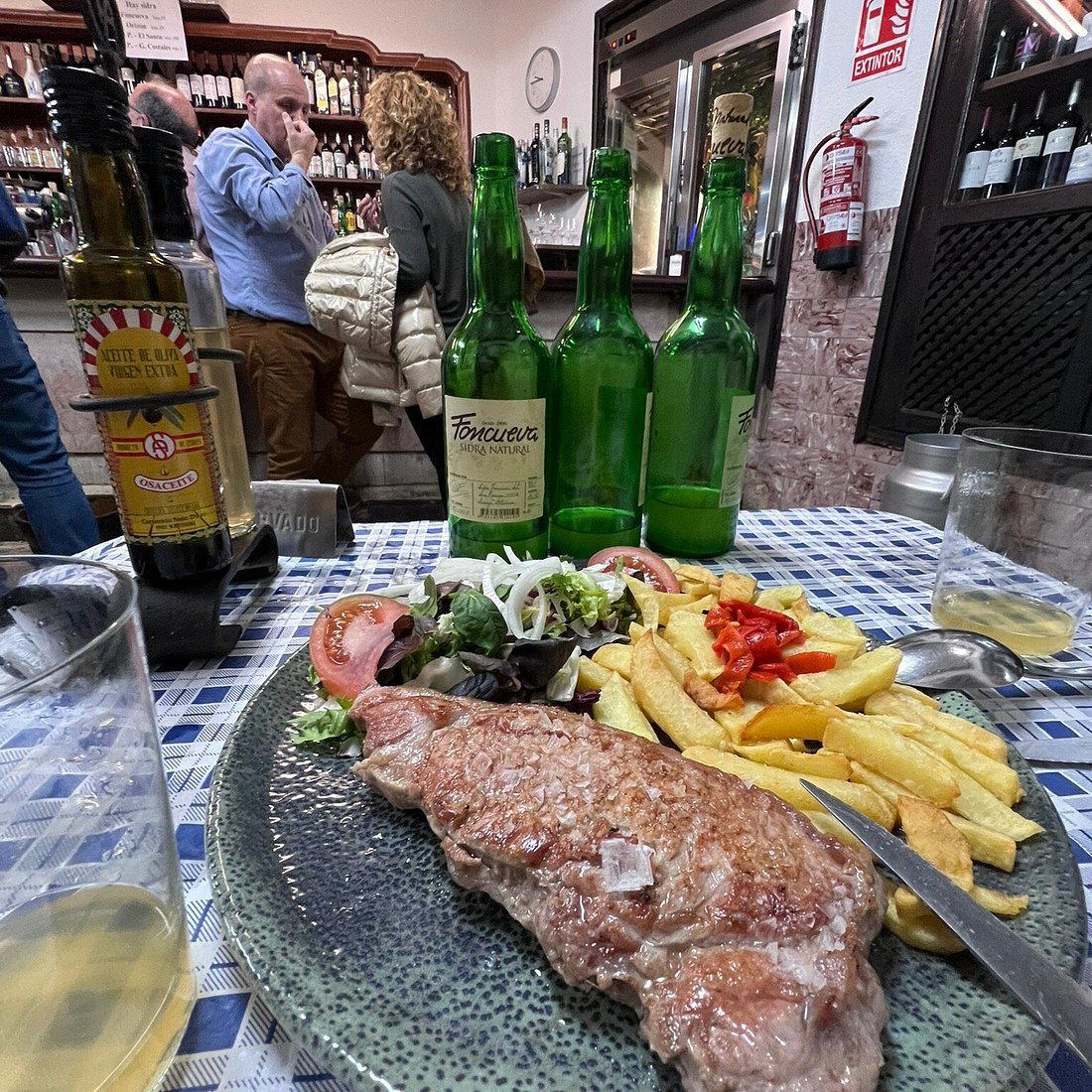
Avilés and the Asturian Table
Asturias has never needed to compete loudly for its place in the Spanish food conversation. The region's credentials rest on geography: a narrow coastal strip where the Cantabrian Sea delivers some of the peninsula's most consistent seafood, backed by green inland valleys where dairy farming, chestnut groves, and small-scale horticulture have shaped a cuisine defined less by technique than by material quality. Within that context, Avilés occupies a particular position. It is not Oviedo, which carries the regional capital's restaurant density, nor is it Gijón, whose port identity shapes its seafood culture most visibly. Avilés is smaller, quieter, and for that reason tends to reward visitors who arrive with less expectation and leave with more. Casa Lin, at Avenida Telares 3, sits inside that quieter tier of the city's dining scene.
The Sourcing Logic Behind Asturian Cooking
To understand what a place like Casa Lin represents in its local context, it helps to understand what Asturian kitchens are generally working with. The Cantabrian coast produces merluza (hake), bonito del norte, percebes, and oricios (sea urchin) of consistent quality, much of it landed at nearby ports and moved quickly into local supply chains that still function at a human scale. Inland, the cider-producing valleys around Villaviciosa and Nava set the agricultural rhythm, and the apple orchards that produce sidra natural also frame the food culture: cider-house cooking, heavy on pork, bean stews, and aged cheeses like Cabrales and Gamonéu, has roots here that predate any contemporary farm-to-table framing. The sourcing logic is not a concept in Asturias; it is structural. Short supply chains between producer and kitchen are the norm rather than a marketing distinction.
That context matters when assessing how any Avilés restaurant positions itself. In regions like the Basque Country, where venues like Arzak in San Sebastián or Azurmendi in Larrabetzu operate at the highest tier of Spanish fine dining, ingredient provenance has been formalized, narrated, and built into a tasting-menu architecture that communicates sourcing as much as it delivers flavor. In Asturias, and particularly in a city like Avilés, the same sourcing principles tend to operate without the accompanying apparatus. The product is the point; the presentation remains relatively unadorned.
Where Casa Lin Sits in the City
Avenida Telares is not Avilés's most prominent dining corridor, and that positioning is itself informative. The city's old town, anchored by the Plaza de España and the medieval casco histórico, draws more visitor foot traffic, but the restaurants that serve the city's daily rhythm often sit slightly outside that zone, in neighborhoods where the clientele is predominantly local. A restaurant at this address is likely calibrated to that audience first. That calibration tends to produce menus grounded in what the market is offering rather than what a tourist-facing menu needs to deliver, which in Asturian terms means a closer relationship to seasonal availability and regional ingredient logic.
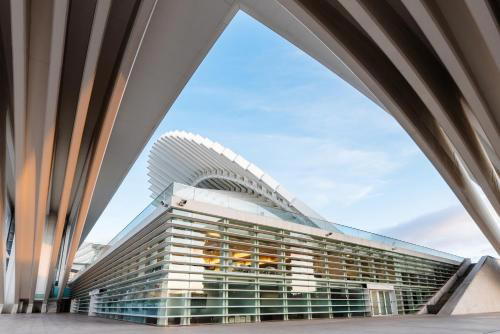
Avilés itself is a city whose food culture has historically run under the radar relative to the wider Asturian scene. The Centro Niemeyer, the cultural complex designed by Oscar Niemeyer that opened in 2011 on the estuary, brought a degree of international attention to the city, but it hasn't materially reoriented the restaurant scene toward visitor-facing fine dining. For the visitor planning a northern Spain itinerary that already includes Casa Marcial in Arriondas, Asturias's most decorated restaurant address, Avilés functions as a complementary stop rather than a competing one: a city where the food culture is embedded in daily life rather than staged for an external audience.
Asturian Kitchens in Spanish Context
Spain's fine-dining hierarchy in the north is well established. The Basque corridor from San Sebastián to Bilbao, including addresses like Mugaritz in Errenteria and Nerua Guggenheim Bilbao, sets the reference point for creative and progressive Spanish cooking at the premium tier. Asturias operates in a different register: fewer venues pursuing the creative tasting-menu format that anchors the Michelin conversation, more emphasis on product-led cooking where the brief is fidelity to ingredient rather than transformation of it. That distinction places Asturian restaurants, including those in Avilés, in a different competitive context than the headline addresses in Madrid, Girona, or the southern coast restaurants like Aponiente in El Puerto de Santa María.
That is not a hierarchy in which Asturias loses. It is a different argument: that the ingredient quality and supply-chain proximity available in this corner of northern Spain produce a table that does not require elaborate mediation. The fabada asturiana, the cachopo, the grilled fish landed the same morning, the cider poured in the traditional escanciado arc, these are not simplified versions of something more sophisticated; they are the thing itself, and they make the case for the region on their own terms. Venues elsewhere working within the creative or progressive Spanish format, from Quique Dacosta in Dénia to Ricard Camarena in València, are doing something categorically different: using Spanish ingredients as raw material for a conceptual argument. Asturian kitchens, by and large, are not making that argument.
Planning a Visit
For visitors building an Asturian itinerary, Avilés is most easily reached from Oviedo, roughly 25 kilometers to the southeast, and from Gijón, approximately 25 kilometers to the east, either by regional train or road. The city's compact historic center means most restaurant addresses are walkable from the main transport points. Casa Lin is open daily from 12 to 11:45 PM, reservations are recommended, and the average price is about $25 per person. For comparison with what the Basque Country offers at the premium end, Martin Berasategui in Lasarte-Oria, Cenador de Amós in Villaverde de Pontones, and Atrio in Cáceres give a useful range of what northern and central Spain's serious dining addresses offer across different formats. Travelers coming from further afield, Le Bernardin in New York City to Lazy Bear in San Francisco or Cocina Hermanos Torres in Barcelona or Noor in Córdoba, should calibrate their expectations accordingly: Avilés offers a different kind of seriousness, rooted in product and place rather than in the architecture of a tasting menu.
Comparison Snapshot
Comparable venues nearby, for context on price, style, and recognition.
| Venue | Cuisine | Price | Awards | Notes |
|---|---|---|---|---|
| Casa LinThis venue — the venue you are viewing | Traditional Asturian Seafood Sidrería | $$ | Not listed | Not listed |
| El Pandora | Modern Asturian Seafood | $$$ | Michelin Plate | historic city center |
| Gunea | Contemporary Asturian Seafood | $$$ | Not listed | Cruz de Illas |
| Yume | Modern Sustainable Fusion | $$$ | Michelin Plate | Centro Niemeyer |
| Paco Gandía | Traditional Spanish Paella | $$ | Not listed | Pinoso |
| Pasiones | Vegan Spanish Tapas | $$ | Not listed | Gijon-Este |
Continue exploring
More in Avilés
Restaurants in Avilés
Browse all →
At a Glance
- Classic
- Rustic
- Cozy
- Group Dining
- Casual Hangout
- Family
- Historic Building
- Beer Program
- Local Sourcing
Current opening hours
- Monday
- 12–11:45 PM
- Tuesday
- 12–11:45 PM
- Wednesday
- 12–11:45 PM
- Thursday
- 12–11:45 PM
- Friday
- 12–11:45 PM
- Saturday
- 12–11:45 PM
- Sunday
- 12–11:45 PM
Hours can change for holidays and private events. Last verified .
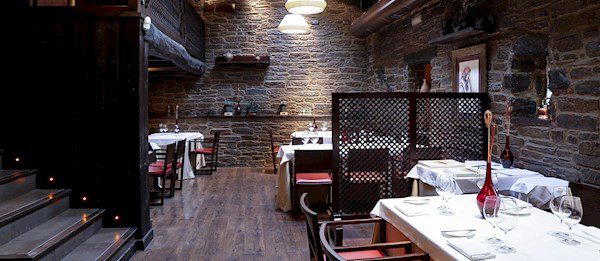
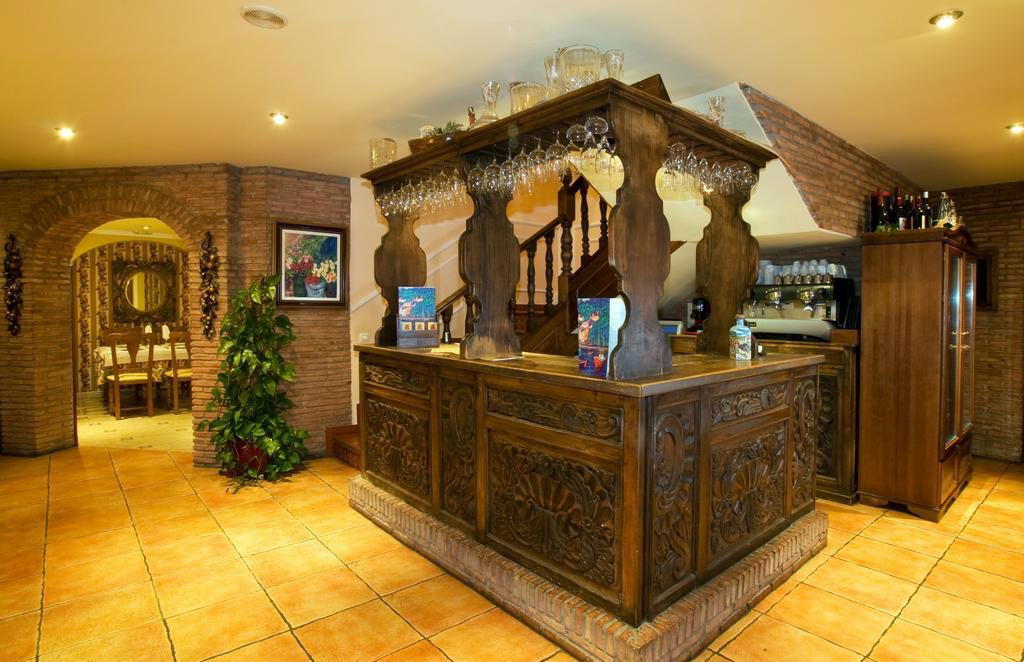
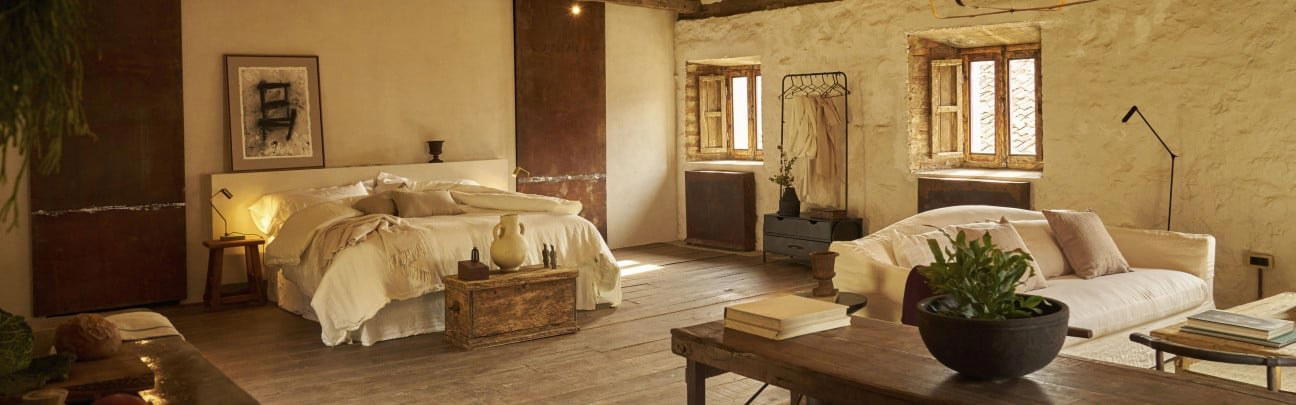
Unpretentious rustic atmosphere with sawdust-covered floors, friendly service, and lively traditional Asturian vibe.