Casa Galicia sits on Saint-Denis Street in Montreal's Plateau, bringing the traditions of Galician cuisine to a city already fluent in European-immigrant cooking. The kitchen draws on northwestern Spain's coastal larder, where seafood, empanadas, and slow-braised meats define the table. For Montreal diners tracking the city's Spanish dining presence, it occupies a distinct niche within a neighbourhood dense with European-heritage restaurants.
Pearl is the En Primeur Club membership app — saves, bookings, and concierge access live there. Same editors, same standards.
- Address
- 2087 Saint Denis St, Montreal, Quebec H2X 3K8, Canada
- Phone
- +15148436698
- Website
- casagaliciamontreal.com
- Directions
- Get directions
 Saves & bookings on Pearl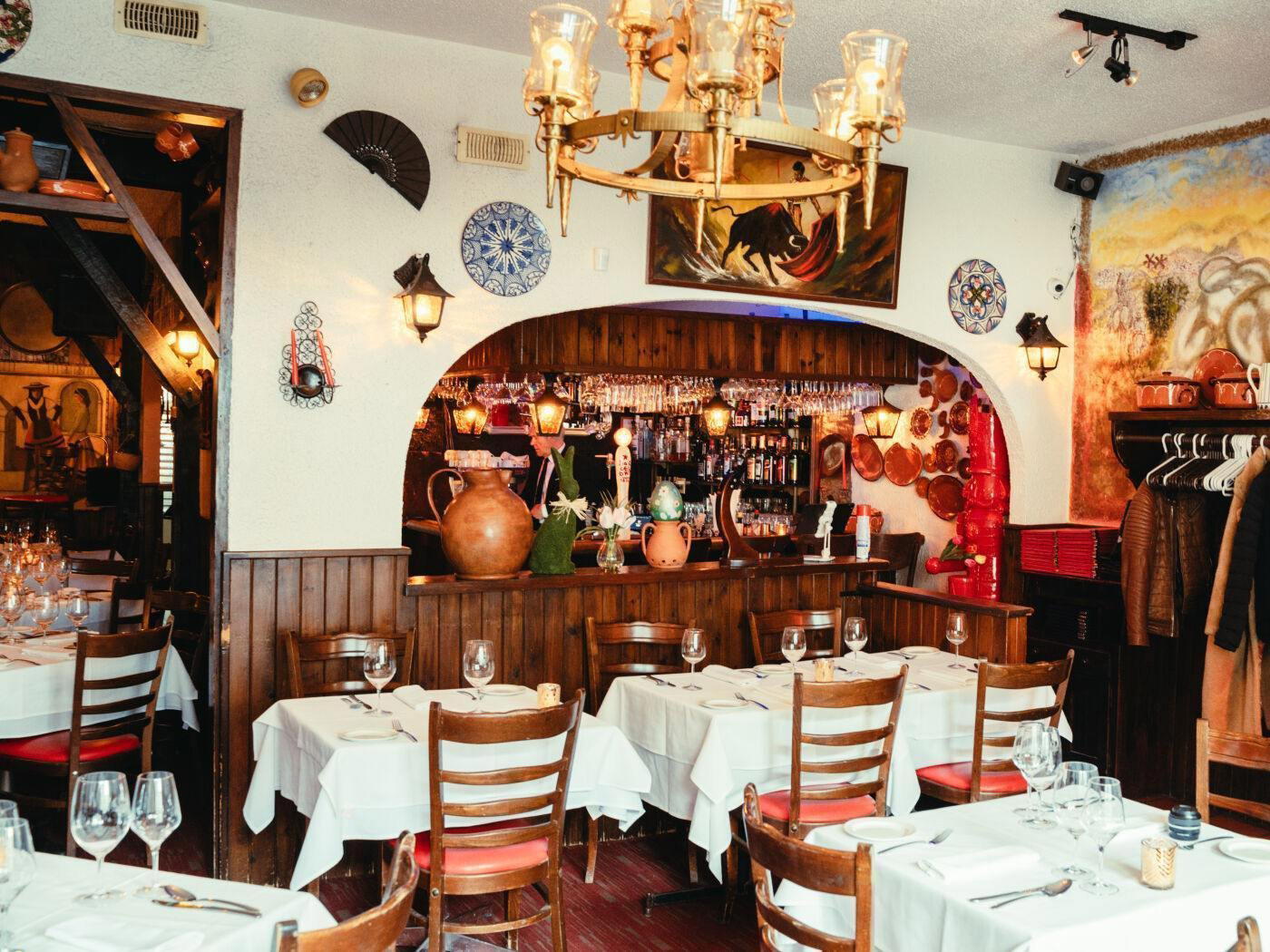
Saint-Denis and the European Table
Montreal's Saint-Denis corridor has long functioned as the city's most self-conscious European dining strip. Where the street runs through the Plateau-Mont-Royal, the restaurants arrive in close succession: French bistros, Lebanese kitchens, Greek tavernas, and scattered outposts of Iberian cooking. Casa Galicia, at 2087 Saint-Denis, belongs to this tradition of immigrant-heritage dining in a neighbourhood that has housed such places since the 1970s. What distinguishes the Galician tradition within this setting is its specificity. Galicia, in Spain's rainy northwest corner, runs a culinary identity that looks more toward the Atlantic than toward the sun-dried flavours most diners associate with Spanish cooking. Octopus, clams, salt cod, and caldo gallego appear here not as novelties but as staples carried across the Atlantic by a community that has maintained them on this street for decades.
That continuity matters in a city where dining trends cycle quickly. Montreal's current restaurant conversation centres on progressive tasting menus at addresses like Jérôme Ferrer - Europea and Mastard, or the refined modern cuisine at Sabayon. Casa Galicia operates in a different register entirely. It is part of a smaller cohort of Montreal restaurants whose value lies in preserving a regional European tradition rather than reinterpreting it. That cohort rarely generates awards coverage or generates the kind of critical noise attached to tasting-menu formats, but it provides a reference point for the city's culinary depth that the trendier addresses cannot.
Galician Cooking and What It Demands from a Kitchen
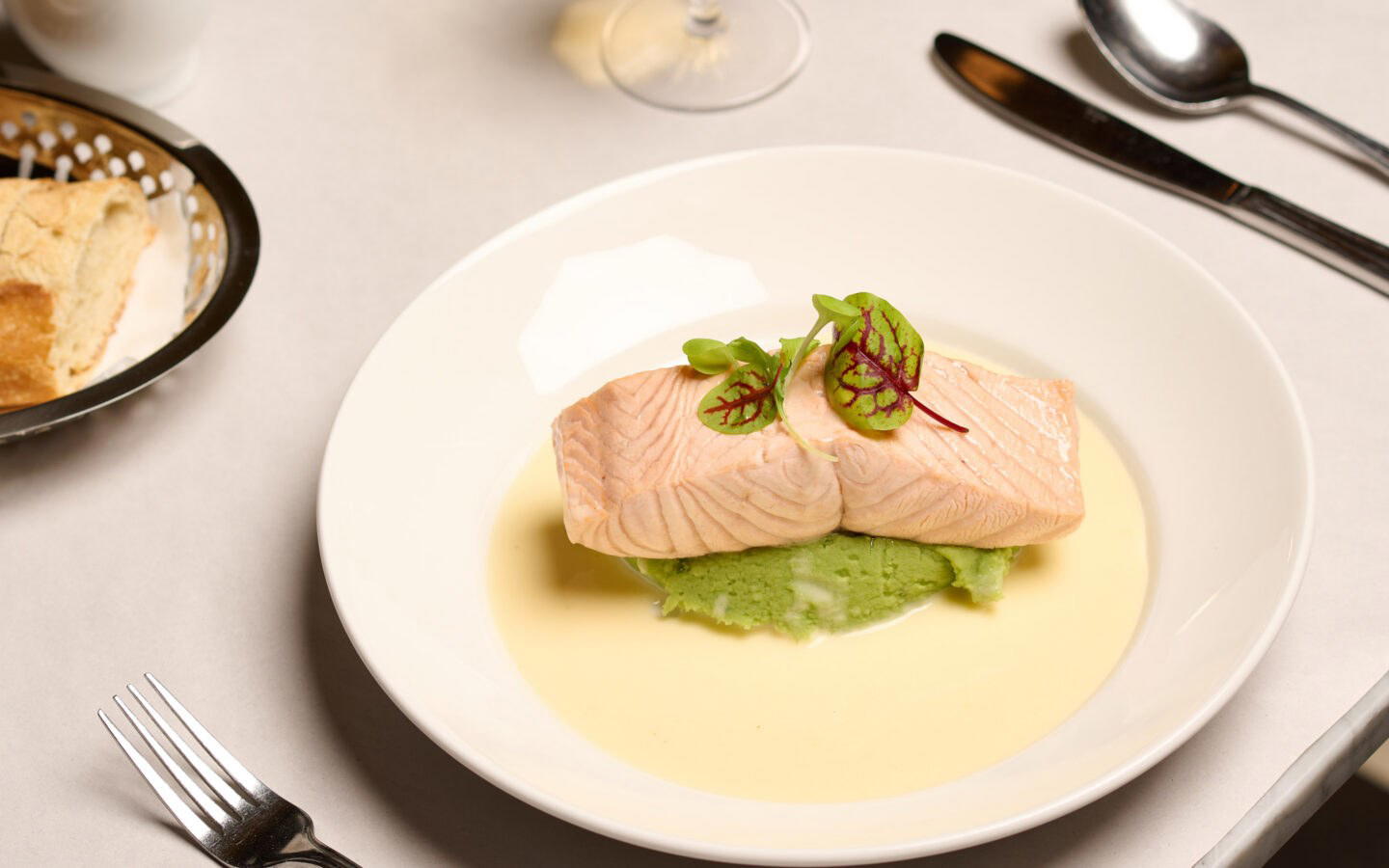
Galician cuisine asks specific things of any kitchen attempting it honestly. The region's seafood depends on freshness and restraint rather than complexity. Pulpo a la gallega, the boiled octopus served with paprika and olive oil on wooden boards, is a dish that exposes sourcing immediately. There is no sauce to hide behind. The same logic applies to the empanadas: the pastry should carry the filling without overwhelming it, and the fillings, traditionally tuna or meat, should read as something cooked rather than processed. Caldo gallego, the white bean and greens soup that anchors the region's cold-weather cooking, demands long time and patience rather than technique.
These are dishes where the service team and the kitchen need to operate as a unit. At a table-service restaurant in this tradition, the front-of-house carries an interpretive responsibility that goes beyond reciting specials. A diner unfamiliar with Galician food needs to be guided through a menu that shares little with the wider Spanish-tapas format most North American diners know. That guidance role, the ability to place dishes in their regional context, is where the collaboration between kitchen and dining room becomes visible and consequential. In Montreal's broader dining scene, where restaurants like 3 Pierres 1 Feu and Abu el zulof demonstrate how community-rooted kitchens sustain distinct culinary voices, Casa Galicia occupies a comparable position within Iberian cooking.
The Neighbourhood as Context
The Plateau-Mont-Royal is one of Canada's densest dining neighbourhoods, and Saint-Denis runs through its western edge. The competition for attention here is intense, and the restaurant archetypes that draw most critical coverage tend to be either high-concept or aggressively casual. The kind of mid-register, cuisine-specific restaurant that Casa Galicia represents sits in a quieter middle ground that city dining guides often under-cover. This is not a pattern unique to Montreal. Across Canadian cities, regional European kitchens maintaining specific traditions without contemporary reframing tend to be less visible in the editorial conversation than either their tasting-menu counterparts or their casual-end peers. Our full Montreal restaurants guide maps the range of that dining scene more completely.
The Canadian dining circuit has produced a series of addresses that operate in equally specific regional traditions, from Tanière³ in Quebec City, which draws on Laurentian foraging, to Restaurant Pearl Morissette in Lincoln, which frames Ontario wine country cuisine with European discipline. Beyond Canada, the editorial attention given to tasting-format restaurants at Alo in Toronto or AnnaLena in Vancouver reflects a structural preference for innovation over tradition. Regional heritage restaurants, whether in Montreal or elsewhere, require a different evaluative frame, one where fidelity and context carry more weight than novelty.
That said, Montreal diners with a serious interest in Spanish regional cooking should approach Casa Galicia with the same readiness they would bring to any address defined by a specific geographic tradition. The menu is not designed to accommodate all preferences or to meet diners halfway with familiar concessions. It is Galician, specifically and without apology.
Placing It in the Wider Spanish Dining Picture
Spanish cooking in North America has primarily been mediated through two formats: the tapas bar, which arrived with force in the 2000s and remains the dominant commercial expression of Spanish food here, and the Basque-influenced fine dining that attracted broader critical attention in the same decade. Galician cooking sits outside both. It is neither small-plates-driven nor fine-dining-inflected in the contemporary sense. Its reference points are the large communal table, the ceramic dish, and the whole fish. For a North American diner shaped by Spanish food primarily through the tapas format, encountering a serious Galician kitchen requires some adjustment of expectation. The food may read as plainer than expected, and that plainness is the point.
This positions Casa Galicia as a useful reference point within a broader exploration of European regional cooking in Montreal. Elsewhere in Canada, similarly specific regional voices operate at addresses like Narval in Rimouski, Eigensinn Farm in Singhampton, and Fogo Island Inn Dining Room in Joe Batt's Arm. Further south, fine dining institutions like Le Bernardin in New York City and Lazy Bear in San Francisco illustrate how regional specificity operates across very different formats and price points. More casual comparisons exist too, from Busters Barbeque in Kenora to Cafe Brio in Victoria, which each hold regional positions within their own scenes. The common thread is that cuisine specificity, maintained consistently over time, builds the kind of credibility that broader-menu restaurants rarely achieve in the same way.
Know Before You Go
- Address: 2087 Saint Denis St, Montreal, Quebec H2X 3K8
- Cuisine: Galician (northwestern Spain), seafood-led
- Neighbourhood: Plateau-Mont-Royal, on the Saint-Denis dining corridor
- Hours: Confirm current hours with the restaurant before visiting
- Nearest metro: Sherbrooke (Orange Line), approximately two blocks west of Saint-Denis
How Casa Galicia Montréal compares with similar nearby venues.
| Venue | Cuisine | Price |
|---|---|---|
| Restaurant de l'ITHQ | Regional Cuisine | $$ |
| Le Mousso | French | Not listed |
At a Glance
- Rustic
- Cozy
- Lively
- Group Dining
- Special Occasion
- Late Night
- Live Music
- Extensive Wine List
Current opening hours
- Monday
- Closed
- Tuesday
- 5–9:30 PM
- Wednesday
- 5–9:30 PM
- Thursday
- 5–9:30 PM
- Friday
- 4:30–10:30 PM
- Saturday
- 4:30–11:30 PM
- Sunday
- 4:30–9:30 PM
Hours can change for holidays and private events. Last verified .
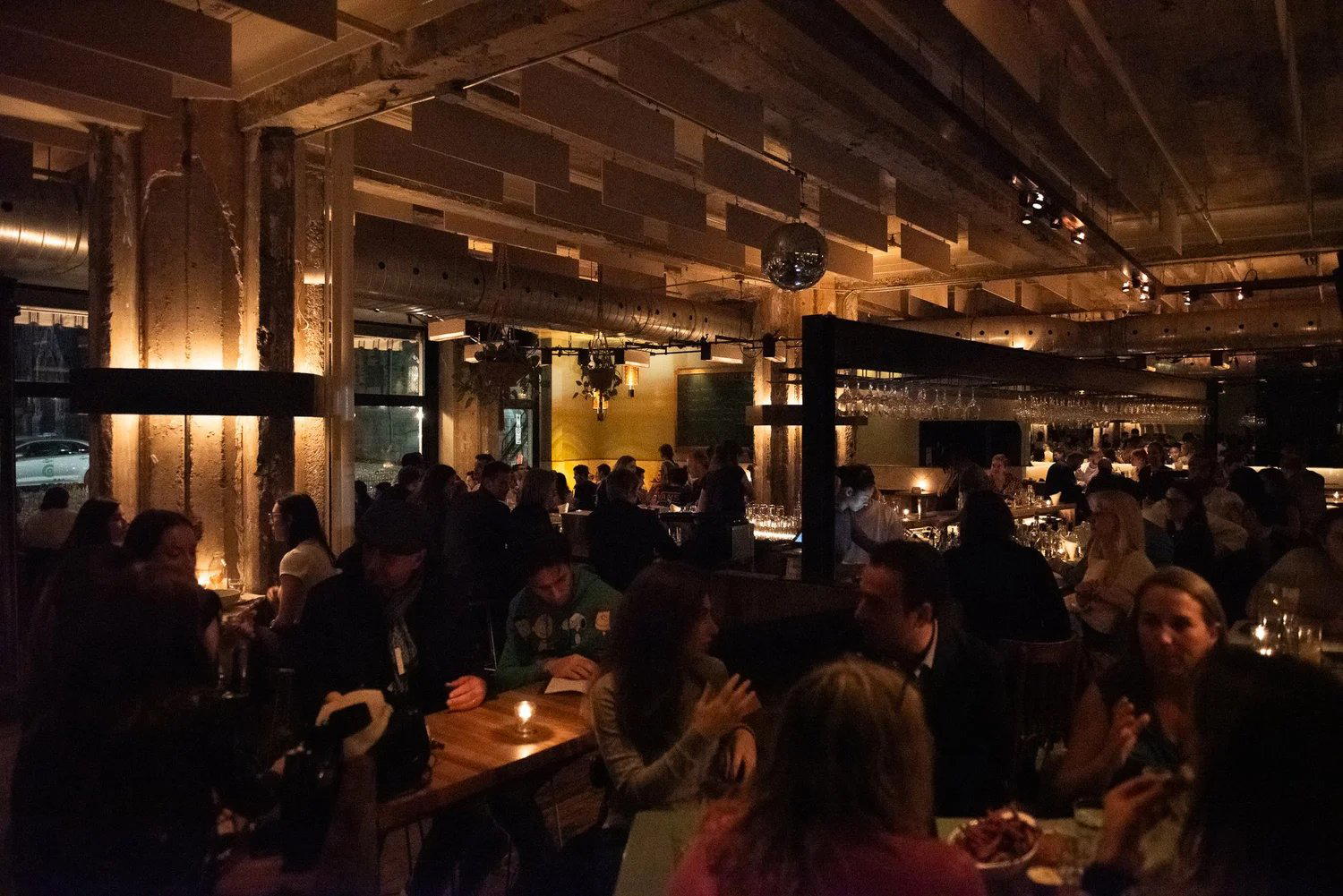
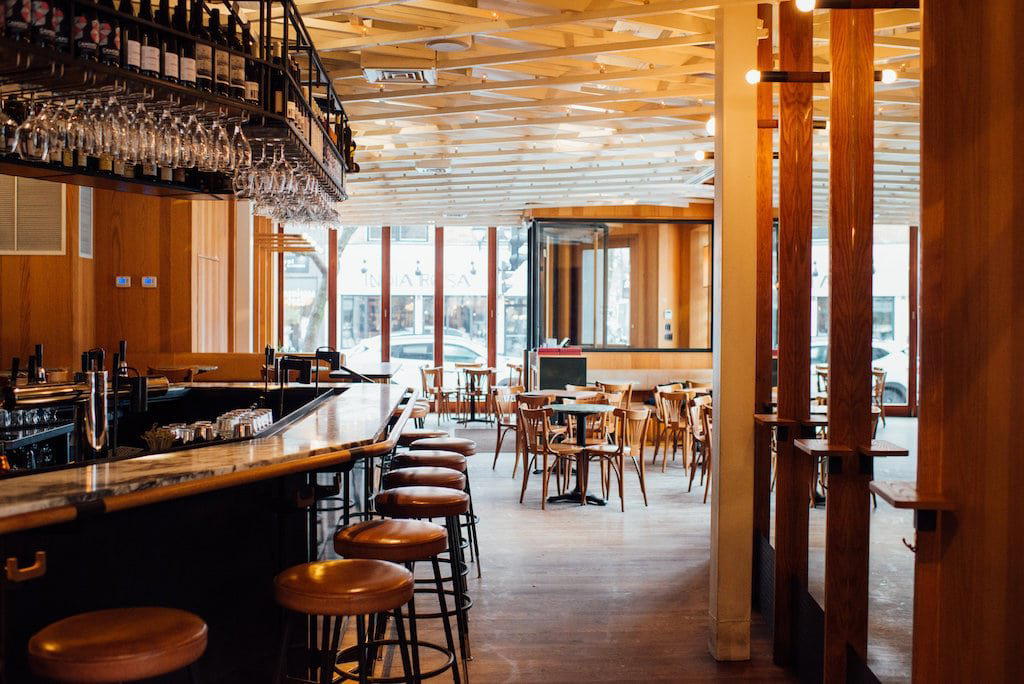
Warm, welcoming rustic decor evoking a Spanish coastal villa, with lively flamenco music and dancing on weekends.
Know Before You Go
- Getting there
- 2087 Saint Denis St, Montreal, Quebec H2X 3K8, Canada