Casa Da Vó Gastronomia
Our verdict
Where the Centre of Ponta Grossa Keeps Its Food Memories R. Xavier da Silva runs through the commercial heart of Ponta Grossa, a mid-sized Paraná city whose food culture sits closer to the home kitchen than the tasting menu. The name Casa Da Vó...

Pearl is the En Primeur Club membership app — saves, bookings, and concierge access live there. Same editors, same standards.
- Address
- R. Xavier da Silva, 485 - Centro, Ponta Grossa - PR, 84010-250, Brazil
- Phone
- +5542999940102
- Hours
- Mon–Fri 11 AM–2 PMSat 11:30 AM–3 PMSun Closed
- Website
- linktr.ee
- Directions
- Get directions
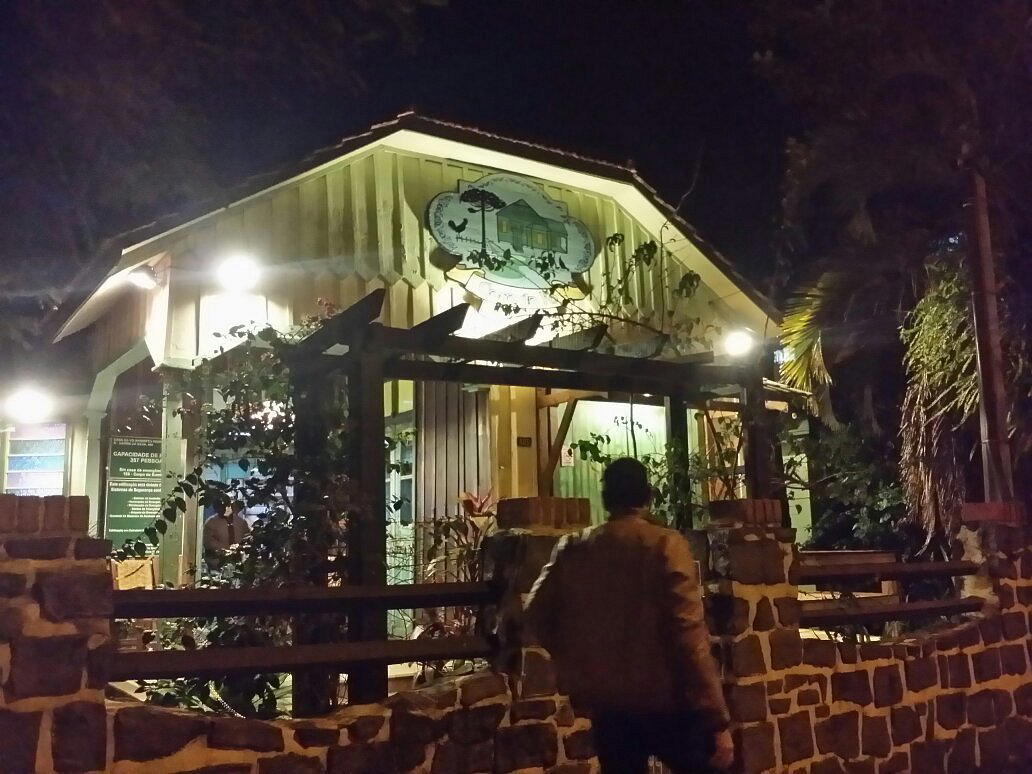
Where the Centre of Ponta Grossa Keeps Its Food Memories
R. Xavier da Silva runs through the commercial heart of Ponta Grossa, a mid-sized Paraná city whose food culture sits closer to the home kitchen than the tasting menu. The name Casa Da Vó — grandmother's house — signals the register before you open the door: this is a place organised around the idea that the most defensible cooking is the kind somebody's family actually ate. In a Brazilian dining scene increasingly shaped by the prestige grammar of D.O.M. in São Paulo or Oteque in Rio de Janeiro, the grandmother-kitchen format occupies a quieter, more durable niche.
The Ingredient Case for Regional Cooking in Paraná
Paraná sits at the agricultural crossroads of southern Brazil, producing wheat, soya, maize, and some of the country's most consistent cold-climate pork and poultry. For kitchens that commit to regional sourcing, that supply chain is a genuine asset. The state's German and Ukrainian settler heritage, concentrated in communities south and west of Ponta Grossa, left behind a larder logic that prizes fermentation, slow braises, and preserved vegetables, techniques that read as fashionable now but were never abandoned here.
Casa Da Vó Gastronomia takes its position in that tradition. The word gastronomia attached to the name suggests a conscious effort to frame home-style cooking as a category worth taking seriously, not as a cheaper alternative to formal dining but as a discipline with its own standards. That framing matters in a city where the restaurant scene is still defined more by neighbourhood loyalists than by destination diners arriving from Curitiba or São Paulo. For regional context, Manu in Curitiba represents what Paraná cooking looks like when placed inside a more formal critical framework; Casa Da Vó operates in a different register, closer in spirit to the everyday end of Brazilian comfort eating.
How the Home-Kitchen Format Works as a Business Model
The self-described vó (grandmother) restaurant format has proven resilient across Brazilian secondary cities precisely because it solves a recurring problem: how do you build a loyal base when the population of food-adventurous diners is smaller than in the capital? The answer, consistently, is to anchor the menu in dishes people already have an emotional relationship with, feijão, farofa, slow-cooked meats, rice cooked in stock, and then apply enough kitchen care to make those familiar things better than they would be at home. The format rarely competes with fine dining; it competes with people eating at their own kitchen table, and winning that comparison requires a different kind of attention.
Elsewhere in Brazil, this model shows up in various forms. Birosca S2 in Belo Horizonte works a similar emotional register for Minas Gerais comfort food. Orixás North Restaurant in Itacaré ties Bahian home cooking to a more specific regional identity. The through-line is the same: sourcing from known suppliers, cooking from a defined tradition, and resisting the pressure to reframe every dish as an innovation.
Ponta Grossa's Dining Scene in Brief
Ponta Grossa is not a food destination in the way Gramado or Campos do Jordão are, where restaurants like Primrose in Gramado or Mina in Campos do Jordão draw visitors specifically for the table. The city's roughly 360,000 residents support a dining scene built around everyday reliability: neighbourhood pizzerias, health-food counters, and casual lunch houses form the core. Paco Pizza and Creperia Pit Stop represent the casual end of that market. Integralle Comida Saudável reflects the growing local appetite for health-oriented eating. Casa Da Vó Gastronomia positions itself as the more considered option within that landscape, where the word gastronomia is doing real work. See our full Ponta Grossa restaurants guide for a broader map of the city's options.
For visitors arriving from larger Brazilian cities, the useful comparison set is not the starred restaurants of the south, not Castelo Saint Andrews in Gramado, not Olivetto Restaurante E Enoteca in Campinas, but the mid-tier neighbourhood restaurants that anchor daily eating in any Brazilian city over 200,000. Within that tier, a kitchen committed to sourcing transparency and home-rooted technique will consistently separate itself from the average.
What Regional Sourcing Signals in Practice
The grandmother-kitchen format's credibility depends on supply chain discipline. When a restaurant names itself after home cooking, it inherits an expectation: that the ingredients have provenance, that the recipes were not assembled from a wholesale catalogue, and that the kitchen knows where each component came from. In Paraná, that means cold-climate produce from the serra, pork from the western interior, and dairy from small producers in the campo. Kitchens that actually hold to that sourcing standard produce food that tastes differently from the same dishes made with commodity inputs, the fat content of properly raised pork changes how a slow braise behaves, and good dairy transforms the texture of anything built around cream or butter.
That same logic applies at very different price points and ambition levels. Le Bernardin in New York City and Lazy Bear in San Francisco operate with the same sourcing discipline at a fraction of the visibility of their technique. Lobby Café in Belem and Manga in Salvador apply regional sourcing in Brazilian contexts where the biodiversity of local supply chains is the competitive advantage. State of Espírito Santo in Rio Bananal shows what that commitment looks like in a small-city setting. The common thread is that the sourcing argument is inseparable from the quality argument.
Planning a Visit
Casa Da Vó Gastronomia sits at R. Xavier da Silva, 485, in the Centro district of Ponta Grossa, a walkable area with good street access from the city's main commercial corridor. The address places it within easy reach of the historic centre. Specific booking details, hours, and current menu information are not published through a verified online channel at this time, so contacting the restaurant directly through local directory services or visiting in person is the practical approach. For anyone building a longer southern Brazil itinerary, Ponta Grossa is roughly two hours by road from Curitiba, making it a reasonable half-day detour for those already in Paraná.
Frequently asked questions
Where exactly is Casa Da Vó Gastronomia?
Casa Da Vó Gastronomia is located at R. Xavier da Silva, 485 - Centro, Ponta Grossa - PR, 84010-250, Brazil, Ponta Grossa.
How does Casa Da Vó Gastronomia fit into dining in Ponta Grossa compared to destination restaurant cities in Brazil?
Ponta Grossa is not positioned alongside Gramado or Campos do Jordão as a dedicated food destination, and Casa Da Vó Gastronomia reflects that: it operates for the city's resident population rather than for culinary tourism. The vó format, located in the commercial Centro district at R. Xavier da Silva, 485, is built around daily reliability and Paraná regional produce rather than tasting menus or chef-driven concepts. For travellers passing through the city, it represents the category of honest regional cooking that rarely appears in national press but anchors local food memory.
What do people recommend at Casa Da Vó Gastronomia?
The kitchen operates within the vó (grandmother) format, meaning the menu draws from home-style regional cooking rooted in Paraná's agricultural produce: wheat, maize, and cold-climate vegetables grown across the state. Specific dish recommendations are best sourced from current visitors, as the menu reflects seasonal and regional availability rather than a fixed à la carte list. The address at R. Xavier da Silva, 485 places it in a walkable commercial district where locals make up the core clientele.
How hard is it to get a table at Casa Da Vó Gastronomia?
In the grandmother-kitchen format common to Brazilian secondary cities like Ponta Grossa, seating tends to be informal with walk-in access during service hours. Checking directly at R. Xavier da Silva, 485 in Centro is the most reliable approach until contact details become available.
What has Casa Da Vó Gastronomia built its reputation on?
The name itself signals the positioning: vó means grandmother in Portuguese, anchoring the restaurant in the home-kitchen tradition that defines a category of dining common across mid-sized Paraná cities. In Ponta Grossa, where the food culture sits closer to the domestic kitchen than to destination dining, that alignment with local habit carries weight.
Is Casa Da Vó Gastronomia good for vegetarians?
No menu data is currently documented for Casa Da Vó Gastronomia, so specific vegetarian options can change. That said, Paraná's agricultural output, which includes substantial wheat, maize, and vegetable production, gives regional kitchens a broad plant-based ingredient base to draw from. Visitors with dietary requirements should verify current options directly at the Centro address on R. Xavier da Silva. Check the venue's official channels for the latest details.
Comparable Venues
Comparable venues nearby, for context on price, style, and recognition.
| Venue | Cuisine | Price | Notes |
|---|---|---|---|
| Casa Da Vó GastronomiaThis venue — the venue you are viewing | Traditional Brazilian Home Cooking | Not listed | Not listed |
| Integralle Comida Saudável | Healthy Brazilian Cuisine | Not listed | Estrela |
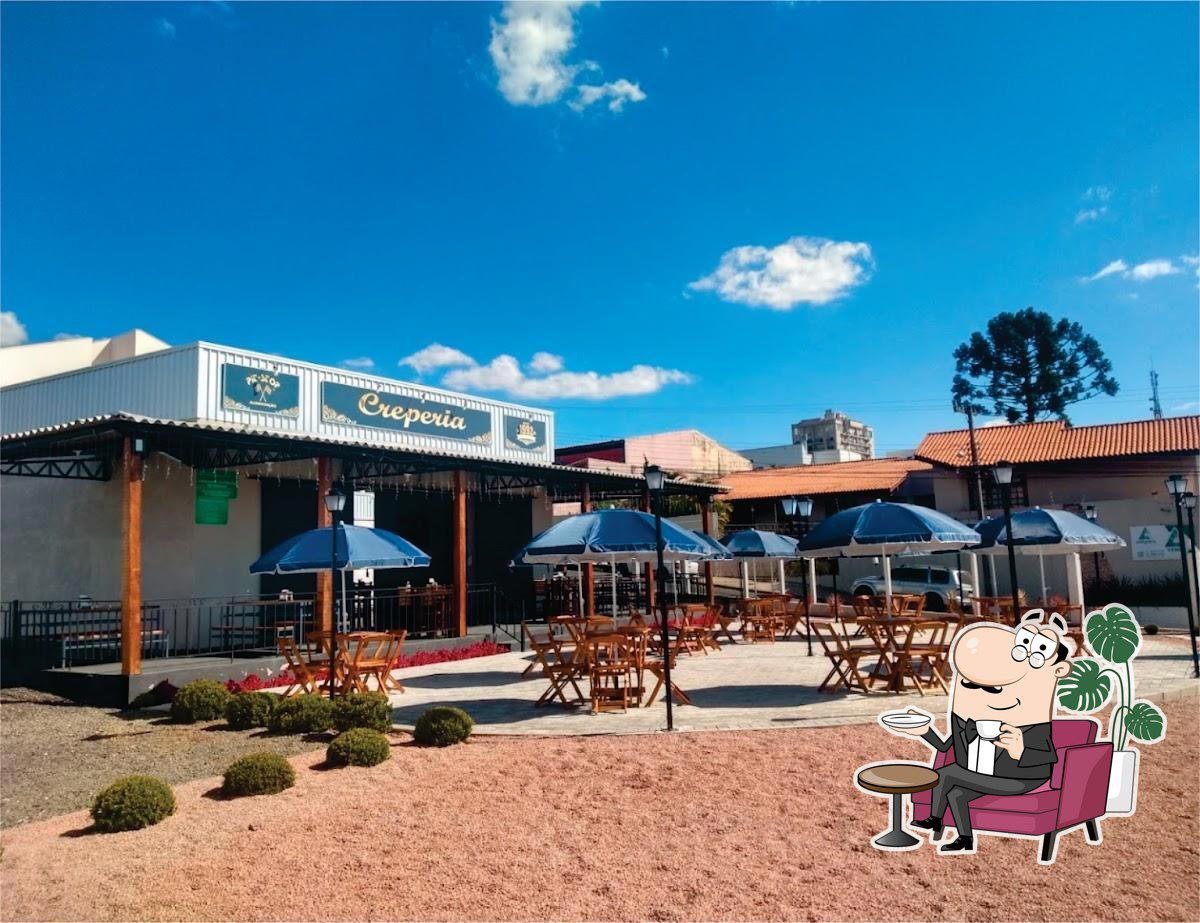
| Creperia Pit Stop - Crepes, Porções e Lanches em Ponta Grossa | Artisanal Crepes & Casual Snacks | Not listed | Jardim Carvalho |
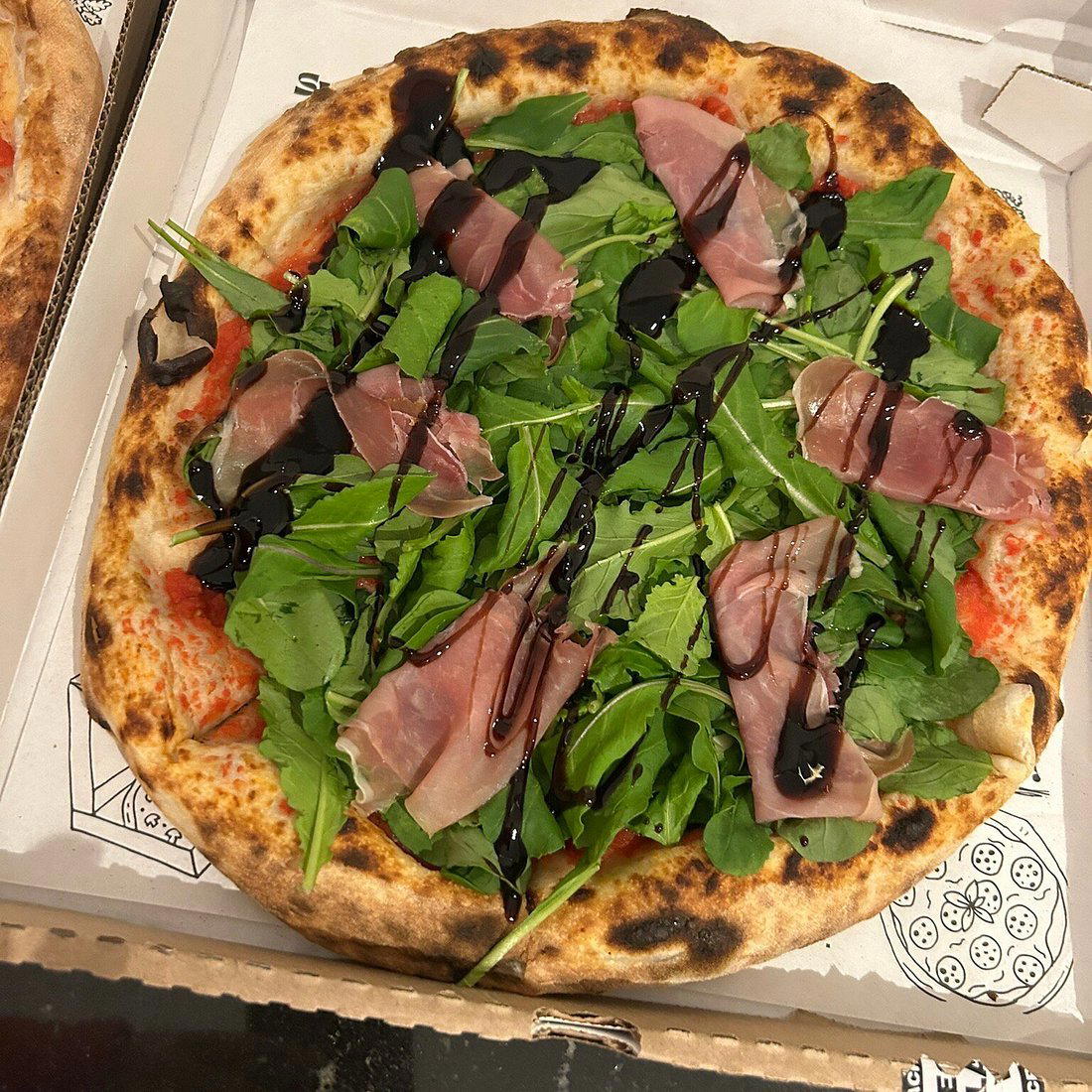
| Paco Pizza | Italian Pizza with Brazilian Influences | Not listed | Boa Vista |
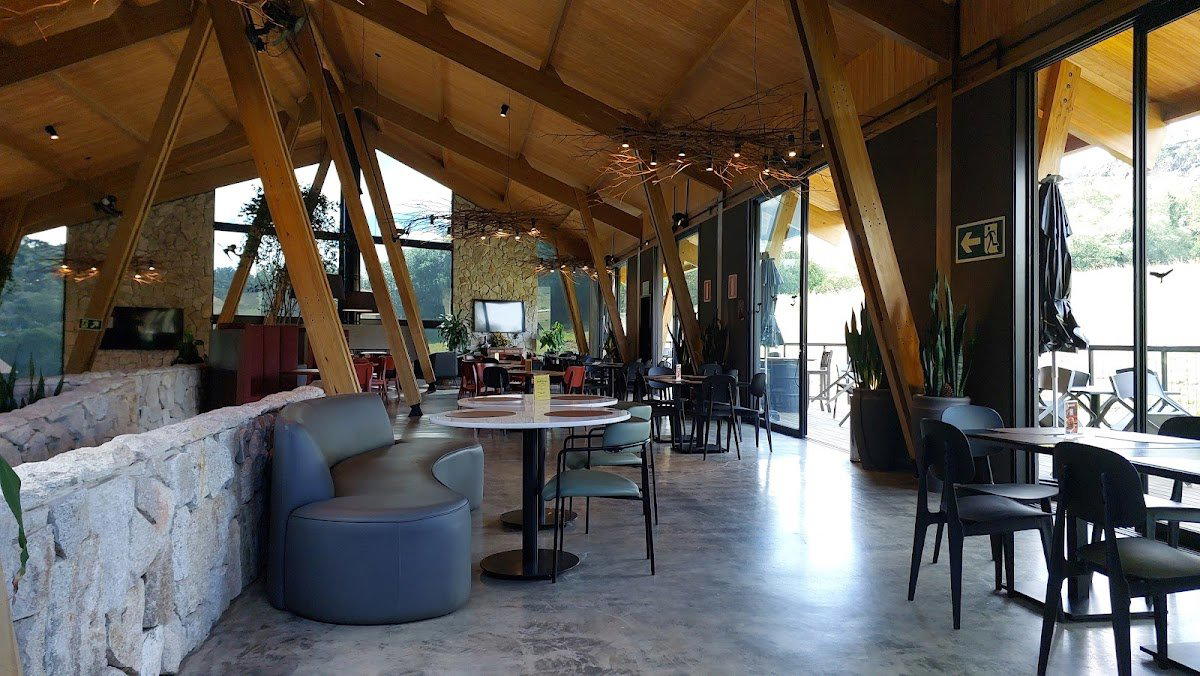
| Lobby Café | Brazilian Café | $10–20 | Belem |
| Must Restaurant & Bar | Modern Brazilian with Indigenous Flavors | Not listed | Belem |
Continue exploring
More in Ponta Grossa
Details
- Cozy
- Rustic
- Family
- Casual Hangout
- Historic Building
- Local Sourcing
- A La Carte
Current opening hours
- Monday
- 11 AM–2 PM
- Tuesday
- 11 AM–2 PM
- Wednesday
- 11 AM–2 PM
- Thursday
- 11 AM–2 PM
- Friday
- 11 AM–2 PM
- Saturday
- 11:30 AM–3 PM
- Sunday
- Closed
Hours can change for holidays and private events. Last verified .
Cozy and family-friendly with a rustic wooden house design evoking home comfort.