Casa Colibrí
Casa Colibrí sits in Huasca de Ocampo, one of the Pueblo Mágico towns of Hidalgo state where the Sierra Alta's volcanic landscape shapes what ends up on the table. The restaurant draws on the agricultural and culinary traditions of central Mexico's highlands, placing it in a growing category of regional destination dining that operates well outside the capital's orbit. For travellers making the two-hour drive from Mexico City, it represents a different register of Mexican cooking altogether.
Pearl is the En Primeur Club membership app — saves, bookings, and concierge access live there. Same editors, same standards.
- Address
- 43508 Huasca de Ocampo, Hidalgo, Mexico
- Phone
- +527717920328
- Directions
- Get directions
 Saves & bookings on Pearl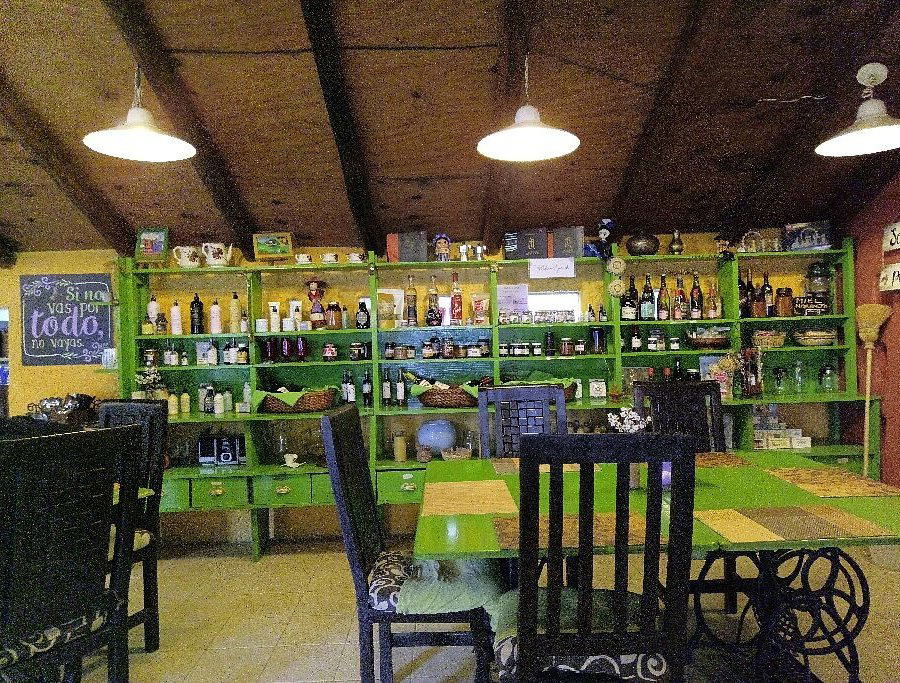
Huasca de Ocampo and the Case for Highland Dining
The Pueblos Mágicos designation that Huasca de Ocampo carries is, by now, a familiar signal in Mexican travel: a town recognised by the federal government for its cultural and historical significance, which in practice means preserved colonial architecture, a functioning artisan economy, and — increasingly — a dining culture that draws on genuinely local ingredients rather than importing the capital's aesthetic. Huasca sits in Hidalgo's Sierra Alta, about two hours northeast of Mexico City, at an altitude that gives the surrounding valley a different agricultural profile than the lowland regions more commonly associated with Mexican cuisine. Maize varieties, highland herbs, quelites, pulque from local maguey, and small-farm protein production define what is available here, and they define it on different terms than the markets of Oaxaca or the coastal supply chains that feed kitchens in Tulum or the Riviera Maya.
Casa Colibrí operates within that context. For readers familiar with the farm-anchored format that places like Animalón in Valle de Guadalupe or Olivea Farm to Table in Ensenada have developed around their respective terroirs, the logic is the same: ingredient sourcing as the primary editorial statement of a kitchen. What changes between regions is everything, the specific crops, the cooking traditions attached to them, and the seasonal rhythms that govern what appears at the table. In Hidalgo's highlands, that means a larder shaped by altitude, volcanic soil, and a food culture that predates colonial contact and has absorbed three centuries of it without abandoning the fundamentals. See our full Huasca de Ocampo restaurants guide for a broader picture of what the town's dining scene currently offers.
The Ingredient Logic of the Sierra Alta
Regional Mexican dining has spent the better part of a decade sorting itself into two broad camps: kitchens that engage with local ingredient traditions as an intellectual or aesthetic project, and kitchens that are simply embedded in those traditions because geography and access leave few other options. The highlands of Hidalgo fall into the second category by default, which tends to produce a more grounded result. In a town of Huasca's scale, the supply chain is short not as a marketing decision but as a practical reality. Producers are local, seasonal rhythms are observable, and the menu's range is shaped as much by what the surrounding valley yields as by any chef's conceptual preferences.
This places Casa Colibrí in a different conversation than the high-concept regional kitchens operating in major cities. Pujol in Mexico City and Le Chique in Puerto Morelos both work with Mexican ingredients at a technically ambitious level, but both operate within urban or resort economies that require ingredients to travel. The sourcing conversation at a Hidalgo highland address is structurally different: the constraint is abundance and access rather than curation and logistics. That constraint produces cooking that tends to read as less composed but more literal, a direct expression of place rather than an argument about it. Restaurants like Levadura de Olla in Oaxaca and Alcalde in Guadalajara have built national reputations on similar premises in their respective regions.
What the Setting Delivers
Arriving in Huasca de Ocampo from the Mexico City basin involves a noticeable shift in atmosphere before any meal begins. The town's colonial grid, the surrounding basalt formations, and the cooler air at altitude create conditions where the category of casual outdoor dining carries real geographic weight. In towns with this profile, Pueblo Mágico designation, weekend-getaway proximity to a major capital, altitude above 2,000 metres, the physical environment functions as context for the plate rather than decoration around it. The ingredients that highland altitude and volcanic soil produce taste different from those grown at sea level, and eating them in the landscape that generated them is a different experience from encountering them in an urban restaurant's interpretation.
The broader category of regional Mexican destination dining, which now includes addresses from Baja's wine valley to the Yucatán coast, from Monterrey with KOLI Cocina de Origen and Pangea to the Tulum jungle with Arca, has increasingly colonised the weekend-trip itinerary for travellers based in Mexico's cities. Huasca represents a less trafficked entry point into that circuit, which has its own value for readers who find the Tulum or Valle de Guadalupe corridors oversubscribed. The hidalguense kitchen tradition, based on mole pastes, pulque-based preparations, and a deep integration of cactus and highland herbs, has not received the same level of international editorial attention as Oaxacan or Yucatecan cooking, which means the reference points here are genuinely less familiar to most visitors.
Dining in Context: Where Huasca Fits the Wider Map
For anyone building a regional Mexican dining itinerary, the Hidalgo highlands occupy a gap in most published guides. The attention paid to coastal addresses, HA' in Playa del Carmen, Gaia at Maykana in Riviera Maya, Tuna Blanca in Punta de Mita, reflects the concentration of international tourism infrastructure near the coasts, not a considered assessment of where Mexico's most interesting regional cooking is happening. The interior highlands, including Hidalgo, Puebla, and Tlaxcala, sustain culinary traditions that are arguably less hybridised by tourist-economy pressures. Huniik in Merida and Lunario in El Porvenir demonstrate what happens when kitchens in underreported regions receive sustained critical attention; Huasca has not yet reached that level of visibility, which means the dining options there operate without the pricing pressure or booking difficulty that visibility creates.
For comparison, technically ambitious urban formats like Lazy Bear in San Francisco or Le Bernardin in New York City represent what happens when regional sourcing arguments are carried into high-production, high-capacity urban formats. The Huasca model operates at a smaller scale with fewer of those pressures, which produces a less polished but more transparent result. And Bar Jardín Zócalo in Oaxaca City illustrates how even a bar format can carry serious regional ingredient credibility when the town's culinary identity is sufficiently established. Huasca is earlier in that process.
Planning Your Visit
Huasca de Ocampo is accessible by car from Mexico City in approximately two hours via Federal Highway 85D toward Pachuca, then east into the Sierra Alta. The town sees its heaviest weekend traffic from Friday evening through Sunday, and the Pueblo Mágico infrastructure, accommodation, restaurants, artisan markets, is oriented accordingly. Visitors who can arrive mid-week will find the town operating at a quieter register.
How Casa Colibrí Huasca De Ocampo compares with similar nearby venues.
| Venue | Cuisine |
|---|---|
| Sotero Cocina de Oficio | Regional Mexican |
| Evoka | Mexican Cuisine |
Continue exploring
More in Huasca De Ocampo
Restaurants in Huasca De Ocampo
Browse all →
At a Glance
- Rustic
- Cozy
- Scenic
- Family
- Casual Hangout
- Organic
- Local Sourcing
- Mountain
Current opening hours
- Monday
- Closed
- Tuesday
- Closed
- Wednesday
- Closed
- Thursday
- Closed
- Friday
- 9 AM–6 PM
- Saturday
- 9 AM–6 PM
- Sunday
- 9 AM–6 PM
Hours can change for holidays and private events. Last verified .
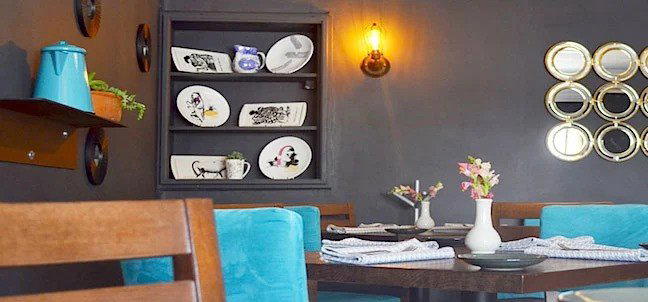
Charming rustic ambiance with eclectic decor and a relaxed, lively atmosphere amid natural surroundings.
Know Before You Go
- Getting there
- 43508 Huasca de Ocampo, Hidalgo, Mexico