Casa Catarino
On Praça Antônio Prado in the heart of São Carlos, Casa Catarino occupies a central position in a city better known for engineering universities than restaurant culture. The address alone signals intent: a historic square, a civic setting, and a kitchen that draws on the agricultural wealth of interior São Paulo state. For travelers moving between São Paulo and Minas Gerais, it represents a meaningful stop rather than a detour.
Pearl is the En Primeur Club membership app — saves, bookings, and concierge access live there. Same editors, same standards.
- Address
- Praça Antônio Prado, 36 - Centro, São Carlos - SP, 13560-046, Brazil
- Phone
- +5516996236000
- Website
- casacatarino.com.br
- Directions
- Get directions
 Saves & bookings on Pearl
A Square, a State, and What Grows Between Them
São Carlos sits in the agricultural interior of São Paulo state, roughly 230 kilometres northwest of the capital, in a region defined more by soybean fields, citrus groves, and cattle ranches than by restaurant culture. The city's identity has long been tied to its federal university and a reputation for engineering and technology research. What grows up around academic institutions, though, is a particular kind of food culture: pragmatic, ingredient-focused, and largely indifferent to metropolitan trends. Casa Catarino is a casual Brazilian comfort food restaurant with Mexican influences at Praça Antônio Prado, 36 in the Centro district of São Carlos, São Paulo, Brazil.
The praça itself sets the register. Historic civic squares in Brazilian interior cities tend to operate at a different pace than their coastal counterparts, less performance, more function. Arriving at Casa Catarino, the surrounding architecture frames the experience before any menu is consulted. This is a city that moves on its own schedule, and a restaurant on its central square is making a statement about permanence and local rootedness that a side-street address simply cannot replicate.
For travelers building a route through interior São Paulo state, the city connects naturally to Campinas to the east, where Olivetto Restaurante E Enoteca represents a more European-inflected dining tradition, and to Campos do Jordão to the northeast, where Mina operates in a mountain resort context with a different seasonal logic entirely. São Carlos occupies a middle position: agricultural flatlands, a university town's democratic instincts, and the raw material advantages that come from proximity to some of Brazil's most productive interior farmland.
What the Interior Produces
The São Paulo interior is not a single agricultural zone. Within a two-hour radius of São Carlos, producers work across oranges and other citrus, sugarcane, soybeans, free-range poultry, freshwater fish from rivers and reservoirs, artisanal cheeses influenced by the state's significant Italian and Japanese immigrant communities, and some of the country's more interesting small-scale beef operations. A kitchen drawing on this supply network has access to ingredients that urban restaurants in São Paulo pay premiums to source through distributors.
This is the operating logic behind some of Brazil's most discussed regional cooking. At D.O.M. in São Paulo, the kitchen's reputation is built substantially on native Brazilian ingredients sourced from producer relationships that took years to establish. At Oteque in Rio de Janeiro, the sourcing discipline extends to a tight network of trusted suppliers. A restaurant in the interior of São Paulo state does not need to build that network from scratch, the producers are next door, and the relationships that urban chefs pursue as a competitive differentiator are simply part of how business gets done in a smaller city.
The corollary, of course, is that the editorial pressure is different. In São Paulo or Rio, a kitchen's sourcing story competes with dozens of other well-resourced narratives. In São Carlos, the story is simpler and more direct: what the land around the city produces, and what a kitchen does with it. That clarity can be an advantage, provided the cooking matches the premise.
Where Casa Catarino Sits in the Brazilian Picture
Brazil's restaurant culture has expanded well beyond its two major coastal cities in the past decade. Manu in Curitiba brought serious culinary ambition to Paraná state. Manga in Salvador reframed Bahian ingredients through a contemporary lens. Birosca S2 in Belo Horizonte operates within Minas Gerais's deep mineira food tradition. Even in smaller cities, the conversation about what Brazilian cooking can be has become more geographically distributed. For a reference point on how far that conversation has traveled from major urban centers, Lobby Café in Belém demonstrates what Amazonian ingredients can produce when treated with genuine attention.
The restaurant in São Carlos occupies a different tier than any of those examples in terms of profile and available documentation. What is verifiable is the address: a prime civic location in a mid-sized Brazilian university city, in a region with genuine agricultural depth.
For travelers with appetite for Brazil's less-documented interior dining scene, that combination is worth understanding on its own terms rather than against a metropolitan benchmark. The comparison set is the broader category of Brazilian interior restaurants that draw on immediate agricultural surroundings rather than curated supply chains built across hundreds of kilometres.
Planning a Visit
São Carlos is accessible by bus from São Paulo's Tietê terminal, with journey times in the two-to-three-hour range depending on route and traffic. The city does not have a commercial airport, making ground transport the standard approach for most visitors. The Centro district, where Praça Antônio Prado is located, is walkable from most central accommodation options. The restaurant is walk-in friendly and open Mon: 8 AM to 11 PM; Tue: 8 AM to 11 PM; Wed: 8 AM to 11 PM; Thu: 8 AM to 11 PM; Fri: 8 AM to 12 AM; Sat: 11:30 AM to 12 AM; Sun: 11:30 AM to 4 PM. For context on what dining experiences in comparable Brazilian interior cities look like at the premium end, Castelo Saint Andrews in Gramado and Primrose in Gramado offer reference points from the southern Brazilian interior, while Orixás in Itacaré shows how regional ingredient sourcing plays out in a coastal context to the north.
Comparable Spots, Quickly
Comparable venues nearby, for context on price, style, and recognition.
| Venue | Cuisine | Price | Notes |
|---|---|---|---|
| Casa CatarinoThis venue — the venue you are viewing | Brazilian Comfort Food with Mexican Influences | $$ | Not listed |
| Charco | Modern Brazilian with South American and Asian influences | $$$ | Jardim Paulista |
| Anderam Esfiharia | Brazilian Esfiha Restaurant | $$ | Jardim Pires I |
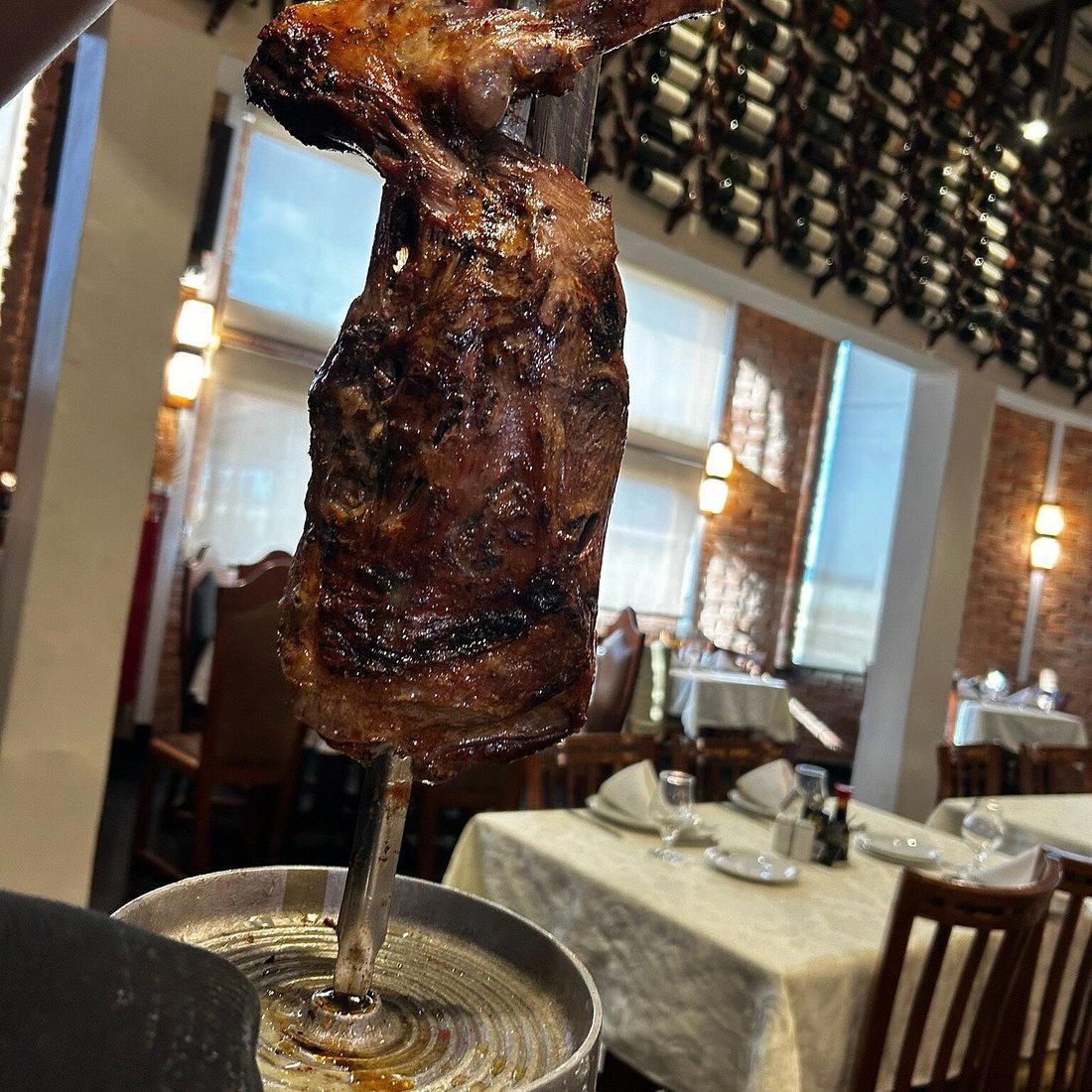
| Caçador barbeque house | Brazilian Churrascaria | $$ | industrial zone |
| Camorra Restaurante | Brazilian Seafood Internacional | $$$ | Jd. Cica |
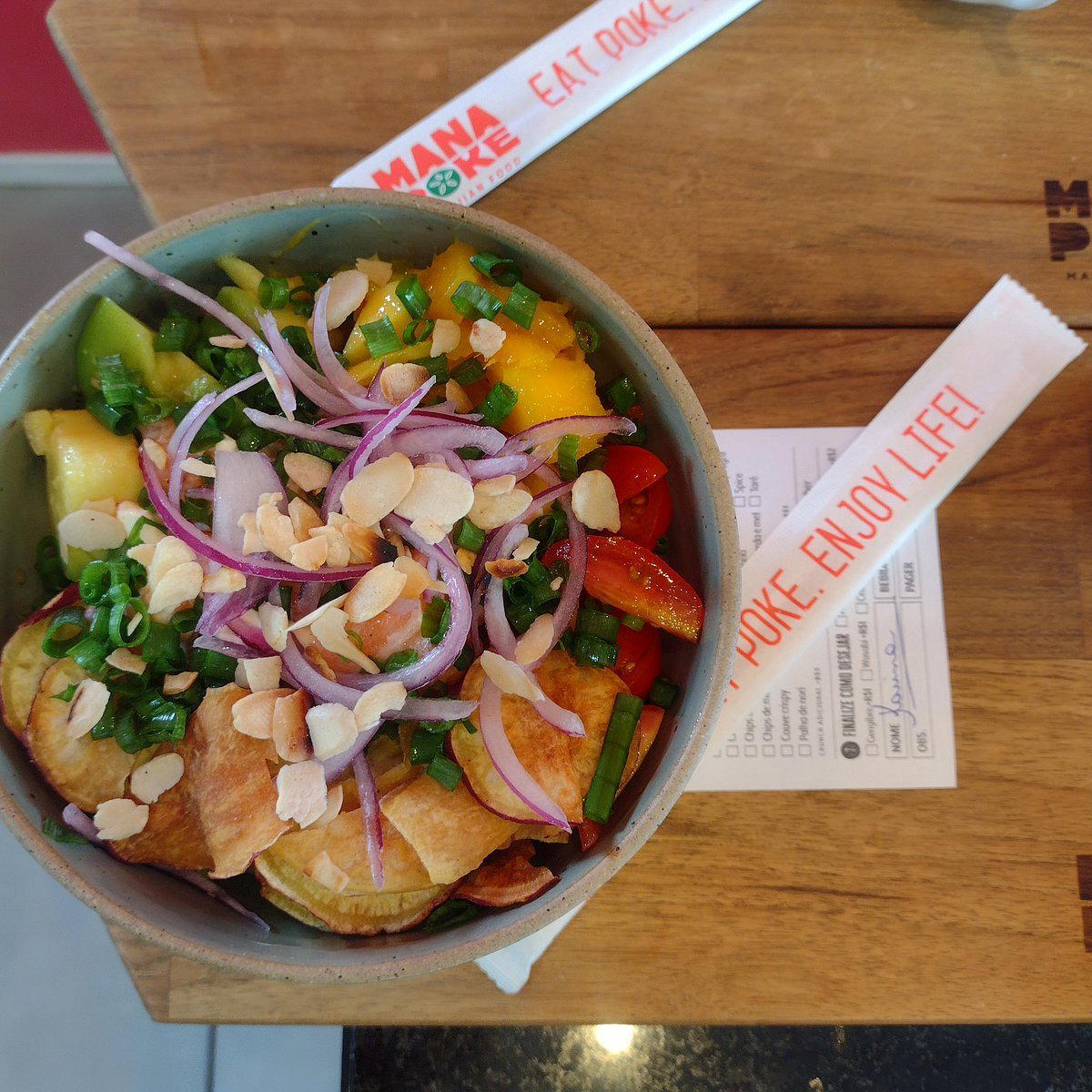
| Mana Poke - Rio Claro | Hawaiian Poke Bowls | $$ | Cidade Jardim |
Continue exploring
More in Sao Carlos
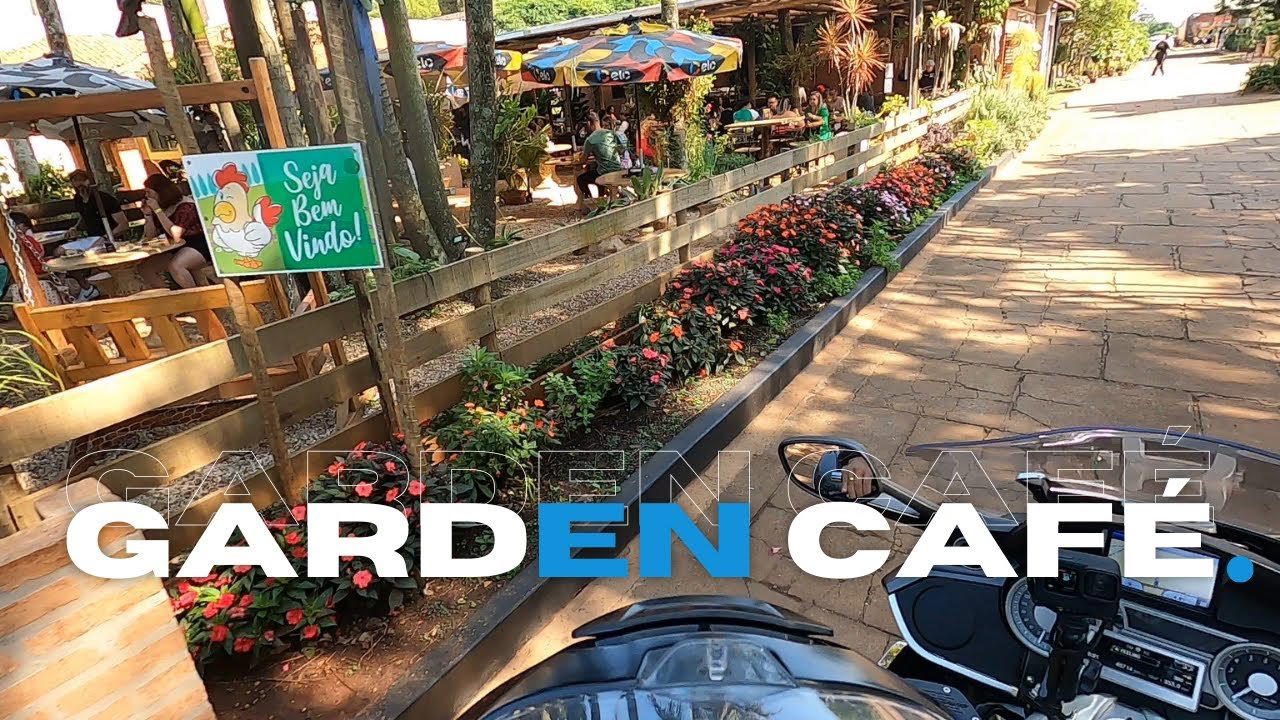
At a Glance
- Cozy
- Rustic
- Casual Hangout
- Historic Building
- Beer Program
- Street Scene
Current opening hours
- Monday
- 8 AM–11 PM
- Tuesday
- 8 AM–11 PM
- Wednesday
- 8 AM–11 PM
- Thursday
- 8 AM–11 PM
- Friday
- 8 AM–12 AM
- Saturday
- 11:30 AM–12 AM
- Sunday
- 11:30 AM–4 PM
Hours can change for holidays and private events. Last verified .
Acolhedora e direta (welcoming and direct) with historical ambiance blended with modern cuisine.