Casa Brasa
Our verdict
Fire, Smoke, and the Valencian Interior The stretch of Ronda de la Magdalena in Castelló de la Plana runs through a city that most visitors pass without stopping, treating it as a corridor between Valencia to the south and the Costa del Azahar's...
The menu
What to order
- Picanha
- Seafood paella
- Grilled octopus
Fire, Smoke, and the Valencian Interior
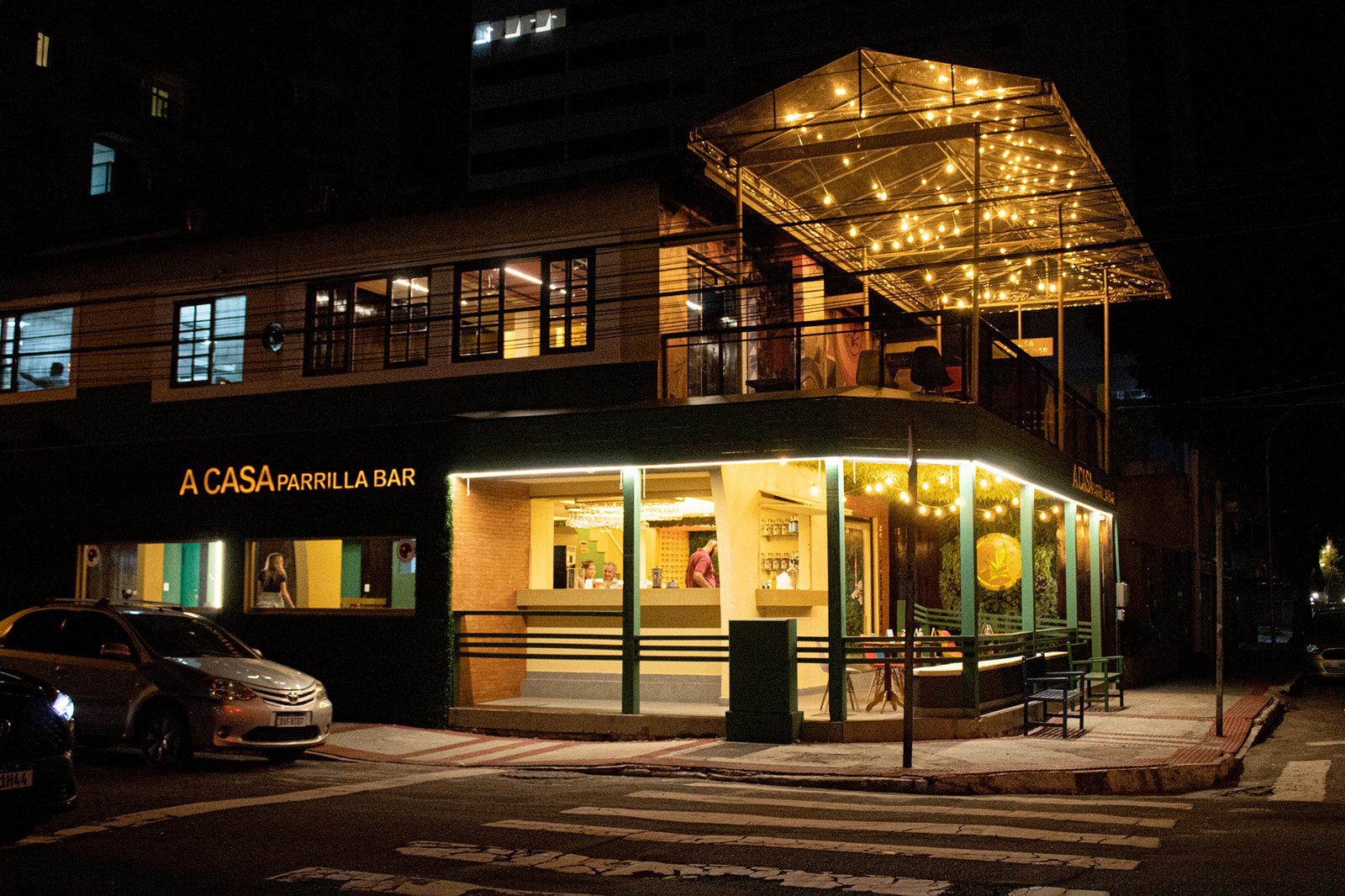
The stretch of Ronda de la Magdalena in Castelló de la Plana runs through a city that most visitors pass without stopping, treating it as a corridor between Valencia to the south and the Costa del Azahar's beach towns to the north. That instinct costs them. Castelló has developed a quieter, more grounded dining identity than its coastal neighbours, one built less around tourist footfall and more around the kind of food residents actually want to eat repeatedly. Casa Brasa, on that same ronda, belongs to that character: a place shaped by the act of cooking over fire rather than by the ambition to appear in international guides.
The address places the restaurant in the 12004 postcode, within easy reach of the city's central grid. Arriving in the early evening, the signal is olfactory before it is visual. Brasas, the Spanish word for embers, names both the technique and the temperament here. Open-fire cooking in the Valencian Community has a lineage running from the arròs a la llenya tradition of the rice paddies south of Valencia to the wood-roasted joints served in the mountains of the interior. Casa Brasa positions itself within that continuum rather than at a distance from it.
What the Embers Say About the Ingredient
Editorial argument for ember and live-fire cooking is, at its core, an argument about ingredient sourcing. High heat applied directly demands honesty from the raw material. A vegetable or a cut of meat that has travelled far or been held too long will announce itself immediately under brasa conditions, in ways that a braise or a cream sauce can obscure. Kitchens that commit to the method tend, over time, to commit to the supply chain as well, because the technique leaves them no other option.
In Castelló's case, that supply chain draws on a productive agricultural hinterland. The province of Castelló sits between the coastal plain and the ranges of the Sistema Ibérico, and that geography produces a varied larder: citrus and stone fruits from the coastal plains, lamb and kid from the higher pastures, game in season, and a particular tradition of cured pork products from the inland towns. Restaurants in the city that cook with fire tend to anchor their menus to this local produce calendar in ways that more internationally-oriented kitchens in Barcelona or Madrid do not need to, because their clientele expects it and the logistics support it.
This is a different mode of operation from the Michelin-starred creative kitchens further along the Spanish coastline. Quique Dacosta in Dénia, two hours south on the N-340, applies high technique to Mediterranean ingredients in a register that aspires to international conversation. Ricard Camarena in València works similarly within the city, with a laboratory-led approach to Valencian produce. Casa Brasa operates in a quieter register, one where the sourcing logic precedes the technical conversation rather than serving as its backdrop.
The Castelló Dining Scene in Context
Castelló de la Plana does not carry the dining reputation of Valencia or the Basque Country, and that absence of reputation is itself informative. The city's restaurants are not competing for international attention in the way that Arzak in San Sebastián, Azurmendi in Larrabetzu, or Martin Berasategui in Lasarte - Oria are. They are serving a city of around 170,000 people that has a working relationship with its food rather than a performative one. That working relationship tends to produce restaurants that are more consistent and less theatrical than their high-profile counterparts.
Within Castelló itself, Restaurante Pairal represents a different point on the local dining spectrum, one more oriented toward traditional Valencian formats. Casa Brasa and venues like it represent the live-fire strand of the city's eating culture, which has grown across Spain in the past decade as the braserías of the Basque Country and the wood-oven traditions of Castile have crossed-pollinated with Mediterranean coastal practice. For a fuller map of where Casa Brasa sits in the city's dining offer, the EP Club guide to Castelló de la Plana restaurants covers the range across price points and styles.
The live-fire category in Spain now includes everything from the elemental asadores of Castile to the technically sophisticated ember-cooking programs of restaurants like Aponiente in El Puerto de Santa María, where wood and fire are applied to seafood in ways that interact with creative cuisine ambitions. Casa Brasa operates closer to the elemental end of that range, where the embers are a philosophy rather than a technique layered onto an existing creative framework.
Spain's Broader Creative Register, for Reference
For those building a Spanish dining itinerary around Casa Brasa, it helps to understand where the restaurant sits relative to the country's higher-profile creative kitchens. El Celler de Can Roca in Girona, DiverXO in Madrid, Mugaritz in Errenteria, Cocina Hermanos Torres in Barcelona, Atrio in Cáceres, Cenador de Amós in Villaverde de Pontones, Noor in Córdoba, and Casa Marcial in Arriondas all operate in the multi-course, reservation-essential, internationally-reviewed tier. For international comparison, Le Bernardin in New York City and Lazy Bear in San Francisco illustrate how the commitment to a single ingredient category or cooking philosophy can build a sustained, award-recognised identity over time. Casa Brasa, as its name announces, has made that same commitment to fire and embers at a city-neighbourhood scale rather than an international one.
Planning a Visit
Casa Brasa is located at Ronda de la Magdalena, 34, in the 12004 district of Castelló de la Plana. The address is walkable from the city centre and accessible by public transport from the central Estació de Castelló. Given that live-fire restaurants in Spanish cities of this size tend to fill on weekend evenings with local regulars, midweek visits or early sittings are generally easier to secure without prior arrangement.
Frequently asked questions
Is Casa Brasa a family-friendly restaurant?
Casa Brasa sits on Ronda de la Magdalena in central Castelló de la Plana, a walkable city address that suits relaxed, multi-generational dining. Live-fire kitchens tend toward an open, convivial format rather than formal ceremony, which typically accommodates families well.
What's the overall feel of Casa Brasa?
The name signals the format directly: brasa, meaning live embers, is the organizing principle here, and that kind of cooking tends to produce rooms that smell of wood smoke and feel physically close to the kitchen. Castelló de la Plana is not a city that plays to tourist expectation, so the atmosphere at Casa Brasa reflects a local dining culture rather than a scene built for visitors. The address on Ronda de la Magdalena places it within the city's residential fabric, not a polished gastronomic district.
How does Casa Brasa fit into a broader Spanish fire-cooking itinerary?
Spain's live-fire cooking tradition runs from the Basque parrilla grill culture in the north through Castilian asadores and into the Valencian interior, and Casa Brasa in Castelló de la Plana sits within that regional thread. Castelló is positioned between Valencia city and Tarragona, making it a natural stop for those tracing the eastern Spanish coast with a serious interest in brasa-style cooking. The city lacks the dining profile of its larger neighbours, which means Casa Brasa draws a local clientele rather than a destination-driven crowd.
What dish is Casa Brasa famous for?
What the name and concept make clear is that the cooking centres on brasa technique, where protein and vegetables pass over live coals or embers rather than conventional heat. That method, common across the Valencian interior and the broader Spanish grill tradition, puts sourcing at the centre of the proposition: the ingredient has nowhere to hide.
How do I find Casa Brasa?
Casa Brasa is located at Ronda de la Magdalena, 34, 12004 Castelló de la Plana, Castelló, Spain, Castello De La Plana.
Should I book Casa Brasa in advance?
Castelló is not a saturated dining market, but a focused live-fire kitchen typically runs a compact number of covers, which can mean availability tightens faster than the city's profile might suggest.
How It Stacks Up
| Venue | Cuisine | Price | Awards | Notes |
|---|---|---|---|---|
| Casa BrasaThis venue (the venue you are viewing) | Spanish Grill and Steakhouse | Not listed | Not listed | Not listed |
| Quique Dacosta | Avant-Garde Spanish Fine Dining | $300–500 | 3 Michelin Stars · World's 50 Best #65 | Creative |
| Arzak | Contemporary Basque Fine Dining | $300–500 | 3 Michelin Stars · World's 50 Best #31 | Modern Basque, Creative |
| Azurmendi | Modern Basque Fine Dining | $300–500 | 3 Michelin Stars · World's 50 Best #81 | Progressive, Creative |
| Martin Berasategui | Modern Basque Fine Dining | $200–300 | 3 Michelin Stars · World's 50 Best #35 | Progressive Spanish, Creative |
| Aponiente | Avant-Garde Marine Seafood | $200–300 | 3 Michelin Stars · World's 50 Best #84 | Progressive - Seafood, Creative |
Continue exploring
More in Castelló de la Plana
Restaurants in Castelló de la Plana
All restaurants in Castelló de la Plana →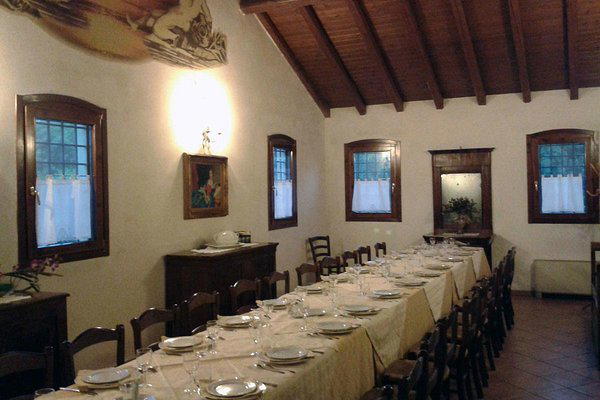
Wineries in Castelló de la Plana
Browse all →
Details
- Rustic
- Lively
- Family
- Group Dining
- Casual Hangout
- Open Kitchen
- A La Carte
- Vegetarian Friendly
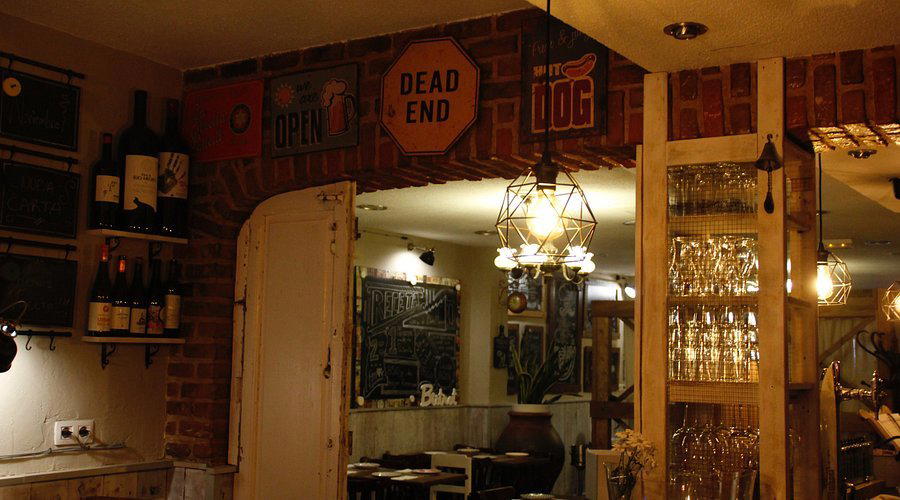
Clean, bright interior with the inviting aroma of embers from the grill, creating a welcoming family atmosphere.