Restaurante Pairal

Macarfi 7.7 Food Rating
Our verdict
Restaurante Pairal operates on Carrer del Doctor Fleming in Castelló de la Plana, a city whose dining scene is quietly gaining definition through kitchens that draw on Valencia's agricultural interior and Mediterranean coastline. Pairal sits within that local context, offering a point of reference for anyone mapping the city's mid-range restaurant tier against the broader Valencian Community's increasingly serious food culture.

Pearl is the En Primeur Club membership app, where members save venues, book tables and use the concierge.
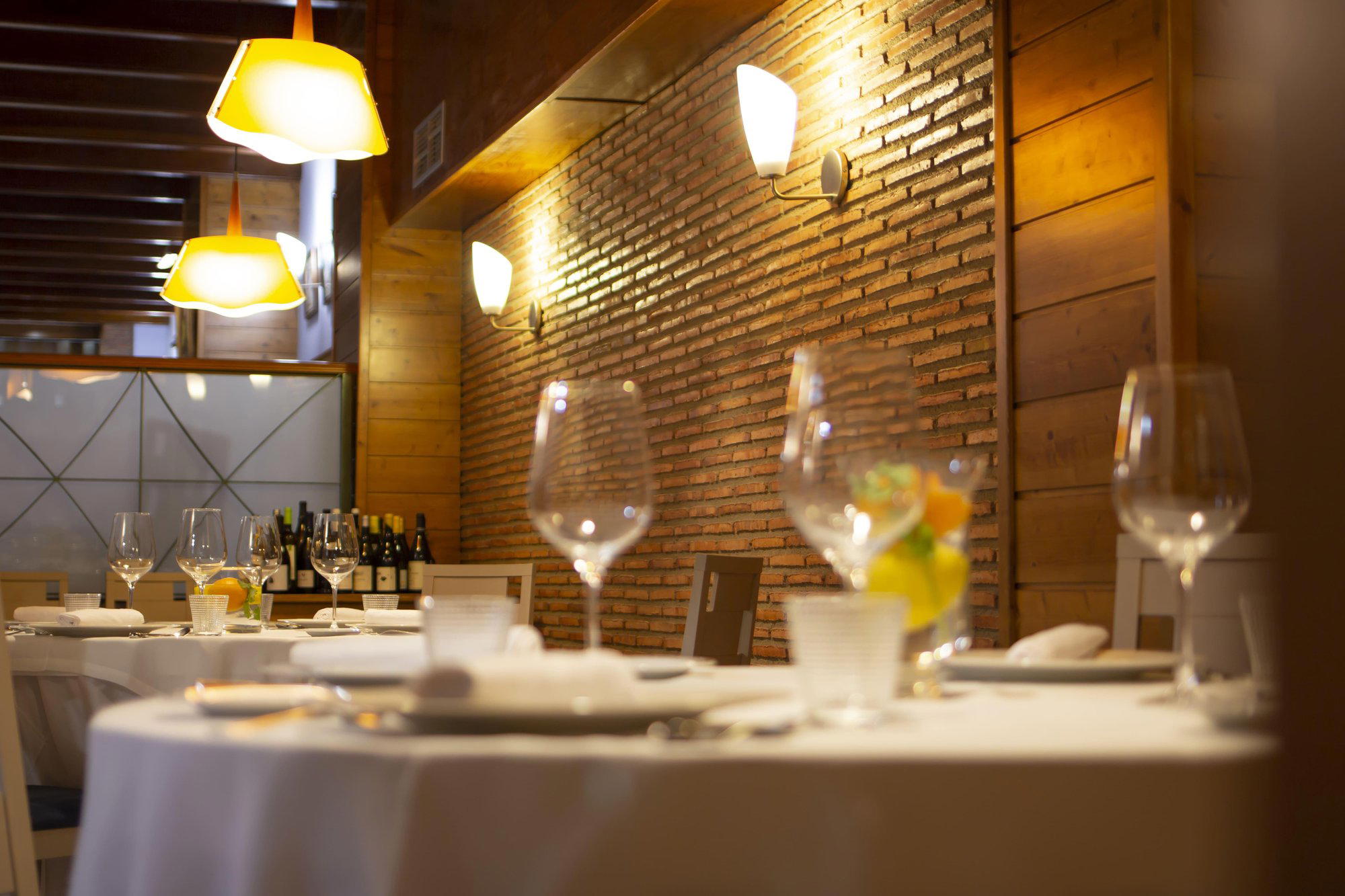
The menu
What to order
- Fideúa
- Arroz Senyoret
- Fideuá
- Scallop Ravioli
- Sea Urchin au Gratin
- Artichoke with Crayfish
Where Castelló's Dining Lands on the Map
Castelló de la Plana sits between two well-documented food poles: the rice and seafood traditions of the Valencia coast to the south, and the Maestrat mountain interior to the north, where vegetables, game, and cured meats have defined local cooking for centuries. Restaurants in the city that understand both axes tend to produce food with more character than those that default to generic Mediterranean mid-market menus. Carrer del Doctor Fleming, a residential address in the 12005 district, is not the city's obvious tourist corridor, which tends to mean the clientele is predominantly local. In Castelló, as in many provincial Spanish cities of its scale, the restaurants that survive on a local-first model are generally the ones cooking with more conviction than those positioned toward visitors.
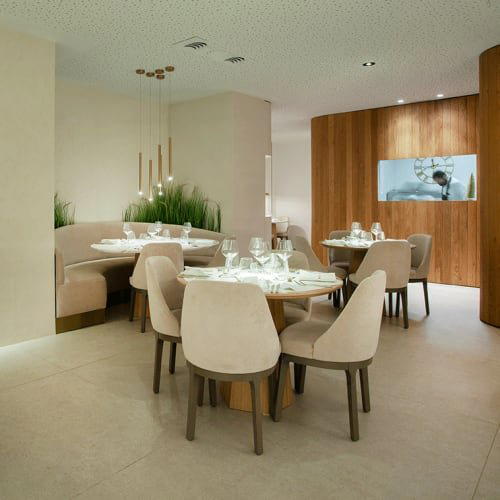
Restaurante Pairal occupies that residential-street position, on a block where the surrounding context is unhurried and domestic rather than commercial. Approaching from the street, the setting communicates a neighbourhood register: this is a place people return to rather than discover once. That kind of repeat-visit loyalty in a Spanish provincial city is almost always built on consistency and value alignment rather than novelty.
Ingredient Geography: The Valencian Community's Sourcing Advantage
The Valencian Community gives any serious kitchen a structural sourcing advantage that is difficult to replicate in other parts of Spain. The huerta, the irrigated agricultural plain that extends inland from the coast, produces artichokes, peppers, broad beans, citrus, and tomatoes across a longer growing season than most of northern Europe can sustain. The Mediterranean shelf off Castelló delivers species, red mullet, cuttlefish, sea bass, turbot, that appear in fish markets at the port with the frequency and freshness that only comes from short boat-to-table logistics chains. Mountain territories like the Ports de Beseit and the Maestrat plateau, accessible within an hour or two of the city, supply lamb, wild mushrooms in season, and the raw materials for the dried legume traditions that underpin much of inland Valencian cooking.
What this means practically is that a kitchen in Castelló that chooses to source regionally is working with genuinely good materials rather than making a philosophical gesture. The sourcing argument in the Valencian Community is not principally ideological, it is logistical and economic: proximity to quality supply is real and measurable. The Anhelo (Farm to table) approach in the city makes the sourcing logic explicit in its positioning. Pairal, operating from a residential-street address without the marketing apparatus of a farm-to-table brand declaration, may be doing similar work at a different register of visibility.
Across Spain's Valencian Community more broadly, sourcing discipline has become the axis on which serious restaurants differentiate. Quique Dacosta in Dénia built a three-Michelin-star program substantially on the marine resources of the Alicante coast. Ricard Camarena in València has made huerta vegetables the conceptual centre of his cooking. At the provincial level, kitchens like Pairal are operating in the shadow of those well-documented reference points, serving a local audience that understands the raw material quality available in the region.
Castelló's Restaurant Tier: Where Pairal Fits
Castelló's dining scene has a reasonably clear internal structure. At one end, a handful of kitchens are working with contemporary techniques and drawing editorial attention, including Arre (Contemporary) and Alessandro Maino (International), both of which occupy a mid-to-upper tier with defined culinary positions. IZAKAYA Tasca Japonesa (Japanese) represents a category shift, demonstrating that the city has enough appetite for specialist non-Spanish formats to sustain a standalone Japanese kitchen. Casa Brasa anchors the grill-led part of the market.
Pairal, based on its address and neighbourhood context, appears to function as a mid-market neighbourhood restaurant rather than a destination kitchen. That is not a diminishment: in Spanish cities of Castelló's size, the neighbourhood restaurant with loyal local clientele often represents a more accurate cross-section of regional cooking than the handful of places designed to attract outside attention. The comparison to destination restaurants elsewhere in Spain is instructive for calibrating expectations. El Celler de Can Roca in Girona, Arzak in San Sebastián, and Mugaritz in Errenteria operate at a tier and visibility level that Castelló's scene as a whole has not reached. Pairal is not competing in that frame. It is competing for the attention of local diners who want well-executed food in a comfortable setting, which is a different and arguably more demanding test of longevity.
Planning a Visit
Restaurante Pairal is located at Carrer del Doctor Fleming, 24, in the 12005 postal district of Castelló de la Plana. The address sits in a residential part of the city away from the main commercial and tourist corridors, which is worth factoring into navigation if you are arriving without local knowledge. For current hours, pricing, and reservation availability, the most reliable route is direct contact with the restaurant; published third-party listings in this category can lag actual operating schedules. Spanish provincial restaurants in this tier typically observe a lunch and dinner split with a midday closure, following the conventional Valencian timetable, but this should be confirmed directly. For a broader orientation to eating and drinking in the city, the EP Club Castelló de la Plana restaurants guide maps the scene across formats and price points.
Spain's Wider Frame
Positioning Castelló within Spain's food geography requires acknowledging how much the country's serious restaurant culture has clustered in a few well-publicised corridors: the Basque Country, Catalonia, Madrid, and the Valencian coast at its southern edge. DiverXO in Madrid, Cocina Hermanos Torres in Barcelona, Azurmendi in Larrabetzu, Martin Berasategui in Lasarte-Oria, and Aponiente in El Puerto de Santa María define the top end of Spanish fine dining for international audiences. Internationally, programs like Le Bernardin in New York City and Atomix in New York City provide useful reference points for what sustained kitchen discipline looks like at the highest global level. Castelló sits outside all of those circuits, which means the restaurants here are answering to a different audience and a different set of pressures. For travellers who engage with Spanish food at the provincial level rather than the flagship level, that is part of the point.
Frequently asked questions
Can I bring kids to Restaurante Pairal?
The address on Carrer del Doctor Fleming, 24 places it in a residential quarter of Castelló de la Plana, which typically means a neighbourhood dining room rather than a formal tasting-counter format. Contacting the restaurant directly before arrival is the only way to confirm seating arrangements for children.
What dish is Restaurante Pairal famous for?
No specific signature dish is documented in the available record for Restaurante Pairal. The restaurant is in Castelló de la Plana, a city that sits within reach of the Valencian huerta, coastal seafood, and the rice traditions of the region, so any serious kitchen here has strong raw-material access. Reaching out to the restaurant directly will give the clearest picture of the current menu focus.
Fast Comparison
Comparable venues nearby, for context on price, style, and recognition.
| Venue | Cuisine | Price | Awards | Notes |
|---|---|---|---|---|
| Restaurante PairalThis venue (the venue you are viewing) | Mediterranean Spanish Fine Dining | $50–100 | Macarfi 7.7 Food Rating | Not listed |
| Casa Brasa | Spanish Grill and Steakhouse | Not listed | Not listed | Periferia |
| Tasca del Puerto | Traditional Spanish Seafood & Paella | $30–50 | Michelin Plate · Macarfi 7.2 Food Rating | El Grao |
| Anhelo | Contemporary Mediterranean Fine Dining | $50–100 | Michelin Plate · Macarfi 8 Food Rating | Castelló de la Plana city centre |
| Alessandro Maino | Modern Italian Fine Dining with French Influences | $50–100 | Michelin Plate · Macarfi 8.2 Food Rating | city center |
| Arre | Modern Valencian with Grill | $30–50 | Michelin Bib Gourmand · Macarfi 7.6 Food Rating | centro |
Recognition history
Dated appearances from independent guides and award organizations, with the underlying list record or original source where available.
Macarfi 7.7 Food Rating
Macarfi
Continue exploring
More in Castelló de la Plana
Restaurants in Castelló de la Plana
All restaurants in Castelló de la Plana →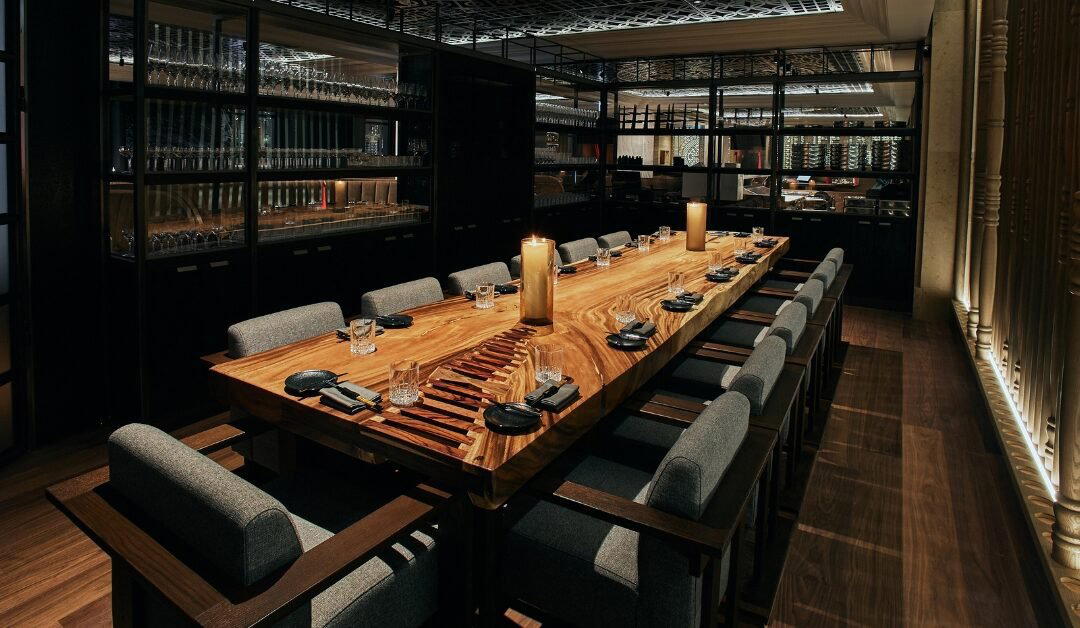
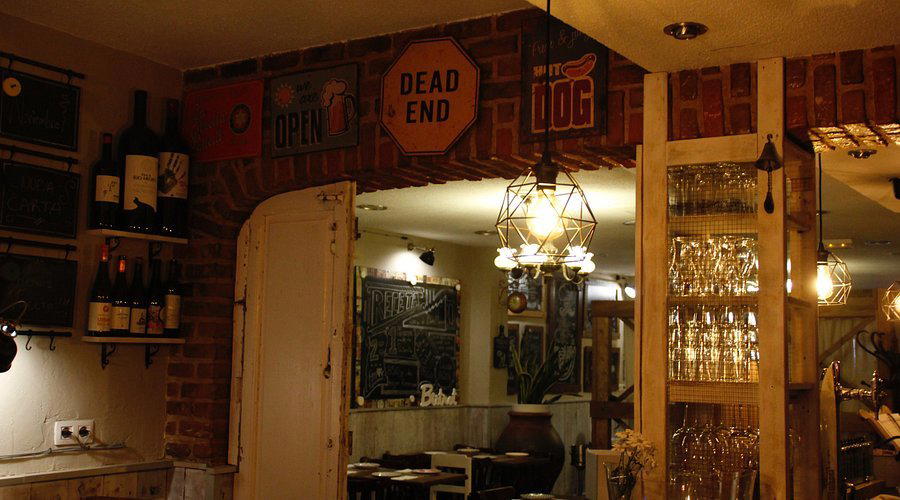
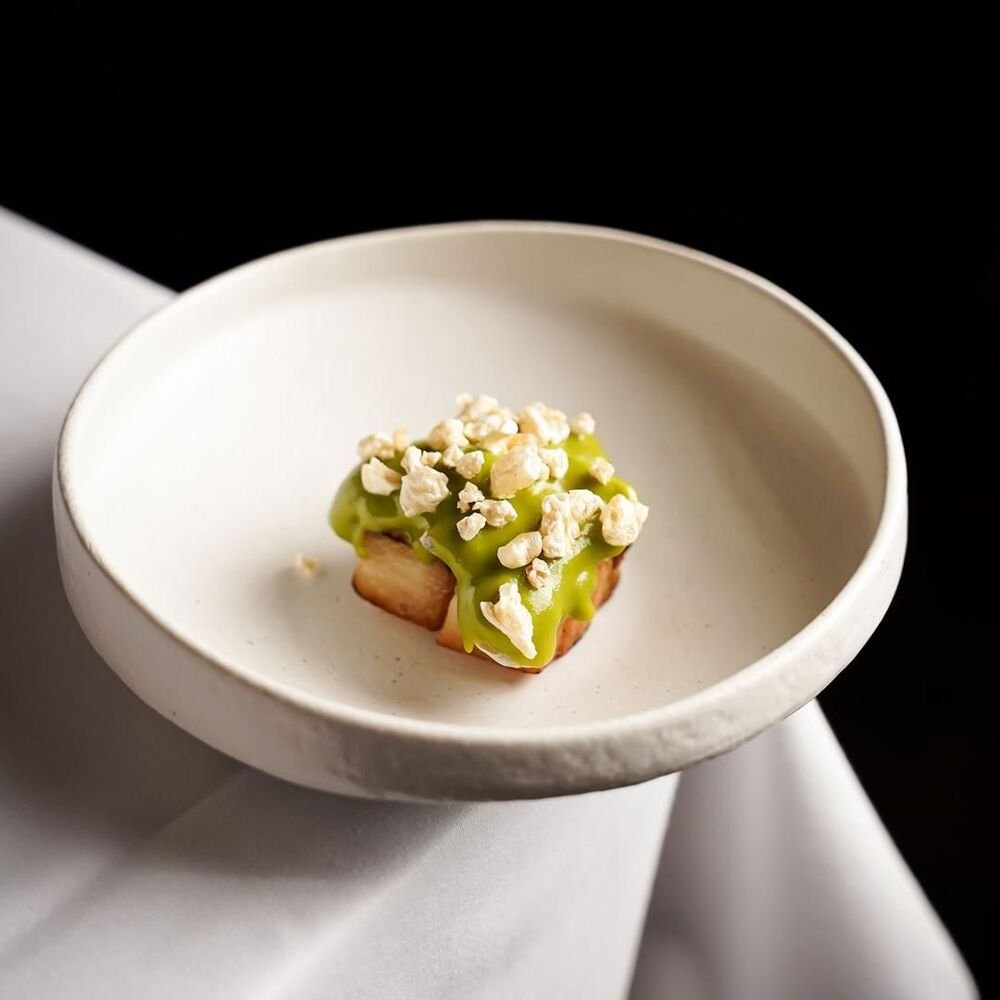
Wineries in Castelló de la Plana
Browse all →
Restaurante Pairal
The wine
- Wine program
- Deep wine list
- Extensive wine list
- Sommelier-led
Details
- Classic
- Elegant
- Sophisticated
- Intimate
- Date Night
- Special Occasion
- Celebration
- Business Dinner
- Group Dining
- Private Dining
- Standalone
- Extensive Wine List
- Sommelier Led
- Local Sourcing
- Sustainable Seafood
- A La Carte
- Set Menu
- Prix Fixe
- Wine
- Spanish Wines
- P.d.o. Wines
- Vegetarian Friendly
- Vegan Options
- Gluten Free Options
Current opening hours
- Monday
- Closed
- Tuesday
- 1:30–3:30 PM
- Wednesday
- 1:30–3:30 PM
- Thursday
- 1:30–3:30 PM
- Friday
- 1:30–3:30 PM, 8:30–10:30 PM
- Saturday
- 1:30–3:30 PM, 8:30–10:30 PM
- Sunday
- 1:30–3:30 PM
Hours can change for holidays and private events. Hours as of .
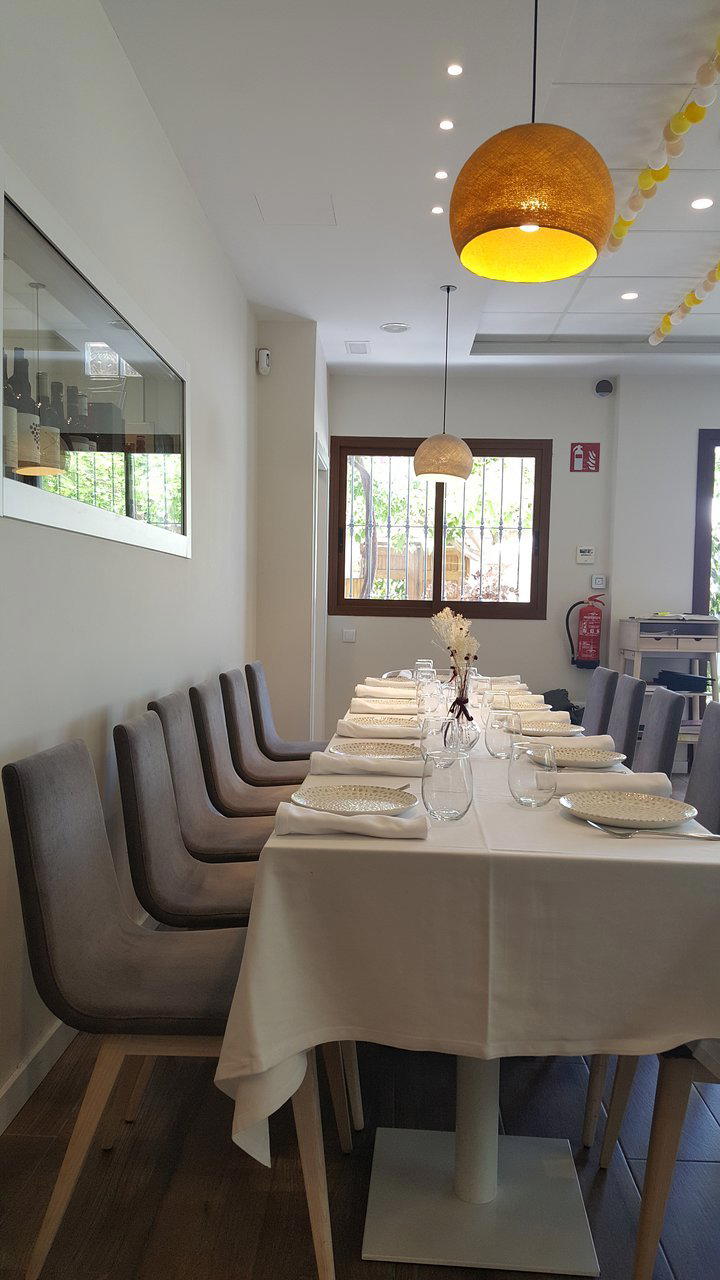
Classic and traditional setting with formal, attentive service and a cozy, welcoming atmosphere that respects culinary heritage while incorporating contemporary techniques.