Casa Bianca Pizza Pie
Our verdict
Casa Bianca Pizza Pie has anchored Eagle Rock's dining identity since the mid-twentieth century, occupying a position in Los Angeles pizza history that few neighborhood institutions can match. Located at 1650 Colorado Blvd, it draws a loyal following through a no-frills format and a menu built around long-established recipes. For a city better known for its fine-dining ambition, Casa Bianca represents a quieter, more durable kind of authority.

Pearl is the En Primeur Club membership app — saves, bookings, and concierge access live there. Same editors, same standards.
- Address
- 1650 Colorado Blvd, Los Angeles, CA 90041
- Phone
- (323) 256-9617
- Hours
- Mon ClosedTue–Thu 4–9 PMFri–Sat 4–11 PMSun Closed
- Website
- casabiancapizza.com
- Directions
- Get directions
The menu
What to order
- Sausage Pizza
- Deluxe Pizza
- Pasta Al'Forno
- Linguini & Clams
Eagle Rock's Long Game: What Casa Bianca Says About LA's Pizza Tradition
Colorado Boulevard in Eagle Rock moves at a different pace than the restaurant corridors that dominate most Los Angeles dining coverage. There are no valet stands, no reservations accepted on third-party apps, no tasting menus anchored by a celebrity name. What the stretch between Figueroa and Eagle Rock Avenue does have is Casa Bianca Pizza Pie, a red-sauce institution at 1650 Colorado Blvd that has been shaping the neighborhood's culinary identity long enough to predate most of the city's current fine-dining conversation entirely.
Los Angeles has always had a complicated relationship with pizza. The city's size, its sprawl across distinct micro-communities, and its appetite for reinvention have produced everything from Neapolitan-certified wood-fire operations in Silver Lake to Detroit-style square pies in the Valley. Yet the venues that tend to outlast trend cycles are rarely the ones chasing them. Casa Bianca fits that pattern: a neighborhood institution whose longevity functions as its credential, in a city where longevity is genuinely hard to come by.
Where It Sits in the LA Dining Ecosystem
To understand what Casa Bianca represents, it helps to map it against what surrounds it — not just geographically, but in terms of the dining tier it occupies. Los Angeles restaurants receiving sustained national attention tend to cluster at the upper end of the price spectrum: Providence for contemporary seafood, Kato for New Taiwanese cuisine, Somni for molecular progression, Hayato for kaiseki formality. At the Italian end, Osteria Mozza has held serious critical attention for years. These venues represent one version of what LA dining can be.
Casa Bianca represents another. The pizza-and-pasta neighborhood institution is a distinct category, and within Los Angeles, it is a category with fewer long-standing entries than many assume. The city's growth and real estate pressures have claimed dozens of mid-century Italian-American restaurants that once defined neighborhood dining in communities from Boyle Heights to the Westside. What survives carries additional weight precisely because so much did not.
The Format and What It Signals
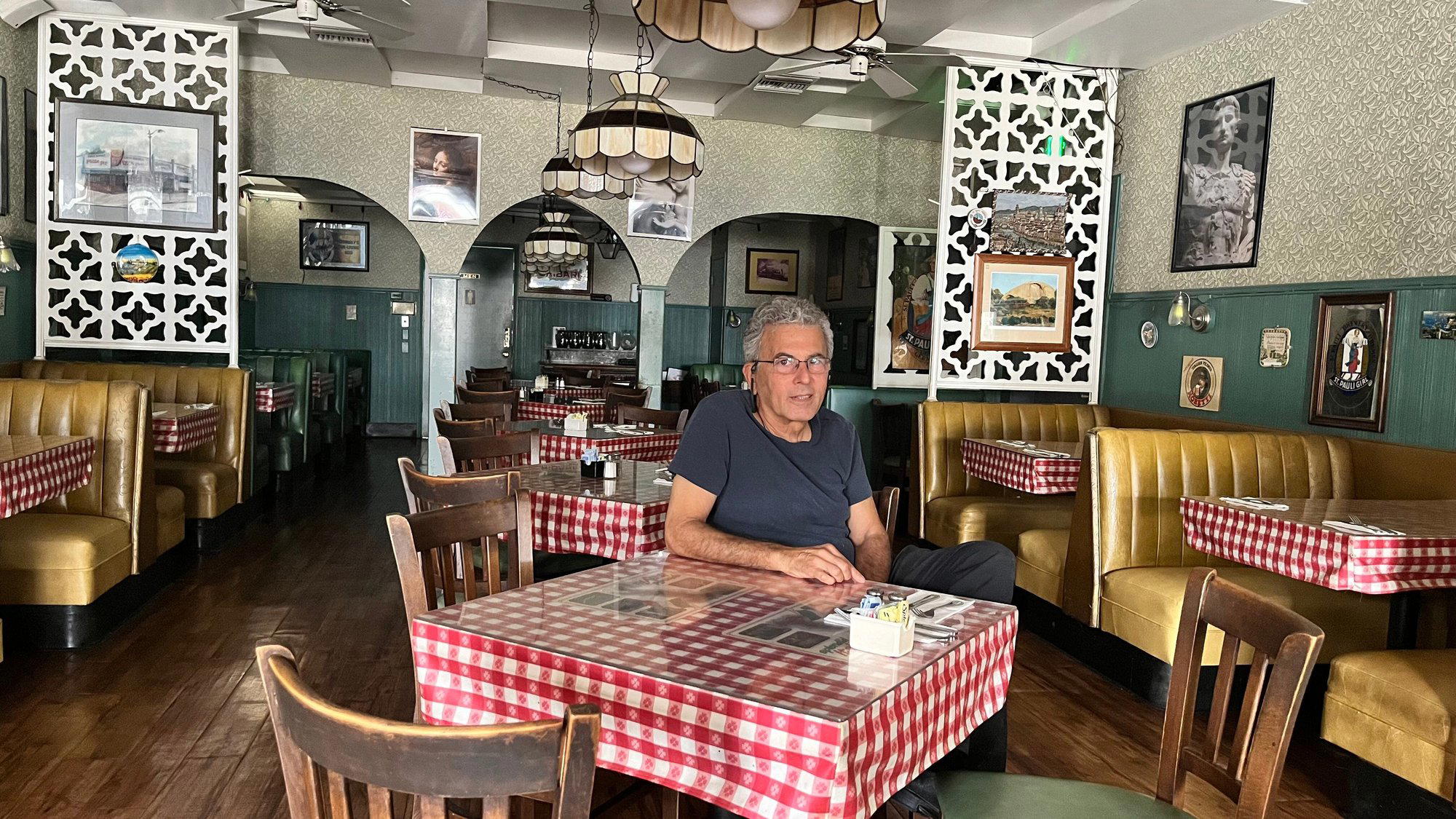
The physical environment at Casa Bianca does the communicating that marketing copy might otherwise handle. Red-checkered tablecloths, a room that rewards regulars over first-timers, and a queuing system that has become something of a local ritual — these are not design choices assembled by a hospitality consultant. They are the residue of decades of consistent operation, and they signal a kitchen uninterested in redefining itself for each new wave of dining coverage.
That consistency is the product most neighborhood institutions of this type are actually selling. Not novelty, not technical innovation, not a chef whose biography fits a particular narrative moment, but the reliable reproduction of a version of Italian-American cooking that many Angelenos encountered at a formative age and continue to return to. In a city where restaurants open and close with considerable speed, the ability to be the same place for a very long time is its own form of distinction.
The Wine Question at a Neighborhood Institution
The editorial angle that rewards attention at a venue like Casa Bianca is not the wine list in the sense that applies to, say, Frasca Food & Wine in Boulder or Le Bernardin in New York City, where sommelier programs operate as central features of the dining proposition. At red-sauce neighborhood institutions, the beverage question resolves differently. The list, where one exists, tends toward accessible Italian and Californian bottles at prices that match the food. The implicit argument is coherence: a Chianti or a modest Sangiovese-based wine does more useful work alongside a tomato-heavy pizza than a trophy Burgundy would.
This is not a failure of ambition. It reflects a category logic that venues at the upper end of the market, The French Laundry in Napa, Blue Hill at Stone Barns in Tarrytown, Atomix in New York City, have reversed but not invalidated. The sommelier program as a premium differentiator works because a customer base is already committed to spending at a level where cellar depth matters. At a neighborhood pizzeria, the contract is different. The beverage program succeeds when it stays out of the way and lets the food and the room do the work they have always done.
Comparable venues elsewhere, traditional Italian-American houses in Chicago's neighborhoods, old-school red-sauce rooms in Boston's North End, operate on the same logic. Smyth in Chicago and Lazy Bear in San Francisco occupy entirely different tiers, but they help locate what Casa Bianca is not, and therefore clarify what it is.
Eagle Rock in Context
Eagle Rock's dining identity has shifted meaningfully over the past decade. The neighborhood attracted a younger demographic and with it a generation of smaller, more technique-forward restaurants and bars. Casa Bianca sat through that transition without reconfiguring itself to participate in it, which is either stubbornness or confidence depending on the reader's priors. The surrounding area now offers considerably more culinary range than it did twenty years ago, which means Casa Bianca competes in a denser environment, and continues to fill its room regardless.
Colorado Boulevard as a dining corridor is worth a dedicated evening for visitors who want a counterweight to the fine-dining itineraries that dominate most LA travel coverage. The neighborhood lacks the profile of Los Feliz or Silver Lake but has accumulated enough consistent operators to support a meal-and-walk format. Casa Bianca anchors the older end of that spectrum.
For a broader orientation to what Los Angeles dining looks like across all tiers and neighborhoods, EP Club's full Los Angeles restaurants guide maps the city's dining geography in more detail. Reference points outside California worth holding in mind include Emeril's in New Orleans, Addison in San Diego, Single Thread Farm in Healdsburg, The Inn at Little Washington, and Atelier Moessmer Norbert Niederkofler in Brunico for a sense of how institutions at different price tiers and in different culinary traditions manage longevity.
Planning Your Visit
Address: 1650 Colorado Blvd, Los Angeles, CA 90041 (Eagle Rock). Reservations: Casa Bianca is known for operating on a walk-in or call-ahead basis rather than through standard online booking platforms, confirm current policy directly before visiting. Timing: Expect a wait during peak evening hours, particularly on weekends; arriving early in the dinner service reduces queue time. Getting There: The venue is accessible via the Metro Gold Line (now A Line) with the Eagle Rock/Colorado station nearby, making it reachable from Downtown and Pasadena without driving. Budget: Pricing sits in the neighborhood-restaurant range, substantially below the fine-dining tier represented by venues like Providence or Hayato. Dress: No dress code; the room operates informally.
Frequently asked questions
What should I eat at Casa Bianca Pizza Pie?
Do I need a reservation for Casa Bianca Pizza Pie?
What do critics highlight about Casa Bianca Pizza Pie?
Is Casa Bianca Pizza Pie the kind of place worth traveling across Los Angeles for?
Booking and Cost Snapshot
Comparable venues nearby, for context on price, style, and recognition.
| Venue | Cuisine | Price | Notes |
|---|---|---|---|
| Casa Bianca Pizza PieThis venue — the venue you are viewing | Classic Italian Thin-Crust Pizza | $20–30 | Not listed |
| Savta | French-Mediterranean Wood-Fired Italian | $30–50 | Farmer Market, French-Mediterranean Wood-Fired Italian |
| Oste | Roman Pinsa Italian | Not listed | Beverly Grove, Roman Pinsa Italian |
| Barrio | Roman and Calabrian Italian Bistro | Not listed | Boyle Heights, Roman and Calabrian Italian Bistro |
| 800 Degrees Pizza | Wood-Fired Neapolitan Pizza | $20–30 | Hollywood, Wood-Fired Neapolitan Pizza |
Continue exploring
More in Los Angeles
Restaurants in Los Angeles
Browse all →
Bars in Los Angeles
Browse all →
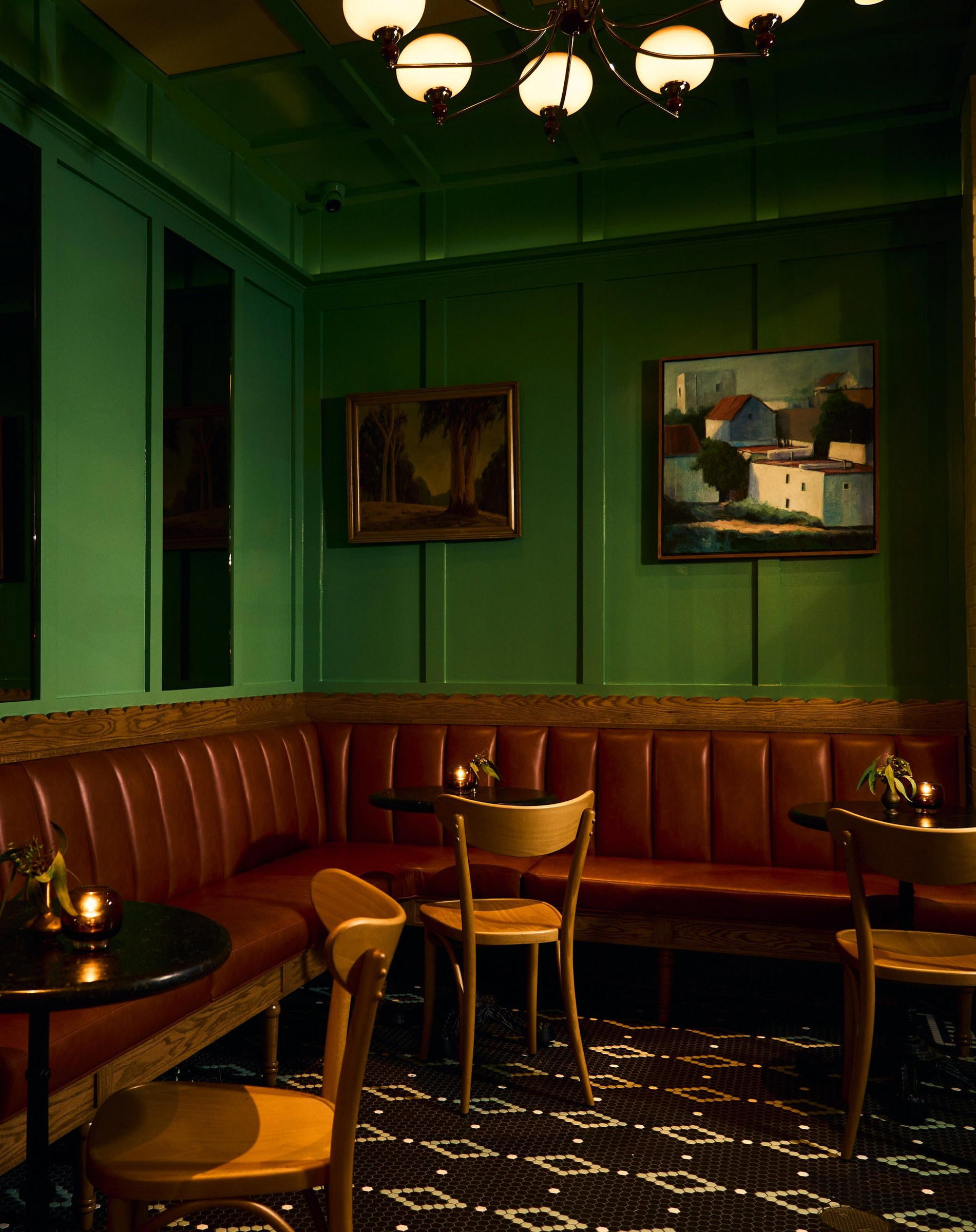
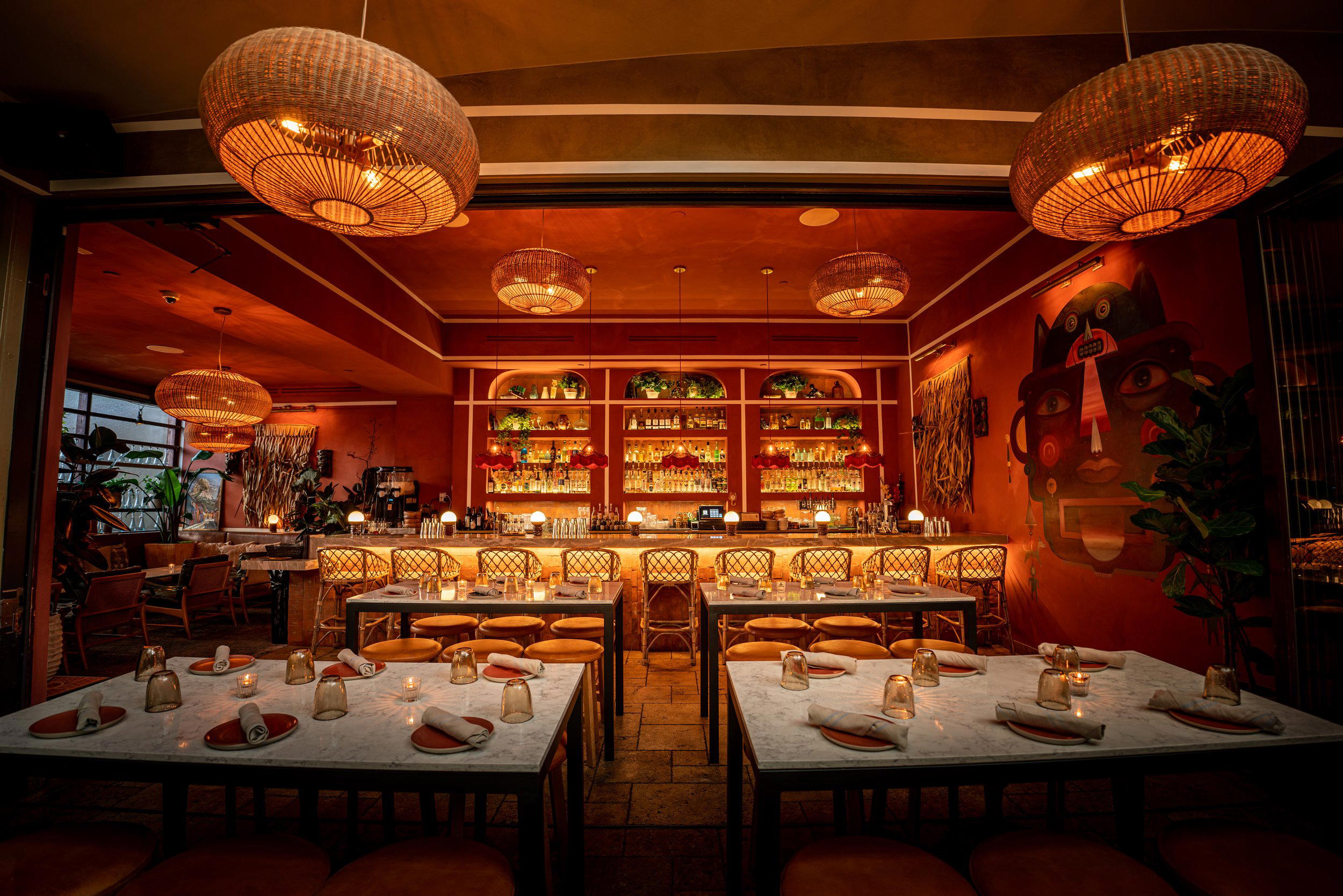

Hotels in Los Angeles
Browse all →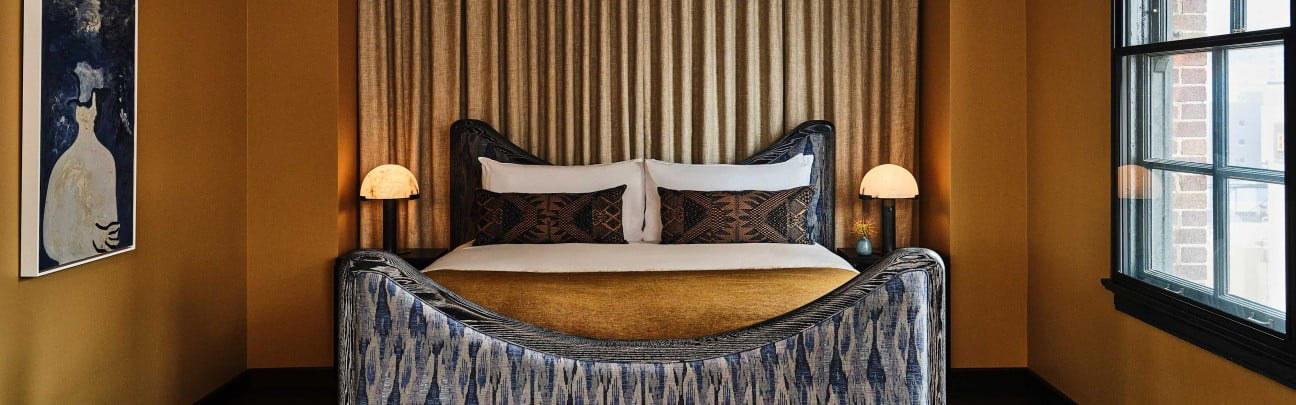

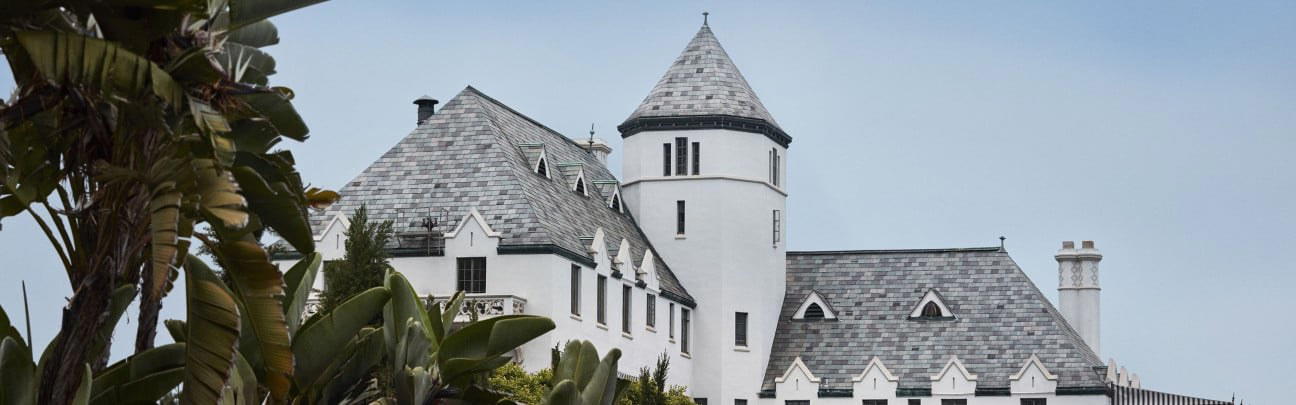
Wineries in Los Angeles
Browse all →
Details
- Classic
- Cozy
- Well Known
- Family
- Casual Hangout
- Late Night
- Historic Building
- A La Carte
- Vegetarian Friendly
- Vegan Options
Current opening hours
- Monday
- Closed
- Tuesday
- 4–9 PM
- Wednesday
- 4–9 PM
- Thursday
- 4–9 PM
- Friday
- 4–11 PM
- Saturday
- 4–11 PM
- Sunday
- Closed
Hours can change for holidays and private events. Last verified .
Casual old-fashioned dining room with a warm, inviting, family-friendly atmosphere.