Carson Kitchen
Carson Kitchen occupies a converted industrial space in Salt Lake City's downtown core, placing it among the handful of mid-market restaurants pushing beyond the protein-and-starch template that has long defined Utah dining. The kitchen's approach aligns with a growing regional interest in sourcing discipline and lower-waste cooking, positioning it closer to the ethical-sourcing tier than its price point might suggest.
Pearl is the En Primeur Club membership app — saves, bookings, and concierge access live there. Same editors, same standards.
- Address
- 241 W 200 S, Salt Lake City, UT 84101
- Phone
- +13852523200
- Website
- carsonkitchen.com
- Directions
- Get directions
 Saves & bookings on Pearl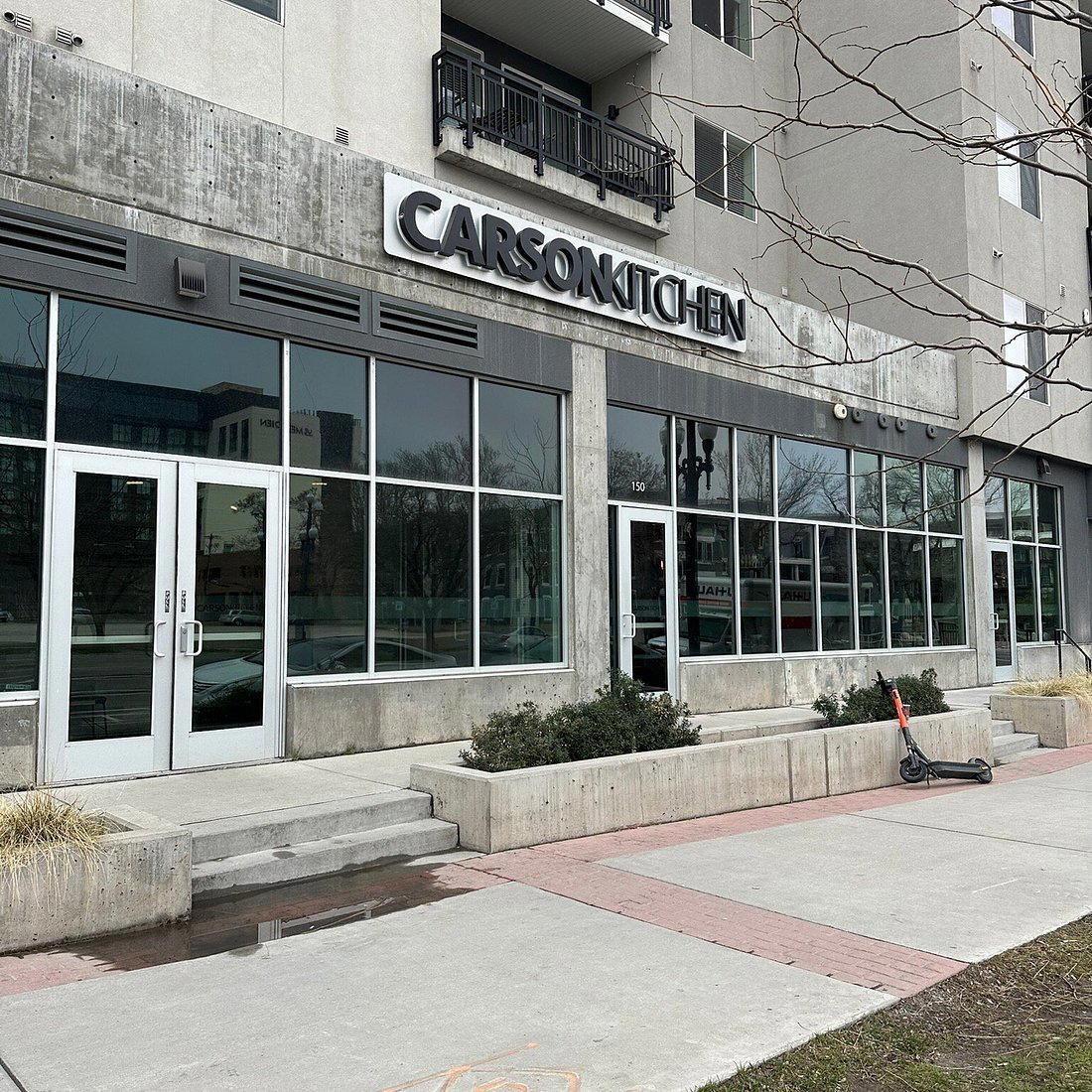
Downtown Salt Lake City's Shift Toward Sourcing-Conscious Cooking
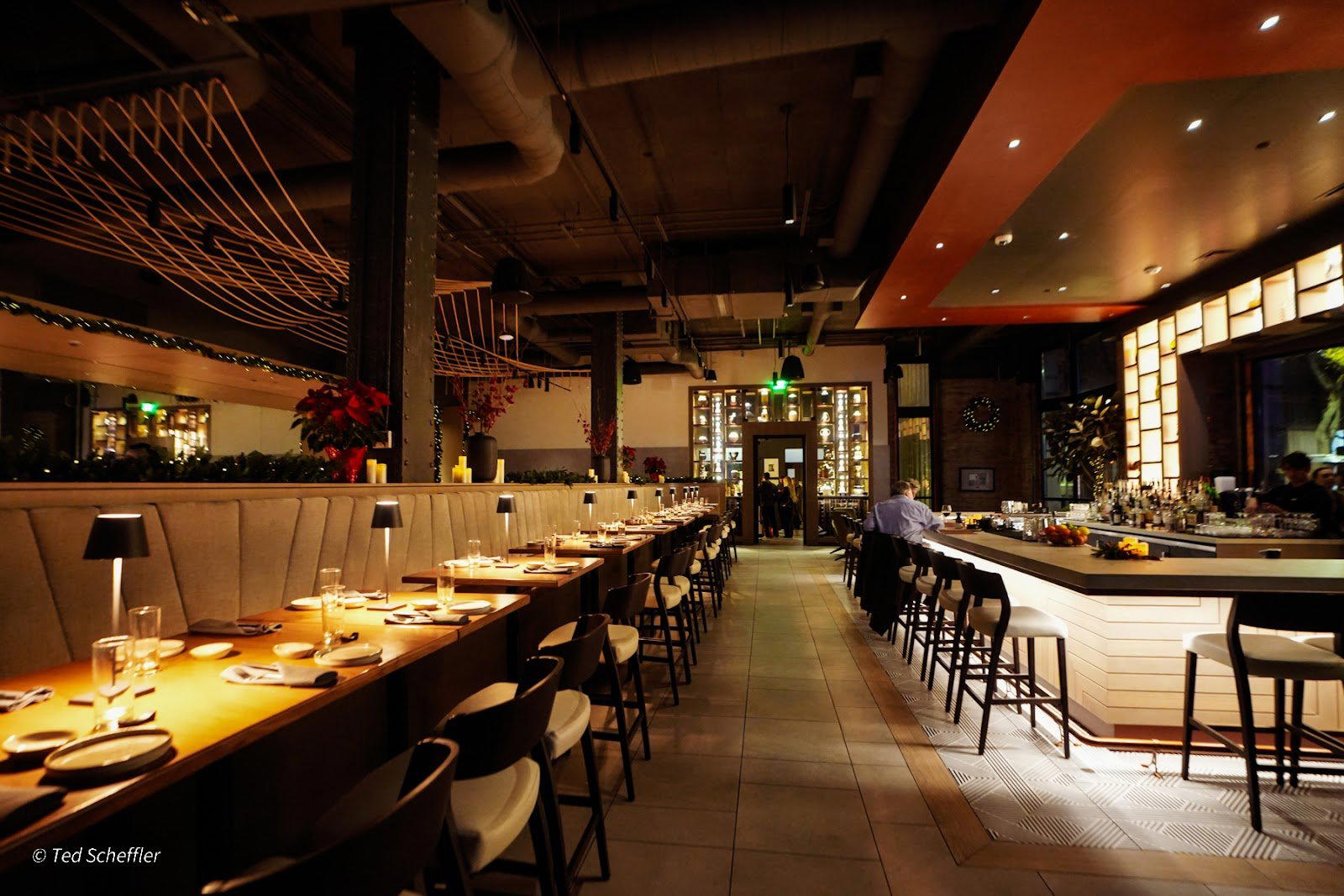
Walk along 200 South on any given evening and the block around 241 W feels noticeably different from the broader Salt Lake City restaurant corridor. The building's industrial bones, exposed brick, high ceilings, a floor plan that reads more warehouse than dining room, signal the kind of conversion project that typically precedes a neighbourhood's upward drift. Carson Kitchen arrived in that window, and the surrounding blocks have continued to consolidate around it as downtown Salt Lake City's denser, walkable dining zone.
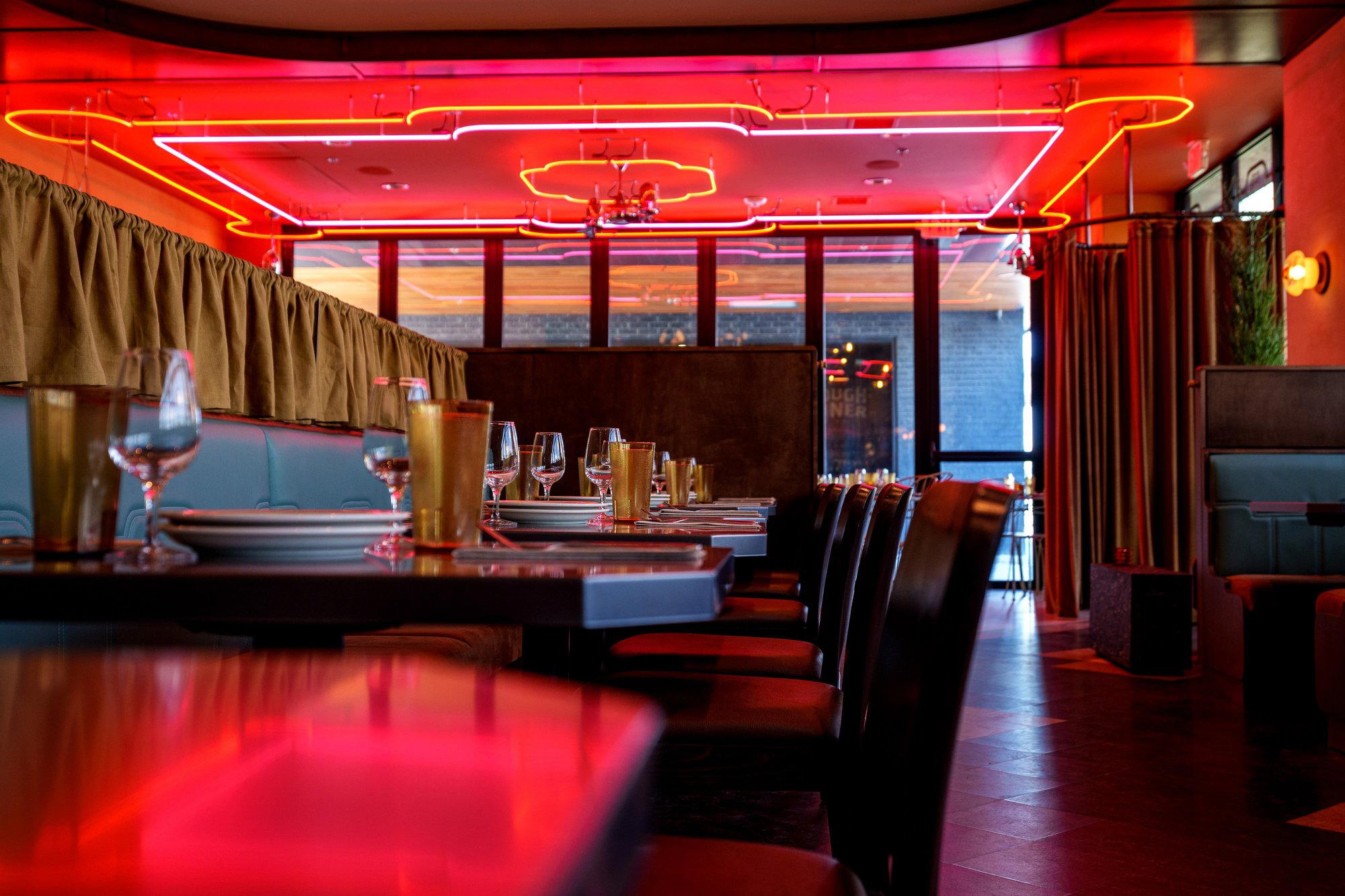
The room is warm, informal, and unflashy. The lighting is warm rather than theatrical, the noise level positions the space firmly in the communal rather than contemplative register, and the kitchen operates in a manner that feels connected to the room rather than concealed behind a closed door. That transparency helps shape the room's appeal. When a kitchen has something to say about where its ingredients come from, it tends not to hide behind formality.
Where Carson Kitchen Sits in the Salt Lake City Mid-Market
Salt Lake City's restaurant scene has stratified more sharply over the past decade. At one end sit white-tablecloth hotel dining rooms like Bambara Salt Lake City, which operate under the conventions of upscale American brasserie cooking. At the other end, neighbourhood spots like Avenues Proper anchor their identity in local community and approachable price points. Carson Kitchen occupies the middle band: above casual, below destination fine dining, and operating in a register where kitchen ambition has to be expressed through discipline rather than ceremony.
That middle band is where ethical sourcing tends to do its most interesting work. Fine-dining operations like Blue Hill at Stone Barns in Tarrytown or Single Thread Farm in Healdsburg have the capital and the guest expectations to make farm-to-table sourcing the explicit narrative frame. A mid-market kitchen has to absorb those costs differently, through tighter menu editing, whole-animal or whole-vegetable thinking, and a shorter, more frequently rotated list that reduces spoilage rather than showcasing abundance. The degree to which the restaurant applies that logic is part of what separates it from comparable downtown options like Blind Rabbit Kitchen or Arlo Restaurant.
The Sustainability Register at This Price Point
Sustainability in American restaurants now covers a wide range of actual practice, from marketing language with little operational change to genuine infrastructure investment in sourcing networks, composting, and waste auditing. The restaurants that tend to move the needle at the mid-market level are those that make sourcing decisions visible through the menu itself, shorter ingredient lists, preparation methods that extract value from underused cuts or trimmings, and a willingness to let seasonal availability shape what gets served rather than engineering year-round consistency.
Nationally, the operations that have made this approach structurally serious, Smyth in Chicago, Providence in Los Angeles, Addison in San Diego, have done so at price points that subsidise the labour and logistics involved. Further afield, Atelier Moessmer Norbert Niederkofler in Brunico has made the regional-sourcing constraint into the defining formal element of the tasting menu format. These are reference points for what the sustainability commitment looks like when it is structurally embedded rather than incidentally applied.
The restaurant operates without that price umbrella. What that means in practice is a kitchen that has to be more selective: fewer items on the menu, higher utilisation of each ingredient, and a rotation schedule tied more closely to what suppliers can actually deliver at quality. That discipline, when executed consistently, produces food that reads as more considered rather than less ambitious, which is a different kind of achievement from the grand-gesture tasting menus that dominate the national conversation.
How This Compares to the Broader Downtown Cluster
The downtown Salt Lake City dining cluster has added meaningful options over the past several years. Adelaide brings a specific regional cuisine lens to the neighbourhood. Avenues Proper operates with a community-pub sensibility that keeps it in a different competitive frame entirely. The restaurant sits closer to the cluster of restaurants where the food is the primary draw and the room functions as comfortable support rather than spectacle. In a city where dining out was long subordinate to the outdoor activity culture that defines Utah's identity, the emergence of restaurants with genuine kitchen programs represents a structural shift rather than a temporary trend.
For reference, restaurants nationally that have built durable versions of this model include Lazy Bear in San Francisco, which formalised a supper-club ethos into a sustainable restaurant operation, and Emeril's in New Orleans, which demonstrated how regional sourcing identity could be maintained at scale. Neither is a direct peer of the restaurant in format or price, but both illustrate the range of shapes that sourcing commitment can take. At the highest end of the national conversation, operations like The French Laundry in Napa, Le Bernardin in New York City, Atomix in New York City, and The Inn at Little Washington in Washington demonstrate what the commitment looks like when budget constraints are removed entirely.
Planning a Visit: What to Know Before You Go
The restaurant is located at 241 W 200 S in downtown Salt Lake City, positioned within walking distance of the city's main transit corridors and hotel district, which makes it a practical option for visitors staying centrally. The restaurant is recommended for reservations and follows a smart casual dress code. The room's format, open, social, not especially quiet, means it works as well for groups as for pairs, though the mid-week window typically offers more flexibility than Friday or Saturday evenings in this part of downtown.
The Essentials
Comparable venues nearby, for context on price, style, and recognition.
| Venue | Cuisine | Price | Notes |
|---|---|---|---|
| Carson KitchenThis venue — the venue you are viewing | Downtown, Modern American Comfort Food | $$ | Not listed |
| White Horse Spirits & Kitchen | Not listed | $$ | Clark Learning Office Center, Modern American Brasserie |
| The Blue Plate Diner | Sugarhouse, Americana Diner Comfort Food | $$ | Not listed |
| Oasis Cafe | Central City, Healthy American Cafe | $$ | Not listed |
| Copper Canyon Grill House & Tavern | Downtown, American Grill House | $$ | Not listed |
| Arlo Restaurant | Not listed | $$$ | Capitol Hill, Contemporary New American with Global Influences |
Continue exploring
More in Salt Lake City
Restaurants in Salt Lake City
Browse all →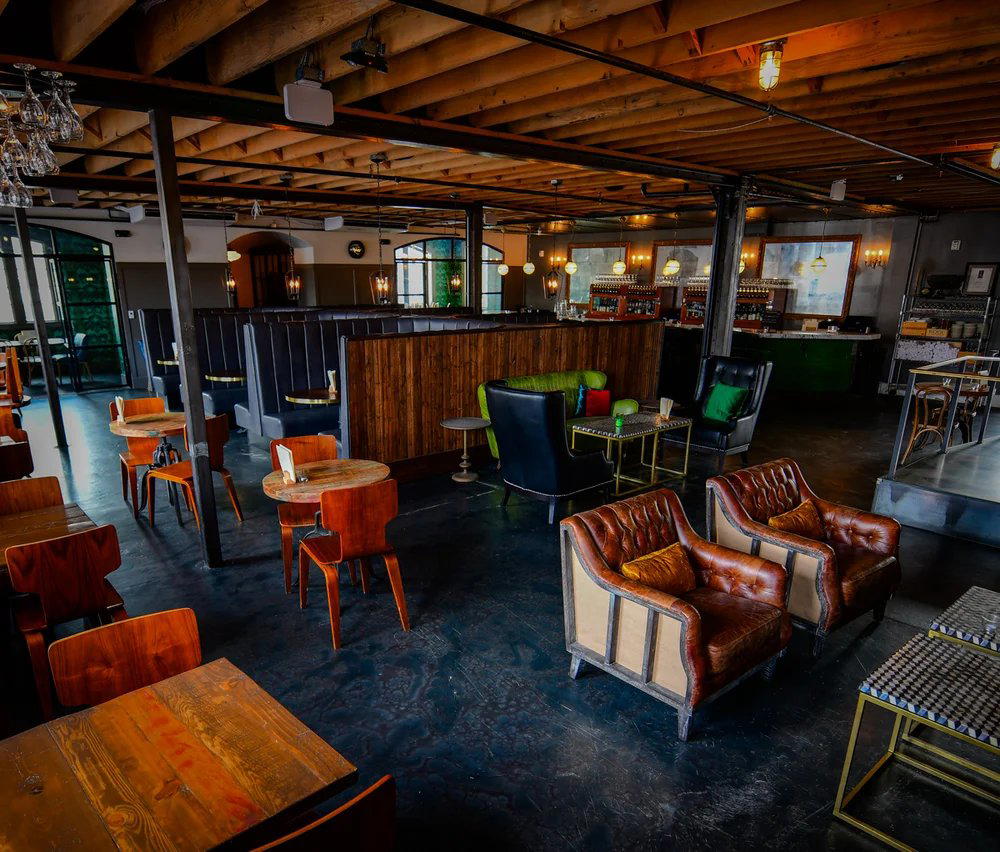
Bars in Salt Lake City
Browse all →
Hotels in Salt Lake City
Browse all →

Wineries in Salt Lake City
Browse all →
At a Glance
- Trendy
- Industrial
- Modern
- Group Dining
- Casual Hangout
- Celebration
- Open Kitchen
- Craft Cocktails
Current opening hours
- Monday
- 11:30 AM–9 PM
- Tuesday
- 11:30 AM–9 PM
- Wednesday
- 11:30 AM–9 PM
- Thursday
- 11:30 AM–9 PM
- Friday
- 11:30 AM–10 PM
- Saturday
- 11:30 AM–10 PM
- Sunday
- 11:30 AM–9 PM
Hours can change for holidays and private events. Last verified .
Industrial yet inviting architecture featuring contemporary bar, open kitchen expo counter, and community tables.