Carmello's

Wine Spectator Award of Excellence
Our verdict
On Center Street in Old Town Manassas, Carmello's occupies a corner of Northern Virginia's dining scene where Italian-American tradition and locally sourced ingredients share the same table. The restaurant draws a loyal neighborhood following and positions itself as a reliable anchor in a city whose restaurant options extend well beyond its small-town reputation. See how it fits into our full Manassas guide.

Pearl is the En Primeur Club membership app — saves, bookings, and concierge access live there. Same editors, same standards.
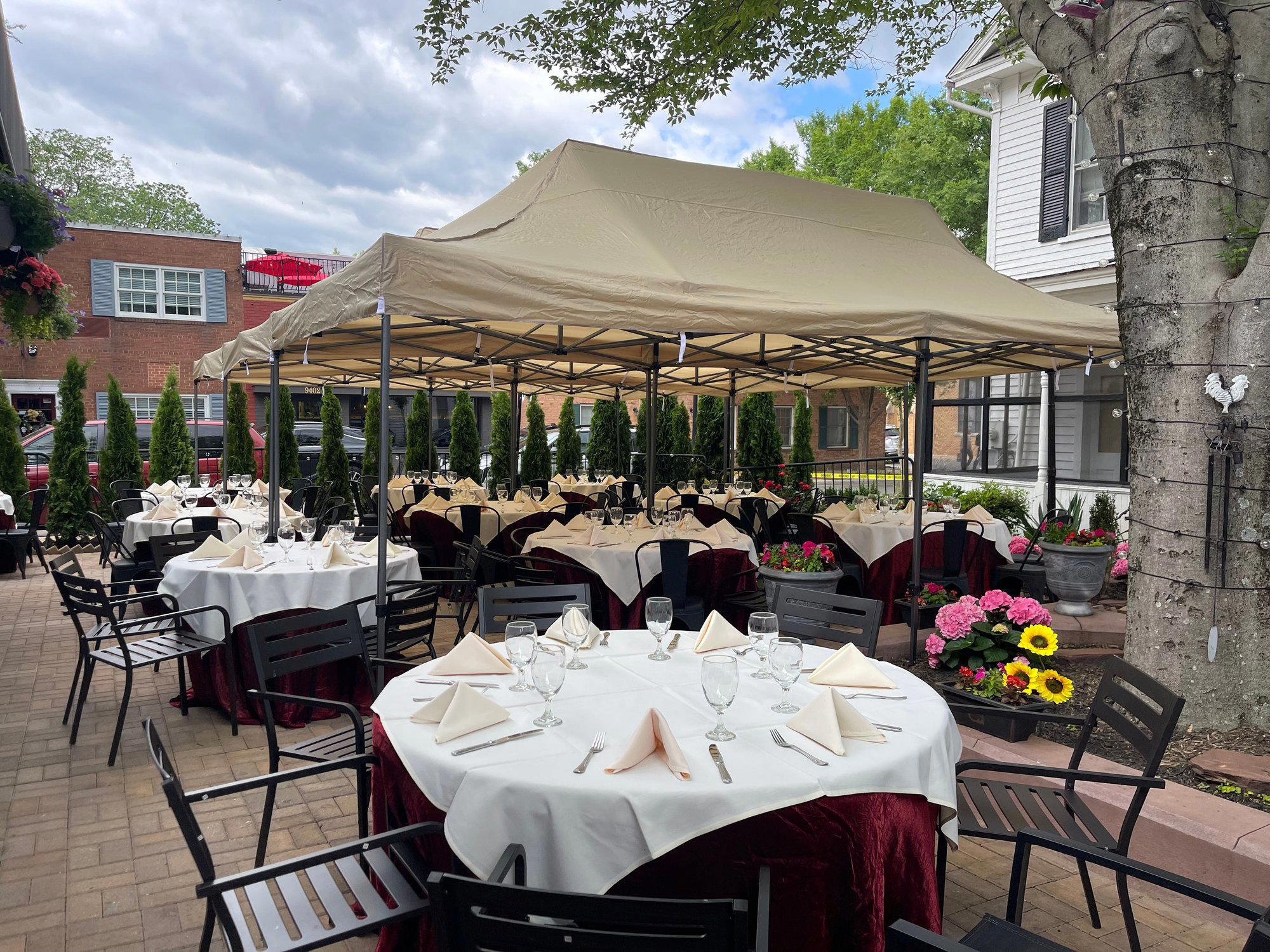
The menu
What to order
- Vitello Rafaelo
- Mariscada Carmello’s
- Lambo de Porco
Old Town Manassas and the Question of Sourcing
Northern Virginia's dining corridor has grown considerably over the past decade, and Manassas sits at an interesting edge of that growth: close enough to Washington, D.C. to feel the pull of the capital's ingredient-driven restaurant culture, far enough away to maintain its own identity. That tension between regional influence and local rootedness defines how the better restaurants in the area operate. The ones worth returning to tend to answer a specific question clearly: where does the food come from, and does the answer show up on the plate?
Carmello's, at 9108 Center St in Old Town Manassas, occupies that conversation. The address places it inside a historic commercial district where brick storefronts and pedestrian-scale streets create a physical environment markedly different from the strip-mall dining that dominates much of Prince William County. Approaching along Center Street, the building reads as part of the neighborhood rather than imposed upon it — a distinction that matters when a restaurant is trying to make a case about provenance and place.
For broader context on where Carmello's sits among the city's dining options, our full Manassas restaurants guide maps the competitive field in detail.
Ingredient Sourcing in the Mid-Atlantic Italian Tradition
The Italian-American restaurants that have earned sustained reputations in the Mid-Atlantic tend to share a sourcing discipline that distinguishes them from casual red-sauce operations. This is a region with meaningful agricultural infrastructure: the Shenandoah Valley, the Eastern Shore, and the farms of central Virginia collectively supply some of the most consistent seasonal produce on the East Coast. Restaurants that build relationships with those supply chains — rather than relying on broadline distributors, end up with a different kind of pantry, and that difference compounds across a menu.
At the higher end of the national scale, this philosophy appears in places like Blue Hill at Stone Barns in Tarrytown, where the sourcing model is the entire premise, or Single Thread Farm in Healdsburg, where the farm and the kitchen operate as a single system. Those are extreme expressions of the idea. The more instructive comparison for a neighborhood restaurant in Manassas is closer to home: how much of the regional food culture makes it onto the plate, and how consistently?
Restaurants like Oyster Oyster in Washington, D.C. have built their entire identity around Mid-Atlantic sourcing, treating the Chesapeake and its surrounding farmland as both pantry and point of view. That level of programmatic commitment is rare, but it sets a standard that filters down into how diners in the region have come to read menus. A restaurant in Manassas that engages seriously with Virginia-grown ingredients is operating in dialogue with that shift, whether or not it frames itself in those terms.
The Neighborhood Anchor Model
Old Town Manassas functions as a civic dining district rather than a destination food neighborhood. The distinction matters: civic dining anchors serve regulars reliably, hold community events, and tend to outlast the trend cycles that reshape urban restaurant scenes every few years. Carmello's fits that model. Its location on Center Street places it within walking distance of the historic district's foot traffic, and its continued presence in a market that has seen considerable turnover suggests a stable relationship with the surrounding community.
Or from Le Bernardin in New York City, where the sourcing program for fish is among the most documented in American fine dining. Carmello's operates at a more local register, where the question isn't how it compares to the country's most decorated tables but whether it earns its place in the neighborhood week after week.
Nearby, Columbus Grill represents another point on the Manassas dining map, offering a reference for how the local market supports different formats and price points within the same small city.
How Carmello's Fits the Regional Picture
The ingredient-sourcing conversation has reshaped American restaurant culture broadly, from the farm-to-table programs at Smyth in Chicago and Lazy Bear in San Francisco to the seafood provenance work at Providence in Los Angeles. Even restaurants operating well outside the fine-dining bracket have had to reckon with diners who now read labels, ask about farms, and expect some account of where their food originates.
In the Mid-Atlantic context, that pressure is particularly acute. Virginia's agricultural identity, tobacco country reorienting toward specialty crops, the Chesapeake's seafood heritage, a growing craft beverage scene, gives local restaurants real material to work with. The restaurants that use it well, from Frasca Food & Wine in Boulder's model of regional specificity applied to Italian cuisine to Addison in San Diego's California-sourced tasting menu, demonstrate that the sourcing frame is compatible with Italian-inflected cooking when applied with discipline.
For a restaurant on Center Street in Manassas, the opportunity is to make Virginia's agricultural character legible in an Italian-American format, to let the region's seasons and producers show up in ways that distinguish the menu from a generic Italian template. Whether Carmello's pursues that opportunity fully is a question the menu answers on any given visit.
Planning Your Visit
Carmello's sits at 9108 Center St in the heart of Old Town Manassas, accessible from both the Virginia Railway Express (Manassas line) and major road routes from the D.C. suburbs. Old Town parking is street-level and generally available on weekday evenings; weekends during warmer months draw more foot traffic to the district and can tighten availability. Given the restaurant's status as a neighborhood anchor with a loyal regular base, booking ahead for weekend dinner is advisable, walk-in availability tends to narrow on Friday and Saturday evenings when the surrounding district is active.
Frequently asked questions
Where is Carmello's in Manassas?
Carmello's is located at 9108 Center St, Manassas, VA 20110, Manassas.
How does Carmello's fit into the Northern Virginia Italian dining scene compared to D.C.-area restaurants?
Manassas sits at a distinct remove from D.C.'s restaurant corridor, which shapes what Italian-American restaurants there can and need to be: neighborhood-serving rather than destination-chasing. That positioning puts Carmello's on Center St closer to Virginia's agricultural supply lines and community dining expectations than to the competition-dense blocks of Penn Quarter or Capitol Hill. The result, in Italian-American restaurants with sustained reputations in this geography, is a sourcing practicality that D.C. venues often replicate at higher cost.
Do I need a reservation for Carmello's?
Carmello's is located at 9108 Center St in Old Town Manassas, a civic dining district where loyal local followings tend to fill tables on weekend evenings with little warning. Calling ahead for Friday or Saturday is the practical move. Midweek visits typically allow more flexibility, though that varies by season.
Fast Comparison
| Venue | Cuisine | Price | Awards | Notes |
|---|---|---|---|---|
| Carmello'sThis venue (the venue you are viewing) | Contemporary Portuguese-Italian Fine Dining | $50–100 | Wine Spectator Award of Excellence | Not listed |
| Le Bernardin | French Seafood Fine Dining | $300–500 | 3 Michelin Stars · World's 50 Best #13 | French, Seafood |
| Lazy Bear | Modern American Tasting Menu | Not listed | 2 Michelin Stars · World's 50 Best #25 | Progressive American, Contemporary |
| Atomix | Modern Korean Tasting Menu | $300–500 | 2 Michelin Stars · World's 50 Best #7 | Modern Korean, Korean |
| Per Se | French Fine Dining Tasting Menu | $300–500 | 3 Michelin Stars · World's 50 Best #40 | French, Contemporary |
| Masa | Traditional Japanese Omakase | $500+ | 2 Michelin Stars · World's 50 Best #27 | Sushi, Japanese |
Recognition history
Dated appearances from independent guides and award organizations, with the underlying list record or original source where available.
Wine Spectator Award of Excellence
Wine Spectator
Continue exploring
More in Manassas
Restaurants in Manassas
All restaurants in Manassas →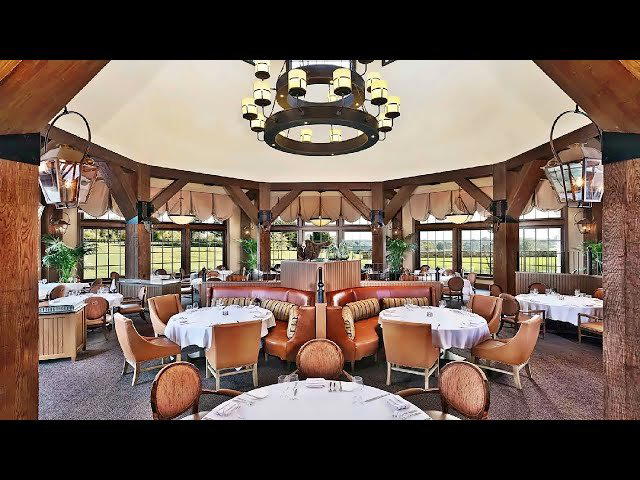
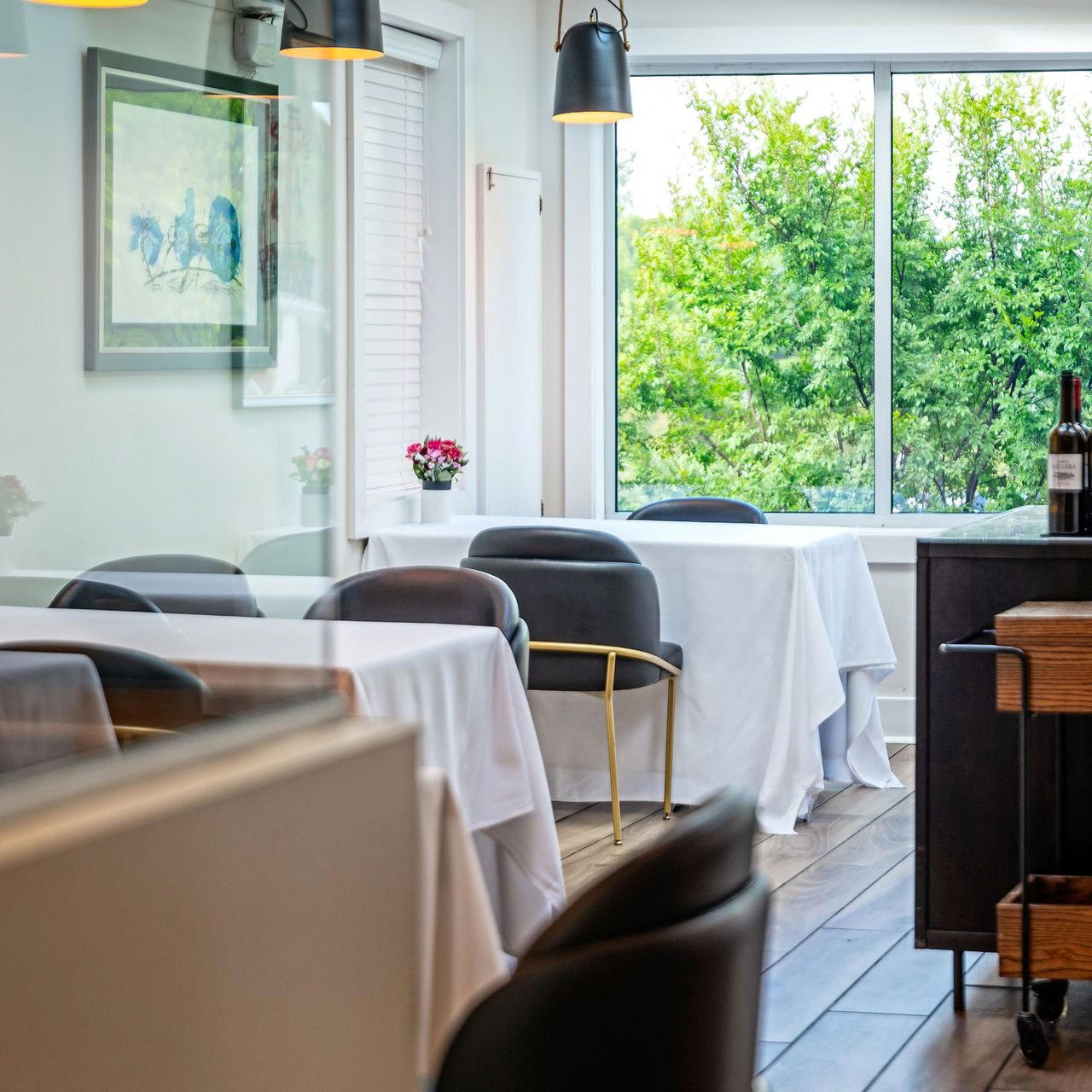
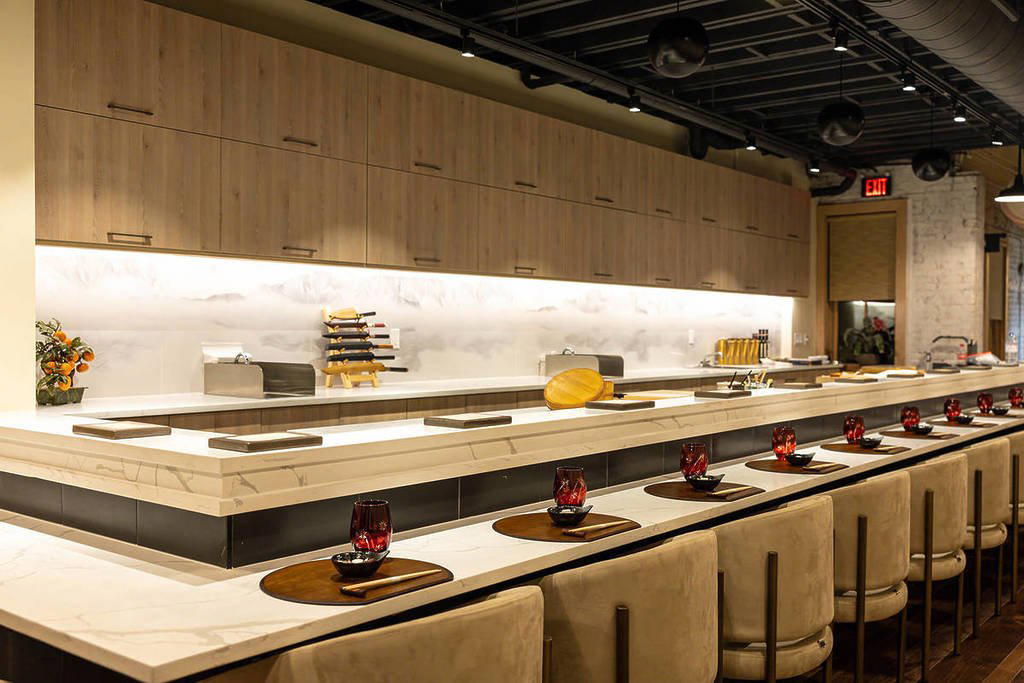
Bars in Manassas
Browse all →
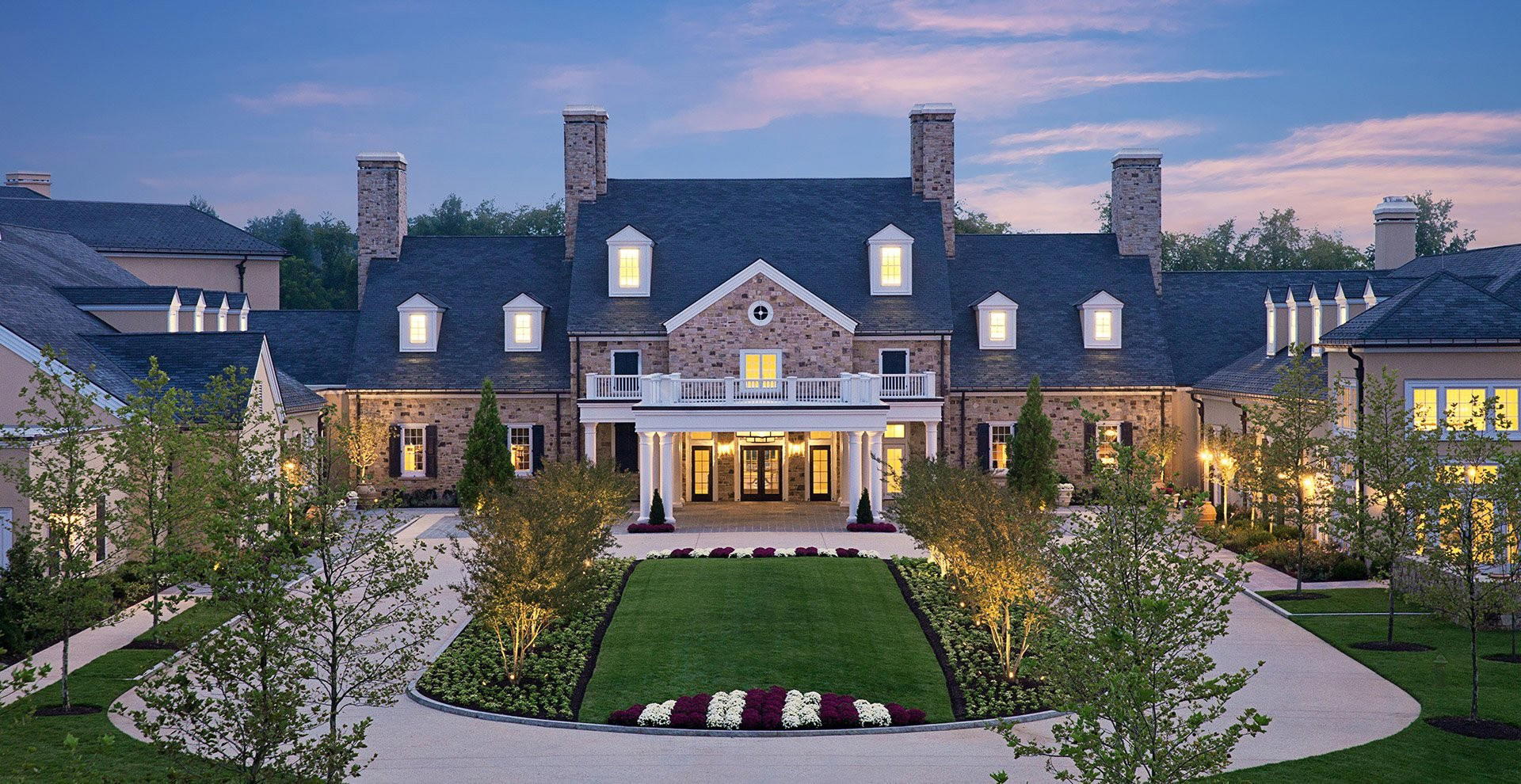
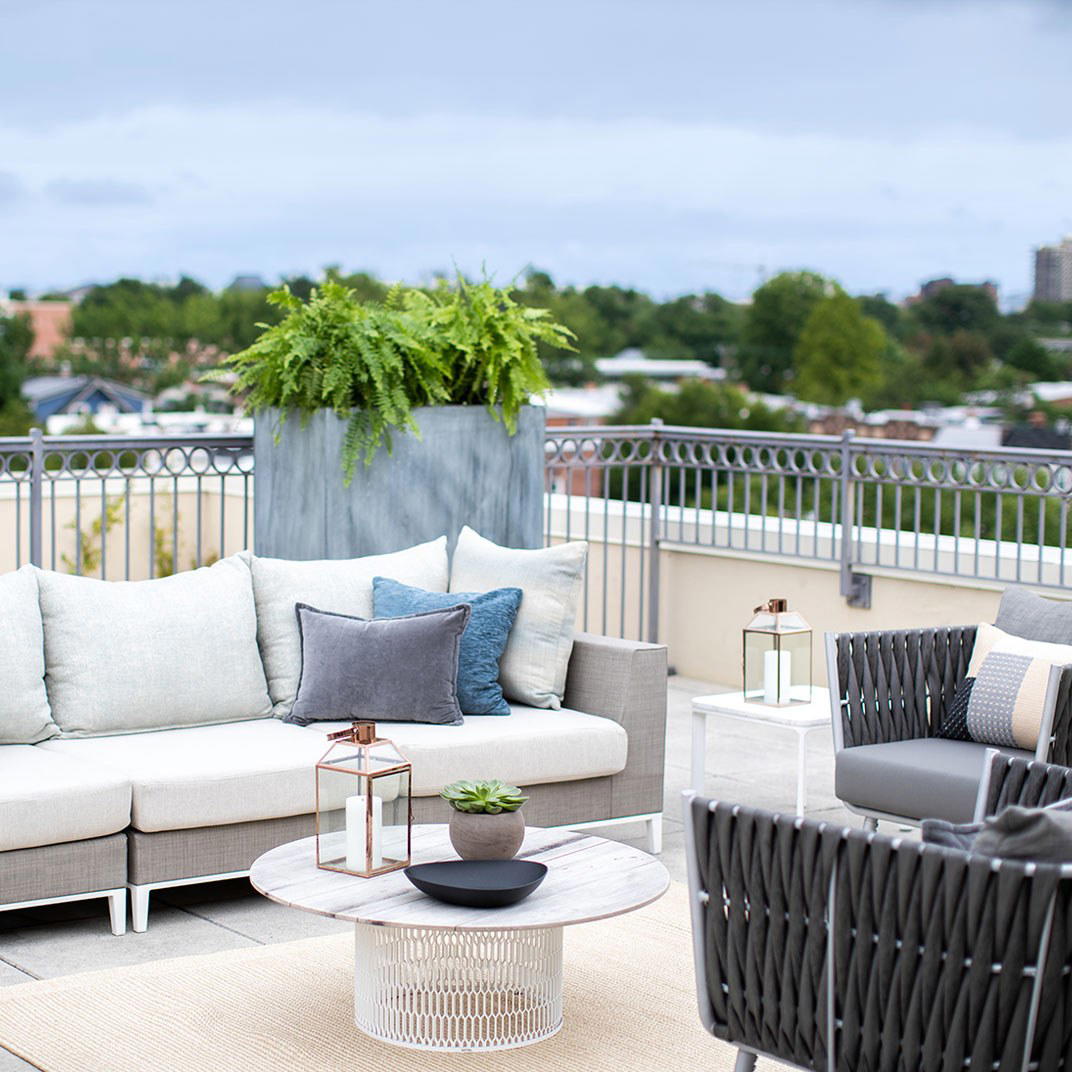
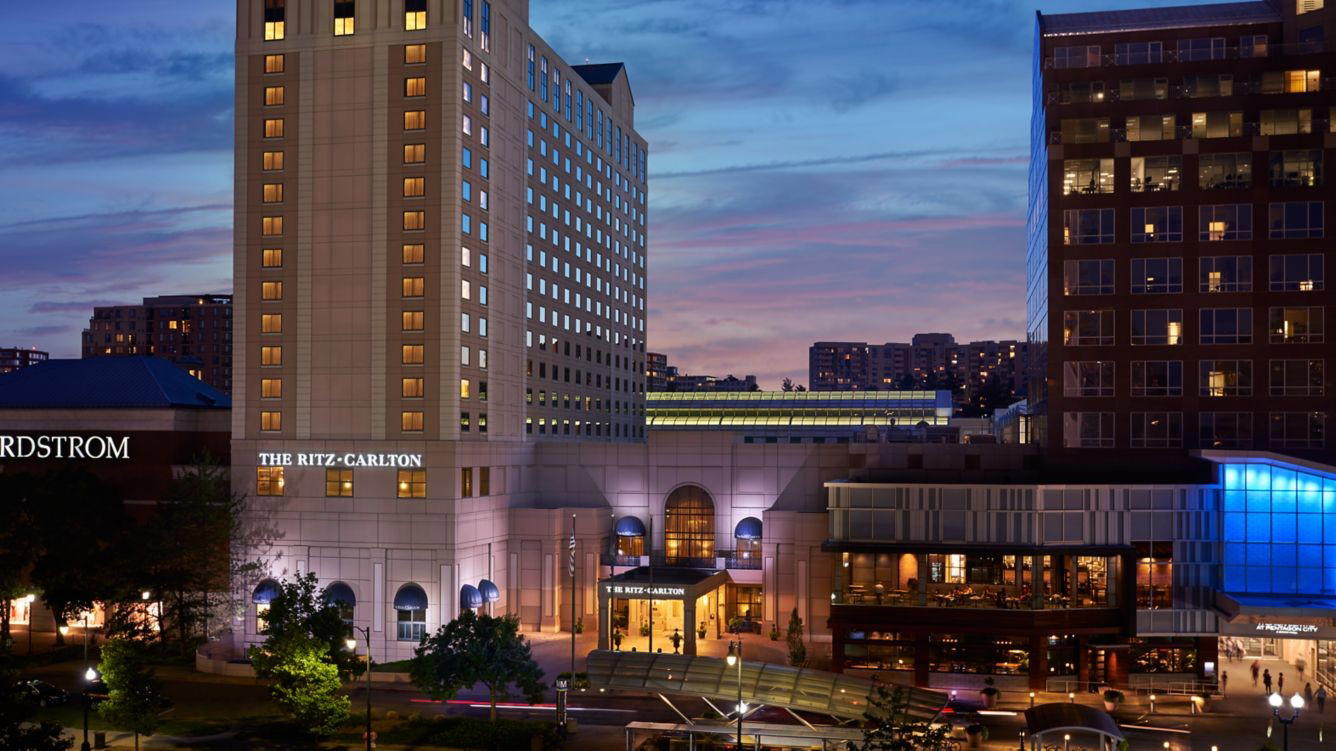
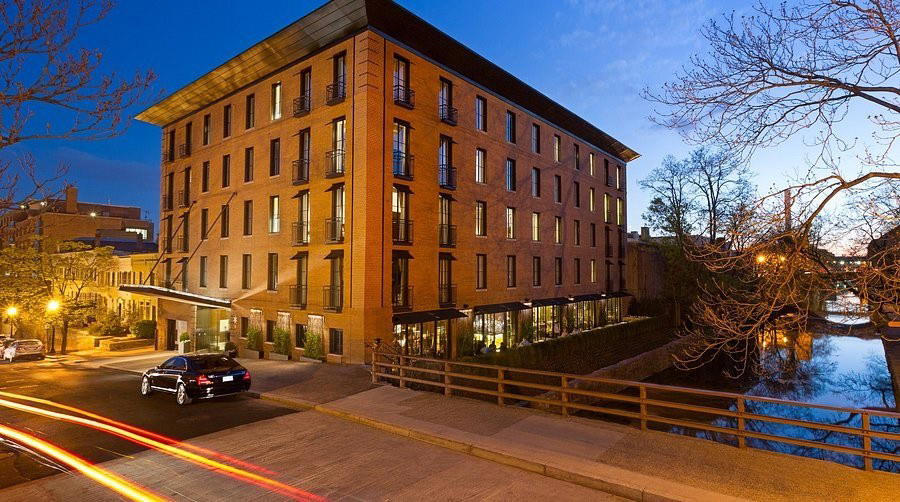
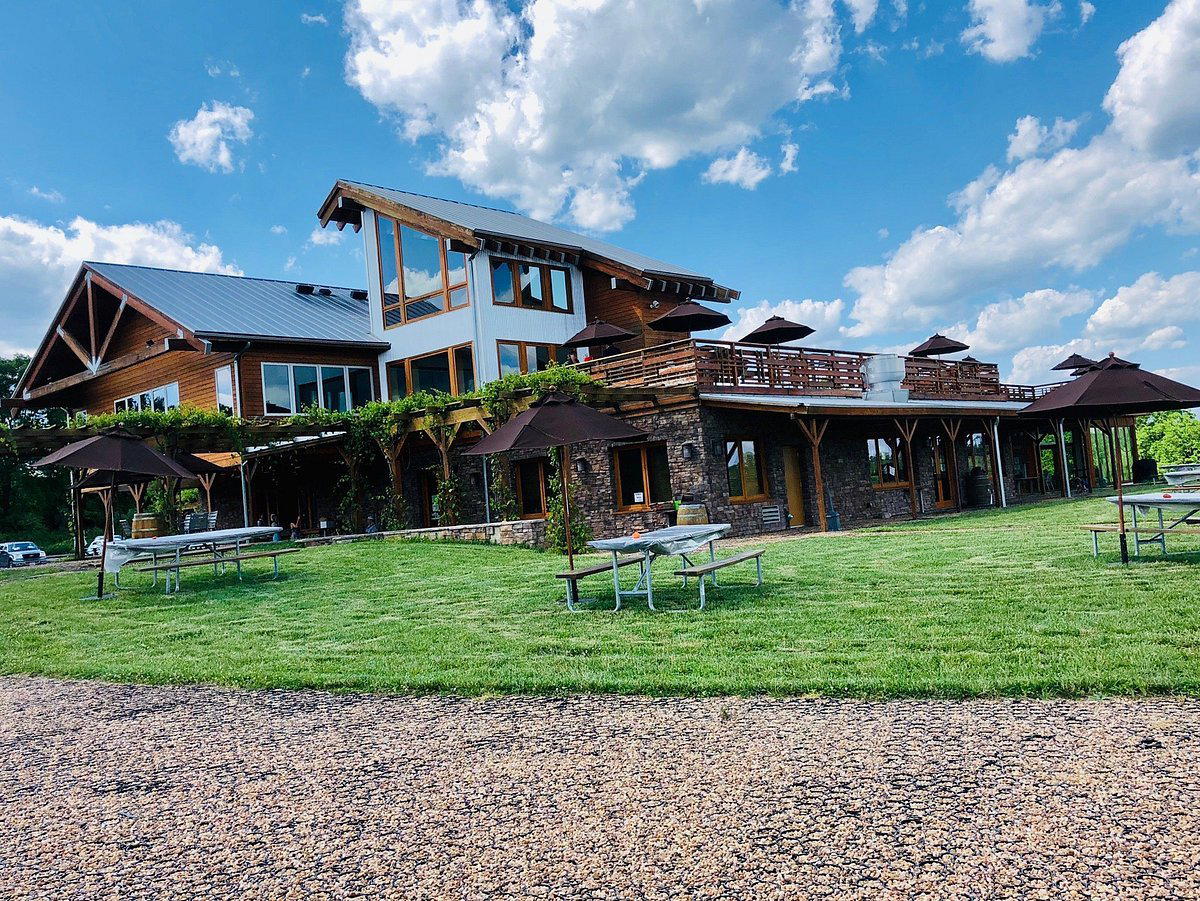
Carmello's
The wine
Carmello's holds the Wine Spectator Award of Excellence, which Wine Spectator gives to lists of usually 90 or more selections.
- Wine program
- Deep wine list
- Wine Spectator
- Wine Spectator Award of Excellence
- Extensive wine list
Details
- Romantic
- Elegant
- Cozy
- Intimate
- Sophisticated
- Date Night
- Special Occasion
- Celebration
- Private Dining
- Wine Cellar
- Extensive Wine List
- Local Sourcing
- A La Carte
- Wine
- Vegetarian Friendly
- Gluten Free Options
Current opening hours
- Monday
- Closed
- Tuesday
- Closed
- Wednesday
- 5–9:30 PM
- Thursday
- 5–9:30 PM
- Friday
- 5–10 PM
- Saturday
- 5–10 PM
- Sunday
- 5–9:30 PM
Hours can change for holidays and private events. Last verified .
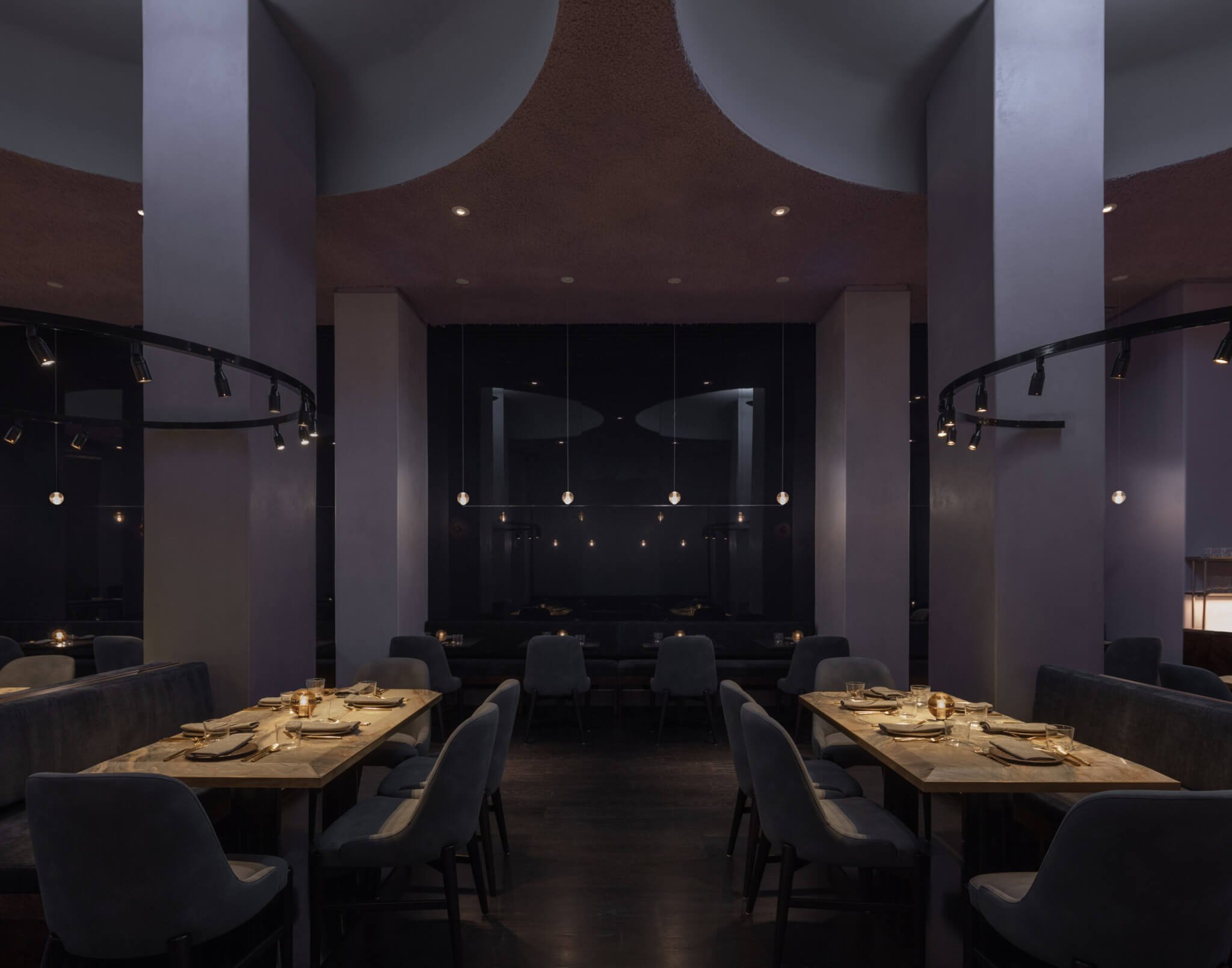
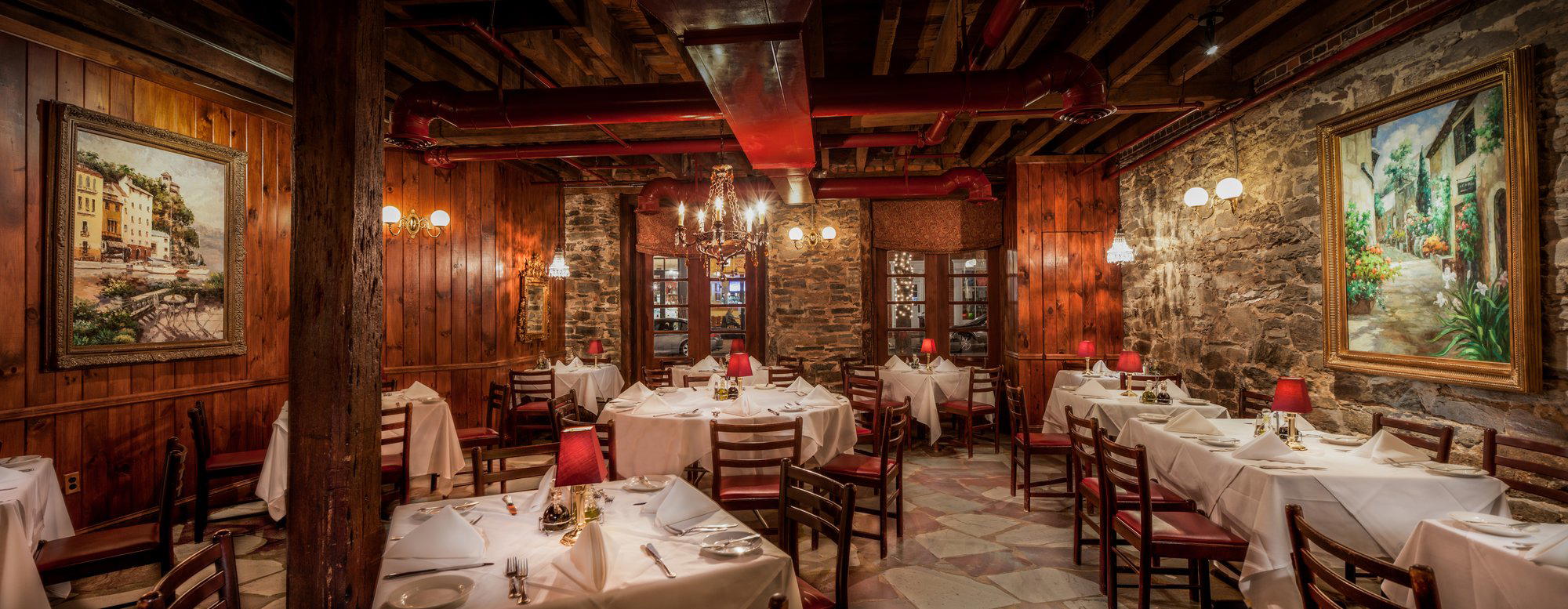
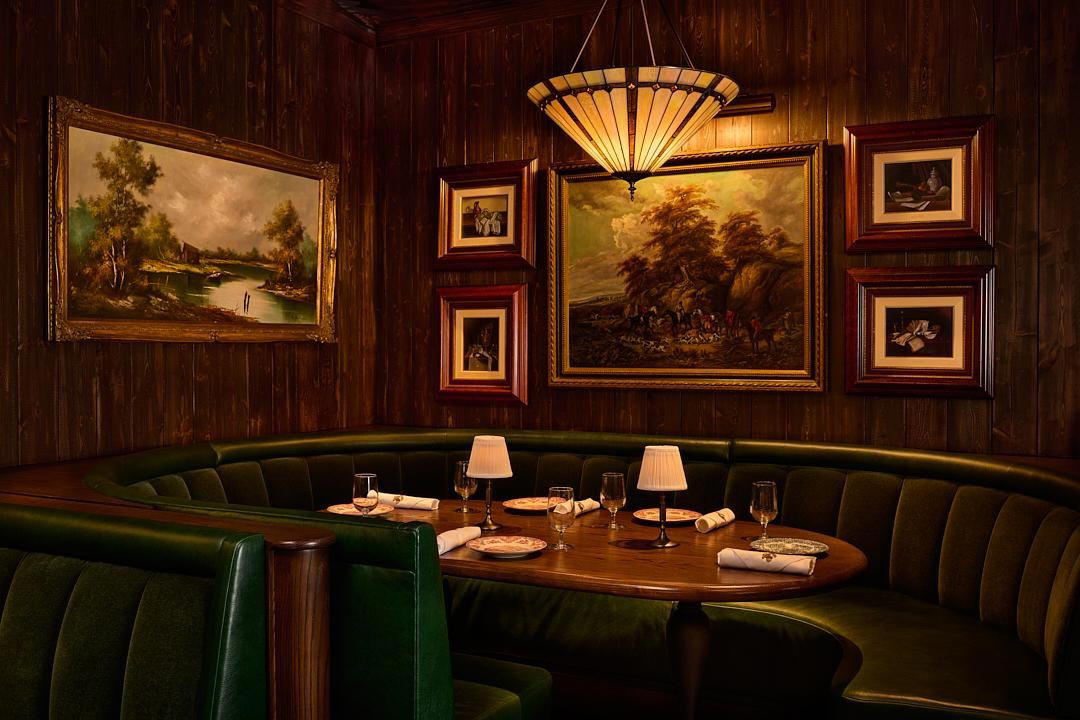
Cozy and elegant with warm, refined Mediterranean romance and meticulous attention to detail in a historic setting.