Bar Pendry
Bar Pendry brings the hotel-bar grammar of Washington, D.C. to the Wharf, where waterfront development, lobby-bar polish, and cocktail culture intersect. With little public venue-specific data available on awards, pricing, or menu structure, it is better read as part of the city’s refined hotel drinking circuit than as a documented destination cocktail lab.
Pearl is the En Primeur Club membership app — saves, bookings, and concierge access live there. Same editors, same standards.
- Address
- 655 Water St SW, Washington, DC 20024
- Phone
- (202) 843-1111
- Website
- pendry.com
- Directions
- Get directions
 Saves & bookings on Pearl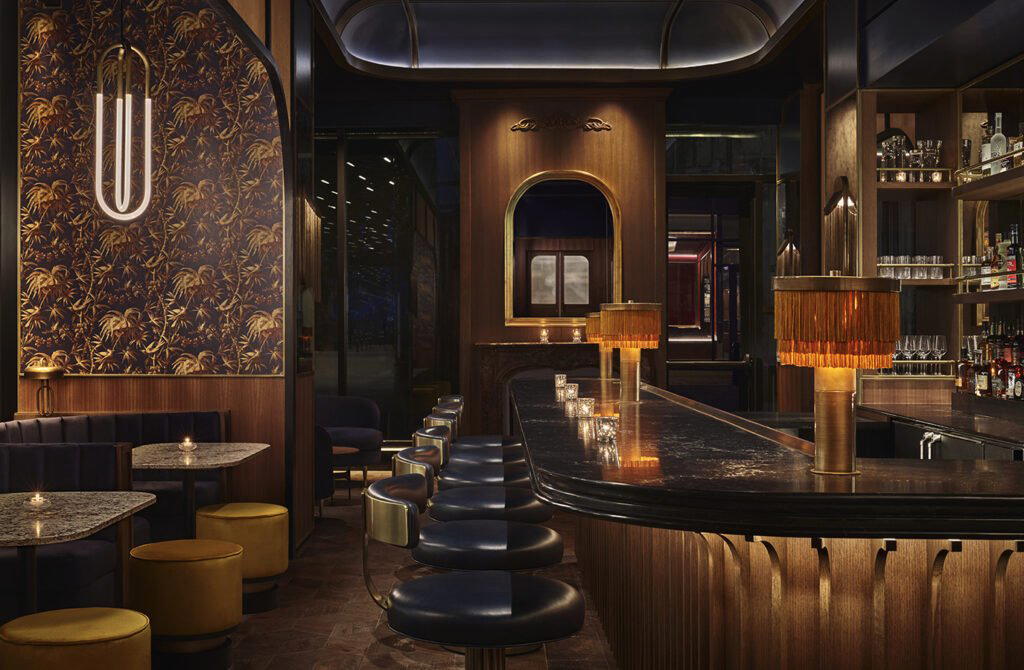
Waterfront polish in a city that usually drinks inland
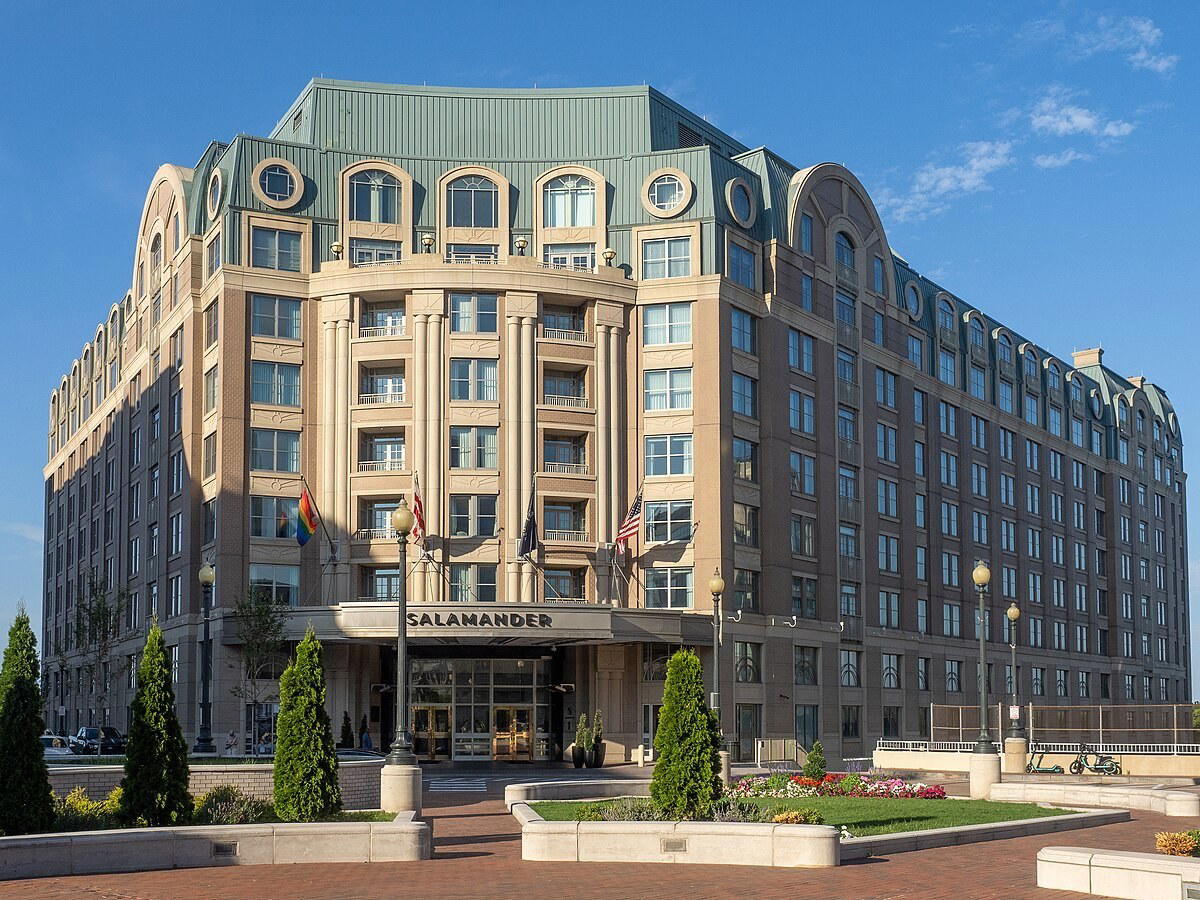
Approaching 655 Water Street SW changes the usual rhythm of a Washington, D.C. bar night. Much of the city’s cocktail culture is tied to rowhouse corridors, restaurant-dense neighborhoods, and downtown hotel lobbies built for diplomats, lawyers, visiting executives, and convention traffic. The Wharf shifts that grammar toward the water. Glass, wide sidewalks, marina light, and hotel entrances create a different kind of pre-drink atmosphere: less alleyway discovery, more deliberate arrival. Bar Pendry belongs to that setting, and the first useful way to understand it is not through a single drink, but through the kind of drinking occasion the Southwest waterfront now supports.
Washington has long been a serious cocktail city, though it does not always speak in the maximalist language of New York or Miami. The local bar scene tends to reward structure: a clear backbar, competent classics, service that can read whether a table wants a full explanation or a quiet round, and menus that work for mixed groups. That last point matters. A hotel bar in this part of the city has to serve residents, guests, pre-dinner parties, and visitors who may not know the difference between Shaw, Penn Quarter, and the Wharf. In that competitive set, the measure is not only creativity. It is control.
The public database for Bar Pendry does not list a chef, lead bartender, awards, price range, seat count, hours, dress code, or booking method. That absence narrows what can be stated responsibly. No specific cocktail, garnish, glassware, or service ritual should be invented from assumption. What can be said with confidence is that its address places it inside one of Washington’s more developed hospitality corridors, and that location defines the likely reader decision: choose it when the night calls for hotel-bar composure near the water rather than a neighborhood dive, late-night industry room, or tasting-menu-style cocktail counter.
The Wharf's bar culture favors occasion over obscurity
The Wharf has become a useful test case for how Washington absorbs large-scale redevelopment into its dining and drinking habits. The city has plenty of bars that trade on intimacy, eccentricity, or local regulars. The waterfront, by contrast, is built for circulation. People arrive before concerts, after dinners, between hotel check-in and restaurant reservations, or as part of a larger evening that may include the marina, the Fish Market, or a walk along Maine Avenue. This creates demand for bars that can handle occasion without turning every drink into spectacle.
That distinction matters for cocktail drinkers. A technically ambitious room such as Allegory operates in a different register, where concept, narrative, and bar-team identity are central to the experience. Service Bar belongs to a more casual and cocktail-literate D.C. lineage, with energy closer to the neighborhood room than the polished hotel salon. Silver Lyan sits in the high-concept hotel-bar tier, linking D.C. drinking to an international cocktail conversation. Bar Pendry occupies another useful lane: the waterfront hotel bar where the setting carries part of the evening and the program has to remain legible to a broad audience.
Legibility is not a criticism. In hotel bars, especially in capital cities, clarity can be a virtue. The room has to work for someone ordering a Martini before dinner, someone choosing a glass of wine, someone taking a meeting that has slipped into social territory, and someone who simply wants a polished place that does not require decoding a multi-page concept menu. Washington rewards that adaptability because its drinking culture is unusually mixed: local regulars, political traffic, business travelers, arts crowds, and weekend visitors all overlap, often in the same room before 9 p.m.
The cocktail programme, read through category rather than claims
The relevant comparison is the modern luxury hotel bar, a format that has changed substantially over the past decade. The old model relied on premium spirits, dark wood, and expense-account certainty. The newer version is expected to show cocktail literacy: balanced classics, at least a few original drinks, attention to non-alcoholic choices, and staff who can translate preferences without making the guest feel examined.
In Washington, that shift has been shaped by a citywide audience that knows cocktails but does not always want performance. Bars with recognition and concept depth can pull drinkers across town, yet a hotel bar succeeds when it compresses the decision. It gives the guest a reliable place to start or end a night.
This is where the creative vision of a bar team usually reveals itself in restraint. Hotel cocktail programmes have to decide how far to push technique before they begin to lose the room. Clarification, batching, house ferments, unusual modifiers, and elaborate garnish work all have a place in contemporary bar culture, but they are not inherently better than a cleanly made classic served at the correct pace. The Washington hotel-bar audience often values that discipline. A drink list that can move between familiar orders and a few more composed house serves is usually more useful in this setting than a menu designed only for specialists.
For readers comparing D.C. with other American cocktail cities, the difference is instructive. Café La Trova in Miami frames drinking through Cuban cantinero tradition and performance energy. Happy Accidents in Albuquerque has built attention around contemporary creativity in a smaller-market context. Roquette in Seattle belongs to a city where serious drinking often leans toward intimate rooms and ingredient focus. Washington’s version, especially on the Wharf, is more civic and situational: who is gathering, what comes before or after, and how much ceremony the night can bear.
Where it sits in Washington's drinking map
Bar Pendry’s address, 655 Water St SW, places it in Southwest D.C. away from the older cocktail clusters that shaped the city’s reputation. For visitors, that geography is useful. The Wharf is not an accidental stop for many travelers; it is usually chosen because the evening already points south, toward waterfront dining, music venues, hotels, or a riverfront walk. That makes the bar a practical anchor for a planned night rather than a spontaneous detour from 14th Street or U Street.
The city’s broader bar map helps clarify the choice. Shaw and Logan Circle carry a dense concentration of independent restaurants and cocktail bars. Penn Quarter and downtown serve theater, museum, convention, and business traffic. Georgetown has historic charm but a more dispersed drinking pattern. Navy Yard has expanded around sports and new residential development. The Wharf is different again: newer, smoother, more visitor-facing, and more comfortable with polished hotel hospitality. That polish can feel less personal than a regulars’ bar, but it has its own logic. A waterfront hotel bar should remove friction.
In a luxury hotel setting on the Wharf, guests should expect pricing aligned with upscale Washington hotel bars rather than happy-hour taverns. The same applies to hours and reservations.
When the format works
The hotel bar format is strongest when convenience and tone matter as much as cocktail ambition. For a first drink before dinner, the Wharf setting gives the evening shape without requiring a long transfer across town. For a quieter post-dinner round, the hotel context can be more controlled than a crowded independent bar. For out-of-town guests, the address is easy to understand and does not require explaining D.C.’s neighborhood micro-geography. Those are practical advantages, not small ones.
There are also cases where another D.C. bar will make more sense. Drinkers chasing a documented awards trail, named bartender credentials, or a sharply articulated concept should compare the city’s recognized cocktail rooms before deciding. Bar Cana offers another point of reference within the broader D.C. bar conversation, while the citywide edit in Our full Washington, D.C. bars guide is the better starting point for readers mapping a night around cocktails first and neighborhood second. Bar Pendry is better understood as a setting-led choice: the room fits when the waterfront is part of the plan.
This is also why the absence of listed awards matters editorially. Awards are useful trust signals, but not every bar occasion requires them. A Michelin-starred restaurant, a nationally ranked cocktail bar, and a luxury hotel lounge solve different problems. For Bar Pendry, the available verified signal is location: a named hotel-bar setting at a specific Southwest waterfront address in Washington, D.C. That is enough to place it in the city’s hospitality structure, but not enough to make claims about national standing, bartender biography, or drink-by-drink distinction.
How to plan around it
Planning should start with geography. The address is 655 Water St SW, Washington, DC 20024, which situates the bar within the Wharf district rather than the traditional downtown hotel core. Visitors already staying or dining nearby will find the area easier to fold into an evening than travelers based around Dupont Circle, Georgetown, or the upper Northwest neighborhoods.
That is especially relevant in Washington, where private events, convention traffic, waterfront programming, and seasonal visitor patterns can affect hotel bar flow. Spring and autumn tend to be high-demand periods for D.C. travel, while summer waterfront evenings can draw heavier leisure traffic. Those seasonal patterns are city-level context rather than venue-specific policy, but they are useful when deciding whether to arrive early or keep a backup nearby.
For broader itinerary design, the Wharf pairs naturally with dining and hotel research across the city. Readers comparing restaurants can use Our full Washington, D.C. restaurants guide, while travelers choosing where to stay should cross-reference Our full Washington, D.C. hotels guide. The category may be different, but the planning logic is connected: Washington rewards neighborhood-specific choices. A drink on the Wharf, dinner in Shaw, and a hotel in Georgetown can work, but the transfers should be intentional rather than improvised late in the evening.
Travelers building a fuller D.C. stay may also want to scan Our full Washington, D.C. experiences guide for cultural programming and Our full Washington, D.C. wineries guide for wine-related options in and around the city. Those guides matter because the capital’s drinking culture rarely exists in isolation. A bar choice often follows a museum day, a performance, a business dinner, or a waterfront event. Bar Pendry fits that pattern: it is less about chasing a single documented signature serve and more about giving a polished frame to an evening already oriented toward the Wharf.
Critical read
The editorial case for Bar Pendry is strongest when judged by occasion, not mythology. There is no public venue data here supporting claims about awards, named creative leadership, signature cocktails, or price precision. That limitation should make the writing more honest, not less useful. In a city crowded with concept bars, serious restaurants, hotel lounges, and politically adjacent meeting places, the Wharf hotel bar has a defined role: composed, accessible, and tied to a district where the setting does part of the work.
For cocktail specialists, that may not be enough. For travelers and locals who want a controlled waterfront room before or after dinner, the equation changes. Washington’s bar culture is not only about the chase for technical novelty. It is also about reading the room, timing the night, and choosing the format that fits the social purpose. On those terms, Bar Pendry is a useful entry in the city’s hotel-bar category.
Continue exploring
More in Washington DC
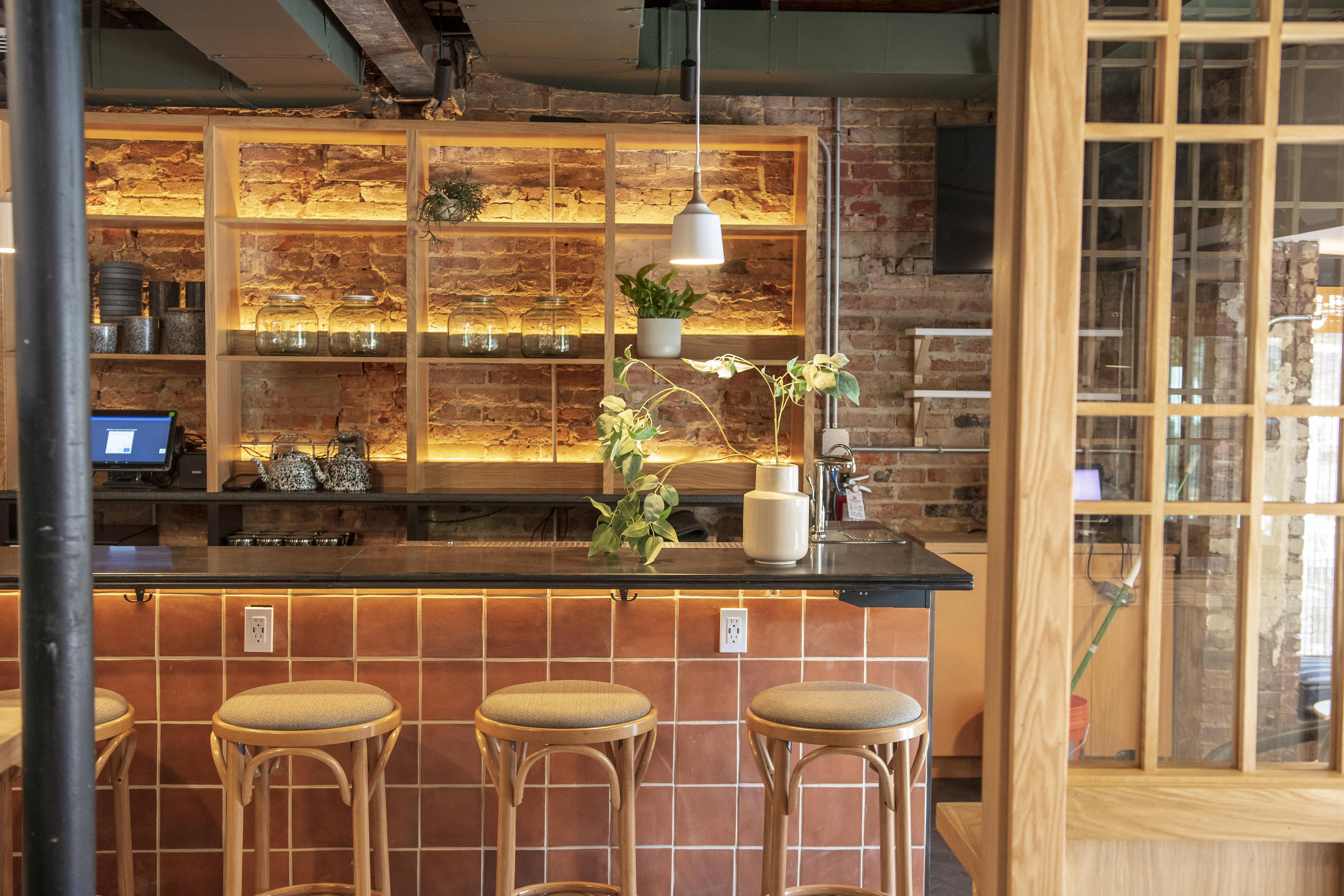
Bars in Washington DC
Browse all →
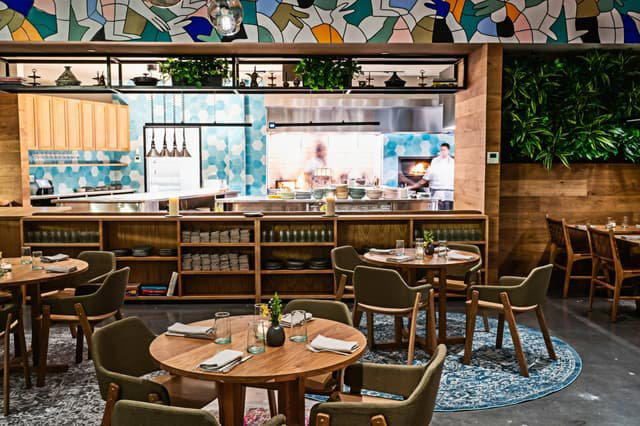
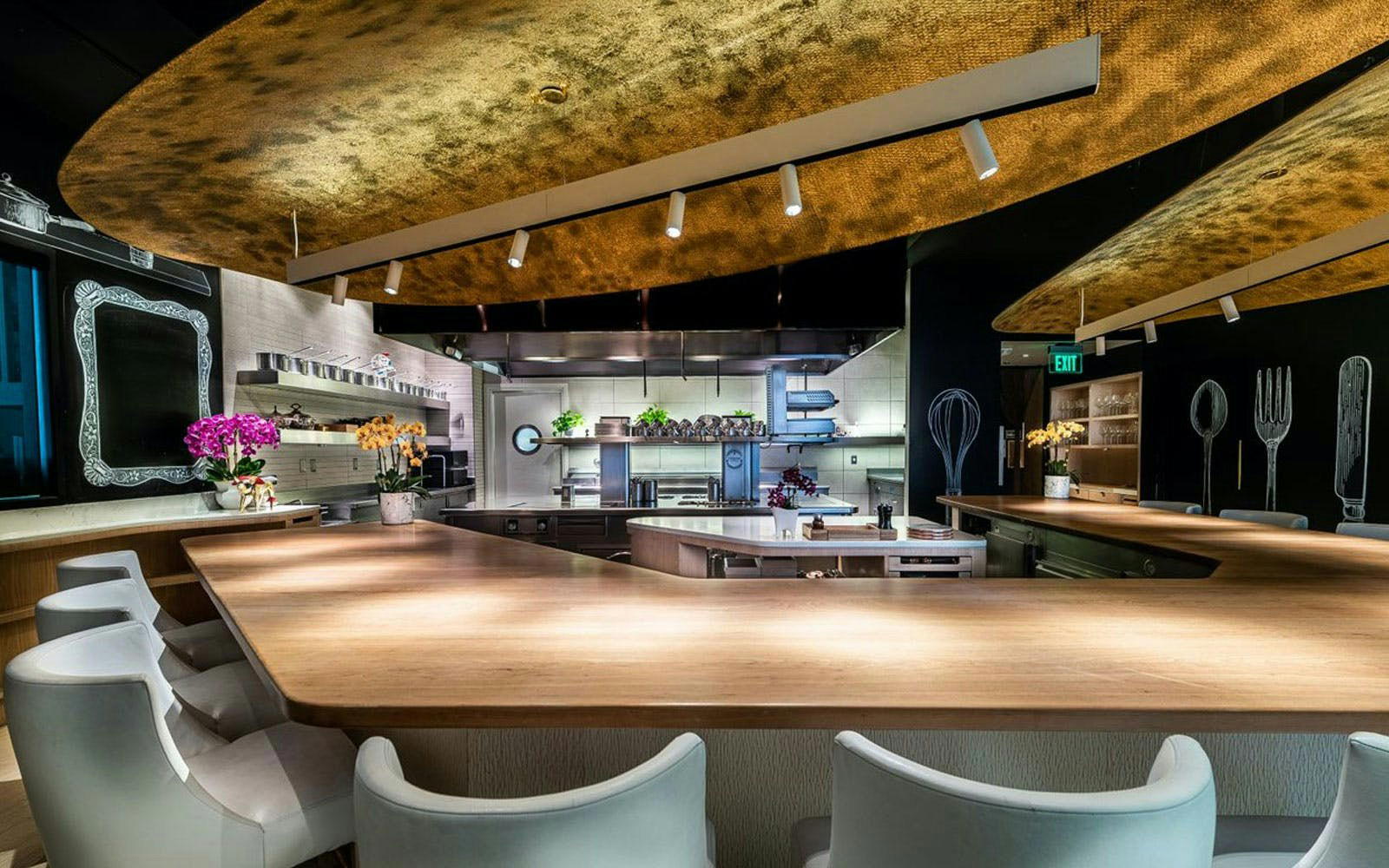
Restaurants in Washington DC
Browse all →
Hotels in Washington DC
Browse all →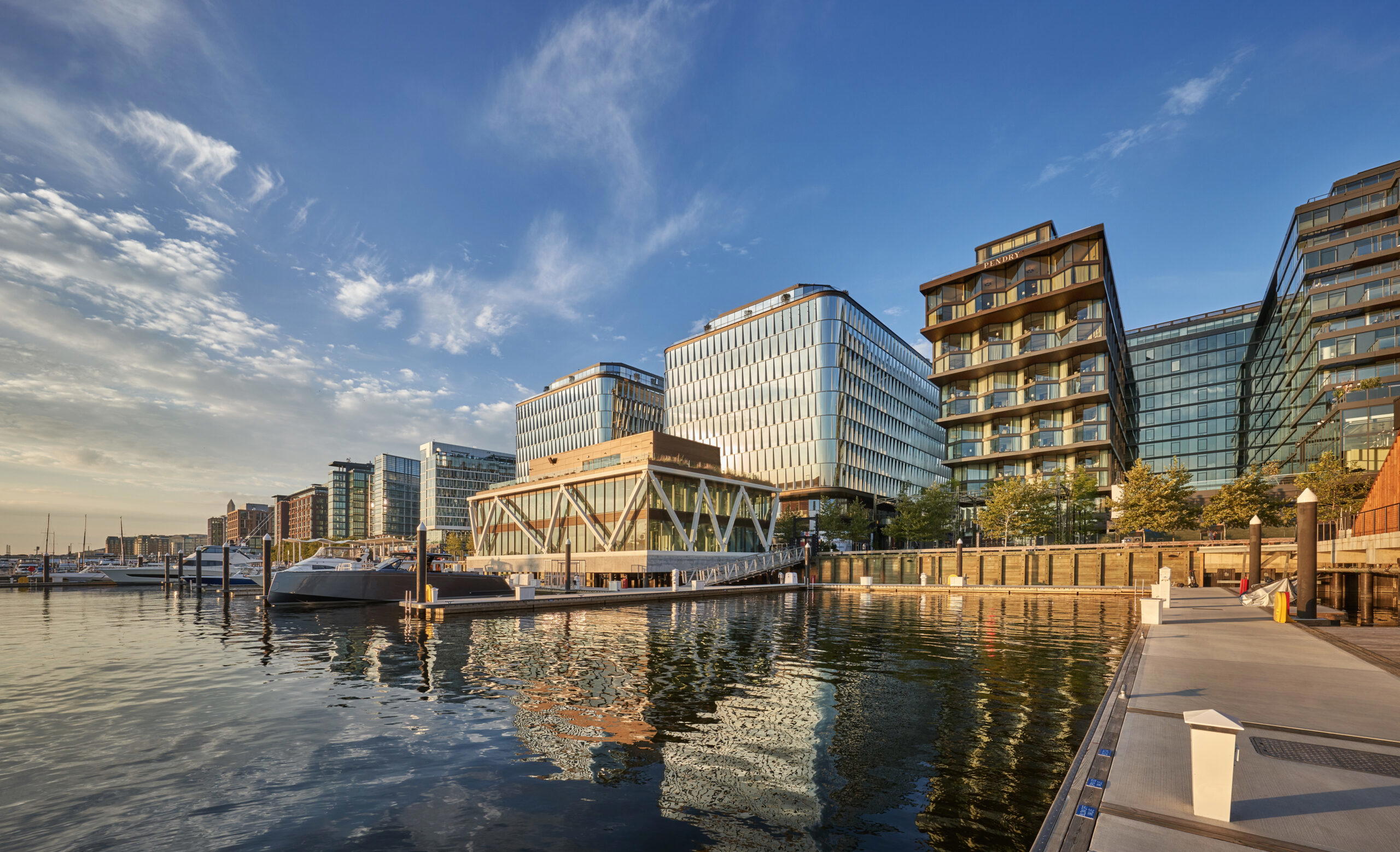
At a Glance
- Cozy
- Elegant
- Intimate
- Sophisticated
- Modern
- Romantic
- Date Night
- After Work
- Celebration
- Special Occasion
- Private Event
- Waterfront
- Design Destination
- Hotel Bar
- Seated Bar
- Lounge Seating
- Booth Seating
- Private Rooms
- Classic Cocktails
- Craft Cocktails
- Conventional Wine
- Whiskey
- Rum
- Gin
- Waterfront
Current opening hours
- Monday
- 11 AM–11 PM
- Tuesday
- 11 AM–11 PM
- Wednesday
- 11 AM–11 PM
- Thursday
- 11 AM–11 PM
- Friday
- 11 AM–11 PM
- Saturday
- 11 AM–11 PM
- Sunday
- 11 AM–11 PM
Hours can change for holidays and private events. Last verified .
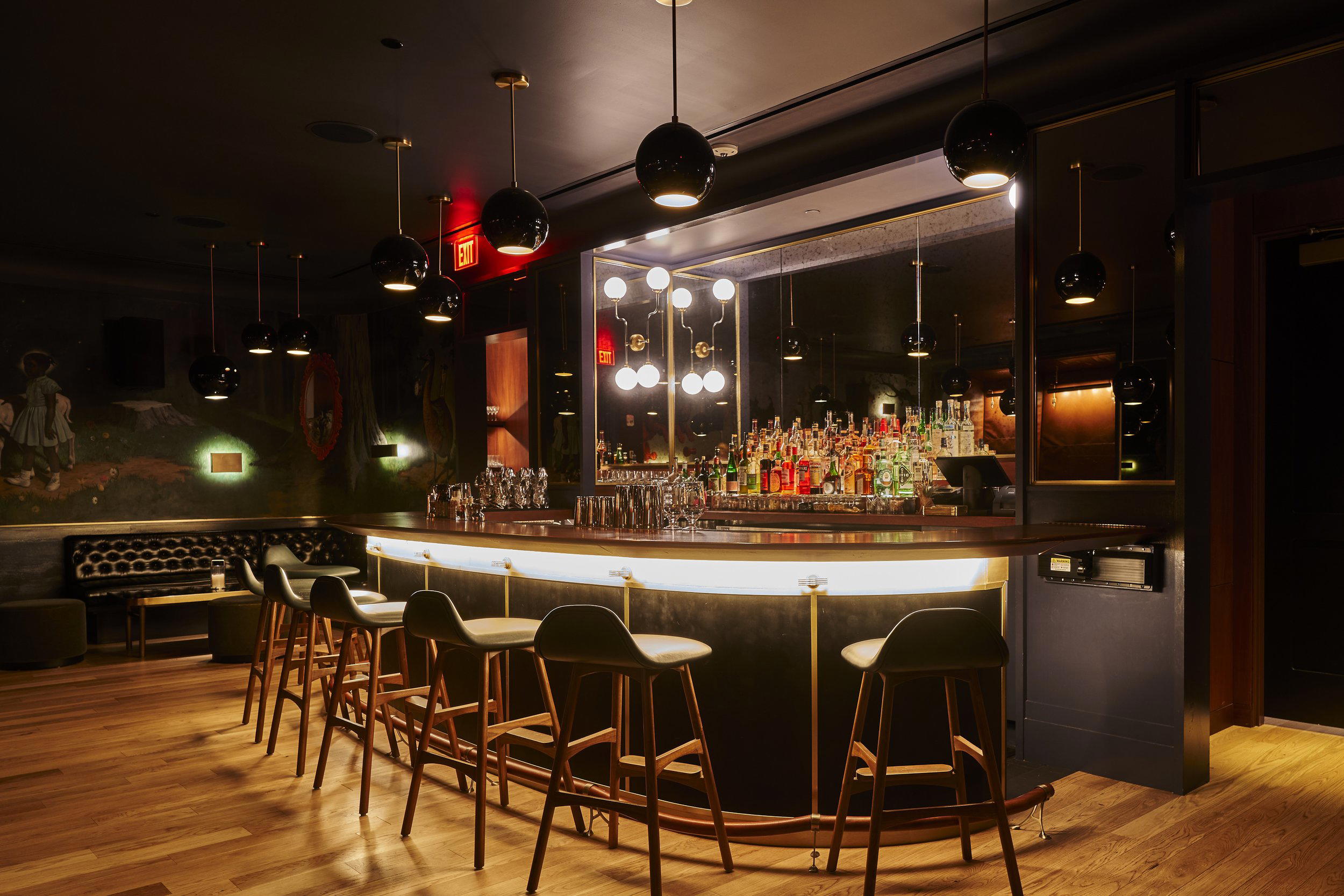
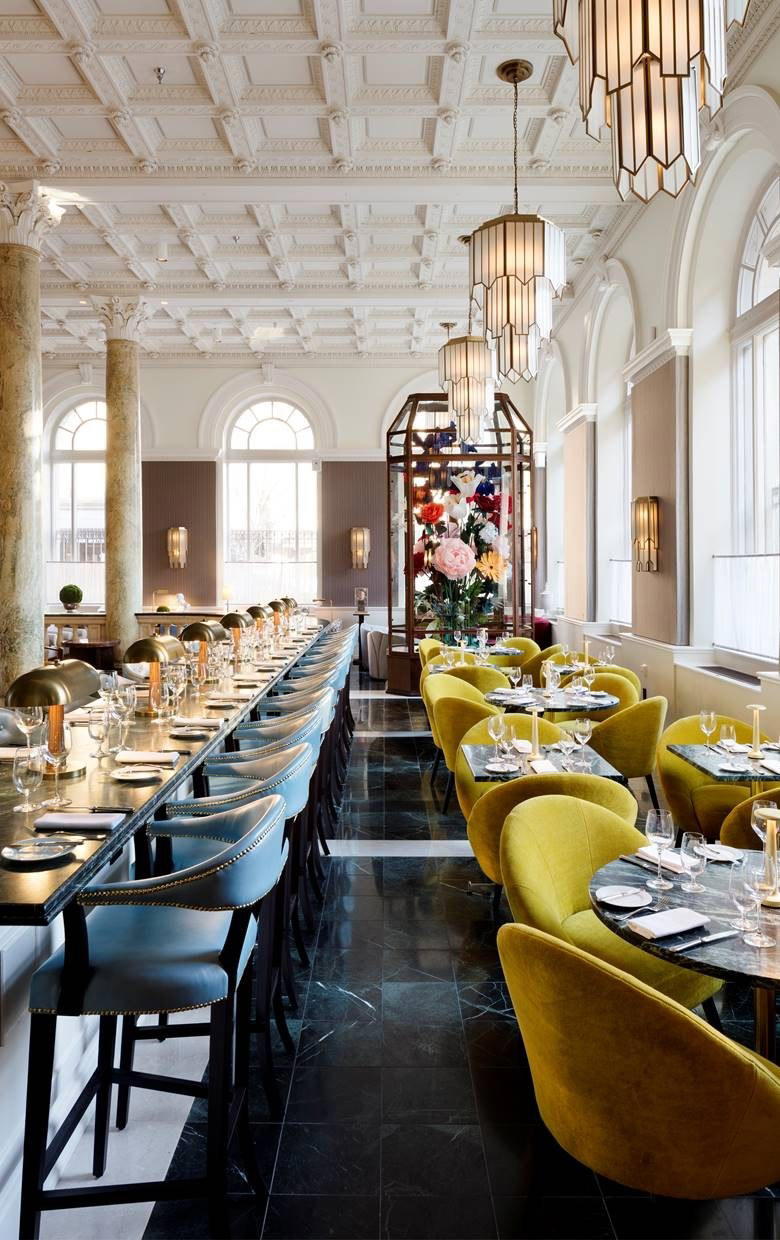
Moody, dimly lit interiors with cozy gathering spaces and gold-accented, speakeasy-style decor create a refined yet relaxed atmosphere suited to lingering over cocktails.
Know Before You Go
- Getting there
- 655 Water St SW, Washington, DC 20024