Carbon Kitchen + Market
Carbon Kitchen + Market sits on University Avenue NE in Minneapolis, a corridor that has become one of the city's more active stretches for ingredient-forward dining. The kitchen-and-market format places sourcing at the center of the operation, making it a point of reference for how Northeast Minneapolis approaches the relationship between producer and plate.
Pearl is the En Primeur Club membership app — saves, bookings, and concierge access live there. Same editors, same standards.
- Address
- 2400 University Ave NE, Minneapolis, MN 55418
- Phone
- +16125675475
- Website
- carbonkitchenmarket.com
- Directions
- Get directions
 Saves & bookings on Pearl
University Avenue NE has a particular quality in the early evening. The light comes in low off the river corridor, and the buildings along this stretch carry the physical memory of an older industrial Minneapolis alongside a newer wave of food-focused tenants. Carbon Kitchen + Market is a restaurant in Minneapolis at 2400 University Ave NE.
The Kitchen-and-Market Format in Context
The combined kitchen-and-market model can be a strong structural commitment to ingredient transparency. When a venue sells the same producers' goods at retail alongside cooking with them, the supply chain becomes legible to the guest in a way that a menu note about "locally sourced" never quite achieves. Across American dining, the format has appeared at varying levels of ambition, from the farm-store annexes of destination properties like Single Thread Farm in Healdsburg and Blue Hill at Stone Barns in Tarrytown to more urban interpretations where the retail component anchors a neighborhood identity.
Northeast Minneapolis has developed enough of a food culture that venues here compete less against the downtown expense-account circuit and more against ingredient-attentive, neighborhood-scaled operations. Owamni, on the riverbank nearby, has made sourcing from Indigenous producers a defining editorial position. Hai Hai, a James Beard-nominated operation, has built its reputation on specificity of product within a Southeast Asian framework. Carbon Kitchen + Market operates in a different register but within the same broader shift: Minneapolis diners in this part of the city have become accustomed to restaurants that can name their producers.
What Ingredient Sourcing Actually Means at This Scale
Ingredient sourcing matters across American dining. At the upper end of the price spectrum, venues like The French Laundry in Napa or Le Bernardin in New York City treat provenance as a component of the luxury proposition, with the cost of that supply chain reflected in tasting-menu pricing. At the neighborhood level, the economics are different: sourcing commitments have to be built into a format that remains accessible, which usually means tighter menus, higher turnover on raw product, and a retail component that spreads the overhead of working with smaller producers.
The market side of Carbon Kitchen + Market performs that function. When a kitchen can move product through both a prepared-food program and a retail shelf, it gains purchasing scale with local suppliers that a purely restaurant-format operation of similar size cannot easily achieve. That structural advantage is worth understanding because it shapes what ends up on the plate: a kitchen with reliable access to good raw material, because the business model supports the supplier relationship, produces more consistent cooking than one that sources opportunistically.
This pattern appears at higher-profile addresses across the country. Smyth in Chicago has built a two-room format partly around control of its own supply. Addison in San Diego works within a sourcing framework that integrates the surrounding region's agricultural calendar into menu cadence. The ambition differs by tier, but the underlying logic of supply-chain integration is the same: know where your ingredients come from, and structure the operation so that knowledge is consistent rather than aspirational.
Northeast Minneapolis as a Dining Corridor
Northeast Minneapolis has accumulated enough serious food operations over the past decade to function as a coherent dining neighborhood rather than a spillover from downtown. The area's identity tilts toward venues that are neighborhood-scaled in price and atmosphere but serious in sourcing and technique, a combination that has proven durable in other American cities with strong food cultures. Spoon and Stable and 112 Eatery represent the more formal end of Minneapolis dining, while the restaurant and its immediate neighbors occupy a less ceremonial register that is nonetheless attentive to product quality.
For visitors constructing a Minneapolis itinerary, the Northeast corridor makes geographic sense as a destination in its own right rather than a detour. The concentration of ingredient-forward venues, including 4801 S Minnehaha Dr and others across the broader city, means a single evening in the area can cover multiple stops without the logistical friction of crossing downtown.
How Carbon Kitchen + Market Positions Against Its comparable set
Within Minneapolis, the direct comparison set for the restaurant is not the white-tablecloth tier represented by venues like Spoon and Stable, nor the fast-casual end of the spectrum. It operates in the middle register that Minneapolis food culture has cultivated with some consistency: accessible price points, serious sourcing, and a format that serves the neighborhood as much as the destination diner.
Nationally, the kitchen-and-market hybrid occupies a niche that venues like Lazy Bear in San Francisco and Emeril's in New Orleans approach from different angles, whether through communal format or deep regional sourcing. At the research level, operations like Atelier Moessmer Norbert Niederkofler in Brunico and Atomix in New York City have made ingredient sourcing and regional identity into the conceptual spine of their programs. The restaurant operates at a different scale and price point, but the structural question it answers is the same: what does a kitchen look like when sourcing is the organizing principle rather than the marketing layer? Providence in Los Angeles and The Inn at Little Washington answer that question at the fine-dining tier; the restaurant answers it at a neighborhood scale that makes it replicable in daily life.
Know Before You Go
- Address: 2400 University Ave NE, Minneapolis, MN 55418
- Neighborhood: Northeast Minneapolis
- Format: Kitchen and market, neighborhood-scale
A Minimal comparable set
Comparable venues nearby, for context on price, style, and recognition.
| Venue | Cuisine | Price | Notes |
|---|---|---|---|
| Carbon Kitchen + MarketThis venue — the venue you are viewing | Not listed | $$ | Not listed |
| Eli's Food & Cocktails | Loring Park, American Pub Fare | $$ | Not listed |
| Esther's Table | Loring Park, Modern American Gastropub | $$ | Not listed |
| Blue Door Pub Longfellow | Howe, American Gastropub - Blucy Burgers | $$ | Not listed |
| Klassics Kitchen + Cocktails | Not listed | $$$ | Downtown West, Polished Southern Comfort Cuisine |
| Black Coffee and Waffle Bar | Como, American Waffle Bar | $$ | Not listed |
Continue exploring
More in Minneapolis
Restaurants in Minneapolis
Browse all →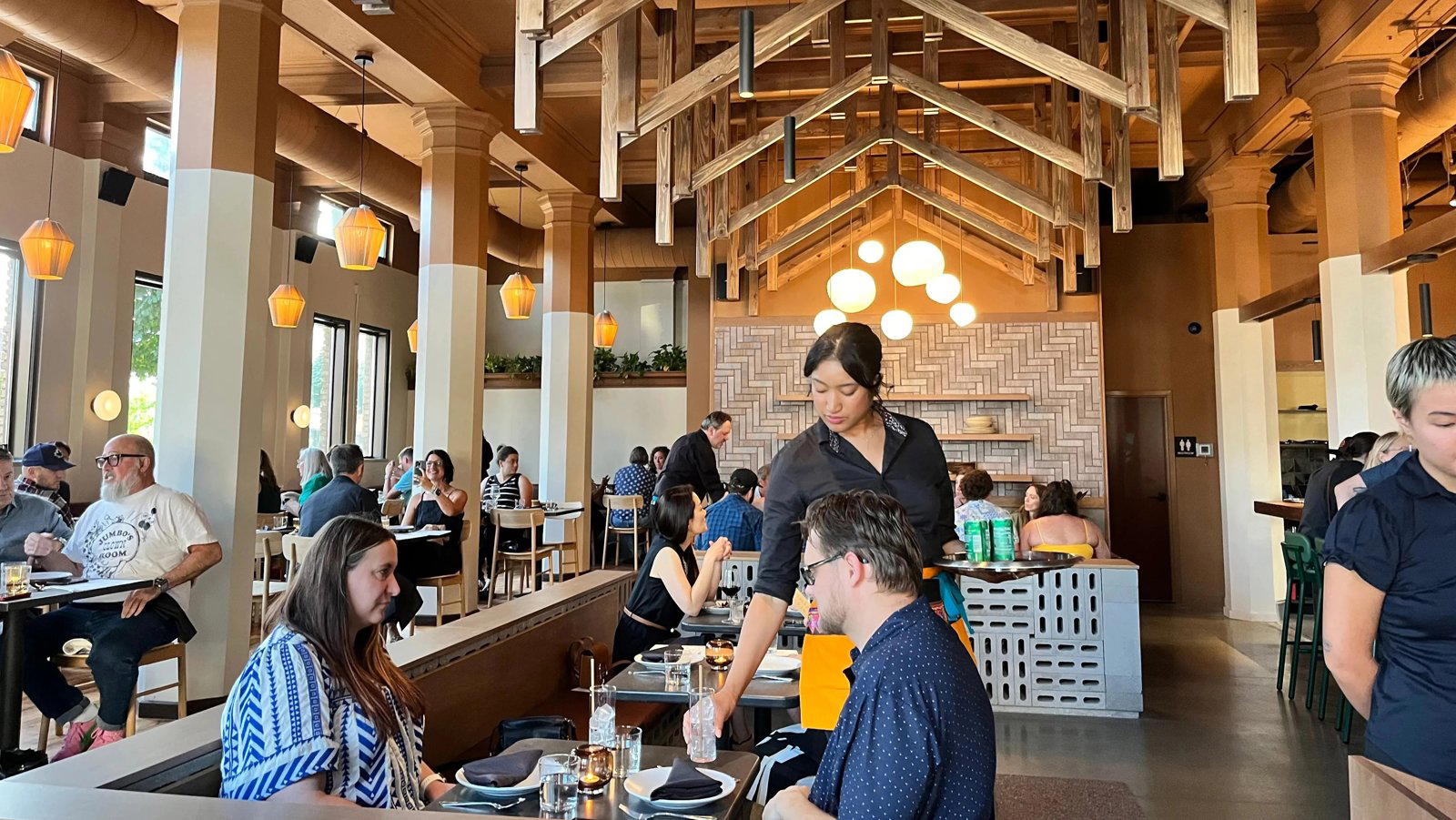
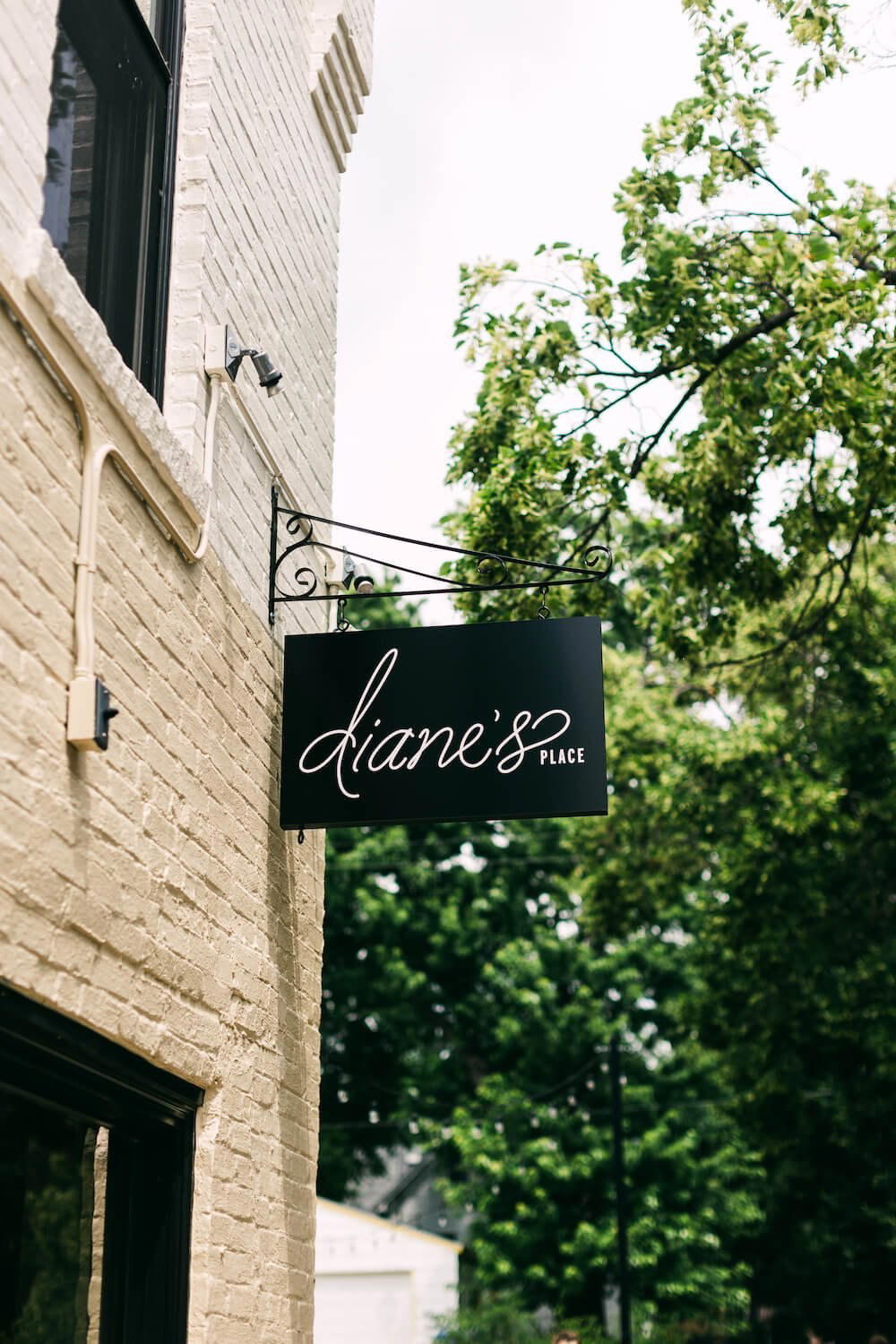
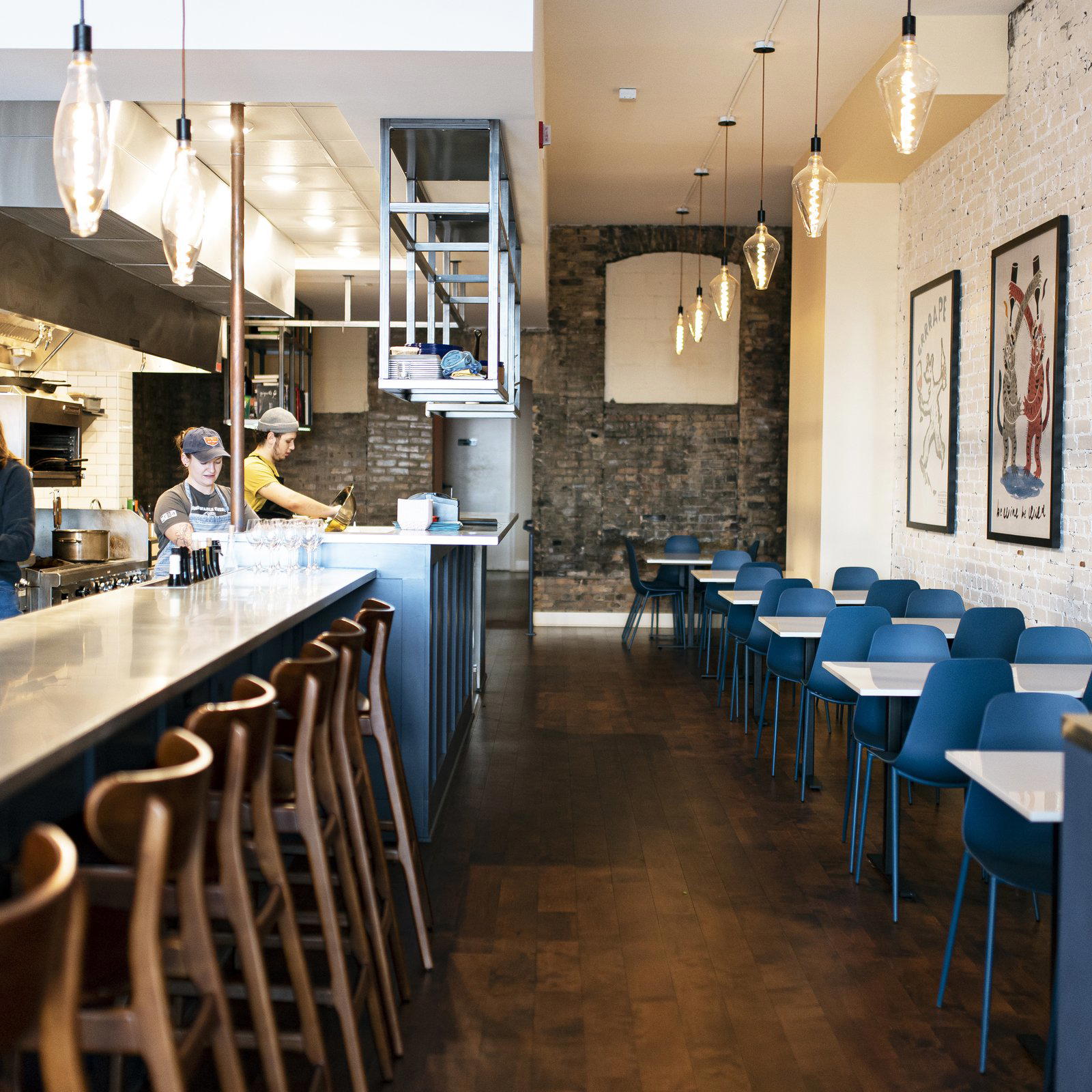
Bars in Minneapolis
Browse all →


At a Glance
- Modern
- Cozy
- Casual Hangout
- Open Kitchen
- Local Sourcing
Current opening hours
- Monday
- Closed
- Tuesday
- 11 AM–8 PM
- Wednesday
- 11 AM–8 PM
- Thursday
- 11 AM–8 PM
- Friday
- 11 AM–8 PM
- Saturday
- 11 AM–8 PM
- Sunday
- Closed
Hours can change for holidays and private events. Last verified .
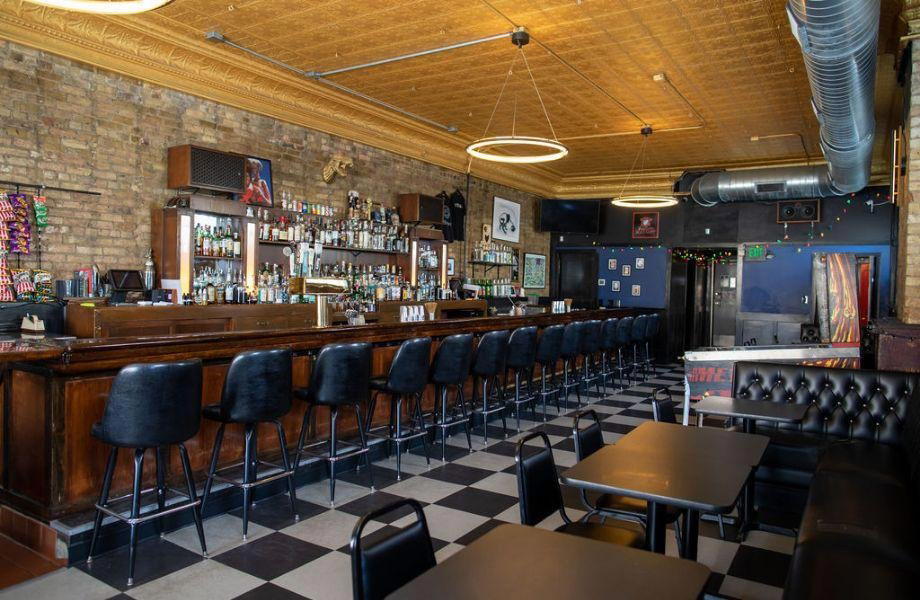
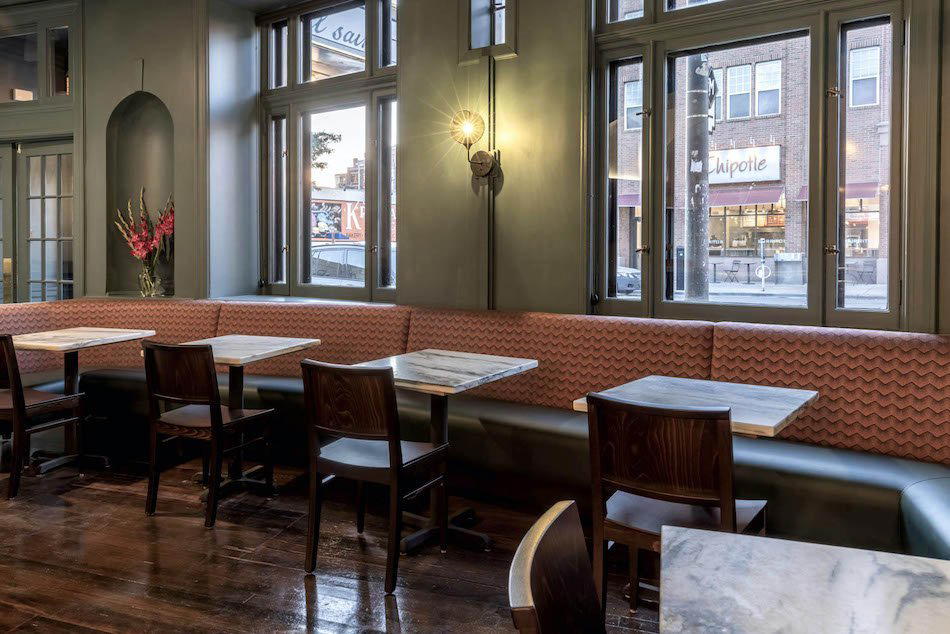
Casual fast-casual atmosphere in a Northeast Minneapolis neighborhood setting with dine-in and takeout options.