Caravaggio


Wine Spectator Best of Award of Excellence · World's Best Wine Lists Awards WBWL 3-Star
Our verdict
On East 74th Street in the Upper East Side, Caravaggio holds a 3-Star Accreditation from the World of Fine Wine & Lifestyle Awards, placing it among a small group of New York restaurants operating at the upper tier of formal Italian dining. The address situates it firmly in a neighbourhood where old-money discretion and serious food coexist without friction.

Pearl is the En Primeur Club membership app, where members save venues, book tables and use the concierge.
The menu
What to order
- Veal Milanese with black truffles
- Spaghetti with clams
- Burrata and prosciutto
East 74th Street and the Upper East Side Dining Register
There is a particular register of restaurant that the Upper East Side has always sustained: formal, unhurried, designed for conversation rather than spectacle. The neighbourhood between Lexington and Fifth, roughly from the sixties through the eighties, has historically housed a different dining culture than the tasting-menu theatre of Midtown or the neighbourhood-tavern energy of the West Village. Caravaggio, at 23 East 74th Street, occupies that register. The address alone signals something about the experience: this is a block where the architecture is pre-war, the residents tend toward the established rather than the arriving, and restaurants are expected to know how to behave.
That context matters when placing Caravaggio against the broader New York fine-dining map. The city's most-discussed restaurants in the current era have largely clustered downtown or in purpose-built Midtown destinations: Le Bernardin commands its West 51st Street position as a benchmark French seafood address; Masa at Columbus Circle operates as a Japanese counter at the furthest extreme of the city's price ceiling; Per Se anchors the Time Warner Building's upper floor as Thomas Keller's New York statement. The Upper East Side's fine-dining tier has received less critical attention in the past decade, but it has not disappeared. It has simply been serving a different audience with different expectations.
What the 3-Star Accreditation Places in Context
Caravaggio holds a 3-Star Accreditation from the World of Fine Wine & Lifestyle Awards. The WBWL framework rewards consistency and depth, which means the accreditation functions as evidence of a programme that has not been coasting. For a restaurant on the Upper East Side, where the competitive pressure from media cycles is lower but the pressure from a local clientele with long memories is considerably higher, that kind of recognition carries weight.
To calibrate the peer context further: at the level where serious Italian dining intersects with formal service and a considered wine programme, New York offers a handful of addresses that compete on those specific terms. Caravaggio is one of them. The distinction between this category and, say, the tasting-menu-led contemporary American format of Saga or the avant-garde register of Alinea in Chicago is not just stylistic. It reflects a fundamentally different idea of what a formal dinner is for. The Upper East Side version prioritises a certain kind of discretion and service continuity over any obligation to surprise.
Italian Dining at This Address
Premium Italian restaurants in New York occupy a specific position in the city's dining hierarchy. They are not competing on novelty or on the kind of tasting-menu prestige that drives coverage at places like The French Laundry in Napa or Lazy Bear in San Francisco. Instead, they compete on the quality of sourcing, the depth of the wine list, and the consistency of execution across a menu that regulars expect to know well. That last point is significant: the clientele for a restaurant at this level on the Upper East Side tends to return frequently, which means the kitchen is being evaluated not on first impressions but on whether the sixth visit holds up to the first.
That dynamic shapes the Italian fine-dining model in ways that matter to the visitor. The room is built for the regular as much as for the newcomer. The service cadence assumes knowledge of the menu. The wine programme, in a restaurant holding a 3-Star WBWL Accreditation, is likely to reflect serious Italian depth alongside a broader international selection. For the reader who has experience with the top tier of Italian dining elsewhere, including reference points like 8½ Otto e Mezzo Bombana in Hong Kong or Alain Ducasse at Louis XV in Monte Carlo as a standard for what formal European dining can sustain over decades, Caravaggio belongs to a similar tradition of long-form institutional seriousness.
The Upper East Side as a Dining Destination
The neighbourhood context is not incidental. Dining on the Upper East Side operates under conditions that differ from most other parts of Manhattan. The foot traffic is residential rather than tourist-driven. The lunch trade tends toward long, unhurried meals rather than quick turnovers. Evenings are quieter than in Midtown, and the room noise level at a restaurant like Caravaggio reflects that: this is not a space where you raise your voice to be heard across the table.
For visitors staying in nearby hotels, the address offers a different experience of New York than the concentrated fine-dining corridors elsewhere in the city. Our full New York City hotels guide covers options at various price points across the island, but for those staying on the Upper East Side or in the immediate area, Caravaggio represents the kind of serious neighbourhood restaurant that the area has sustained across decades while other parts of the city have cycled through trends.
The broader New York Italian dining scene has fractured in recent years between the casual red-sauce revival on one end and the ingredient-driven modernist approach on the other. Caravaggio sits neither in the nostalgic comfort zone nor in the self-consciously contemporary tier. It occupies a middle position that the Upper East Side has always had room for: formal execution, Italian classical roots, a room designed for adults who have somewhere to be tomorrow morning.
Planning a Visit
East 74th Street between Fifth and Madison is easily accessible from both the 6 train at 77th Street and from any crosstown service. The neighbourhood's taxi and car-service traffic is reliable, and the walk from Central Park's eastern edge takes under five minutes. For visitors building a broader New York evening, the Upper East Side's bar scene is more contained than downtown, but our full New York City bars guide covers options across the city for those looking to extend the evening elsewhere. The neighbourhood is also a useful base for anyone planning to visit the Metropolitan Museum of Art or the Frick Collection, both within walking distance.
Booking ahead is advisable for any restaurant at this level in New York. The 3-Star WBWL Accreditation suggests a programme that attracts a consistent clientele, and the Upper East Side's restaurant scene operates with less surplus capacity than Midtown. For those planning a broader New York dining itinerary, our full New York City restaurants guide provides comparative context across every neighbourhood and price tier. Comparable addresses to consider alongside Caravaggio include César and, for a sense of the gap between formal Italian and the tasting-menu format, Per Se. For readers with a reference point in the New Orleans tradition, Emeril's offers a useful contrast in how formal American dining operates outside New York. Those interested in the West Coast contemporary equivalent might look at Providence in Los Angeles or Single Thread Farm in Healdsburg for a sense of how the formal dinner experience has evolved elsewhere in the United States. For anyone building a complete picture of the city beyond dining, our New York City experiences guide and wineries guide cover the remaining categories.
Frequently asked questions
Would Caravaggio be comfortable with kids?
A 3-Star WBWL Accreditation at this address on East 74th Street signals a room built around quiet conversation and formal service pacing. That environment is not well suited to young children. This is a venue designed for adult dining, where the rhythm of the meal is slow and the room expects a corresponding register from guests.
Is Caravaggio better for a quiet night or a lively one?
Quiet, without question. The Upper East Side dining culture leans formal and unhurried, and a WBWL 3-Star-accredited Italian restaurant at 23 E 74th Street operates squarely within that tradition. Caravaggio is the kind of address where you hear your companion across the table, plan accordingly.
Has Caravaggio won any awards?
Caravaggio has received recognition including:
What's the best thing to order at Caravaggio?
At a restaurant holding a 3-Star Accreditation from the World of Fine Wine and Lifestyle Awards, the wine list is the first thing to take seriously. Restaurants recognised at this level by WBWL are assessed specifically on their wine programmes, so deferring to the sommelier's recommendations is the clearest path to understanding what the kitchen is built around.
A Tight Comparison
| Venue | Cuisine | Price | Awards | Notes |
|---|---|---|---|---|
| CaravaggioThis venue (the venue you are viewing) | Classic Italian Fine Dining | $100–150 | Wine Spectator Best of Award of Excellence · World's Best Wine Lists Awards WBWL 3-Star | Not listed |
| Le Bernardin | French Seafood Fine Dining | $300–500 | 3 Michelin Stars · World's 50 Best #13 | French, Seafood |
| Masa | Seasonal Hokkaido Tempura Omakase | $150–200 | Tabelog 100 #34 | Sushi, Japanese |
| Per Se | French Fine Dining Tasting Menu | $300–500 | 3 Michelin Stars · World's 50 Best #40 | French, Contemporary |
| The Chefs Table at Brooklyn Fare | Modern Japanese Seafood Omakase | $300–500 | 2 Michelin Stars · World's 50 Best #61 | Japanese - French, Contemporary |
| Estela | Modern American Small Plates | $50–100 | 1 Michelin Star · World's 50 Best #44 | Mediterranean, Contemporary |
Recognition history
Dated appearances from independent guides and award organizations, with the underlying list record or original source where available.
Wine Spectator Best of Award of Excellence
Wine Spectator
World's Best Wine Lists Awards WBWL 3-Star
World's Best Wine Lists Awards
Continue exploring
More in New York City
Restaurants in New York City
All restaurants in New York City →
Bars in New York City
All bars in New York City →




Caravaggio
The wine
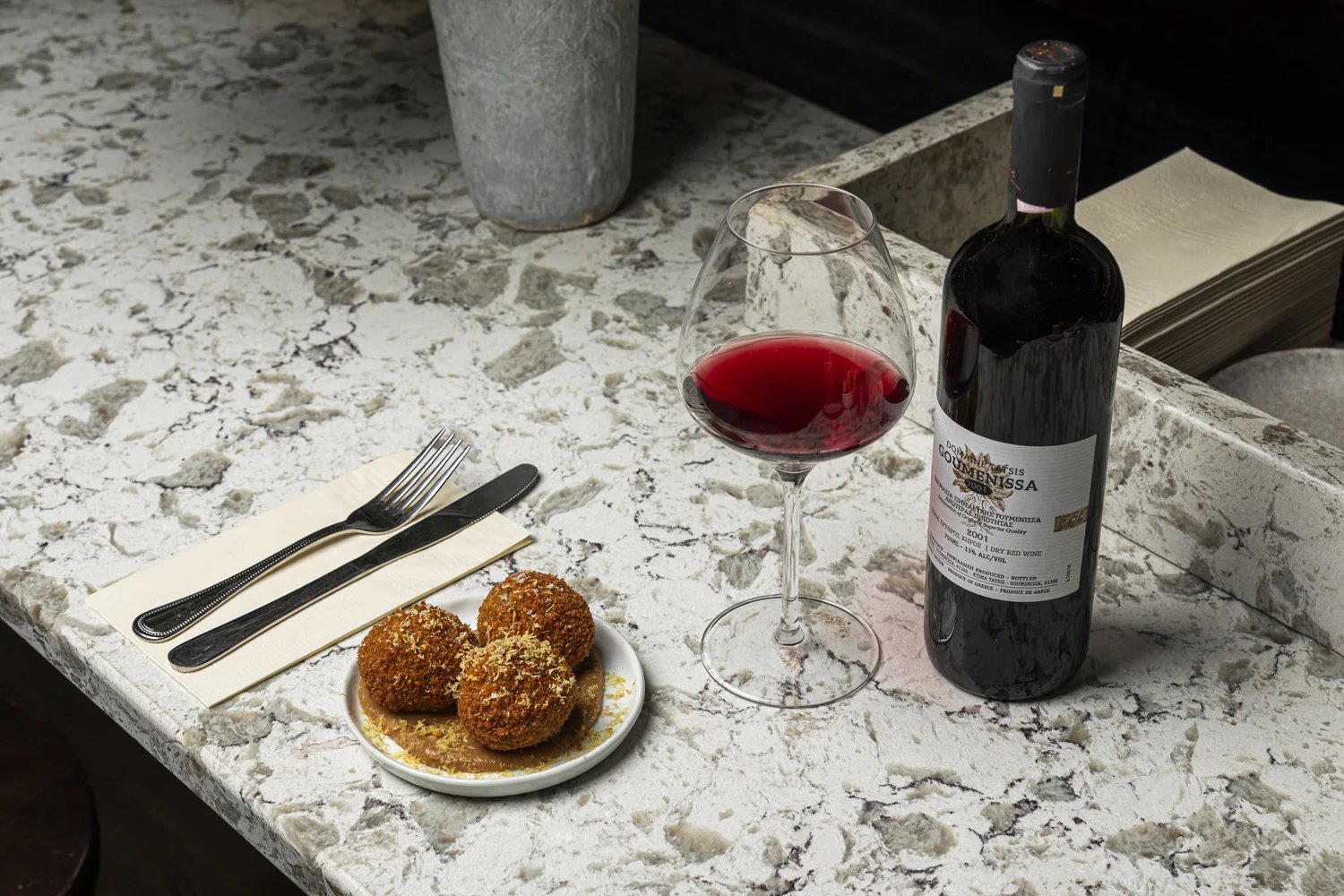
Caravaggio holds the Wine Spectator Best of Award of Excellence, which Wine Spectator gives to lists of usually 350 or more selections.
- Wine program
- Deep wine list
- Wine Spectator
- Wine Spectator Best of Award of Excellence
- Extensive wine list
Details
- Elegant
- Sophisticated
- Intimate
- Cozy
- Date Night
- Special Occasion
- Business Dinner
- Standalone
- Extensive Wine List
Current opening hours
- Monday
- 12–10 PM
- Tuesday
- 12–10 PM
- Wednesday
- 12–10 PM
- Thursday
- 12–10 PM
- Friday
- 12–10 PM
- Saturday
- 12–10 PM
- Sunday
- 12–10 PM
Hours can change for holidays and private events. Hours as of .
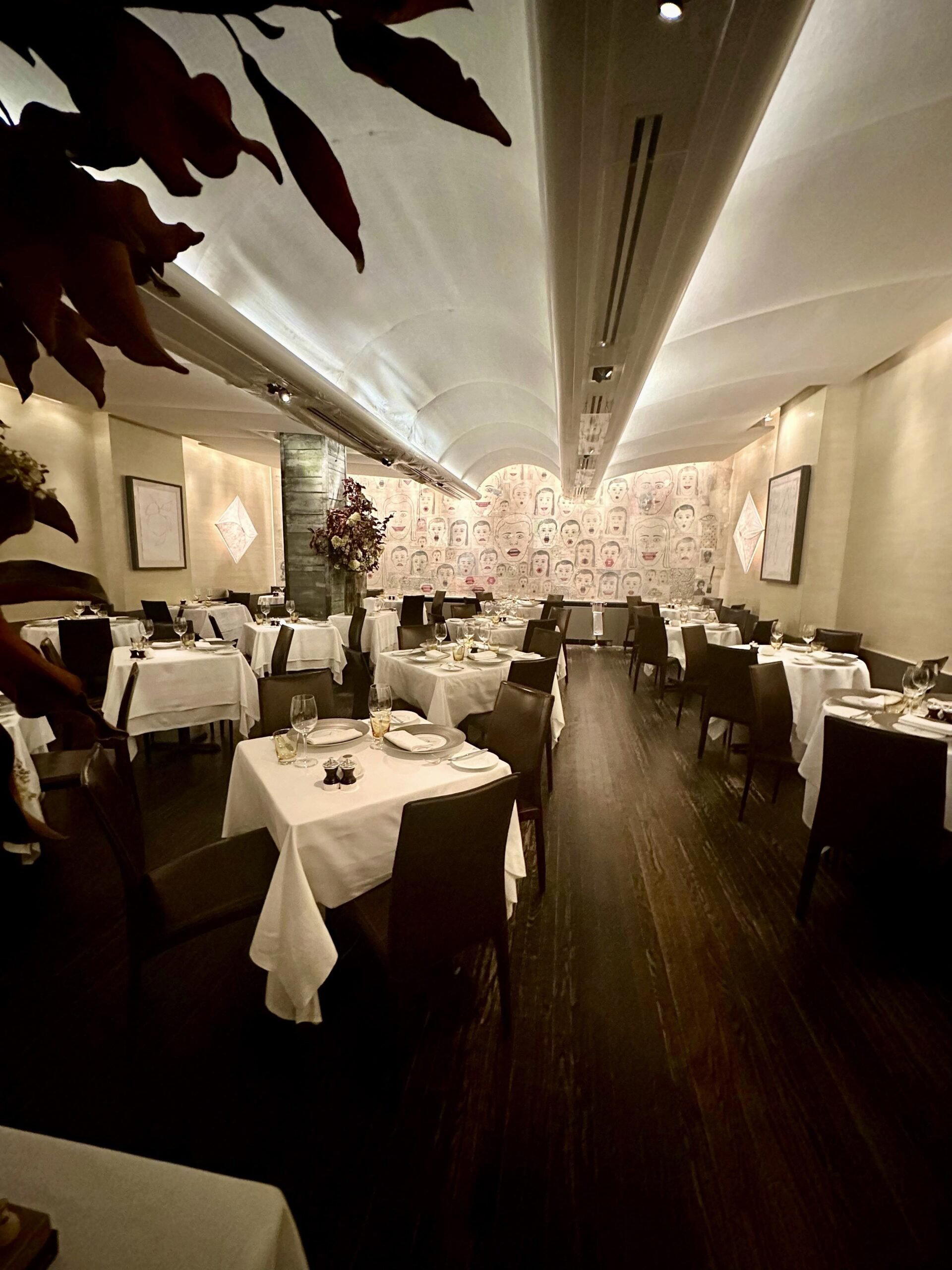
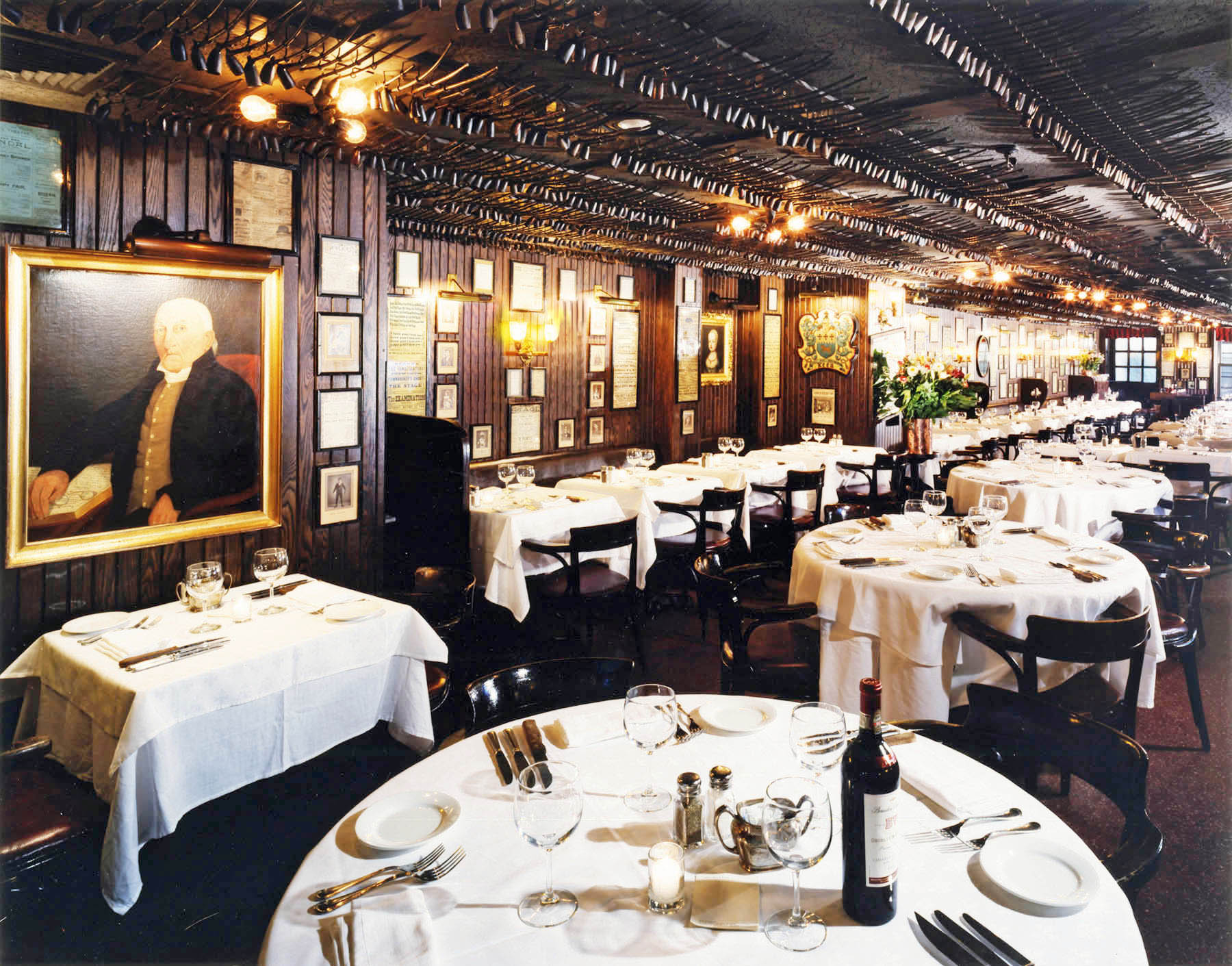
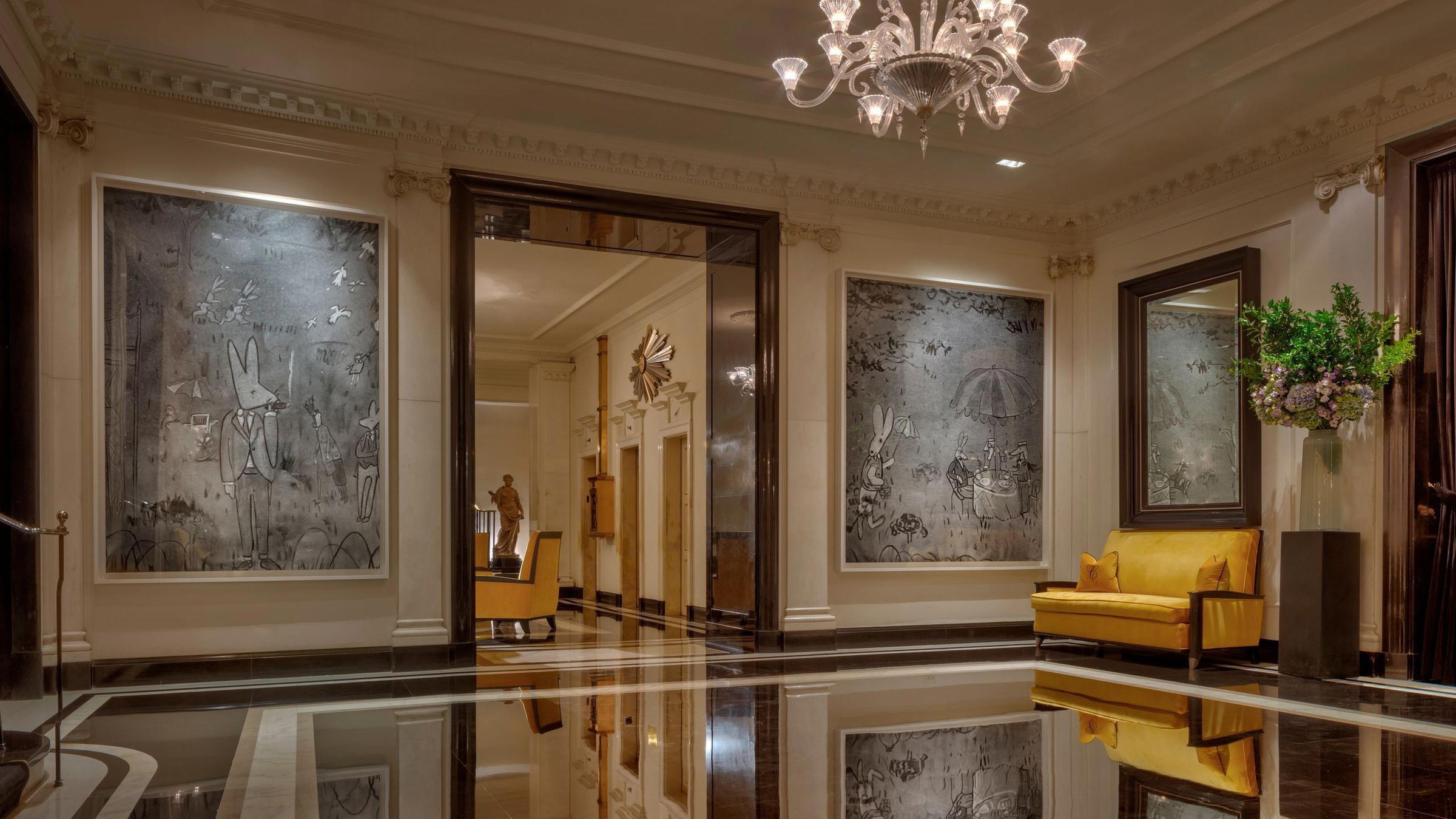
Sophisticated and elegant with white tablecloths, warm welcoming atmosphere, and gorgeous visual artwork, though lighting can feel cafeteria-like to some.