All'Anguilla sits on Calle Falconera in Caorle's historic fishing quarter, where the Venetian lagoon tradition of curing and cooking eel has survived as a living culinary practice rather than a heritage curiosity. The address alone signals its roots: a narrow calle away from the tourist promenade, embedded in the working fabric of one of the northern Adriatic's oldest fishing towns.
Pearl is the En Primeur Club membership app — saves, bookings, and concierge access live there. Same editors, same standards.
- Address
- Calle Falconera, 5, 30021 Caorle VE, Italy
- Phone
- +393942184222
- Website
- ristoranteanguillacaorle.com
- Directions
- Get directions
 Saves & bookings on Pearl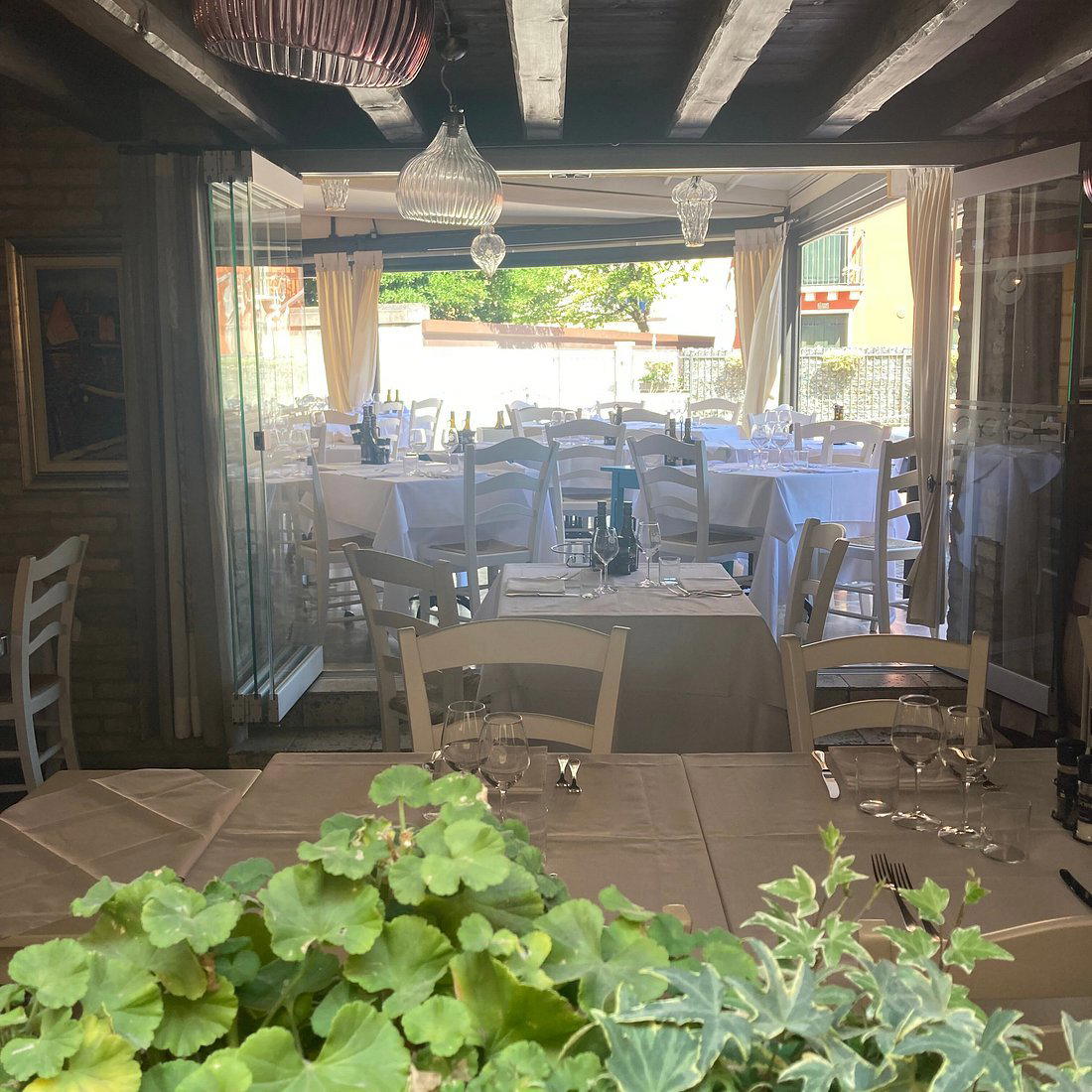
A Fishing Town's Oldest Flavour
Caorle occupies an unusual position on the northern Adriatic coast. Unlike Jesolo or Bibione, which rebuilt their identities around beach tourism after the mid-twentieth century, Caorle has kept a functioning fishing fleet and a historic centre whose street layout still follows the logic of a working lagoon settlement. Calle Falconera, where All'Anguilla sits, belongs to that older fabric: narrow, shaded, away from the waterfront promenade where tourist restaurants tend to cluster. The physical approach already tells you something about the dining tradition it houses. All'Anguilla is a restaurant in Caorle, Italy, known for traditional Italian seafood and priced at about $35 per person.
The name translates simply as "The Eel," which is also a cultural statement. Eel has been central to Venetian lagoon cooking for centuries, a fish that thrives in the brackish transitional waters between the open Adriatic and the river-fed freshwater systems of the Veneto plain. Before refrigeration, before global supply chains, it was one of the few proteins that could be salted, smoked, or marinated and kept through winter. The Venetian lagoon tradition of preparing anguilla in saor, marinated with onions and vinegar, or roasted over embers in the manner still practised at festivals in the Po Delta, represents a continuity of technique that stretches back at least to the medieval period. Restaurants that build their identity around it are making a specific claim about place and time.
The Lagoon Kitchen in Context
Northern Adriatic seafood cooking sits in a category distinct from both the elaborate fish restaurants of the Italian Riviera and the tourist-facing grilled-fish menus that dominate most Adriatic beach towns. In the Veneto and Friuli fishing ports, the tradition runs closer to the cucina povera of the lagoon: small fish, strong preservation techniques, acidic counterpoints from vinegar or citrus, and a preference for cooking methods that intensify rather than obscure flavour. Baccalà mantecato, sarde in saor, and braised eel all belong to this same vocabulary, sharing a logic of transformation over adornment.
Caorle's restaurant scene reflects this tradition unevenly. Several addresses along the waterfront and in the centro storico operate within the lagoon-cooking register, including Ai Bragozzi, Antico Petronia, and Bucintoro, each working from the same regional larder with different emphases. Caorlina and Enoteca Enos add wine-led and osteria dimensions to what is, for a town of this size, a concentrated local dining circuit. All'Anguilla occupies its own niche within that circuit by foregrounding the one ingredient most associated with lagoon identity.
For broader perspective on how this local tradition fits within Italy's seafood fine-dining spectrum, it is worth considering how the country's most recognised coastal restaurants handle similar raw material. Uliassi in Senigallia and Quattro Passi in Marina del Cantone both operate from Adriatic and Tyrrhenian fishing traditions respectively, translating local catch into tasting-menu formats with significant technical investment. At the opposite end of the format spectrum, the cooking at Dal Pescatore in Runate demonstrates how deeply a single regional identity, in that case the Po Valley, can sustain a dining legacy across decades. The restaurant does not operate at that scale, but it draws from an analogous logic: a single ingredient or tradition as the organising principle of an entire kitchen.
Why Eel, and Why Here
The Valle Zignago and the network of lagoon valleys surrounding Caorle have been eel-farming territories since at least the Venetian Republic period. The Republic maintained strict controls over the lagoon fisheries, and eel was among the more commercially significant species. That history gives the ingredient a local specificity that goes beyond flavour preference: eating eel in Caorle connects to a documented economic and ecological relationship between the town and its waters that spans several hundred years.
In contemporary Italian cooking, that kind of ingredient provenance has become a point of serious attention. Restaurants such as Reale in Castel di Sangro and Atelier Moessmer Norbert Niederkofler in Brunico have built internationally recognised programs around hyper-local sourcing from defined territories. The restaurant operates without that level of formal recognition, but the underlying logic, that place determines ingredient determines technique, is the same. A kitchen in Caorle that takes eel seriously is working from the same philosophical premise, even if the format is trattoria rather than tasting menu.
Where It Sits in the Italian Dining Picture
Italy's most discussed restaurants in recent years have tended toward a different register: the architectural ambition of Osteria Francescana in Modena, the long-running technical refinement of Le Calandre in Rubano, the wine-and-food integration of Enoteca Pinchiorri in Florence, or the multi-restaurant ambition of Enrico Bartolini in Milan. Piazza Duomo in Alba anchors the Langhe's gastronomic identity with similar authority. These are reference points for what formally recognised Italian dining looks like at its most developed.
The restaurant sits at a significant remove from that conversation in terms of format, price tier, and ambition, and that remove is precisely its relevance. The cooking traditions that feed into Michelin-starred coastal Italian restaurants like Uliassi or internationally regarded seafood programs like Le Bernardin in New York City trace their authority partly back to the kind of place-specific, ingredient-driven cooking that small addresses like All'Anguilla preserve. The trattoria format, when it is honest about its tradition, is not the bottom of the Italian dining hierarchy but a different register entirely.
Planning a Visit
The restaurant's address on Calle Falconera in the centro storico of Caorle places it within walking distance of the town's cathedral and the older fishing quarter. Caorle is accessible by car from Venice in roughly one hour, or by regional bus from the Venezia Mestre hub. The town's summer season, from late June through August, draws a significant increase in visitors from the Veneto and Central European markets, and restaurants in the historic centre can fill quickly during that window. Visiting outside the peak summer months, particularly in May, June, or September, gives a more reliable table and a sense of the town closer to its working character.
Price Lens
Comparable venues nearby, for context on price, style, and recognition.
| Venue | Cuisine | Price | Notes |
|---|---|---|---|
| All'AnguillaThis venue — the venue you are viewing | Not listed | $$$ | Not listed |
| Ristoro Golf Caorle | Duna Verde, Italian Pizzeria and Grill | $$ | Not listed |
| Antico Petronia | Caorle center, Italian Seafood | $$ | Not listed |
| Maison B. Restaurant & Contemporary Art | Not listed | $$$$ | Caorle, Northern Adriatic Seafood with Contemporary Art |
| Ai Bragozzi | Caorle, Fresh Seafood & Italian | $$$ | Not listed |
| Caorlina | Not listed | $$ | historic center, Traditional Italian Seafood & Pizza |
Continue exploring
More in Caorle
Restaurants in Caorle
Browse all →
Bars in Caorle
Browse all →
Hotels in Caorle
Browse all →
At a Glance
- Romantic
- Cozy
- Rustic
- Date Night
- Special Occasion
- Terrace
- Street Scene
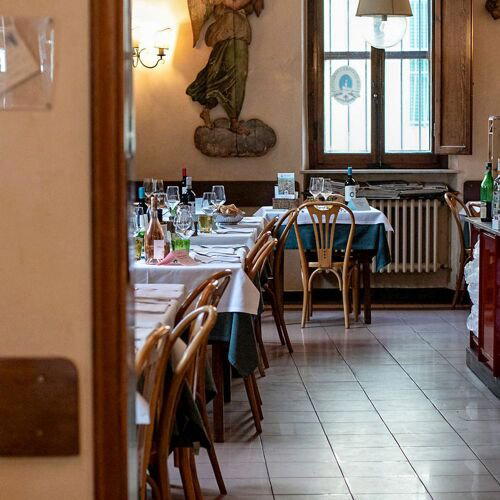
Romantic and curated atmosphere with inviting dining rooms and a charming outdoor terrace.